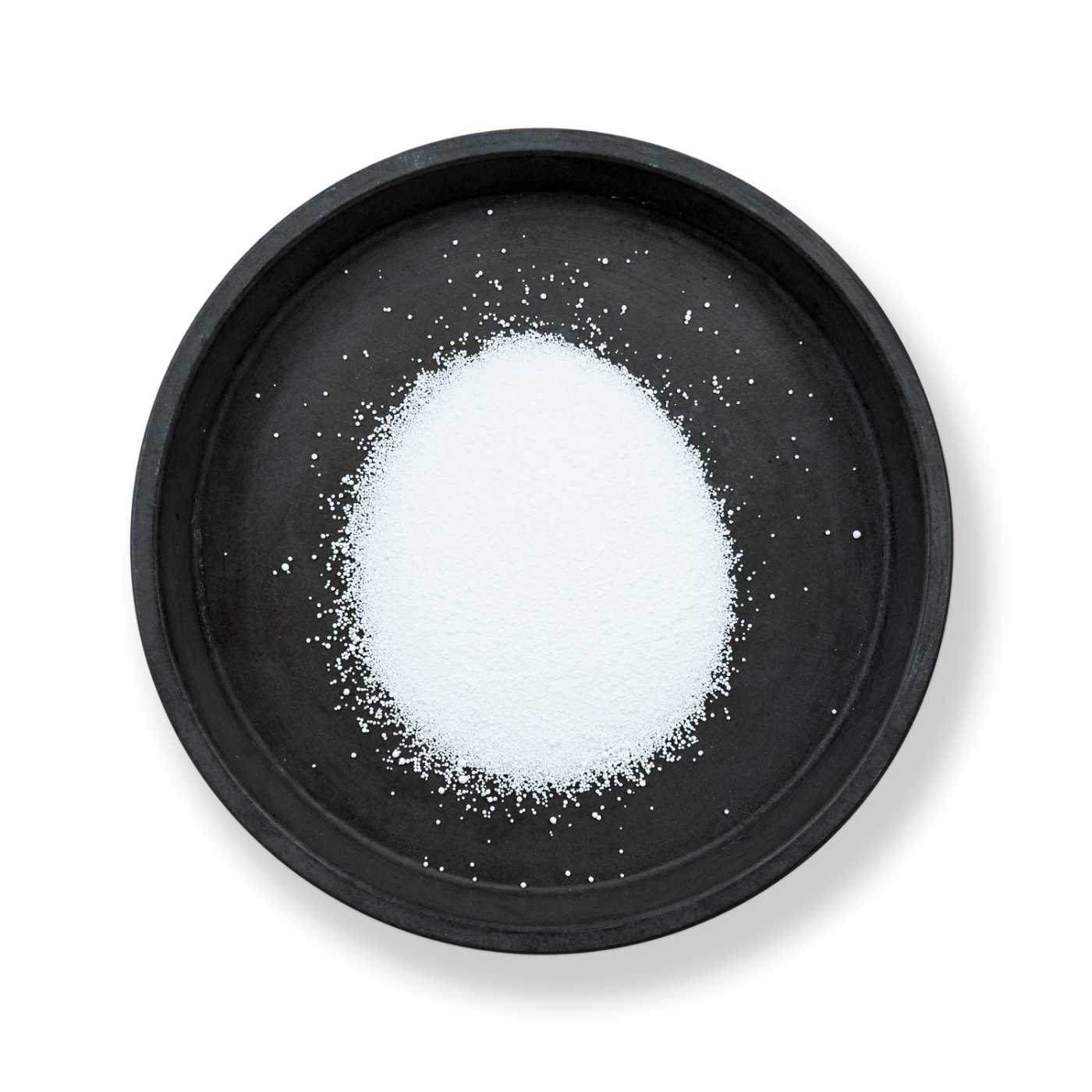
Technical Sodium Benzoate, 100 g
Pre-order€3.99(€39.90/kg)

CHELATING AGENTS
Pack size100 g500 g1 kg5 kg25 kg
Sodium gluconate is the sodium salt of gluconic acid. In cosmetics, soaps and cleaning products it works as a chelating agent : it binds metal ions from water and from raw materials that would otherwise spoil the… full description
Lowest price in the last 30 days: €7.99
Sodium gluconate is the sodium salt of gluconic acid. In cosmetics, soaps and cleaning products it works as a chelating agent: it binds metal ions from water and from raw materials that would otherwise spoil the colour, fragrance and foaming of the product. It is readily biodegradable and is used as an alternative to EDTA.
Metals enter a product with the water and with the raw materials. Calcium from hard water reduces foaming and cleaning performance, while traces of iron and copper change the colour and fragrance of the finished product over time. Sodium gluconate binds these metals into stable chelates. Once bound, the metal no longer reacts with the other ingredients.
Its effectiveness depends on pH. It binds metals most strongly in an alkaline environment, and its effect increases significantly as the pH rises. It is most useful in alkaline cleaners, degreasers and laundry powders. In acidic skincare products it works less well.
Sodium gluconate belongs in the water phase. Add it to the water or to an aqueous solution of other salts and stir until completely dissolved, and only then add the other ingredients. It is not hygroscopic and does not stick when weighed. The recommended processing temperature is up to 80 °C.
It dissolves very well in water, and its solubility increases with temperature. At 20 °C about 60 g dissolves in 100 g of water, at 0 °C 43 g, and at 80 °C as much as 135 g. It is only slightly soluble in alcohol.
A stock solution prepared hot may crystallise after it cools. Therefore, keep the concentration below the solubility limit at room temperature.
The usage rate varies by product type. In cosmetics it is added at 0.1–0.5%. Hard-surface cleaners usually contain 0.4–0.5%; concentrates, drain cleaners and alkaline cleaners around 2%. In laundry and cleaning powders it is typically around 4%, where it already acts as a water softener.
In strongly alkaline cleaners it is dissolved directly in the sodium hydroxide solution. In recipes it is often combined with baking soda, sodium carbonate, sodium citrate, citric acid, sodium chloride and glycerine.
Both substances do the same job in a product: they bind metal ions. EDTA binds them strongly across a wide pH range. Sodium gluconate comes closest to it at higher pH and is weaker in acidic products.
They also differ in origin and in how they behave in the environment. EDTA is a synthetic substance that breaks down slowly in nature. Sodium gluconate is produced by fermentation and is readily biodegradable.
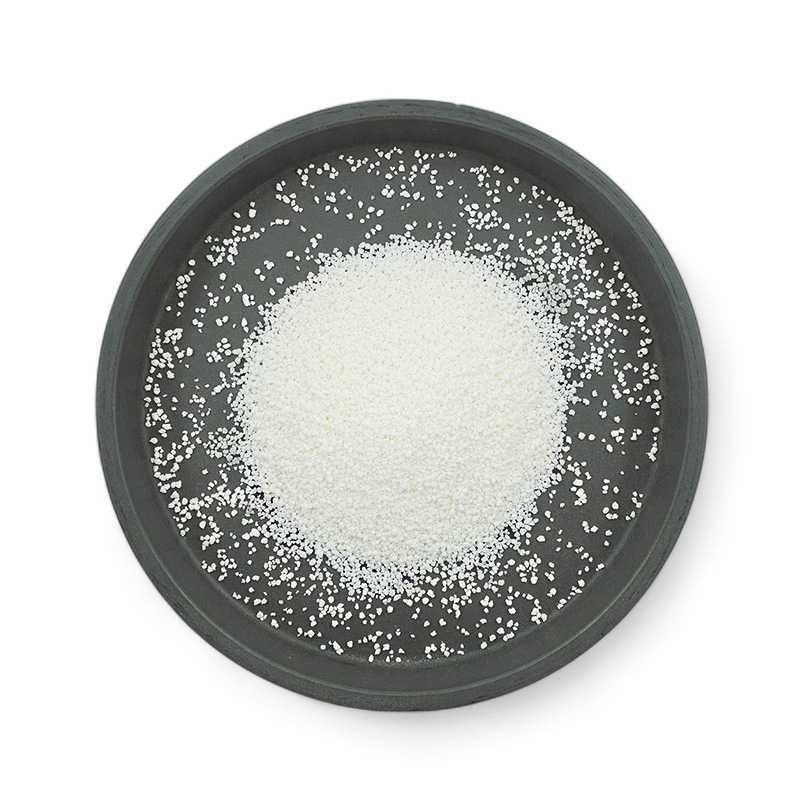
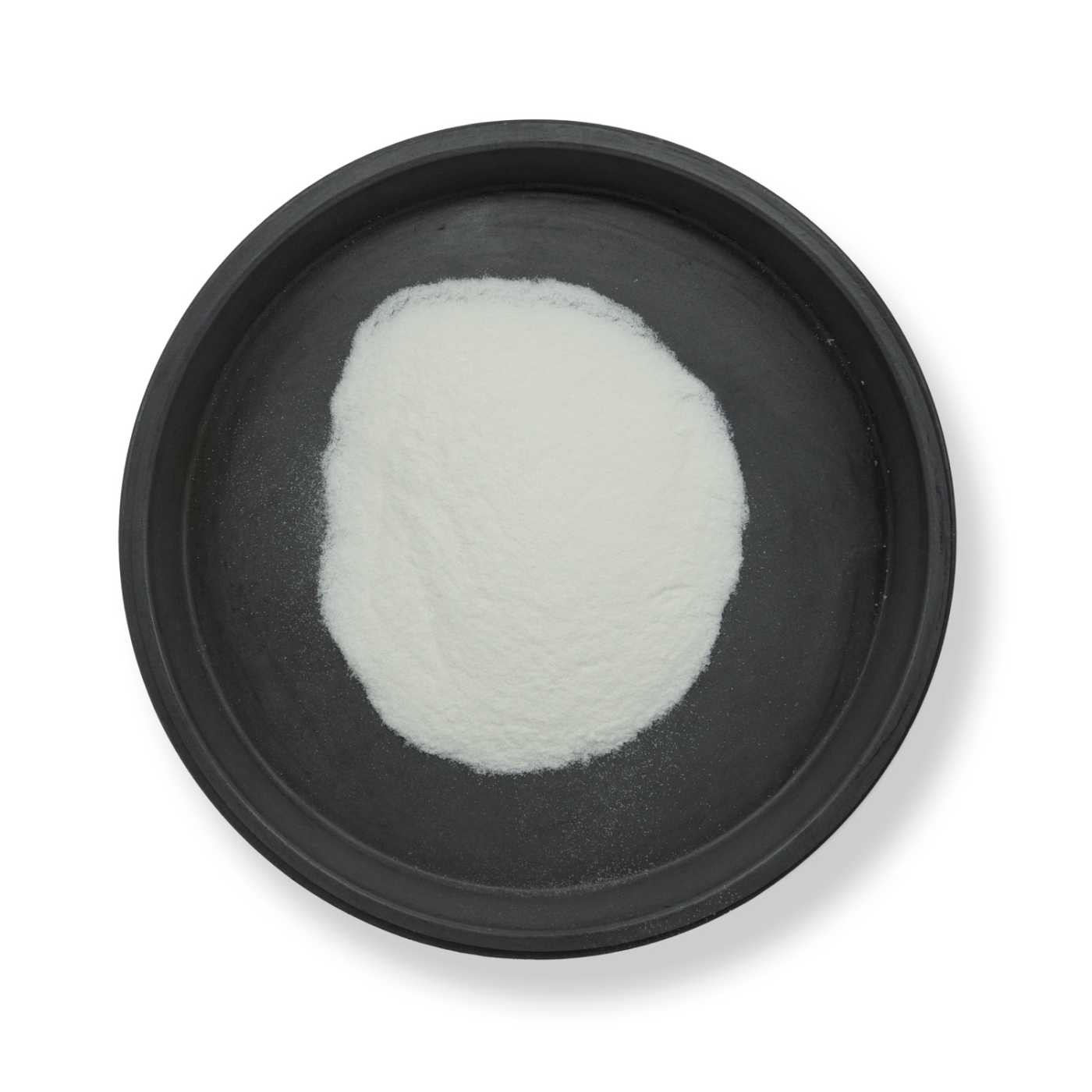
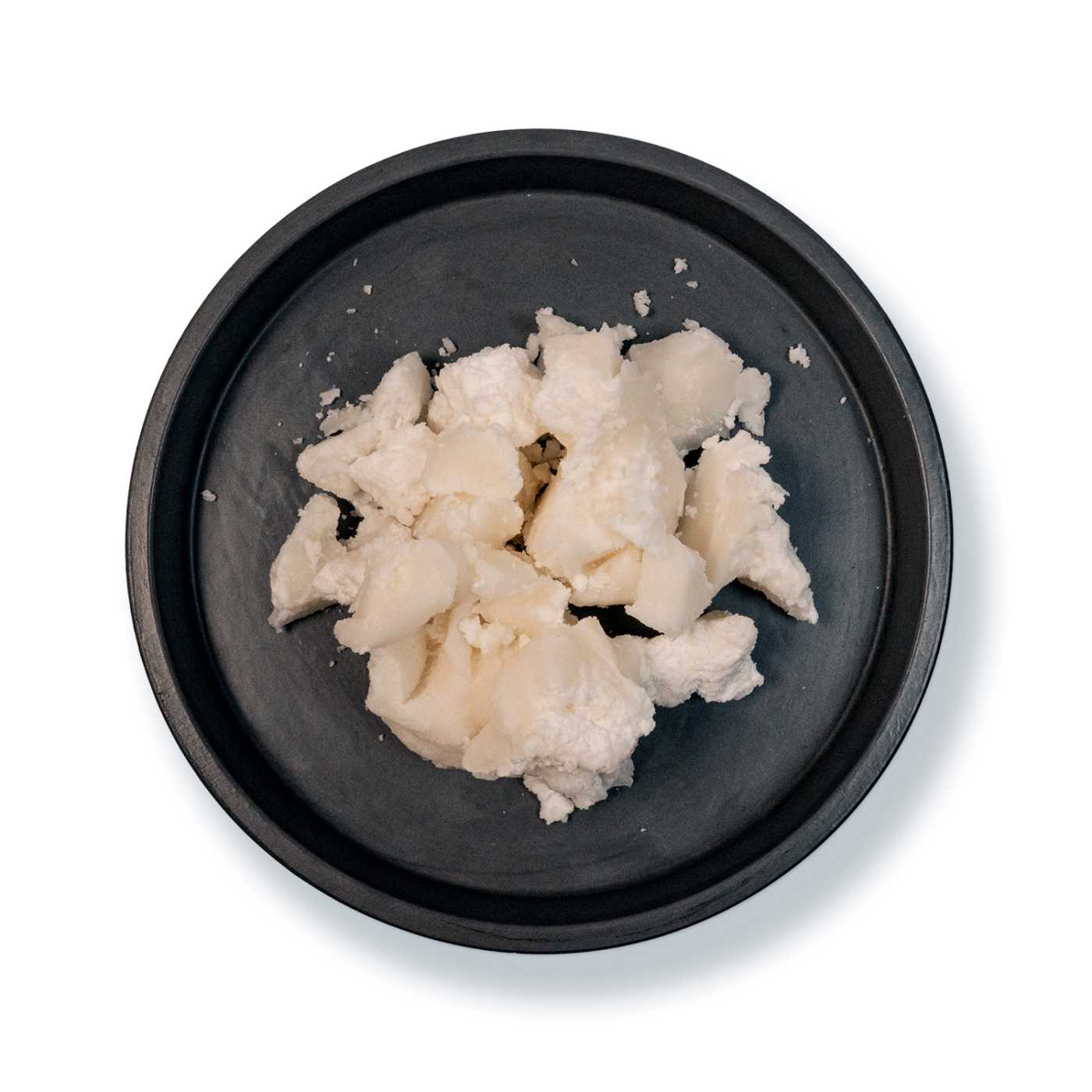
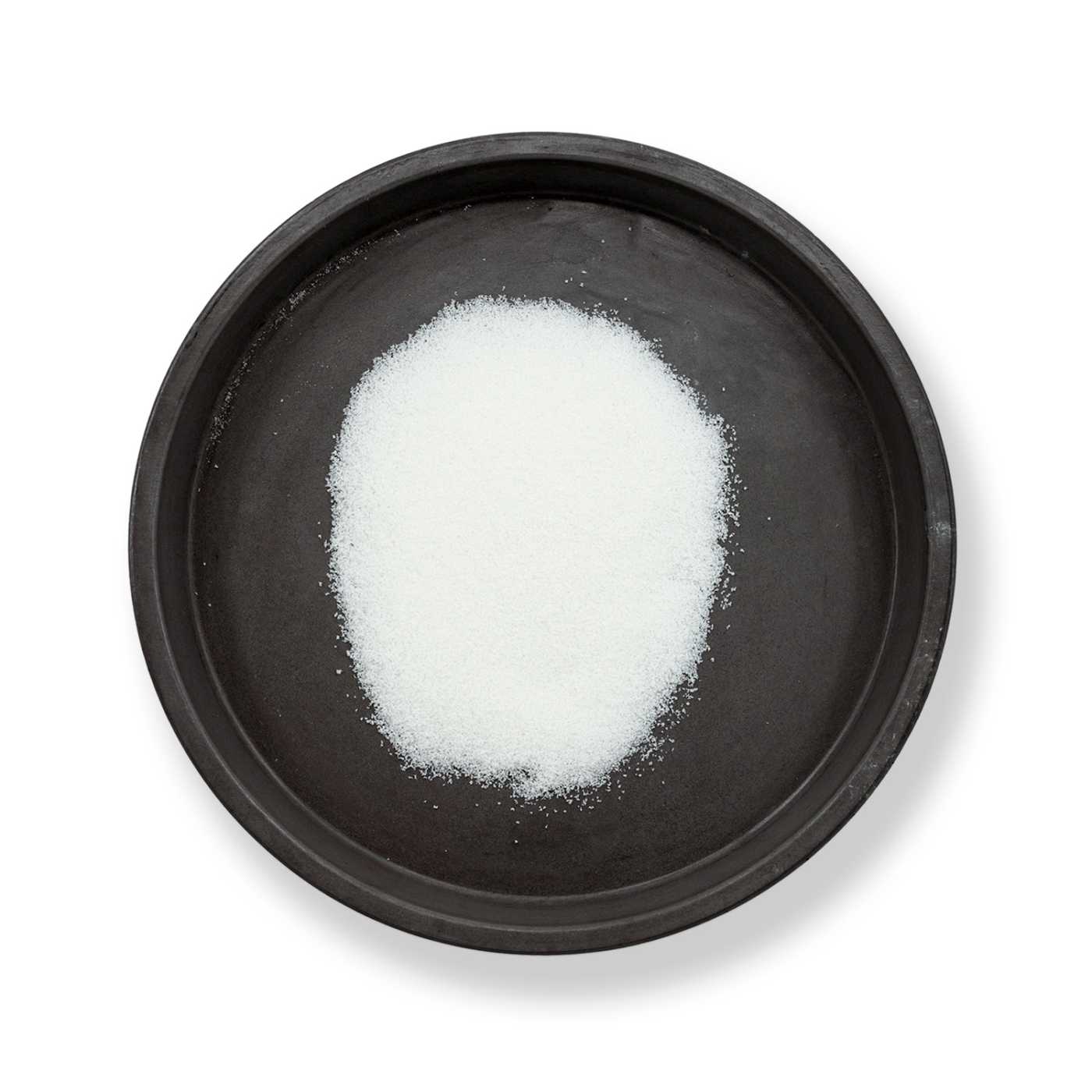
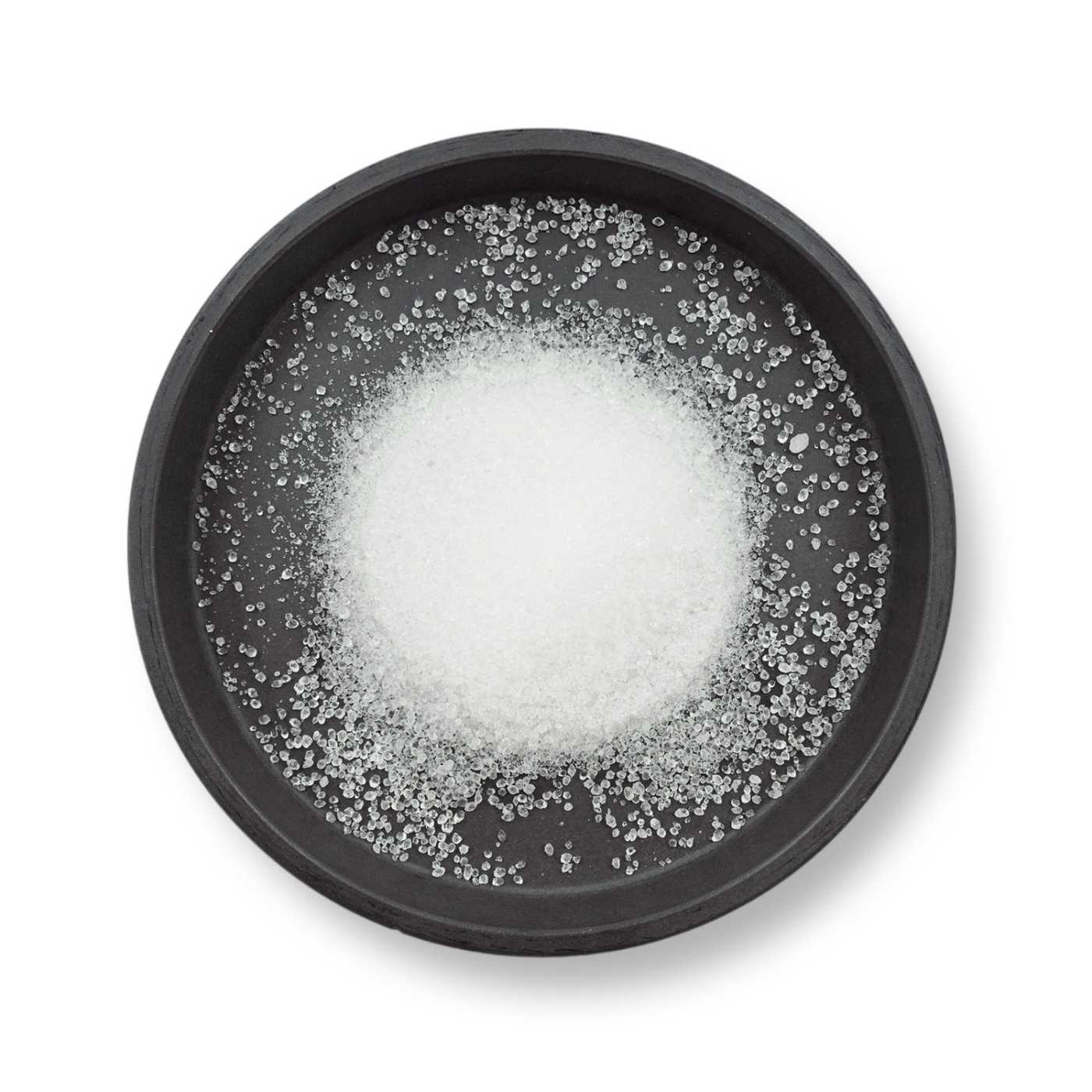
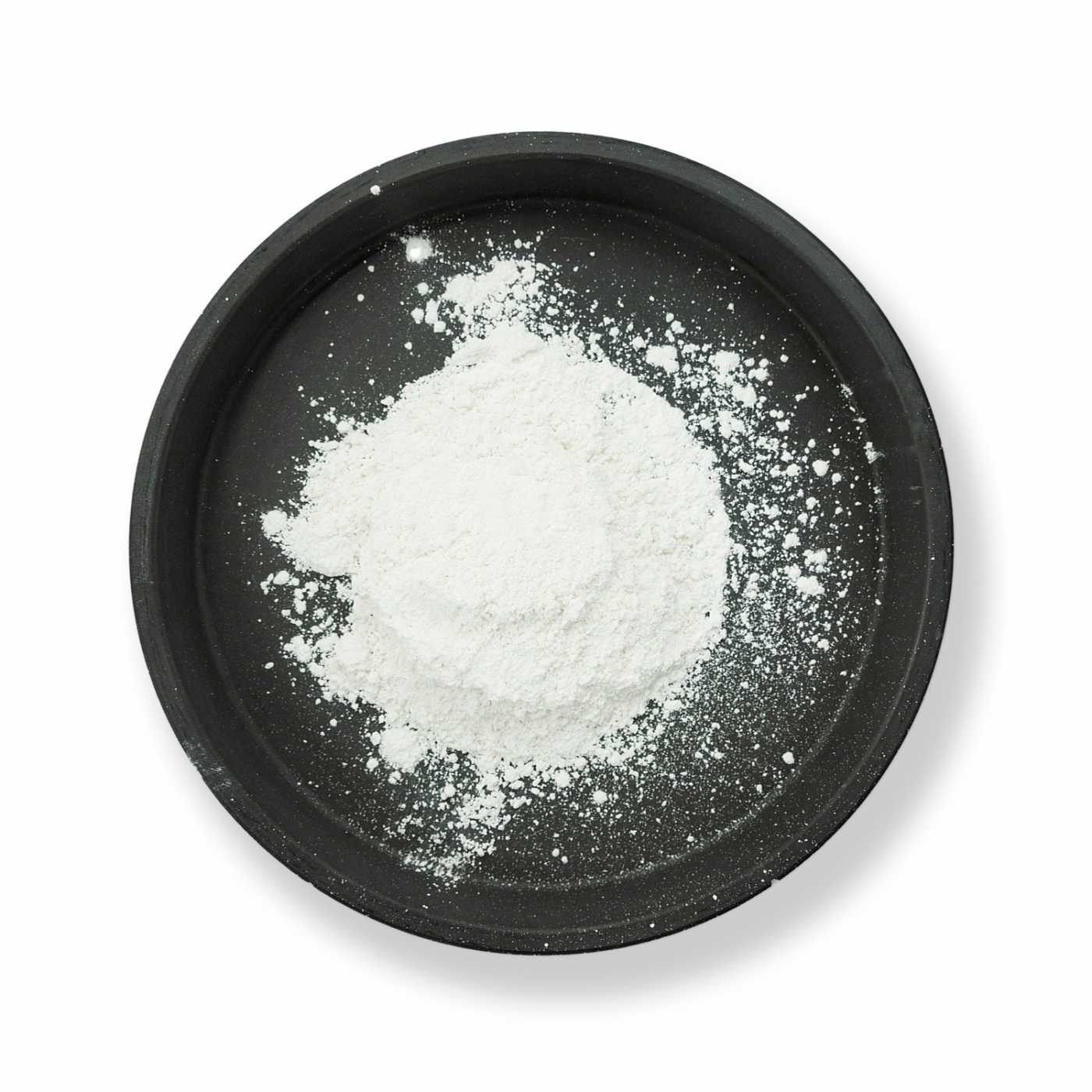
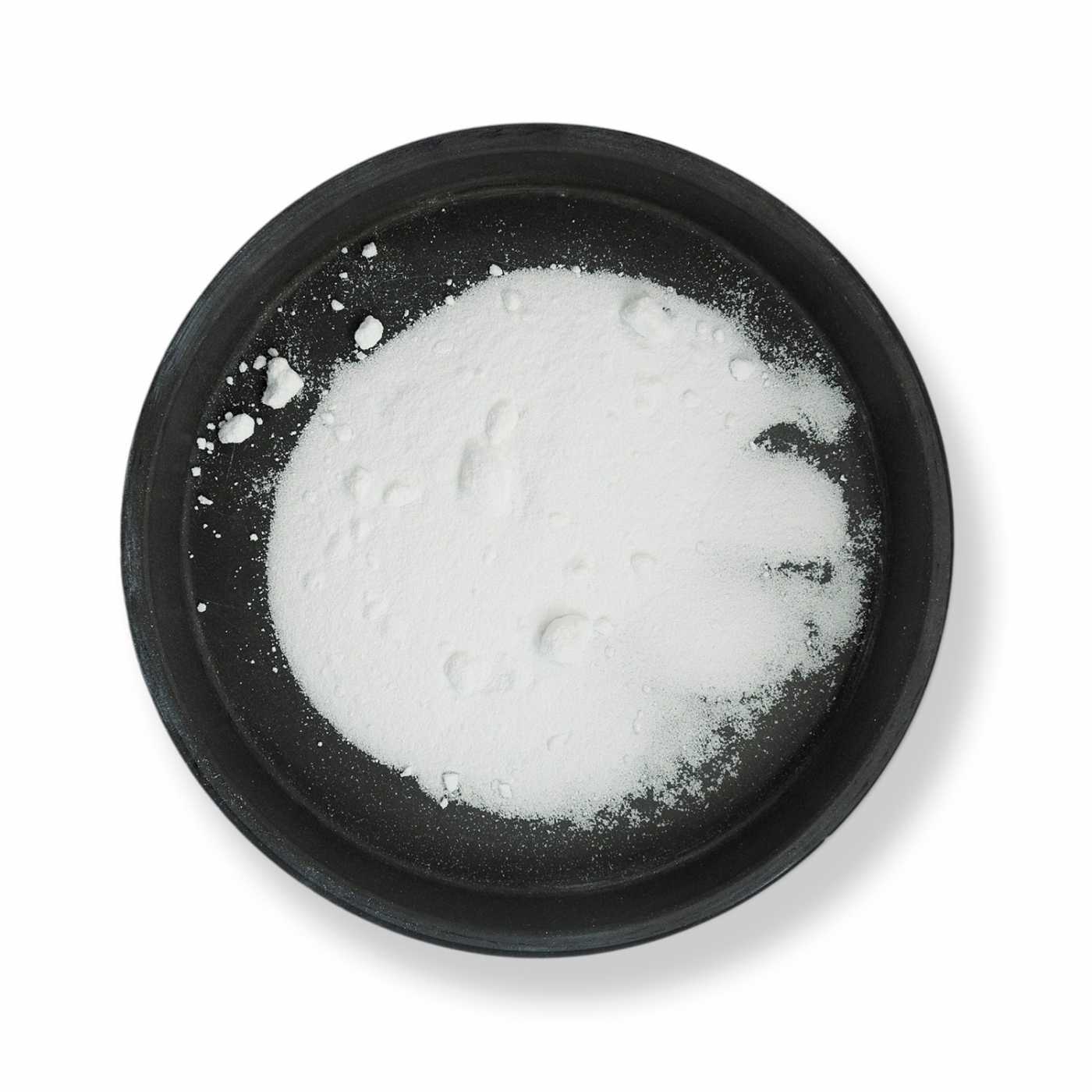
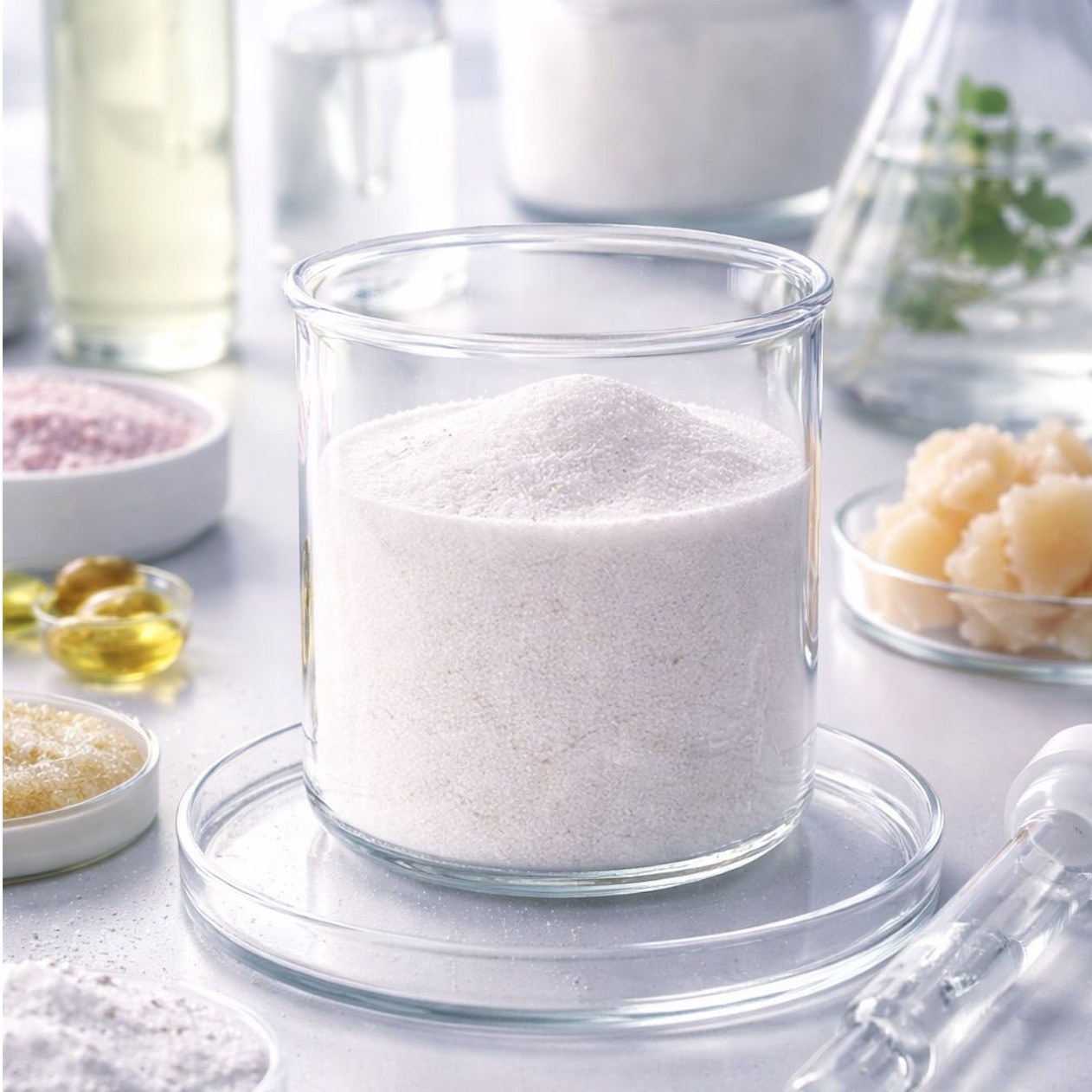
The raw material is a white to beige crystalline powder or granulate, practically odourless. Its 10% aqueous solution has a pH of 6.5–7.5.
In delicate aqueous gels and serums, a 10% solution can also be used to fine-tune the pH, added drop by drop. Do not combine sodium gluconate with strong oxidising agents.
When weighing and transferring it, avoid raising dust and do not inhale it. Airborne dust can form an explosive mixture with air.

Excellent chelator, affordable, high quality.
Translated automatically

Variant: Glukonan Sodný, chelatačná látka, 500 g
I use it in HP soap as a chelating agent. The goal is that the soap scum does not stick to the walls of the tub, in case of hard water or water with a high iron content! So far it seems to be doing its job! I add 10 g per 1000 g of oil.
Translated automatically