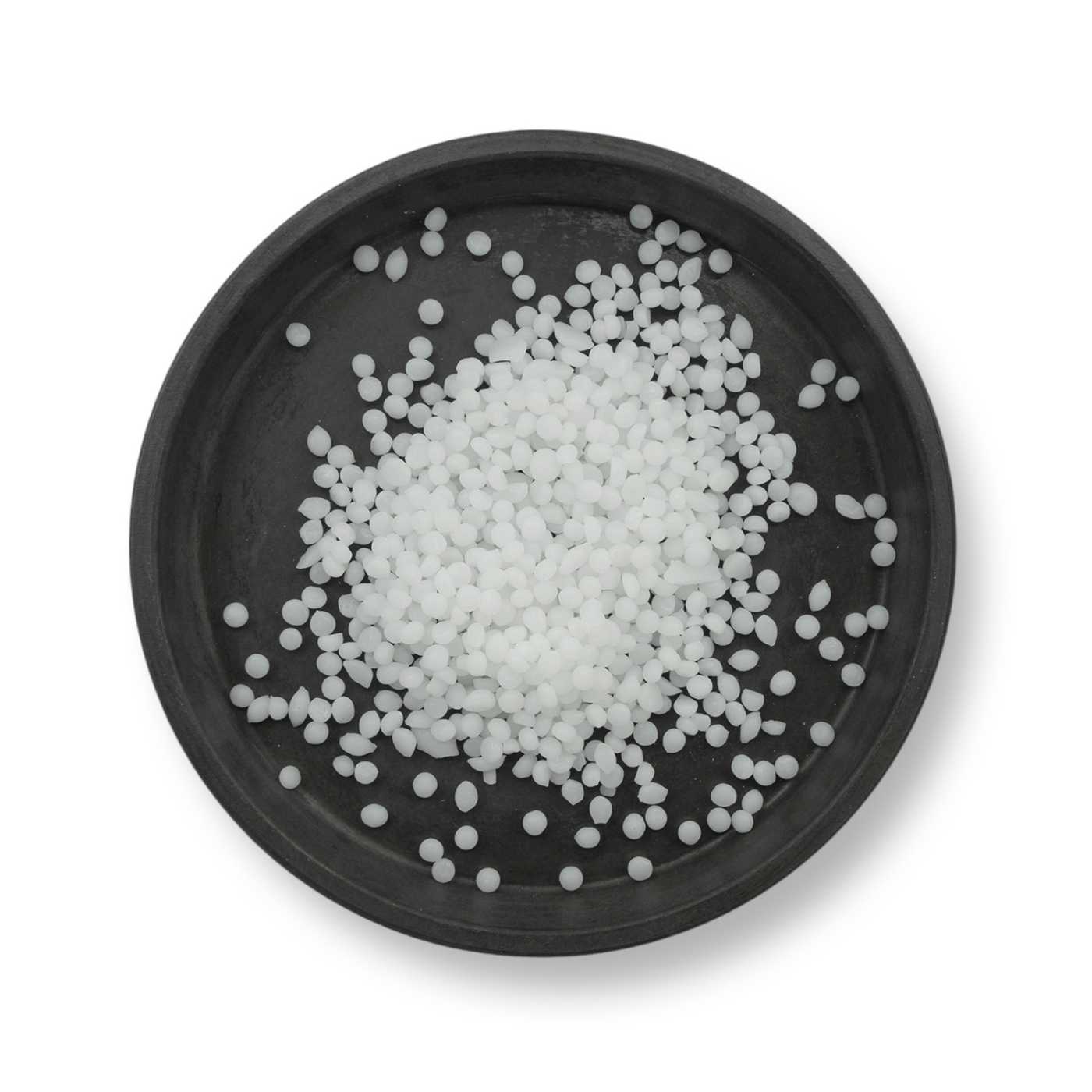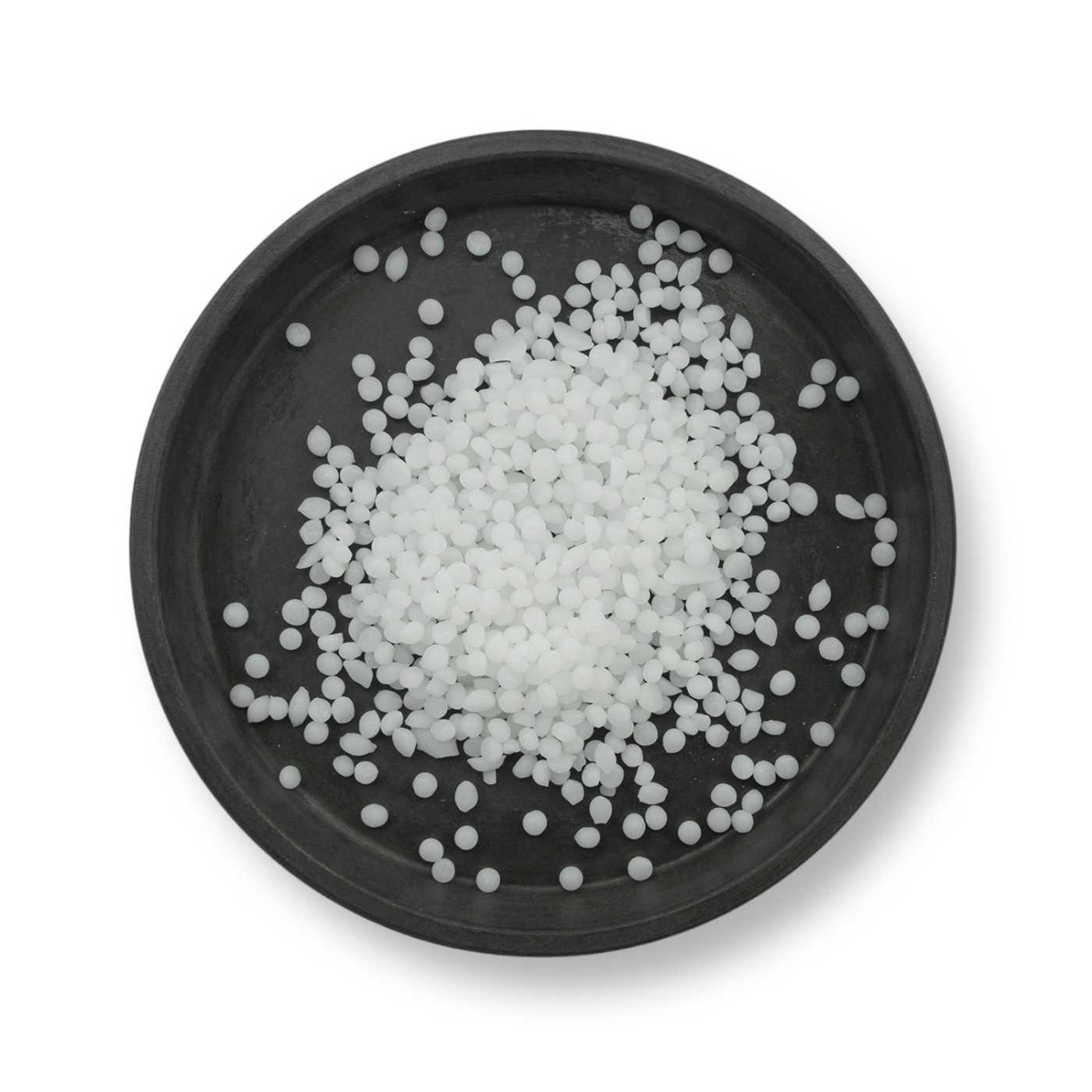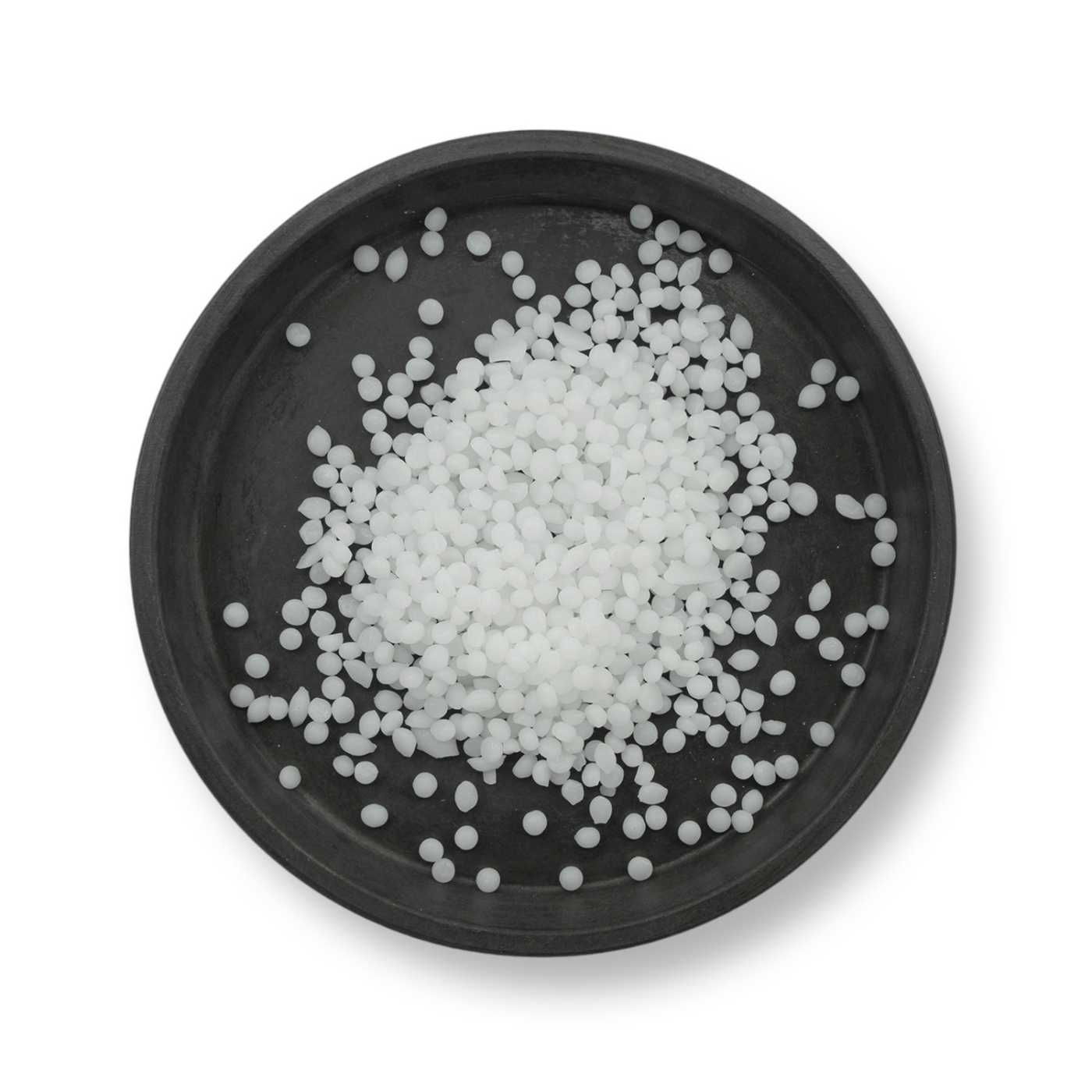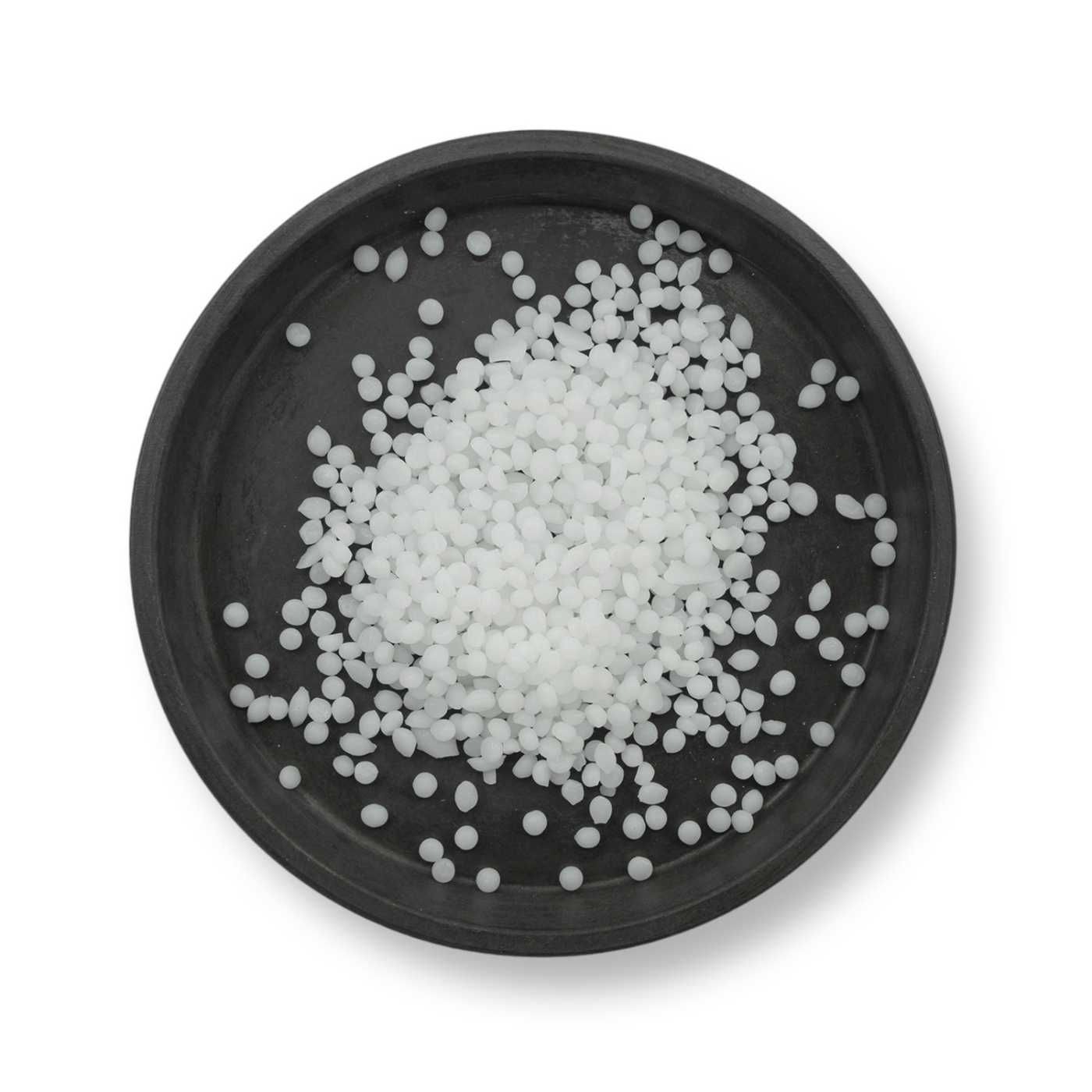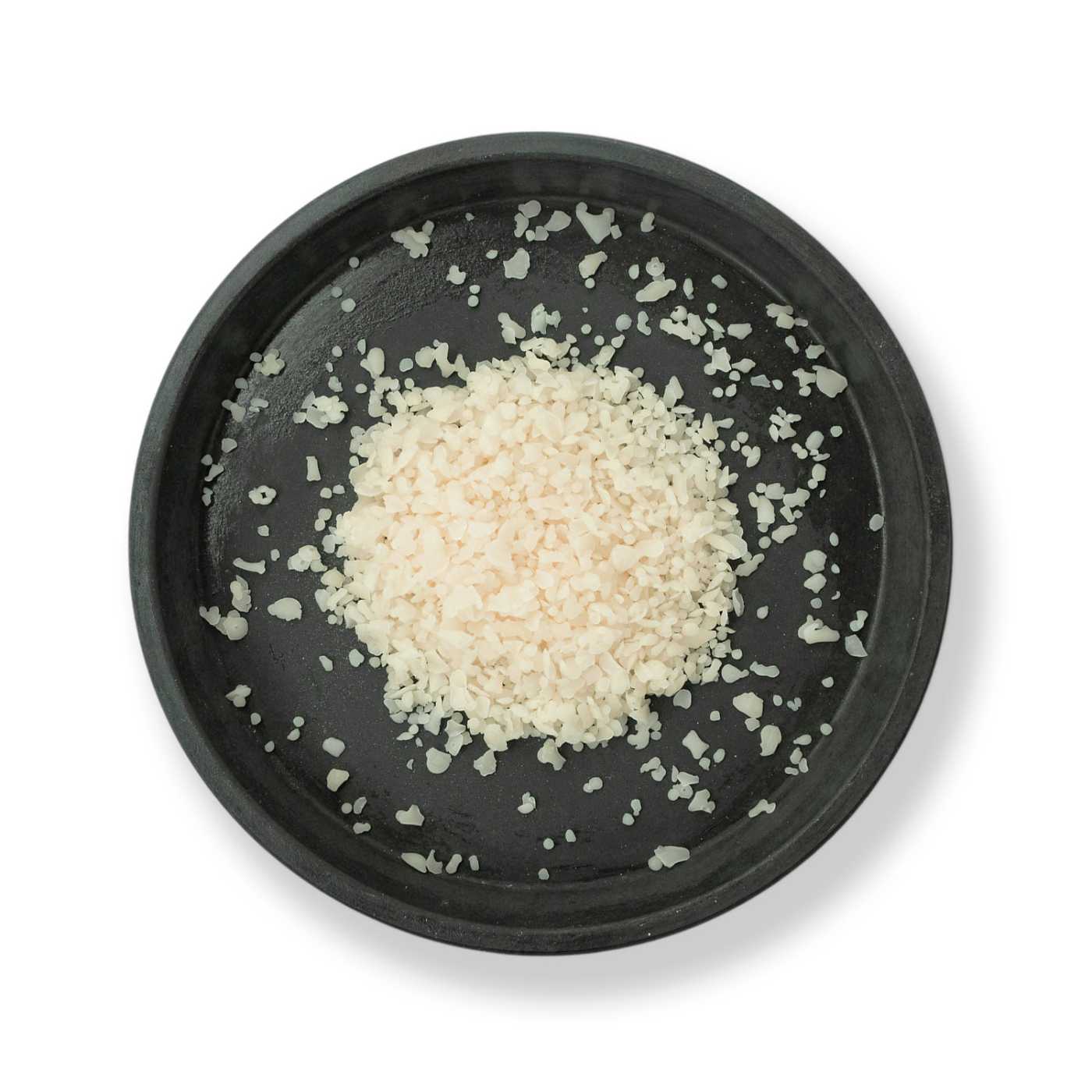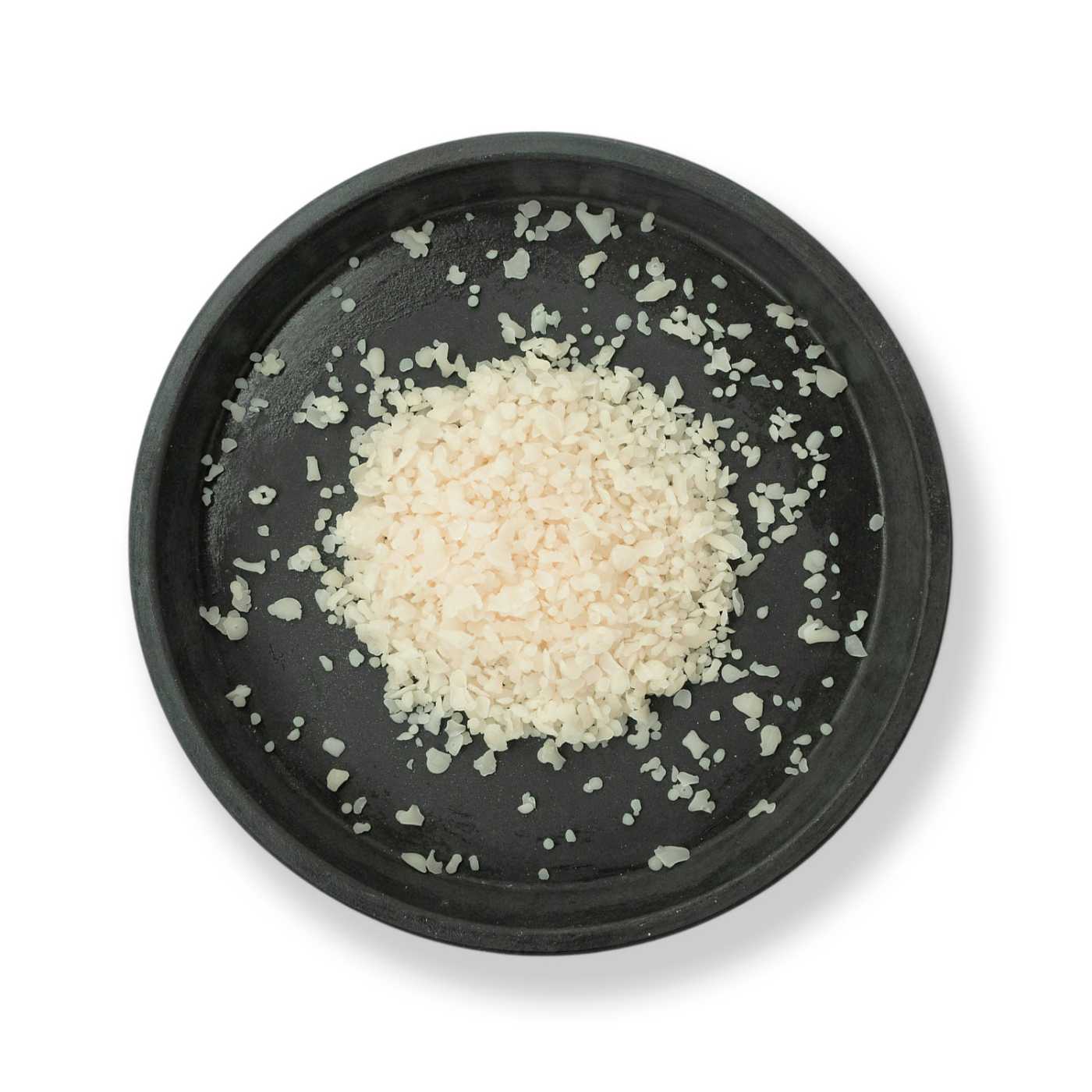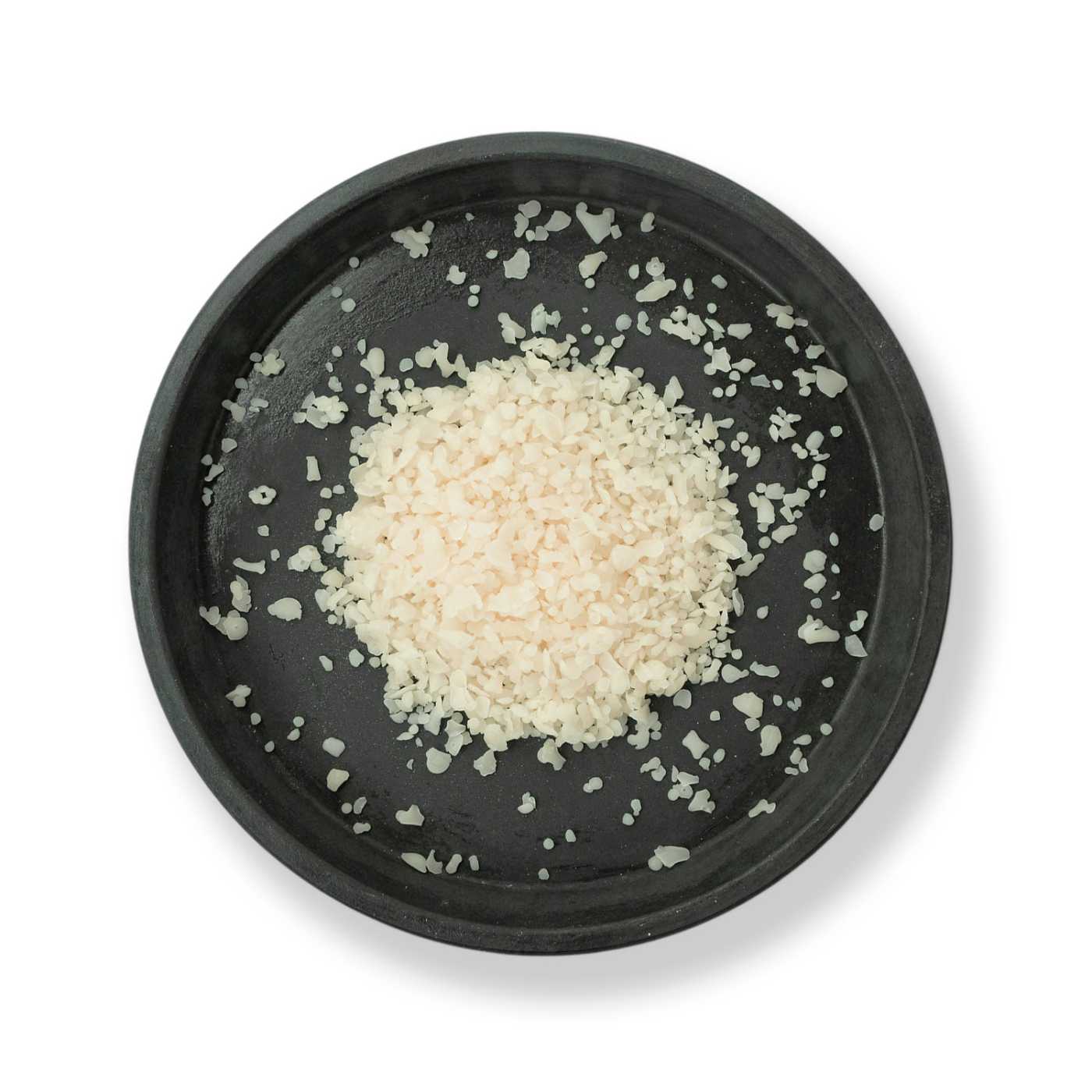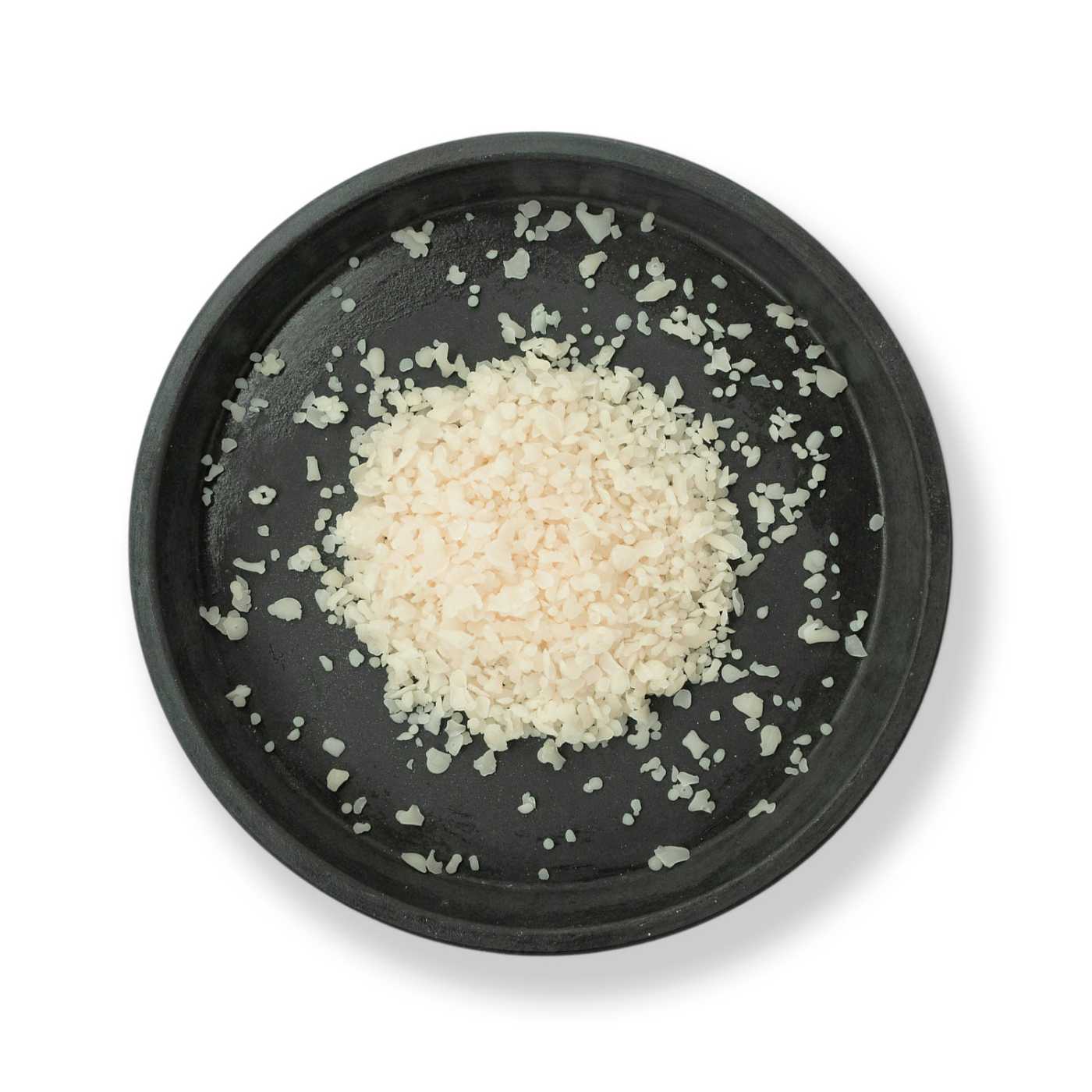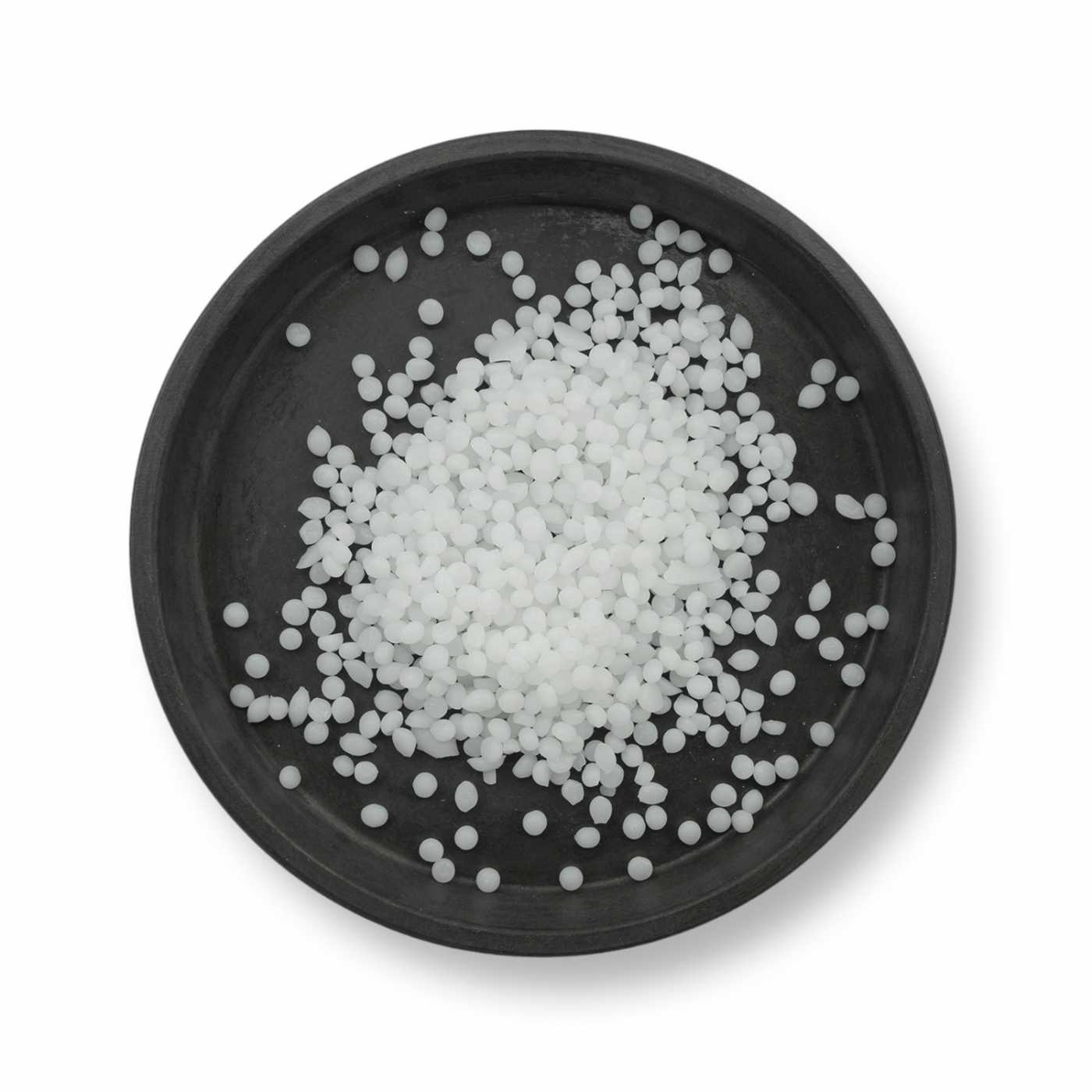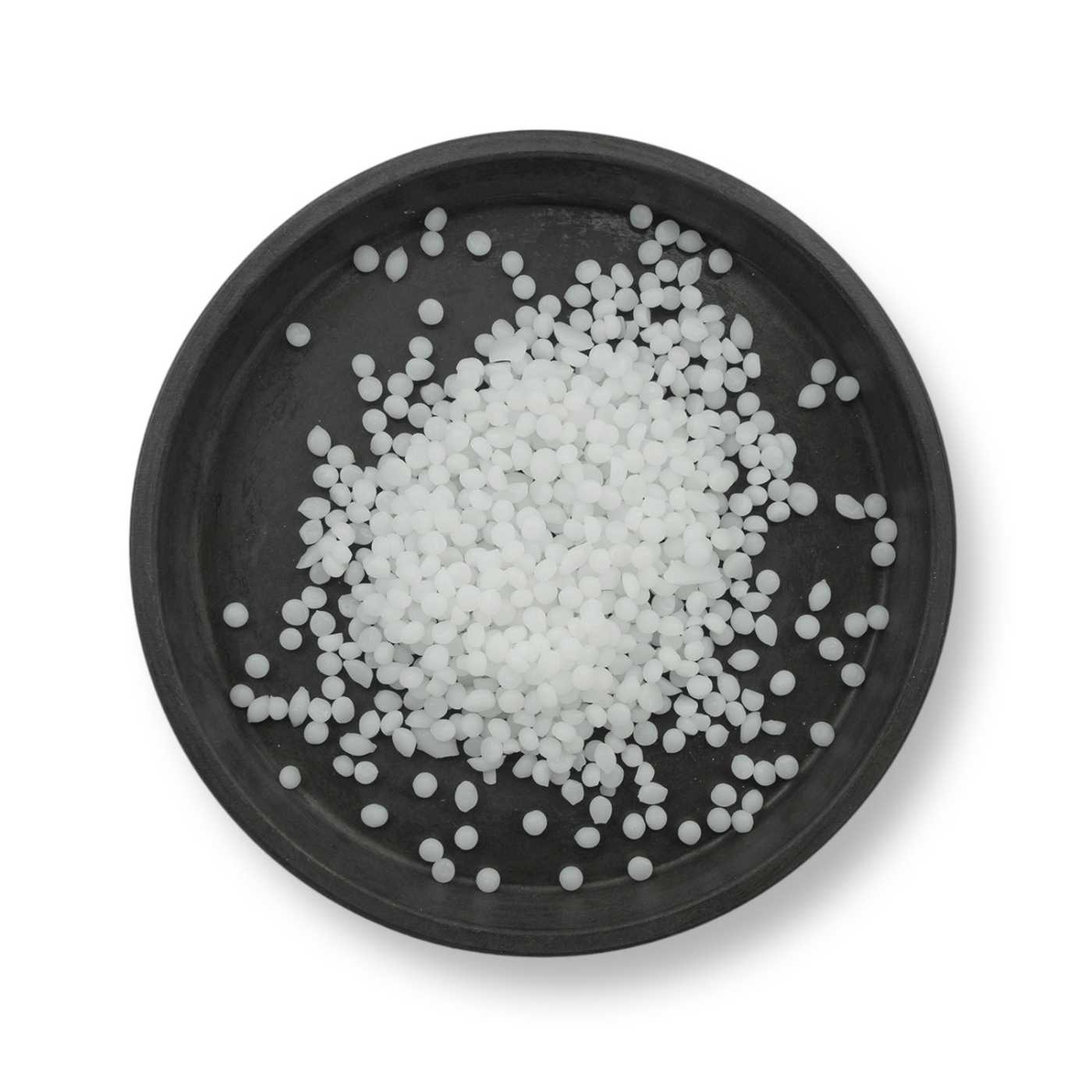
Varisoft BTMS-25, 1 kg
Pre-order€42.99(€42.99/kg)

Documentation for every product
15 products in this category
5 in stock now
4.9 out of 5 · 696 ratings
Showing 15 of 15 products
The conditioning agents category covers modern cationic systems and supporting ingredients for hair care. They reduce friction during combing, improve detangling, limit frizz and leave hair smooth and manageable. They suit 2-in-1 shampoos, classic rinse-off conditioners, masks and leave-in preparations.
The range covers natural cationic conditioners (bio-based alternatives to quats), cationic emulsifiers of the BTMS type for building a creamy texture, and supporting co-emulsifiers and thickeners for the stability and pleasant feel of the finished product.
Below you will find the groups set out clearly, with links to the individual raw materials.
Bio-based conditioning systems bring gentle slip, an antistatic effect and a smoother hair fibre; they suit rinse-off and leave-in formats alike. Gentle and effective – for sulphate-free and mild systems as recommended by the manufacturer. You will find more information with the products AminoSensyl HC, AminoSensyl Ultra MB and Emulsense HC.
BTMS systems combine a conditioning effect with emulsification and the creamy, stable texture of conditioners and masks. Smooth detangling, less static and a rich slip. Details are given with the products Varisoft BTMS and Varisoft BTMS-25.
Supporting lipophilic and amphiphilic ingredients fine-tune the viscosity, the feel and the resilience of emulsions. A stable texture, a velvety touch and a longer-lasting softness. See PCA Glyceryl Oleate and Cetyl alcohol.
For shampoos and rinse-off products choose mild cationic systems for sulphate-free and mild surfactant bases as recommended by the manufacturer – AminoSensyl HC, AminoSensyl Ultra MB or Emulsense HC. Creamy conditioners and masks call for BTMS (Varisoft), which emulsifies and builds viscosity at the same time, so it creates the entire creamy texture of the finished product.
Usually 1–8%, depending on the conditioning strength you want and the type of product. For leave-in formats go towards the lower doses, for intensive rinse-off masks towards the higher ones. Always follow the technical data sheet for the specific raw material and test the stability and the final feel – the viscosity is also affected by the proportion of fatty alcohols in the formulation.
Yes. BTMS provides the creamy structure, the emulsification and the conditioning base, while natural systems such as AminoSensyl improve softness, slip and the antistatic effect. Adjust the pH and the proportion of fatty alcohols, cetyl alcohol for instance, to reach the viscosity you want; the combination gives smooth detangling, less static and a longer-lasting softness to the hair.
Cetyl alcohol works as a thickener and stabiliser – it improves the creaminess and spreadability of conditioners and masks. PCA Glyceryl Oleate improves slip, smooths the hair fibre and adds to the overall feel of softness. Both supporting ingredients fine-tune the viscosity and the feel of cationic systems, but on their own they will not replace a full conditioner.