Lexfeel N350, MB, 100 ml
Pre-order€16.75(€167.50/l)

CONDITIONING AGENTS
ManufacturerINOLEX
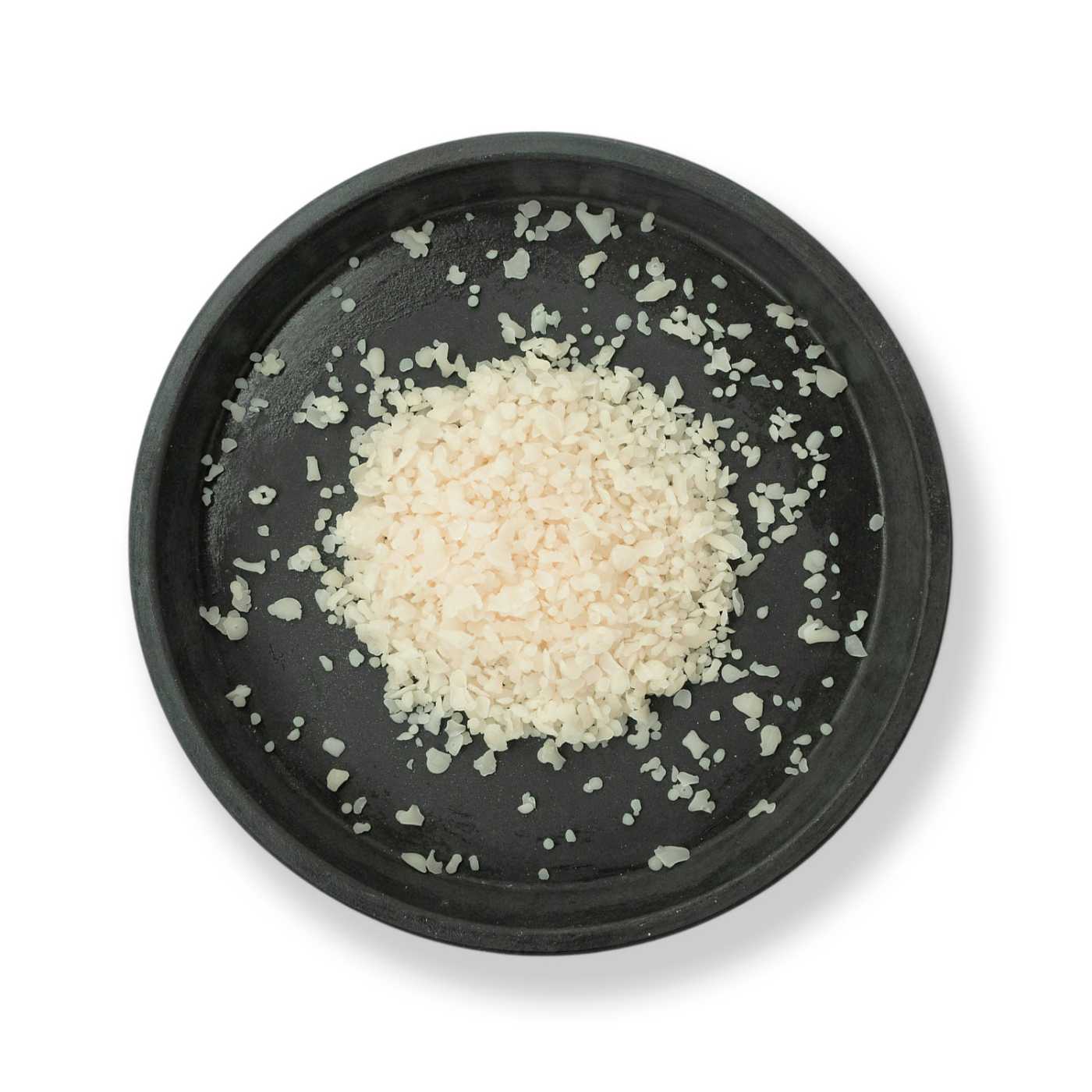
AminoSensyl HC, conditioner A plant-based conditioning base that replaces quaternary ammonium salts (quats, such as behentrimonium chloride) in hair cosmetics while maintaining their effect. full description
Lowest price in the last 30 days: €124.65
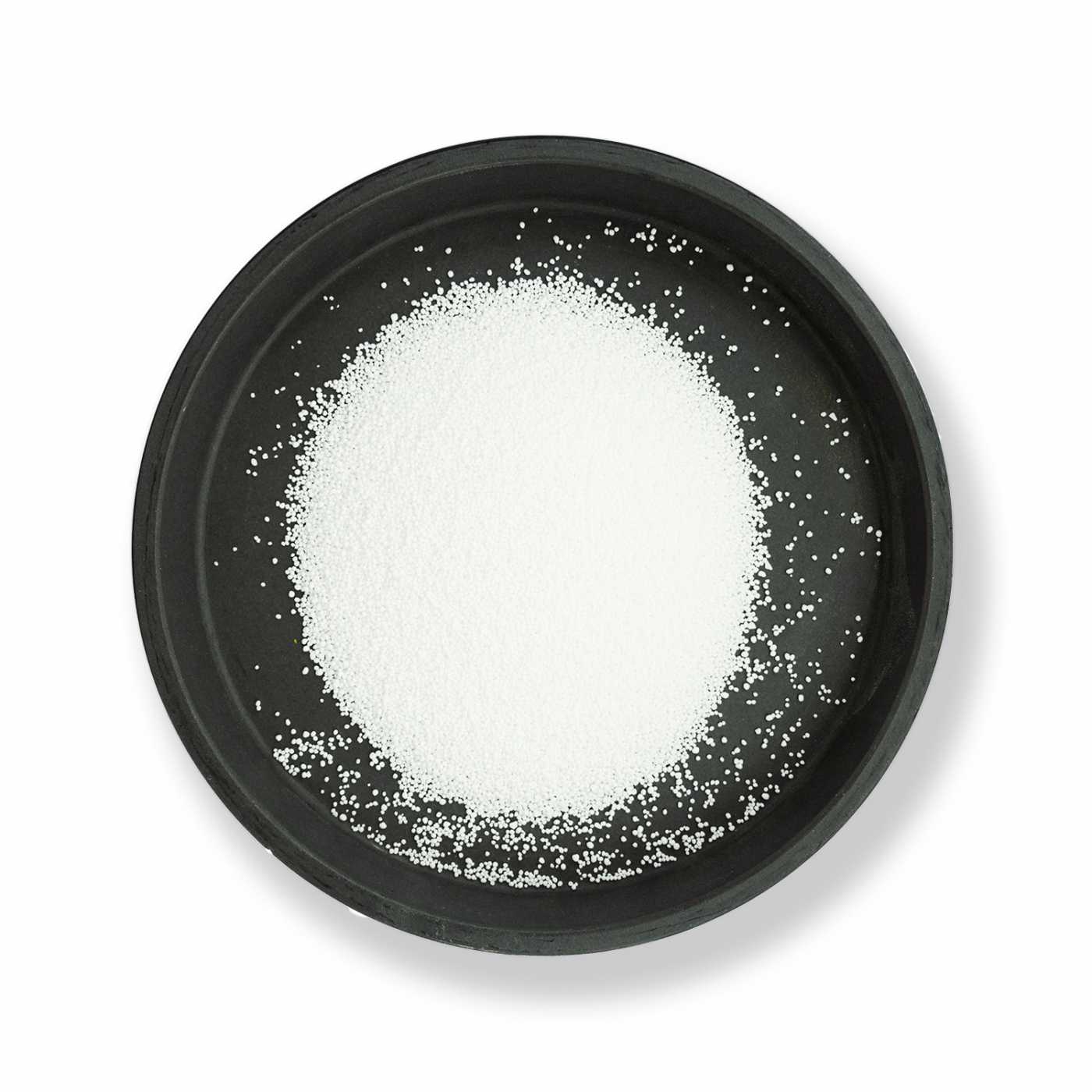
A plant-based conditioning base that replaces quaternary ammonium salts (quats, such as behentrimonium chloride) in hair cosmetics while maintaining their effect. AminoSensyl HC combines a fatty alcohol from rapeseed (Brassica Alcohol) with a cationic aminolipid derived from the amino acid valine. In a formulation, it acts as a cationic conditioning system and O/W emulsifier in one, forming the base of a conditioner or mask without any additional emulsifier.
On hair, it shows improved detangling, a smoother surface, and defined curl shape without weighing hair down. It is suitable for rinse-out and leave-in products for all hair types. The ingredient has COSMOS Approved certification, is vegan and readily biodegradable, making it possible to build a natural hair range with no compromises in conditioning.
AminoSensyl HC is processed at 70 – 75 °C. It is added to the heated oil phase, or directly during emulsification, and combined with an equally warm water phase under constant stirring. After cooling, a creamy structure forms, which can be adjusted as needed with a thickener or additional fatty alcohol.
The key is a finished product pH below 5. In an acidic environment the aminolipid is fully active and the conditioning effect is at its strongest; at a higher pH it weakens. For adjusting pH, lactic acid or citric acid is suitable, added at the end of production. The usage level is wide, 6 – 90 % depending on the product type. Standard rinse-out conditioners work in the lower part of the range; high levels are reserved for concentrates and anhydrous products.
Measure pH only in the finished, cooled product and adjust it to below 5. At a higher pH, AminoSensyl HC loses part of its conditioning effect even if the emulsion looks fine.
The ingredient is compatible with nonionic and cationic surfactants and with an acidic environment. It can be added to shampoos with a nonionic surfactant system at a lower level as a conditioning component, but compatibility of the specific system should be verified in a trial batch.
AminoSensyl HC is not combined with anionic surfactants (Sodium Lauryl Sulfate, Sodium Coco-Sulfate and similar). The opposite charge leads to precipitation and loss of conditioning.
A finished product containing water requires a preservative effective at acidic pH and compatible with a cationic system. Anhydrous solid conditioners generally do not require a preservative.
Compared to behentrimonium chloride and other quaternary salts, AminoSensyl HC differs mainly in origin and its relationship to the aquatic environment. It is a plant-based ingredient, readily biodegradable and, according to the manufacturer's data, non-toxic to aquatic organisms, while the effect on hair remains at the level customers are accustomed to. Transitioning from a quat-based formulation therefore mainly comes down to controlling the pH.
The ingredient does not dissolve in water, it only disperses. Do not add it to cold water; without heating to working temperature it will not disperse evenly. At higher levels the product viscosity increases, so assess the final consistency only after complete cooling.
For leave-in products applied to the scalp, the manufacturer's data indicates good tolerability, but the specific formulation should be tested on sensitive skin before wider use.

Scent: AminoSensyl HC, kondicionér, 100 g