Spend over €100 for discounted shipping!

+421 950 333 113[email protected]

CONDITIONING AGENTS

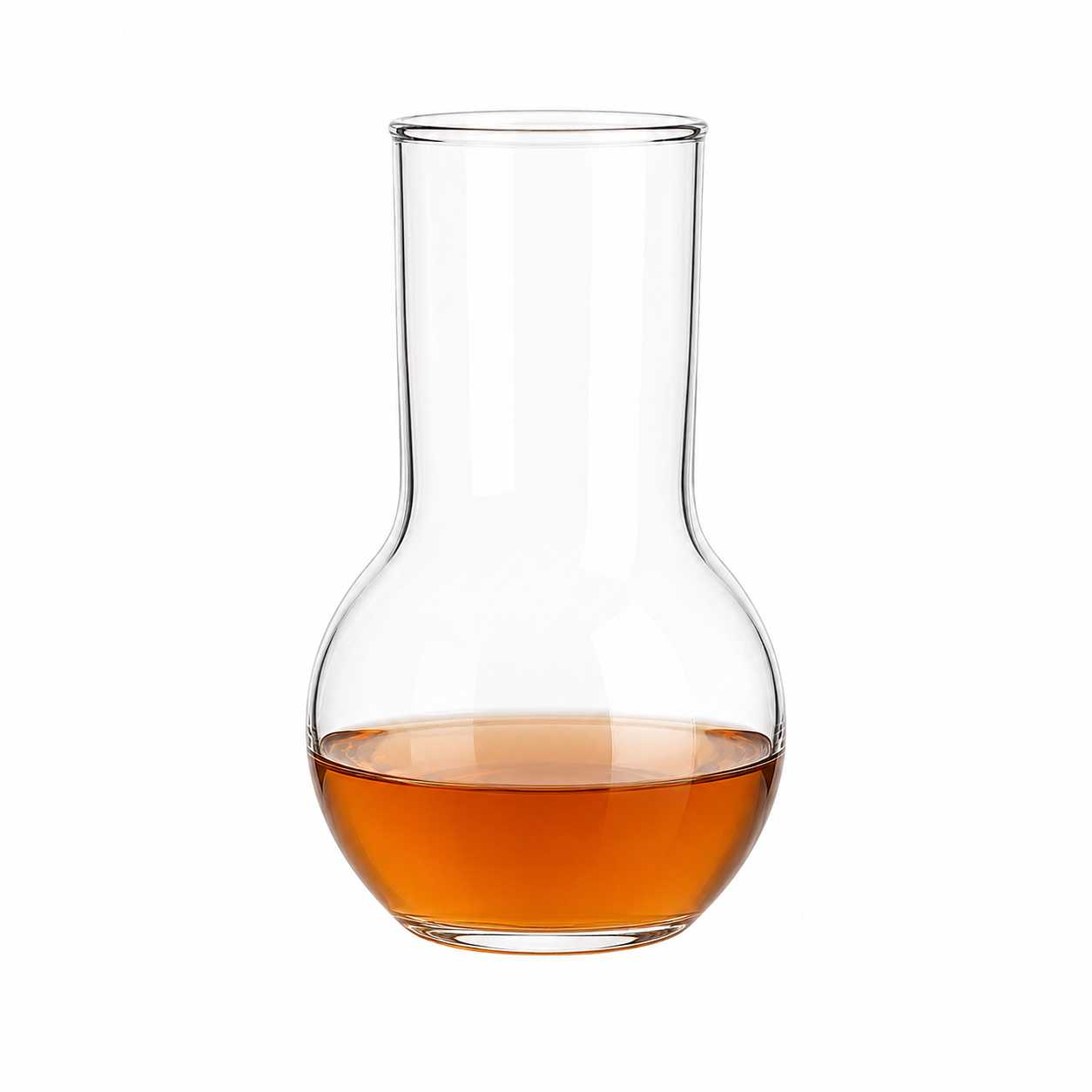
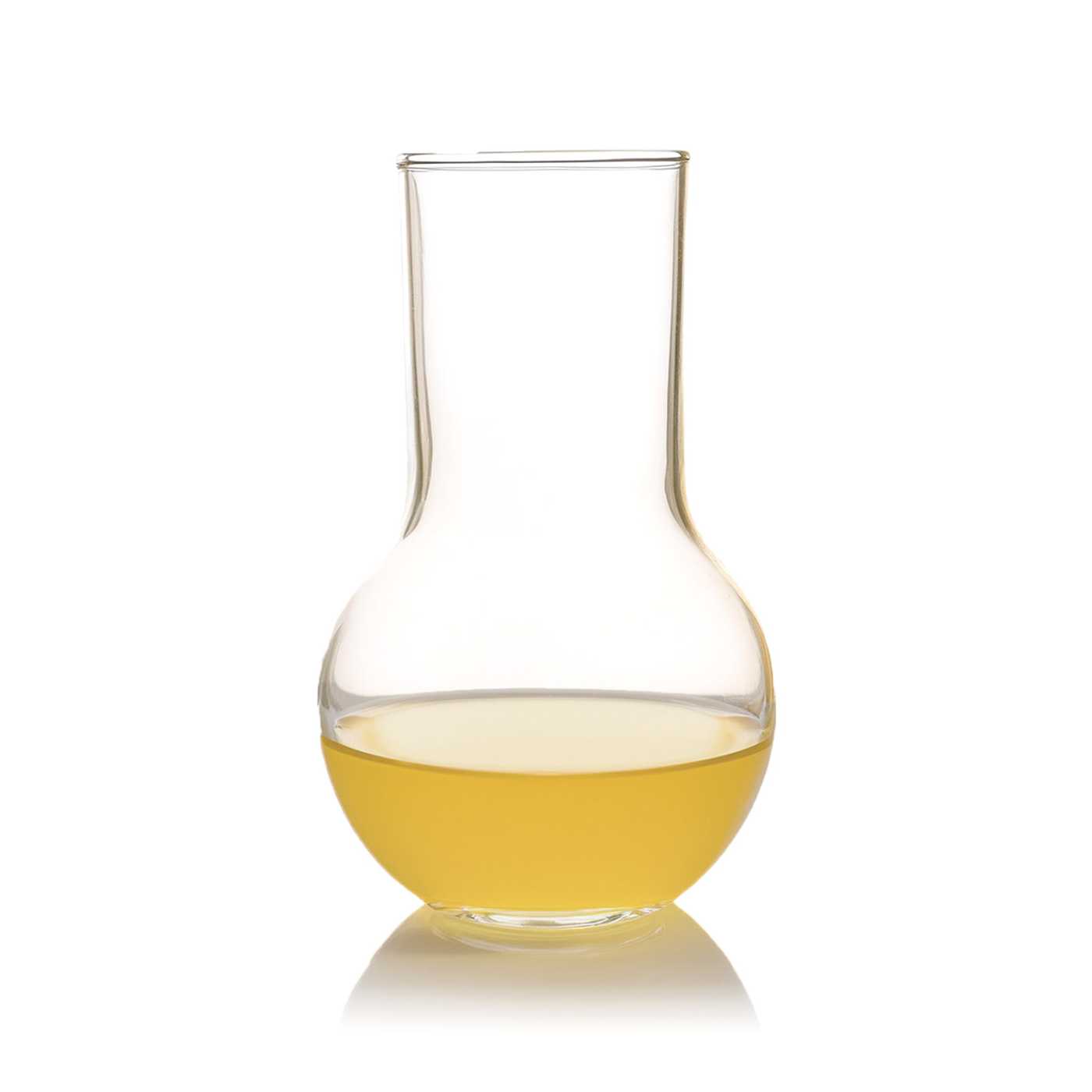
PCA Glyceryl Oleate, 50 g

Pack size50 g100 g500 g1 kg

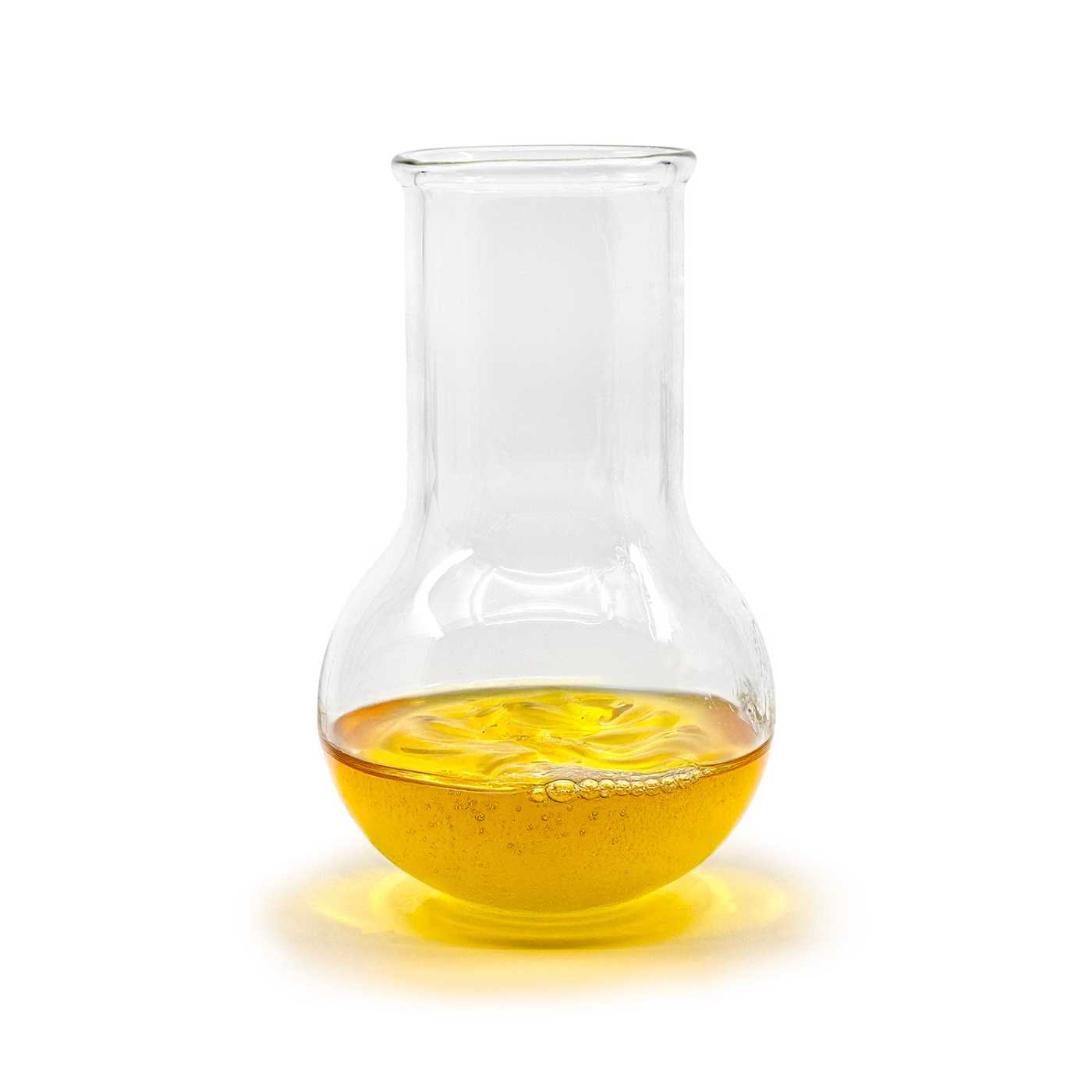
PCA Glyceryl Oleate is a natural cationic conditioning ingredient for shampoos, conditioners, and hair masks. full description

AvailabilityPre-order
Product codeEM011_50
€3.99incl. VAT−39 %Original price €6.59€79.80/kg

Lowest price in the last 30 days: €3.99

Pre-orderThis variant is currently out of stock — your order will be a pre-order and delivery may take longer.

Product description

PCA Glyceryl Oleate is a natural cationic conditioning ingredient for shampoos, conditioners, and hair masks. It combines two substances that on their own offer little to hair: PCA, a component of the skin's natural moisturising factor, and glyceryl oleate. Once joined in a single molecule, the ingredient binds to the hair and envelops it in a protective layer. Hair feels soft and smooth after washing and absorbs less water.

In hair care it replaces silicones and quaternary ammonium compounds, which natural cosmetics do not permit. It conditions and protects the skin of the face, body, and scalp, making it suitable for facial and body preparations as well as shower and bath products.


How it works on hair

PCA alone binds to the hair shaft, but it is too small to coat and protect it. Glyceryl oleate alone coats the hair, but does not stay on the surface and washes off with subsequent washing. The combined molecule takes the best from each part: it binds firmly to the hair, preferentially at damaged areas, while simultaneously enveloping it in a hydrophobic film. Frequent washing and wetting then does less damage.

A second function is also of interest to formulators. The ingredient acts as an anchor for conditioning oils. Argan or another vegetable oil that would rinse out of a shampoo without effect is retained on the hair with its help, forming a protective film. The result is soft, silky hair without silicones.


Key benefits

  • Hair conditioning – binds to the hair surface and smooths it; hair feels soft and silky after washing.
  • Protection against water – increases the hydrophobicity of the hair so less water is absorbed during washing, and frequent washing causes less damage.
  • Retaining oils on the hair – conditioning oils in a shampoo or conditioner are not rinsed away uselessly; the ingredient anchors them to the hair.
  • Skin conditioning – in facial and body preparations it smooths and protects the skin.
  • Natural origin – readily biodegradable ingredient with no fragrance allergens.

Use in formulation

The ingredient is oil-soluble and insoluble in water. In emulsions it is added to the oil phase; in shampoos and shower gels it is incorporated directly into the surfactant phase. Processing temperature should remain below 80 °C.

The recommended usage level is 0.5 – 2 %. The suitable pH of the finished preparation is 4 – 7, i.e. the mildly acidic to neutral range.

In a shampoo or conditioner, combine the ingredient with a vegetable oil, such as argan oil. The oil then remains on the hair even after rinsing, forming a protective film that would otherwise be washed away.

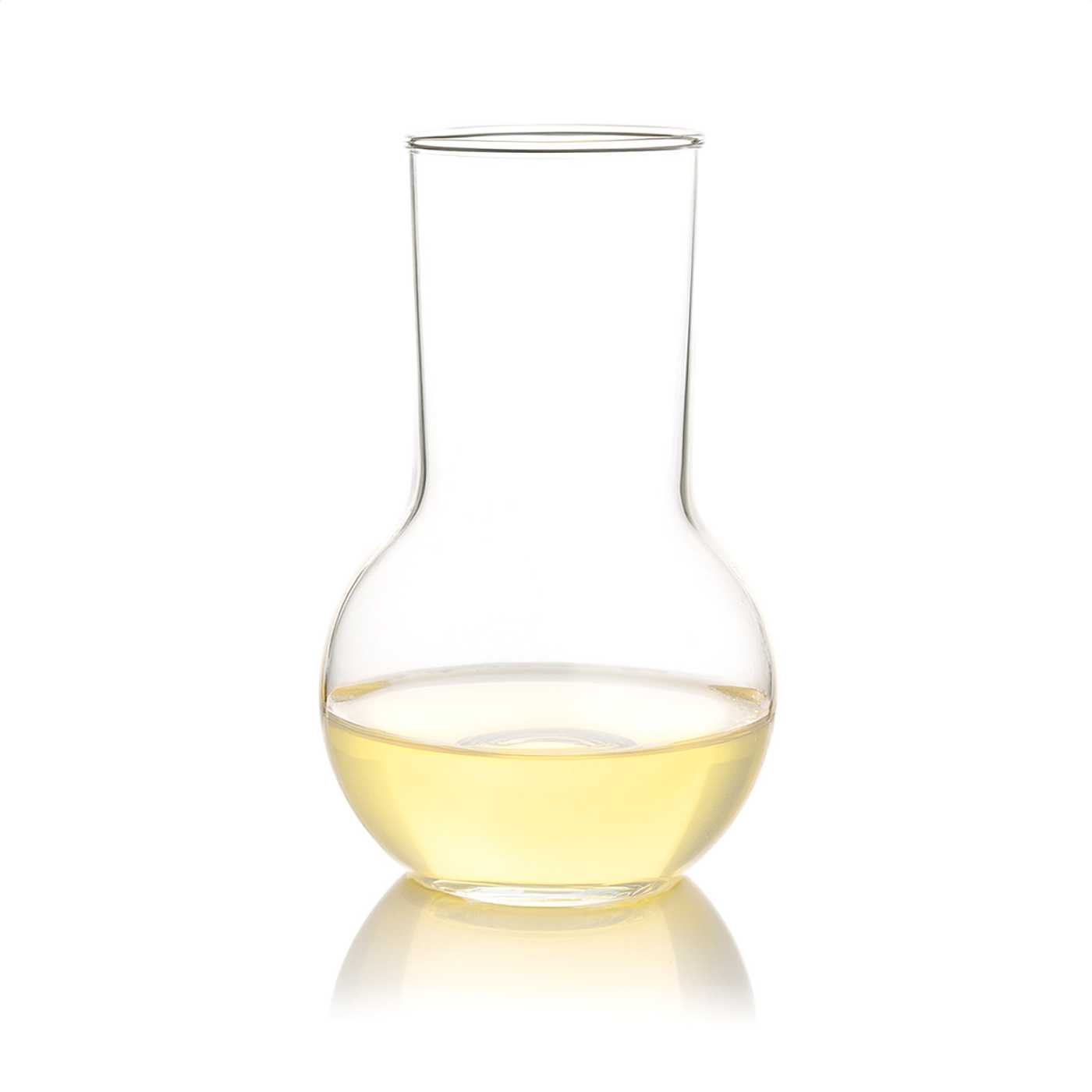
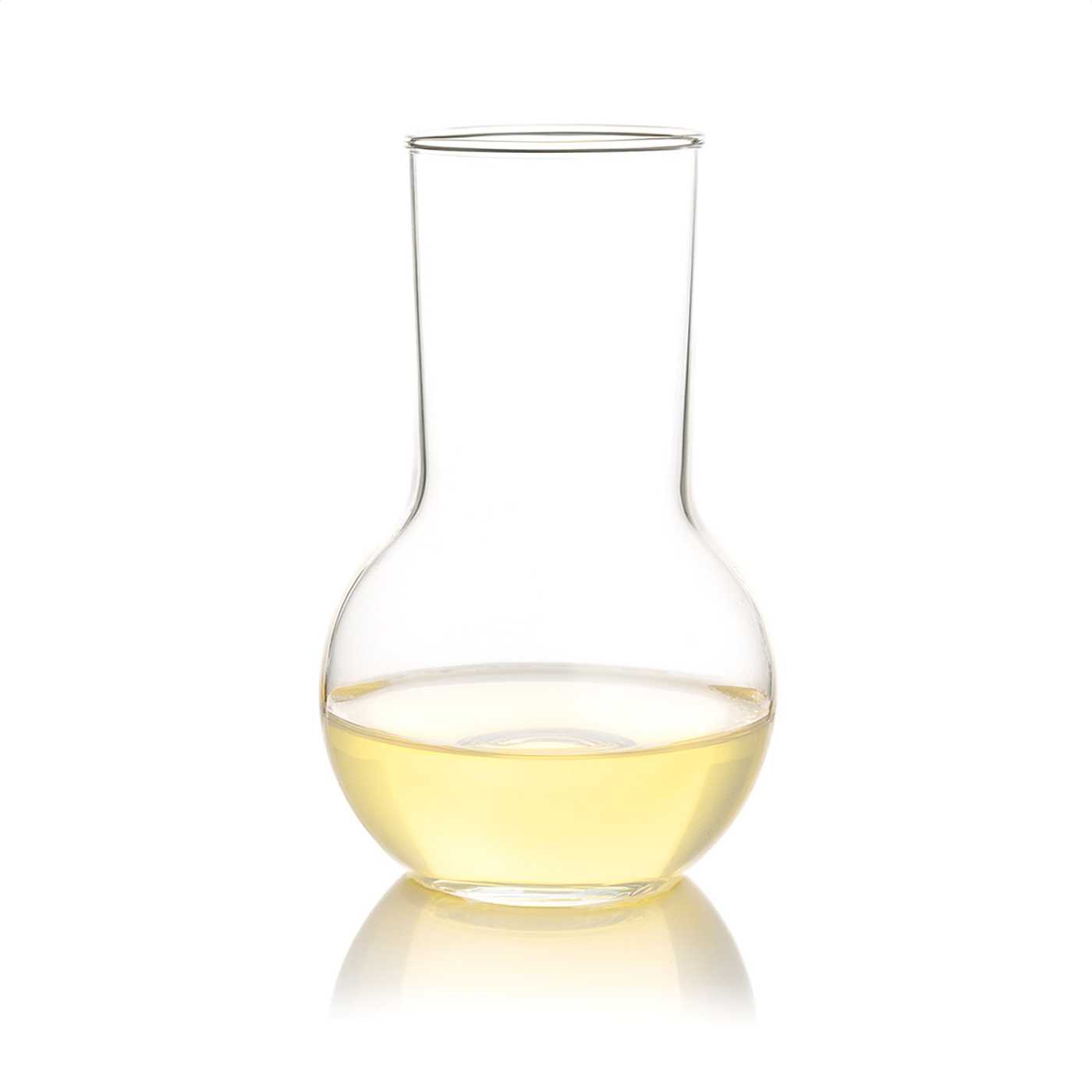
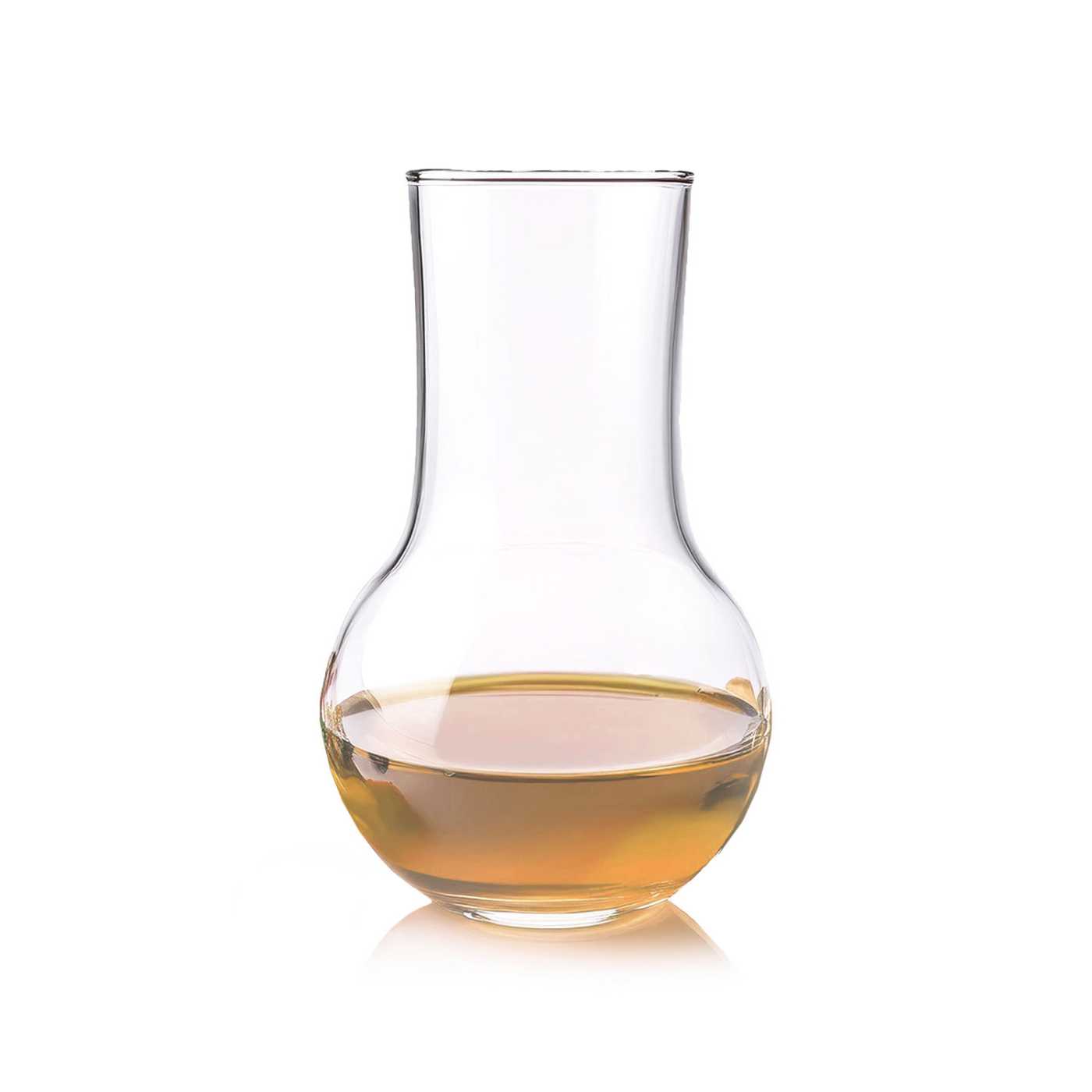
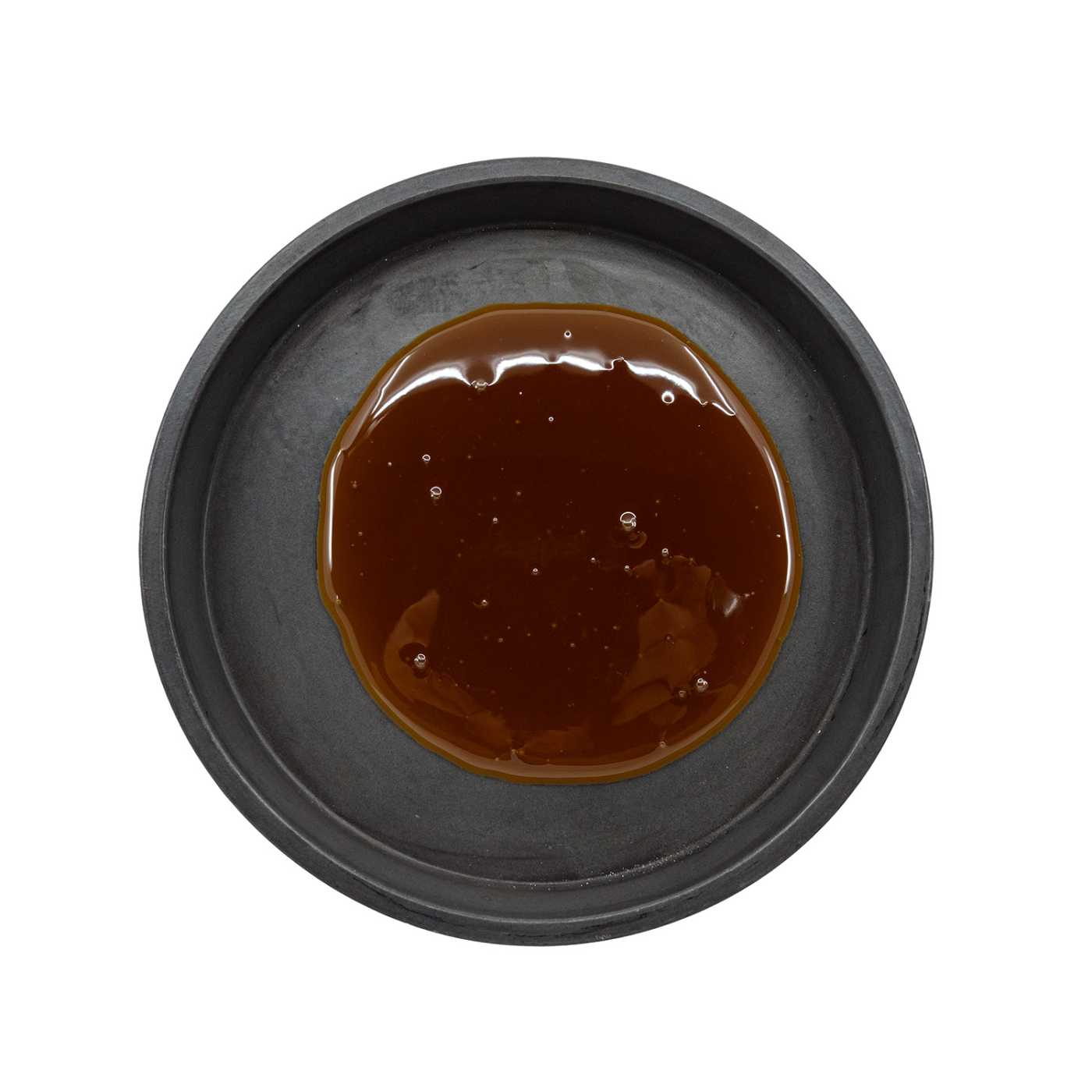
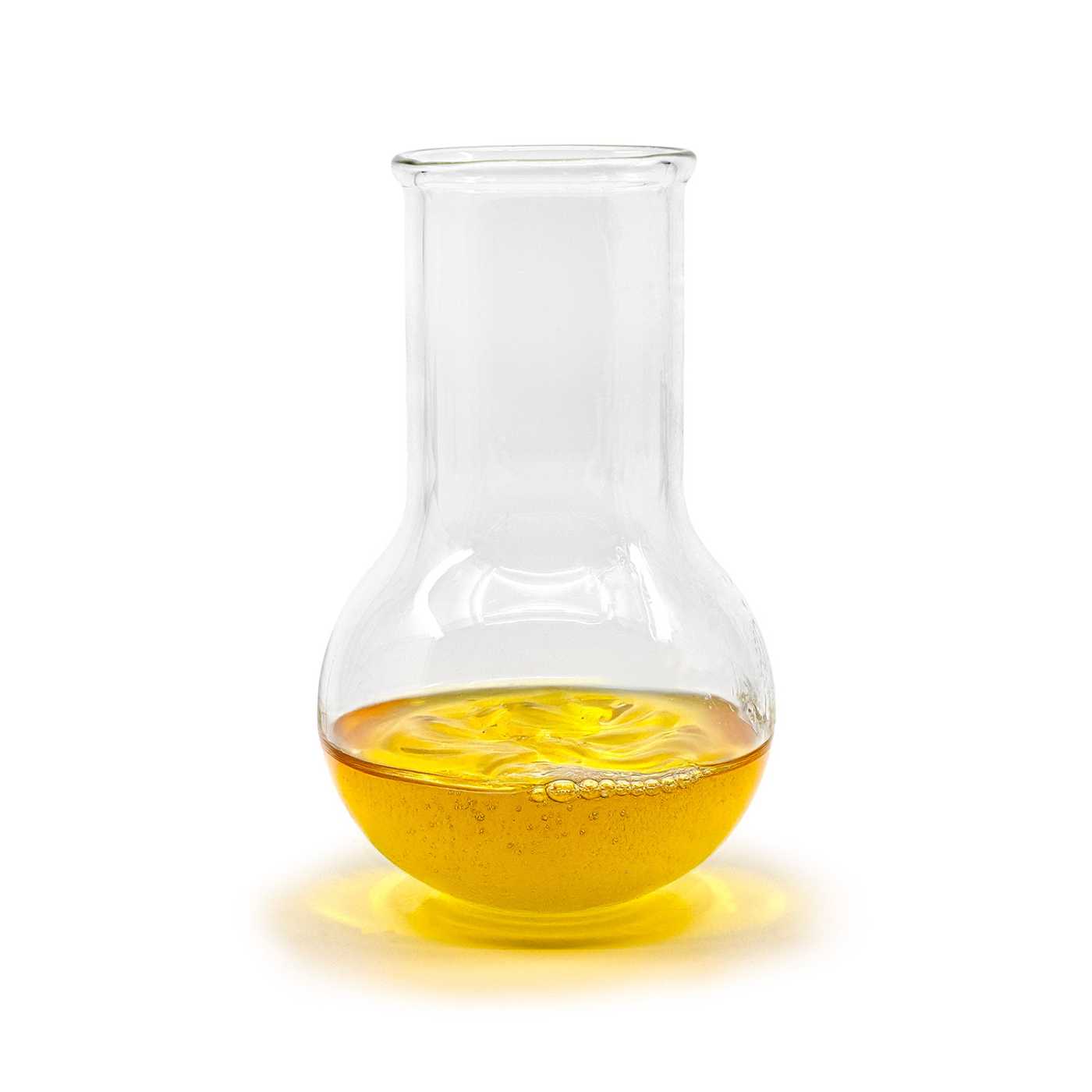
The ingredient has a cationic character. Compatibility with common formulation ingredients is unrestricted; however, we recommend verifying stability and viscosity in the specific surfactant system. The ingredient is yellow to brown; in clear and light-coloured products, check the effect on the colour of the finished preparation at higher usage levels.


Suitable for products such as

  • Shampoos – primary application; conditions during washing.
  • Rinse-out and leave-in conditioners – smoothing and protecting hair during everyday care.
  • Hair masks and treatments for damaged hair – the molecule binds preferentially to damaged areas.
  • Scalp preparations – conditioning effect on both the scalp and hair.
  • Shower and bath products – skin conditioning during washing.
  • Facial and body creams and oils – conditioning and protecting skin in the oil phase.

Good to know

Do not confuse this ingredient with glyceryl oleate alone. Glyceryl oleate on its own coats the hair but washes off during washing. PCA Glyceryl Oleate has glyceryl oleate bound to PCA in the molecule, which keeps it on the hair. In formulation it therefore serves as a conditioning ingredient.

The ingredient is suitable for natural cosmetics, where silicones and quaternary ammonium compounds are not permitted. It contains no materials of animal origin and was not produced using GMOs.

The ingredient in concentrated form is classified under CLP regulation (GHS07 pictogram). When working with the concentrate, follow the instructions in the safety data sheet. It is used in finished preparations at levels up to 2 %.


Frequently asked questions

Is PCA Glyceryl Oleate water-soluble?
No, PCA Glyceryl Oleate is oil-soluble and does not dissolve in water. In emulsions it is therefore added to the oil phase. In shampoos and shower gels it is incorporated into the surfactant phase. It is not suitable for purely aqueous products without surfactants or an oil phase.
How is PCA Glyceryl Oleate added to a shampoo?
PCA Glyceryl Oleate is added directly to the surfactant phase at a dosage of 0.5 – 2 %. The processing temperature should not exceed 80 °C and the pH of the finished shampoo should be in the range 4 – 7. If the shampoo also contains a vegetable oil, the ingredient will help retain it on the hair after rinsing.
Can PCA Glyceryl Oleate replace silicones in a conditioner?
Yes, PCA Glyceryl Oleate is used as a natural alternative to silicones and quaternary ammonium compounds in conditioners and shampoos. It binds to the hair surface, smooths it, and forms a hydrophobic film that reduces water absorption. Hair is left soft and silky without silicones.
Is PCA Glyceryl Oleate suitable for a leave-in conditioner?
Yes, PCA Glyceryl Oleate is used in both rinse-out and leave-in preparations. In a leave-in conditioner or hair cream it remains on the hair as a protective layer that reduces water absorption. It is dosed at 0.5 – 2 % into the oil phase at a temperature below 80 °C.
What is the difference between PCA Glyceryl Oleate and glyceryl oleate?
PCA Glyceryl Oleate is a single molecule in which glyceryl oleate is bound to PCA; standalone glyceryl oleate does not have this bond. Glyceryl oleate alone coats the hair but washes off during washing. PCA ensures the molecule is retained on the hair, which is why PCA Glyceryl Oleate has a conditioning function in hair care and simultaneously anchors other conditioning oils to the hair.
Is PCA Glyceryl Oleate also suitable for a face cream?
Yes, PCA Glyceryl Oleate is also used in facial and body preparations, where it conditions and protects the skin. It is added to the oil phase of an emulsion at 0.5 – 2 % at a temperature below 80 °C. The finished cream should have a pH in the range 4 – 7, which is a common range for facial cosmetics.

Parameters

INCI
PCA Glyceryl Oleate
CAS No.
84608-82-2
EC number
283-393-3
Product color
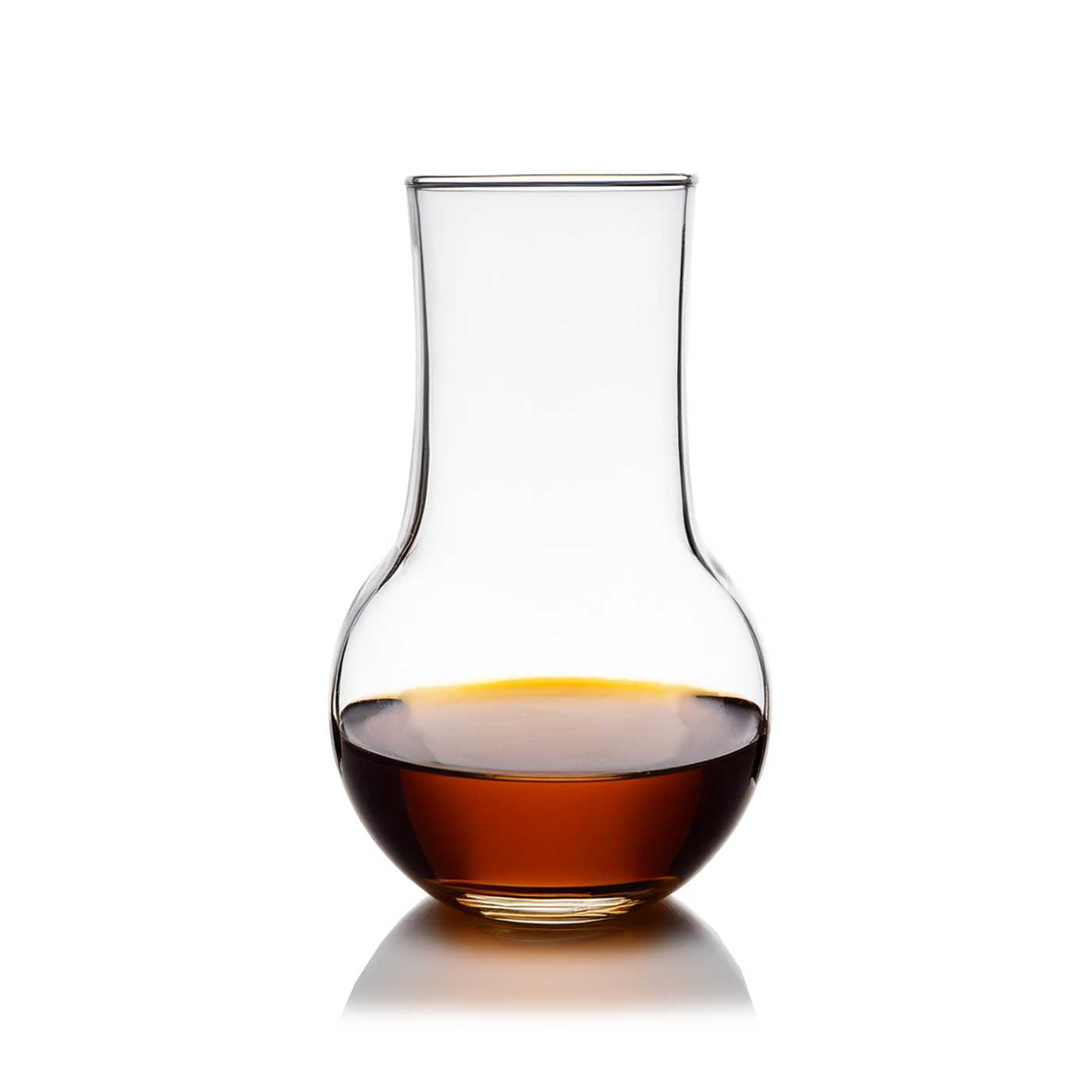
AmberYellow
Country of origin
MalaysiaGermany
Processing method
EsterificationFiltration
Appearance
Liquid
Formulation phase
Oil phase
Ionic character
Cationic
Application area
FaceHairScalpBody
Recommended processing temperature
< 80 °C
Recommended dosage range
0,5 – 2,0 %
Recommended formulation pH range
4 – 7
Application type
Leave-onRinse-off
Suitable for
All Hair Types
Natural Index (NI ISO 16128)
0
Natural Origin Index (NOI ISO 16128)
1,00

Product documentation

CoACertificate of Analysis
batch 2217PDF ↓
TDSTechnical Data Sheet
Physical parameters and processingPDF ↓
MSDSSafety Data Sheet
Available for purchased products —
Download all (ZIP)

2 PDF files in one archive

Vita G.24 Sept 2026EN

Verified purchase

Variant: PCA Glyceryl Oleate, 1 kg