
Cosmetic clays have been used in skincare for centuries and are found in almost all traditional cosmetic and even therapeutic procedures. They represent one of the best sources of minerals, and there are even assumptions that human predecessors were already able to use clays mixed with water to soothe irritated skin, treat wounds, or as a method of cleansing the skin.
About this article
Even today, in communities that have not lost contact with nature, such as Native Americans or some African tribes, clays are used in ceremonial healing practices. Clays have maintained their rightful place in contemporary modern cosmetics as well. They are used especially for facial care, where in the form of masks and packs they not only nourish the skin, but also support the process of removing dead skin cells and thus stimulate the formation of new epithelium.
Each clay has its own specific mineral content. Just as you will not find two identical fingerprints, you will not find two clays in nature with an identical composition. They differ in structure, colour and composition depending on the source from which they originate (weathering). In this article we will go through the individual types of clays, their properties and which skin type they suit.
Key benefits
- They nourish
Clays are among the best sources of minerals and nourish the skin in the form of masks and packs.
- They rejuvenate the skin
They support the process of removing dead skin cells and thus stimulate the formation of new epithelium.
- They exfoliate the skin
Depending on the particle size, you can also use them for exfoliating full-body purposes.
- They improve circulation
Clays improve skin circulation, which is why they also suit bath and pack procedures.
- They cleanse the pores
They remove impurities even from the pores, which is why they suit masks, packs and facial cleansers.
- A smooth, radiant appearance
They thus create a smooth, radiant appearance of the skin.
Properties of clays
Where to use clays
Our skin requires care throughout the whole year, but especially in the winter period, when the skin is exposed to unpleasant weather conditions and at the same time we use heavier and more covering cosmetic products, the skin is much more stressed and requires greater care also in this respect.
Just as they can be used in the form of facial masks, you can also use them for making powders, packs, in soaps, creams, bath salts, body and face cleansers, or, depending on the particle size, also for exfoliating full-body purposes.
A very important piece of information: There are various quality grades of clays available on the market. For cosmetic purposes, therefore, choose specifically cosmetic-grade clays, which have been specially processed and purified from heavy metals and other toxic substances that are still present in clays intended for craft and industrial use.
Kaolin
Kaolin clays are among the most versatile and mildest clays, available in various colours — white, yellow, red, pink. You can use them practically in any cosmetic product where a powder would be suitable. They are used in soaps, body powders, facial care products, scrubs or bath blends.
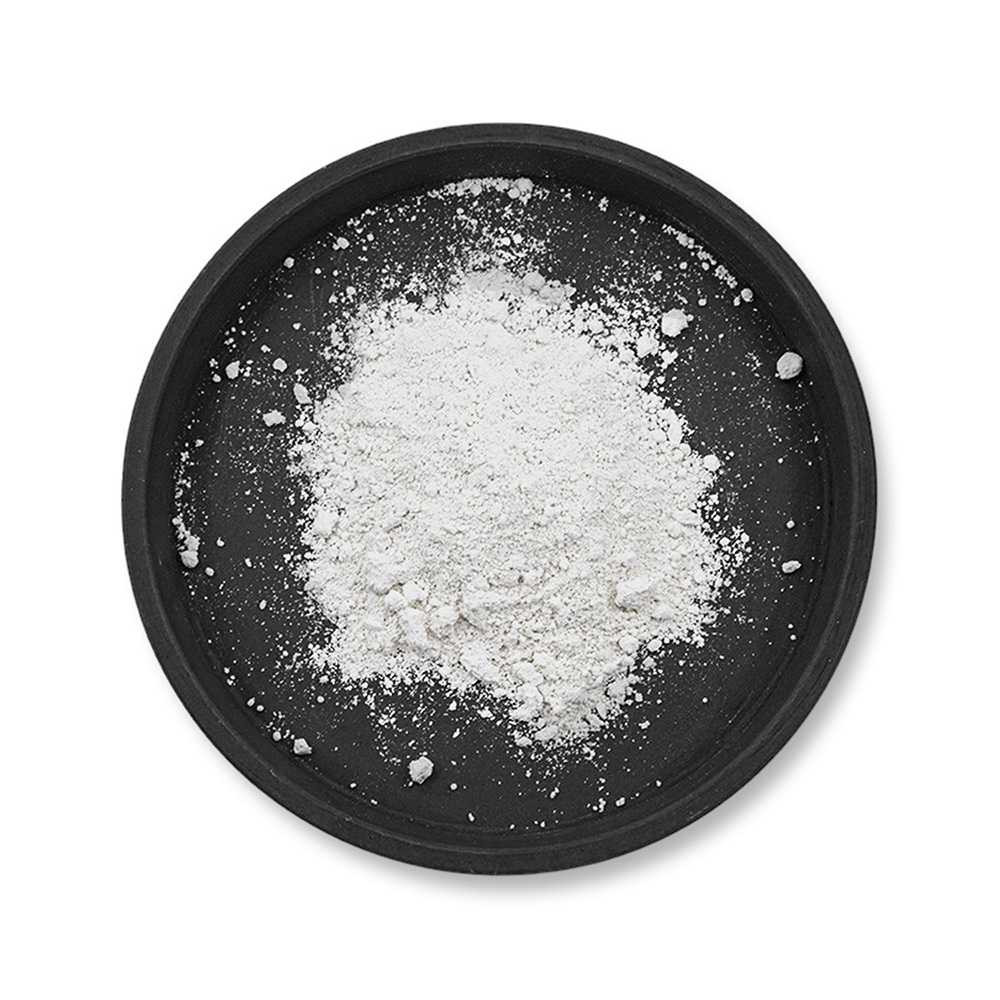
White kaolin is, thanks to its fine structure and neutral colour, the most frequently used of the kaolin clays. It is ideal for gentle peeling masks for sensitive skin or in shaving creams. It contains silicon dioxide and has antibacterial and anti-inflammatory effects.
Make your own mask
It could hardly be any easier.
- Mix the clay with water
Start with one spoonful of clay, which you mix with just enough water to create a smooth paste that you can apply to the skin.
- A higher level
If you want a “higher level”, adapt the mixture to a specific therapeutic purpose — replace the water with a hydrolate or aloe vera gel or juice, add a CO2 extract, herbs or tinctures.
- Reduce the drying effect
Do you want to reduce the drying effect of the clay? Add carrier oils or macerates.
- Apply to the face 5 – 15 min
Apply the mask to the face and leave it on for 5 to 15 minutes, depending on the sensitivity of your skin.
You can apply the same procedure with all types of clays.
Bentonite
Bentonite consists primarily of volcanic ash and the mineral called Montmorrillonite, which contains a considerable amount of ferrous and magnesium ions. Precisely thanks to these, bentonite clay may, in addition to white, also have a grey to light greenish-grey colour. Its characteristic property is that after mixing with water it swells intensively, and can reach up to 12 times its original volume. Exactly because of this property of contraction and drying, it has an excellent capacity to draw oils and toxins out of the skin, which is why it is excellent for making compresses. Thanks to these properties, we use it in cosmetics especially in skincare, but also in bathing procedures.
Bentonite is suitable for normal to oily skin types. In view of its intensive properties, we do not recommend it for dry and sensitive skin, and even in the case of oily skin it should be used at most once a week — after its use it is recommended to hydrate the skin sufficiently.
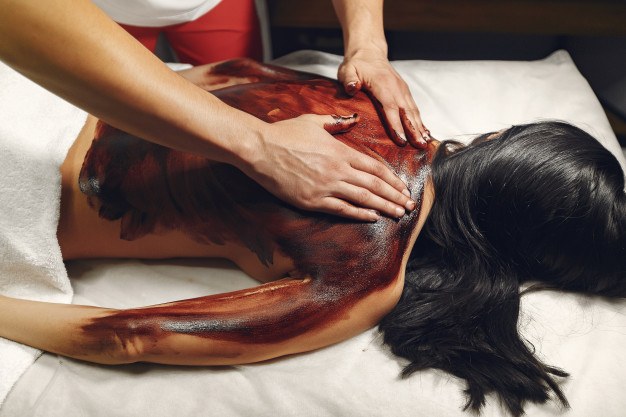
Just like facial masks, you can also create a body mask from clays. The procedure is identical, except that for its preparation you will need significantly larger quantities of ingredients.
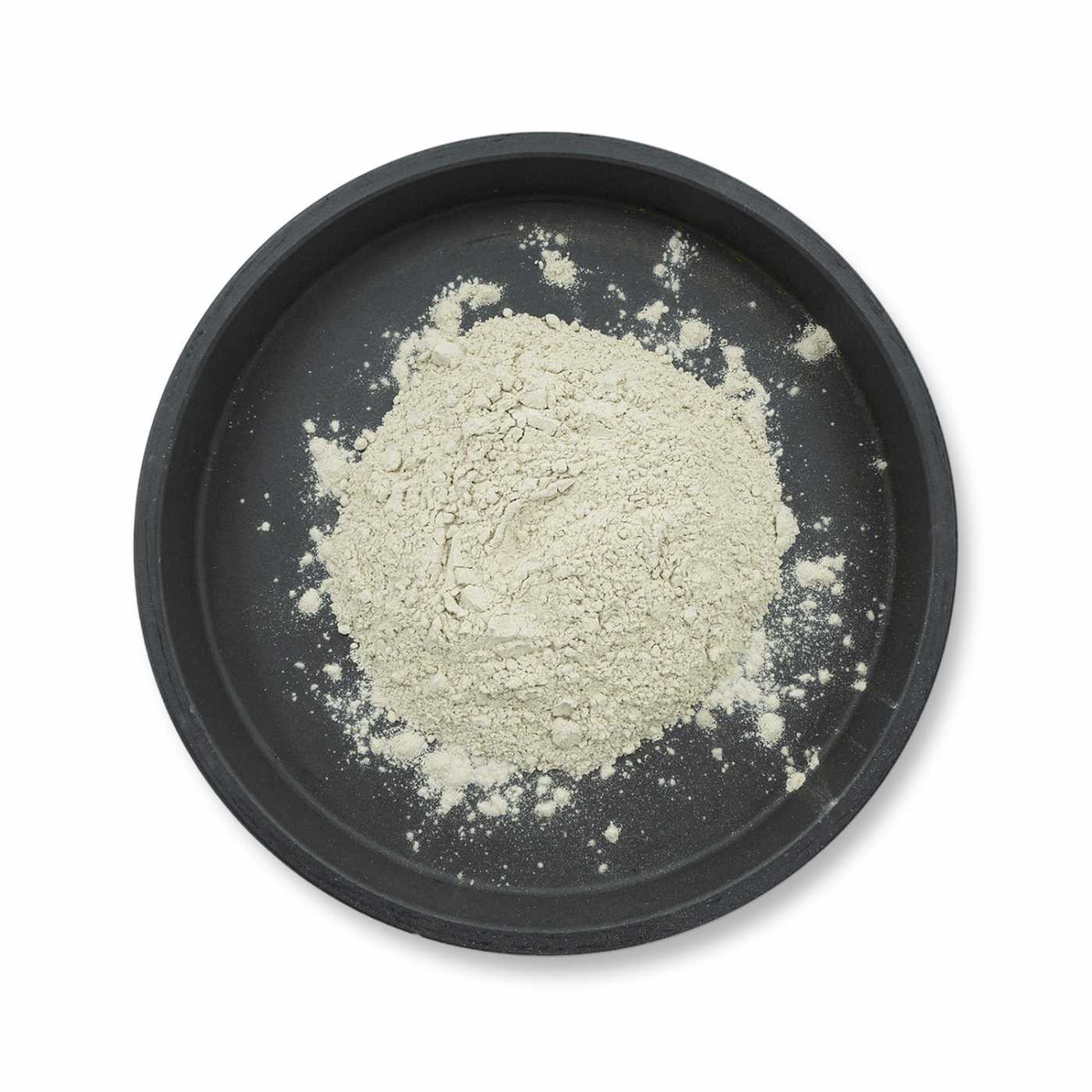
Illite
It is interesting that illites are formed essentially by further weathering of bentonite (which is why they also have the attribute Ultra Ventilated in the English name, as exceptionally weathered). In our range you will find yellow, green and pink illite with the attribute French, which they received on the basis of the discovery of the first deposits precisely in France. Our illites are of French origin.
Illites are rich in natural trace elements and have detoxifying properties that remove impurities from the body and release minerals into the skin. They stimulate blood circulation, remove dead skin cells, tone and strengthen connective tissues and leave the skin smooth and radiant. They are recommended for dry and sensitive skin.
They are used in detox body wraps, in soap making, in facial masks, facial or body scrubs and cosmetic baths to soften and improve skin texture.
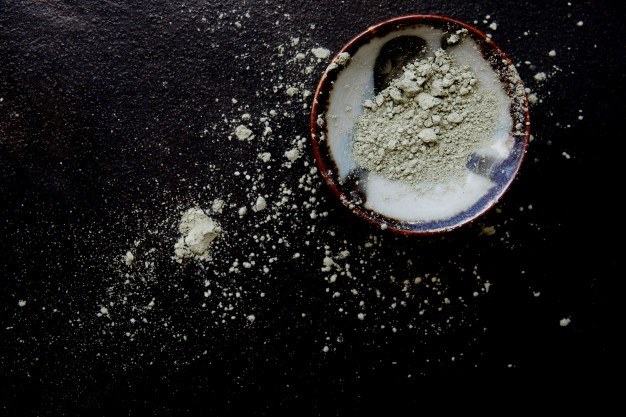
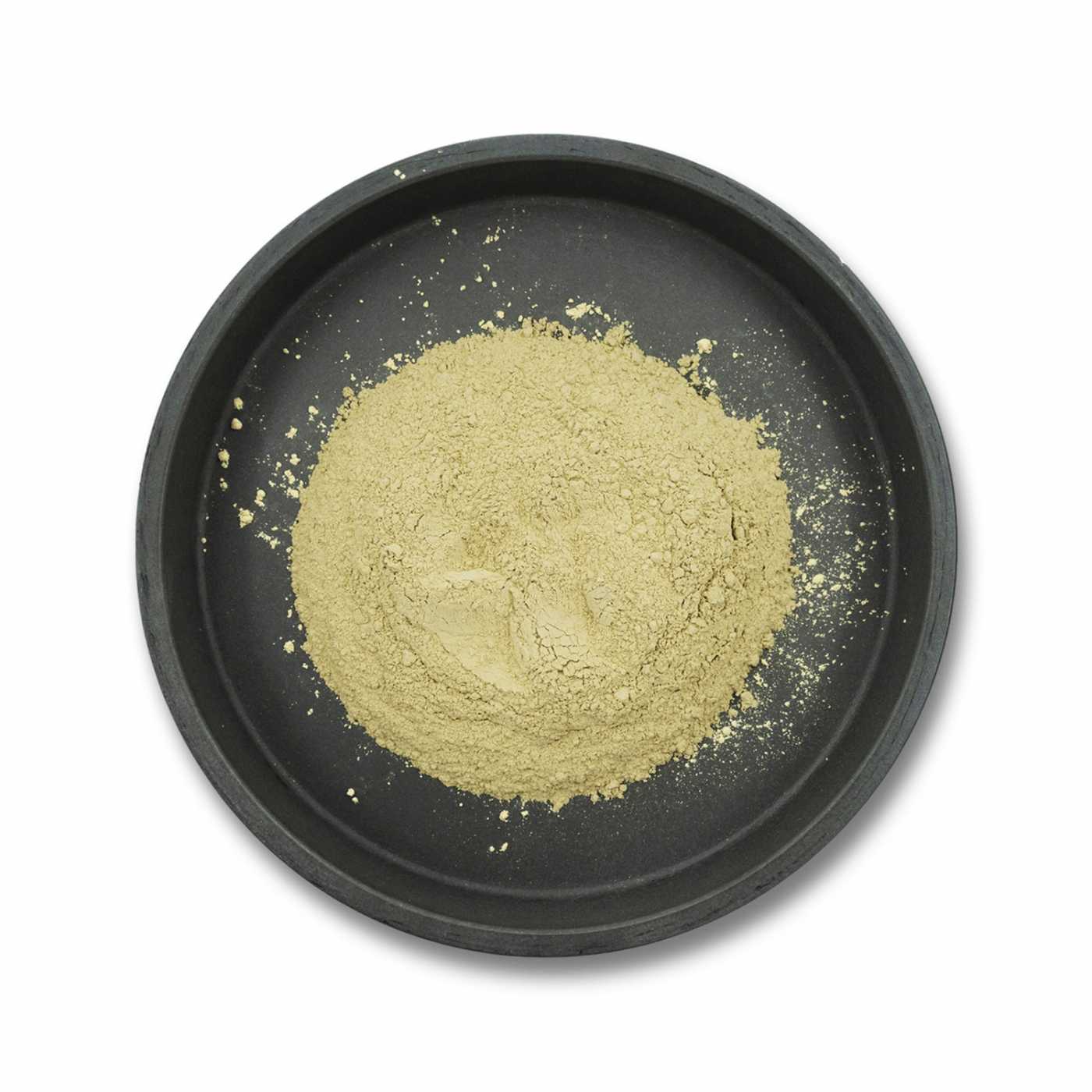
Moroccan rhassoul / ghassoul clay
This fine beige clay is mined in the valley of the Atlas Mountains in Morocco. The word rhassoul means “to wash oneself” in Arabic. It is also known under the names ghassoul clay or Moroccan red clay. For cosmetic purposes it has been used for several thousand years. It was already used in ancient Egypt and is still used today in various detoxifying bathing procedures. It contains a large amount of minerals, with magnesium, potassium and also silicon dioxide being the most represented. In addition to facial skin, it can also be used as a wrap for oily hair.
Moroccan rhassoul clay is suitable for oily skin types, and as with the previous clays we recommend applying the mask once a week. It gently exfoliates, reduces skin redness and improves the structure and clarity of the complexion.
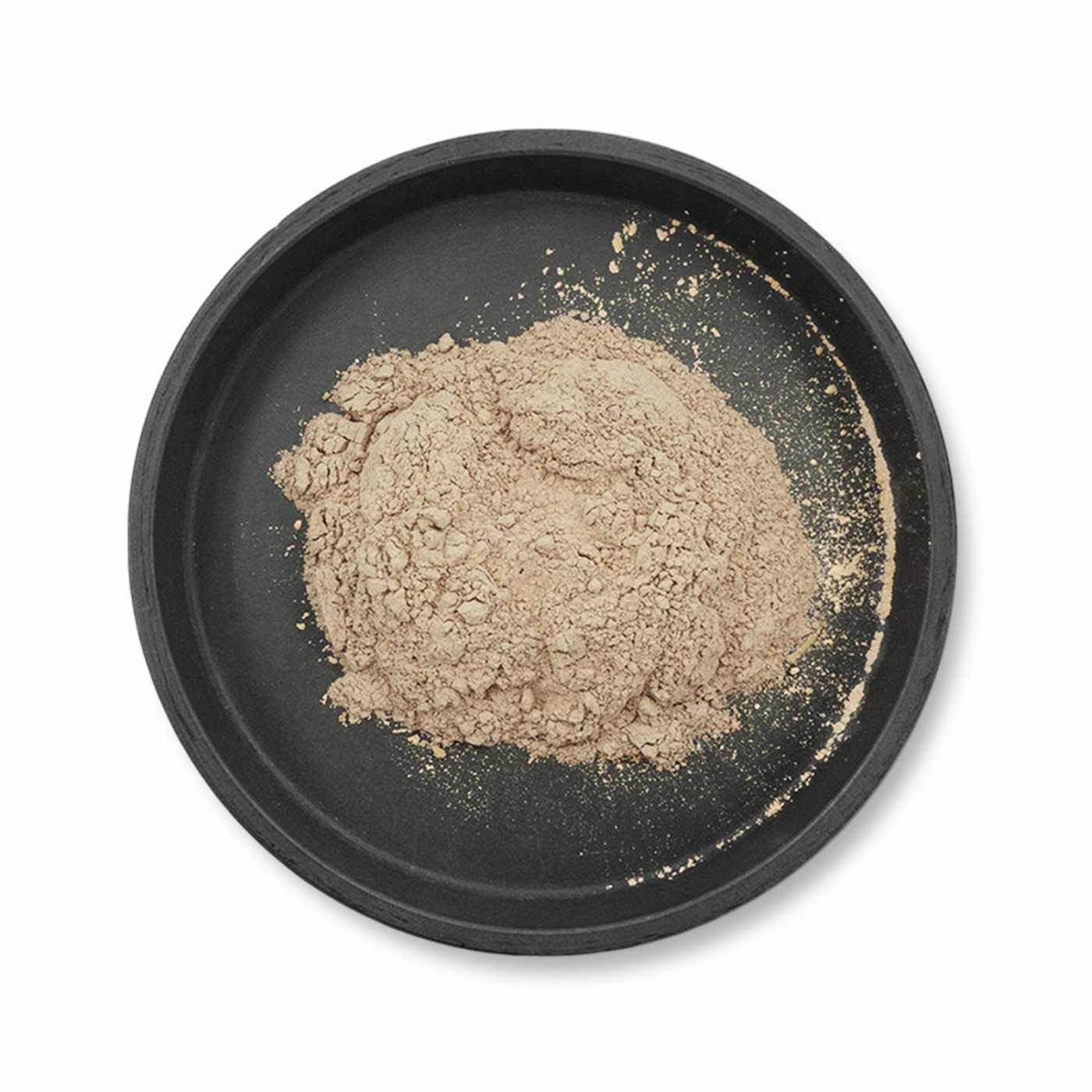
Zeolite
This ultra-fine light beige clay is mined in Turkey and is rich in silicon, calcium, potassium and iron. It has an excellent ability to absorb, store and neutralise toxins, which makes it a suitable detoxifying component of cosmetic and bath products. An advantage of this clay is that, although it is used for normal to oily skin, it is suitable for all skin types. At the same time, it is a very good additive for mud masks, because it improves their consistency — they are smoother and easier to handle, especially when removing them from the skin. Its use is versatile: for detox mud baths, facial and body (including peel-off) masks, soaps, anti-acne products and facial cleansers.
Australian clays
Beautifully coloured clays come to us from Australia — beige, olive green, blue and deep red clay. They are suitable for dry as well as oily skin types.
| Clay | Properties |
|---|---|
| Beige | excellent at stimulating blood circulation and the lymphatic system, suitable for detox body wraps, in soaps, facial masks, facial and body cleansers |
| Red | is particularly suitable for dry and sensitive skin, and interestingly, thanks to its intense red pigmentation it is also used for hair colouring |
| Blue | is used in the treatment of oily and problematic skin, because it regulates the flow of sebum, cleanses hair follicles and dissolves impurities on the skin |
| Olive green | removes impurities, tightens pores and balances the secretion of skin sebum |
Other mineral raw materials
For similar cosmetic purposes, volcanic ash is also used, which, however, creates a coarser peeling, as well as mud obtained from the Dead Sea, which is rich in a large number of minerals (calcium, iron, magnesium, potassium) and is an excellent choice for bathing procedures and full-body wraps.
Frequently asked questions about cosmetic clays
Practical questions about cosmetic clays — quality, application time, choosing according to skin type and adapting the mixture.
What clay quality should you choose for cosmetic purposes?
There are various quality grades of clays available on the market. For cosmetic purposes, choose specifically cosmetic grade — these clays have been specially processed and purified from heavy metals and other toxic substances that are still present in clays intended for craft and industrial use.
How long should you leave a clay mask on?
Apply the mask to the face and leave it on for 5 to 15 minutes, depending on the sensitivity of your skin. You can apply the same procedure with all types of clays.
Which clay is suitable for dry and sensitive skin?
For dry and sensitive skin, illites are recommended — yellow, green and pink French. Bentonite, on the other hand, is not recommended for dry and sensitive skin; it suits normal to oily skin types.
How often can I use a bentonite mask?
Bentonite has intensive contracting and drying properties, which is why it should be used at most once a week even on oily skin. After its use it is recommended to hydrate the skin sufficiently. A Moroccan rhassoul clay mask is likewise recommended once a week.
How can you reduce the drying effect of clay?
Add carrier oils or macerates to the mixture. Instead of water you can also use a hydrolate, aloe vera gel or juice, and enrich the mixture with a CO2 extract, herbs or tinctures.
Conclusion
Visit our e-shop and choose from our wide range of clays. Which one is your favourite?
Send us your suggestions and insights at [email protected].
White kaolin, bentonite, French illites and Moroccan rhassoul are all part of the Handymade range of cosmetic clays.