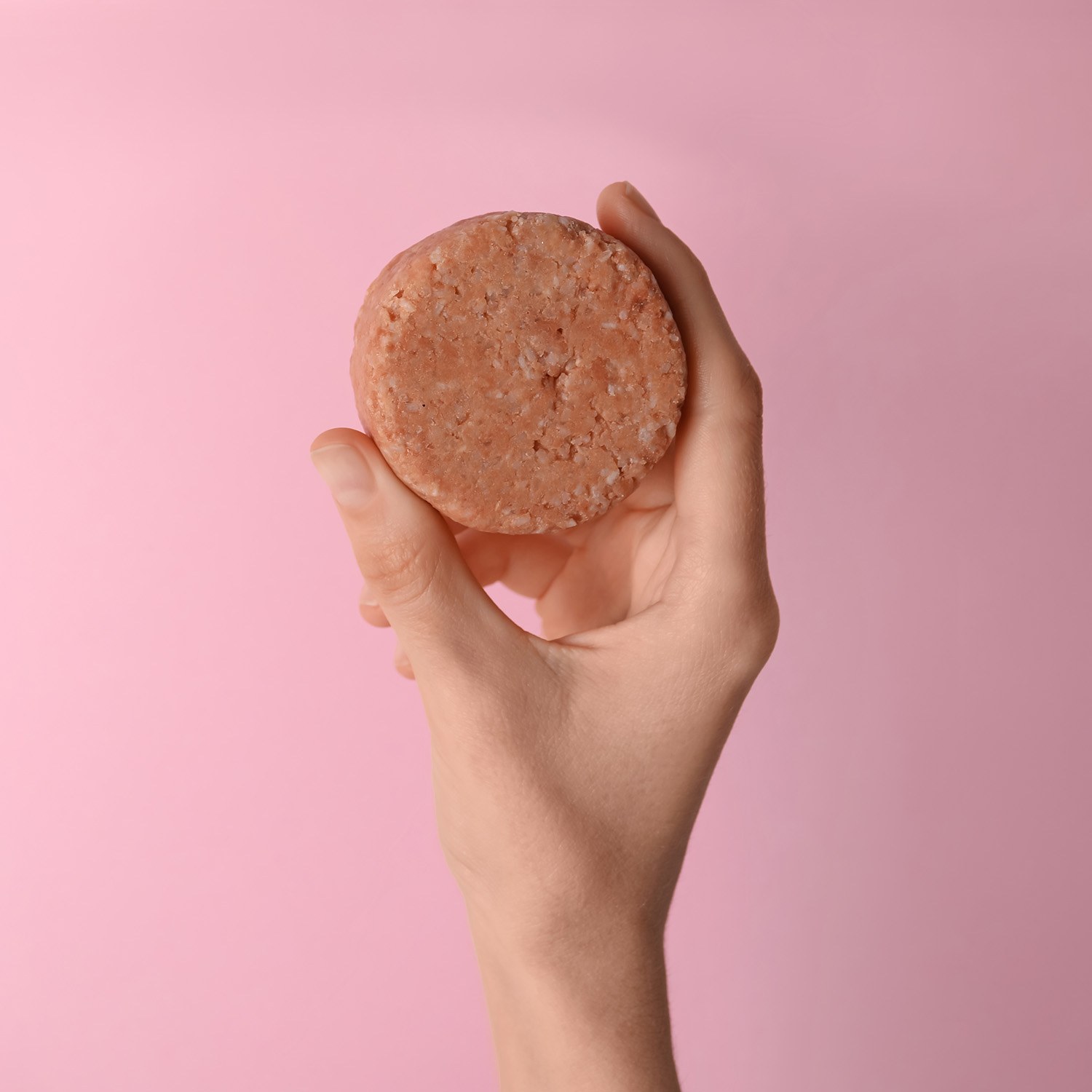
You can make a homemade shampoo for fine hair at home even as a beginner — it is completely simple. You too can easily, in the comfort of your home, make a homemade shampoo for fine hair. The production is not complicated at all and is suitable even for beginners. Besides gaining a precise overview of the raw materials in your cosmetic product, you can adapt your homemade shampoo according to your needs.
About this recipe
This is a simple liquid shampoo for fine hair, which is not at all complicated to make. The homemade shampoo is intended for beginners, therefore you will find in it only the essential raw materials, but you can make it more special by adding active substances suitable for shampoos.

Key benefits
- Suitable for beginners
The production is not complicated and the recipe contains only the essential raw materials.
- A clear view of the composition
You gain a precise overview of the raw materials in your cosmetic product.
- Gentle degreasing
Thanks to the surfactant coco glucoside the shampoo degreases gently — it suits hair without a strong tendency to oiliness.
- Adjustable thickness
The content of xanthan gum lets you set the fluidity of the final product to suit you.
- Adaptable recipe
Replace the water with hydrolats, match the oil to your hair type, and you can also add active substances.
Product properties
Key raw materials in the recipe
The individual components contained in the homemade shampoo have their characteristic properties and also a reason why they are included in the recipe. Thanks to knowing their purpose, you will know how it is possible to modify them or adjust their dosage.
Glycerin and xanthan gum
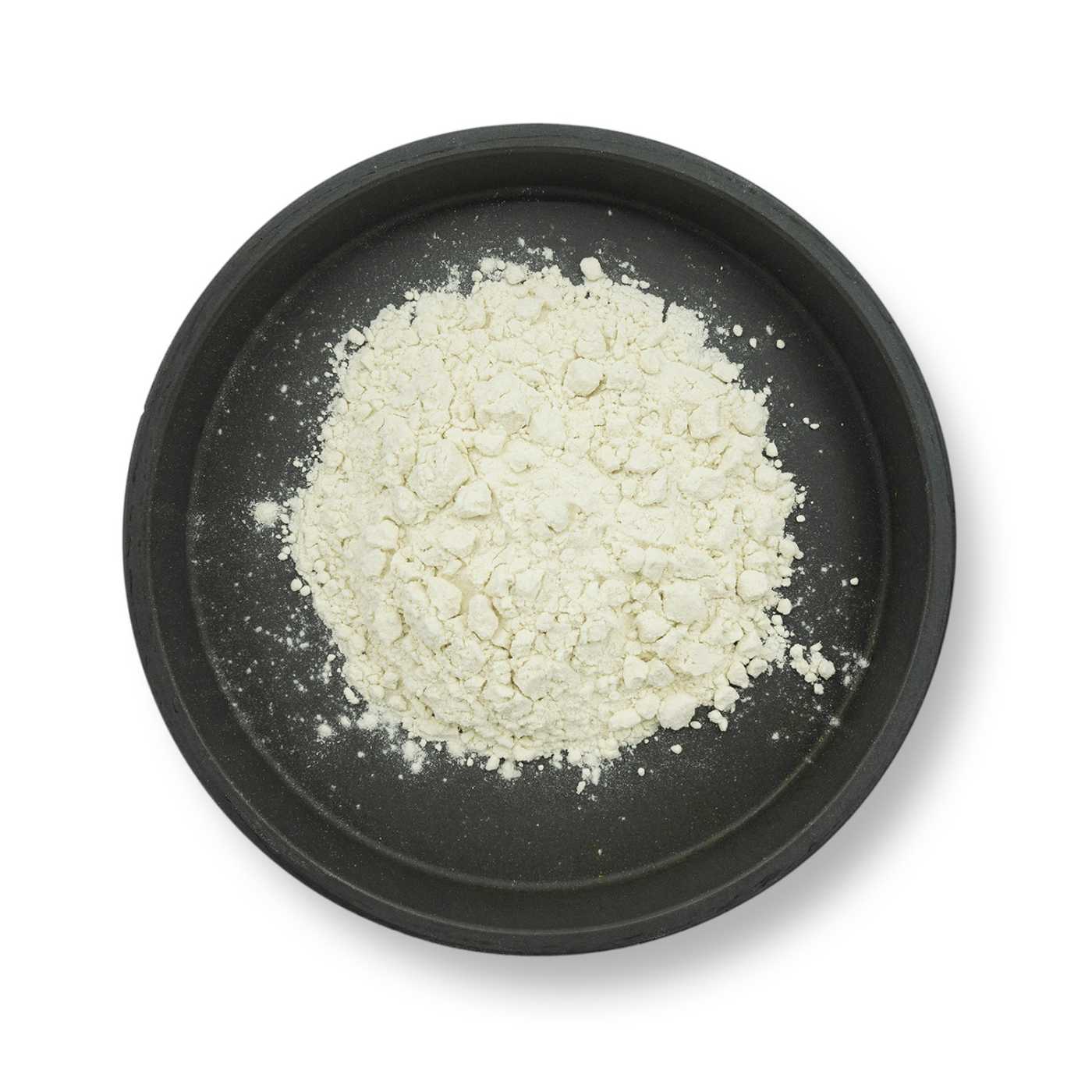
These two raw materials appear together in the recipe for the homemade shampoo, because together they help to thicken the final product. Xanthan gum is a thickener that needs to be partially hydrated in glycerin before adding water, so that lumps do not form in your final product. However, if this does happen, do not despair, there is still a chance that over time the xanthan gum will dissolve (after it has bound water), especially if you have used it in a smaller amount.
By means of the content of xanthan gum you can regulate the fluidity of the final product. If your homemade shampoo seems too thin, increase the content of xanthan gum (ideally up to 2 %). Alternatively, if you want a more fluid homemade shampoo, change the content of xanthan gum to 0.75 % to 0.5 %.
Coco glucoside
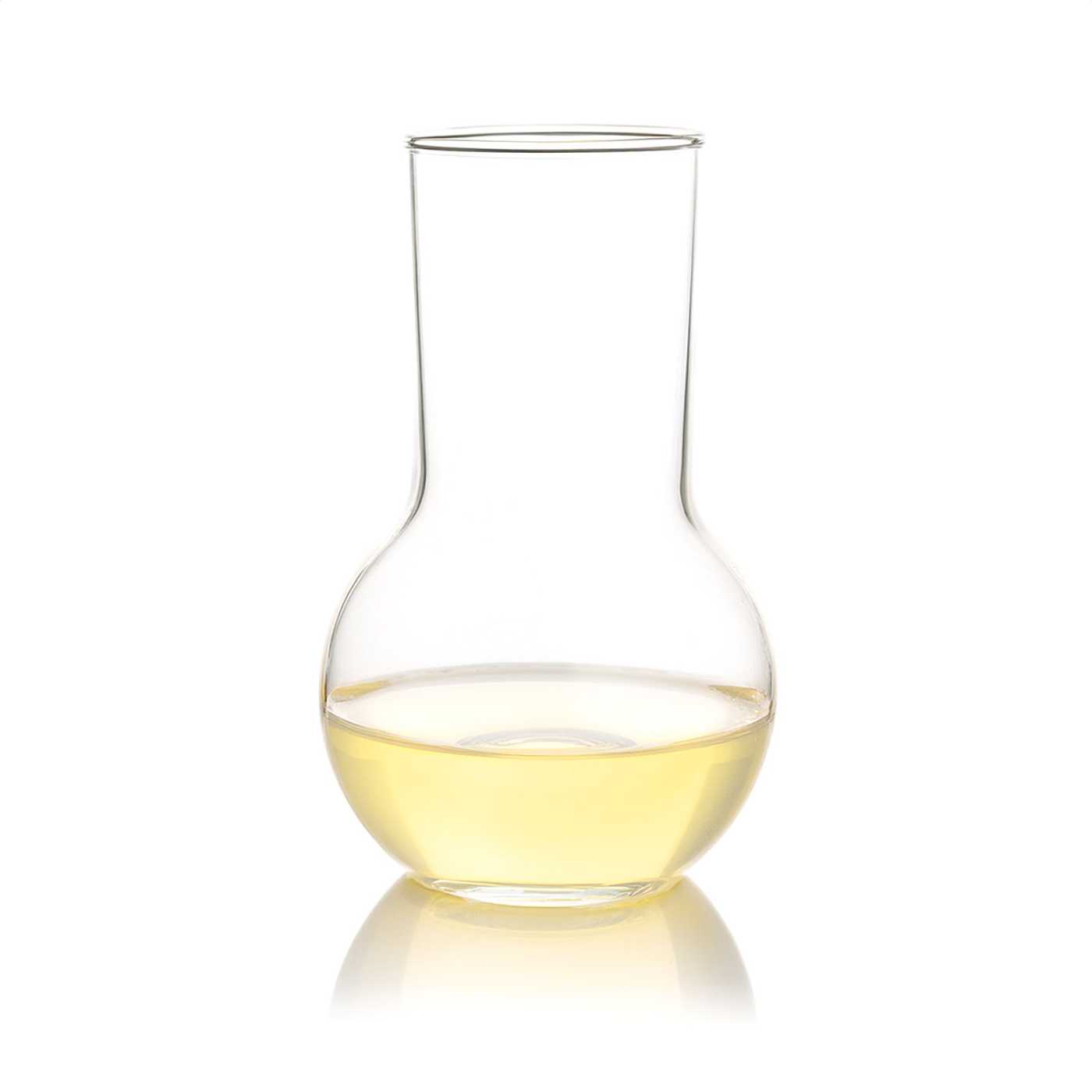
Coco glucoside is the basic cleansing and foaming substance in the recipe for the homemade shampoo. It is a surfactant that also has partially emulsifying abilities, which is why oil is also present in the recipe for the homemade shampoo without the use of another emulsifier.
Coco glucoside is a mildly degreasing surfactant, therefore the homemade shampoo may not be suitable for people with oilier hair. On the other hand, if you feel that the shampoo degreases too much, reduce the content of coco glucoside, but do not forget to also reduce the content of citric acid so that the final product is not too acidic.
Citric acid
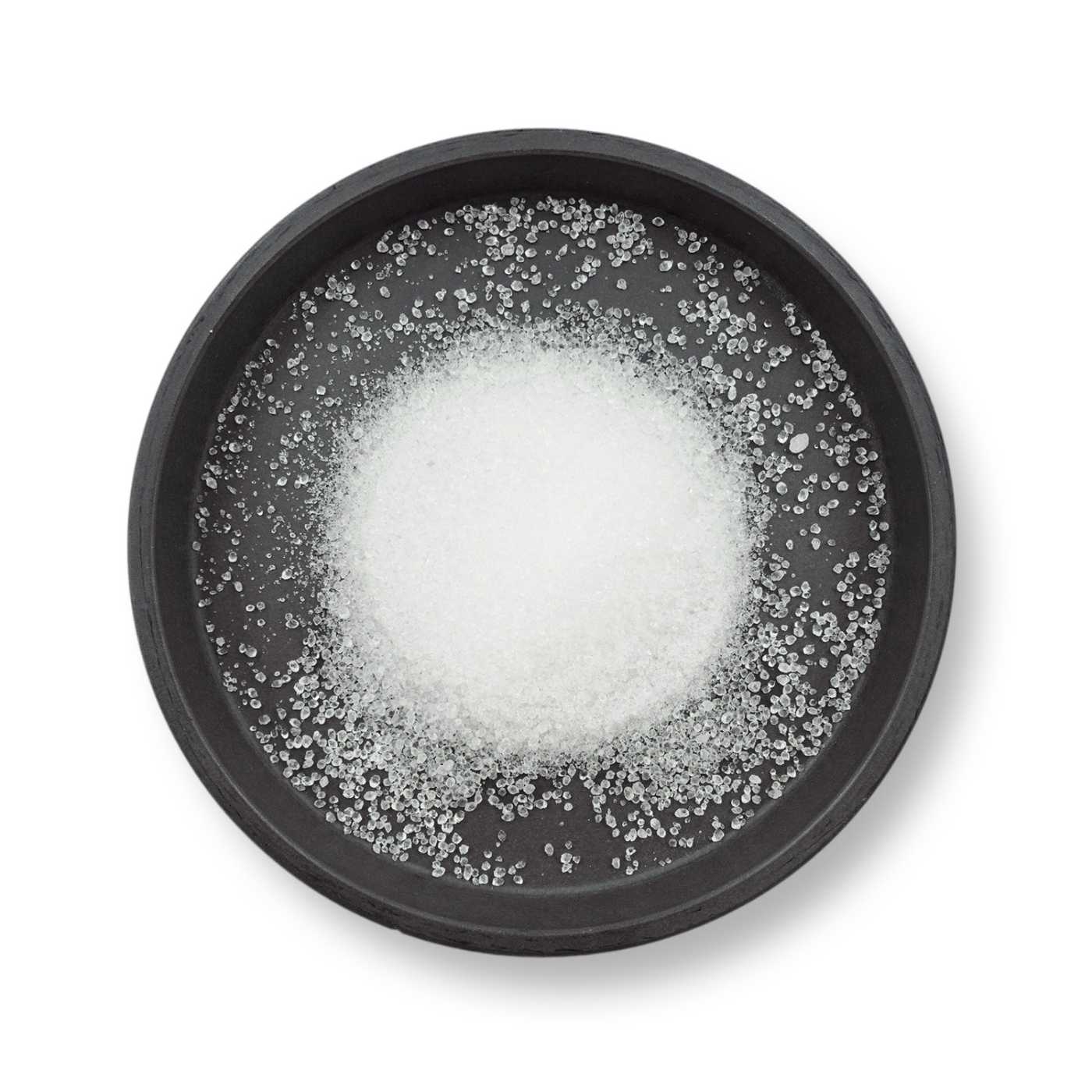
Since coco glucoside has an alkaline pH, citric acid is also part of the formulation for the homemade shampoo, which reduces the pH. Alkaline pH could irritate the skin. For this reason it is good to check the pH of the final product at least using pH strips, to make sure that your product is not too alkaline.
Cottonseed oil
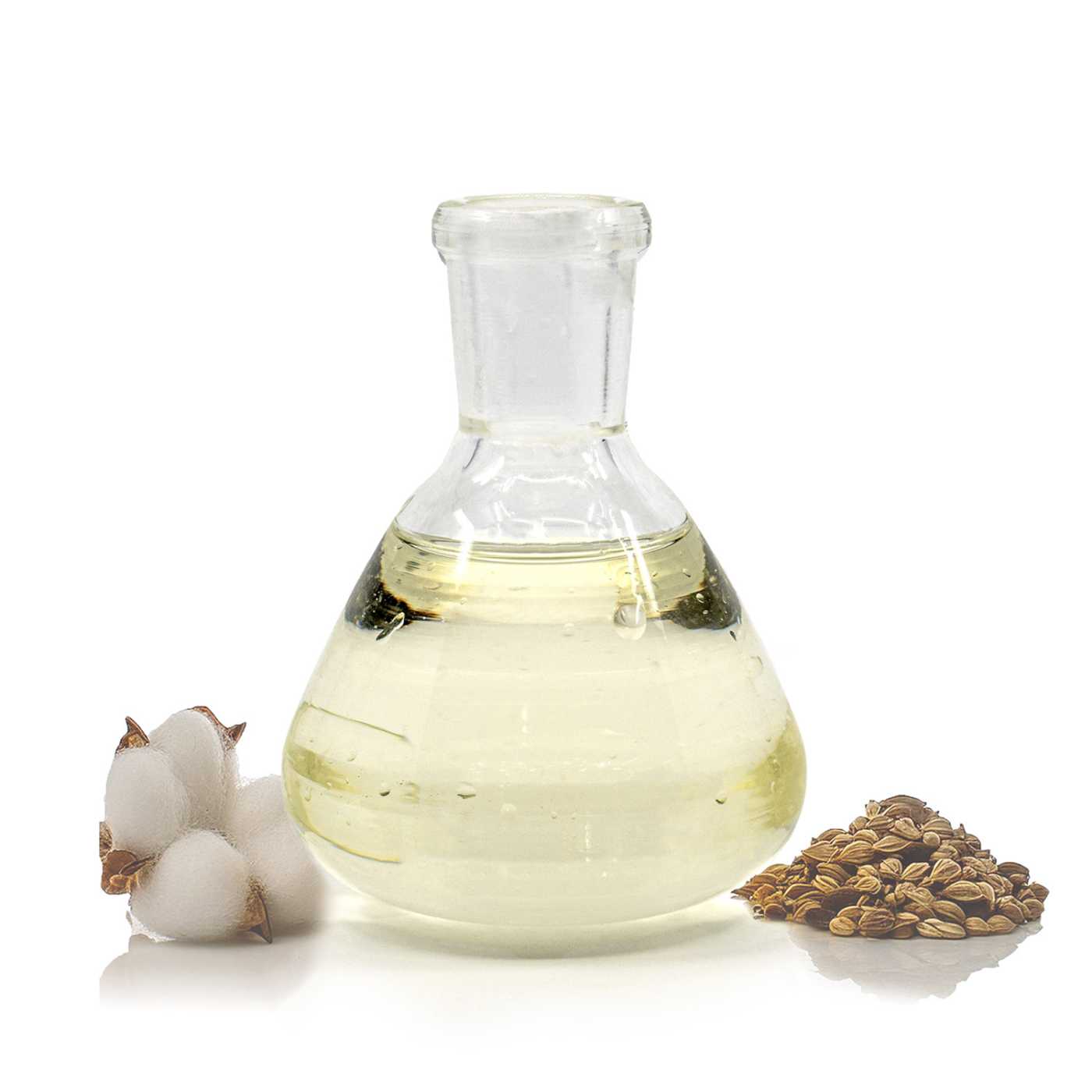
By pressing the seeds of the cotton plant, which are a by-product during cotton production, cottonseed oil is obtained. It is suitable for dry and damaged hair, mainly due to its moisturising effects, which is why it is a suitable raw material for a homemade shampoo.
Other raw materials
Demineralised water forms the base of the shampoo — together with the citric acid and coco glucoside it creates an aqueous mixture, which you then pour into the glycerin with xanthan gum.
Euxyl PE 9010 is the preservative that the recipe contains. If you do not happen to have it at hand, possible substitutes can be found below in the variations of the recipe.
Formulation (100 g)
The content of the raw materials is given in percentages by weight, so it corresponds to a batch of 100 g of finished homemade shampoo. In the shopping list below you can recalculate the batch to a larger amount.
Shop the ingredients for this recipe
Untick what you already have Demineralised Water, 1 lrecipe uses 65,50 gin stock€2.79
- Vegetable Glycerol 99,5% USP/BP, 1000 mlrecipe uses 5,00 gin stock€6.29
- Cotton Seed Oil, Refined, 500 mlrecipe uses 5,00 gin stock€9.44
- Coco Glucoside, 100 mlrecipe uses 20,00 gin stock€3.39
- Xanthan Gum, 50 guses 1 gin stock€2.99
- Citric Acid, Monohydrate, 1 kgrecipe uses 2,50 gin stock€4.19
 Euxyl PE 9010, Preservative 10 mlrecipe uses 1,00 gin stock€2.49
| Name of raw material | Content in % |
|---|---|
| Demineralised water | 65.5 % |
| Glycerin | 5 % |
| Cottonseed oil | 5 % |
| Coco glucoside | 20 % |
| Xanthan gum | 1 % |
| Citric acid | 2.5 % |
| Euxyl PE 9010 | 1 % |
Method
- Disinfection
Disinfect all containers and tools that you will use.
- Paste from glycerin and xanthan gum
Into a bowl or beaker, weigh out the glycerin and xanthan gum and mix well until a thick paste forms that will later thicken your homemade shampoo.
- Aqueous mixture with the surfactant
In a second container, dissolve the citric acid in the water. Then add the coco glucoside and mix.
- Combining the mixtures and the oil
Pour the aqueous mixture into the container with the glycerin and xanthan gum, add the oil and mix.
- Preservative
Finally, add the preservative.
Use
The simple homemade shampoo, thanks to the content of the surfactant coco glucoside, degreases gently, therefore you will use it especially when washing hair that does not have a strong tendency to oiliness. For oilier hair it is necessary to use two doses when washing.
Despite the fact that the recipe for the homemade hair shampoo includes a preservative, the product will of course not last forever. If over time you notice changes in colour, texture or smell, do not continue using the product.

Variations of the recipe
As we mentioned, the recipe for the homemade shampoo is suitable for beginners, because you do not need many complex raw materials for its production. However, if you want to make your shampoo more special or adapt it to your hair type, it is possible to change or add some raw materials.

Hydrolats
As a substitute for the demineralised water which the homemade shampoo contains, floral hydrolats serve precisely this purpose. Each hydrolat has its specific properties and effects on the hair depending on which plant it was obtained from. You can thus easily adapt the homemade shampoo according to your needs.
Vegetable oils
Your shampoo does not have to contain only one type of vegetable oil. You can use various blends of cold-pressed or refined vegetable oils. Again, you can match the choice of oil for the homemade shampoo to your hair type.
You can slow down the oxidation process of the oils, and thus extend their shelf life, by adding vitamin E. Given that the homemade shampoo does not contain a large amount of oil, this is not necessary unless you have vitamin E at hand.
Essential oils
If you want your homemade shampoo to smell pleasant, you can use essential oils. For them it is important to follow the recommended dosage for the specific type of oil, in order to avoid unnecessary irritation.
An alternative to essential oils is represented by fragrance oils. These synthetically prepared oils can scent your homemade shampoo with various exotic or fruity fragrances.
Preservative
If you do not happen to have Euxyl PE 9010 at hand, you can also choose another preservative suitable for homemade cosmetics. However, you must be careful whether the preservative will be effective at the specific pH of the product. For this reason it is good to check your homemade shampoo, for example using pH strips, so that you can be sure that the chosen preservative will be effective.
Active substances
Another possibility to adapt the homemade shampoo is to add active substances. Choose substances that are suitable for use in hair cosmetics, and also make sure that they will be effective at the given pH of the product, or that they do not have other specific properties that need to be taken into account. A popular additive is keratin, which is also a natural component of hair and helps to restore it.
Warning
As mentioned, you can experiment with homemade recipes to achieve the desired properties. However, the final result can be influenced by many factors, such as humidity, temperature, quality of the raw materials or their storage.
Before you use any raw material to produce a cosmetic product, become familiar with its properties, recommended dosage, storage conditions and safe handling. Each raw material may have the potential to trigger an allergic reaction in sensitive individuals, therefore before using the product we recommend finding out whether you are allergic to any of the raw materials or to the overall product, for example by a skin test.
If you have very sensitive or very acne-prone skin, or you have other skin and health problems, we recommend that you consult a medical professional before applying a new product to the skin, whether it is a homemade cosmetic product, a pure raw material or a commercially available product.
Frequently asked questions about the recipe
Practical questions about the homemade shampoo — thickness, pH, suitability for oily hair, shelf life and possible variations.
Can a complete beginner manage the recipe?
Yes. The production is not complicated at all and the recipe is intended for beginners — you will find in it only the essential raw materials. You can, however, make it more special by adding active substances suitable for shampoos.
How do I adjust the thickness of the shampoo?
The fluidity is regulated by the content of xanthan gum. If the shampoo seems too thin to you, increase its content (ideally up to 2 %). If you want a more fluid shampoo, change its content to 0.75 % to 0.5 %.
Why is there citric acid in the recipe?
Coco glucoside has an alkaline pH, which could irritate the skin — citric acid reduces it. For this reason it is good to check the pH of the final product at least using pH strips. If you reduce the content of coco glucoside, also reduce the content of citric acid so that the product is not too acidic.
Is the shampoo suitable for oily hair?
Coco glucoside is a mildly degreasing surfactant, therefore the shampoo may not be suitable for people with oilier hair — with oilier hair it is necessary to use two doses when washing.
How long does the homemade shampoo last?
Despite the fact that the recipe includes a preservative, the product will not last forever. If over time you notice changes in colour, texture or smell, do not continue using the product.
Can I replace the demineralised water with something?
Yes, floral hydrolats serve as a substitute for demineralised water. Each one has its specific properties and effects on the hair depending on which plant it was obtained from, so you can adapt the shampoo to your needs.
Conclusion
Did this homemade shampoo turn your fine hair into the long curls of Goldilocks? Let us know in the comments what you like about this homemade natural shampoo for hair.
We look forward to all your opinions.
Until saponification, friends.
You will find the coco glucoside, xanthan gum, glycerin and the Euxyl PE 9010 preservative from this recipe in the Handymade range of cosmetic ingredients.