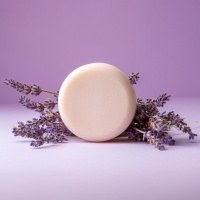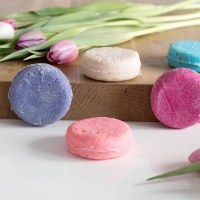
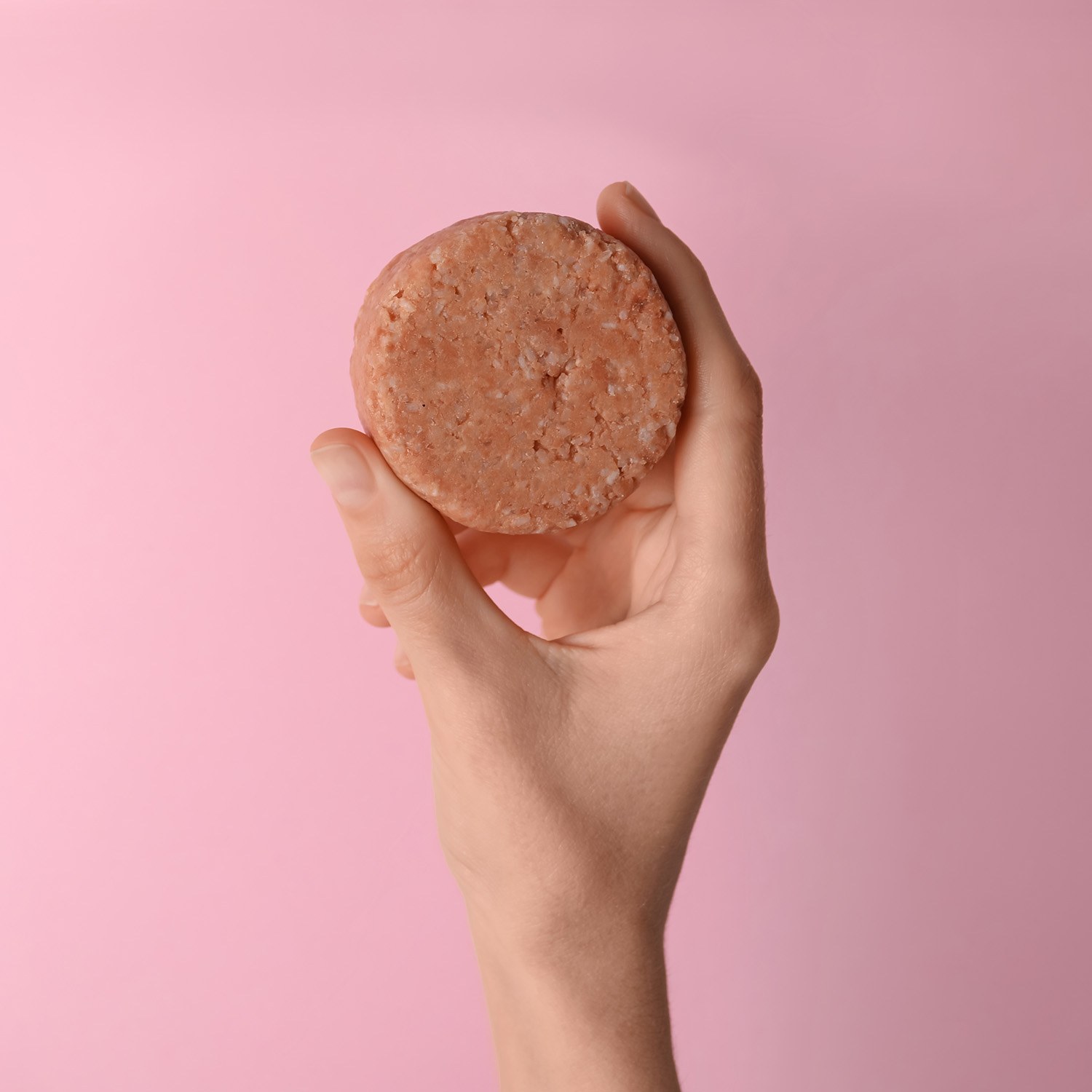
Conditioning solid shampoo — make a solid shampoo with us that is gentle on your hair and on nature.
Nowadays, interest in ecological and natural alternatives in personal hygiene is growing. One of them is making a conditioning solid shampoo at home. This simple process not only eliminates plastic packaging, but also allows you to adapt the formulation to the individual needs of your hair. In this article, we will look at the steps for making your own solid shampoo from just a few ingredients. Take a look with us at how you can create a shampoo that is gentle on the environment and at the same time effective for your hair.
About this recipe
The recipe for the conditioning solid shampoo was created by the Handymade team.
A conditioning solid shampoo will help you take care not only of your hair, but also of your scalp, thanks to the content of inulin, which acts as a natural prebiotic for the skin. In addition to inulin, you will find two mild surfactants in the shampoo, which gently remove grease without a feeling of excessive drying or degreasing.
If you decide to adapt your own solid shampoo to your colour or fragrance preferences, or if you are looking for ways to simplify the formulation or substitute some raw materials, you will find the answers to these questions with the individual raw materials and in the frequently asked questions at the end of the article.
Key benefits
- No unnecessary plastic packaging
Making solid shampoo at home eliminates plastic packaging — the shampoo is gentle on the environment.
- Care for the scalp
Inulin acts as a natural prebiotic for the skin, so you take care not only of your hair, but also of your scalp.
- Gentle cleansing
Two mild surfactants gently remove grease without a feeling of excessive drying or degreasing.
- A formulation made to measure
You can adapt the colour, the fragrance and the individual raw materials to the individual needs of your hair — or simplify the formulation.
Product properties
Key raw materials in the recipe
When working with cosmetic raw materials, it is important to know their properties and safe use. With each key raw material you will therefore also find its role in the recipe, along with advice on how to vary it or leave it out if you do not have it to hand.
Sodium Cocoyl Isethionate (SCI)
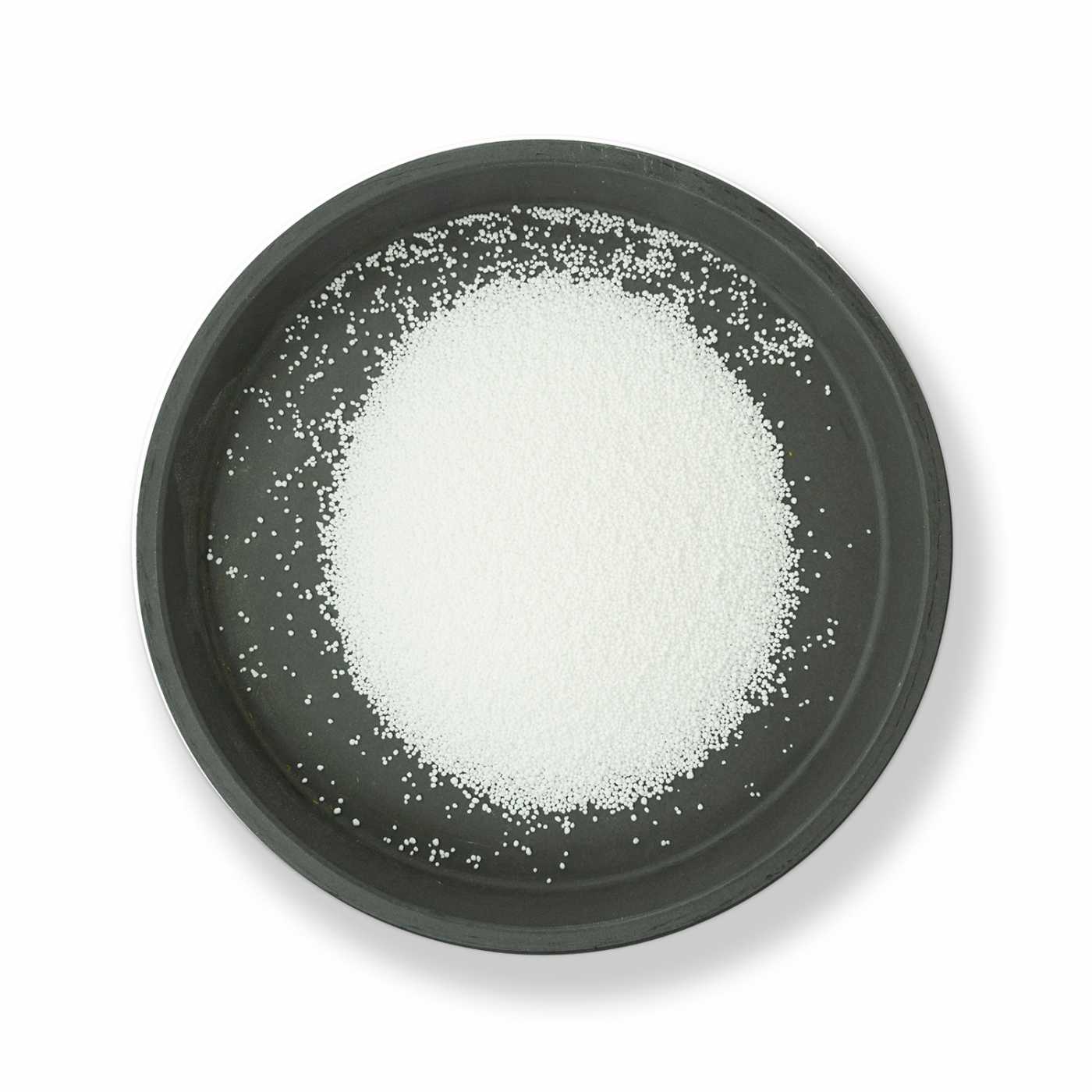
In our recipe, we combined two surfactants. Sodium Cocoyl Isethionate (SCI) represents a cleansing and foaming agent with mild degreasing properties. However, when handling it, it is important to follow precautions, because it is easily released in powder form.
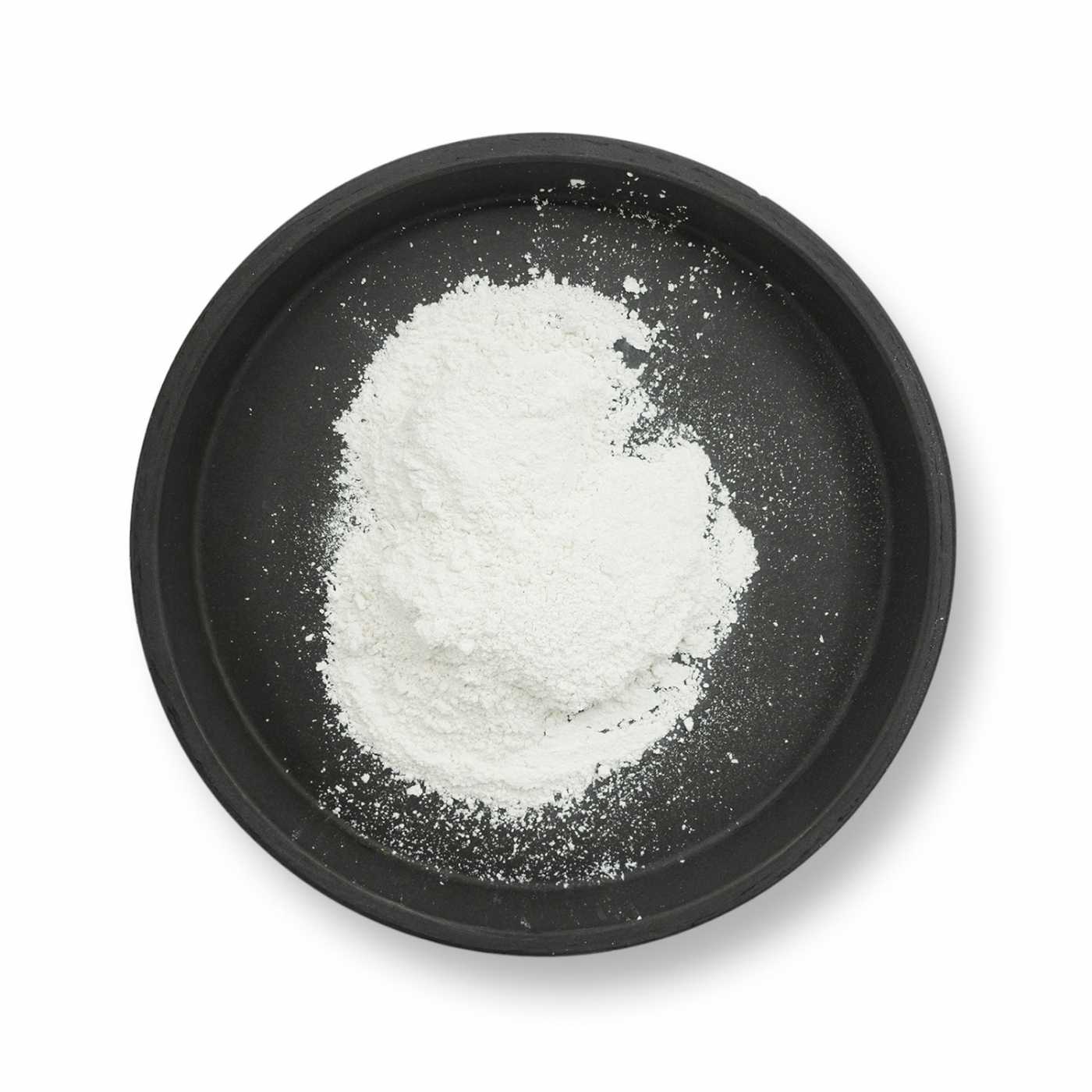
Sodium Coco Sulfate (SCS)
Sodium Coco Sulfate (SCS) is another surfactant ensuring cleansing and foaming of the solid shampoo. It is a mild surfactant made from coconut oil, which works well with oils and butters.
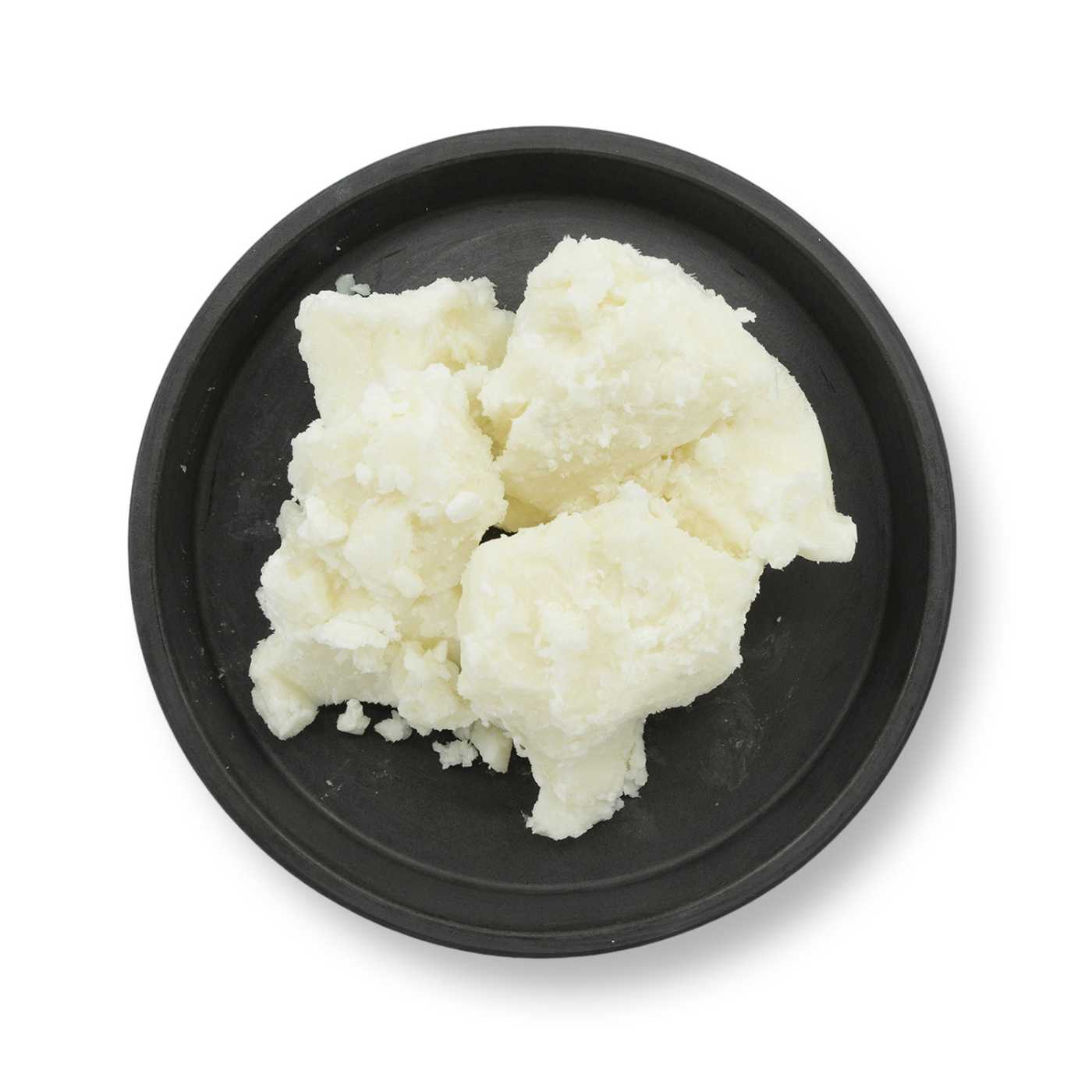
Shea butter
In our recipe, we used shea butter, but you have a number of other options to choose from. If you want to experiment, you can choose another vegetable butter or oil. However, it is necessary to take into account that changing the ratio of butter or oil may affect the properties of your shampoo. The shampoo may degrease less or its consistency will be less solid if you choose a higher proportion of oil.
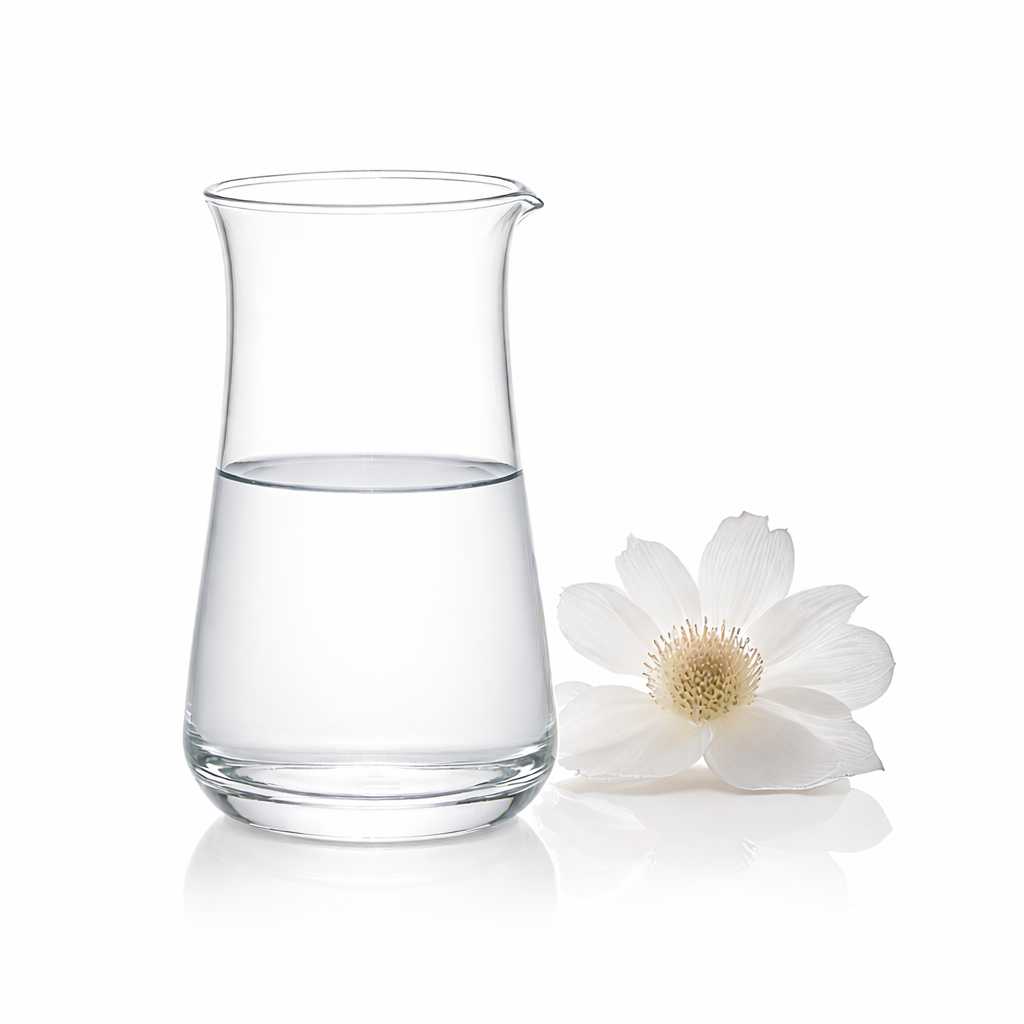
Witch hazel hydrosol
Witch hazel hydrosol has nourishing and soothing properties for the skin, therefore it is perfectly suited for a solid shampoo and also adds a delicate fragrance. However, if you have another favourite hydrosol, do not hesitate to reach for it. An alternative is also demineralised water, which is often used in cosmetics for its higher purity.
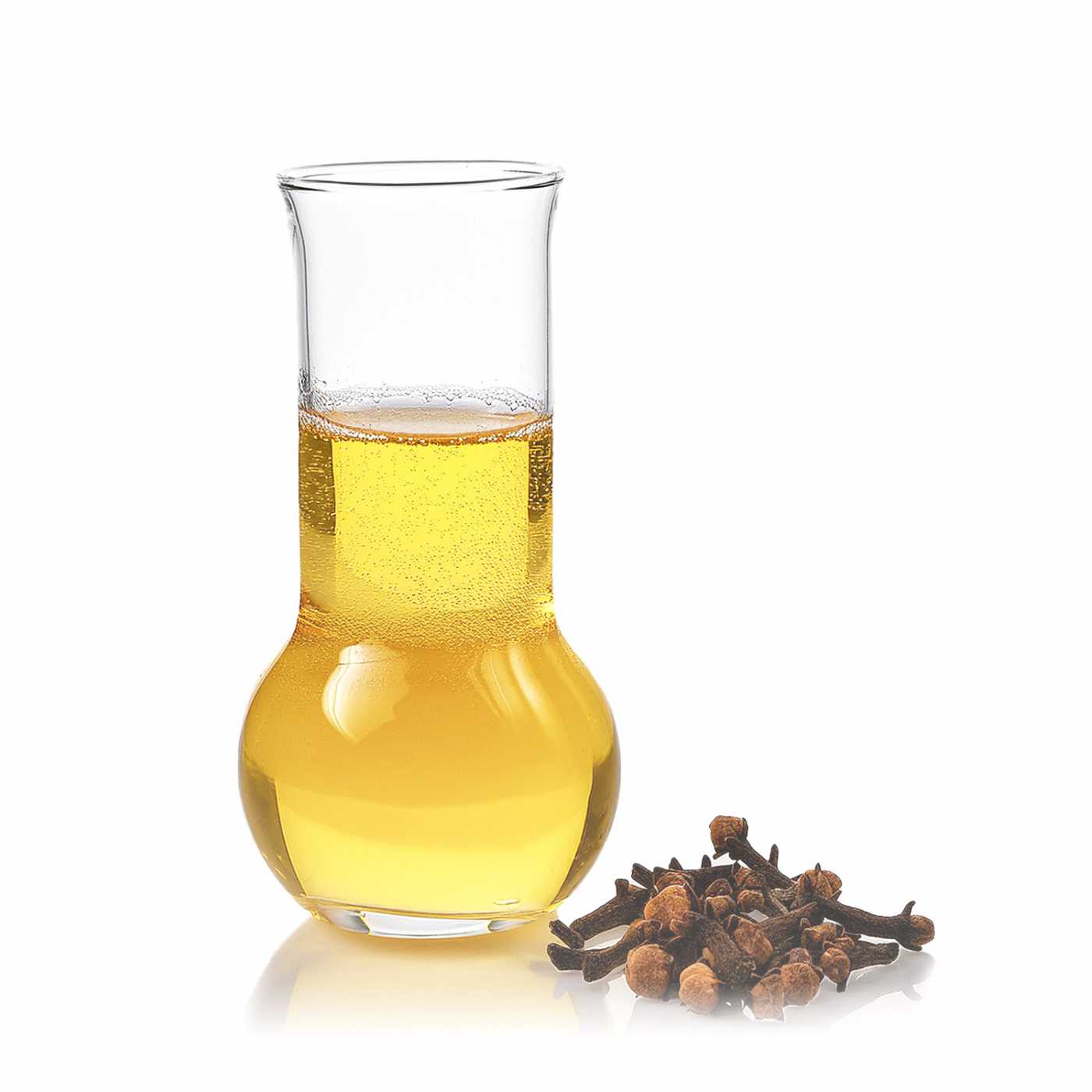
Essential oil — clove
Clove essential oil is known for its antibacterial and antifungal properties, which makes it ideal for a conditioning solid shampoo. Its stimulating scent also contributes to relaxation and stimulation of the scalp. As an alternative, you can consider essential oils of peppermint or rosemary, which have similar effects, or omit the fragrance ingredient altogether.
Formulation (100 g)
The formulation is divided into three phases — in phase A the colourant is dissolved in the hydrosol, phase B is combined in a water bath and phase C is added after slight cooling. Each raw material is linked to a product in our range.
Shop the ingredients for this recipe
Untick what you already have- Floral Water, Witch Hazel, Alcohol-Free, Organic, 100 mluses 5 gin stock€4.99
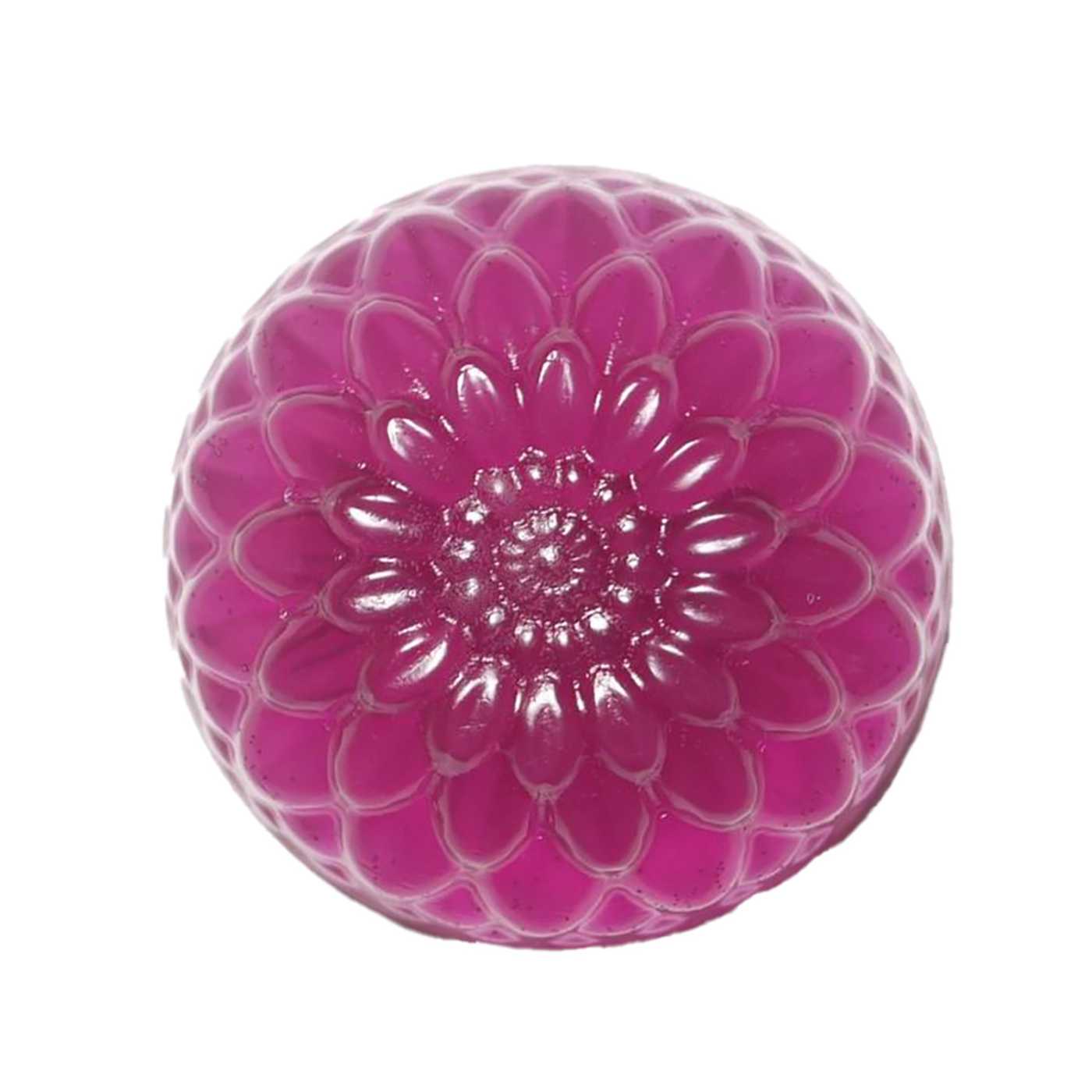 Liquid Glycerin Dye, Magenta, 10 mlrecipe uses as neededin stock€2.29
- Sodium Cocoyl Isethionate (SCI), Powder, 500 guses 52.75 gin stock€16.49
- Sodium Coco Sulfate (SCS), 100 guses 26.75 gin stock€3.35
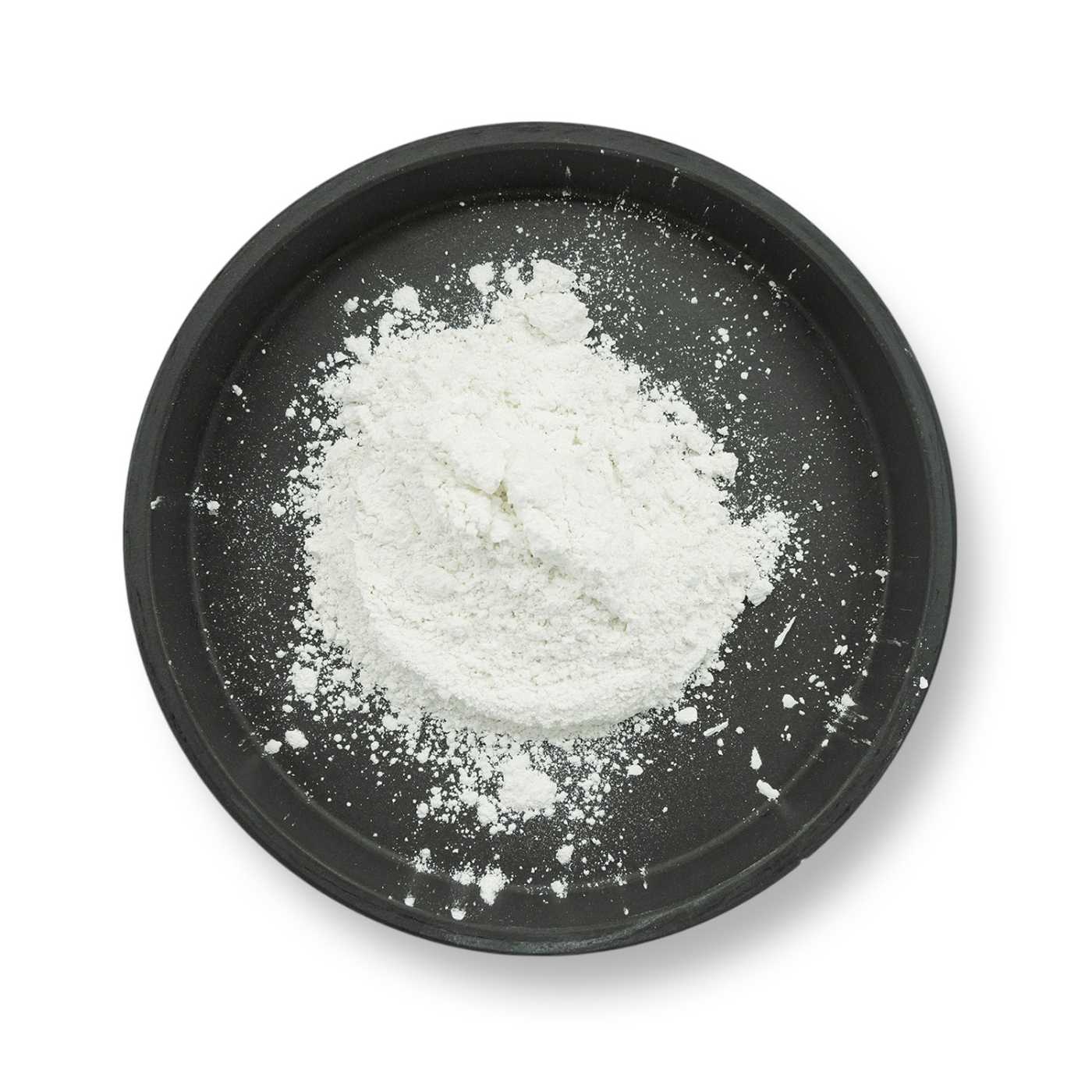 Inulin, skin prebiotics, 100 guses 4.1 gin stock€3.66
- Shea Butter, Refined, 250 guses 8.5 gin stock€4.19
 Pentylene glycol ECO, natural preservative, 100 mluses 3 gin stock€11.99
- Clove Bud Essential Oil, 10 mluses 0.9 gin stock€2.40
| Phase | Raw material | Content in % |
|---|---|---|
| A | Witch hazel hydrosol | 5,00 |
| A | Liquid glycerin colour, magenta | as needed |
| B | SCI | 52,75 |
| B | SCS | 26,75 |
| B | Inulin | 4,10 |
| B | Shea butter | 8,50 |
| C | Pentylene Glycol | 3,00 |
| C | Essential oil, clove | 0,90 |
Method
- Protective equipment
Before starting work, put a protective mask on your face and gloves on, because one of the raw materials used, SCI, is easily released into the air in the form of a powder.
- Dissolving the colourant
In the hydrosol, dissolve the colourant; start with one drop and add more if you want a shade stronger than pastel.
Phase A - Mixing the raw materials
In a heat-resistant container, ideally made of borosilicate glass, mix the SCI, SCS, hydrosol and inulin.
Phase B - Water bath
Place the mixture of powders and water in a water bath and start heating it while stirring constantly.
water bath - Stirring until it comes together
Continue stirring until the mixture unifies into a solid and malleable mass.
- Adding phase C
Remove the container from the water bath and after slight cooling add the Pentylene Glycol and the essential oil. Mix thoroughly.
Phase C - Filling the mould
Immediately fill the mould with the solid shampoo and let it cool down.
- Solidifying
Once solid, your shampoo is ready to use.

Warning
When working with cosmetic raw materials, it is important to know their properties and safe use. If you have sensitive skin or any allergies, we recommend consulting a doctor before using a new product. Each raw material has the potential to cause an allergic reaction, therefore it is important to be careful.
Frequently asked questions about the recipe
Practical questions about the recipe — adjusting the colour and fragrance, substituting raw materials and working safely with surfactants.
Why do I need a protective mask and gloves when working?
One of the raw materials used, SCI, is easily released into the air in the form of a powder. When handling it, it is therefore important to follow precautions — before starting work, put a protective mask on your face and gloves on.
How do I adjust the colour of the shampoo?
Liquid colourants are a popular way to quickly and easily adjust the colour of your products — start with one drop and add more if you want a shade stronger than pastel. If you want a colourless shampoo, simply omit the colourant, or you can use mica powders from the range of powder colourants.
Can I replace the witch hazel hydrosol?
Yes. If you have another favourite hydrosol, do not hesitate to reach for it. An alternative is also demineralised water, which is often used in cosmetics for its higher purity.
Can I use a different essential oil, or leave the fragrance out?
As an alternative to clove, you can consider essential oils of peppermint or rosemary, which have similar effects, or omit the fragrance ingredient altogether.
Can I use a different butter or oil?
Yes, instead of shea butter you can choose another vegetable butter or oil. However, it is necessary to take into account that changing the ratio of butter or oil may affect the properties of your shampoo — the shampoo may degrease less or its consistency will be less solid if you choose a higher proportion of oil.
What can I use instead of Pentylene Glycol?
Pentylene Glycol is often used as a humectant in cosmetic products — its ability to bind water helps to maintain the moisture of the skin and hair. In case of unavailability, you can consider glycerin as a substitute; however, glycerin does not have the antibacterial properties that Pentylene Glycol imparts to products.
I do not have a silicone mould — what now?
For making the shampoo, we used a silicone mould, but if you do not have one, you can also form shampoo balls by hand.
The surfactants SCI and SCS, inulin, shea butter, witch hazel hydrosol and clove essential oil — you will find all the raw materials from this recipe in the range of surfactants and other raw materials at Handymade.sk.