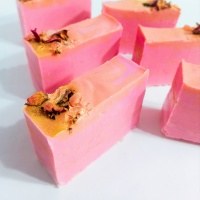
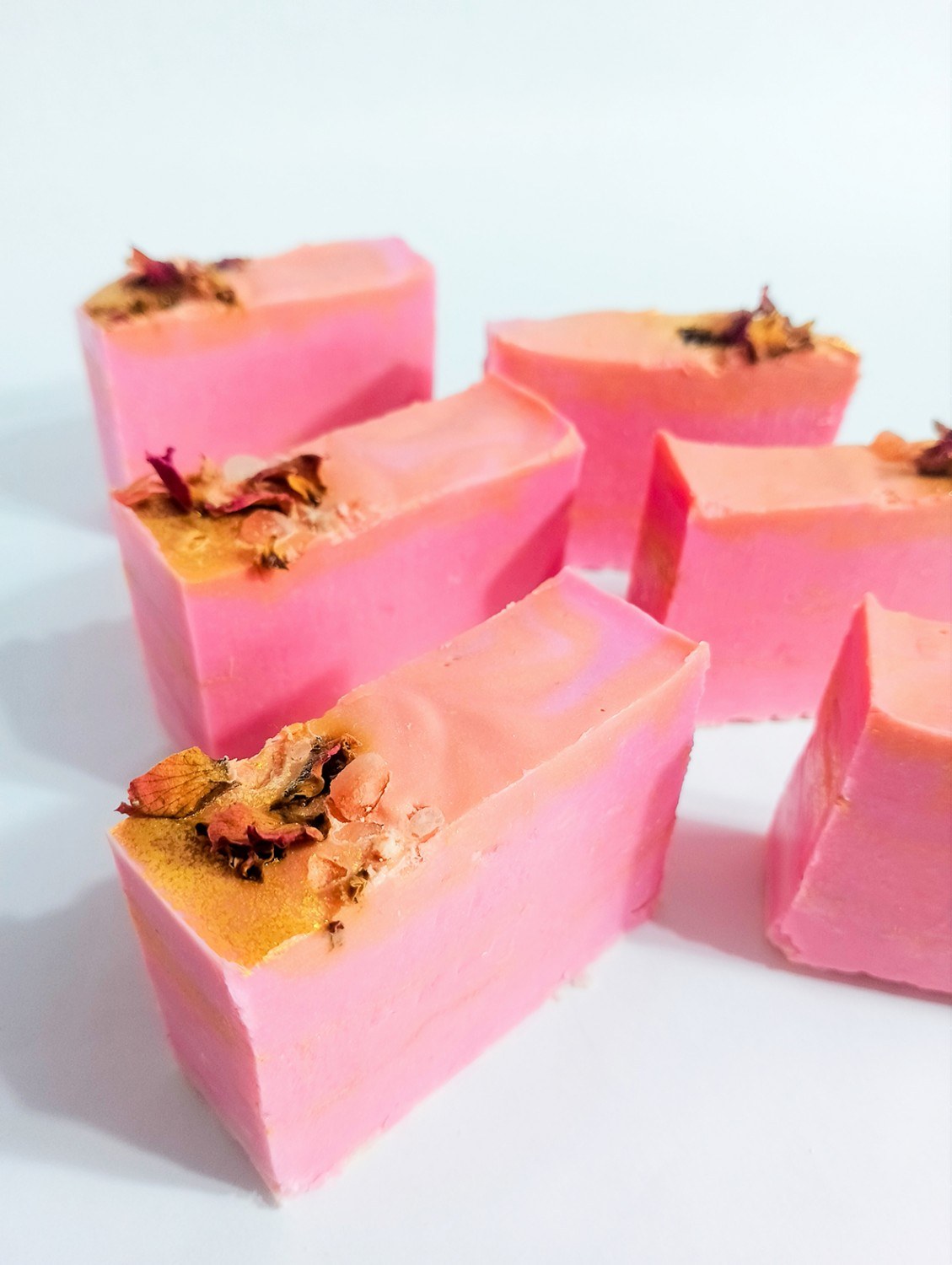
Pink soap is something even beginners can make. Have you always wanted to try making cold process soap at home, but it always seemed too complicated to you? We bring you a detailed guide for making a pink soap that you can decorate and scent according to your preferences, or make the process even easier and omit the decoration in the form of Himalayan salt and rose petals completely.
About this recipe
This great guide to making pink soap, along with the lovely photos, was prepared by Ivana Jačalová. It is a classic cold process soap — to make it we always need sodium hydroxide and demineralised water. Do not use tap water — due to the minerals, the chemical reaction of soap formation will be disturbed. Other essential ingredients are oils and butters. We have prepared a ready-made recipe for you, which uses 400 g of oils and butters. However, any substitution of oils or butters will result in a change of the required amount of hydroxide and water — for that reason, the amount of ingredients is given in grams. If you insist on changing the recipe, it must be recalculated using a soap calculator (many are freely available online).
Main benefits
- Even beginners can manage it
A detailed step-by-step guide — for simplicity you can omit the decoration completely.
- Decorations to your liking
You decorate the soap with Himalayan salt, dried rose petals and golden mica powder.
- A ready-made, calculated recipe
The amounts are given in grams for 400 g of oils and butters — as long as you do not substitute ingredients, there is nothing to recalculate.
- A gentle, caring soap
Olive oil provides gentle soaps with caring properties and shea butter adds a soft, creamy lather.
- Stable colour
Mica powders are highly stable even at alkaline pH — the soap will have a stable colour, and some powders also add a slight shimmer.
Product properties
Key ingredients in the recipe
Below we will introduce the individual ingredients for making pink soap for beginners, as well as their variations and properties.
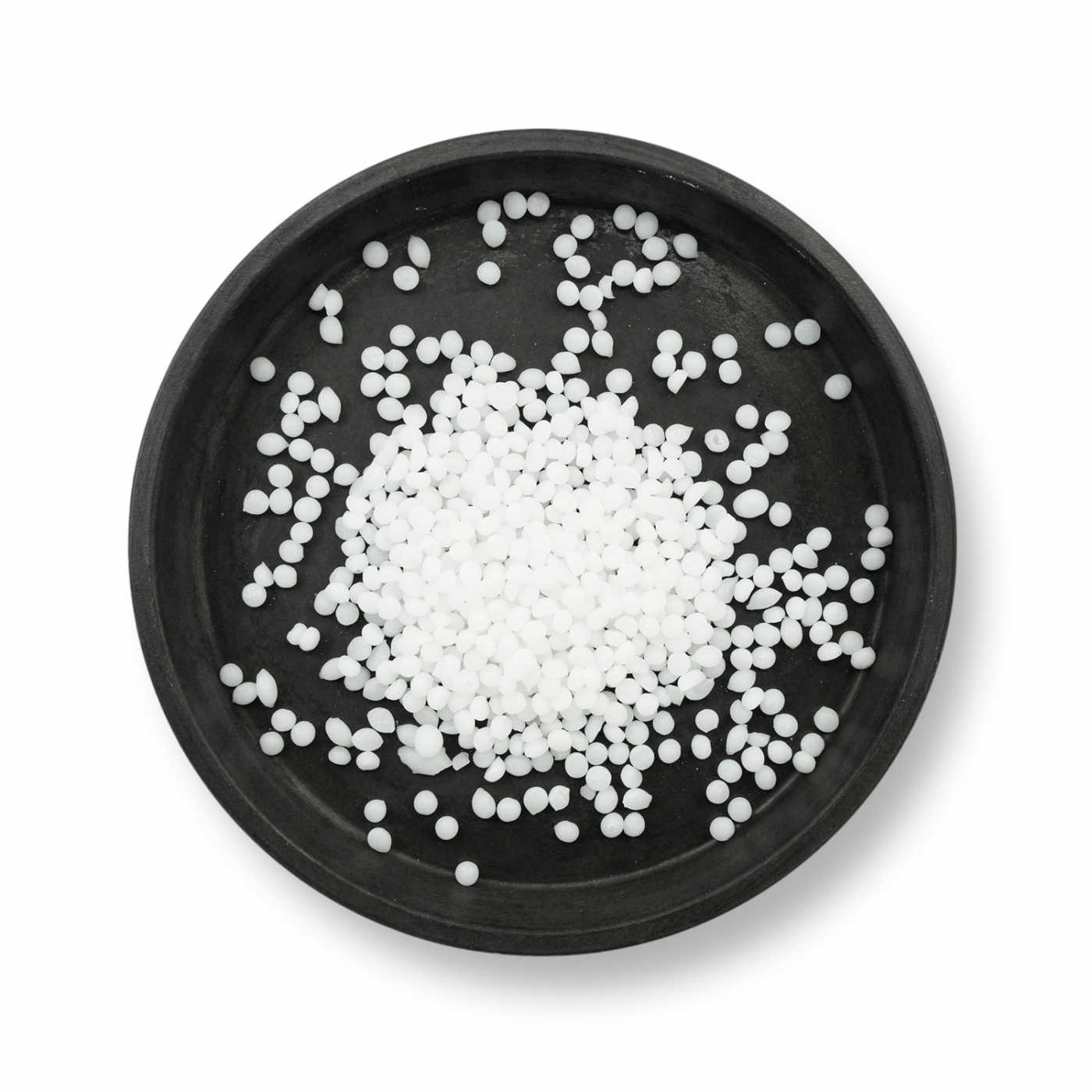
Sodium hydroxide
Hydroxides are necessary for soap making. Sodium hydroxide provides solid soaps, whereas you will use potassium hydroxide for making liquid soaps — do not confuse it with sodium hydroxide without recalculating the recipe. Sodium hydroxide is a strongly alkaline substance, therefore always use protective equipment when working with it. Store the hydroxide out of reach of children and pets, as well as its solution or raw, uncured soap.
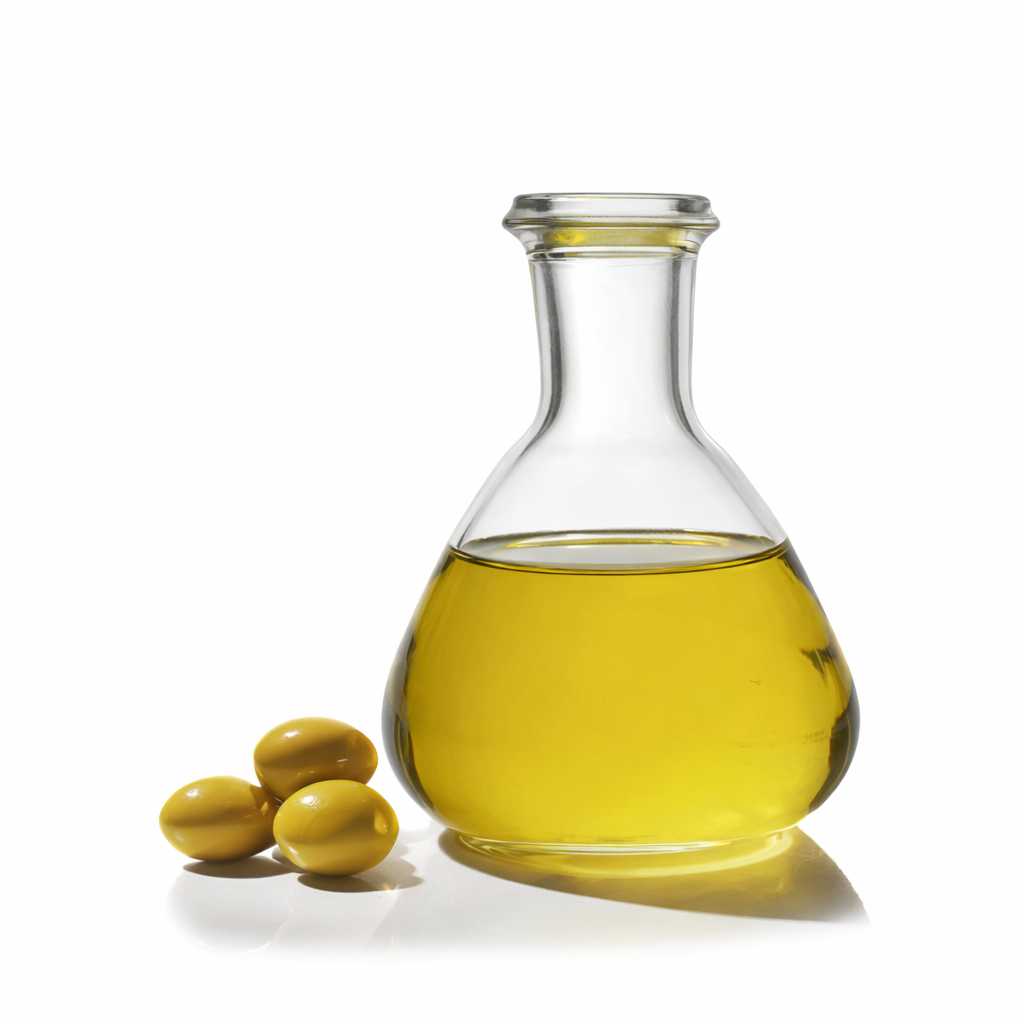
Olive oil
A popular base oil for soap making is olive oil. This oil is readily available and therefore you will find it in many soap recipes. It provides gentle soaps with caring properties. It can be replaced by other vegetable oils, but then it is always necessary to recalculate the recipe.
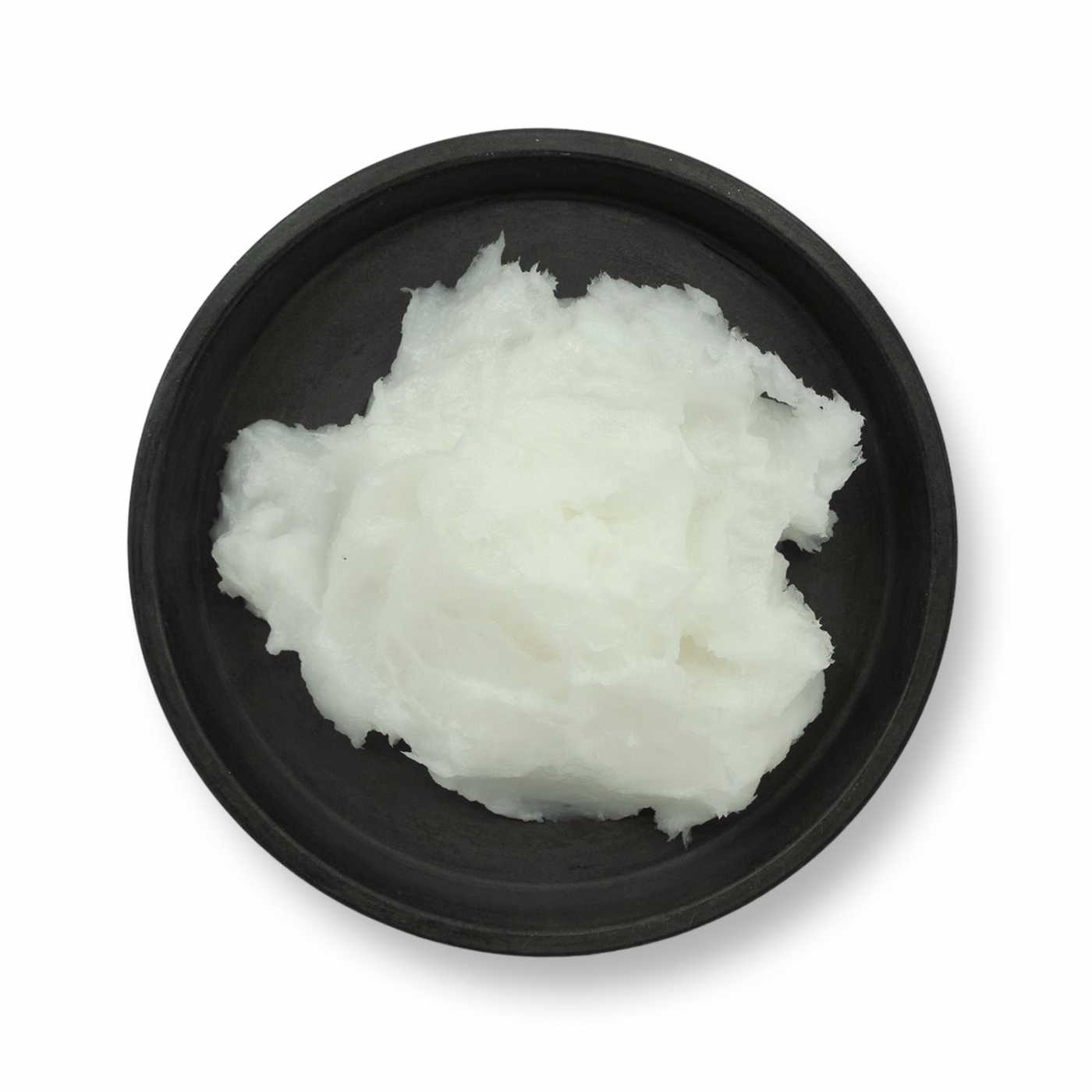
Coconut oil
To obtain a hard and faster setting soap, coconut oil is suitable. Although it is an oil, this fat is solid at room temperature and thus combines ideally with vegetable butters to provide firmness, lather and hardness to soaps.
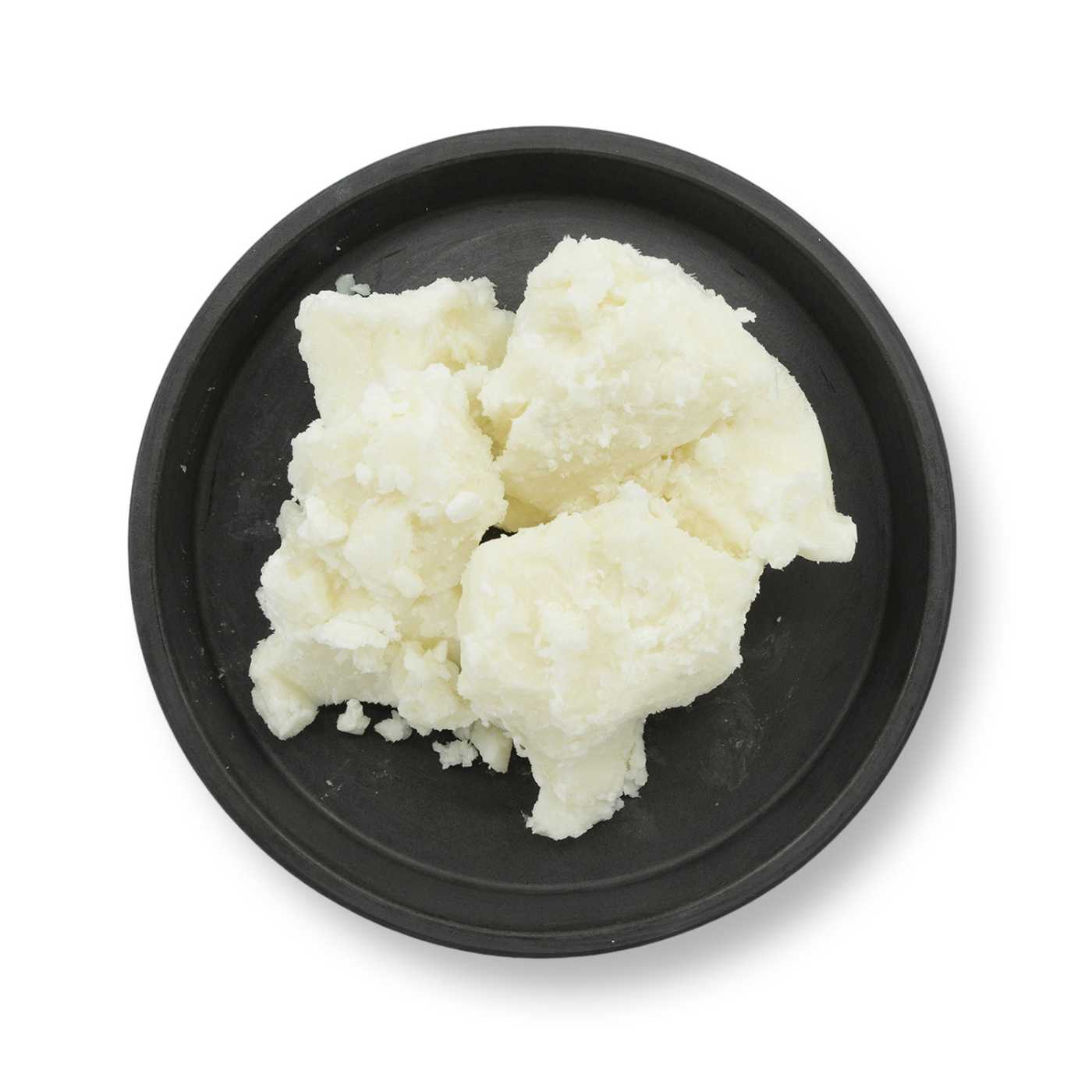
Shea butter
You will love this caring vegetable butter in soap making because the resulting soaps will have a soft, creamy lather while being sufficiently hard and durable. Shea butter is, alongside cocoa butter, one of the most commonly used butters for soap making — not only because of its properties, but also its affordability. For soap making, its refined version is sufficient, since the fatty acids from this butter will react with sodium hydroxide anyway.
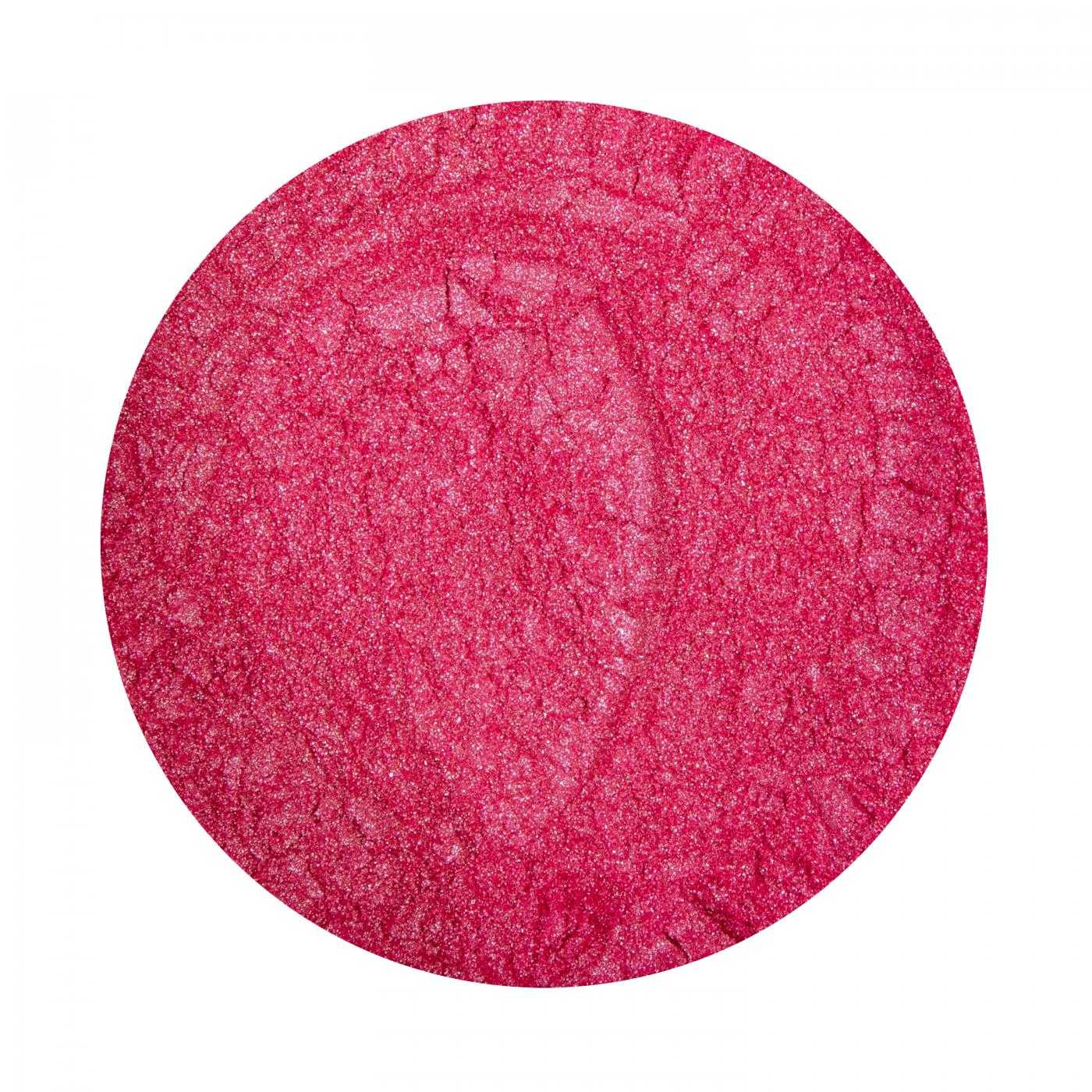
Mica powder Frosty Rose Petal
For colouring soaps, mica powders are popular because of their high stability even at alkaline pH. Mica powders provide soaps with a stable colour and some also with a slight shimmer. When adding them to the soap, it is suitable to mix them with a little oil and add them through a sieve to avoid clumps. You have a really wide palette of mica powders to choose from, so do not hesitate to use your imagination. Alternatively, you can omit the mica powder completely.
Other ingredients
Demineralised water is always used for cold process soap making — only this water is free of minerals, and therefore there is no risk of undesirable reactions of these mineral substances with sodium hydroxide. For this reason, do not use boiled water or tap water.
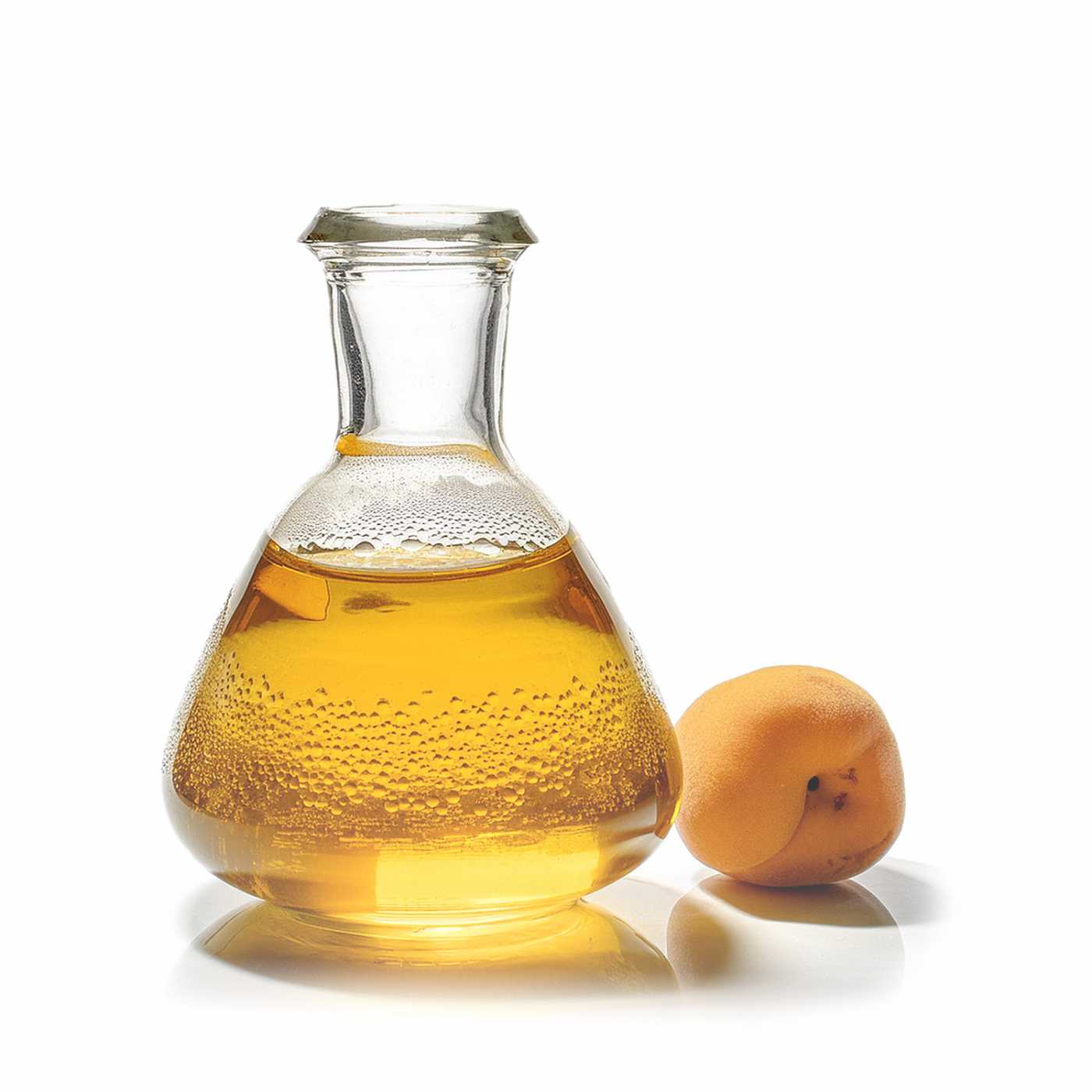
Apricot oil is rich in vitamins and minerals. It has a light colour and therefore does not disturb the shades of the added colourants. It is well absorbed by the skin and therefore has universal use in many types of formulations. The same rules apply to its substitution as in the case of olive oil.
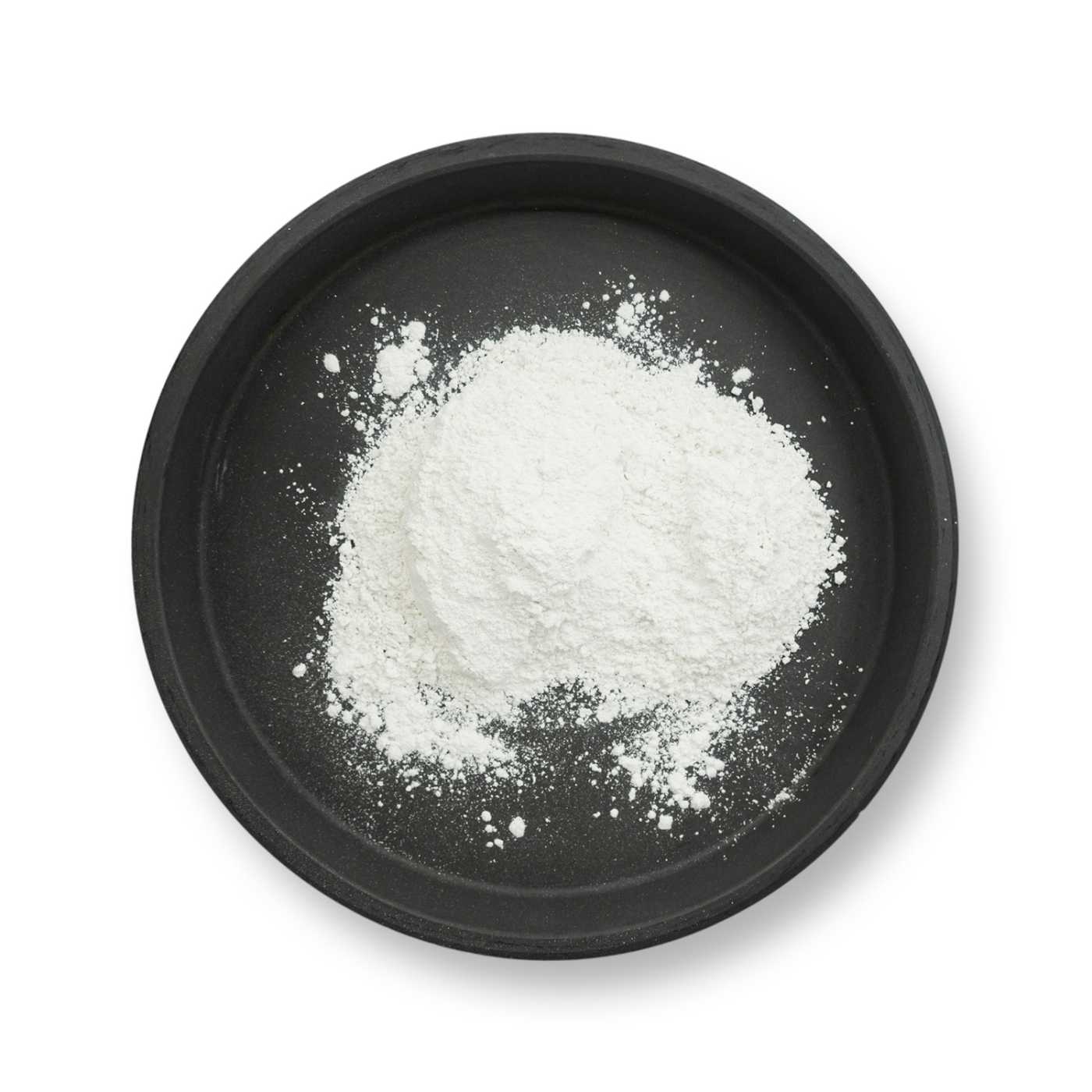
Titanium dioxide is used to enhance the added colourants. This strongly white powdery substance helps to slightly lighten the soap, so you will use a smaller amount of other colourants to achieve the desired colour result. It is also suitable to add titanium dioxide through a sieve to avoid clumps, and to choose a type that is suitable for combining with oils. If you do not have titanium dioxide, feel free to omit it and increase the dose of mica powder by approx. 0.5 g.
Fragrance oil country rose — fragrance oils are often used for scenting soaps, because they are light in colour and therefore do not affect the final colour of the soap. You can also use essential oils, but some darker-coloured oils may colour the soap. Fragrance or essential oils are often added in excess, because part of them will react with the hydroxide.
Isopropyl alcohol — IPA helps prevent the formation of soda ash. You can also use it after cutting the soap — spray the fresh cut with IPA so that the soap hardens faster and soda ash does not form on it.
Himalayan salt — pink Himalayan salt is excellent for the final decoration of the soap. You can choose the coarse version (in that case it is good to press the crystals slightly into the soap during decoration so that they do not fall out after hardening) or reach for the finely ground version. You can also decorate the soaps with regular sea salt or other ingredients.
Rose petals — dried flowers or herbs are popular materials for decorating soaps. You can choose from a wide range of different plants with which you can decorate your soaps. After the first use of the soap, however, it is good to remove the wet petals from the soap or let the soap dry thoroughly (do not leave it in contact with water, for example in a soap dish), so that the petals do not become mouldy.
Recipe (400 g of oils and butters)
The amount of ingredients is given in grams — the recipe uses 400 g of oils and butters. Any substitution of oils or butters will result in a change of the required amount of hydroxide and water; if you insist on changing the recipe, it must be recalculated using a soap calculator (many are freely available online).
Shop the ingredients for this recipe
Untick what you already have Demineralised Water, 1 lin stock€2.79
- Sodium Hydroxide, Pearls, 1 kgin stock€4.89
- Olive Oil Extra Virgin, Glass, 500 mlin stock€16.82
 Apricot Kernel Oil, Refined, 100 mlin stock€2.09
- Coconut Oil, Refined, 1 lin stock€9.96
- Shea Butter, Refined, 250 gin stock€4.19
- MICA Pigment Powder, Frosty Rose Petal, 10 gin stock€2.99
 Titanium Dioxide, Oil Dispersible, 100 gin stock€4.08
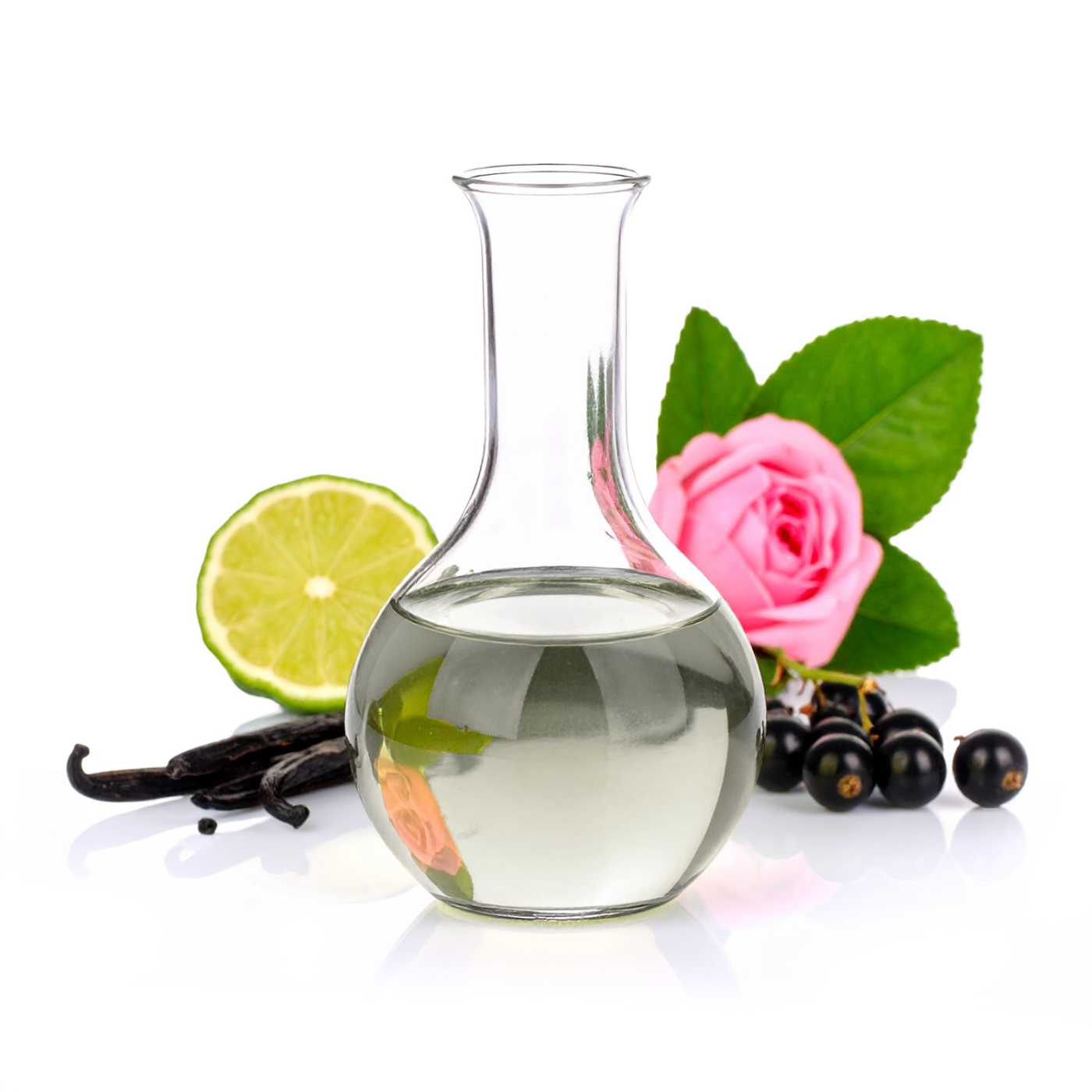 Country Rose Fragrance Oil, 10 mlin stock€1.88
 IPA 99%, Bubble Remover, Spray 100 mlin stock€2.59
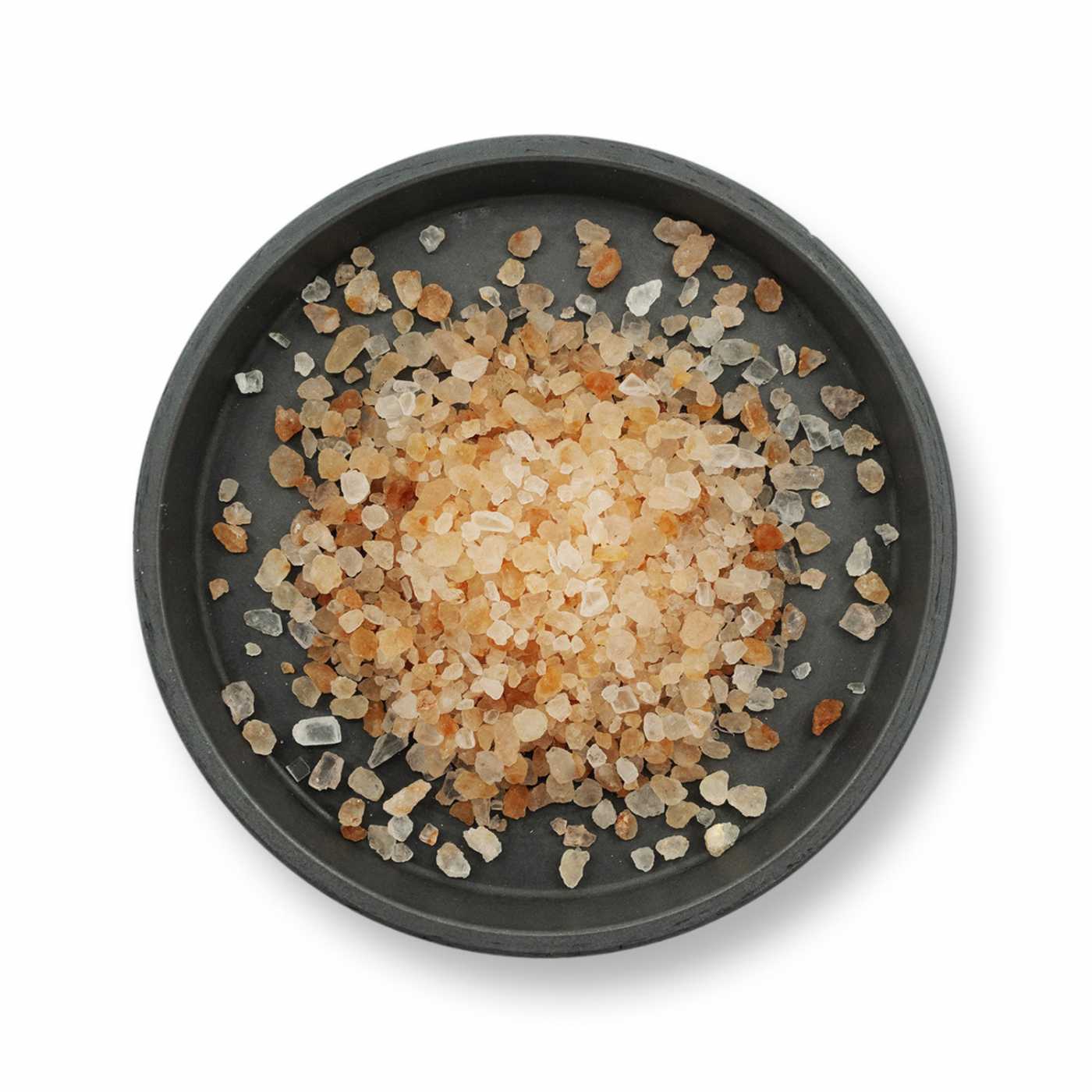 Himalayan Salt, Coarse, 1 kgin stock€2.72
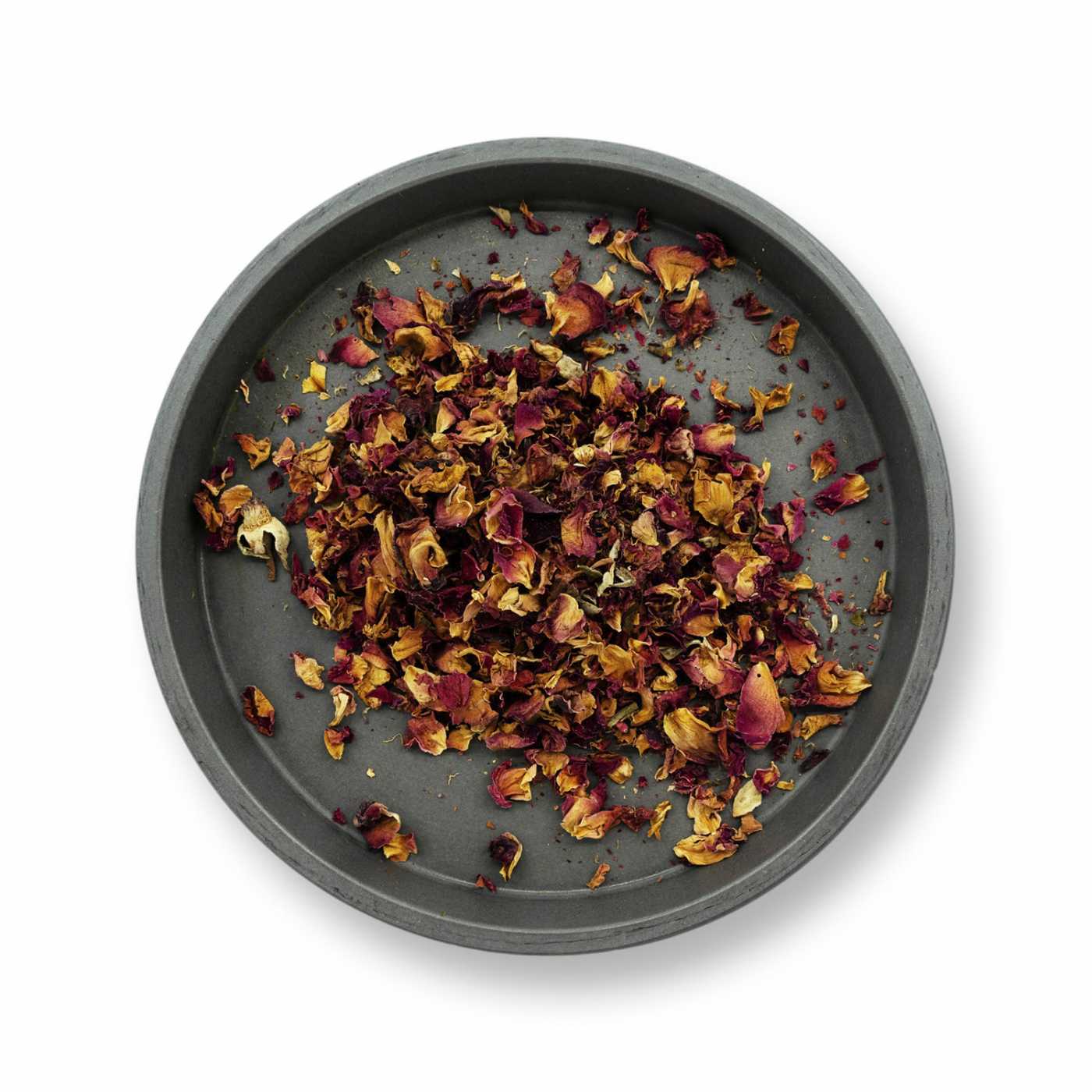 Rose Petals, Dried Red Flowers, 25 gsold outWatch availability€2.09
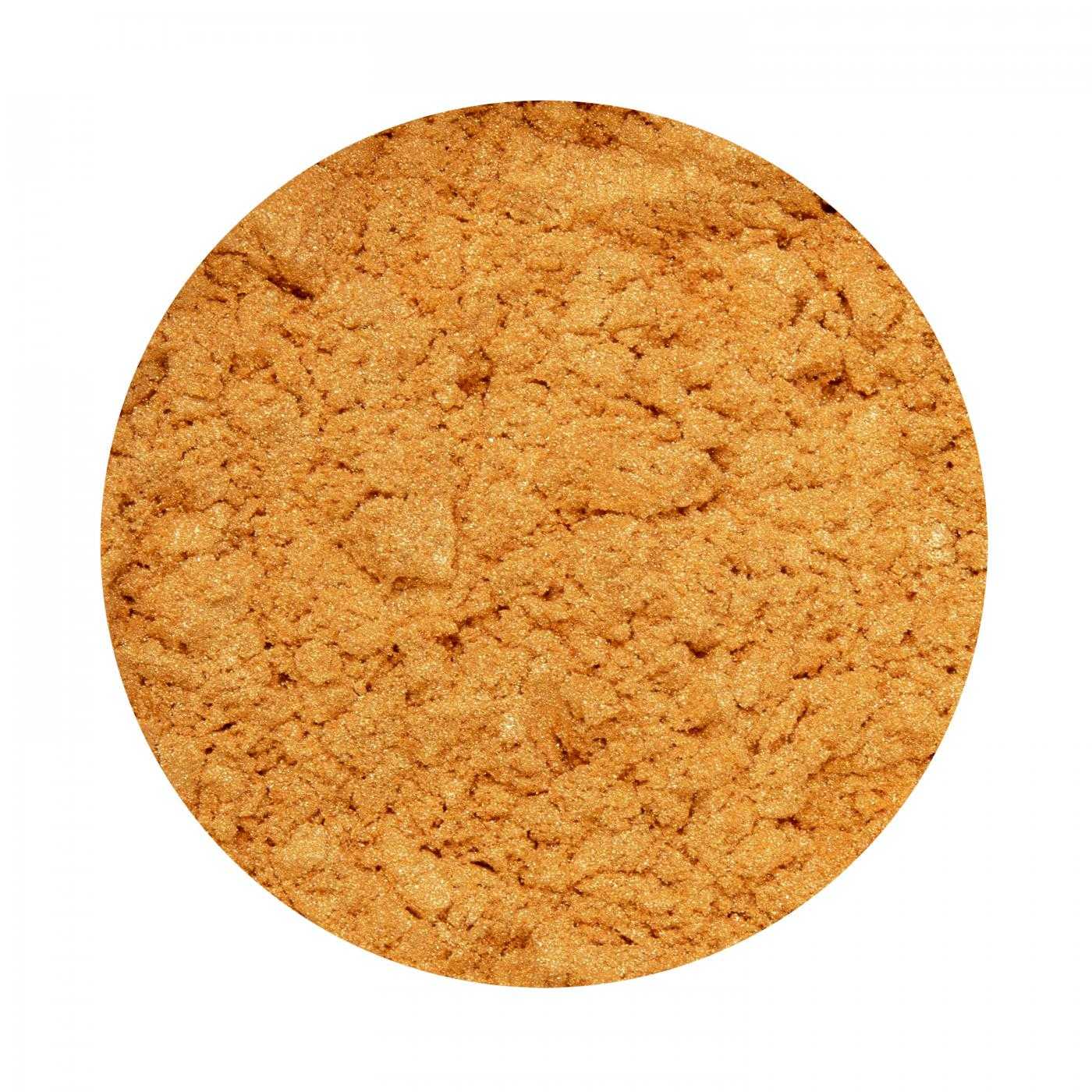 MICA Pigment Powder, Gold Sparks, 10 gin stock€2.99
| Phase / ingredient | Amount |
|---|---|
| Hydroxide solution | |
| Demineralised water | 111.00 g |
| Sodium hydroxide | 55.50 g |
| Oils and butters | |
| Olive oil | 180.00 g |
| Refined apricot oil | 40.00 g |
| Refined coconut oil | 100.00 g |
| Refined shea butter | 80.00 g |
| Colourants and fragrance | |
| Mica powder Frosty Rose Petal | 2.00 g |
| Titanium dioxide (in oil) | 5.00 g |
| Fragrance oil country rose | 12.00 g |
| Decoration and finishing | |
| Isopropyl alcohol — IPA | as needed |
| Himalayan salt coarse | as needed |
| Rose petals | as needed |
| Mica powder Gold Sparks | as needed |
Method
- Protective equipment
Put on gloves, protective goggles and clothing with long sleeves. Work in a well ventilated room (hydroxide fumes are harmful) with stainless steel or plastic containers, or with chemical/heat-resistant glass.
- Weighing
Weigh out the required amount of water. In another container, weigh out the sodium hydroxide.
- Hydroxide solution 36 – 38 °C
In small portions and with continuous stirring, pour the sodium hydroxide into the water. The mixture will heat up intensely, so you can also cool it in a container of cold water. Once all the hydroxide has dissolved, let the mixture cool down to 36 – 38 °C.
- Oils and butters 36 – 38 °C
Into a heat-resistant container, weigh out all the oils and butters and start to heat them gently until the butters melt. Let the mixture cool down to 36 – 38 °C. Take approximately one tablespoon of the oils and mix the oil with the mica powder, and in a separate container also with the titanium dioxide.
- Combining the phases and blending 36 – 38 °C
When both the hydroxide solution and the mixture of oils and butters reach 36 – 38 °C, pour the hydroxide solution (ideally through a plastic/stainless steel sieve) into the oils and mix well. Add the fragrance oil. Then start blending with an immersion stick blender and add the oily mixture of titanium dioxide, followed by the mica powder. Blend until the mixture reaches the “trace” stage (consistency roughly like pudding).
- Pouring into the mould
Pour the mixture into the mould and spray the surface with IPA.
- Decorating (optional)
To decorate the soap, sift golden mica powder over one of the longer edges. Then decorate this sprinkled area with dried rose petals and a little Himalayan salt.
- Wrapping
Cover the finished soap mould with cling film, wrap it in a blanket and place it in a warm spot.
- Cutting approx. 1 week
After approx. 1 week the soap is ready to cut (if it seems too soft to you, let it stand for a few more days).
- Curing and pH check 6 – 8 weeks
Before use, let the soap cure for at least 6 – 8 weeks, then check the pH using litmus paper strips (before applying the strip, moisten the surface of the soap with demineralised water). The ideal pH is 9 – 10; do not use soap with a higher pH or an uneven pH (areas with different pH within the soap).
Tips and tricks
Below you will find a few tips and tricks on how to make soap making easier or avoid some mistakes.
When working with hydroxide and uncured soap (i.e. soap that has not been left to rest for at least 6 weeks), always use protective equipment, especially gloves and goggles. If the skin is affected, immediately start rinsing the area with cold water; you can also use diluted vinegar for further rinsing. Use diluted vinegar also for cleaning the surfaces after work (acetic acid neutralises hydroxide residues), and place all the tools and containers you have used into diluted vinegar for several minutes, and only then wash them.
When dissolving hydroxide in water, a large amount of heat is generated. Therefore you can replace approx. half of the water with ice prepared also from demineralised water — the solution will then cool down faster. It is good to pour the finished solution into the oil mixture through a sieve, as this can catch any undissolved hydroxide granules.
The mixture of oil and mica powder or titanium dioxide is also best added through a sieve — this catches lumps of undispersed colourant and your soap will thus have a uniform colour.
When blending the soap, use a plastic or stainless steel stick blender. Ordinary metal will oxidise under the influence of hydroxide.
Spraying the soap with IPA is suitable to prevent the formation of soda ash (a white layer on the surface of the soap). It is not necessary, however — soda ash is only an aesthetic defect.
To check the pH you can also use a phenolphthalein solution or strips containing it. When using phenolphthalein strips, proceed in the same way as with litmus — the strips should not turn pink. If you use a solution, drop it onto various parts of the soap; it should likewise not turn pink. A pink colour indicates high pH values and thus unreacted hydroxide — such homemade soap is not safe to use.
To create golden veins in the soap, you can first pour only part of the soap into the mould, then sprinkle the surface with golden mica powder (through a sieve) and only then add the rest of the soap.
Warning
You can experiment with homemade recipes to achieve the desired properties. However, the final result can be influenced by many factors, such as humidity, temperature, quality of the ingredients or their storage.
Before using any ingredient to make a cosmetic product, familiarise yourself with its properties, recommended dosage, storage conditions and safe handling. Each ingredient may have the potential to trigger an allergic reaction in sensitive individuals, therefore we recommend that before using the product you determine whether you are allergic to any of the ingredients or to the overall product, for example by a patch test.
If you have very sensitive or very acne-prone skin, or you have other skin and health problems, we recommend that you consult a medical professional before applying a new product to the skin, whether it is a homemade cosmetic product, a pure ingredient or a commercially available product.
Frequently asked questions about the recipe
Practical questions about pink cold process soap — water, ingredient substitutions, curing and checking the pH.
Why do I have to use demineralised water?
Only demineralised water is free of minerals, so there is no risk of undesirable reactions of mineral substances with sodium hydroxide. For this reason, do not use tap water or boiled water — due to the minerals, the chemical reaction of soap formation will be disturbed.
Can I substitute the oils or butters in the recipe?
Any substitution of oils or butters will result in a change of the required amount of hydroxide and water. If you insist on changing the recipe, it must be recalculated using a soap calculator (many are freely available online).
When is the soap ready to use?
After approx. 1 week the soap is ready to cut (if it seems too soft to you, let it stand for a few more days). Before use, let it cure for at least 6 – 8 weeks and check the pH — the ideal is 9 – 10; do not use soap with a higher or uneven pH.
How do I check the pH of the soap?
Use litmus paper strips — before applying the strip, moisten the surface of the soap with demineralised water. You can also use a phenolphthalein solution or strips containing it: they should not turn pink. A pink colour indicates high pH values and thus unreacted hydroxide — such soap is not safe to use.
What should I do if hydroxide gets on my skin?
Immediately start rinsing the area with cold water; you can also use diluted vinegar for further rinsing. When working with hydroxide and uncured soap, always use protective equipment, especially gloves and goggles; store the hydroxide out of reach of children and pets.
Conclusion
Is there a beginner here who has successfully made the pink soap? If you have tried it and are already enjoying the fruits of your work, do not forget to show off and share your work with us on social media, or send it to us at [email protected] — we will be delighted with all your emails.
Many thanks to Ivana Jačalová for the great guide to making pink soap and the lovely photos. Do you have an idea for another tutorial, or is there one you are missing? Write to us and let us inspire each other.
Until then, happy soaping, friends.
You will find the oils, butters, sodium hydroxide, mica powders and decorations from this recipe in the Handymade range of ingredients.