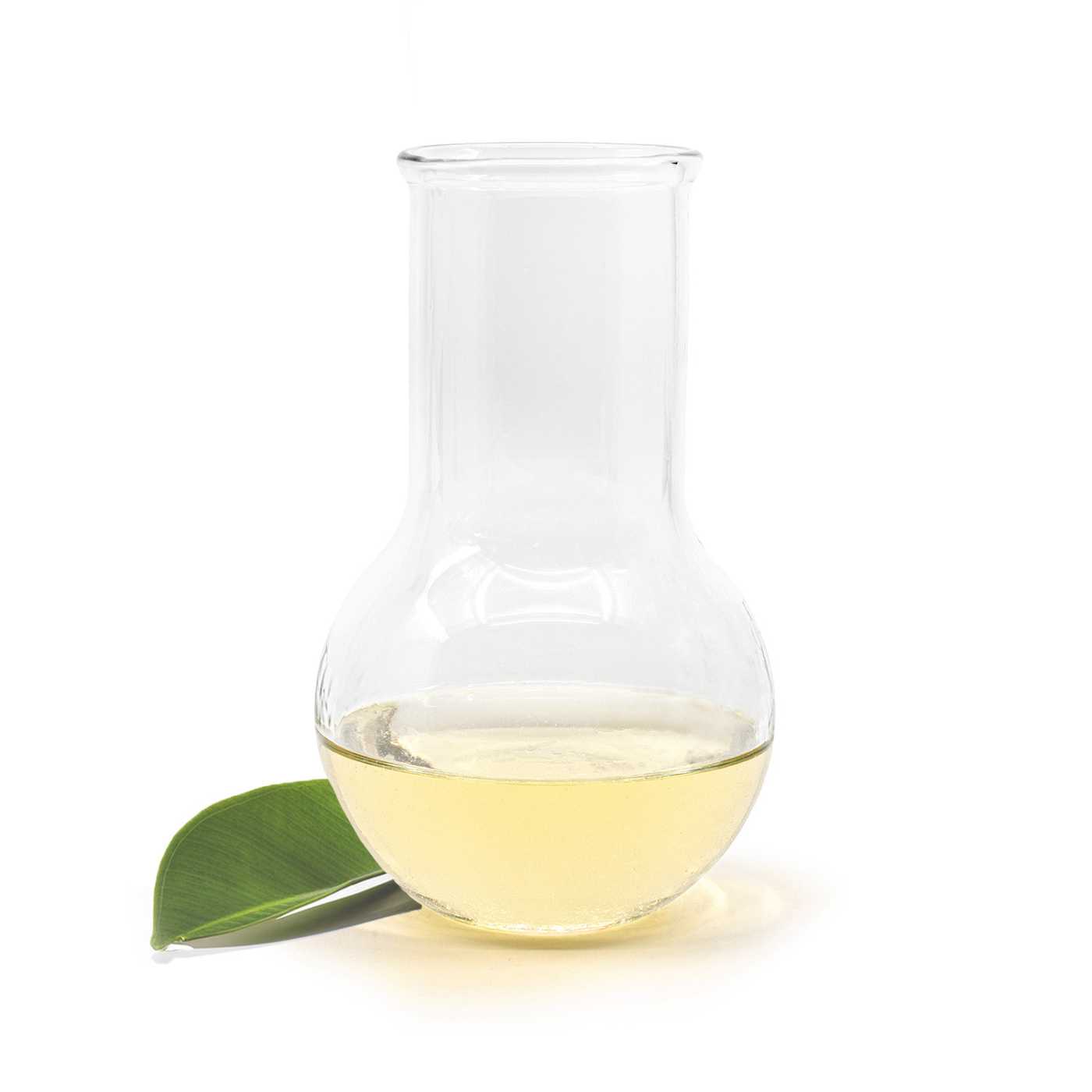
Litsea cubeba essential oil, also known as May Chang, has a distinctive lemon fragrance, although it does not come from a citrus fruit. It is obtained by steam distillation of the fruits of the tree of the same name, which is of Asian origin. In a formulation it works as a fragrance component and also as an active ingredient that the manufacturer associates with the care of oily, acne-prone and problematic skin.
The manufacturer lists it as a common ingredient in perfumes, aromatherapy blends, massage oils and bath products, where it is meant to create a fresh and invigorating impression. It also recommends it for hair care products, to which it gives a lemon fragrance.
What the oil brings to the product
- Lemon fragrance – a fresh and distinctive note that carries the main fragrance of the product or forms the citrus part of a more complex composition.
- Skin prone to oiliness – according to the manufacturer, it helps remove excess sebum and impurities from the skin and hair and keep pores clean. The manufacturer therefore includes it in products for oily and acne-prone skin.
- Cooling sensation and soothing – the manufacturer states a cooling effect on the skin, soothing of irritation and reduction of redness, which it links to its use in after-sun products.
- Antimicrobial action – the manufacturer attributes antimicrobial properties to the oil, which are meant to support a clear-looking complexion.
- Refreshing impression in hair care – in hair perfumes, mists and leave-in products it leaves a lemon fragrance on the hair, which the manufacturer describes as invigorating.
Use in a formulation
It is processed at a temperature of up to 40 °C. In emulsions it is added in the cooling phase among the last ingredients, and into finished bases, oils and balms afterwards, with constant stirring. The oil is a blend of volatile fragrance compounds, and at higher temperatures part of them escapes, so the fragrance of the finished product becomes weaker.
There is no single universal usage rate. The maximum permitted amount in the finished product is determined by the IFRA limit for the given product category, for example category 1 for lip products or category 5A for body oils and creams. The limits for all categories are in the IFRA certificate in the Product documentation section.
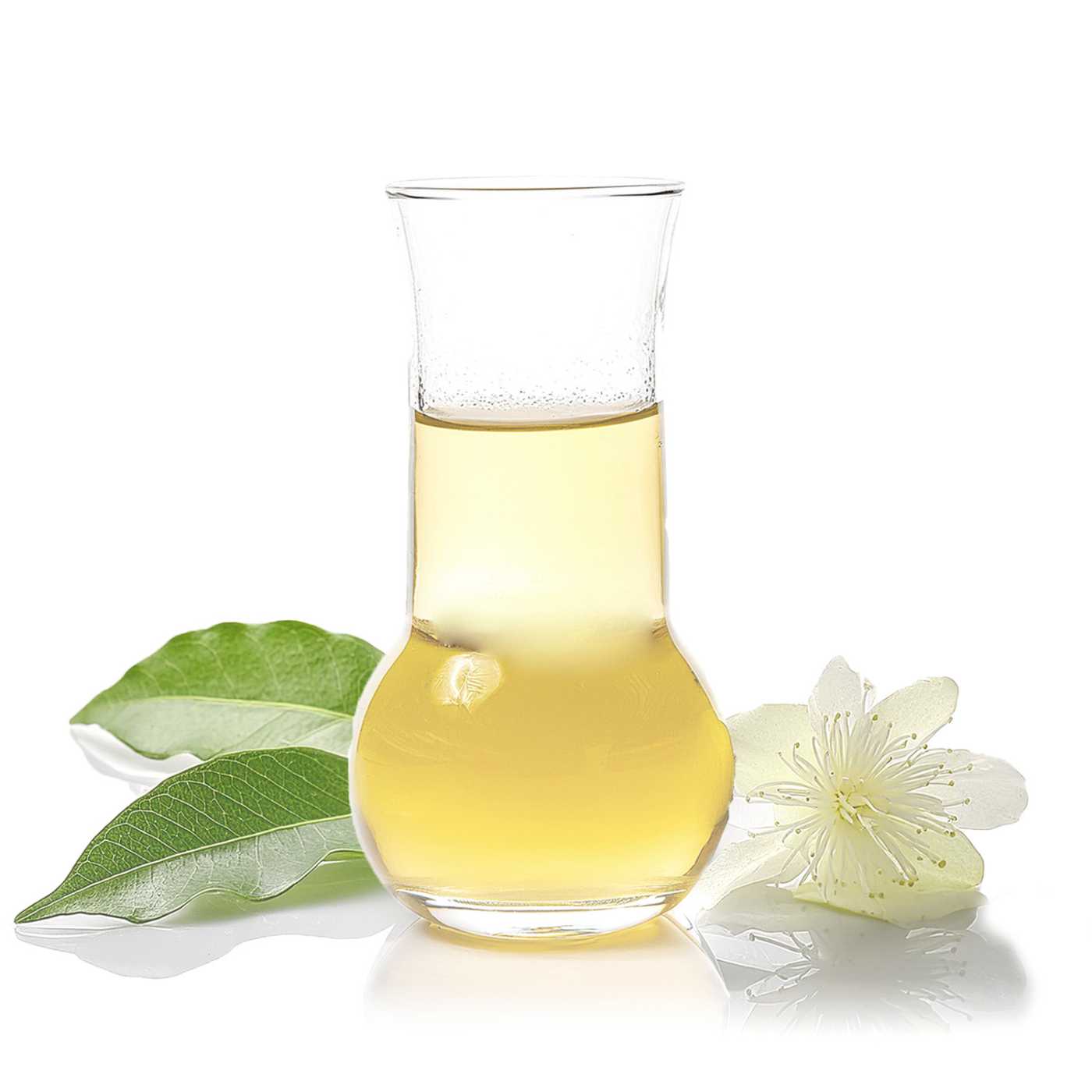
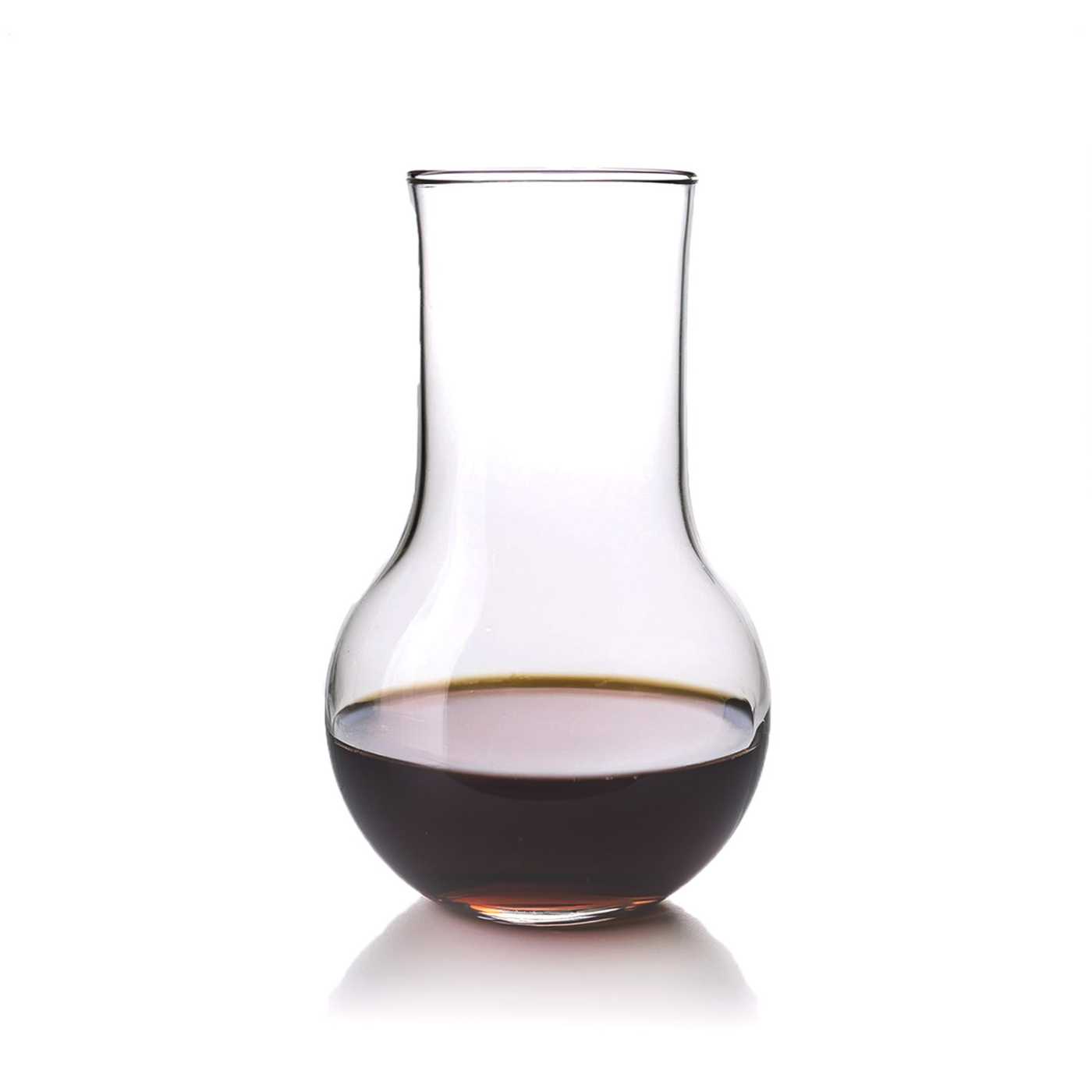
The colour of the oil ranges from light yellow to orange. In white creams and clear formulations it may therefore slightly affect the shade of the product.
Suitable for products such as
- Lip products – lip balms, oils, masks and scrubs that the manufacturer lists among the main uses; the IFRA category 1 limit applies to them.
- Hand and foot creams – the manufacturer names them directly and associates them with the cooling and refreshing effect of the oil.
- Body oils, lotions and after-sun products – for the lemon fragrance and the cooling sensation on the skin that the manufacturer states.
- Hair perfumes, mists and leave-in hair products – for lemon-scented hair.
- Perfumes, massage oils and bath products – as a citrus component or a standalone fragrance.
- Candles – candles of all types, including container candles, in an amount up to the IFRA limit for category 12.
Good to know
The essential oil is used as a component of a finished formulation, in an amount that corresponds to the IFRA limit for the given type of product, not undiluted.
The substance is classified under the CLP Regulation and contains hazardous substances. Details on classification and safe handling are in the safety data sheet in the Product documentation section. The product is not classified as CMR.
The antimicrobial properties stated by the manufacturer relate to the action on the skin. A product with a water phase needs its own preservative system.
The oil is readily biodegradable.
Frequently asked questions
How much Litsea cubeba essential oil should I add to a balm or cream?
There is no universal usage rate; the maximum amount is determined by the IFRA limit for the category of the finished product. Category 1 applies to lip balms, category 5C to hand creams and category 5A to body oils and lotions. The specific limits are in the IFRA certificate in the product documentation, and the amount is calculated from the total weight of the recipe.
Is Litsea cubeba essential oil suitable for oily and acne-prone skin?
Yes, it is recommended for products for oily, acne-prone and problematic skin. The manufacturer attributes a cleansing effect to it, which helps remove excess sebum and impurities, and antimicrobial action that supports a clear-looking complexion. It is always used diluted in a formulation, in an amount according to the IFRA limit.
When should Litsea cubeba essential oil be added to an emulsion?
In the cooling phase, when the emulsion has cooled below 40 °C. The oil is added as one of the last ingredients, with constant stirring. It is a blend of volatile fragrance compounds, so if it were added to the hot phase, part of the fragrance would evaporate and the finished cream would smell weaker.
Is Litsea cubeba essential oil suitable for hair care products?
Yes, the manufacturer recommends it for hair perfumes, mists and leave-in hair products. It gives the hair a lemon fragrance, which the manufacturer describes as refreshing and invigorating, and according to the manufacturer’s data it helps remove impurities and excess sebum from the hair. The usage rate is governed by the IFRA limit for the specific category of hair product.
Can Litsea cubeba essential oil replace a preservative in a cream?
No, it does not replace a preservative system. The antimicrobial properties stated by the manufacturer relate to the action on the skin, not to protecting the product against microbial growth. A cream, toner or mist with a water phase needs a separate preservative.