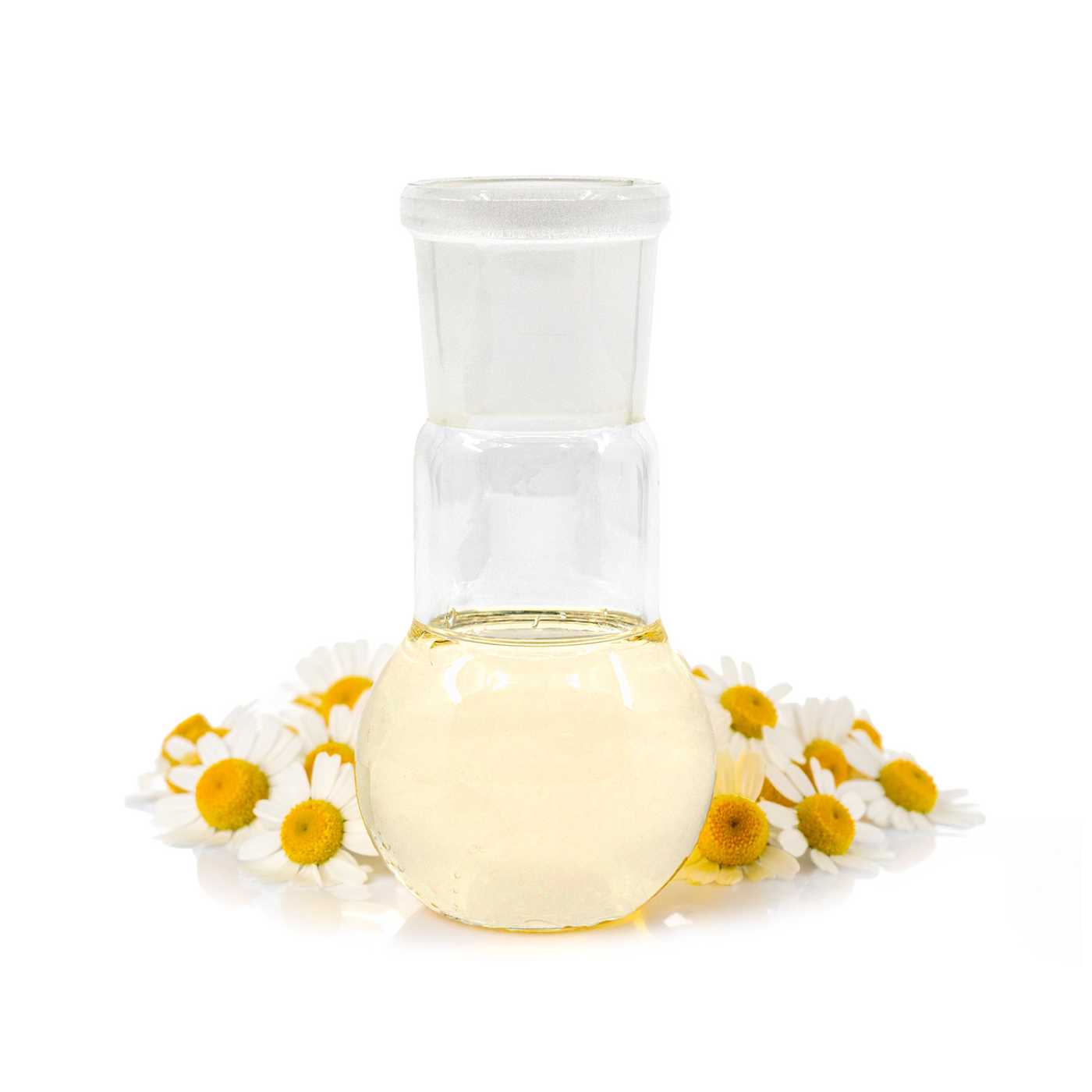
Chamomile Roman Essential Oil, 5 ml
Pre-order€19.99(€3,998.00/l)

ACTIVE INGREDIENTS
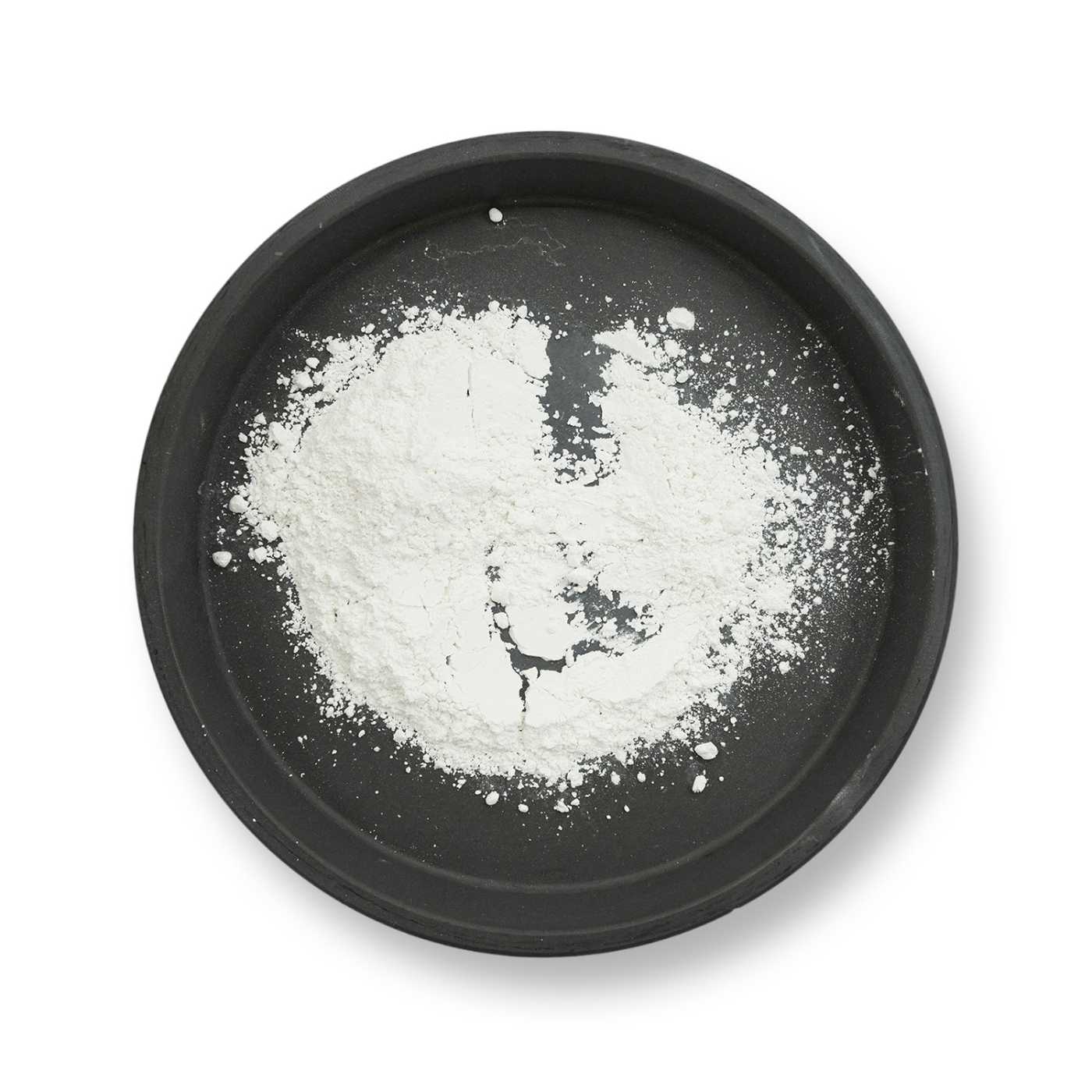
Salicylic acid is a beta hydroxy acid (BHA) that loosens dead cells from the skin surface and also works inside pores, where sebum collects. full description
Lowest price in the 30 days before the discount: €5.45
Salicylic acid is a beta hydroxy acid (BHA) that loosens dead cells from the skin surface and also works inside pores, where sebum collects. It belongs in products for oily, combination and problem skin and for hair and scalp prone to oiliness. We supply it as a pure substance without a carrier, so you can set the concentration in your product exactly according to your formulation.
Its main effect is exfoliation. Salicylic acid breaks down the bonds between dead cells on the skin surface, which then come away more easily. Regular use supports a smoother skin surface and a more even tone.
It differs from fruit acids (AHA) in its solubility. AHAs are water-soluble and act on the skin surface. Salicylic acid has an affinity for fats, so it also reaches pores filled with sebum and helps to loosen them. It is used mainly in the care of skin with enlarged and clogged pores and skin prone to acne.
In a product it also acts as a supporting preservative. In this function it is listed in Annex V of Regulation (EC) No 1223/2009.
When working with this raw material, the key is dissolving it properly. It dissolves in water only very slightly, about 2 g/l at 20 °C, which is roughly 0.2%. The usual dose in a product is several times higher, and water alone will not dissolve it. It dissolves well in ethanol, in glycols and in alkaline conditions.
In water-based products, it is first dissolved in a solvent, and only the clear solution is added to the other ingredients. Suitable solvents include Propanediol, Butylene Glycol, Dimethyl Isosorbide, Octyldodecanol or polar oils, for example castor oil. With oils, gentle heating may be needed. The amount of solvent needed depends on which one you choose.
The other option is partial neutralisation with sodium hydroxide. This produces sodium salicylate, which dissolves better in water. The alkali is added gradually while checking the pH. Adding sodium phosphate also increases solubility in water.
Crystals, grains or cloudiness in the product almost always mean that there is not enough solvent. Before adding further ingredients, check that the solution is completely clear. Do not sprinkle the powder directly into water.
The recommended usage rate is 0.5–2%, in both rinse-off and leave-on products. For your first formulations, it is worth starting with a lower dose, for example 0.5% in a facial gel. A toner with a higher concentration is intended more for occasional use, for example once a week.
The raw material lowers the pH significantly. Even a 2% solution has a pH of about 2.4, while the finished product should have a pH of 3–4. The pH is measured and adjusted continuously during production. A citrate buffer helps to keep the value stable. The pH has only a small influence on the exfoliating effect. However, an overly acidic preparation irritates more and disrupts the skin barrier, so there is no point in lowering the pH below the recommended range.
It is added in the cooling phase or afterwards to the finished base. Do not heat it unnecessarily: it sublimes at temperatures as low as about 76 °C and may decompose when overheated.
It is advisable to balance the exfoliating effect with ingredients that support the skin barrier. Panthenol, allantoin and soothing hydrosols are suitable for this.
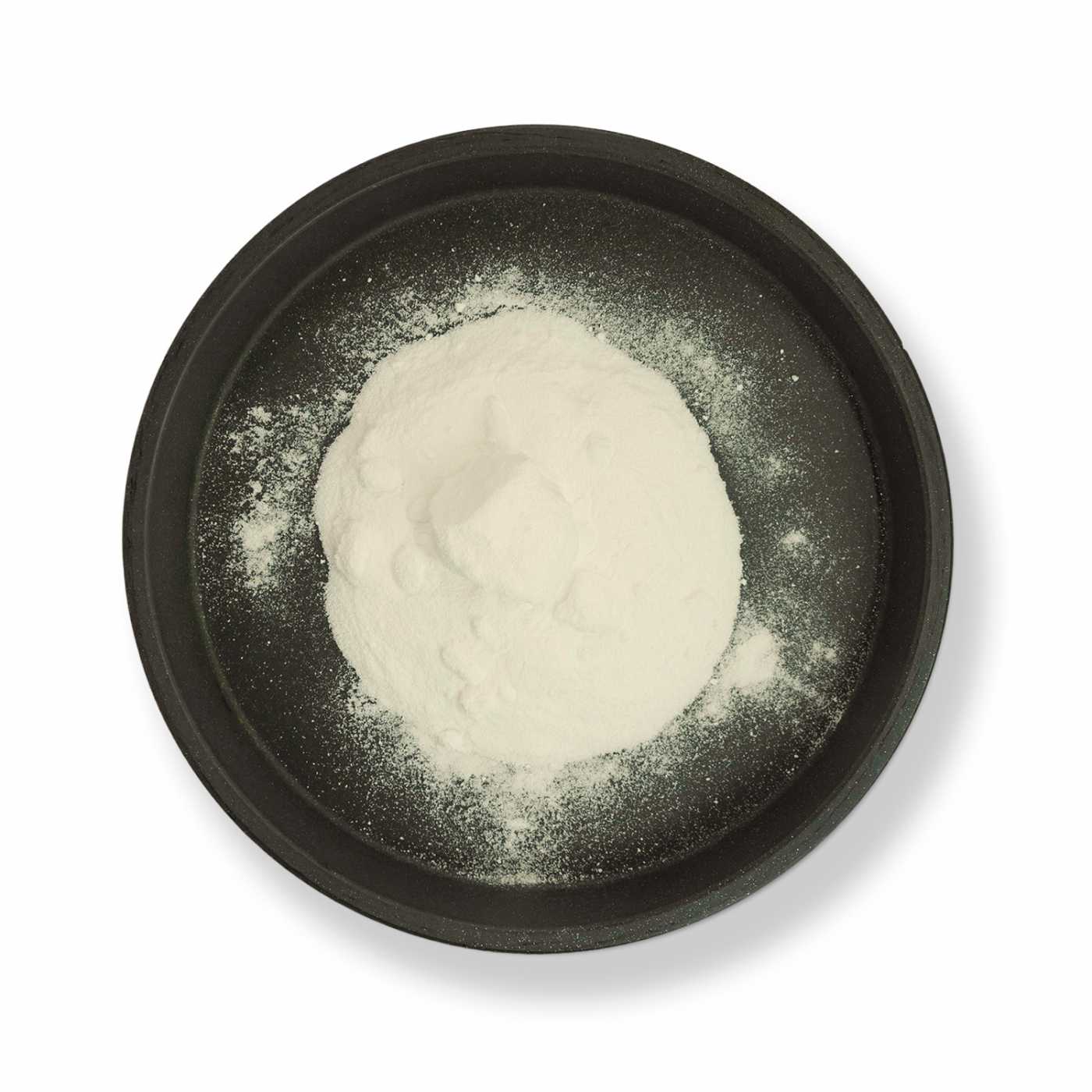
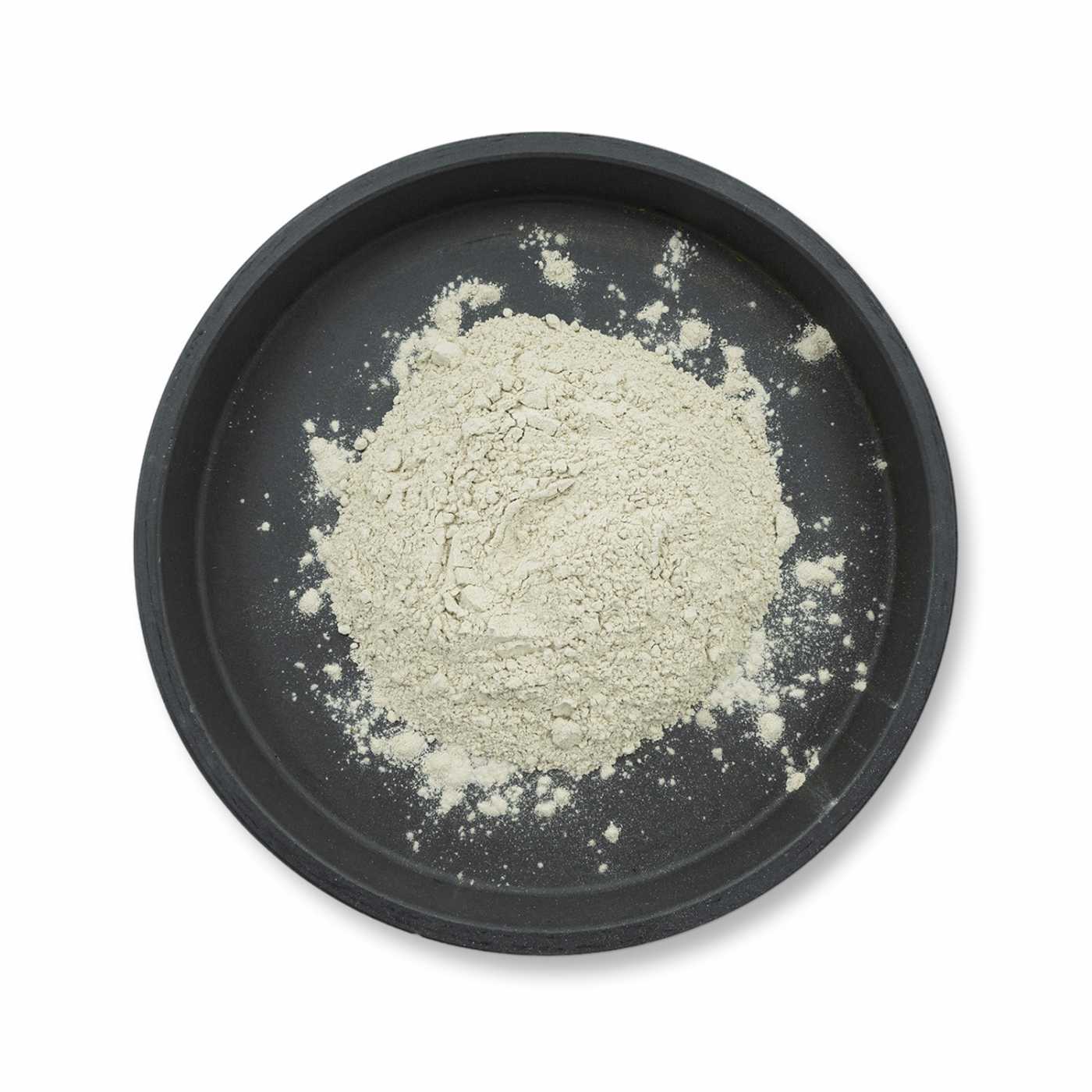
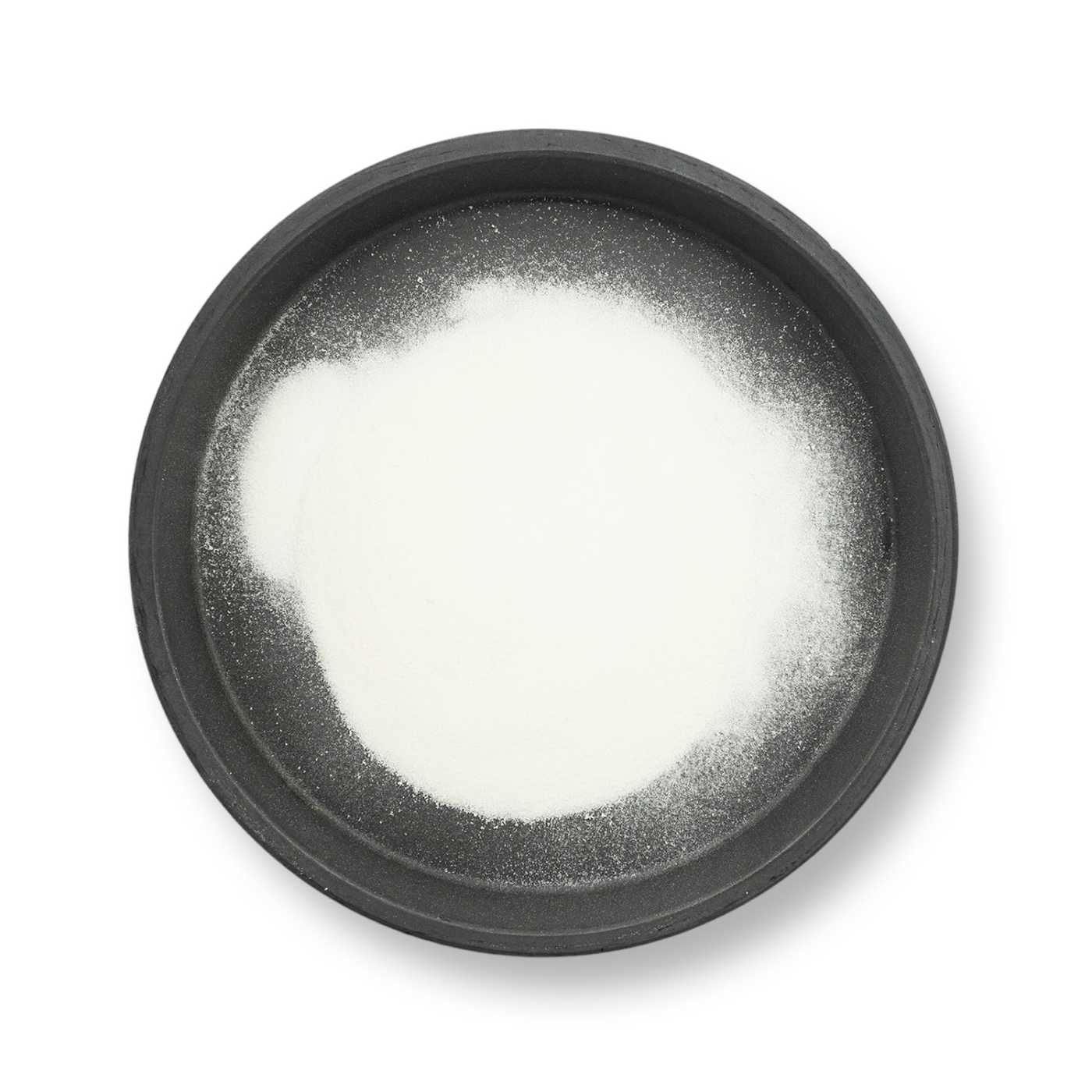
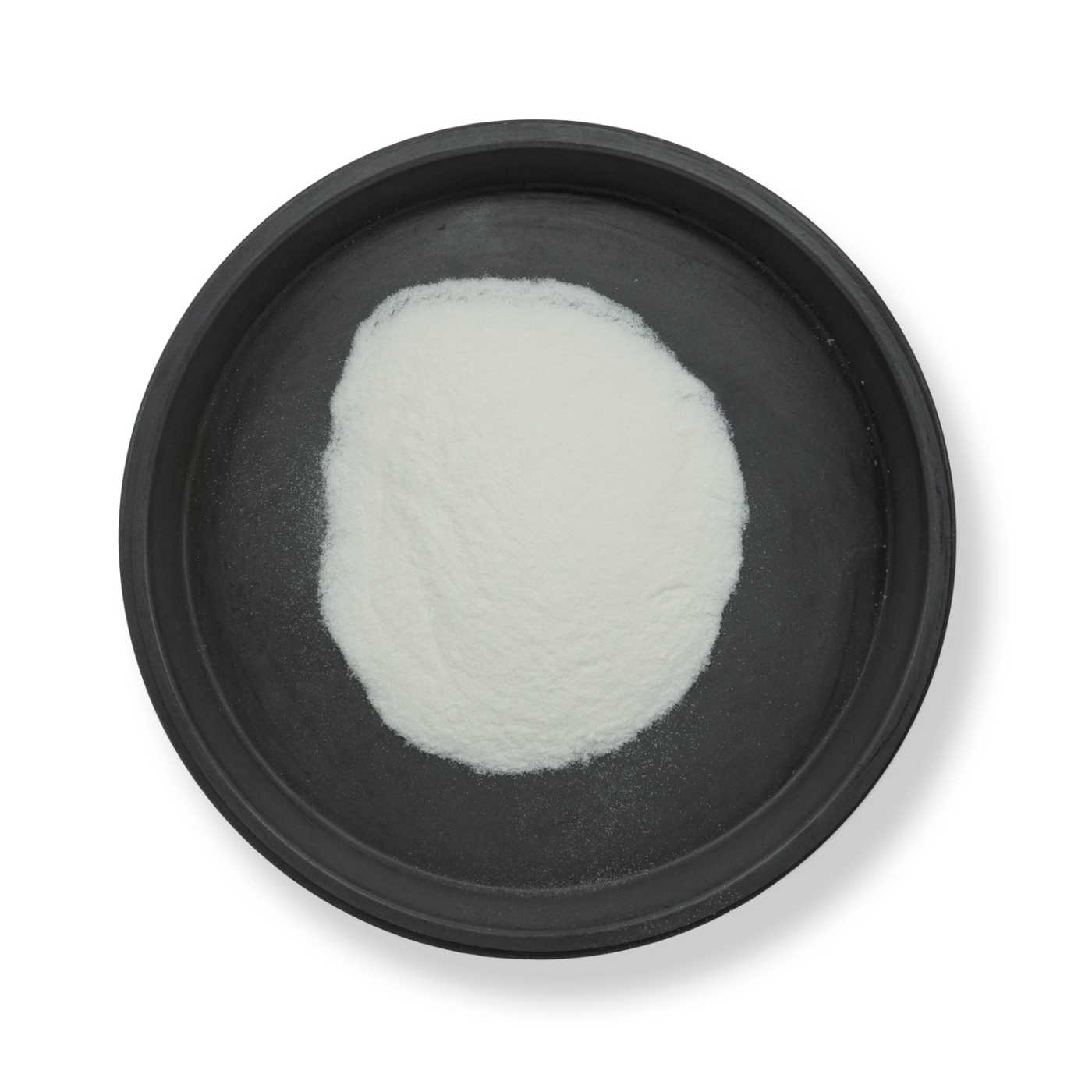
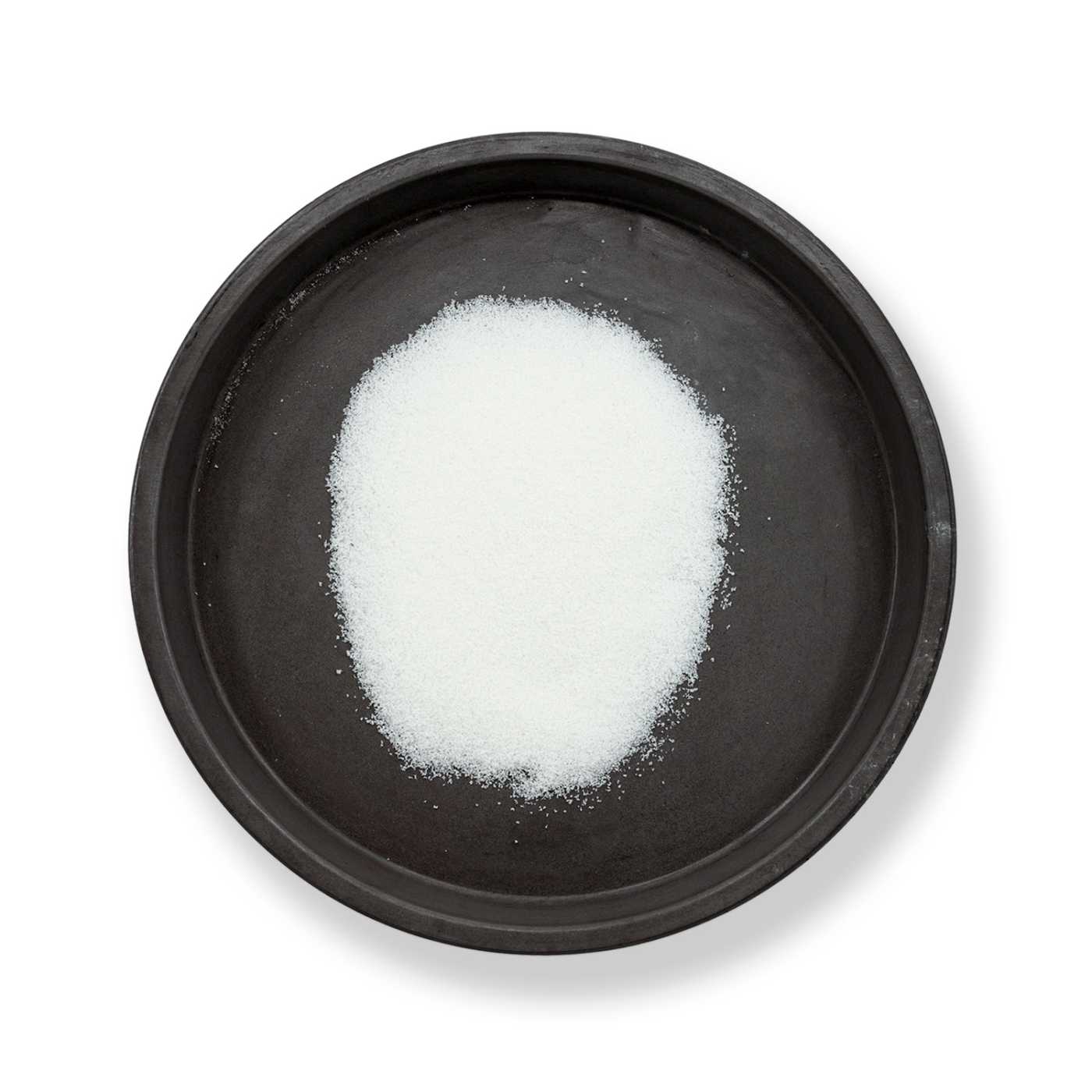
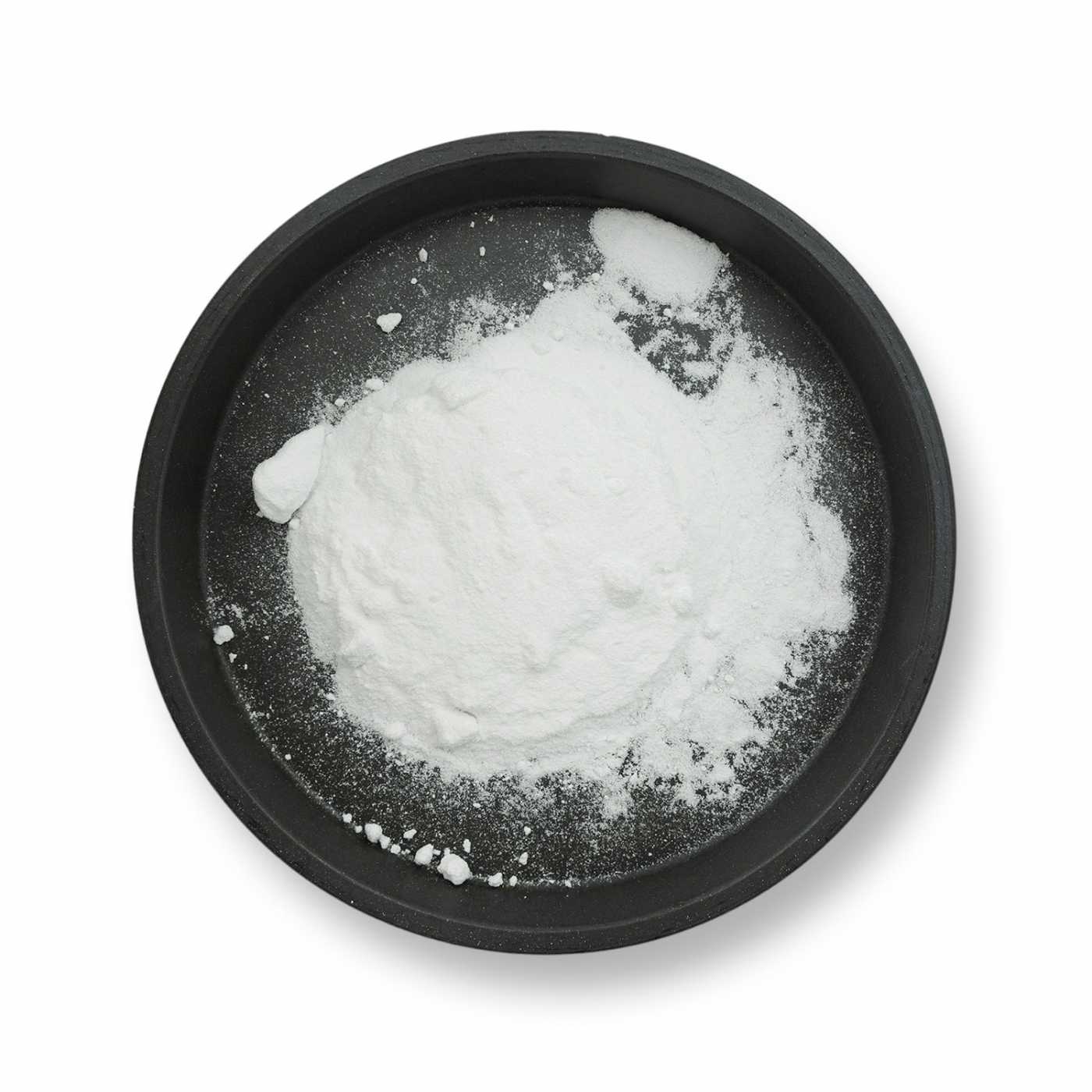
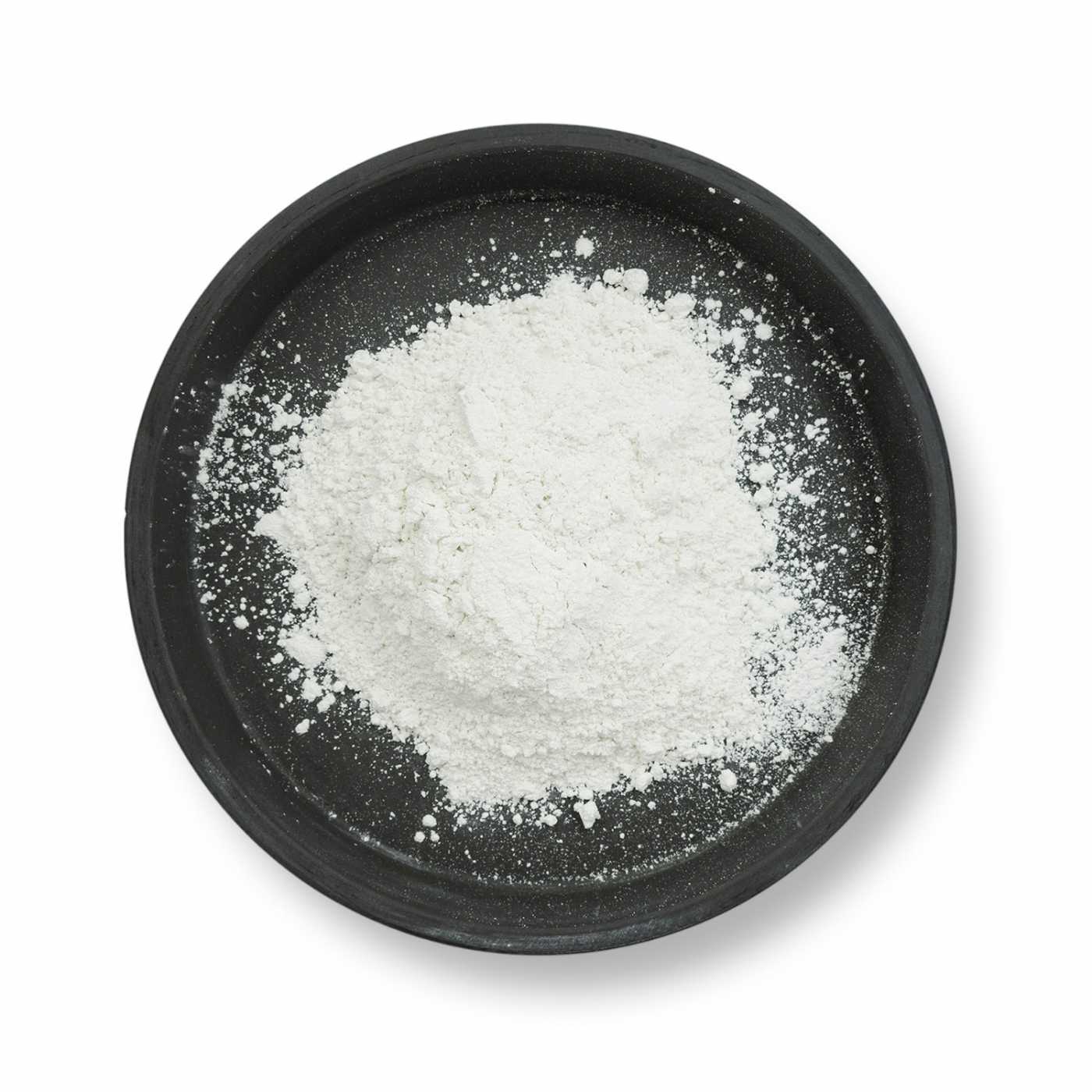
Salicylic acid is a white, odourless crystalline powder of synthetic origin, produced in Europe. We supply it in cosmetic and pharmaceutical grade; it meets the requirements of the European Pharmacopoeia (Ph. Eur.) and is suitable for vegans.
It is incompatible with iron. Iron ions form a coloured complex with salicylate, which discolours the product. Do not use iron tools or containers, and watch out for raw materials containing traces of iron. Adding a chelating agent reduces the risk.
It decomposes in light and gradually changes colour. The finished product belongs in opaque or dark packaging, away from direct sunlight.
It is incompatible with oxidising agents, strong acids and alkalis, iodine and fluorine.
The powder is light, dusty and irritating (GHS05 and GHS07 pictograms). When working with it, use a respirator, safety goggles and gloves, and ensure ventilation. The dust can form an explosive mixture with air.
The raw material is subject to the CLP Regulation, is classified as CMR and contains traces of phenol below 0.01%. Details on classification and safe handling are in the safety data sheet.


Variant: Kyselina salicylová, prášok, 99,5% 100 g