


Bottles only
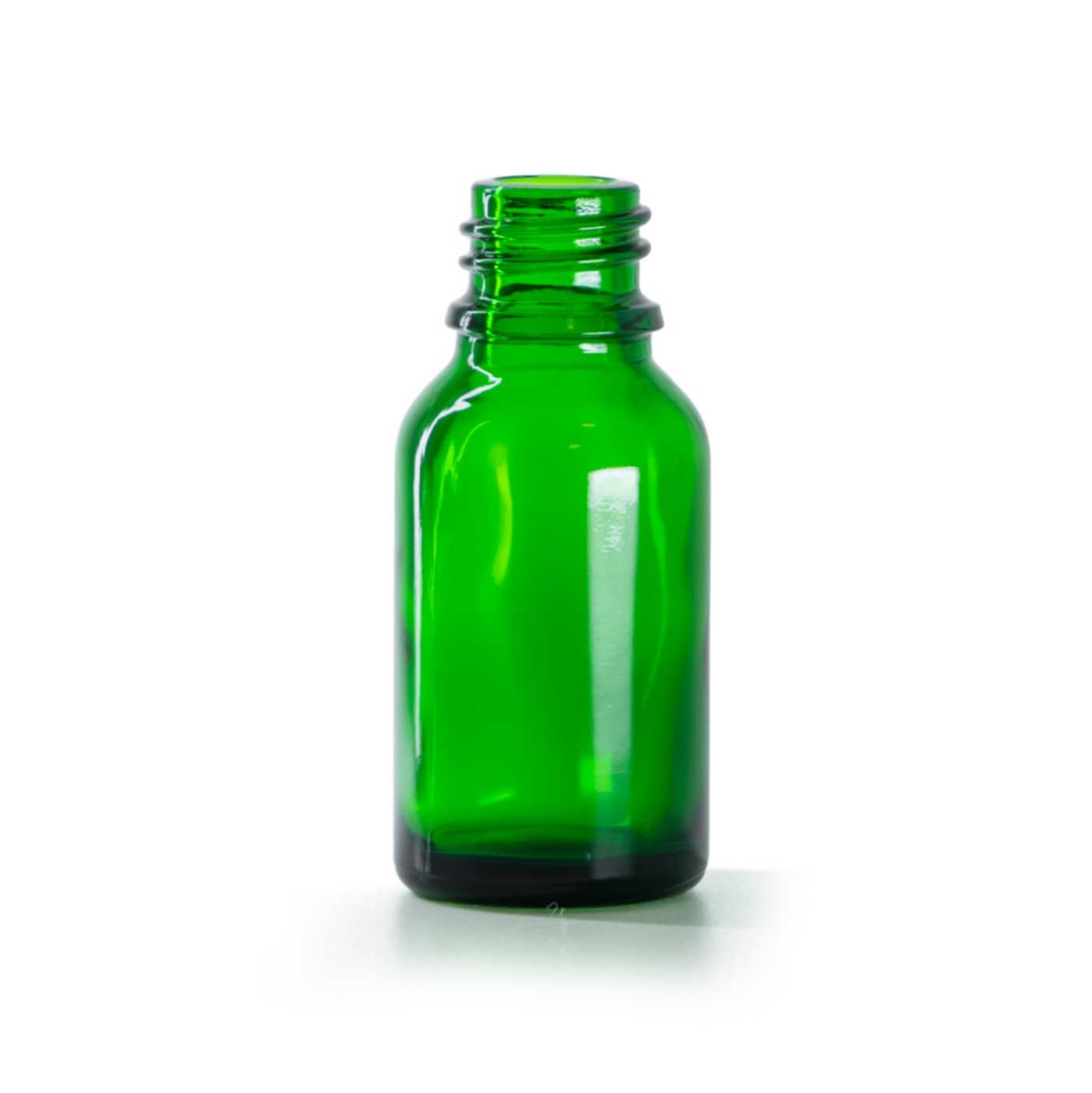
Glass bottle, vial, green, 18 mm, 15 ml
Pack size10 ml15 ml30 ml50 ml100 ml
Glass bottle, vial, green, 18 mm, 15 ml is a glass vial with a narrow neck for filling smaller volumes of cosmetics. full description
Lowest price in the last 30 days: €0.35
Total for 1 pcs: €0.35
Product description
Glass bottle, vial, green, 18 mm, 15 ml is a glass vial with a narrow neck for filling smaller volumes of cosmetics. It is particularly suited for oils, serums, tinctures and essential oil blends where the stability of the contents matters, as glass does not react with common cosmetic ingredients and the green tint reduces the amount of incoming light.
The 15 ml volume is practical for samples, travel sizes, concentrated facial oils or oil serums dosed by the drop. A vial is the name for a bottle shape with a straight body and narrower neck; it is used in cosmetics, aromatherapy and common household preparations. The container is suitable for use with cosmetic products and can also be used for technical purposes, such as storing raw material samples or test blends.
Why choose green glass
- Light protection – green glass lets through less light than clear glass, so oils and essential oils sensitive to oxidation are better protected in it than in a transparent container. It does not provide complete darkness; storing away from direct sunlight also helps with longer-term storage.
- Non-reactive material – glass does not absorb fragrances or dyes and does not leach plasticisers into the contents. It is therefore suitable for concentrated essential oils and alcohol-based tinctures, which can degrade some plastics over time.
- Reusable – after thorough washing and drying, the vial can be refilled without any change to the material properties.
- Appearance – the green tint looks natural and works well with herbal, oil-based and aromatherapy products. The contents are not visible, which is an advantage for light-sensitive blends.
Particularly suited for products such as
Facial and hair oils and oil serums, essential oil blends, fragrance oils, herbal tinctures and alcohol extracts, cream and emulsion samples with a thinner consistency. Thick creams and butters are difficult to fill and dispense through a narrow neck; a pot or jar is more suitable for these.
Nominal and total volume
We state two figures for each container. Nominal volume is the volume the vial is intended to hold under normal filling conditions, and it is the figure used for labelling and selling. Total brim-full volume is the physical volume up to the neck. The difference between the two allows for the cap, dropper or spray head, which take up some space once fitted, and for slight expansion of the contents when temperature changes. The vial should therefore be filled to the nominal volume, not to the brim — overfilling causes leakage when closing and makes the applicator difficult to fit.
When filling oils or alcohol-based blends, leave headspace below the neck according to the type of closure. A dropper with a glass tube requires more space than a plain cap.
Closures
The vial has a threaded neck of the type specified in the parameters. Caps, droppers and spray heads from the Handymade range with the same neck type are compatible. Ready-made container and closure combinations have their own description and have been tested. With a custom combination, we recommend verifying the seal, dosing and closure behaviour with the specific formulation before larger-scale production, especially with essential oils and alcohol.
Good to know
- Preparation before first use – wash the vials with warm water, optionally disinfect with isopropyl alcohol or ethanol and leave to dry completely neck-down. Residual moisture in an oil-based product encourages microbial growth.
- Glass and heat – the vial can handle warm contents, but not a sudden temperature change. Do not pour a hot blend into cold glass or vice versa, as cracking may occur. When filling hot, let the contents cool slightly or pre-warm the glass.
- Labelling – the straight body of the vial is suitable for a wrap-around label. With oil-based products, keep in mind that the label may peel if oil runs down the side, so wipe the neck after filling.
- Cleaning for reuse – warm water with washing-up liquid removes oil residue; alcohol helps eliminate essential oil scent. Avoid using a vial with a lingering strong scent for a delicately fragranced product.
- Recycling – the container is made of coloured glass and should be placed in the glass recycling stream after use. Separate any closure made from a different material before disposal.
When filling essential oils and concentrated fragrance blends, make sure no contents are left on the neck thread. Residue reduces the seal quality and can degrade the plastic parts of the dropper or cap.
Frequently asked questions
Parameters
Product documentation
- PDSProduct Data Sheet
- PDF ↓
Verified by customers.
No reviews yet.
Only customers with a delivered order can write reviews.