Spend over €100 for discounted shipping!

+421 950 333 113[email protected]

GLASS JARS

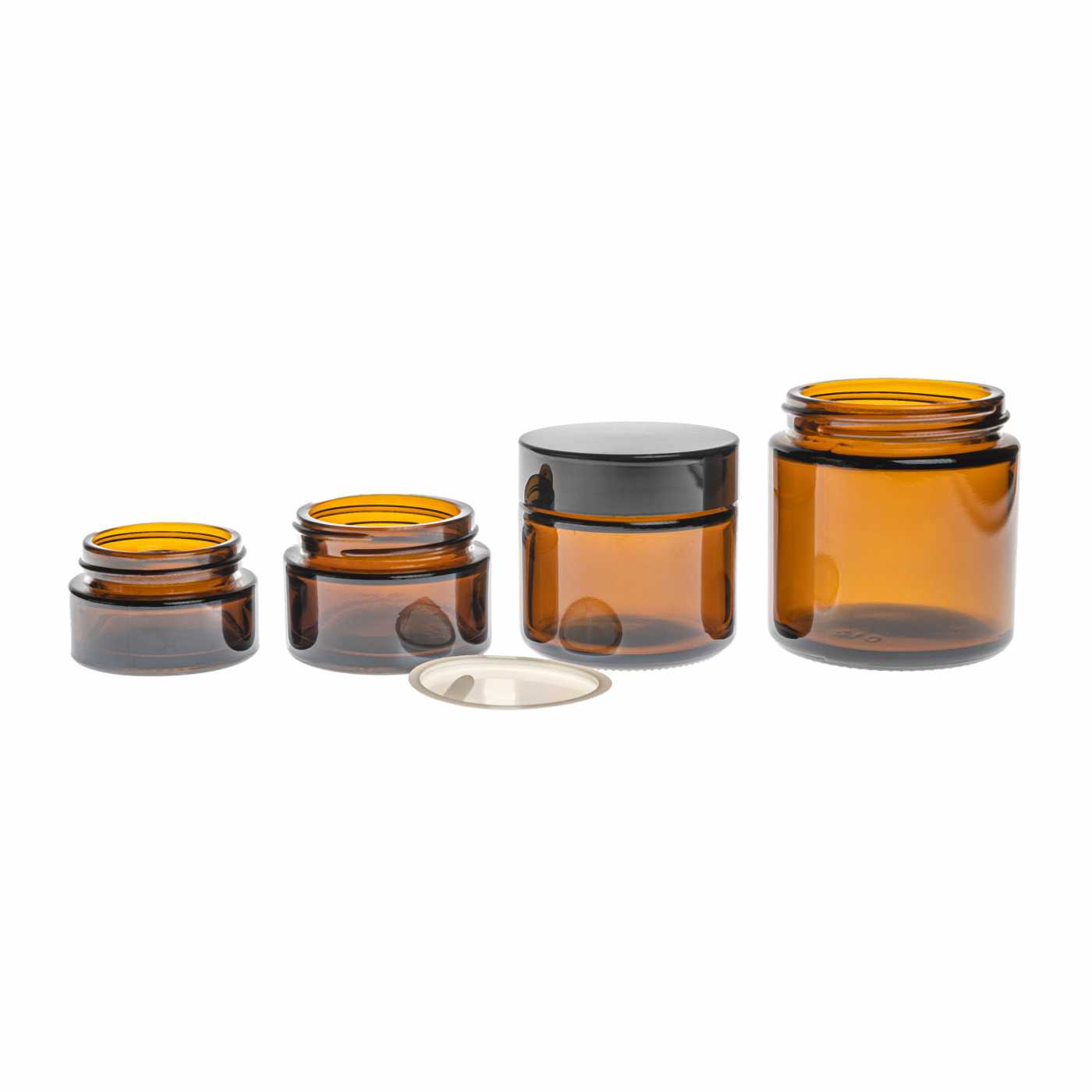
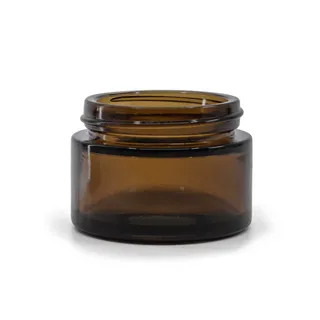
Amber Cosmetic Glass Jar, Black Plastic Lid & Gasket, 30 ml

Glass jar, dark brown, 30 ml, with black lid Glass jar, dark brown, 30 ml, with black lid is a complete set for creams and balms that need to be protected from light. full description

AvailabilityPre-order
Product codeO48SH030-OVV48PC
€1.16incl. VAT

Lowest price in the last 30 days: €1.16

Pre-orderThis variant is currently out of stock — your order will be a pre-order and delivery may take longer.
Volume pricing
1–199 pcs€1.16Your price
200–999 pcs€1.11−4 %
1000–4999 pcs€1.07−8 %
from 5000 pcs€1.01−13 %

Total for 1 pcs: €1.16

Quantities add up across all combinations of this bottle.

Product description

Glass jar, dark brown, 30 ml, with black lid

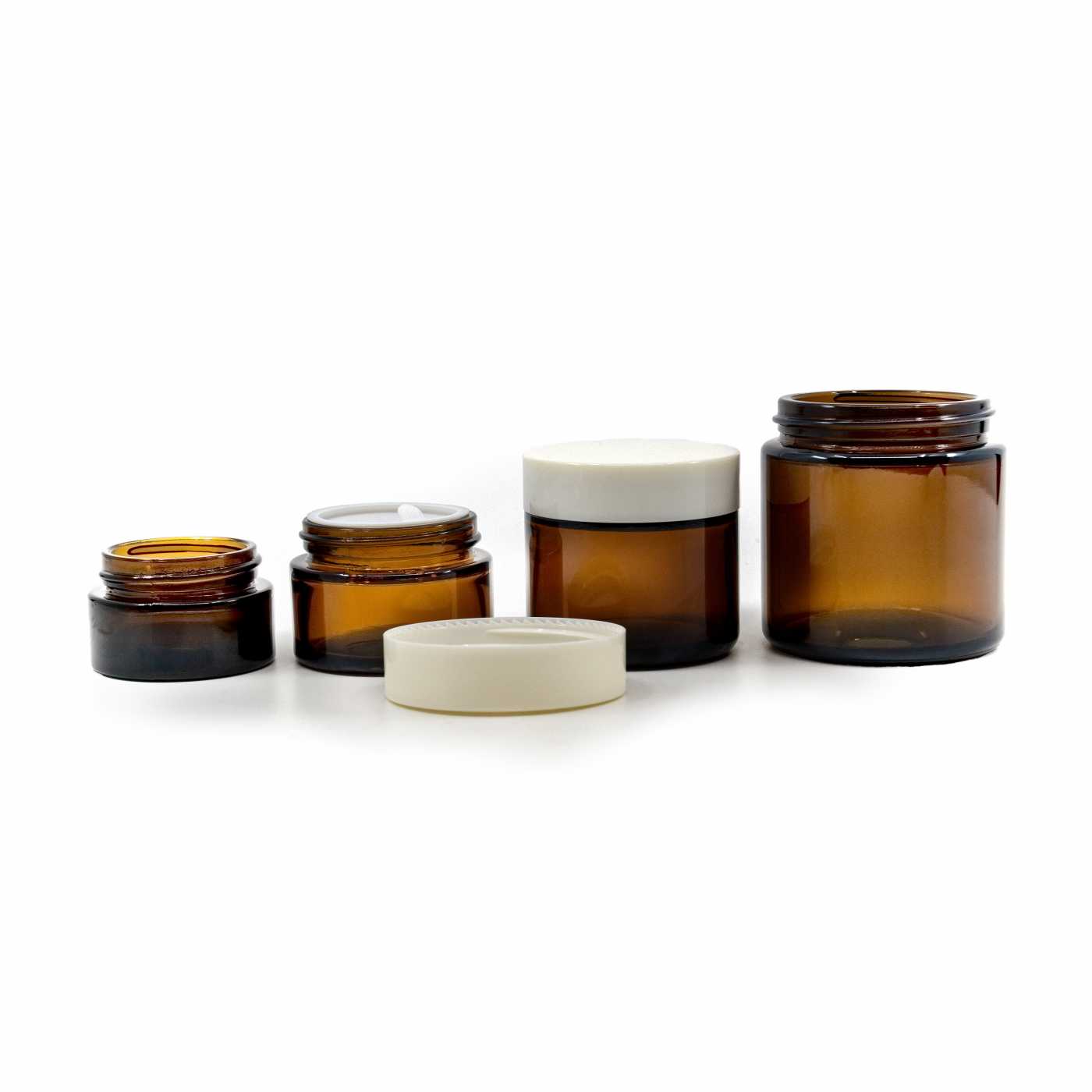
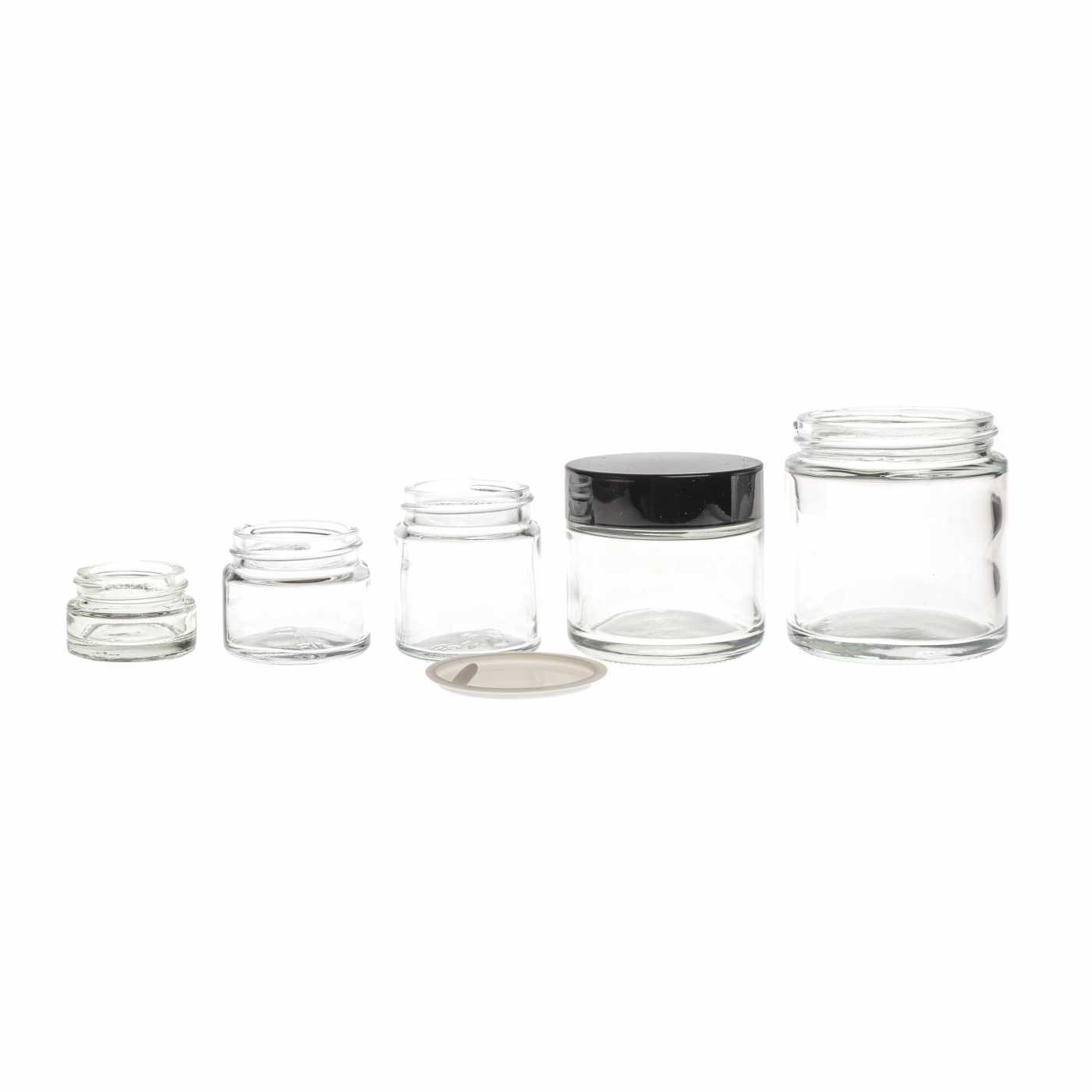
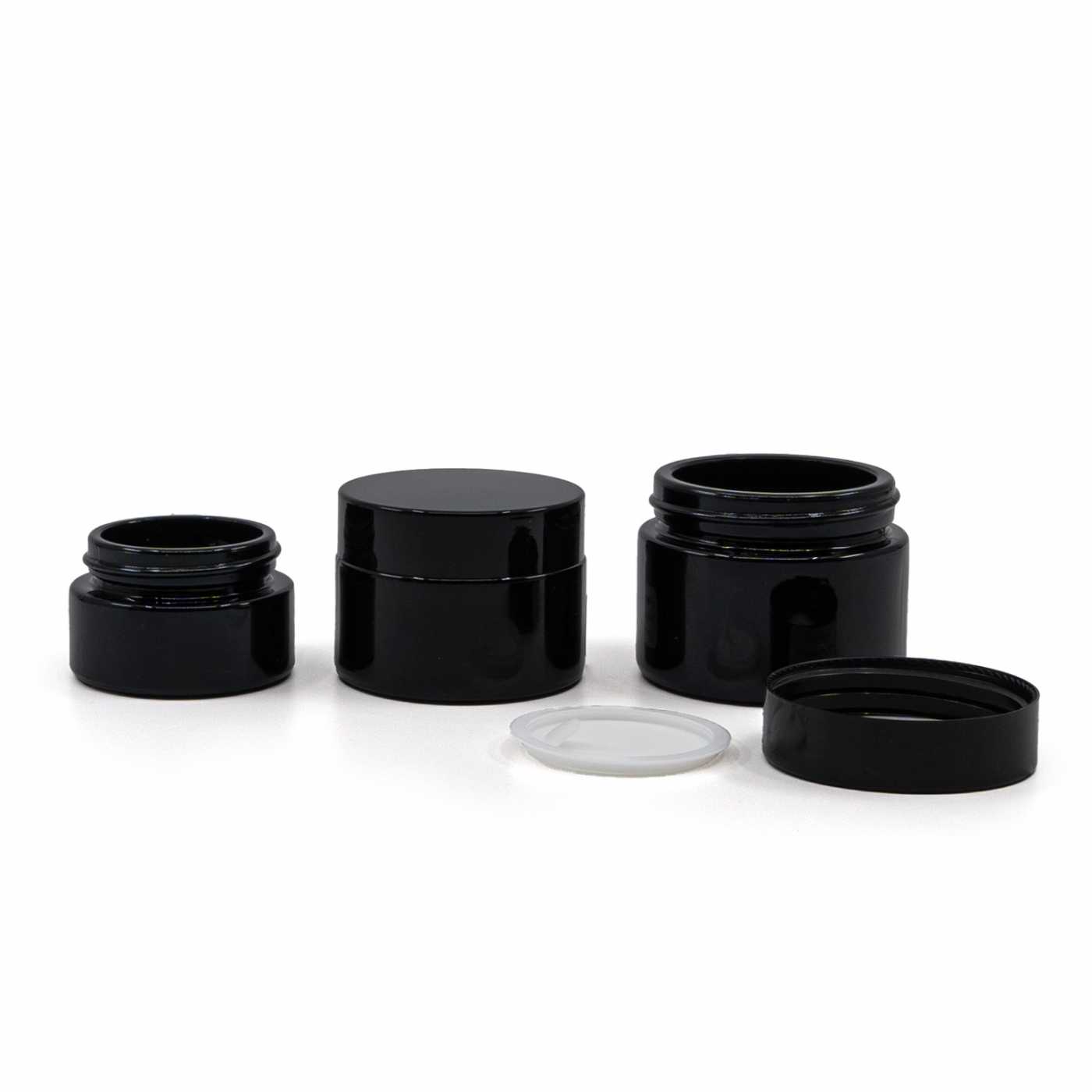
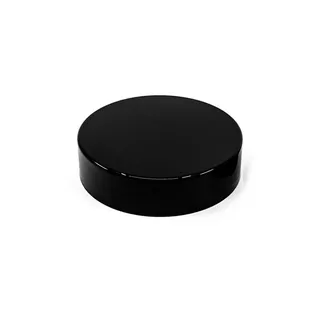
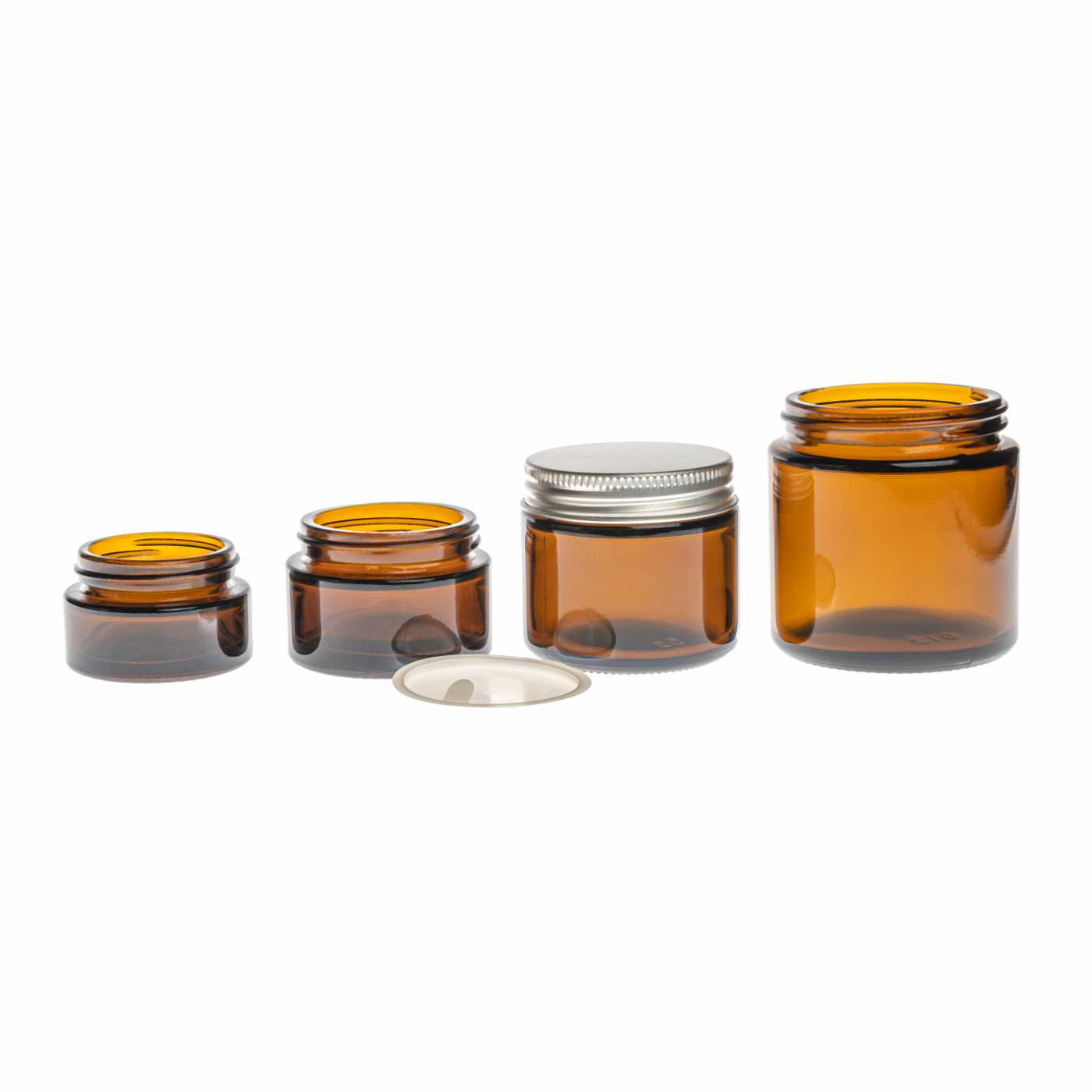
Glass jar, dark brown, 30 ml, with black lid is a complete set for creams and balms that need to be protected from light. It consists of a glass jar with a nominal volume of 30 ml, a black threaded plastic lid and an inner liner that seats on the jar neck. The dark brown glass reduces light exposure to the contents, making the set particularly suitable for products with vegetable oils, butters, vitamins or essential oils that deteriorate more quickly in light. The 30 ml volume is well suited for face and eye creams, lip balms, solid serums or tester samples.

The set is declared as suitable for contact with cosmetics; the EU declaration of conformity is available with the product. It is not approved for contact with food.


What the set offers

  • Protection of contents from light – brown glass transmits significantly less light than clear glass, which slows the oxidation of oils and fading of colour components. The contents are not visible through the wall, so plan for a label or sticker on the base.
  • Glass with no odour or taste – glass does not react with common cosmetic ingredients, does not absorb scent and does not soften on contact with essential oils or solvents. For anhydrous balms and creams with a higher proportion of essential oils it is therefore a safer choice than plastic.
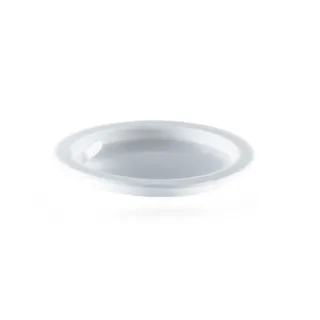
  • Liner under the lid – the white plastic liner covers the contents under the lid, catches excess cream on the neck and helps keep the product surface clean during repeated opening.
  • Wide neck – the jar is easy to scoop from with a finger or spatula, and is easily filled with a spoon or from a dispensing bag, even when the mass is thick.
  • Reuse – glass withstands thorough washing and disinfection; the jar can be refilled once the contents have been used up.

Nominal and total volume

Nominal volume is the volume for which the jar is designed for standard filling. Total volume to the rim is the physical volume right up to the neck and is always greater. The difference creates a reserve for the liner and lid and for any expansion of the contents with temperature changes. The jar should therefore be filled to the nominal volume, not to the rim. When filling with a hot mass, bear in mind that the volume will decrease slightly after setting and the level will drop.

Balms and solid creams that are poured into the jar while hot should be left to cool and set with the lid open. This prevents condensation of water on the liner and lid, which can cause problems over time in an anhydrous product.


Suitable for products such as

  • face and eye creams – the small pack size matches typical usage and the contents will be used up before they start to lose quality,
  • lip balms, ointments and solid serums – thick, anhydrous masses are easier to scoop from a wide neck than from a bottle,
  • butters and creams with a higher proportion of essential oils – glass does not absorb their scent and does not soften with prolonged contact,
  • samples and test batches – 30 ml is enough to trial a new formula with a customer or to run a stability test.

For thin emulsions, tonics and oils the jar is less practical. Liquid contents are difficult to dispense from it and spill easily when opened. For such products, bottles with a pump or dropper are more suitable.


Good to know

Before each fill, wash the jar, liner and lid, disinfect with isopropyl alcohol or ethanol and leave to dry completely. Residual water in the jar can promote microbial growth in an anhydrous balm. If the lid no longer seals after prolonged use or the liner is deformed, replace them with new ones.

Glass and heat: the jar can be filled with a warm mass, but avoid sudden temperature changes. Cold glass filled with a boiling mass or a hot jar placed on a cold surface may crack. Allow the jar to warm to room temperature before filling and pour the mass lukewarm rather than hot.

The lid and liner are made of plastic and may be affected by prolonged contact with high concentrations of essential oils or solvents. The liner separates the contents from the lid; even so, for products with a high proportion of essential oils it is advisable to verify the behaviour of the closure with the specific formulation.

Lids with the same neck type as listed in the specifications, and ready-made combinations, are available in the Handymade range. For a custom combination, we recommend verifying the seal and the behaviour of the packaging with the specific formulation.

Labelling: a light or white label stands out well on dark glass.

Recycling: the glass jar goes in glass recycling, the plastic lid and liner go in plastics. Disassemble the set before disposal and wash out any remaining contents.

The set is not approved for contact with food. Use it for cosmetic products, not for household oils, honey, syrups or spices.


Frequently asked questions

Does the brown glass jar protect the contents from light?
Yes, dark brown glass transmits substantially less light than clear glass, thereby slowing the oxidation of oils, waxes and vitamins in creams and balms. It does not provide complete darkness, so continue to store the jar with sensitive contents away from direct sunlight. Compared to a clear jar, the difference in the stability of colour and fragrance components is noticeable.
How much cream actually fits in the 30 ml jar?
The jar is filled to the nominal volume, that is 30 ml. The physical volume to the rim is greater, but the difference forms a reserve for the liner and lid and for expansion of the contents with temperature changes. If you fill the jar to the rim, the liner will push the contents out and cream will end up on the neck and under the lid.
Can the 30 ml glass jar be filled with hot balm?
Yes, but with care. Glass can withstand a warm mass, but a sudden temperature difference may cause the jar to crack. Let the jar warm to room temperature before filling, pour the mass lukewarm rather than hot and leave it to set with the lid open so that water does not condense under the liner.
What is the inner liner under the jar lid for?
The liner covers the contents under the lid and separates them from the closure itself. It catches excess cream on the neck, limits air access to the product surface and helps keep the lid clean in anhydrous balms. When reusing, wash it together with the jar and allow it to dry before the next fill.
Is the glass jar with black lid suitable for food?
No, this set is declared only for contact with cosmetics and does not have approval for contact with food. It is suitable for creams, balms, ointments and solid serums. For household oils, honey, syrups or spices, choose packaging that explicitly states food-contact suitability in its specifications.

Parameters

Glass jar, dark brown, 30 ml

Product color
Amber
Country of origin
China
Nominal capacity
30
Brimful capacity
41,5 ml
Diameter
52 mm
Thread diameter
46,3 mm
Height
36,2 mm
Product material
Glass

Black Plastic Lid, 48 mm

Product color
Black
Country of origin
China
Diameter
50,5 mm
Thread diameter
45,1 mm
Height
13,3 mm
Product material
PPPlasticEPE

White Plastic Gasket, 48 mm

Product color
White
Country of origin
China
Diameter
40,6 mm
Height
3 mm
Product material
PPPlastic
REVIEWS

Verified by customers.

No reviews yet.

Only customers with a delivered order can write reviews.