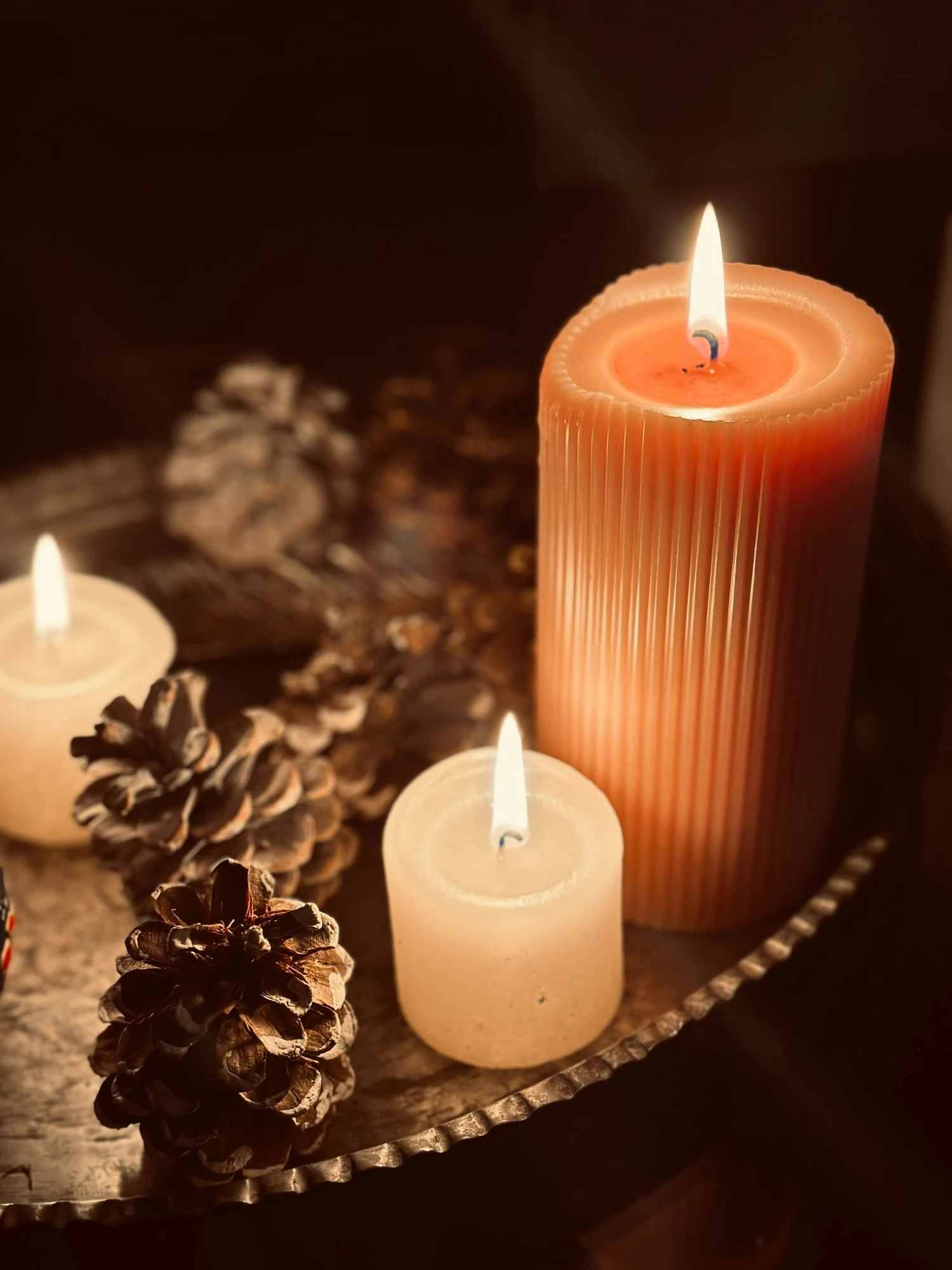

How to choose the right wick for your candle? The most important step when creating your dream candle is to put the right raw materials into the shopping cart. This also includes choosing the right wick, the keeper of your flame.
Before you start
Answer the following questions:
- A container from an old candle
Do I have a container saved from an old candle into which I will insert a new wick and pour melted wax? What is the shape of this container? What are its dimensions?
- A free-standing candle
Do I want a free-standing candle, such as a candle made from a rolled beeswax sheet, or a candle removed from a silicone mould?
- Type of wax
What type of wax will I use for my candle? What is its melting point?
Wick length is not crucial
Most of the wicks in our online shop are 12 cm long, which is a standard length suitable for most candles. The exception is wicks for tealights, which are shorter, at 4 cm. However, the length of the wick does not determine its strength or which type of candle it is suitable for. If the wick is too long for your candle, simply trim it with scissors.
When choosing a wick, do not be misled by the numbers in the designation – a higher number means a stronger wick that is suitable for larger candle diameters, not the wick length in centimetres.
The right wick for different waxes
- Paraffin wax
Paraffin melts more easily than natural waxes, so you can use a thinner wick here, which will quickly create a melted layer. For paraffin, wicks are usually chosen that create a smaller and stable flame.
- Softer natural waxes (for example soy or coconut)
Soft waxes, such as soy or coconut, require a stronger wick in order to melt effectively all the way to the edges of the container. It is usually appropriate to use ECO or STABILO wicks, which maintain a stable flame and help ensure even burning across the entire surface of the candle.
- Harder waxes (for example palm or beeswax)
Hard waxes need the strongest wick for burning because their melting point is higher. Larger or double wicks can help achieve the necessary wax pool to prevent tunnelling. STABILO or LX wicks with greater thickness are often the best choice for these types of waxes.
Choosing the right wick for a specific wax helps extend the burn time and ensures that the candle will burn evenly and efficiently, without wasting wax or weakening the fragrance.
Diameter of the melted wax pool
If you are making a container candle, start by measuring the diameter of the container. The goal is that when burning, the candle creates a „pool“ – a layer of melted wax – that reaches all the way to the edges of the container. The pool is important because it is from there that the wax travels along the wick to the flame. If the diameter of the pool were smaller than the diameter of the container, the candle would burn only in the centre, while the wax on the edges would remain unused. This would mean a shorter burn time, wasted wax and weaker fragrance. Therefore, it is crucial that the diameter of the pool corresponds to the diameter of the container, which ensures efficient burning and a longer life of the candle.
The diameter of the melted wax layer, the so-called pool, depends on the wick you choose – a correctly chosen wick ensures that the melted wax reaches the edges of the container, which prevents tunnelling and unnecessary wax waste.
The ROC value (Rate of Consumption) expresses how many grams of wax the wick evaporates per 1 hour. This value helps you estimate how long the candle will burn. ROC also affects the height of the flame and the width of the melted wax layer. Remember that this value is an average and may vary according to the type of wax.
The weight of the wick (given as wick length per 1 kilogram) determines the thickness of the wick. The higher the number, the finer the wick and the weaker it burns.
In our sections with different types of wicks, you will find tables with important information. At the end of the document, we have included a comparison that will help you choose the right wick for your wax type and ensure high-quality burning of the candle.
How to trim a new and a burned wick
- Let the candle cure48 hours
A newly poured candle should cure for at least 48 hours before the first lighting.
- Trim the wick before lighting
Before lighting, trim the wick to a length of approximately 5 mm. This length ensures even burning and prevents excessive smoking.
- Cut off the burned end
If you already have a candle whose wick is burned down, cut off the blackened end of the wick to the same length – about 5 mm. You can simply break off such an end with a gentle touch, because the excess wick will remain in your hand.
- Trim the wick regularly
Regular trimming helps maintain a clean flame and prevents the formation of carbon deposits (so-called „mushrooming“), which improves the quality of burning and extends the life of the candle. Regular wick maintenance is the key to a long-lasting and clean-burning candle.
Wick series in our range
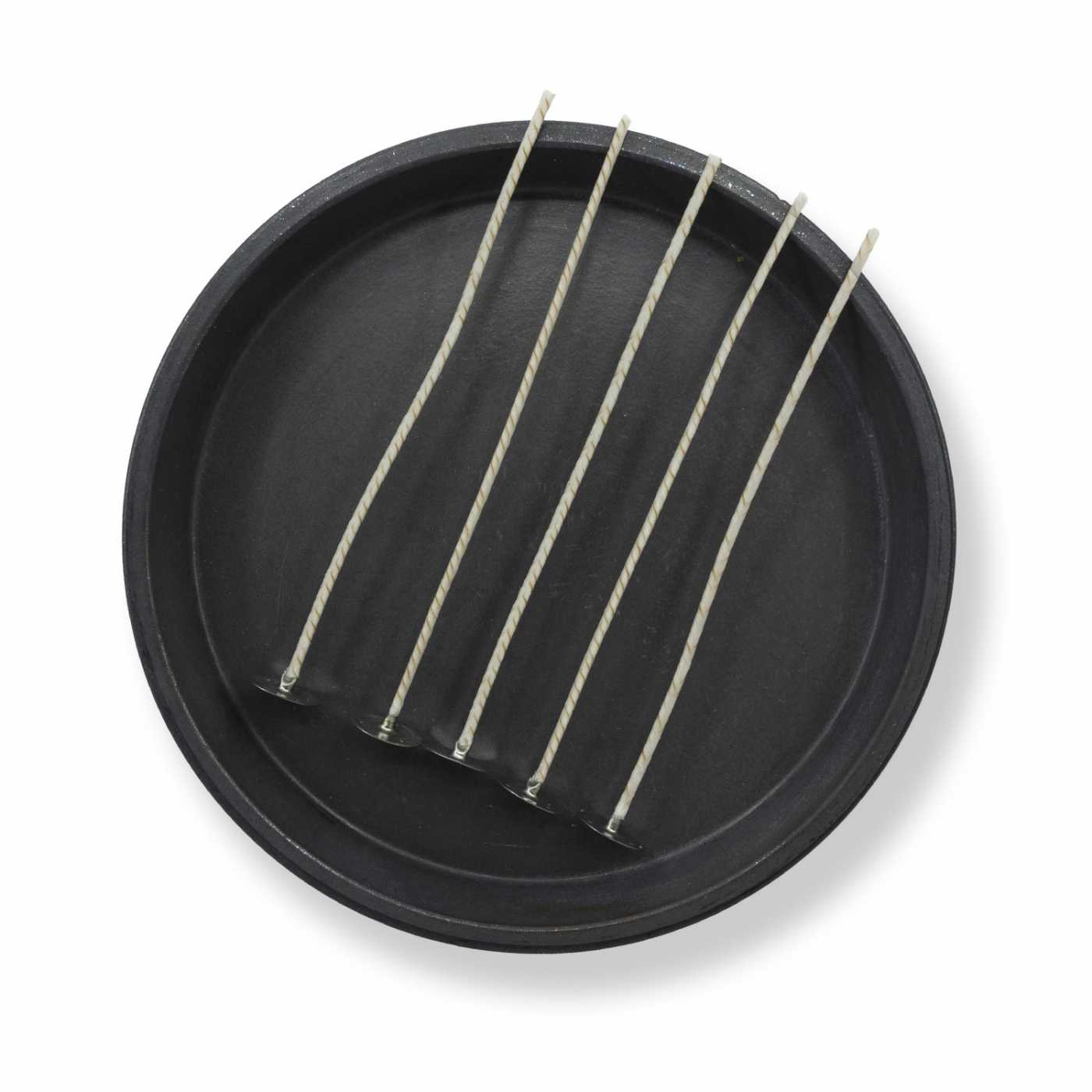
EKO series wicks
EKO wicks are flat cotton wicks without a core with thin paper fibres that are interwoven to ensure stable burning. Specially treated paper fibres ensure controlled curling of the wick, thanks to which the wick of the EKO series self-trims, which results in minimising the formation of so-called mushrooms on the tip of the wick. When extinguishing such a candle, no excessive amount of unpleasant soot and smoke is produced. The EKO wick is particularly suitable for vegetable and paraffin waxes with a lower melting point.
| Wick type | Pool diameter (cm) | ROC (g/hour) | Flame height (cm) | Weight (m/kg) |
|---|---|---|---|---|
| EKO 1 | 5.6 | 4.0 | 3.3 | 214 |
| EKO 2 | 6.1 | 5.1 | 4.1 | 169 |
| EKO 4 | 6.4 | 5.7 | 4.3 | 154 |
| EKO 6 | 6.6 | 6.8 | 4.6 | 136 |
| EKO 8 | 7.1 | 7.4 | 5.3 | 122 |
| EKO 10 | 7.1 | 7.7 | 5.6 | 119 |
| EKO 12 | 7.4 | 7.9 | 5.6 | 109 |
| EKO 14 | 7.9 | 9.4 | 5.6 | 95 |
LX series wicks
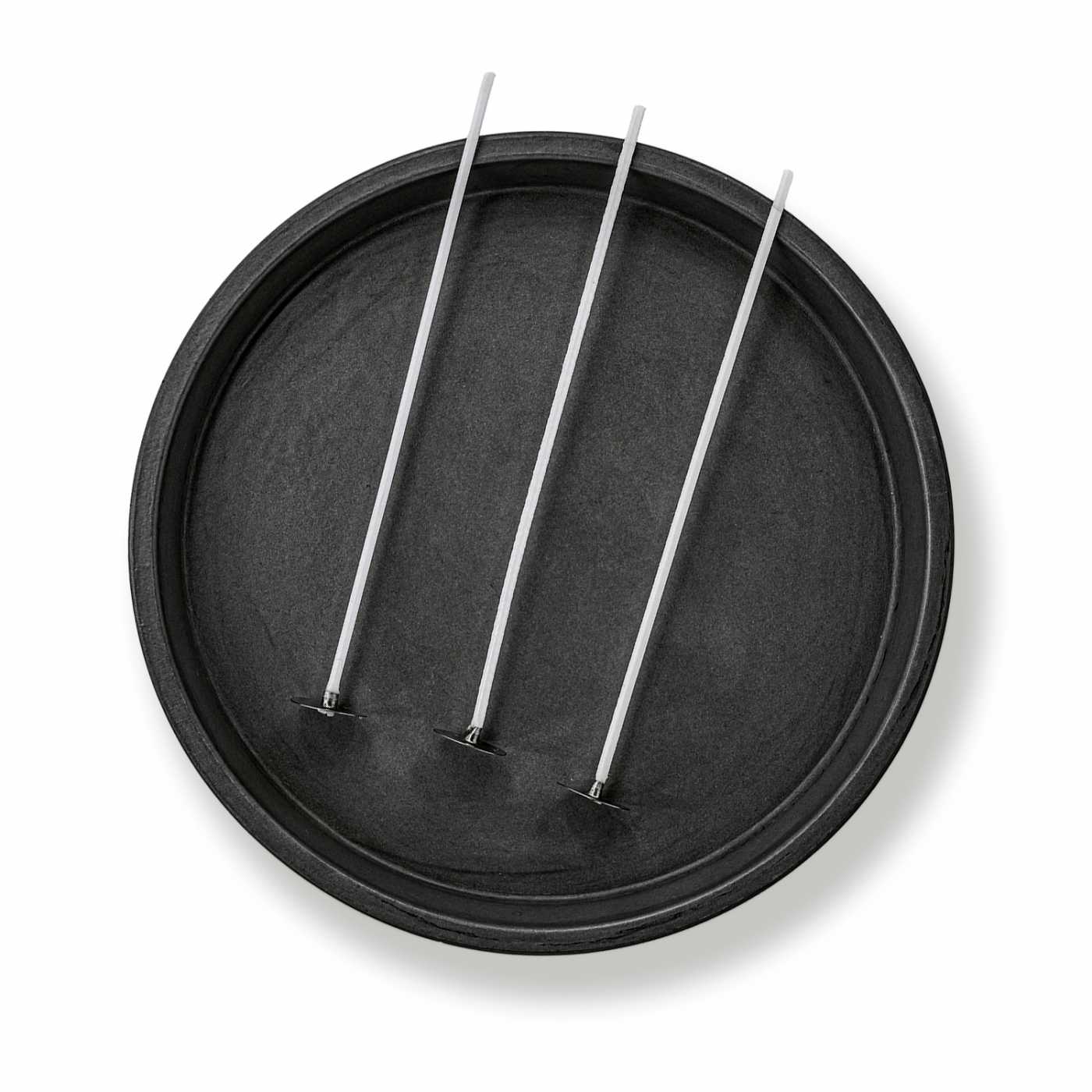
LX wicks are uniquely braided, flat wicks without a core, made with supporting fibres that ensure an optimal burn profile. The supporting fibres allow a very stable and consistent flame, which minimises or even eliminates the build-up of carbon at the tip („mushrooming“) and thus, after extinguishing, reduces smouldering, smoke and soot.
Wicks of the LX series are designed to improve the burning of paraffin and vegetable waxes in free-standing pillar candles and in containers. This series of wicks does not contain heavy metals – lead and zinc.
| Wick type | Pool diameter (cm) | ROC (g/hour) | Flame height (cm) | Weight (m/kg) |
|---|---|---|---|---|
| LX 14 | 5.3 | 5.4 | 3.3 | 227 |
| LX 20 | 5.8 | 6.2 | 3.8 | 167 |
| LX 24 | 7.9 | 8.5 | 5.1 | 123 |
STABILO series wicks
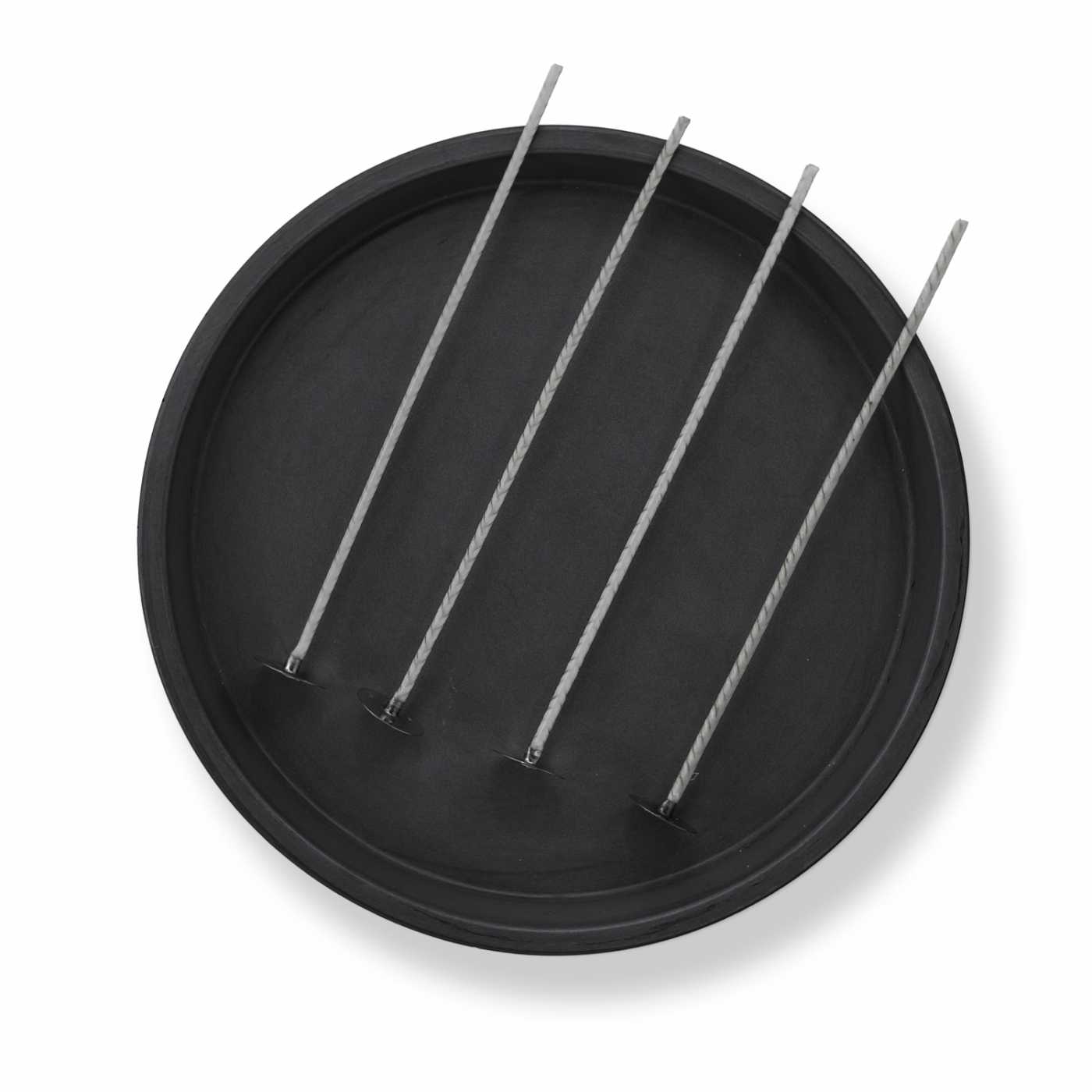
Stabilo wicks are coreless, flat braided wicks, around which a special paper fibre is woven. This configuration is designed to support maximum and consistent capillary flow of wax along the wick wall. This in turn ensures correct self-trimming of the wick by the flame.
The Stabilo series is used in various applications and is particularly compatible with more difficult to melt, viscous vegetable waxes. Stabilo wicks are often used in tealights, in containers and in votives – long prayer candles seen in churches and chapels.
| Wick type | Pool diameter (cm) | ROC (g/hour) | Flame height (cm) | Weight (m/kg) |
|---|---|---|---|---|
| STABILO 02 | 4.3 | 3.7 | 3.0 | 257 |
| STABILO 04 | 4.8 | 4.5 | 4.1 | 231 |
| STABILO 08 | 5.6 | 5.7 | 4.6 | 154 |
| STABILO 12 | 6.1 | 6.2 | 5.6 | 130 |
| STABILO 16 | 6.9 | 6.8 | 5.8 | 116 |
| STABILO 20 | 7.1 | 7.4 | 6.1 | 104 |
Comparison of the individual wick series
Each wick line is designed for different types of waxes and candle properties.
EKO wicks
Advantages:
- Ecological choice
They are lead-free and made of cotton and paper, which makes them environmentally friendly.
- Clean burning
These wicks produce less soot and fewer carbon deposits, which helps keep candles clean and ensures a more pleasant burning experience.
- Ideal for natural waxes
EKO wicks are specially designed for soy, coconut and other natural waxes, but they also work well with paraffin.
Disadvantages:
- Limited performance with some waxes
They may be less suitable for certain blends or hard waxes that require a stronger flame.
- Lower stability with larger diameters
EKO wicks may be less stable in very large candles, where they may tend to go out.
LX wicks
Advantages:
- Versatility
LX wicks work well with both paraffin and natural waxes, which makes them a versatile choice.
- Stable flame
They are known for their stable and even flame, which minimises the formation of deposits (so-called “mushrooming”).
- Suitable for a wide range of candles
From small tealights to larger container candles and pillar candles.
Disadvantages:
- Slightly higher soot formation
Compared to EKO wicks, they can produce more soot, especially when used with harder waxes.
- Less suitable for hard natural waxes
For soy candles in cooler environments or with a high content of additives, they may need testing to ensure proper burning.
STABILO wicks
Advantages:
- Suitable for natural and blended waxes
They are specially designed to burn with natural waxes such as soy wax, but also work well with some paraffin blends.
- Stable flame with larger diameters
These wicks are robust and have good stability in larger candles, so they rarely go out.
- Resistance to deposits
They form fewer carbon deposits, which improves the appearance and stability of the flame.
Disadvantages:
- Less efficient for smaller candles
STABILO wicks can be unnecessarily strong for small candle diameters, which can cause an overly intense flame or faster wax consumption.
- Higher cost
Due to their special composition and structure, STABILO wicks can be more expensive than other common wicks.
Brief summary
- EKO wicks
Ecological, clean burning, suitable for natural waxes, less suitable for large diameters.
- LX wicks
Universal, stable flame, suitable for a wide range of candles, occasionally slightly more soot.
- STABILO wicks
Robust, suitable for large candles and natural waxes, can be more expensive and too strong for small diameters.
Each type of wick has its advantages, and it is important to test them with the specific wax and candle diameter in order to achieve the ideal result.
Frequently asked questions
Practical questions about choosing a wick — wick length and designation, the ROC value, trimming and choosing according to the wax.
Does the length of the wick matter when choosing?
No. Most of the wicks in our online shop are 12 cm long, which is a standard length suitable for most candles; the exception is wicks for tealights, which are 4 cm. The length of the wick does not determine its strength or which type of candle it is suitable for — simply trim a wick that is too long with scissors.
What does the number in the wick designation mean?
A higher number means a stronger wick that is suitable for larger candle diameters — it is not the wick length in centimetres.
What is the ROC value?
ROC (Rate of Consumption) expresses how many grams of wax the wick evaporates per 1 hour. It helps you estimate how long the candle will burn, and it also affects the height of the flame and the width of the melted wax layer. The value is an average and may vary according to the type of wax.
To what length should the wick be trimmed before lighting?
Before lighting, trim the wick to a length of approximately 5 mm — this ensures even burning and prevents excessive smoking. In addition, a newly poured candle should cure for at least 48 hours before the first lighting.
Which wick should I choose for soy or coconut wax?
Soft waxes, such as soy or coconut, require a stronger wick in order to melt effectively all the way to the edges of the container. It is usually appropriate to use ECO or STABILO wicks, which maintain a stable flame and help ensure even burning across the entire surface of the candle.
You will find wicks from the EKO, LX and STABILO series as well as waxes for candle making in our range.