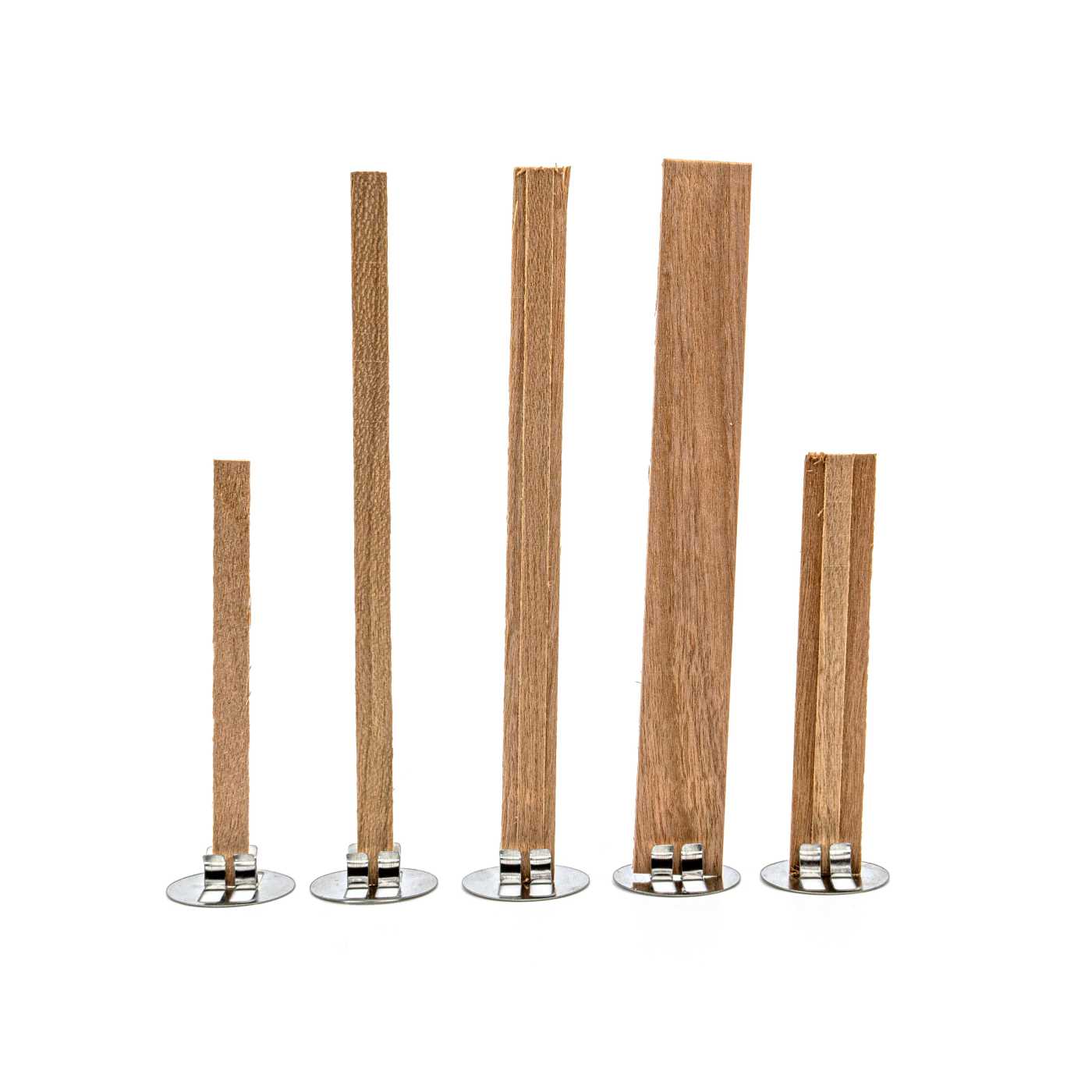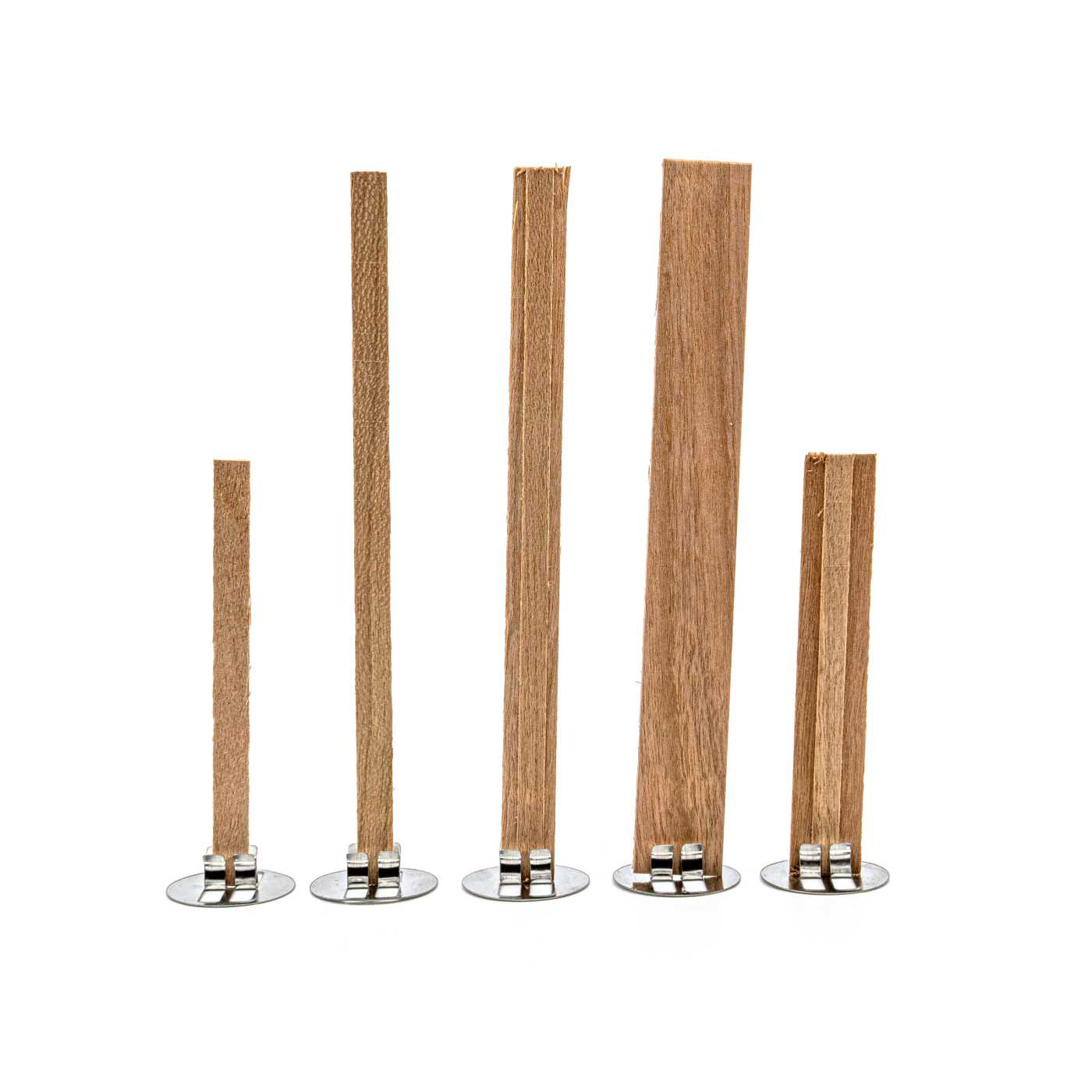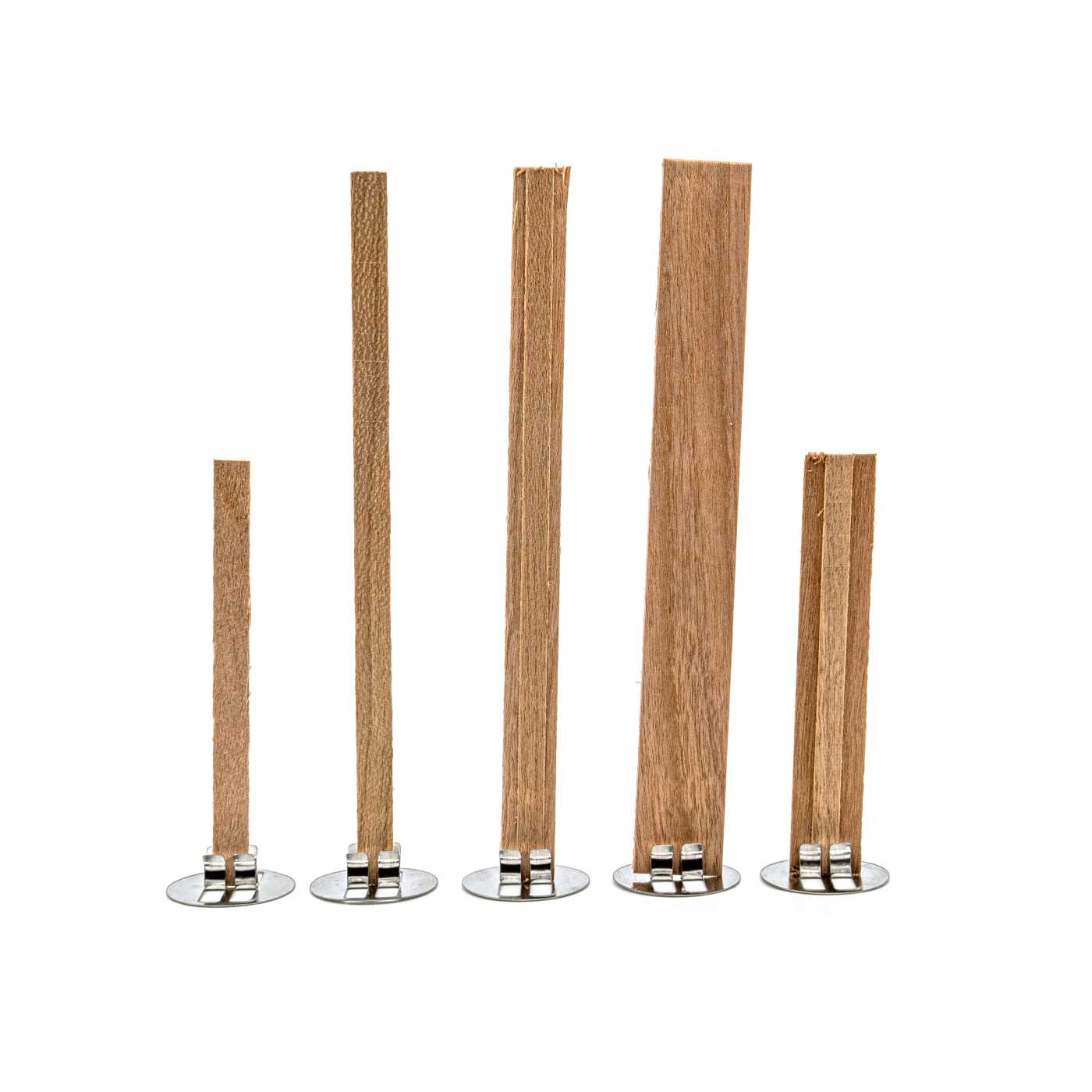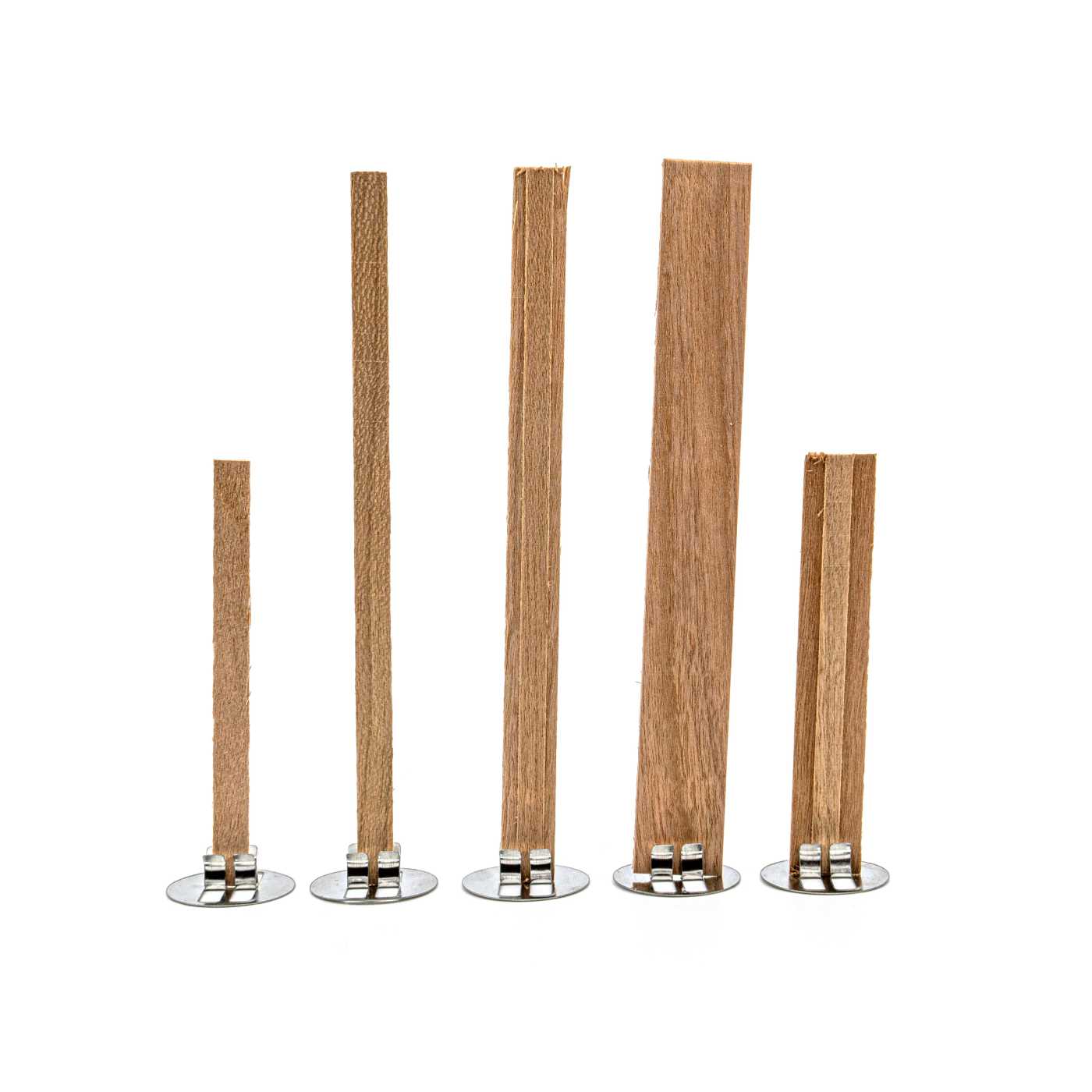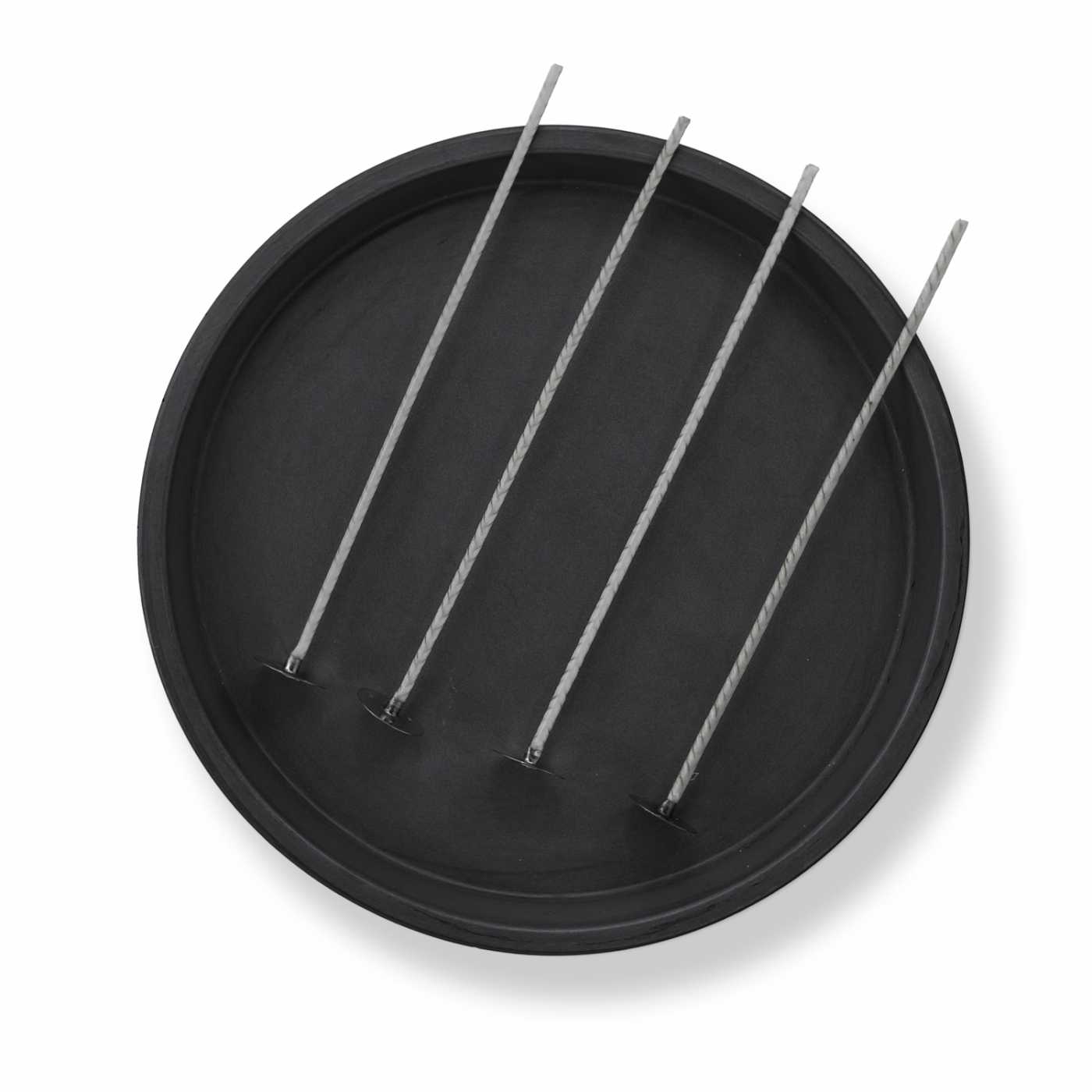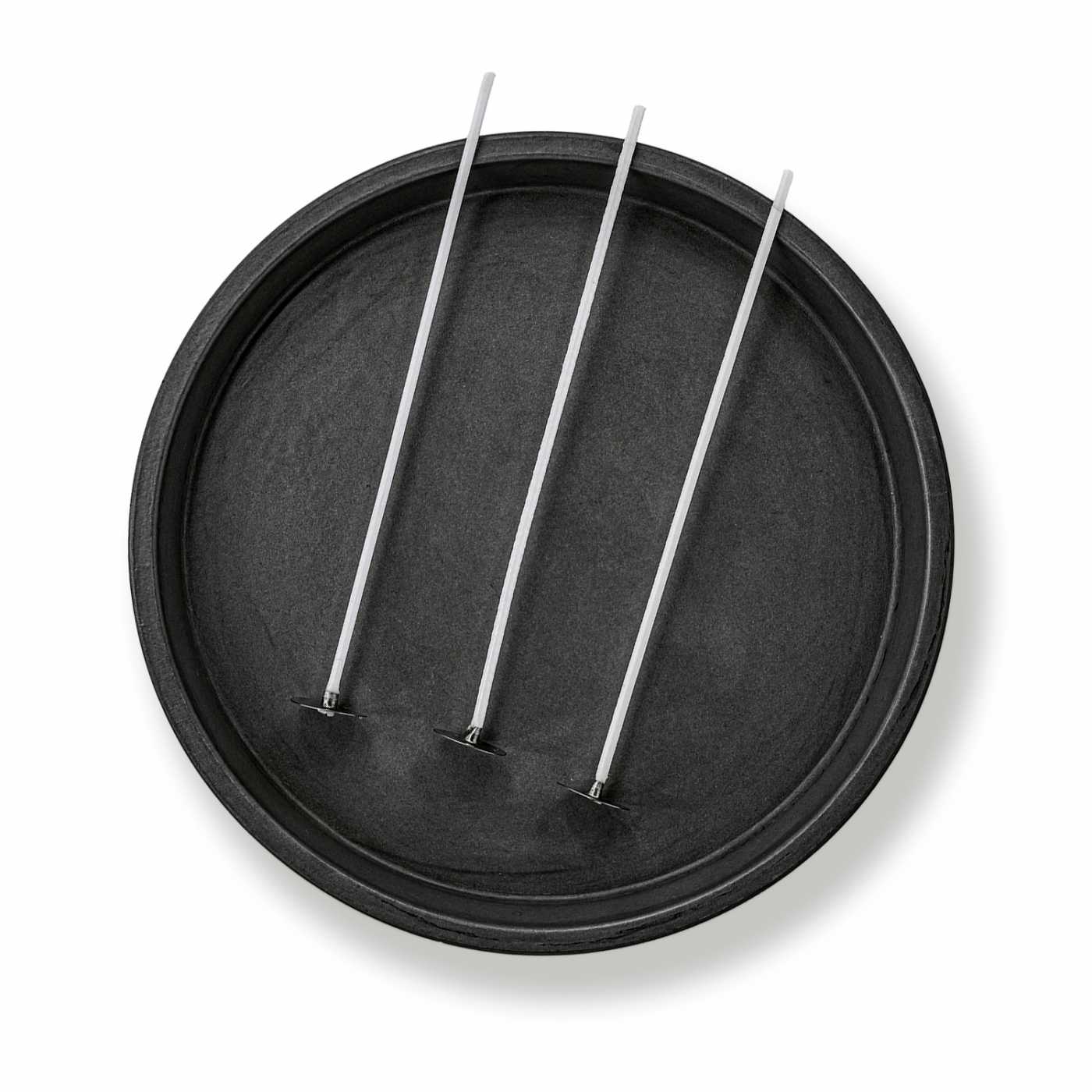
WEDO Wick, LX 14
Pre-order€0.26

WEDO EKO
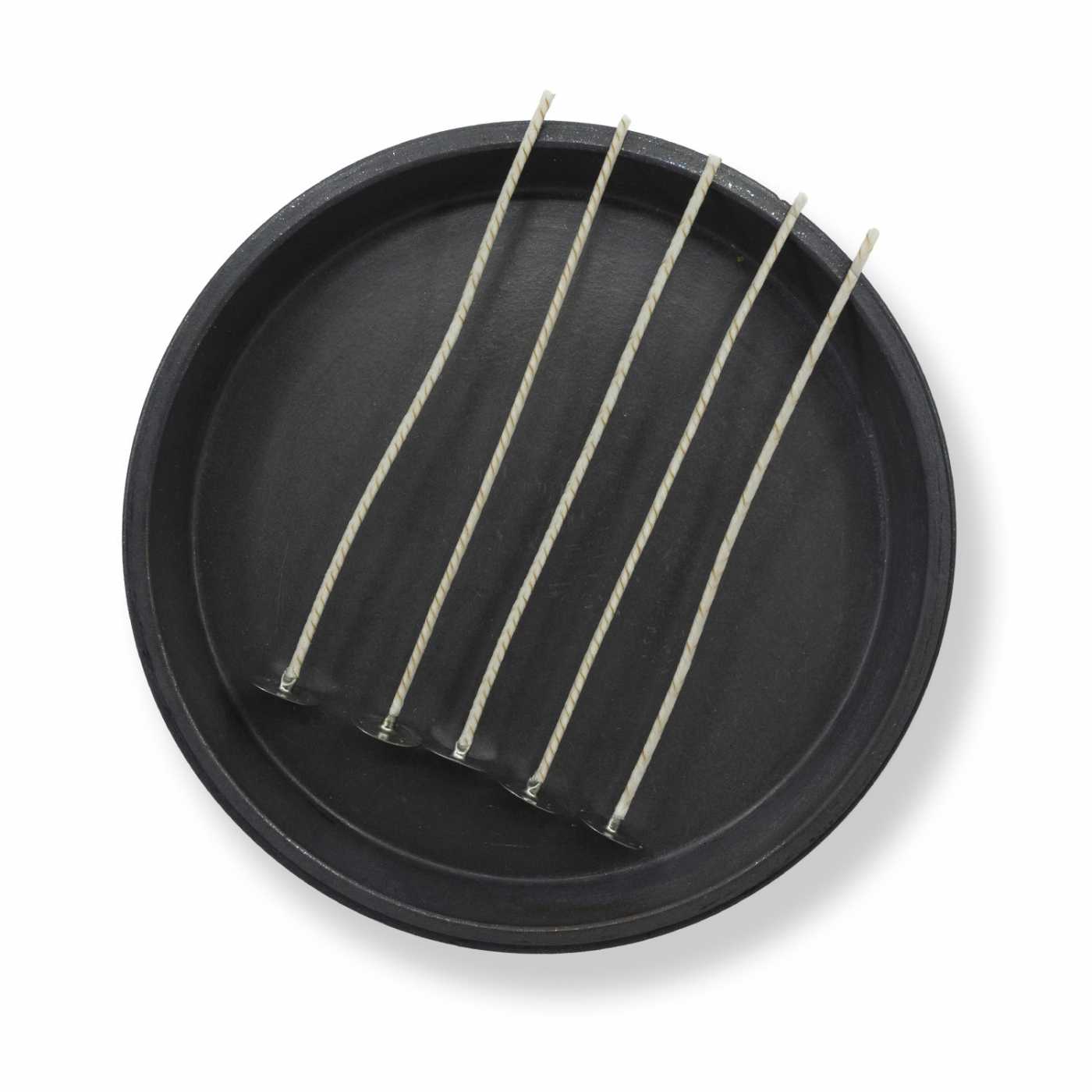
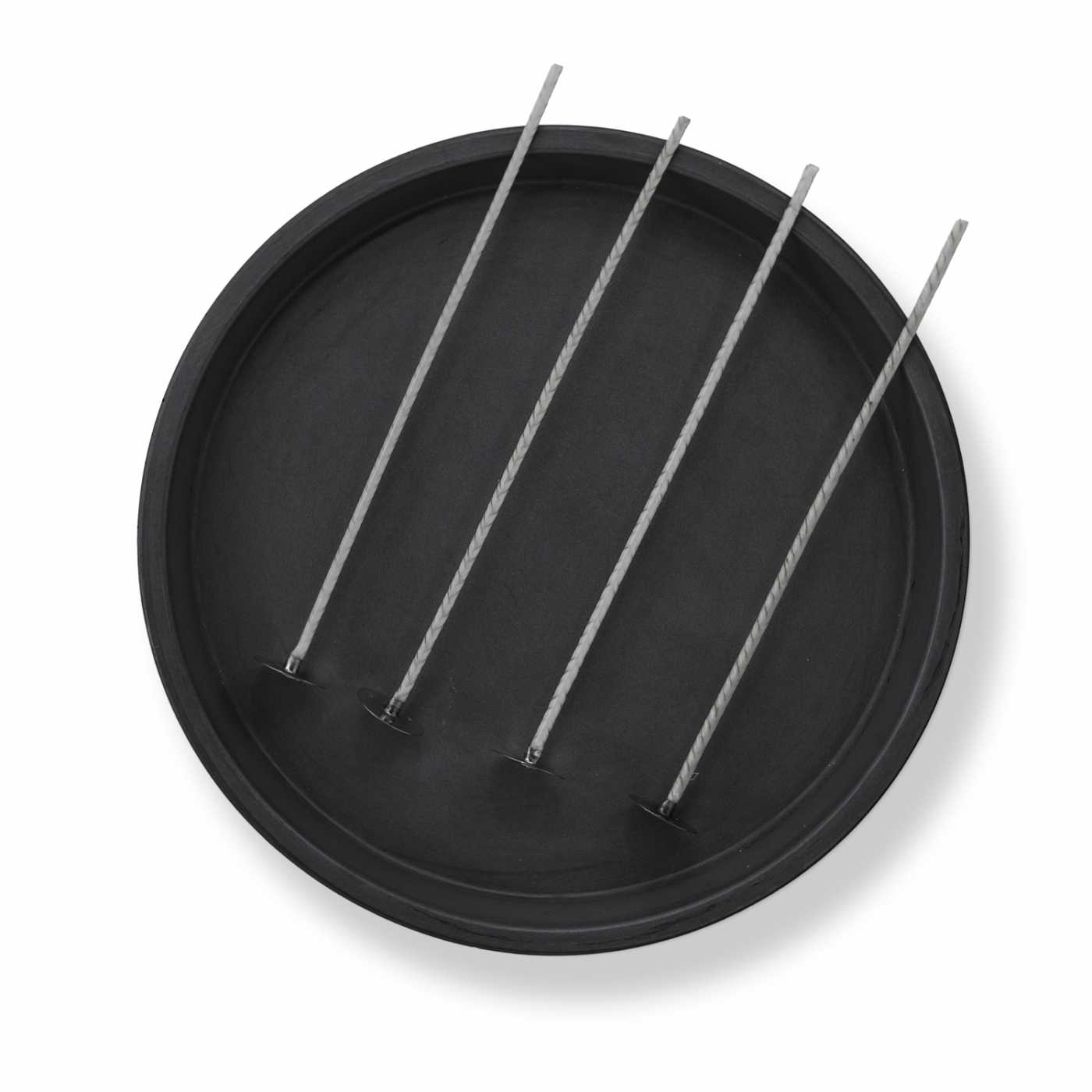
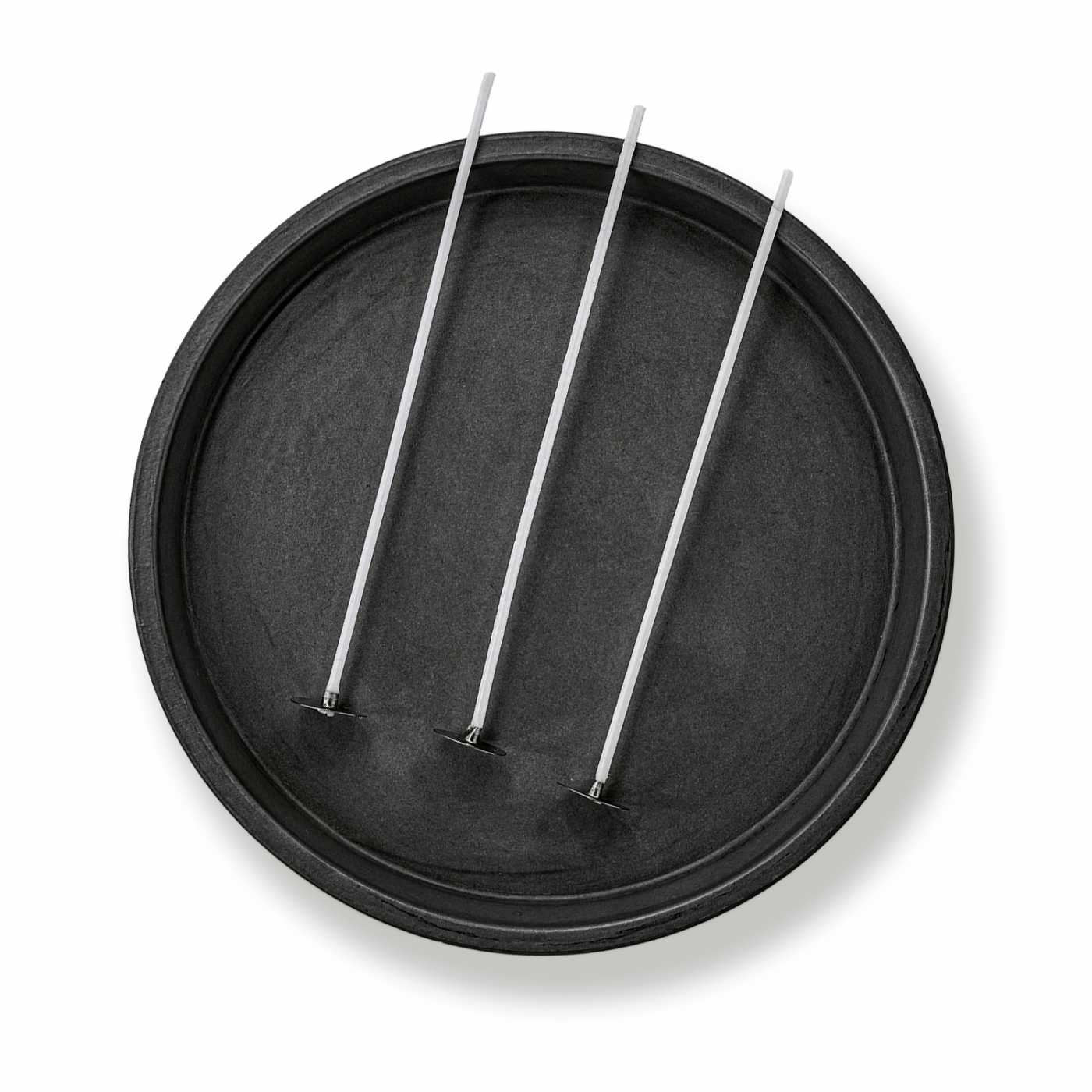
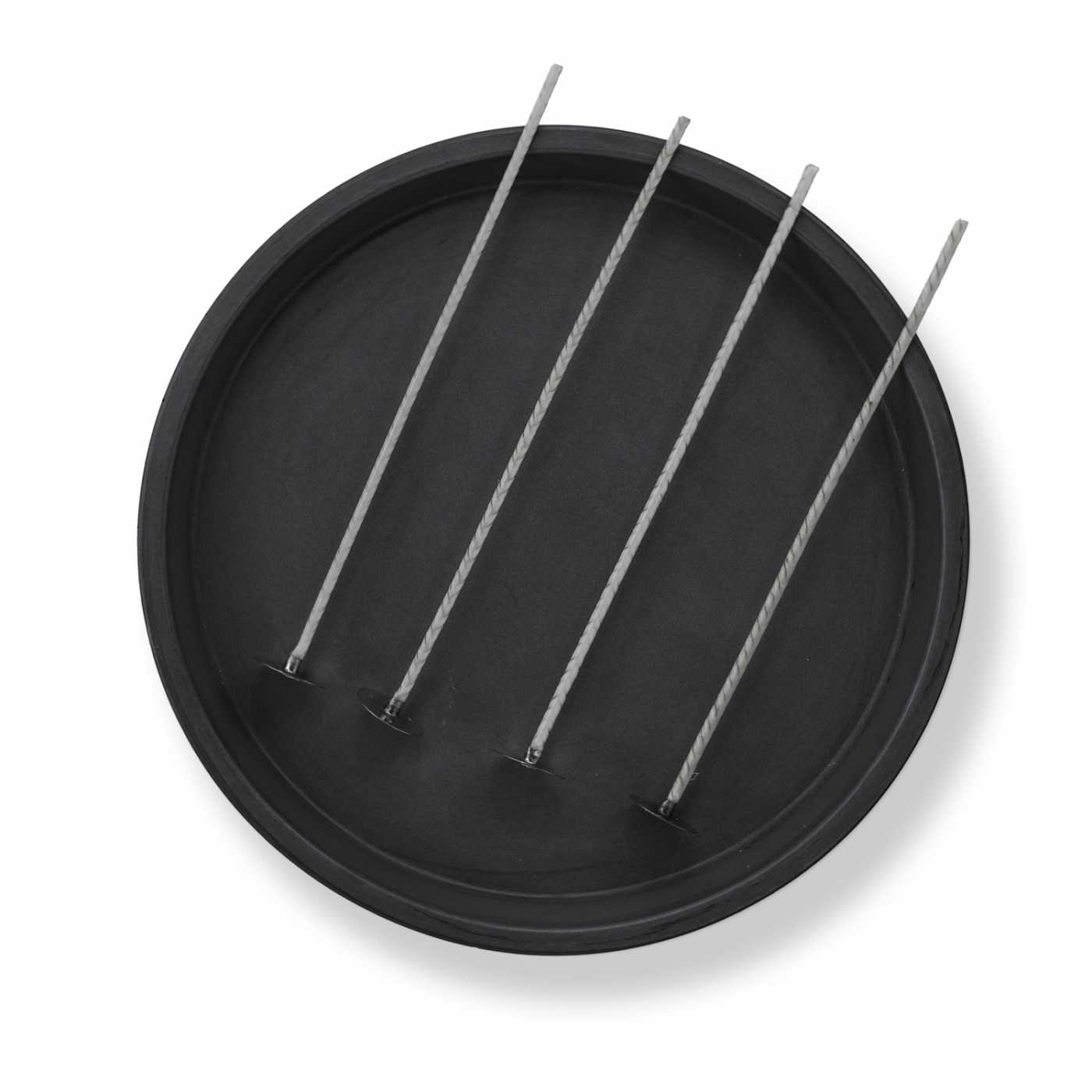
Eko-6 cotton wick Eko-6 is a cotton wick from the ECO series by a European wick manufacturer, designed for candle making. full description
Lowest price in the last 30 days: €0.26
Eko-6 is a cotton wick from the ECO series by a European wick manufacturer, designed for candle making. It is sold individually, so you can buy exactly as many wicks as the candles you are planning to make. As the candle burns, melted wax travels up the wick to the flame, where it evaporates and burns. The wick therefore determines whether the candle burns evenly, without soot and without a pit of unburnt wax around the flame.
The base is cotton yarn. The manufacturer states that it buys the yarn from certified suppliers and that all of its cotton yarns meet the Oeko-Tex Standard 100. The wicks are produced in line with the DIN EN ISO 9001:2015 quality management standard, and the manufacturer is an accredited supplier of the RAL Gütegemeinschaft Kerzen association, so candle makers can rely on the quality for the RAL GZ-041 mark.
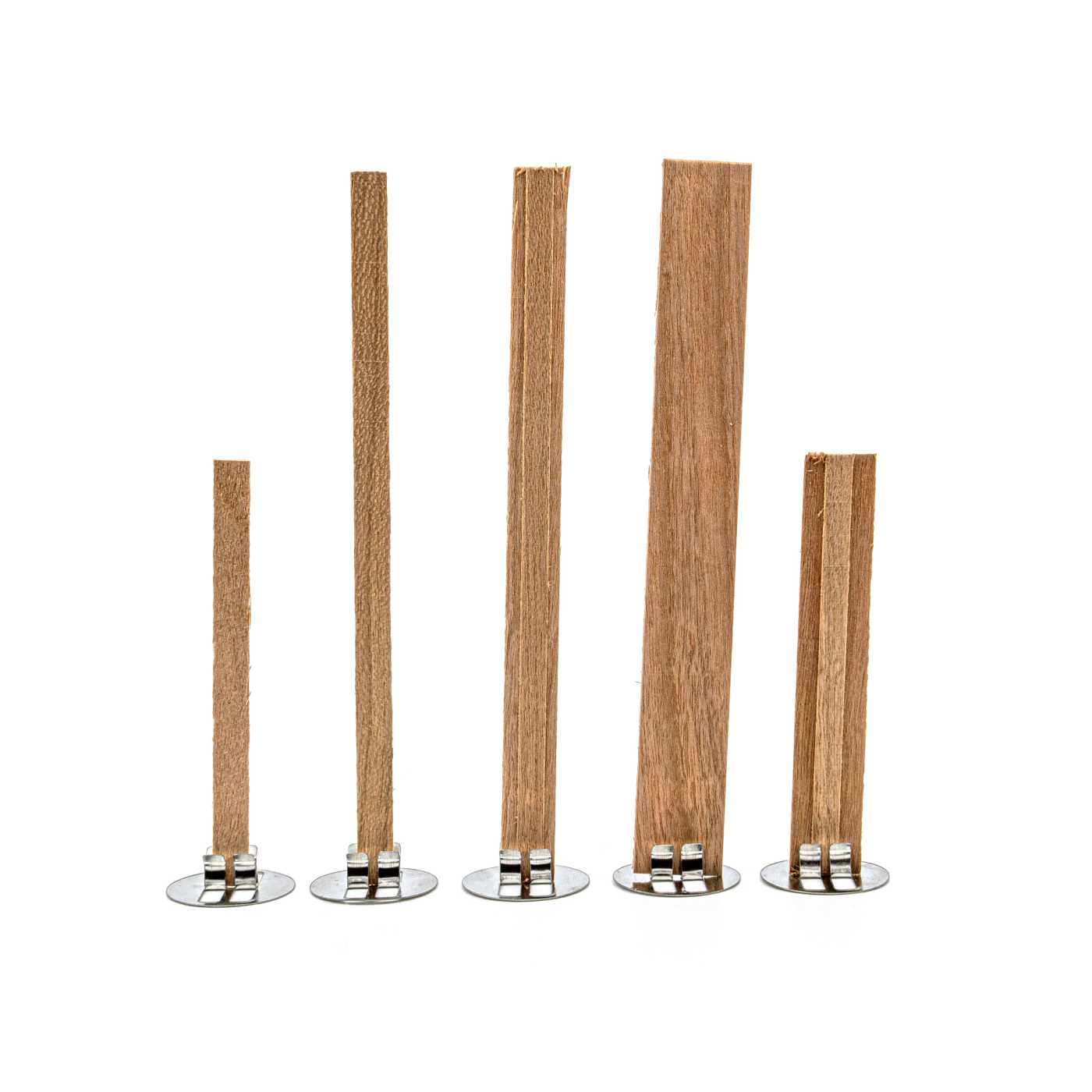
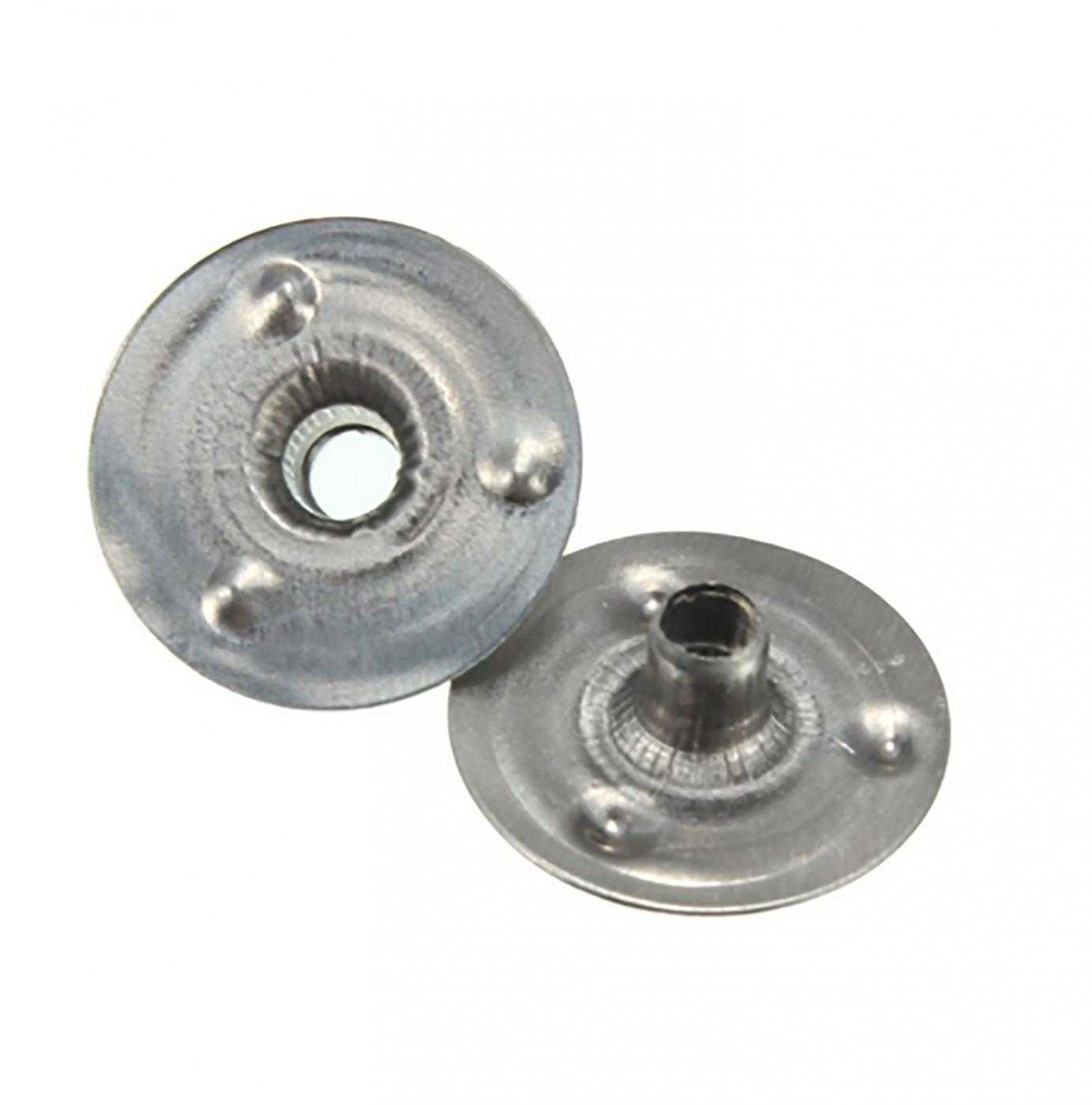
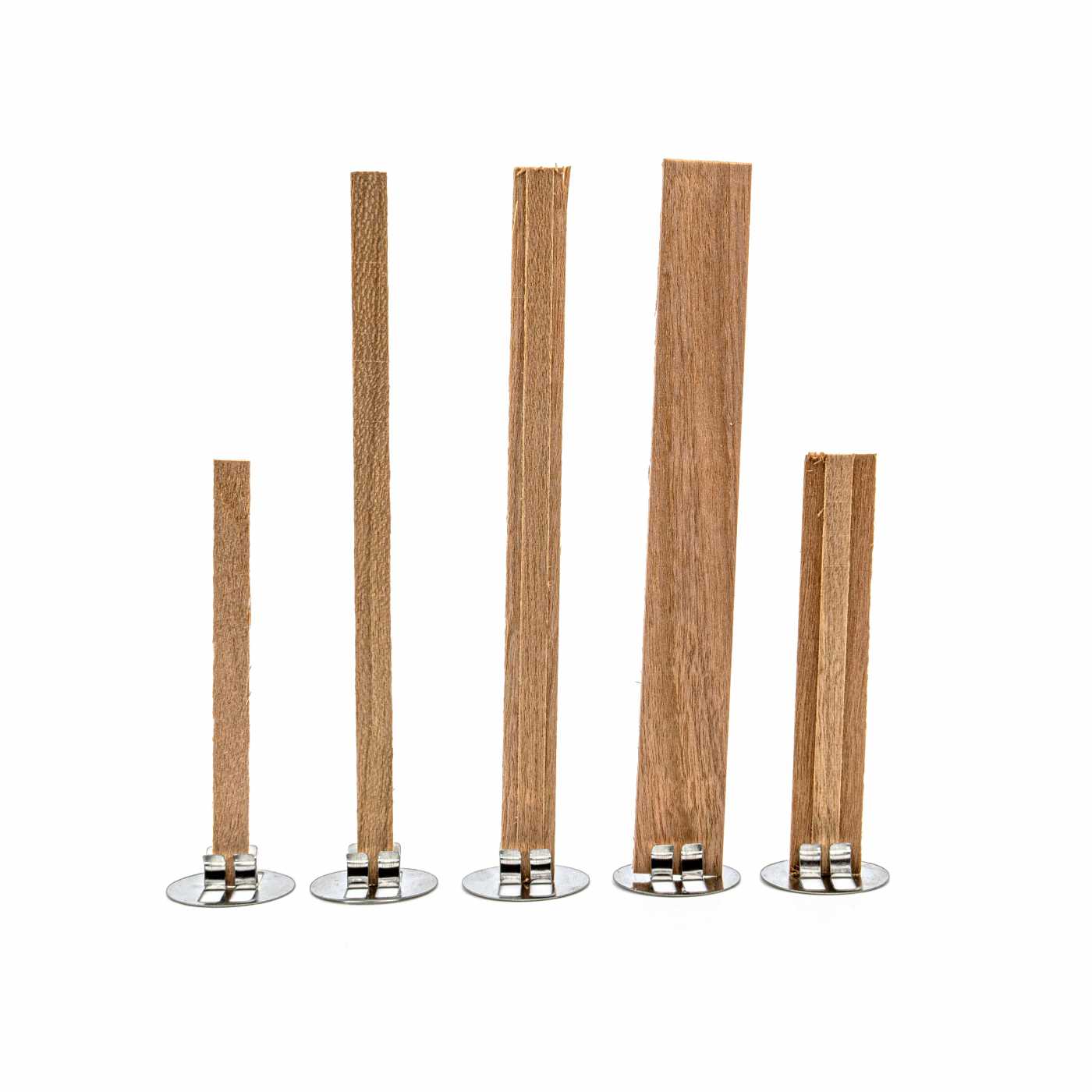
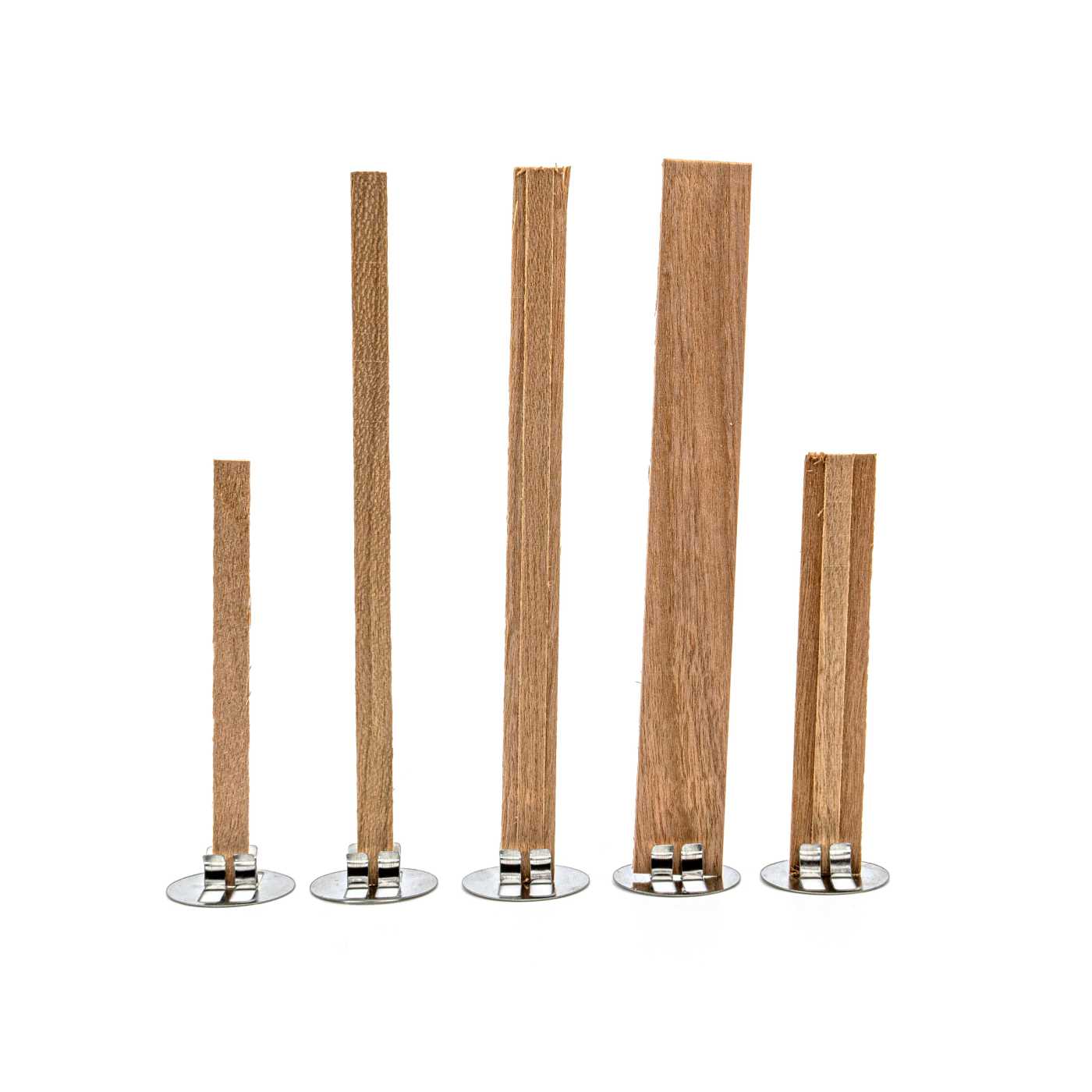
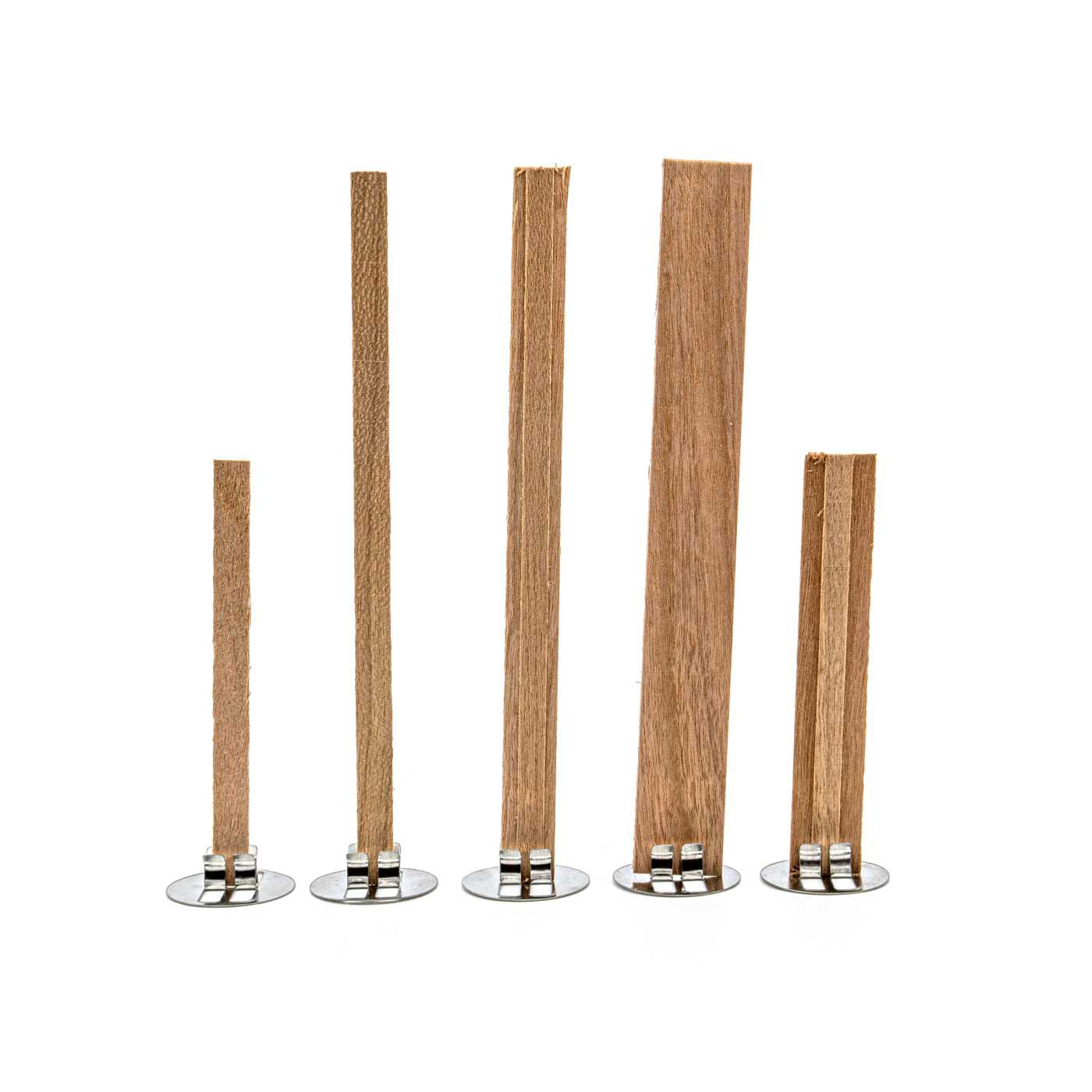
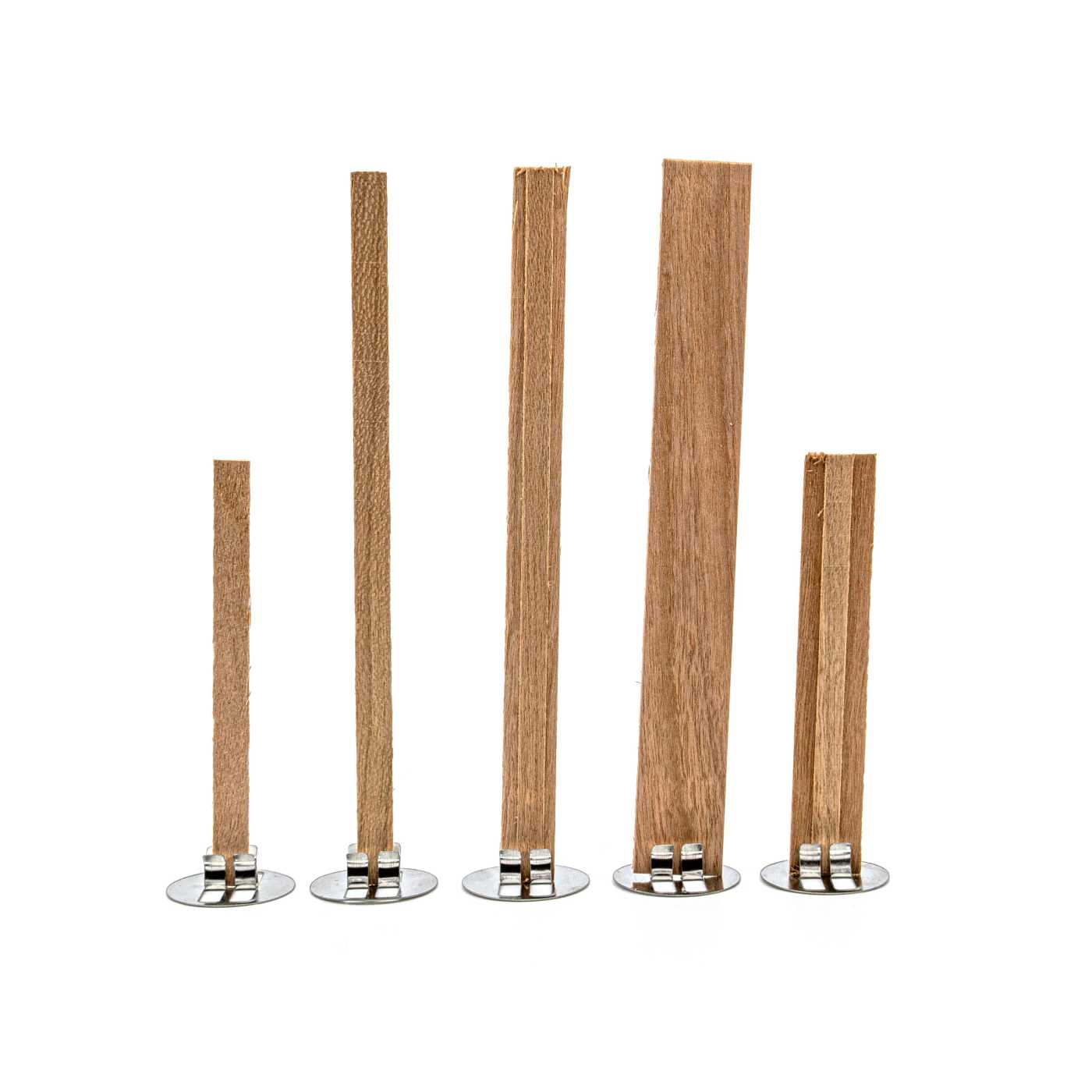
Cotton wicks are used in candles made from various waxes, for example soy wax, rapeseed wax, beeswax or paraffin wax. In jar candles, the wick is anchored with a metal sustainer, which holds it in the centre of the candle.
According to the manufacturer, the wick bends easily as it burns, so its tip reaches the hottest part of the flame and burns away completely. No unburnt residue remains on the tip, and the candle does not need to be trimmed as often.
The right wick size depends on the candle diameter, the type of wax and the amount of fragrance oil and dye. The same wick behaves differently in another wax or with a different fragrance dose, so it is not enough to choose it by the diameter of the jar alone.
A wick that is too thick causes soot, while a wick that is too thin leaves a pit around the flame and the wax by the walls remains unburnt. For every new combination of wax, fragrance and jar, we recommend testing the wick first.
The manufacturer recommends choosing the wick according to the specific candle and also offers an online wick configurator for selection. Treat the configurator result as a starting point; a test burn should confirm or refine it.
Anchor the wick in the jar with a metal sustainer so that it stays in the centre of the candle. Only then does the wax melt evenly across the whole surface.