Aloe vera (lat. Aloe Barbadensis) is not just a decoration in your home — this undemanding plant has been used for thousands of years thanks to its wide range of health and cosmetic effects. It is excellently suited to skin care in summer, when the skin is more strained and exposed to the sun. We will look at what aloe vera contains, in which forms you can incorporate it into your own cosmetics, and show you a simple recipe for a healing gel with aloe vera and oat silk.
About this recipe
The instructions for the healing gel with aloe vera and oat silk were prepared for us by our customer and creator Erika Samoľová. It is a simple gel cream with aloe vera suitable for skin strained by the sun, especially after sunbathing.
Since this is not a classic cream created by mixing a water phase, an oil phase and an emulsifier, this recipe is ideal for complete beginners in making cosmetics at home. Thanks to the content of aloe vera and oat silk, it is also suitable for soothing the skin after shaving and preventing ingrown hairs.

Main benefits
- First aid after the sun
The finished gel will help as first aid when treating sunburnt skin and when caring for skin that is strained during the summer.
- No emulsifier, no heating
It is not a classic cream made by mixing a water and an oil phase with an emulsifier, which is why the recipe is ideal for complete beginners.
- Soothing after shaving
Thanks to the content of aloe vera and oat silk, it is also suitable for soothing the skin after shaving and preventing ingrown hairs.
- Soft texture
By adding oat silk you obtain a soft texture and support the anti-inflammatory and regenerative effect of the product.
- No additional preservative
The Handymade aloe vera gel already contains preservatives, and since we are not adding any other water component to the recipe, no further preservatives are needed.
Product properties
Aloe vera — the royal ingredient in summer skin care
You have certainly already heard of the plant Aloe Vera (lat. Aloe Barbadensis). This undemanding plant is not only a decoration in the home, but has been used for thousands of years thanks to its wide range of health and cosmetic effects. It contains more than 70 different active components such as vitamins, enzymes, minerals, antioxidants and others. It has antibacterial and anti-inflammatory effects, helps with certain skin conditions (acne, psoriasis, eczema), reduces skin irritation, accelerates tissue regeneration and thus helps to heal minor wounds and injuries1. There are even studies that prove the positive effect of Aloe Vera on the treatment of burns and radiation burns2.
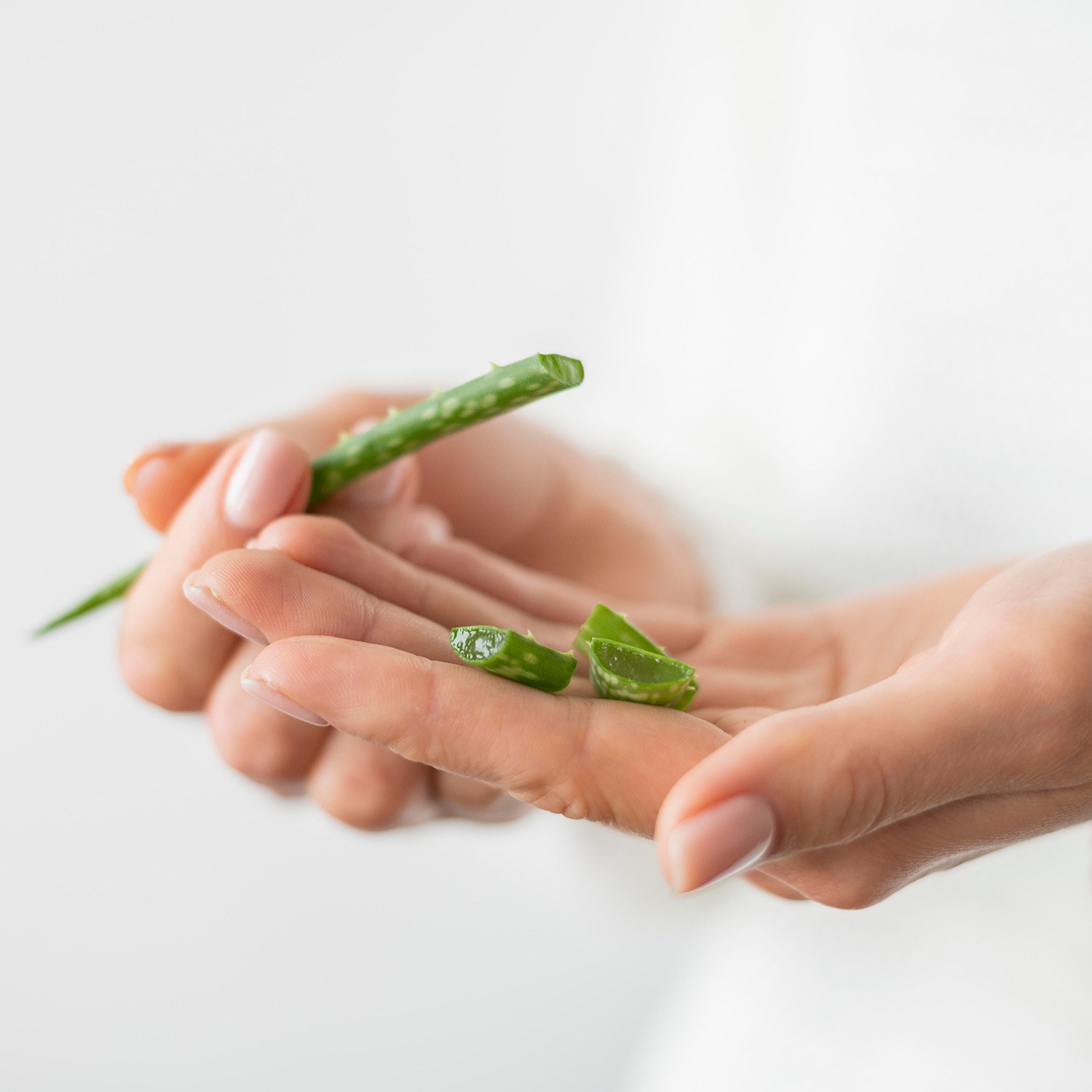
Aloe is excellently suited to skin care in summer, when the skin is more strained and exposed to the sun. It is possible to use the pulp from the plant directly; in such a case, however, it is recommended to perform a skin sensitivity test and to work carefully with the transparent, fleshy part of the leaf, since with direct use there may also be contact of the skin with the yellow, latex part of the pulp containing anthraquinones (aloin, barbaloin), which irritate the skin and may cause contact dermatitis2,3.
How to use aloe vera in natural cosmetics?
Nowadays it is very simple to incorporate Aloe Vera into your skincare routine; there is a wide range of safe Aloe Vera products of cosmetic grade available on the market. When creating your own cosmetics, depending on what product we are going to make, and also according to our own preferences, we can choose as the starting material Aloe Vera gel, Aloe Vera powder or juice.
We can also prepare a gel from the juice by adding 2 – 4 g of xanthan gum to 100 ml of Aloe Vera juice4. If we are preparing a richer cream for the whole body, we can use a butter containing Aloe Vera and coconut oil. Aloe Vera gel can be applied directly to the skin, but we can also very easily incorporate it into cosmetic products — for example into the gel cream in the recipe below.
Key ingredients in the recipe
The recipe is built on four ingredients — the aloe vera gel base, the oil blend and oat silk. Below we go through the role each of them plays in it.
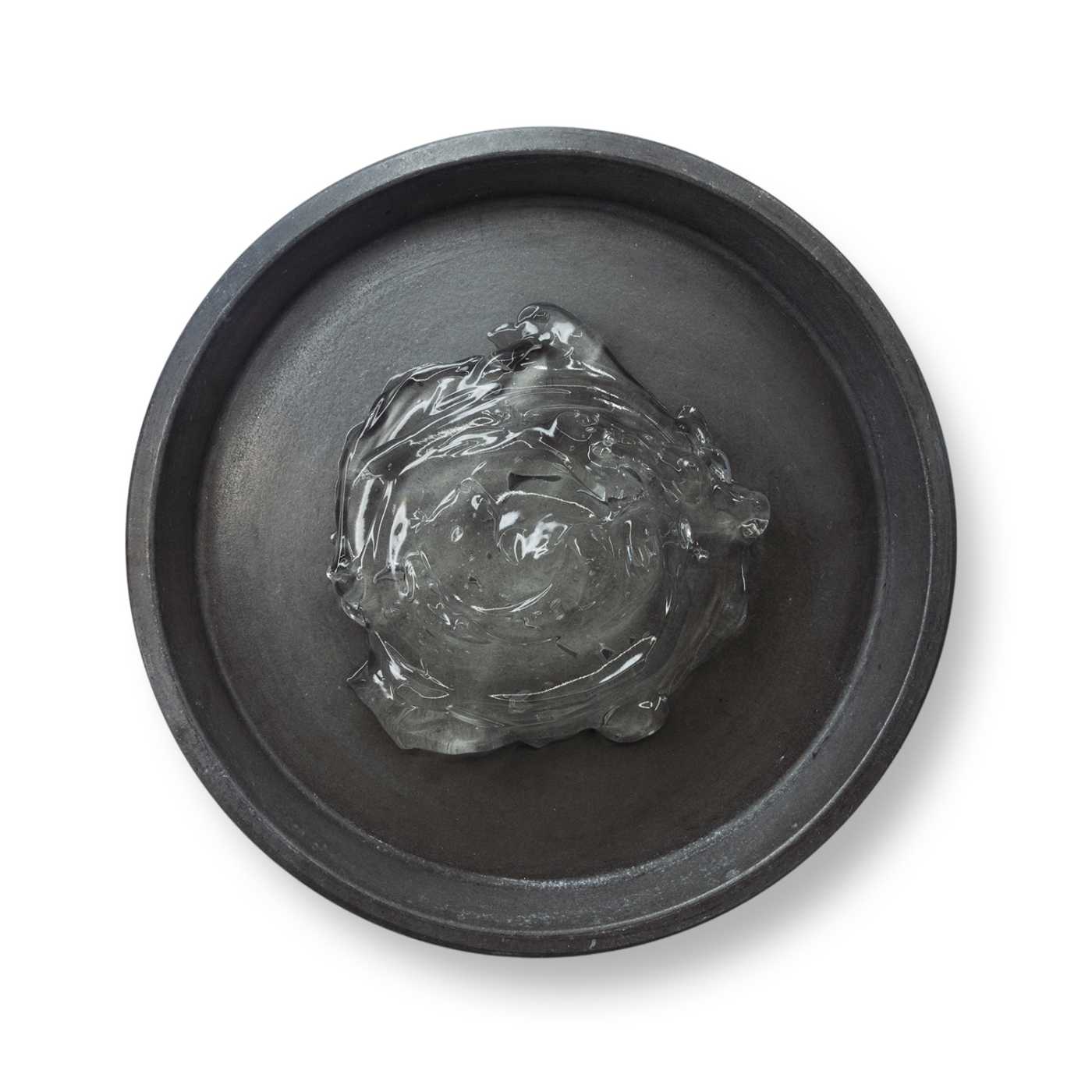
Aloe vera gel
Aloe vera gel forms the base of the recipe — it is the starting material, which we can apply directly to the skin, but which we can just as easily incorporate into cosmetic products. The Handymade gel already contains preservatives, and since we are not adding any other water component to the recipe, we do not have to add further preservatives to the cream.
Oat silk
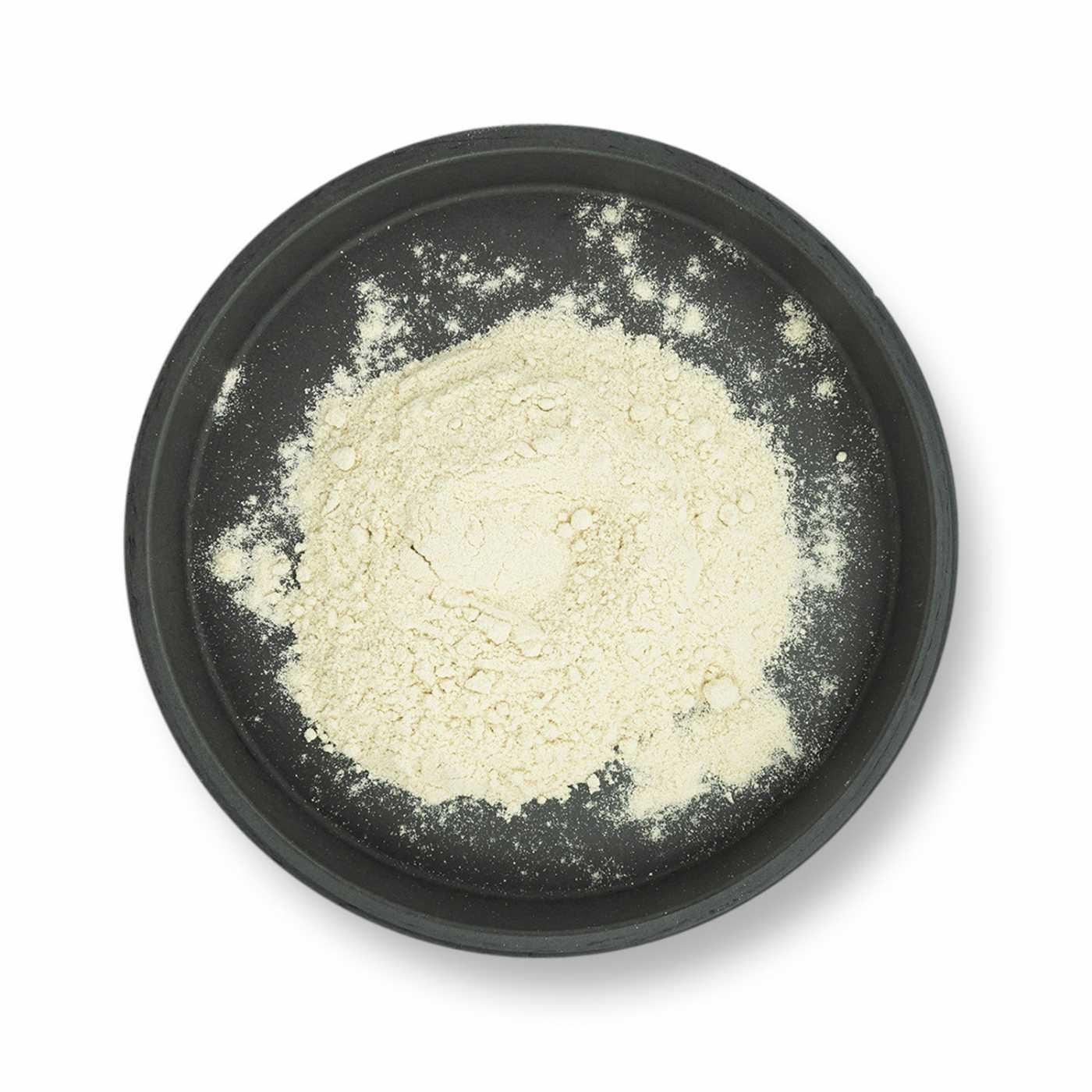
The beneficial effects of oat silk have already been given attention on the Handymade blog. By adding it to the recipe we obtain a soft texture and support the anti-inflammatory and regenerative effect of the product. If you suffer from a wheat allergy or intolerance, it is possible to omit the oat silk from the recipe.
Jojoba oil
Jojoba oil together with argan oil forms the oil blend of the recipe. It is in this blend that the oat silk is dispersed — a milky white, smooth suspension is formed, which we pour, while constantly stirring, into the weighed amount of aloe vera gel.
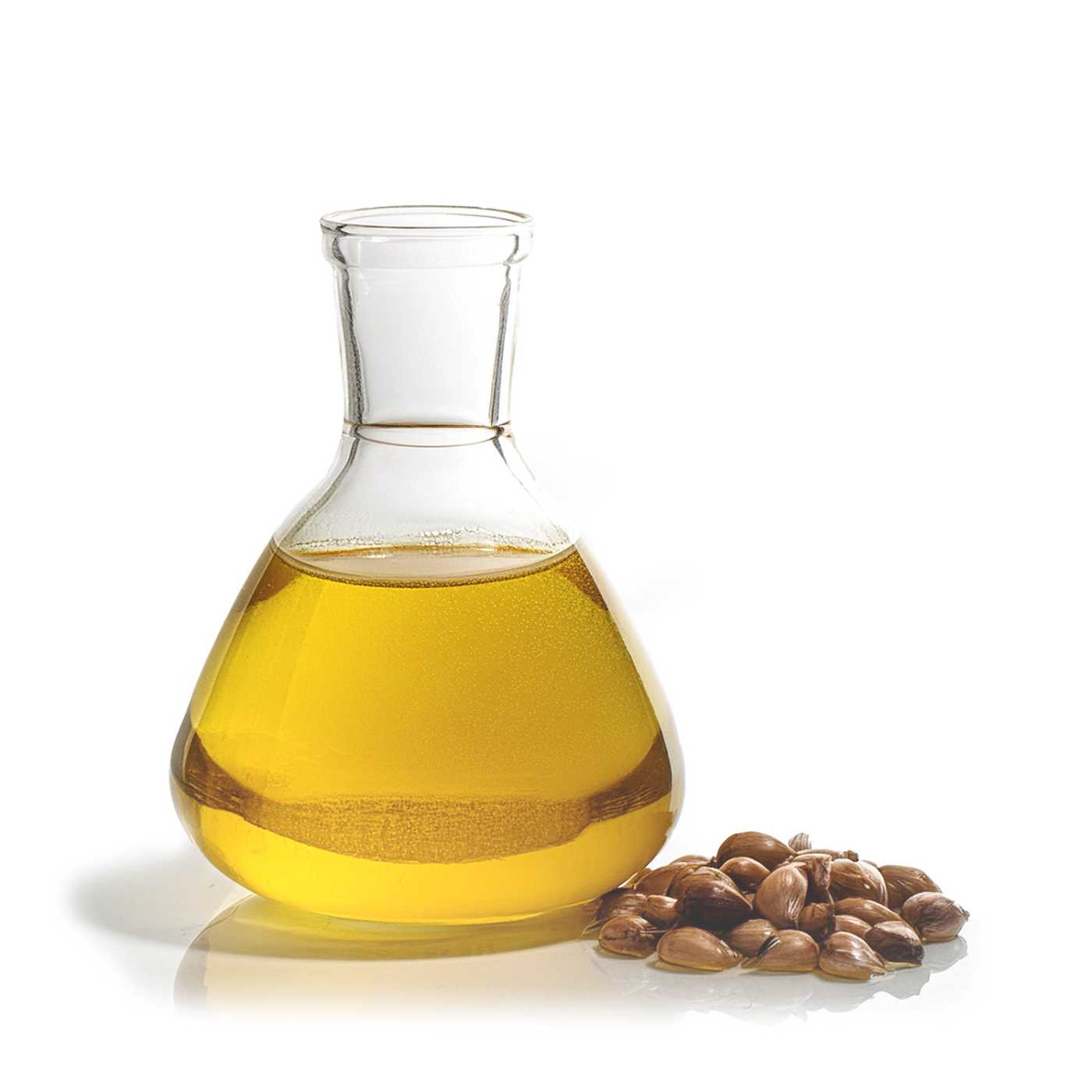
Argan oil
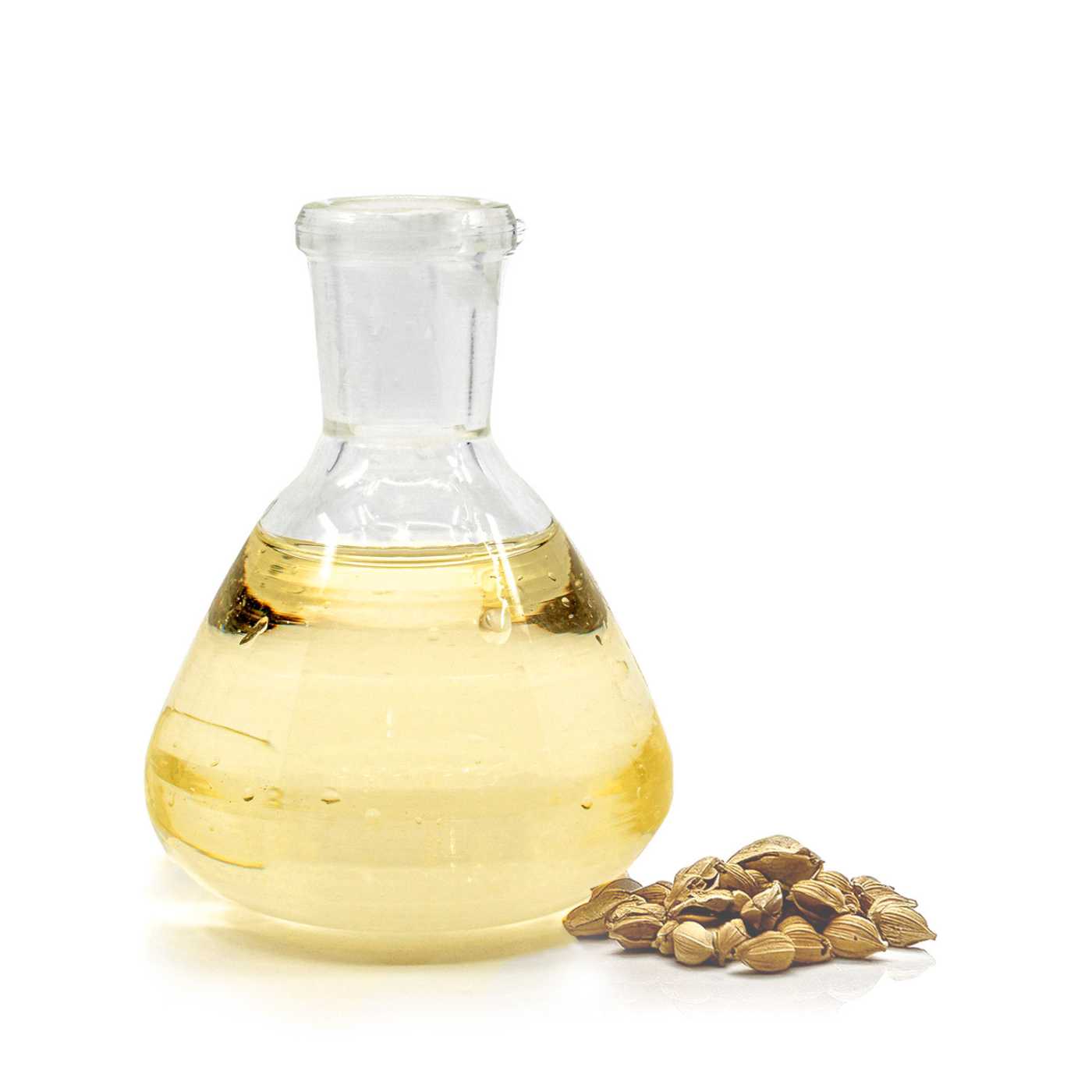
Argan oil completes the oil blend in a ratio of 4 g to 6 g of jojoba oil. The oil blend is not combined with a water phase through an emulsifier as it is in a classic cream — which is why even complete beginners can manage the method.
Other ingredients
Liquid Vitamin E is added to the mixture in an amount of 8 drops, together with the essential oil.
Lime essential oil gives the gel its scent — a few drops are enough. We can replace it with another essential (fragrance) oil if we wish. If we use lime essential oil, or other citrus oils (orange, grapefruit…), it is advisable to avoid immediate exposure of the skin to sunlight, since these essential oils may cause photosensitivity.
Recipe (50 g)
The ingredients for making the healing gel with aloe vera and oat silk are given for 50 g of cream. Vitamin E and the essential oil are dosed in drops; weigh out the remaining ingredients.
Shop the ingredients for this recipe
Untick what you already have- Aloe Vera Gel, 200 guses 40 gin stock€7.99
- Jojoba Oil, Cold Pressed, Organic, 100 mlrecipe uses 6,00 gin stock€7.34
- Argan Oil, Cold Pressed, Deodorized, Organic, 100 mlrecipe uses 4,00 gsold outWatch availability€9.96
- Oat Silk, Colloidal Oat Flour, Organic, 50 guses 2.5 gin stock€4.49
 Vitamin E, DL-Alpha Tocopherol, Liquid 96%, 10 mlin stock€3.14
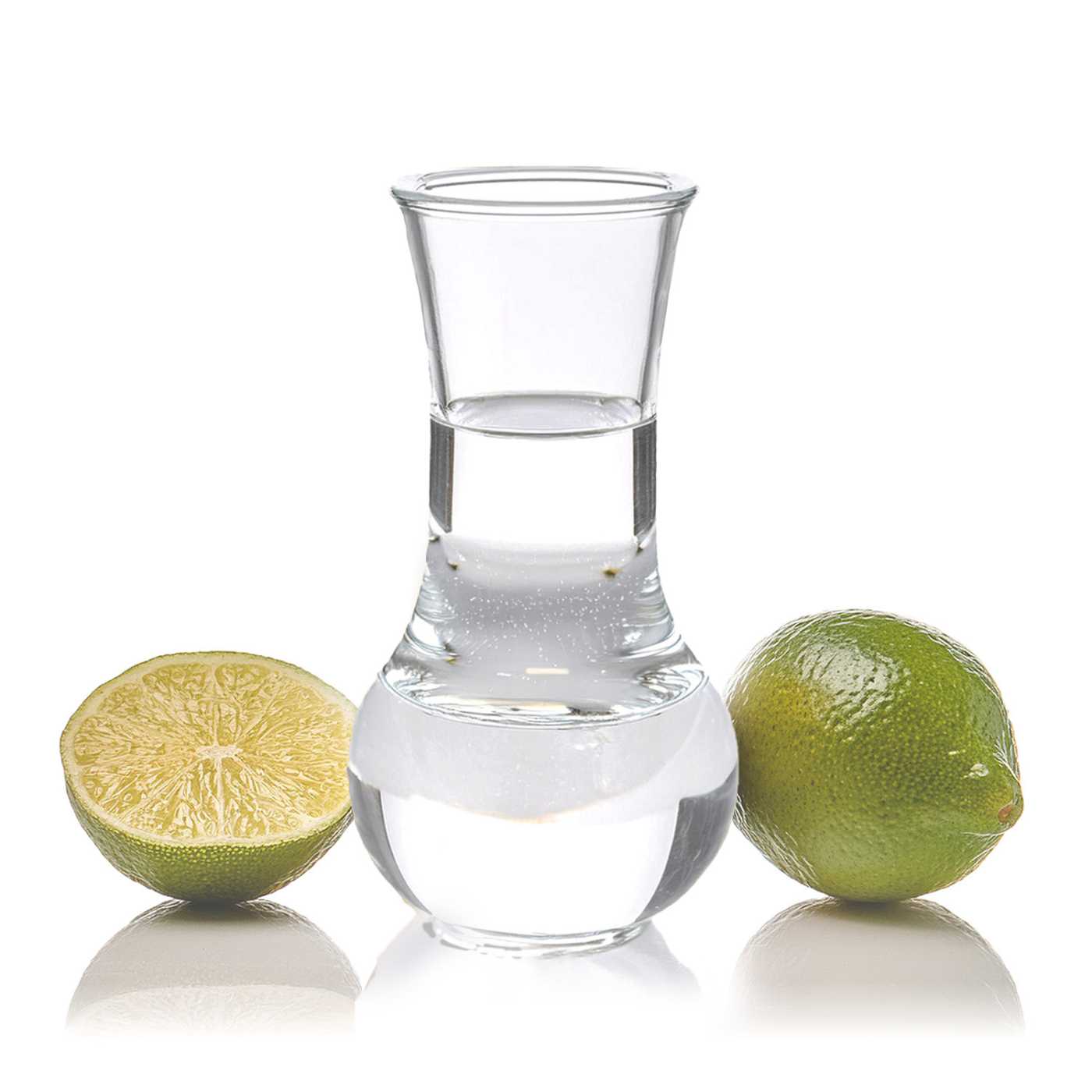 Lime Essential Oil, 10 mlsold outWatch availability€1.77
| Ingredient | Amount (50 g) |
|---|---|
| Aloe vera gel | 40 g |
| Jojoba oil | 6 g |
| Argan oil | 4 g |
| Oat silk | 2.5 g |
| Liquid Vitamin E | 8 drops |
| Lime essential oil | a few drops |
How to make it
- Oat silk suspension
Disperse the oat silk in the mixture of jojoba and argan oil. A milky white, smooth suspension is formed.
- Pouring into the aloe vera gel
Pour the suspension, while constantly stirring, into the weighed amount of Aloe Vera gel.
- Vitamin E and essential oil
Add the Vitamin E and the lime essential oil (which we can replace with another essential (fragrance) oil if we wish).
- Stirring until smooth
Stir evenly until you achieve a smooth, uniform consistency.
- No further preservation
The aloe vera gel from Handymade already contains preservatives, and since we are not adding any other water component, we do not have to add further preservatives to the cream.
How to use it
The finished gel will help as first aid when treating sunburnt skin. It is suitable for skin strained by the sun, especially after sunbathing, and thanks to the content of aloe vera and oat silk also for soothing the skin after shaving and preventing ingrown hairs.
If you have used lime essential oil or other citrus oils (orange, grapefruit…) in the gel, it is advisable to avoid immediate exposure of the skin to sunlight — these essential oils may cause photosensitivity.
Warning
If you suffer from a wheat allergy or intolerance, it is possible to omit the oat silk from the recipe.
Allergy to Aloe itself is not common, but it is certainly necessary to be cautious at first use, especially if you suffer from an allergy to tulips, onions or other plants of the genus Liliceae.
If you use the pulp from the plant directly, perform a skin sensitivity test and work carefully with the transparent, fleshy part of the leaf — the yellow, latex part of the pulp contains anthraquinones (aloin, barbaloin), which irritate the skin and may cause contact dermatitis2,3.
Frequently asked questions about the recipe
Practical questions about aloe vera and the healing gel — using the pulp, preparing a gel from the juice, preservation, allergies and the sun.
Can I use the pulp directly from the plant?
Yes, the pulp from the plant can be used directly, but it is recommended to perform a skin sensitivity test and to work carefully with the transparent, fleshy part of the leaf. With direct use there may be contact of the skin with the yellow, latex part of the pulp containing anthraquinones (aloin, barbaloin), which irritate the skin and may cause contact dermatitis.
How do I prepare a gel from aloe vera juice?
You prepare a gel from the juice by adding 2 – 4 g of xanthan gum to 100 ml of Aloe Vera juice.
Does the healing gel need a preservative?
No. The Handymade aloe vera gel already contains preservatives, and since we are not adding any other water component to the recipe, no further preservatives are needed.
What if I have a wheat allergy or intolerance?
In that case it is possible to omit the oat silk from the recipe. Allergy to Aloe itself is not common, but caution is appropriate at first use, especially with an allergy to tulips, onions or other plants of the genus Liliceae.
Can I use the gel before going out in the sun?
If you have used lime essential oil or other citrus oils (orange, grapefruit…), it is advisable to avoid immediate exposure of the skin to sunlight — these essential oils may cause photosensitivity.
Which form of aloe vera should I choose for my own cosmetics?
It depends on the product you are making: as the starting material you can choose Aloe Vera gel, powder or juice. If you are preparing a richer cream for the whole body, a butter containing Aloe Vera and coconut oil is a good choice.
Sources
1. Surjushe, A., Vasani R., Saple, D. G. Aloe Vera: A Short Review. Indian J Dermatol. 2008, 53(4), p 163-166. doi: 10.4103/0019-5154.44785
2. Shelton, R. M. (1991). Aloe Vera. Its Chemical and Therapeutic Properties. International Journal of Dermatology, 30(10), 679–683. doi:10.1111/j.1365-4362.1991.tb02607.x
3. Ferreira, M. et al. Allergic Contact Dermatitis to Aloe Vera. Contact Dermatitis, 2007, doi: 10.1111/j.1600-0536.2007.01118.x
4. Klimentová, J. (2018). Kozmetika hrou. 2018. Albatros Media. ISBN 978‑80‑566‑0735‑0
Aloe vera gel, juice, powder and butter, oat silk and the vegetable oils from this recipe can all be found in the Handymade range of ingredients.