
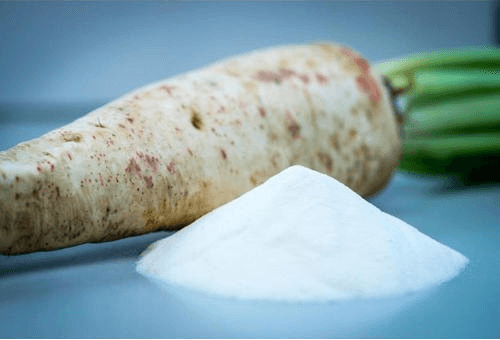
Inulin is a polysaccharide obtained from chicory roots, and in natural cosmetics it works as a prebiotic — it supports the skin’s own microbiota and the growth of bacteria that the skin needs. Did you know that probiotics and prebiotics can also be used in your cosmetic products? An excellent tip for you is inulin.
About this article
In this article we will go through what inulin is and where it comes from, how a prebiotic works with the skin’s microbiota and why not even a natural preservative destroys its effect. We will also look at the conditions under which the prebiotic survives — temperature and pH range — and which hair and body care products inulin suits.
Main benefits
- A prebiotic for the skin
Supports the skin’s own microbiota and the growth of bacteria that the skin needs.
- Holds pathogens back
At the same time it stops the growth of undesirable and harmful pathogens.
- A whole range of microbes
By adding prebiotics you are not adding just one type of microbe, but a whole range — there are more than 1000 types.
- The skin regulates itself
You enable the skin to regulate the supply of beneficial microbes itself, based on the individual microbiotic state of the skin.
- A preservative will not destroy it
The effects of inulin are not deactivated by the preservative system as probiotics are — a natural preservative will not destroy the effect of the prebiotics.
- Easily soluble in water
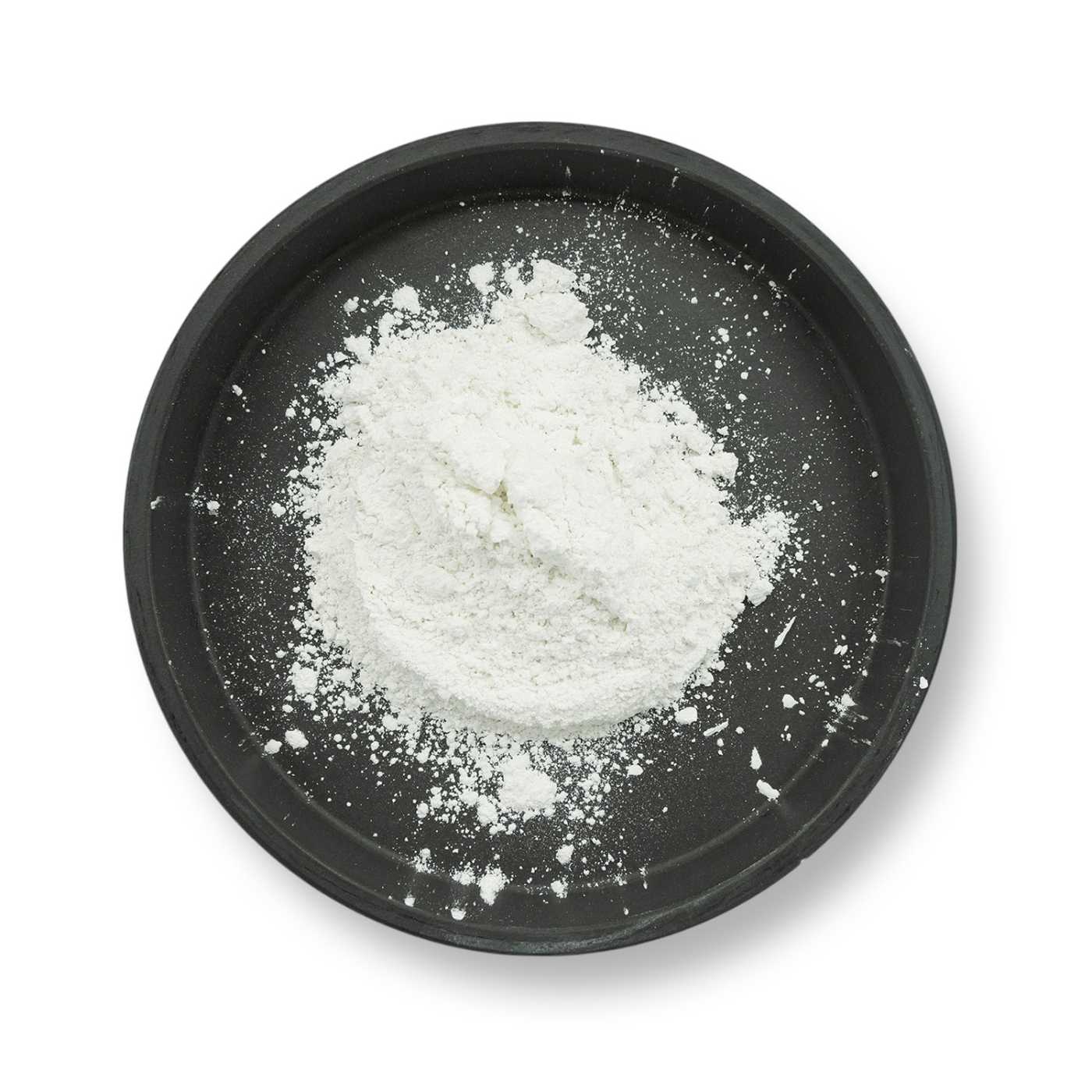
The powder is easily soluble in water.
Ingredient properties
Inulin — characteristics
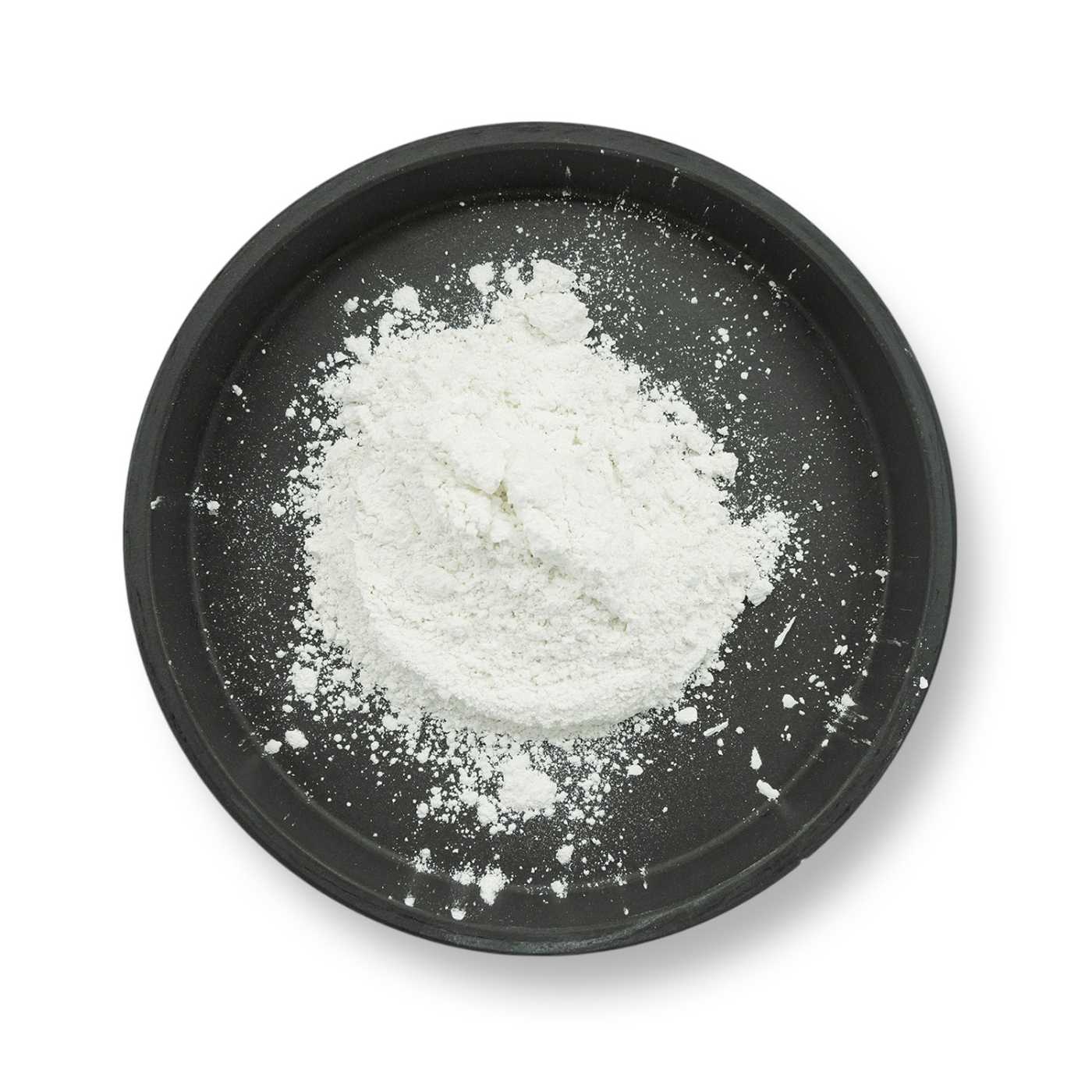
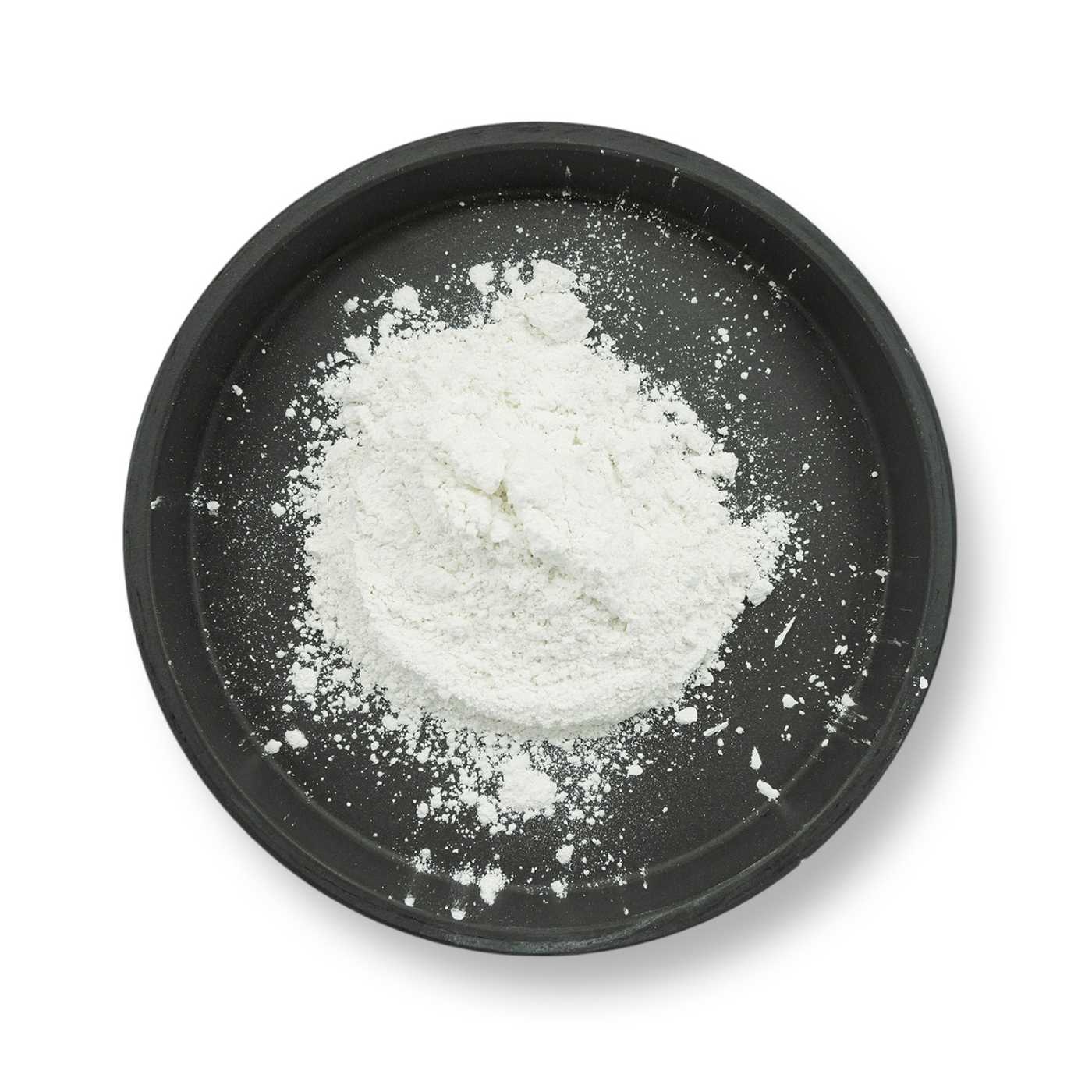
It is a polysaccharide obtained from chicory roots. It consists of 90% inulin and 10% fructose.
It is a prebiotic that supports the skin’s own microbiota (which is actually a mixture of all microbes, such as protozoa, viruses, bacteria and fungi; in general, the microbial skin community is similar in humans, although it is never completely identical) and the growth of bacteria that are necessary for the skin. At the same time it stops the growth of undesirable and harmful pathogens.
Why prebiotics belong in your products
By adding prebiotics to your products you are therefore not adding only one type of microbe, but a whole range (there are more than 1000 types), thereby enabling the skin to regulate the supply of beneficial microbes itself based on the individual microbiotic state of the skin.
And one more very important piece of information. The effects of inulin are not deactivated by the preservative system as probiotics are. This means that if you add a natural preservative to your product, the effect of the prebiotics will not be destroyed.
How to incorporate inulin correctly
However, in order not to destroy or reduce the effect of the prebiotics, you need to incorporate this powder correctly into the making of your product.
- Watch the temperature less than 60 °C
The maximum temperature at which the prebiotic survives is less than 60 °C.
- Check the pH pH 4.3 – 10.0
The prebiotic survives in the pH range 4.3 – 10.0.
- Dissolve it in water
The powder is easily soluble in water.
Possible uses
You can use inulin in all hair (including the scalp) and body cosmetic products, such as:
- shampoos
- micellar waters
- toners
- serums
- emulsions
- masks
- shower gels
Frequently asked questions about inulin
Practical questions about this ingredient — what inulin is, how it acts on the skin, how to incorporate it and what it suits.
What is inulin and where does it come from?
Inulin is a polysaccharide obtained from chicory roots. It consists of 90% inulin and 10% fructose.
How does inulin act on the skin?
It is a prebiotic that supports the skin’s own microbiota and the growth of bacteria that the skin needs. At the same time it stops the growth of undesirable and harmful pathogens.
Will a natural preservative destroy the effect of inulin?
No. The effects of inulin are not deactivated by the preservative system as probiotics are — if you add a natural preservative to your product, the effect of the prebiotics will not be destroyed.
At what temperature and pH does inulin survive?
The maximum temperature at which the prebiotic survives is less than 60 °C, and the range is pH 4.3 – 10.0. The powder is also easily soluble in water.
Which products is inulin suited to?
All hair (including the scalp) and body cosmetic products — shampoos, micellar waters, toners, serums, emulsions, masks and shower gels.
Inulin — prebiotics for the skin — comes in 50 g, 100 g and 1 kg packs and you will find it among the active ingredients in the Handymade range of raw materials.