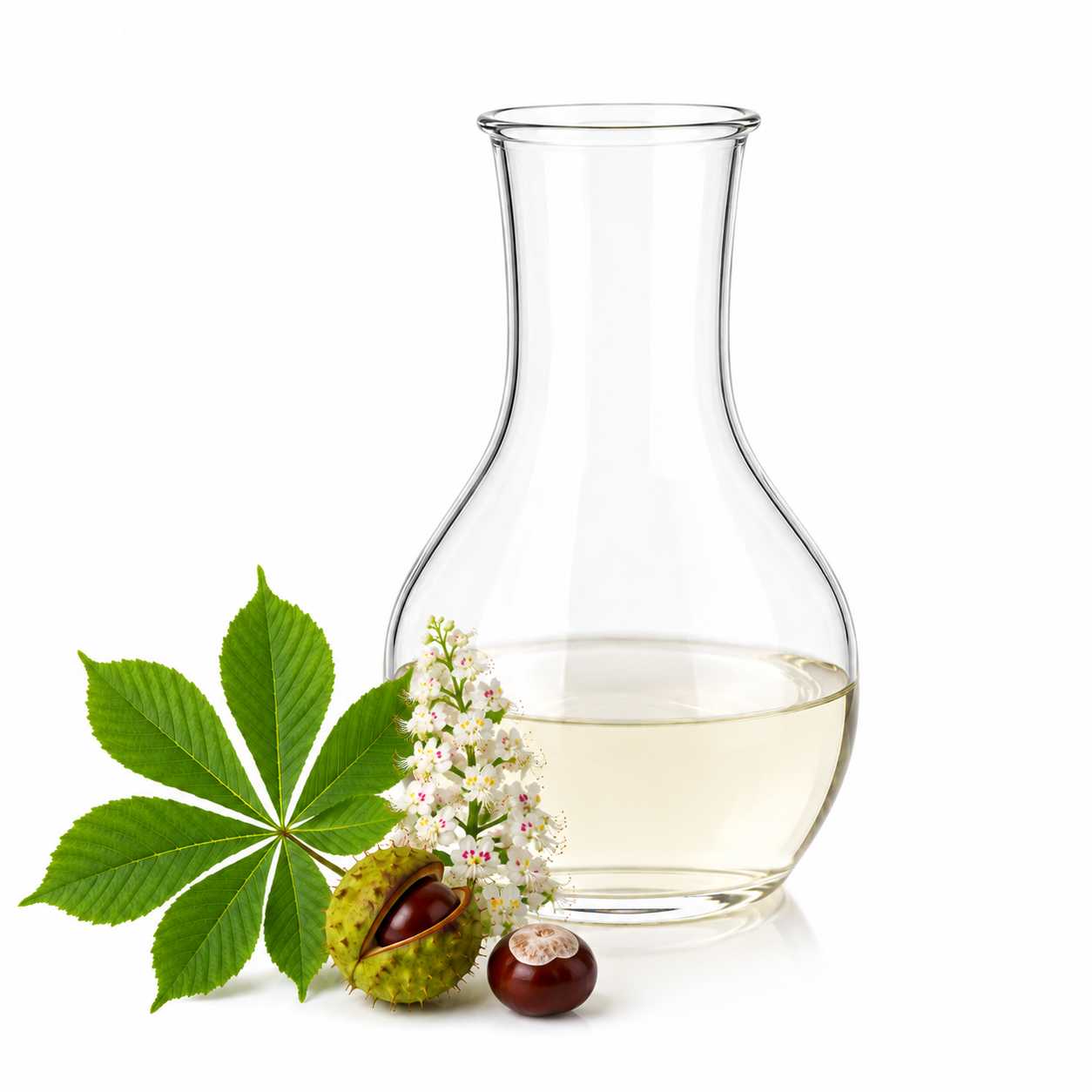
Active Aqueous Extract of Horse Chestnut, Organic, 100 ml
Pre-order€6.19(€61.90/l)

ACTIVE INGREDIENTS
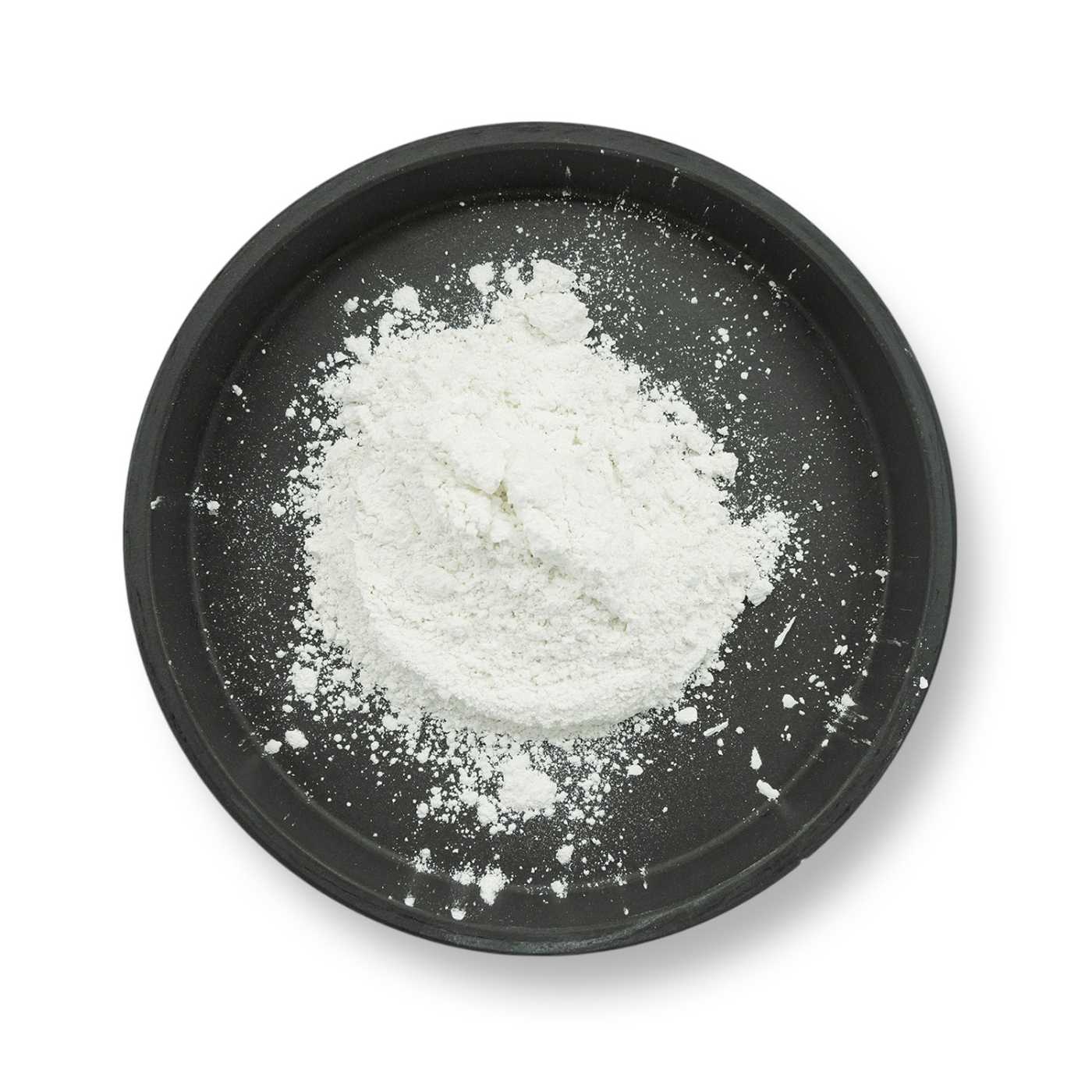
Inulin is a prebiotic from chicory root that serves in cosmetics as nourishment for the beneficial bacteria of the skin microbiome . It also binds water as a humectant and gives hair a conditioning effect. full description
Lowest price in the last 30 days: €20.99
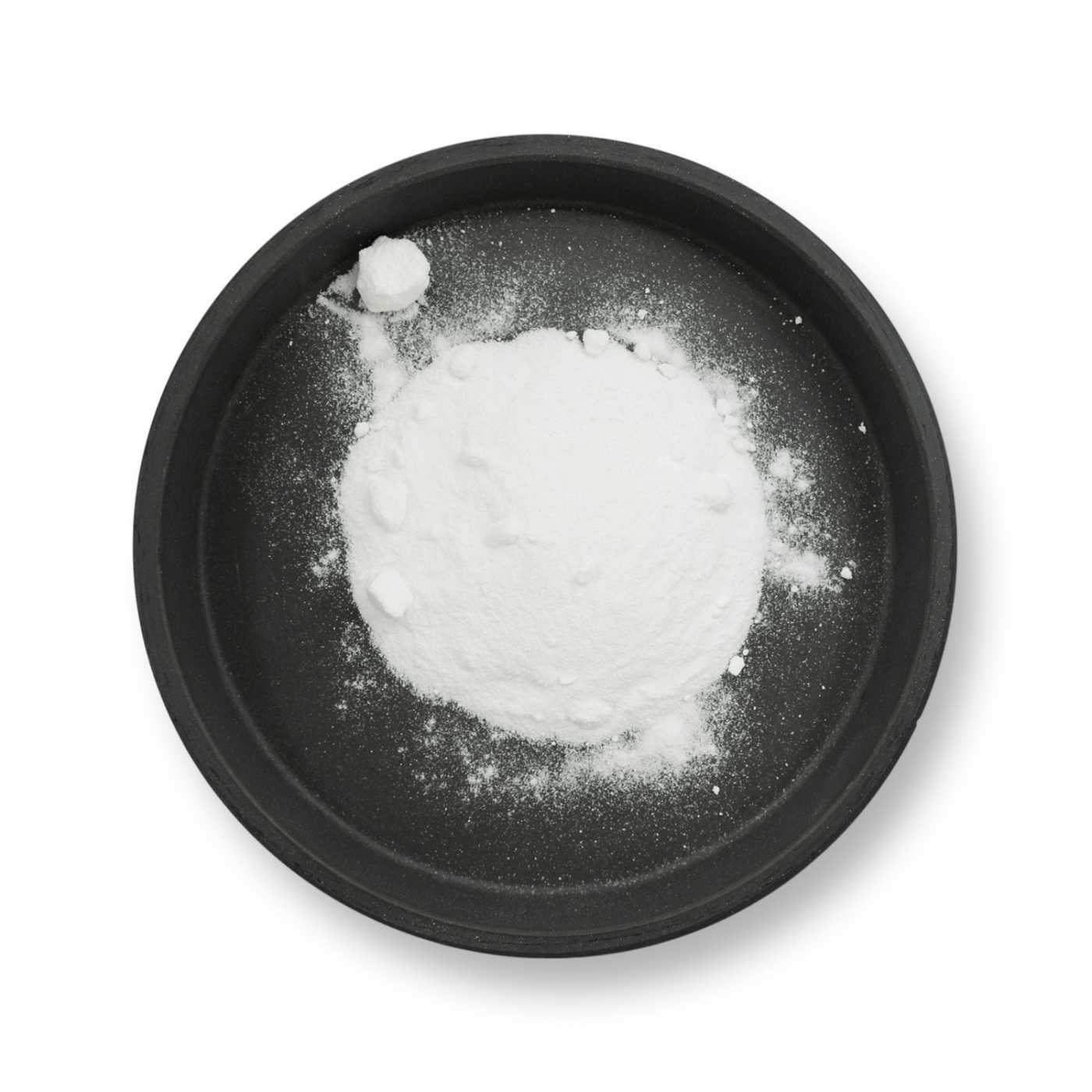
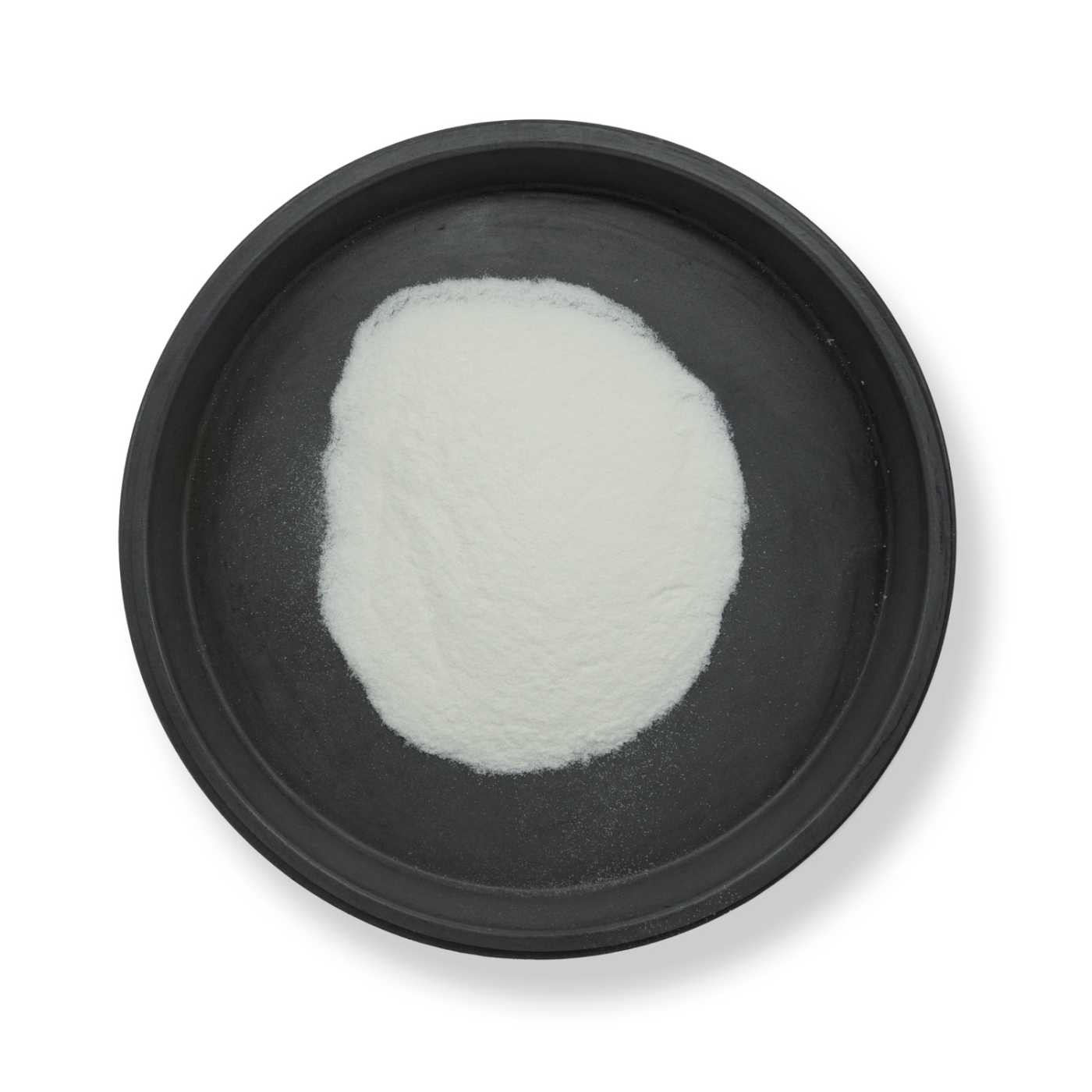
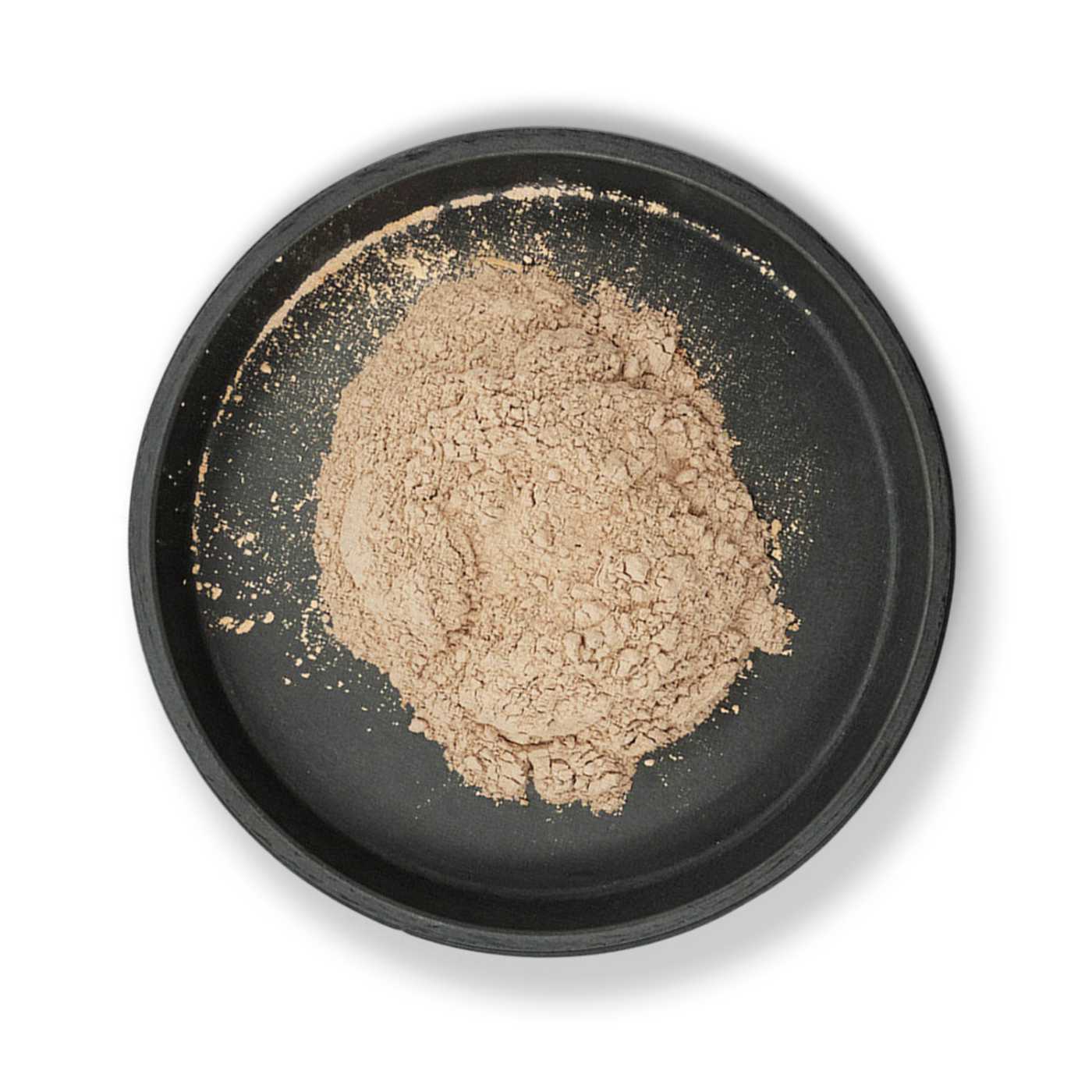
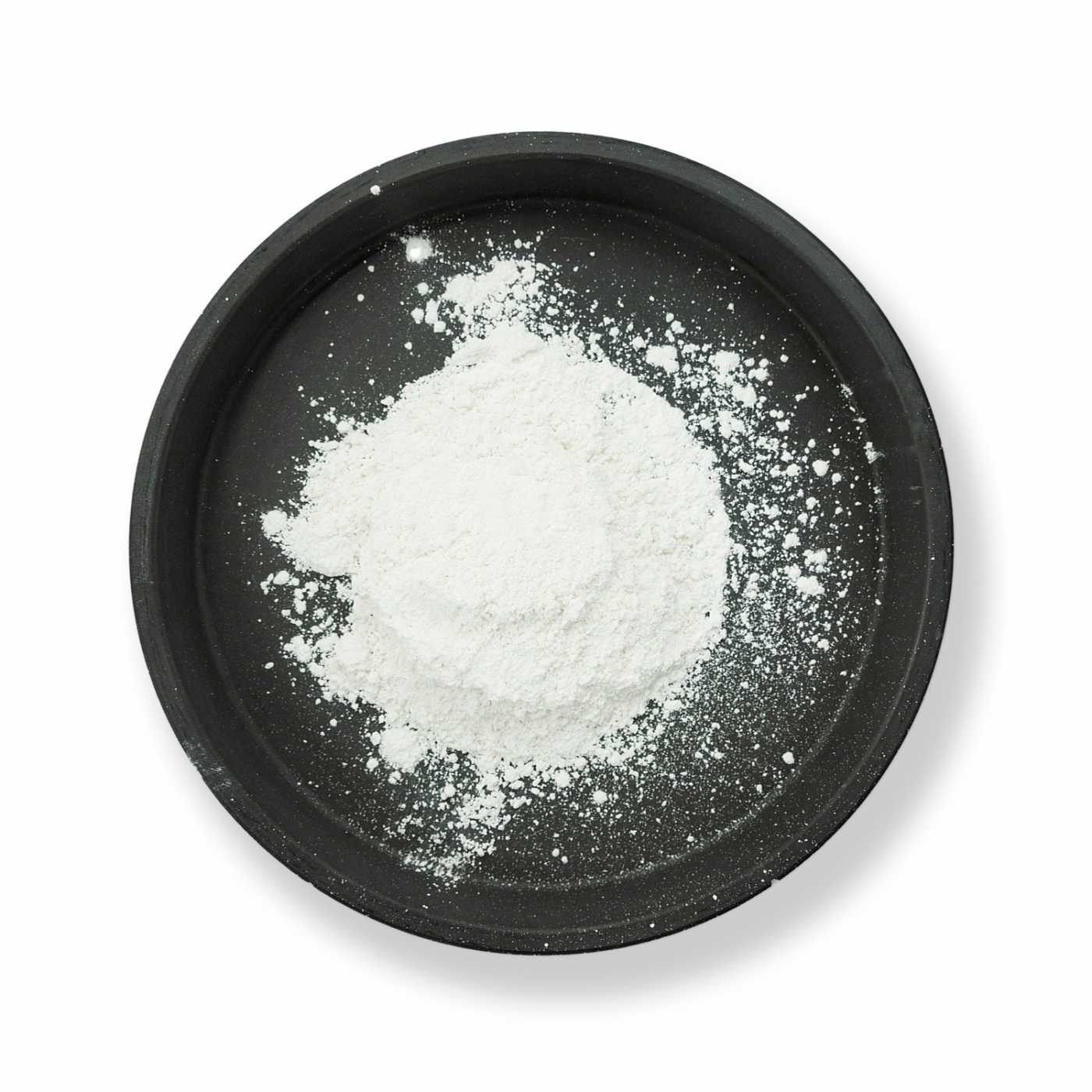
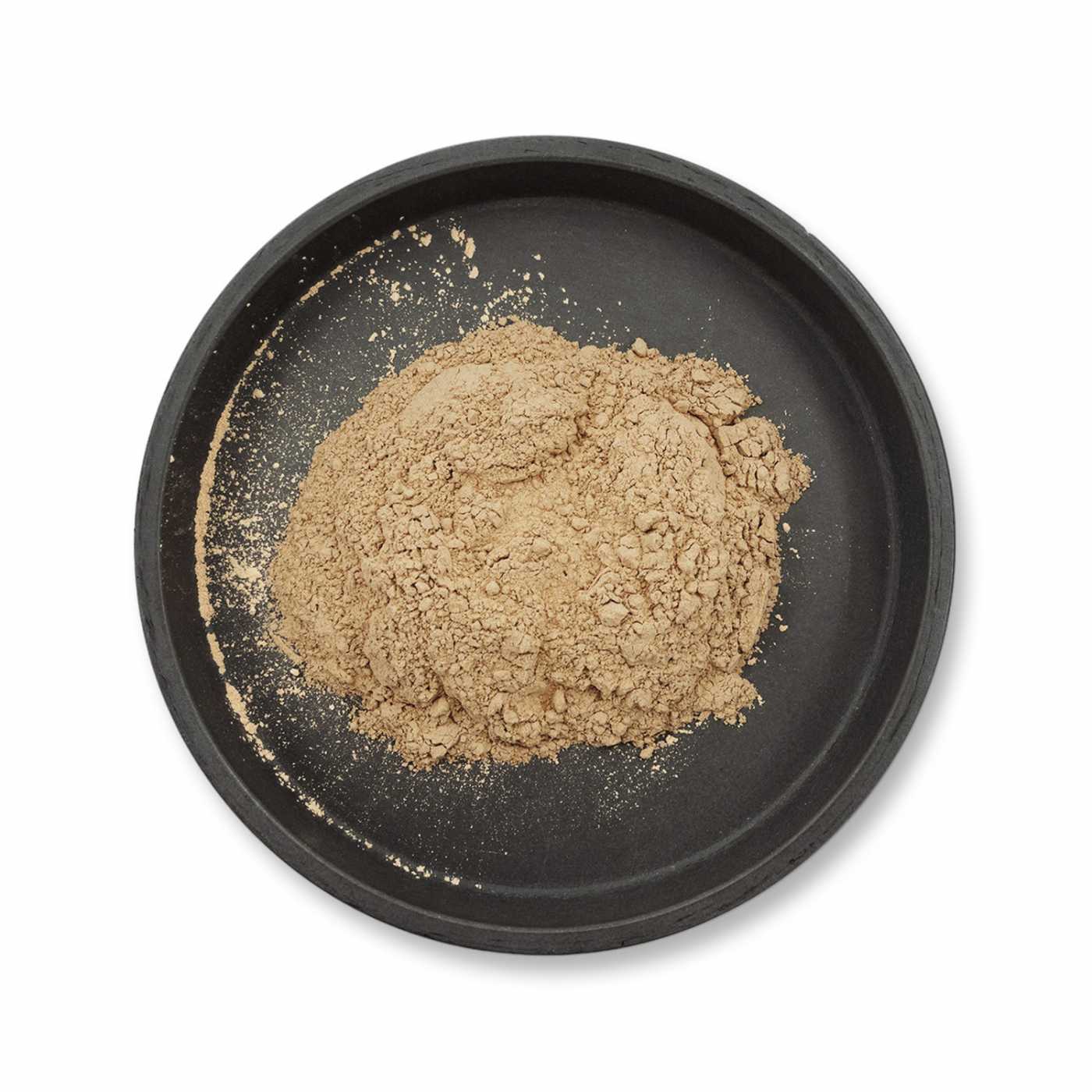
Inulin is a prebiotic from chicory root that serves in cosmetics as nourishment for the beneficial bacteria of the skin microbiome. It also binds water as a humectant and gives hair a conditioning effect. It is easy to add to a formulation: the powder is stirred into the water phase of a serum, cream or shampoo.
It suits products for the face, body, hair and scalp, both rinse-off and leave-on, as well as products for sensitive skin. The ingredient is of European origin and is of both cosmetic and food grade.
Inulin is a storage polysaccharide of plants made up of fructose chains. A community of microorganisms, the skin microbiome, lives on the skin, and its beneficial bacteria need nutrients. A prebiotic supplies them. It does not add any bacteria to the product; it supports those that are already on the skin.
The second role is hydration. As a polysaccharide with many hydroxyl groups, inulin binds water and helps retain it on the surface of the skin. In shampoos, conditioners and scalp products it acts as a conditioning agent.
Inulin belongs in the water phase. It does not dissolve in oil or alcohol. Sprinkle the powder into water or hydrosol and stir until it dissolves evenly. Only then add the other ingredients. At 20 °C, 5–200 g/l dissolves in water.
The usage rate is 0.5–5%. Recipes most often use 1–3%, around 1% in serums and around 2% in creams.
It is processed at a temperature below 80 °C. It is usually heated to 75 °C together with the water phase of the emulsion. It can also be added cold to a finished emulsion, premixed in glycerine. This disperses it evenly and prevents lumps.
A product containing inulin should have a pH of 4–8. A 10% solution on its own has a pH of 5–7. From pH 5 upwards, inulin is stable even during heating.
At pH 4 and below, the inulin chains break down into fructose and glucose, and the higher the temperature and the longer the heating, the faster this happens. Do not heat acidic products above 60 °C.
It is not suitable for anhydrous products such as oil serums, balms and butters.
In gels and thickened products, the order matters. Inulin is dissolved in the water phase first and the gelling ingredient is added afterwards, with constant stirring. It is a good idea to premix xanthan gum or tara gum in glycerine into a paste beforehand to prevent lumps.
Inulin changes the viscosity of products with gums. The ratio of gum to inulin therefore needs to be fine-tuned. In scrubs, the gum keeps the particles in suspension; inulin alone is not enough for this.
In shampoos and scrubs with surfactants, add the surfactants first and only then the gum paste. Stir slowly so that the product does not foam.
Concentrated solutions separate in the cold. On cooling or freezing, a thick pasty layer and a thin liquid form. The lower the temperature, the more sediment. Concentrated water-based products should therefore not be stored in the cold.
When weighing, avoid stirring up the fine dust. Organic dust can explode on contact with fire or a static discharge.
The ingredient contains no preservatives. A finished product with a water phase must be preserved, and we recommend checking its pH and stability.

A versatile ingredient that's easy to incorporate and useful for adding skin-conditioning benefits to water-based formulations.
Translated automatically

Variant: Inulín, prebiotiká pre pokožku, 100 g

Variant: Inulín, prebiotiká pre pokožku, 100 g