+421 950 333 113info@handymade.store−10 %Shop now

ACTIVE INGREDIENTS

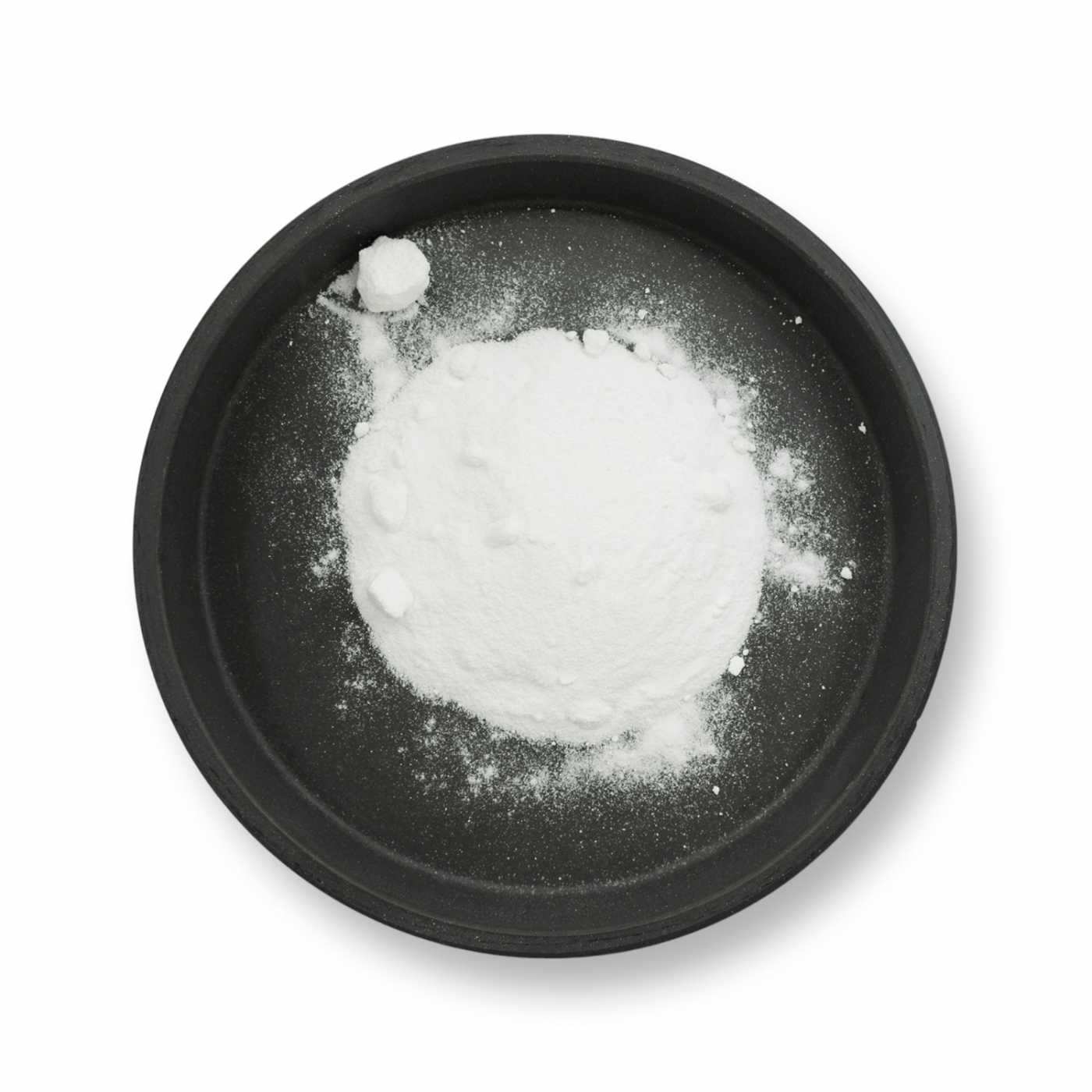
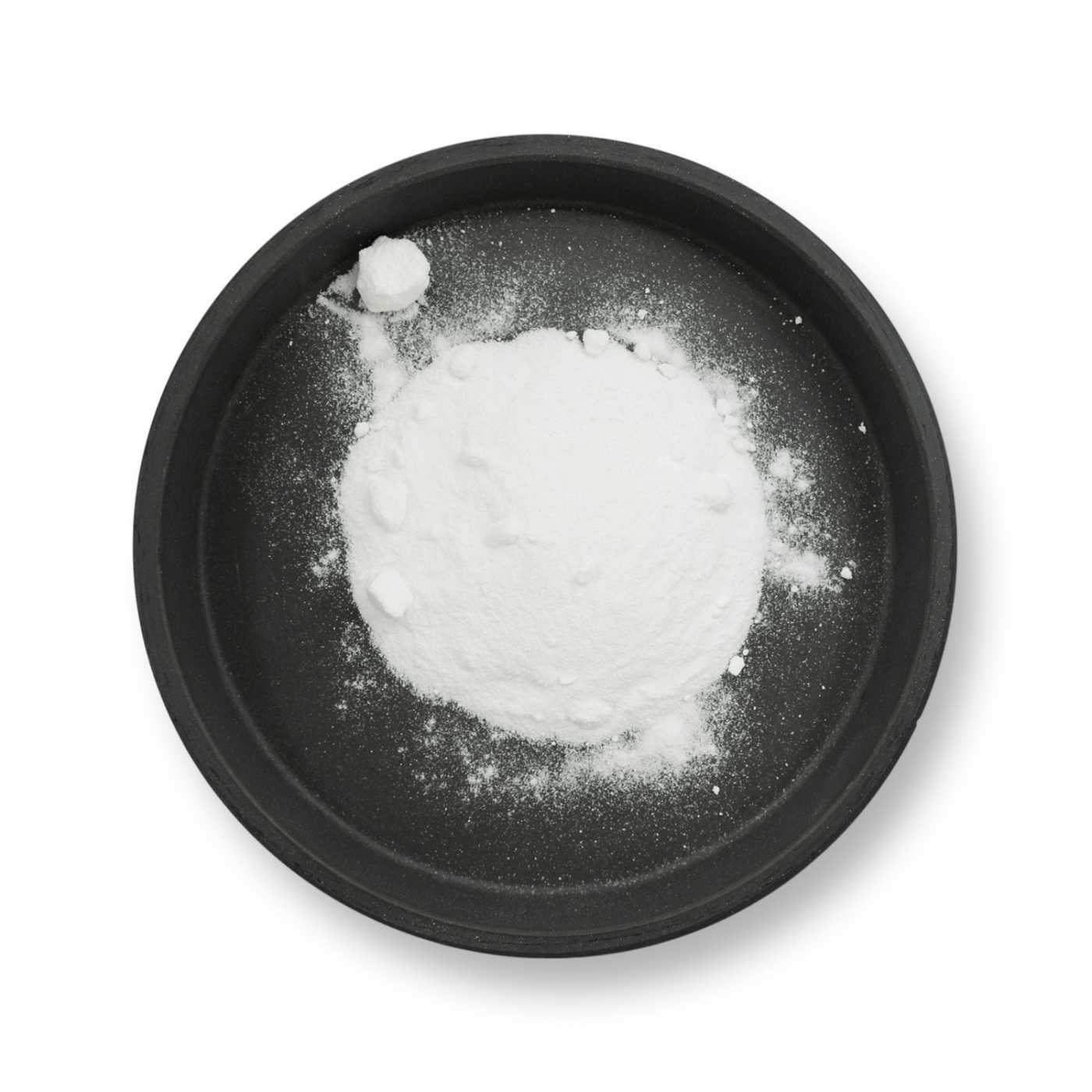
Inulin, skin prebiotics, 100 g

Pack size50 g100 g1 kg

Inulin is a prebiotic from chicory root that serves in cosmetics as nourishment for the beneficial bacteria of the skin microbiome . It also binds water as a humectant and gives hair a conditioning effect. full description

AvailabilityIn stock · 25 packs
Product codeAD035_100
BatchL00118513
Best before03/2031
€3.66incl. VAT€36.60/kg

Lowest price in the last 30 days: €3.66

Product description

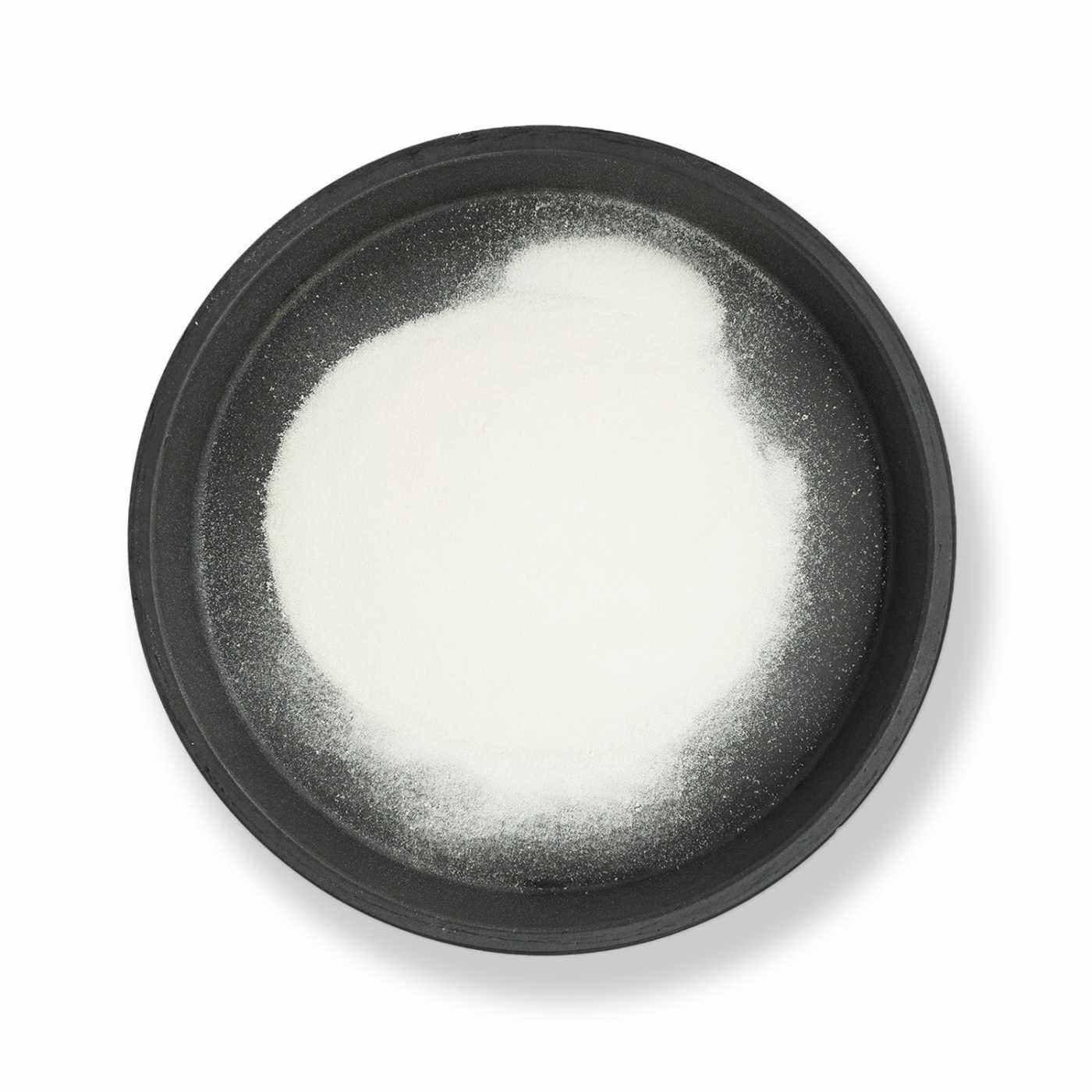
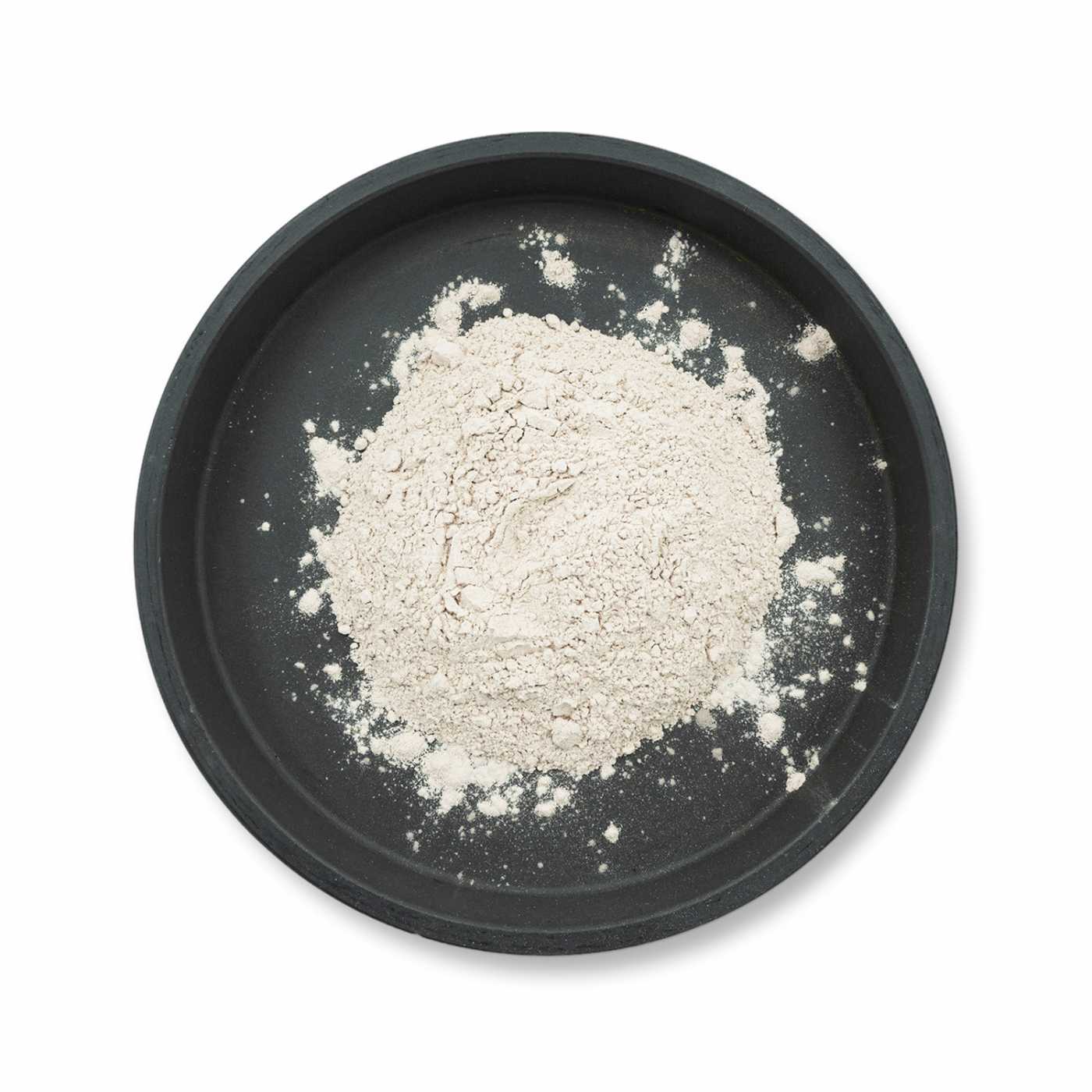
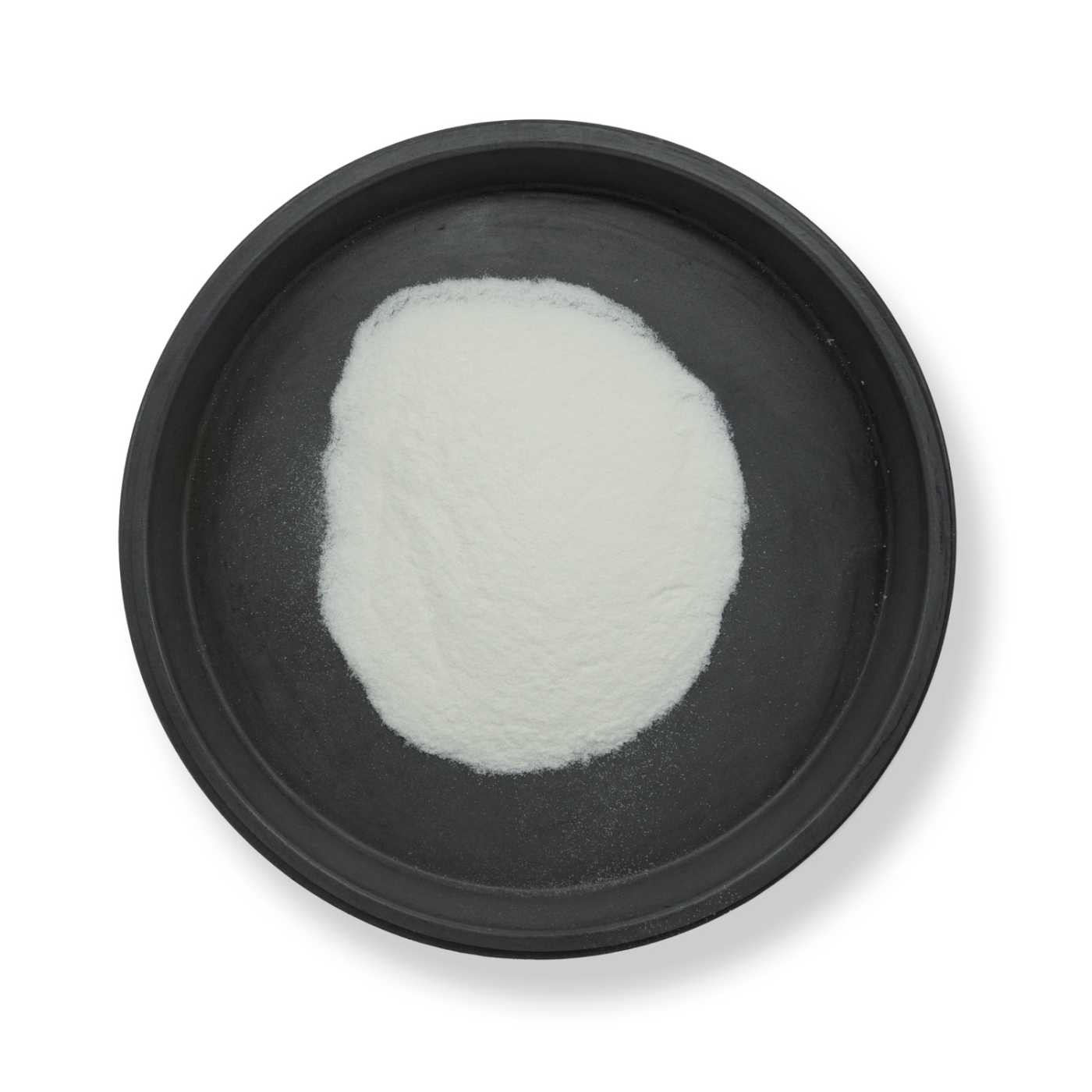
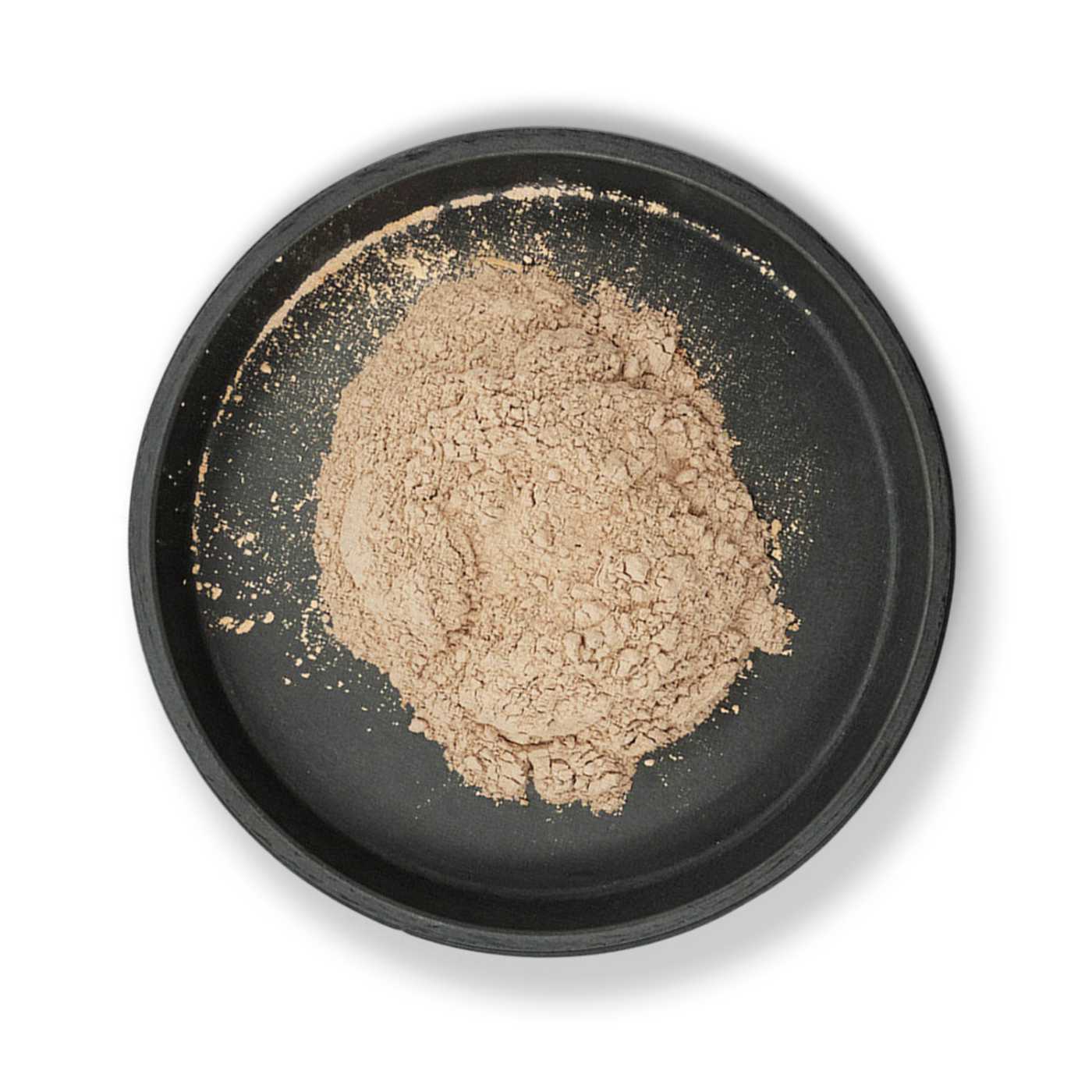
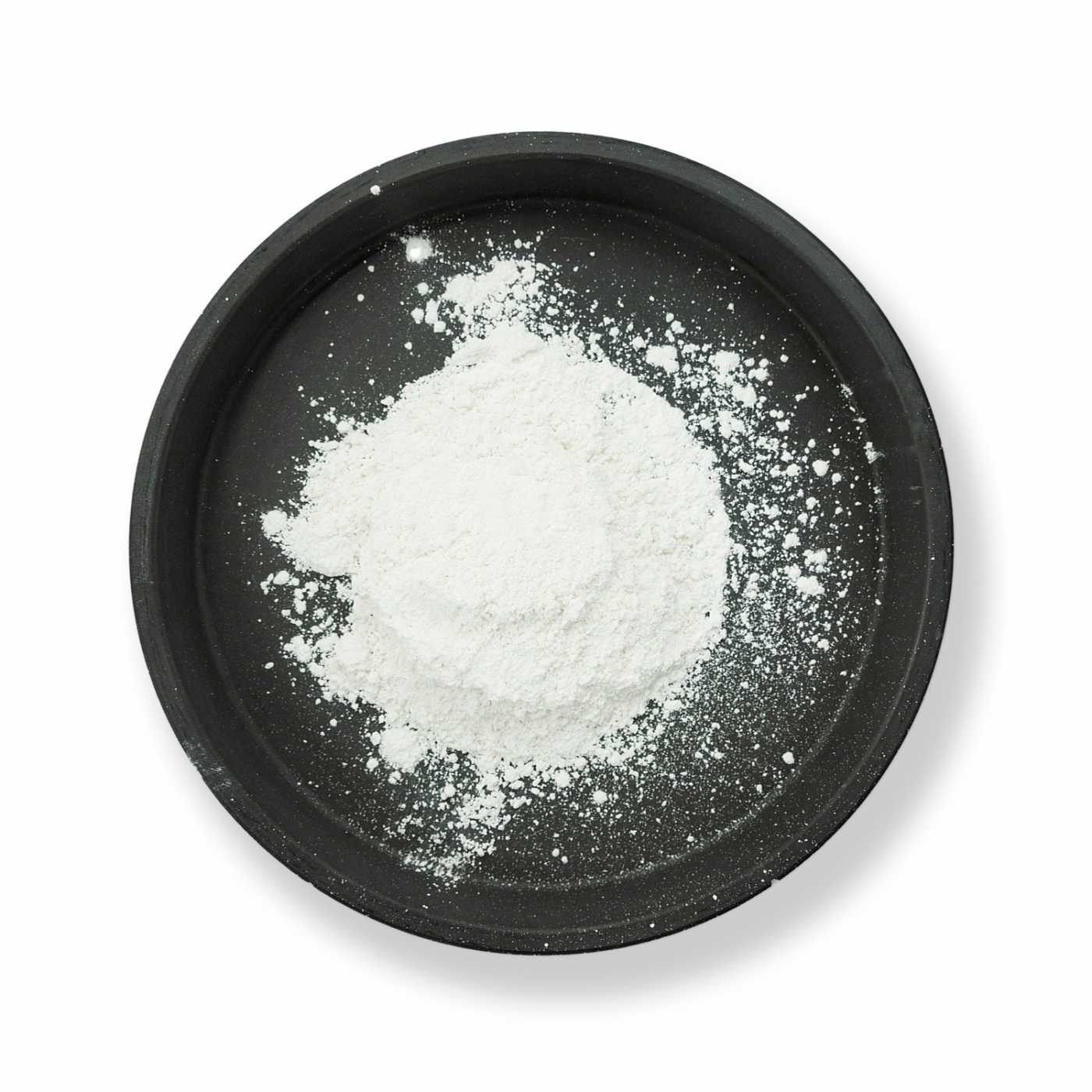
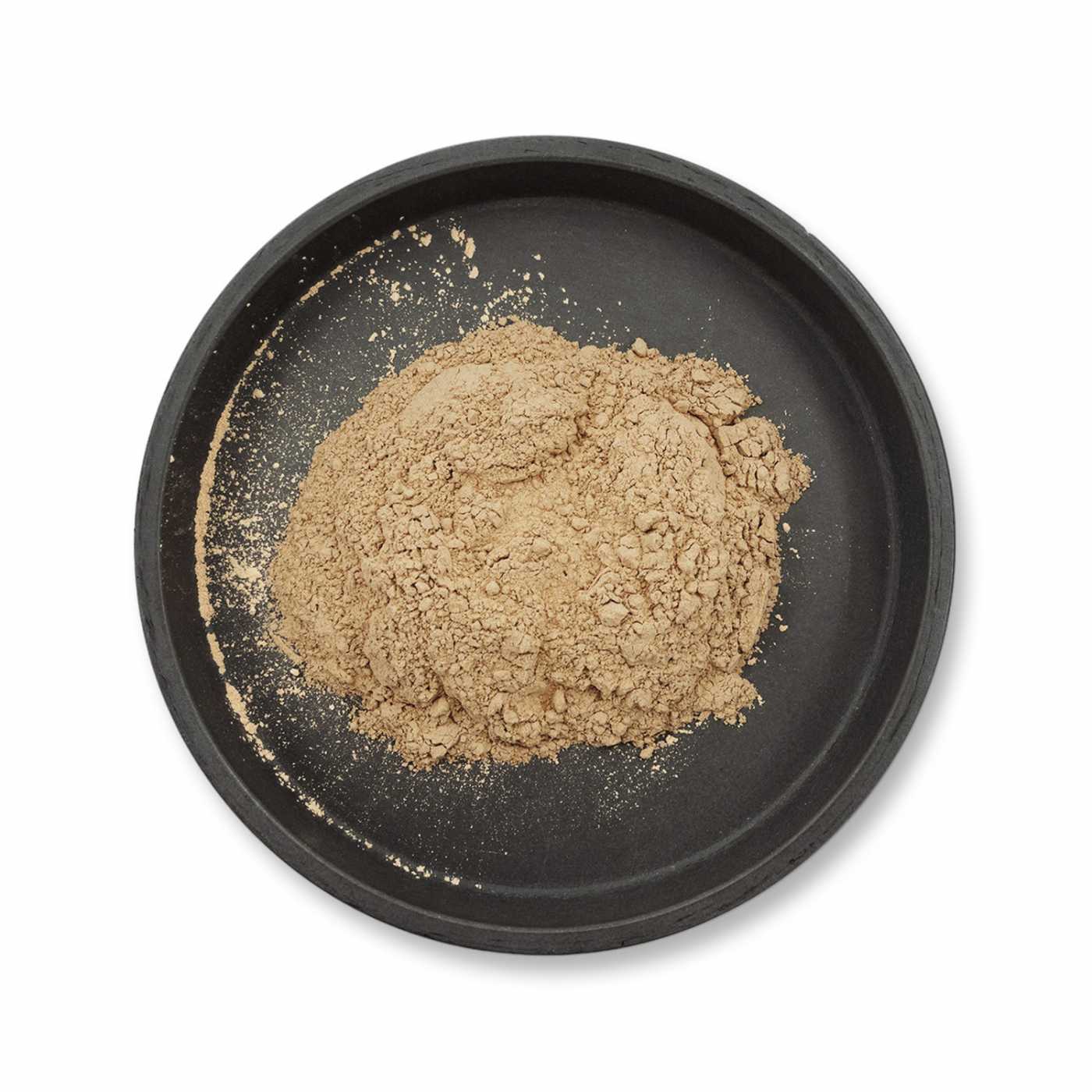
Inulin is a prebiotic from chicory root that serves in cosmetics as nourishment for the beneficial bacteria of the skin microbiome. It also binds water as a humectant and gives hair a conditioning effect. It is easy to add to a formulation: the powder is stirred into the water phase of a serum, cream or shampoo.

It suits products for the face, body, hair and scalp, both rinse-off and leave-on, as well as products for sensitive skin. The ingredient is of European origin and is of both cosmetic and food grade.


How inulin works on skin and hair

Inulin is a storage polysaccharide of plants made up of fructose chains. A community of microorganisms, the skin microbiome, lives on the skin, and its beneficial bacteria need nutrients. A prebiotic supplies them. It does not add any bacteria to the product; it supports those that are already on the skin.

The second role is hydration. As a polysaccharide with many hydroxyl groups, inulin binds water and helps retain it on the surface of the skin. In shampoos, conditioners and scalp products it acts as a conditioning agent.


Key properties

  • Surfactant compatibility – it is compatible with anionic, amphoteric and non-ionic surfactants.
  • Plant origin – it is obtained by extraction and drying and contains no materials of animal origin.
  • Kosher and Halal certificates – the ingredient holds both manufacturer certificates.
  • GMO-free – no genetically modified organisms are used in its production.
  • Biodegradability – inulin is readily biodegradable.
  • No CLP classification – it is not classified as a hazardous substance.

Use in formulations

Inulin belongs in the water phase. It does not dissolve in oil or alcohol. Sprinkle the powder into water or hydrosol and stir until it dissolves evenly. Only then add the other ingredients. At 20 °C, 5–200 g/l dissolves in water.

The usage rate is 0.5–5%. Recipes most often use 1–3%, around 1% in serums and around 2% in creams.

It is processed at a temperature below 80 °C. It is usually heated to 75 °C together with the water phase of the emulsion. It can also be added cold to a finished emulsion, premixed in glycerine. This disperses it evenly and prevents lumps.

A product containing inulin should have a pH of 4–8. A 10% solution on its own has a pH of 5–7. From pH 5 upwards, inulin is stable even during heating.

At pH 4 and below, the inulin chains break down into fructose and glucose, and the higher the temperature and the longer the heating, the faster this happens. Do not heat acidic products above 60 °C.


Suitable for products such as

  • face serums, toners and water-based gels,
  • creams and face lotions for all skin types, including sensitive skin,
  • body lotions and creams,
  • shampoos, shower gels and cleansing products with surfactants,
  • conditioners and hair masks,
  • scrubs and tonics for the scalp.

It is not suitable for anhydrous products such as oil serums, balms and butters.


Good to know when formulating

In gels and thickened products, the order matters. Inulin is dissolved in the water phase first and the gelling ingredient is added afterwards, with constant stirring. It is a good idea to premix xanthan gum or tara gum in glycerine into a paste beforehand to prevent lumps.

Inulin changes the viscosity of products with gums. The ratio of gum to inulin therefore needs to be fine-tuned. In scrubs, the gum keeps the particles in suspension; inulin alone is not enough for this.

In shampoos and scrubs with surfactants, add the surfactants first and only then the gum paste. Stir slowly so that the product does not foam.

Concentrated solutions separate in the cold. On cooling or freezing, a thick pasty layer and a thin liquid form. The lower the temperature, the more sediment. Concentrated water-based products should therefore not be stored in the cold.

When weighing, avoid stirring up the fine dust. Organic dust can explode on contact with fire or a static discharge.

The ingredient contains no preservatives. A finished product with a water phase must be preserved, and we recommend checking its pH and stability.


Frequently asked questions

Is inulin soluble in water?
Yes, inulin is soluble in water, with 5–200 g/l dissolving at 20 °C. It does not dissolve in oil or alcohol and belongs in the water phase. Sprinkle the powder into water or hydrosol and stir until fully dissolved. The other ingredients, including gelling agents, are added only afterwards.
How much inulin should be added to a cream or serum?
Inulin is used at a rate of 0.5–5%. Serums usually contain around 1%, creams around 2%, and most recipes work with 1–3%. In products thickened with gums, inulin affects the final viscosity, so the ratio of the two ingredients needs to be fine-tuned.
Can inulin be added to a cream cold?
Yes, inulin can also be added cold to a finished emulsion. It is premixed in glycerine so that it disperses evenly in the cream and does not form lumps. The other option is to dissolve it in the water phase and heat them together. It is processed below 80 °C and at pH 5 and above it is stable even during heating.
At what pH is inulin stable?
The recommended pH of a product with inulin is 4–8, and from pH 5 upwards inulin also tolerates heating. At pH 4 and below, its chains break down into fructose and glucose, faster at a higher temperature and with longer heating. Acidic products with inulin should not be heated above 60 °C.
Is inulin a prebiotic or a probiotic?
Inulin is a prebiotic. A prebiotic is a nutrient for beneficial bacteria, whereas probiotics are the microorganisms themselves. Inulin does not bring any bacteria into the product; it feeds those that naturally live on the skin. It is used in rinse-off and leave-on products for the face, body, hair and scalp, including products for sensitive skin.
Is inulin suitable for shampoo?
Yes, inulin is suitable for shampoos and other rinse-off products for hair and scalp. It is compatible with anionic, amphoteric and non-ionic surfactants. In hair care, it acts as a conditioning agent and humectant. During production, the surfactants are added first, then the gum paste, and the mixture is stirred slowly so that it does not foam.

Parameters

INCI
Inulin
CAS No.
9005-80-5
EC number
232-684-3
Product colour
White
Country of origin
Netherlands
Processing method
DryingExtraction
Appearance
Powder
Formulation phase
Water phase
Application area
FaceHairScalpBody
Recommended processing temperature
< 80 °C
Recommended usage rate
0,5 – 5 %
Recommended formulation pH range
4 – 8
Application type
Leave-onRinse-off
Biodegradability
Readily biodegradable
Manufacturer's certificate
KosherHalal
Natural Index (NI ISO 16128)
1,00
Natural Origin Index (NOI ISO 16128)
1,00

Product documentation

CoACertificate of Analysis
batch L00102838PDF ↓
batch L00118513PDF ↓
TDSTechnical Data Sheet
Physical parameters and processingPDF ↓
SDSSafety Data Sheet
Available for purchased products —
Download all (ZIP)

3 PDF files in one archive

Learn how to work with it

From our blog
Greta T.21 Sept 2026IT

Verified purchase

A versatile ingredient that's easy to incorporate and useful for adding skin-conditioning benefits to water-based formulations.

Translated automatically

Kalliope R.27 Sept 2026EN

Verified purchase

Variant: Inulín, prebiotiká pre pokožku, 100 g

Németh R.20 Sept 2026HU

Verified purchase

Variant: Inulín, prebiotiká pre pokožku, 100 g

(3 reviews)