


Natural gums are the answer to the question of how to create water-based gels, shampoos or various shower preparations in gel form. However, they offer much more than just the ability to turn water into a gel. Let’s take a closer look at the properties of individual natural gums and compare them.
About this article
This extensive article on natural gums was prepared for you by Ivana Jačalová. Comparing natural gums is a great tool for consolidating knowledge before creating gel-based cosmetic products — you will find in it a test of the gel-forming properties of four gums (xanthan, guar, gum arabic and carrageenan) as well as a sedimentation test of mica powder in the prepared gels and solutions.
What natural gums are good for
- Water-based gels
Natural gums are added to water, a hydrosol or another aqueous solution and can transform it into a gel.
- More stable emulsions
They improve the stability of emulsions or give them a unique gel-like consistency — body yogurts are based on precisely this combination.
- Conditioning properties
Some natural gums can improve the condition of hair and are also used as active ingredients.
- Texture and skin feel
Natural gums also influence the texture of products and how they feel on the skin.
- Plant and biotechnological origin
They can be obtained from plant material or algae, and some gums are prepared biotechnologically — with various microorganisms as their producers.
Properties of natural gums
Natural gums and their use
Natural gums usually represent carbohydrate-based substances that swell in an aqueous environment because they form interlaced networks, and thereby increase the viscosity of the final product. You will find them in our range among the thickeners.
What can natural gums be useful for? First of all, they serve to create water-based gels. In other words, natural gums are added to water, a hydrosol or another aqueous solution and can transform it into a gel. Of course, there are certain limitations: for example, some gums dissolve only after heating, or are unstable at certain pH values, or may not form gels at all and have other uses.
Another property of natural gums is their ability to improve the stability of emulsions, or to give emulsions a unique gel-like consistency. It is precisely on the combination of an emulsion (i.e. the union of water and oils by an emulsifier) together with a natural gum that body yogurts are based.
Natural gums also have conditioning properties. Some natural gums can improve the condition of hair and are also used as active ingredients. In addition, natural gums influence the texture of products and their skin feel. Natural gums can be obtained from plant material or algae, and some gums are prepared biotechnologically, with various microorganisms as their producers.
Comparison of gel-forming properties — methodology
To compare the gel-forming properties of selected natural gums, we prepared solutions of these gums containing 1 % natural gum, 2.5 % glycerin, 1 % Euxyl PE 9010 preservative and 95.5 % demineralised water.
| Solution ingredient | Content |
|---|---|
| Natural gum | 1 % |
| Glycerin | 2.5 % |
| Euxyl PE 9010 | 1 % |
| Demineralised water | 95.5 % |
All the solutions and gels were prepared in the same way:
- Viscous slurry
The powdered natural gum was mixed with glycerin to form a viscous slurry.
- Incorporating the water
Demineralised water was incorporated into this mixture under continuous stirring.
- Preservation
Once the gel had formed, the preservative was added.
- The exception — carrageenan heating
The aqueous solution of carrageenan must be heated so that it dissolves and subsequently forms a gel after the mixture has cooled. In this case, the preservative was added after cooling to room temperature.
Xanthan gum
Xanthan gum is an excellent natural gum for beginners, as it is able to efficiently form a gel in both cold and hot water and is stable over a wide pH range. If your product using xanthan gum does not turn out well, the problem is probably not with the xanthan gum but with the proportion of other raw materials or with the procedure — xanthan gum can handle a wide range of conditions, including intensive mixing, thereby creating very stable emulsions. It combines well with galactomannans such as konjac powder; the combination of these two substances causes a significant increase in viscosity.
This natural gum is obtained biotechnologically, produced by Xanthomonas campestris. A disadvantage of xanthan gum is that products containing it may be more difficult to spread and leave a slightly sticky feel on the skin.
Xanthan gum contains negatively charged groups, so it is classified as an anionic gum. Such negatively charged gums generally do not combine well with positively charged substances, such as the cationic surfactants often used in hair care. On the other hand, anionic gums form gels well in aqueous environments for use in shampoos, shower gels, facial cleansing gels and the like. Xanthan gum is therefore well compatible with amphoteric, nonionic or anionic ingredients.
Xanthan gum in the test
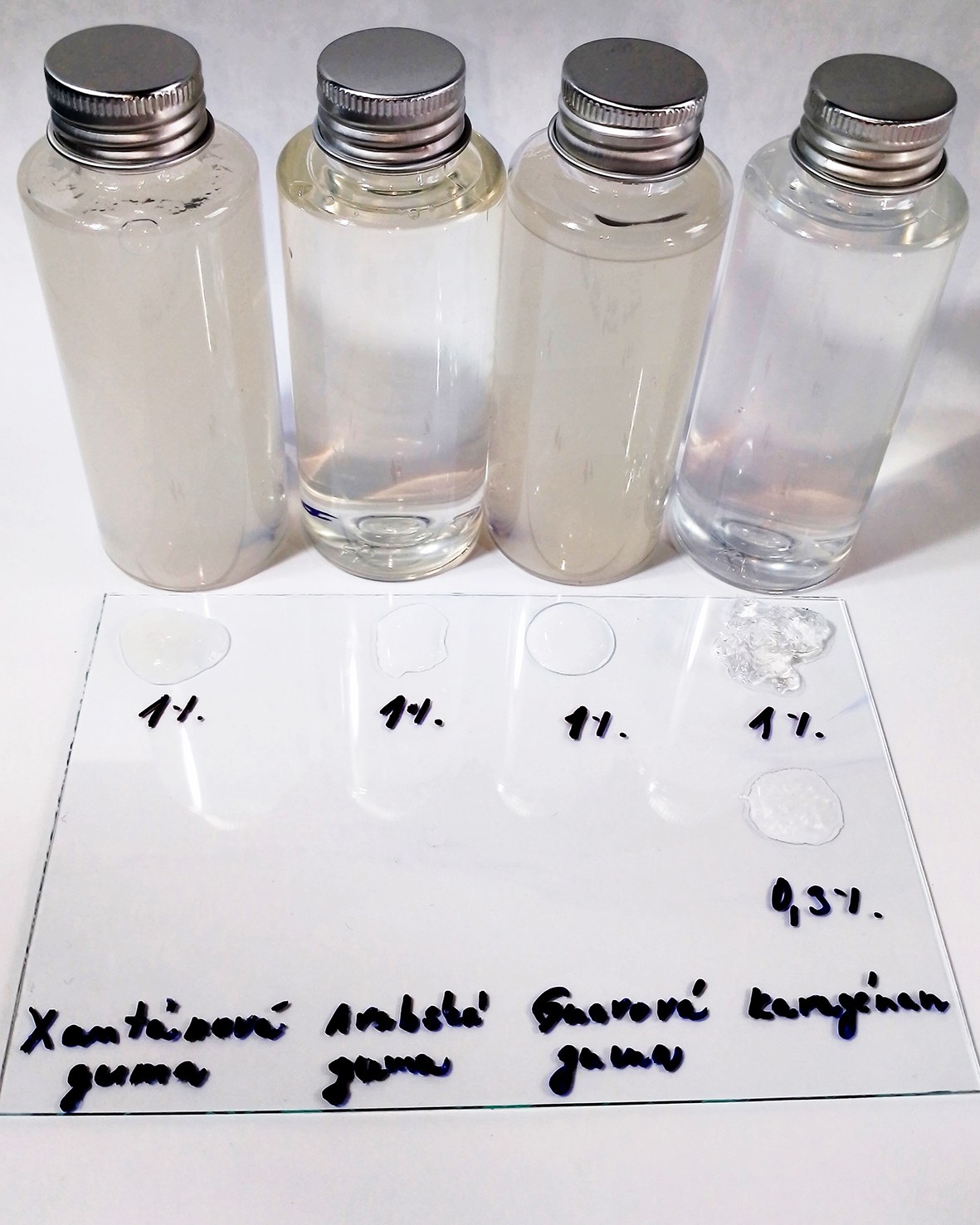
At a concentration of 1 %, xanthan gum formed a fairly thick gel. The gel was not clear and transparent; instead it was milky in colour, opaque. Its structure was not the finest (compared with guar gum), yet this did not affect the spreading of the gel on the skin — the gel spread evenly, so for DIY cosmetics this is more of a visual flaw that does not interfere with functionality. However, spreading a xanthan gum gel on the skin until it disappears completely takes somewhat longer than with guar gum, and a slightly sticky feel is noticeable on the skin until it is fully absorbed.
The advantage of xanthan gum is that it forms stable gels even over a broad pH range, including acidic environments, which makes it suitable for thickening shampoos and other products containing glucosides, which have an alkaline pH and must be neutralised to the physiological pH of the skin (4.5 – 5.5).
Xanthan gum is therefore suitable for beginners. Even at low doses (1 %) it forms relatively thick gels, so if you want shampoos or shower gels that flow easily out of the bottle, use lower dosages.
Guar gum
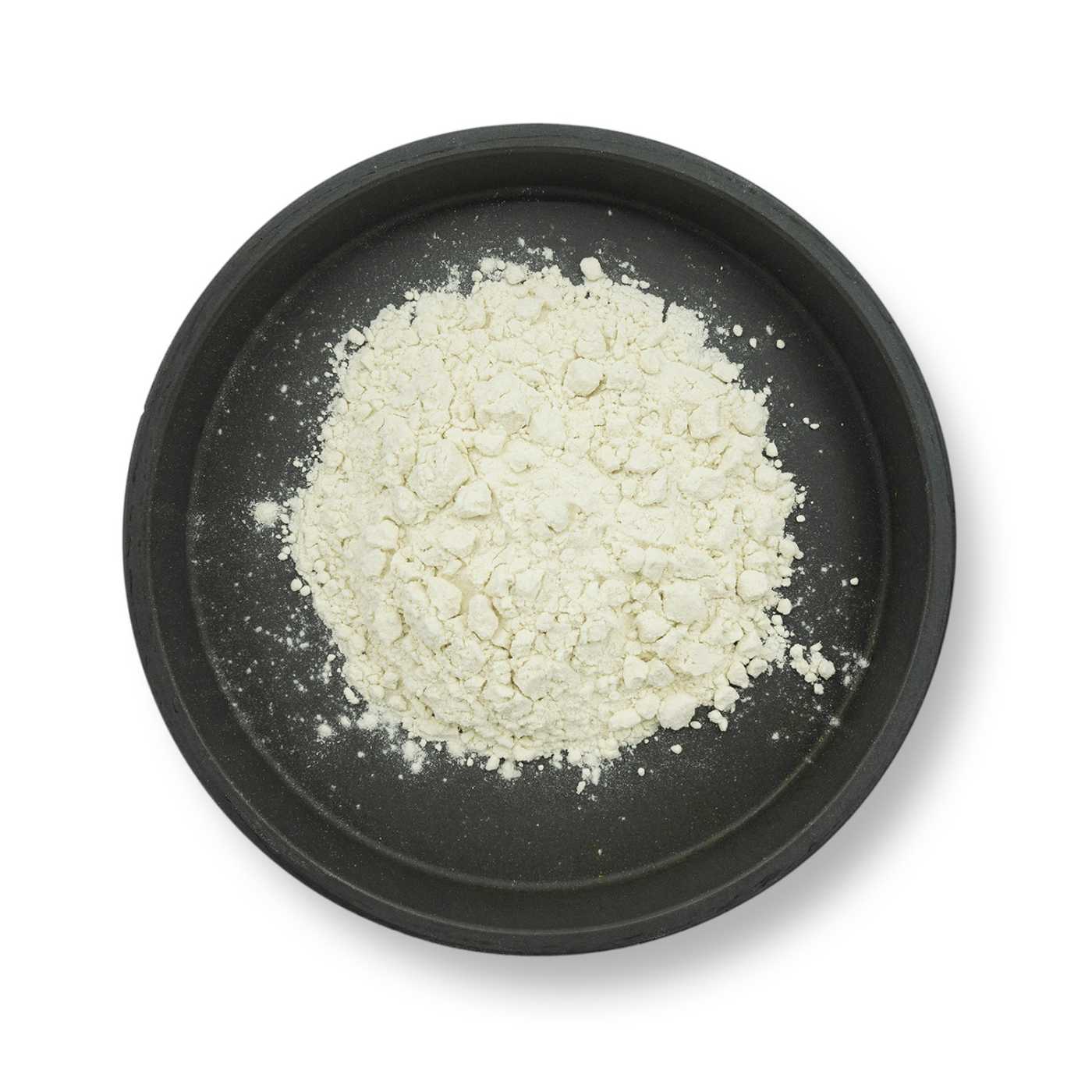
Guar gum is a thickener obtained from the seeds of Cyamopsis tetragonolobus. It hydrates easily in both cold and hot environments and forms relatively thick gels. Guar gum belongs to the nonionic gums, and so it is compatible with other raw materials regardless of their charge. However, there is also cationic guar gum, which has different properties, so these two substances cannot always be substituted for each other.
Guar gum in the test
Another gum that thickens aqueous solutions well is guar gum. Like xanthan gum, guar gum does not form transparent solutions but rather slightly turbid mixtures. The advantage over xanthan gum, however, is that the resulting gels have a very smooth, pleasant texture, which is very appealing not only to the touch but also visually.
The disadvantage is a somewhat lower stability compared with xanthan gum; also, at a concentration of 1 %, guar gum forms gels with lower viscosity, i.e. more fluid gels, so to achieve a more gel-like consistency you will need a slightly higher dose than with xanthan gum.
Gum arabic
Gum arabic is obtained by extraction from the Acacia senegal tree and can also be found under the name acacia gum. This gum is not particularly known for strong gel-forming properties, it does not form thick gels, but it is able to stabilise emulsions, as it interacts with lipids. In addition, it creates a soft feel on the skin and thus improves the texture of products. It sometimes finds use in decorative cosmetics as well, because it improves the adhesion of colourants to the skin.
If you are working with gum arabic and have trouble dissolving it completely in cold water, you can heat the mixture to 70 °C until the gum arabic is fully hydrated. After cooling, a change in viscosity may occur. A more pronounced increase in viscosity is usually achieved when this gum is used at a concentration of at least 40 %. It is an anionic gum that is not well compatible with substances having a purely positive charge.
Thanks to the aforementioned ability to interact with lipids, gum arabic facilitates the union of oils with water without increasing viscosity. This is especially useful if you want to incorporate a small amount of oils into an aqueous solution, for example to combine essential oils with aqueous solutions while maintaining low viscosity — in toners and sprays. Try a gum arabic to oil ratio of 3:1 or 4:1.
Gum arabic in the test
Gum arabic was the only gum in our test that did not thicken the prepared aqueous solution. Gum arabic is therefore not suitable for thickening products or creating gels when used on its own. It is worth using gum arabic in combination with other natural gums to form a gel and thicken the product.
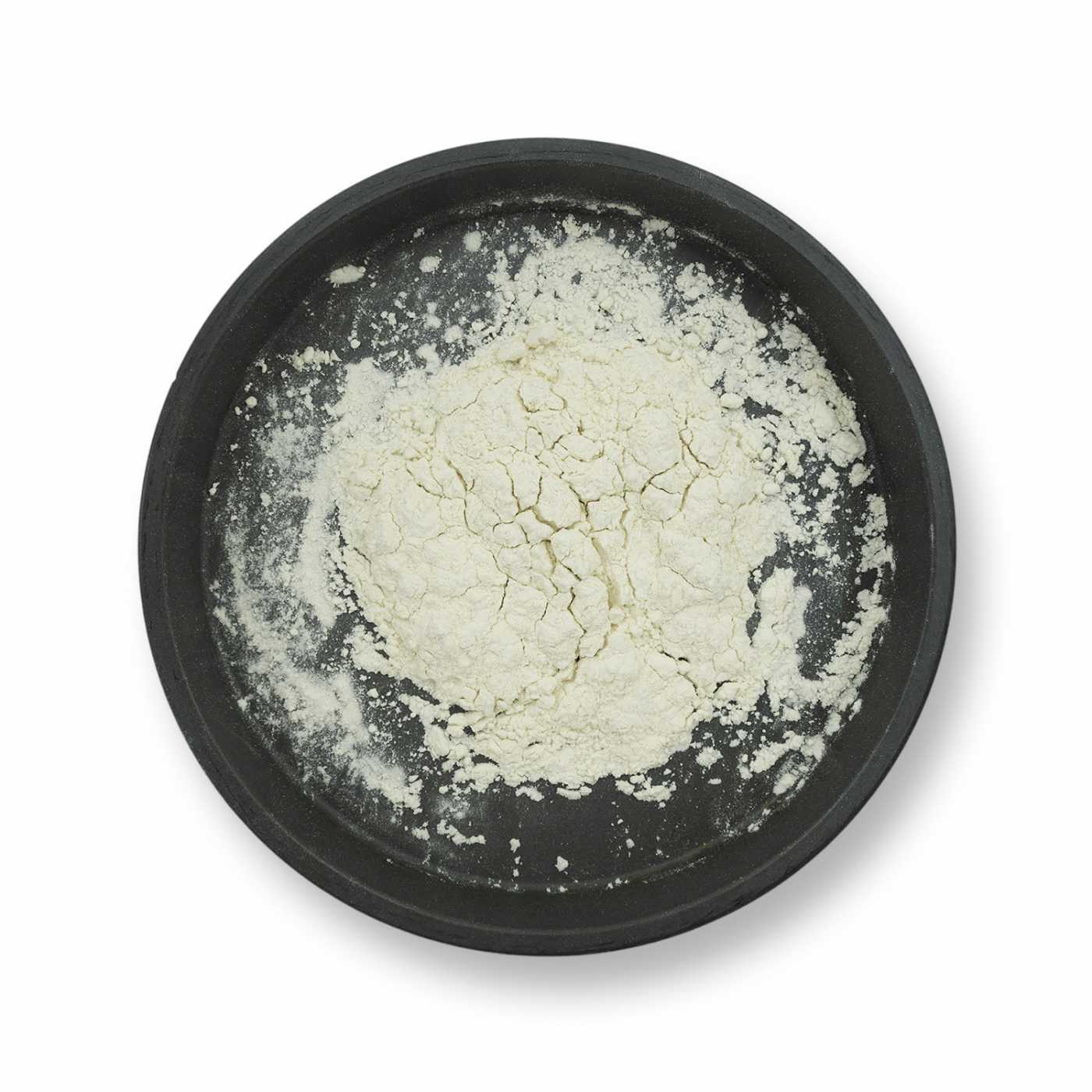
In the gum arabic test, a clear liquid was obtained, so gum arabic does not cloud solutions; on the contrary, it provides transparent solutions.
Carrageenan
The anionic gums obtained from algae include carrageenan. It is specifically obtained from the red seaweed Chondrus crispus and is a widely used ingredient not only in cosmetics but especially in the food industry. It is a good thickener and partly also an emulsifier, and so it improves the union of oil and water-based raw materials.
Carrageenan helps to thicken products and create thick, viscous emulsions. In addition, it improves skin hydration, as it helps to retain more water in the skin.
Carrageenan in the test
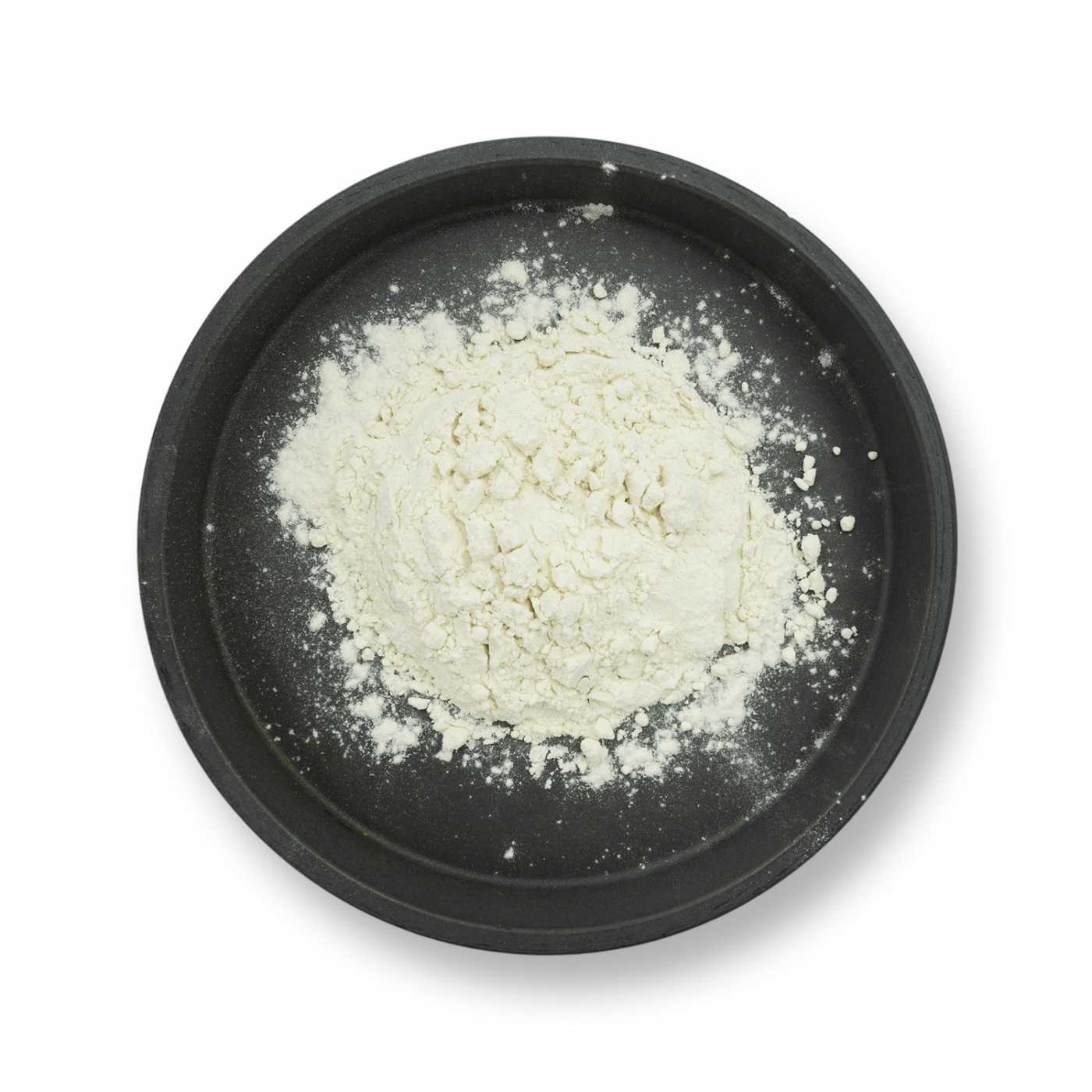
Carrageenan is a plant-based alternative to animal gelatine, and its properties reflect this. Before it can thicken, carrageenan must first be heated in a water bath until dissolved, which is achieved at about 70 °C. After dissolution, the mixture must be left to cool. Only after complete cooling does it set, so sometimes you have to wait several hours, depending on the temperature of the place where the mixture is cooling, to obtain a solid mass.
The advantage of carrageenan is that it thickens intensely even at a low concentration. At 1 %, a firm jelly was obtained after cooling, similar to the jelly on desserts. To thicken products it is therefore better to use a lower concentration, as the firmness of this jelly was too high for any product to be pourable.
At a concentration of 0.3 %, it was already possible to stir the mixture with a stick. The disadvantage, however, was that during stirring the solid jelly portion crumbled slightly into smaller pieces, so we did not obtain a uniform gel but rather a mixture of jelly lumps, which not only do not look good but are also not the easiest to work with.
Overall, carrageenan has the advantage of providing fairly clear and transparent solutions; the disadvantage lies in the need to heat the mixture so that the carrageenan dissolves, which adds another step to the process. At the same time, we did not obtain a uniform gel but a mixture of lumps, so either use very low concentrations of around 0.1 % or combine carrageenan with another natural gum to achieve better properties.
Natural gums and mica powders
When making shampoos or shower gels, many of us sometimes reach for various colourants, most often mica powders. Mica powders are not only shimmering, they are also available in a wide palette of colours to make your product that bit more special. Do you also want to prepare a range of brightly coloured products? Then you certainly do not want the mica powder you have chosen to sink to the bottom of the product over time. That is why we looked at a sedimentation test of mica powder in the gels and natural gum solutions we prepared.
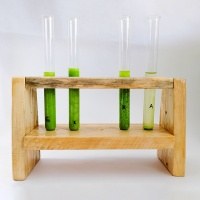
We proceeded in a similar way to the previous test. Solutions of the natural gums with a content of 1 % were prepared, with the exception of carrageenan, which was used at a concentration of 0.3 %, because at 1 % it provides a jelly that is too firm, into which it would not have been possible to incorporate the mica powder. The 0.3 % carrageenan solution was also heated to dissolve this thickener.
Subsequently, 0.5 % green mica powder was added to the solution and a milk frother was used to disperse it evenly throughout the mixture. To make the dispersion of the mica powder easier, this colourant can be added to the mixture of glycerin and natural gum first, and only then the water added.
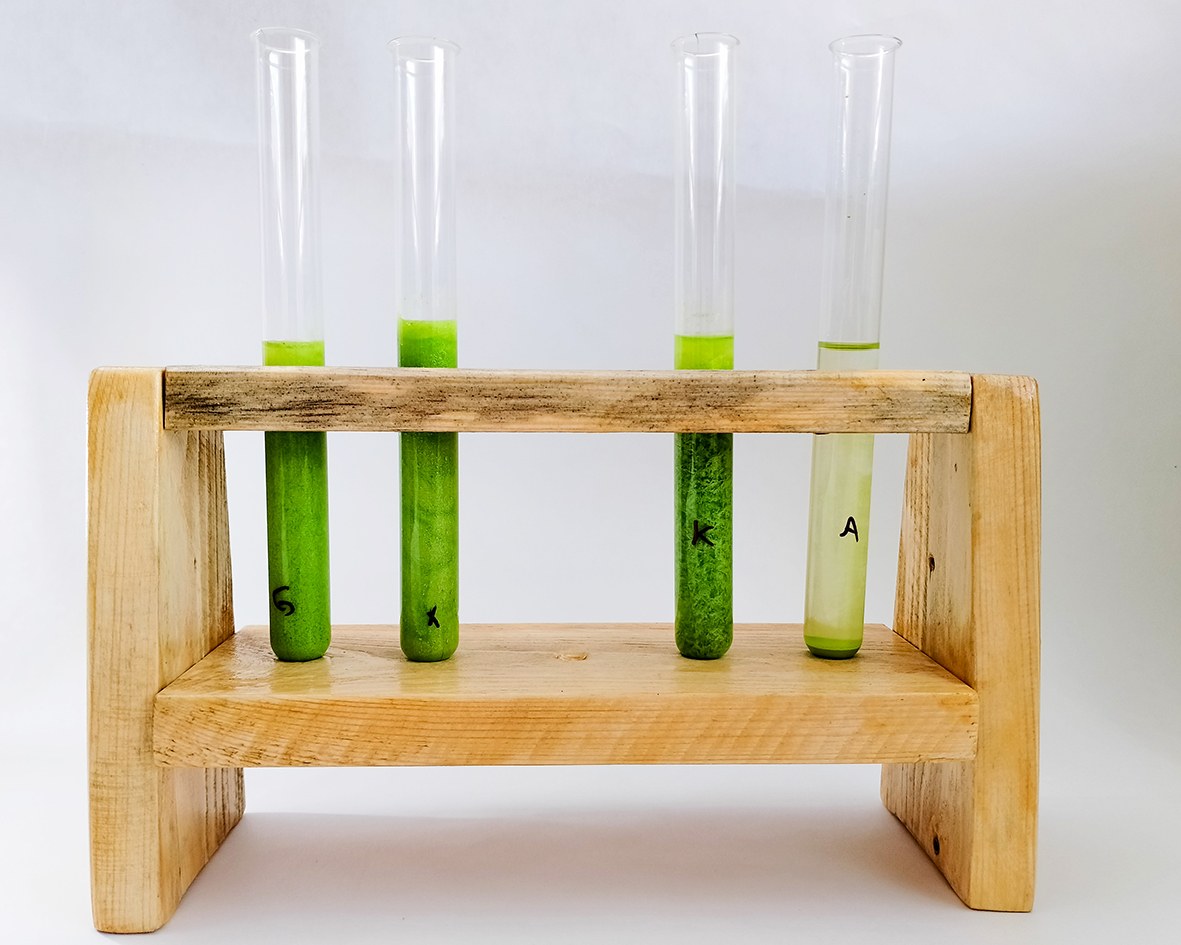
We poured 10 g of this mixture into test tubes and left them standing upright for 72 hours to observe any settling of the mica powder on the bottom. The results relate to the corresponding percentage of natural gum used (1 %, or 0.3 % in the case of carrageenan), so when using a lower concentration of natural gum the same result may not be achieved (the gel may not be sufficiently viscous and the mica powder will sediment on the bottom). What did we find? Read on below.
Xanthan gum and mica powder
When xanthan gum was used, the results in combination with mica powder were quite good. The mica powder did not settle on the bottom; slight sedimentation after 72 hours was observed only in the upper part of the gel column. If mica powder were part of a cosmetic product, this phenomenon should not be a major problem, as handling the product leads to occasional mixing. Overall, the mica powder did not settle on the bottom, so xanthan gum can be combined well with mica powders to achieve coloured products.
Guar gum and mica powder
Another gum that combines well with mica powders is guar gum. The mica powder again did not settle on the bottom; the fine sedimentation at the top of the gel column will be negligible when the product is used, as handling it causes slight mixing. The mica powder was dispersed very evenly — in this respect guar gum proved to be the best gel-forming agent for incorporating mica powder. The gel was evenly coloured and overall appeared even more homogeneous than with xanthan gum.
Gum arabic and mica powder
Since gum arabic did not thicken the prepared solution at all, as expected there was no even dispersion of the mica powder either, and so the mica powder sedimented on the bottom.
Carrageenan and mica powder
When mica powder was used with the carrageenan gel, some dispersion of the colourant was observed. However, since the solution contained larger pieces of carrageenan, the mixture was not uniform and homogeneous, and so the mica powder was not dispersed as evenly as in the xanthan and guar gum gels. More pronounced sedimentation was also observed in the upper part of the gel.
Since in our case (0.3 % carrageenan in the solution) carrageenan did not form a completely homogeneous gel even after mixing with a blender or a milk frother, it was not possible for the mica powder to be perfectly and evenly dispersed either.
The gums compared at a glance
A summary of the results of both tests — the gel-forming properties at a concentration of 1 % (carrageenan also 0.3 %) and the behaviour of the mica powder after 72 hours.
| Natural gum | Gel-forming properties | Appearance of the solution | Mica powder after 72 hours |
|---|---|---|---|
| Xanthan gum | fairly thick gel at 1 %, stable over a wide pH range | milky, opaque | did not settle on the bottom, slight sedimentation in the upper part of the column |
| Guar gum | gels of lower viscosity at 1 %, very smooth texture | slightly turbid | did not settle on the bottom, the most even dispersion |
| Gum arabic | did not thicken the solution, did not form a gel | clear liquid | sedimented on the bottom |
| Carrageenan | firm jelly at 1 %, a mixture of lumps at 0.3 %; heating required | fairly clear and transparent | some dispersion, more pronounced sedimentation in the upper part |
Frequently asked questions about natural gums
Practical questions about choosing a natural gum, working with carrageenan, compatibility with surfactants and colouring with mica powders.
Which natural gum is suitable for beginners?
Xanthan gum. It efficiently forms a gel in both cold and hot water, it is stable over a wide pH range and it can handle a wide range of conditions, including intensive mixing. Even at low doses (1 %) it forms relatively thick gels — if you want shampoos or shower gels that flow easily out of the bottle, use lower dosages.
Why has my solution with gum arabic not thickened?
Gum arabic was the only gum in our test that did not thicken the prepared aqueous solution — it is not suitable for thickening or for forming gels when used on its own. It is worth using it in combination with other natural gums; a more pronounced increase in viscosity is usually achieved only at a concentration of at least 40 %.
How do you prepare a carrageenan gel correctly?
Carrageenan must first be heated in a water bath until dissolved, which is achieved at about 70 °C, and the mixture then left to cool — it sets only after it has cooled completely, which can take several hours. At 1 % a firm jelly was formed and at 0.3 % a mixture of lumps, so use very low concentrations of around 0.1 % or combine carrageenan with another natural gum.
Which gum should I choose for cationic surfactants in hair care?
Anionic gums (for example xanthan gum, gum arabic or carrageenan) generally do not combine well with positively charged substances such as cationic surfactants. Guar gum belongs to the nonionic gums, and so it is compatible with other raw materials regardless of their charge. Be careful, though: cationic guar gum has different properties and cannot always be substituted.
How can I prevent mica powder from sedimenting in a product?
In the test, the mica powder did not settle on the bottom with either xanthan gum or guar gum at a concentration of 1 %; guar gum provided the most even dispersion. Add the colourant to the mixture of glycerin and natural gum first and only then add the water. At a lower gum concentration the same result may not be achieved — the gel may not be sufficiently viscous and the mica powder will sediment on the bottom.
How can I combine a small amount of oils with an aqueous solution without thickening it?
Use gum arabic — thanks to its interaction with lipids it facilitates the union of oils with water without increasing viscosity, which is useful, for example, when combining essential oils with aqueous solutions in toners and sprays. Try a gum arabic to oil ratio of 3:1 or 4:1.
Conclusion
We believe that our comparison of natural gums has helped to broaden your horizons and brought you more insight. Has our article clarified some of your questions about creating natural cosmetics in gel form?
If you have your own experiences and knowledge that would bring further new information on this topic, do not hesitate to write to us at [email protected]. We warmly thank Ivana Jačalová for her extensive contribution.
Until we meet again in another article or tutorial, keep creating natural cosmetics.
You will find xanthan gum and guar gum, gum arabic and carrageenan among the thickeners in the Handymade range of raw materials.


