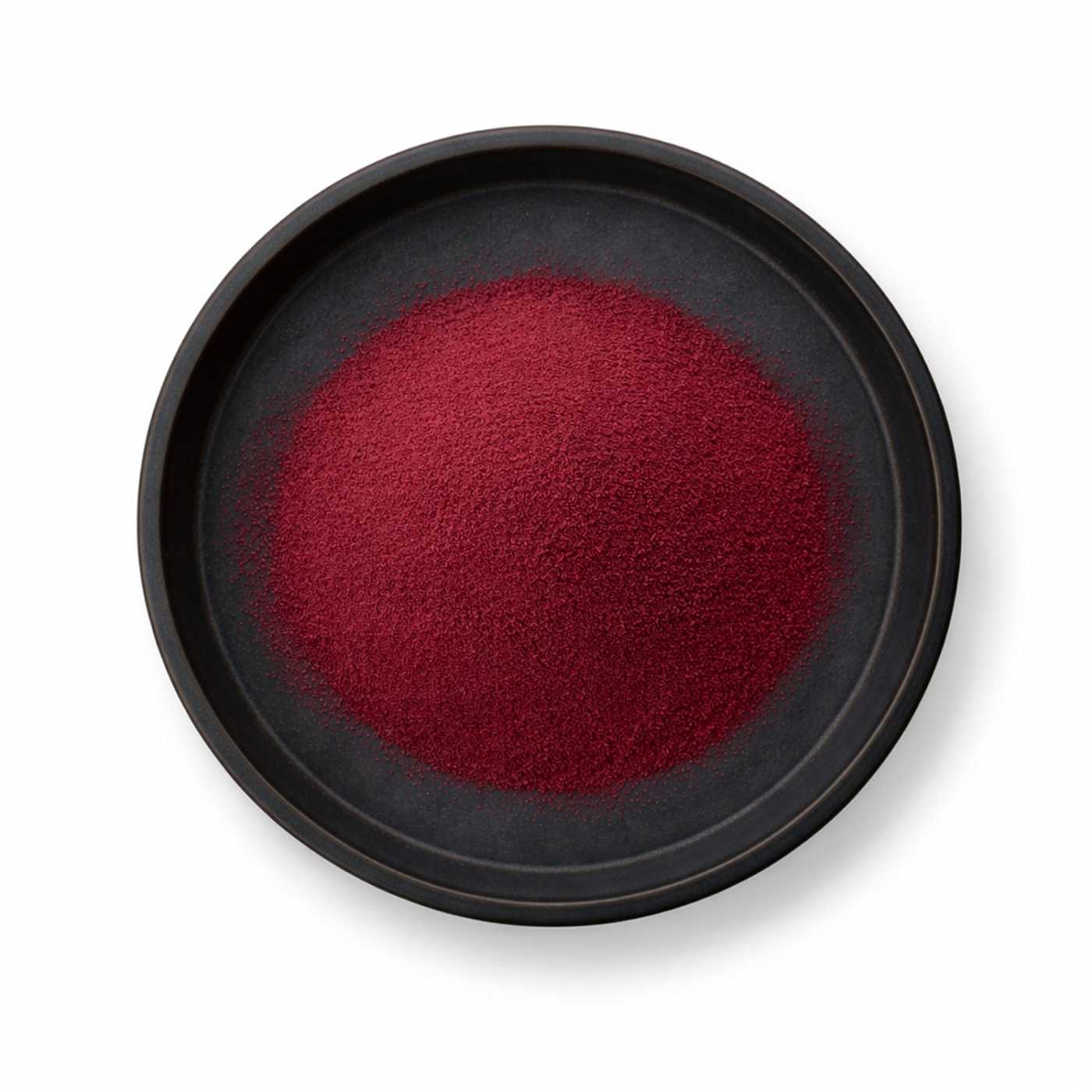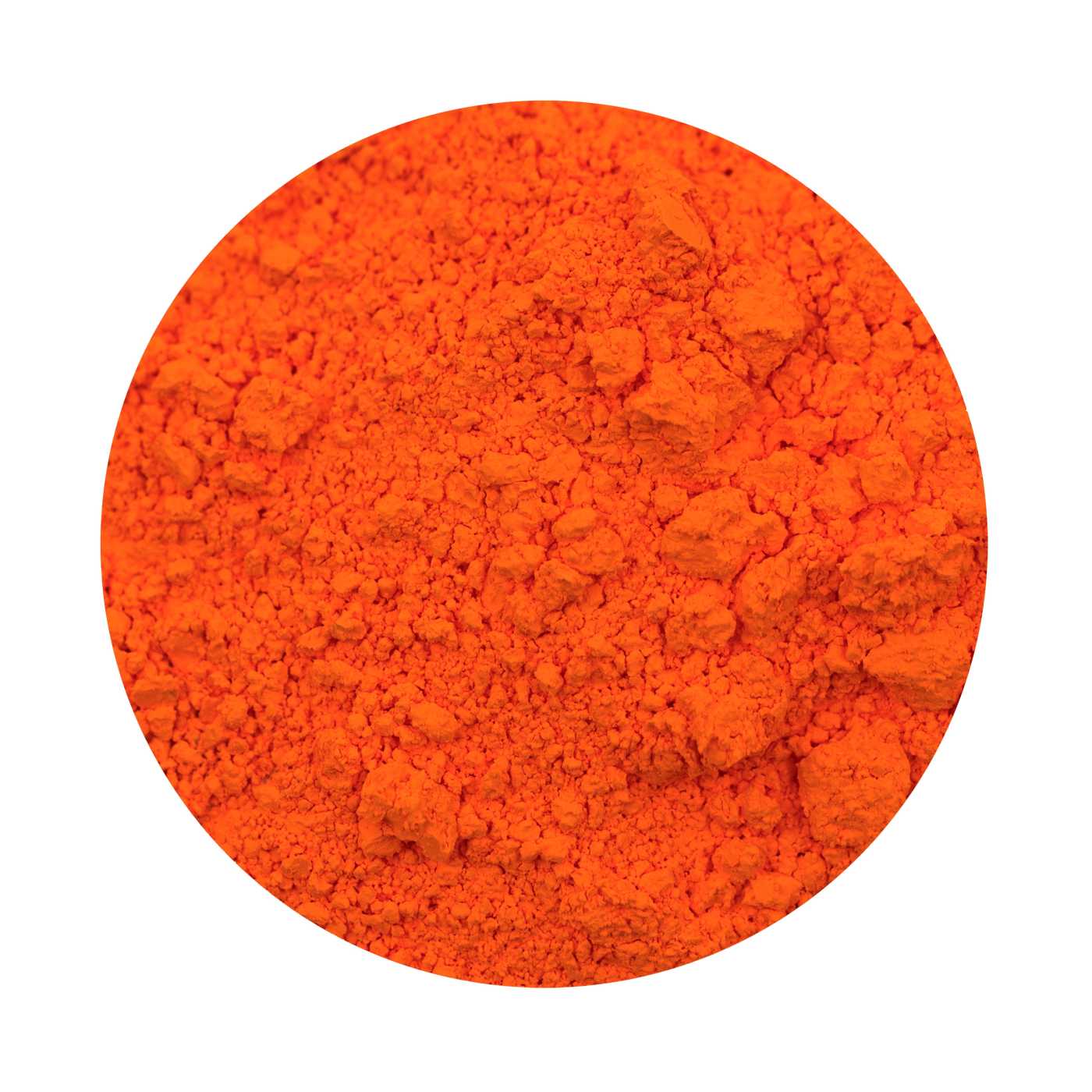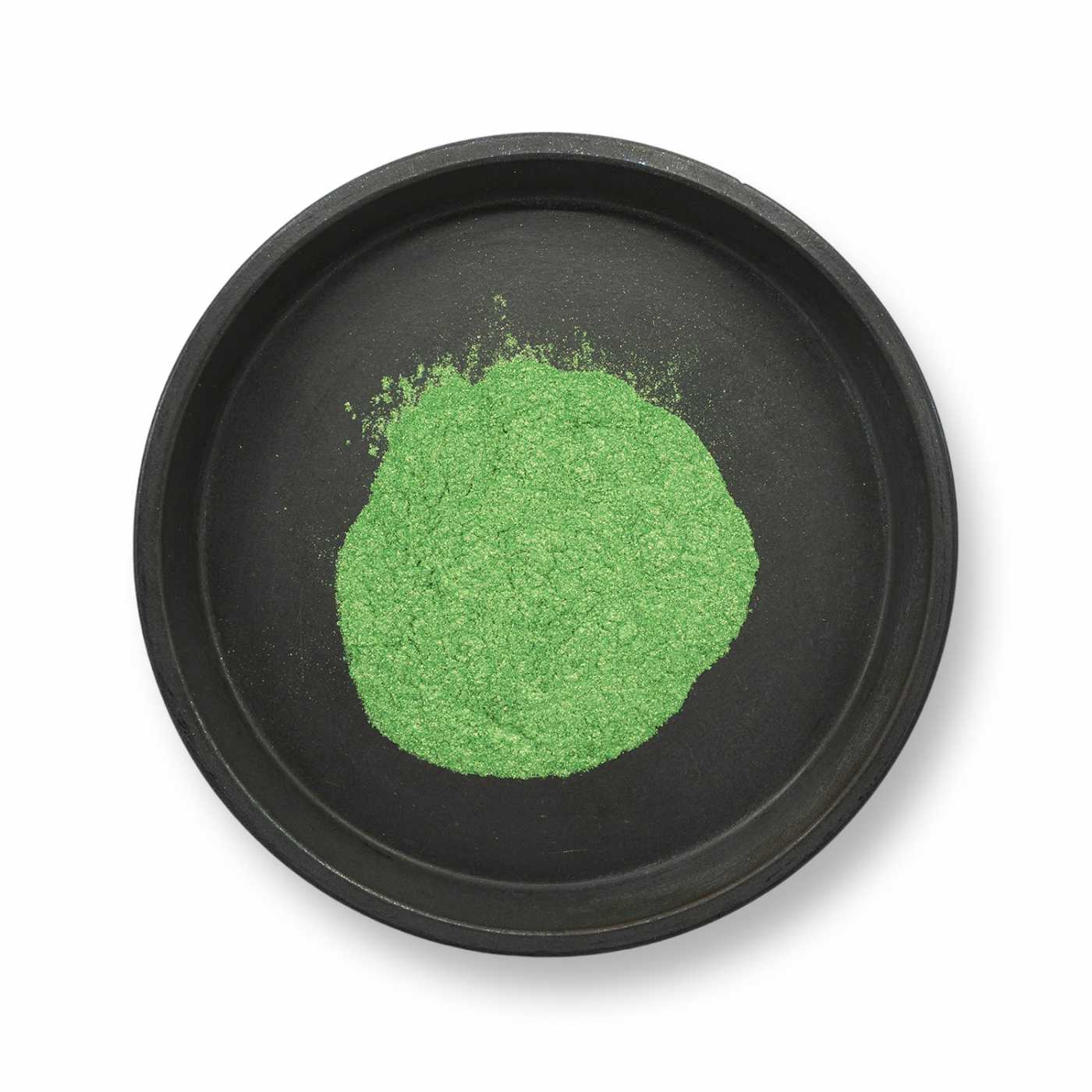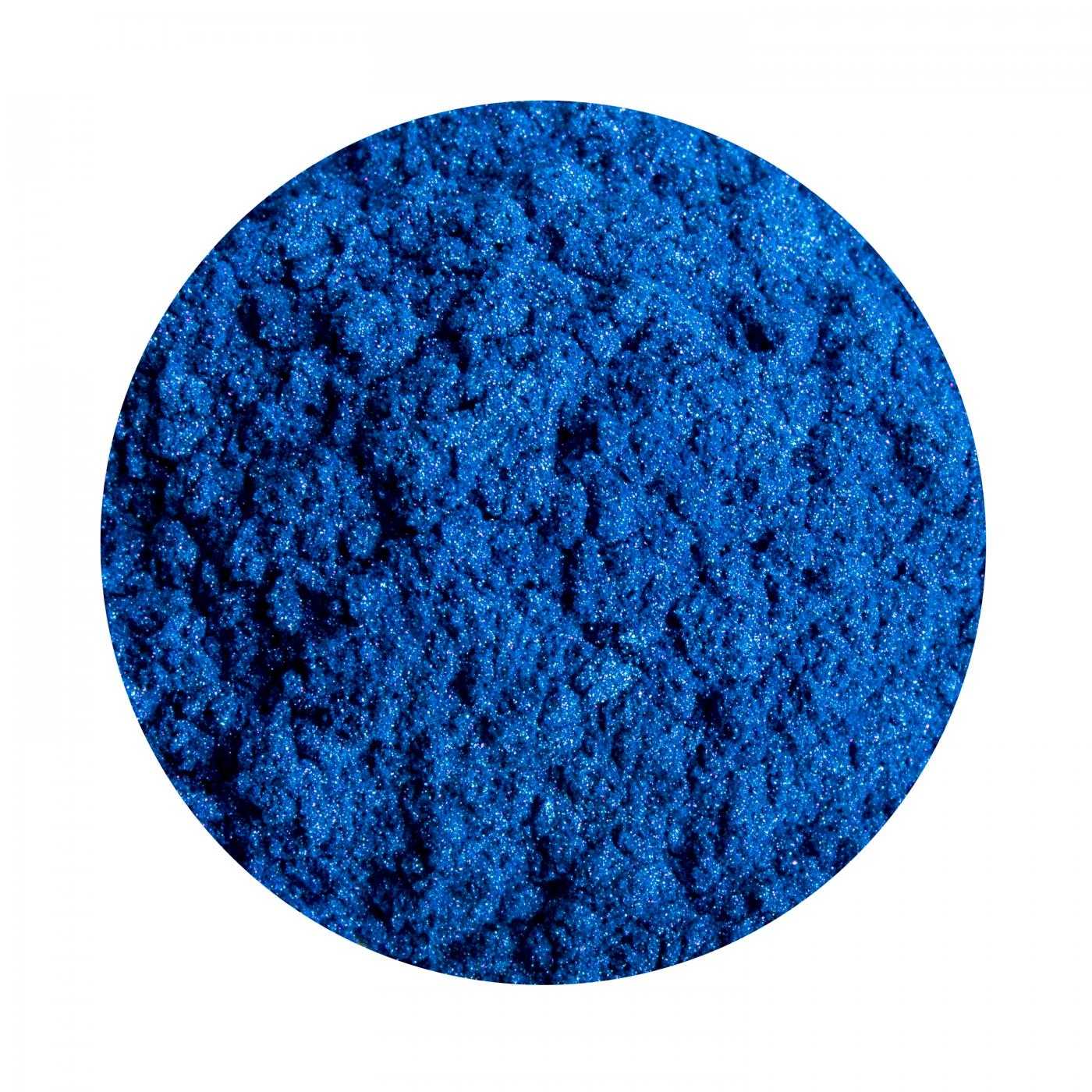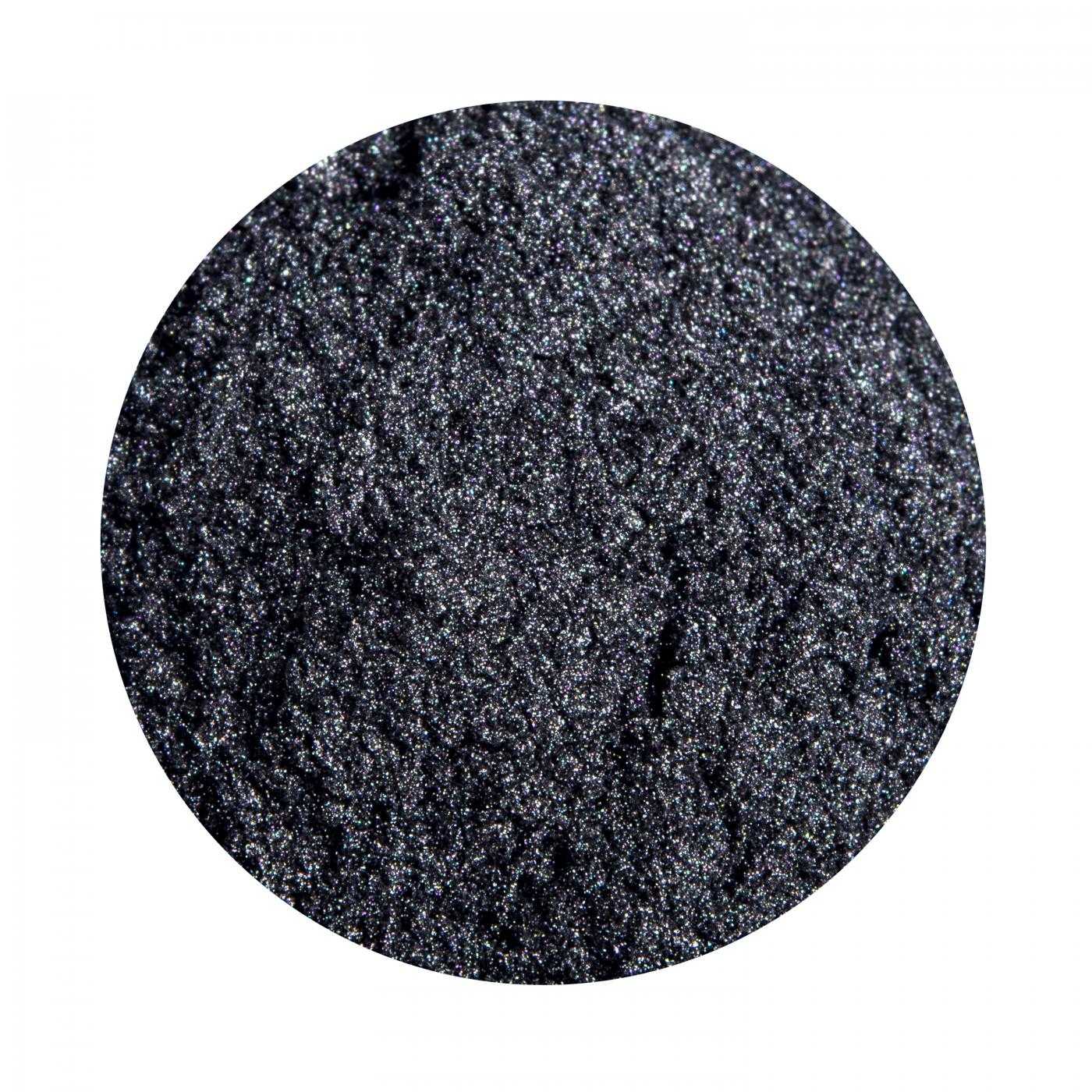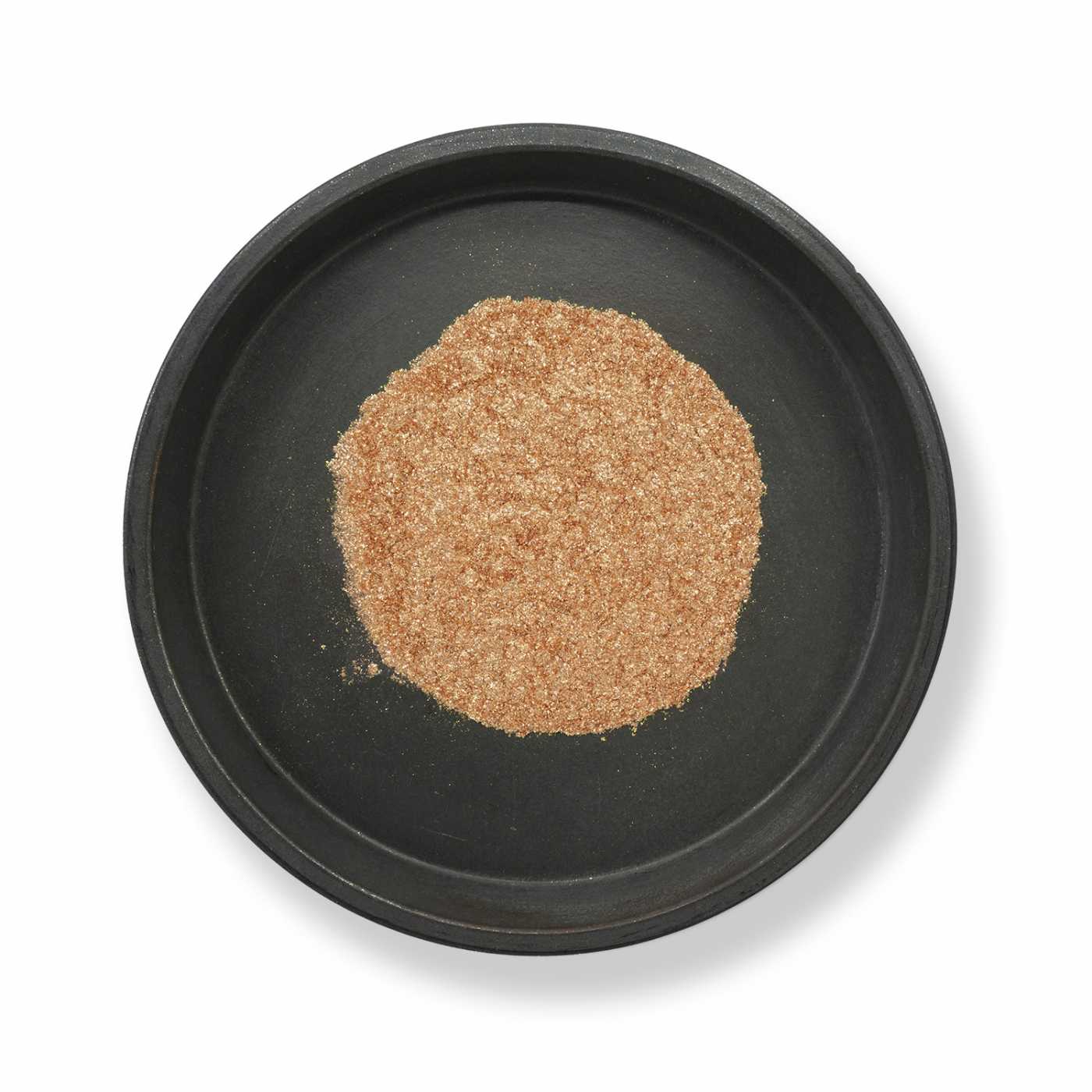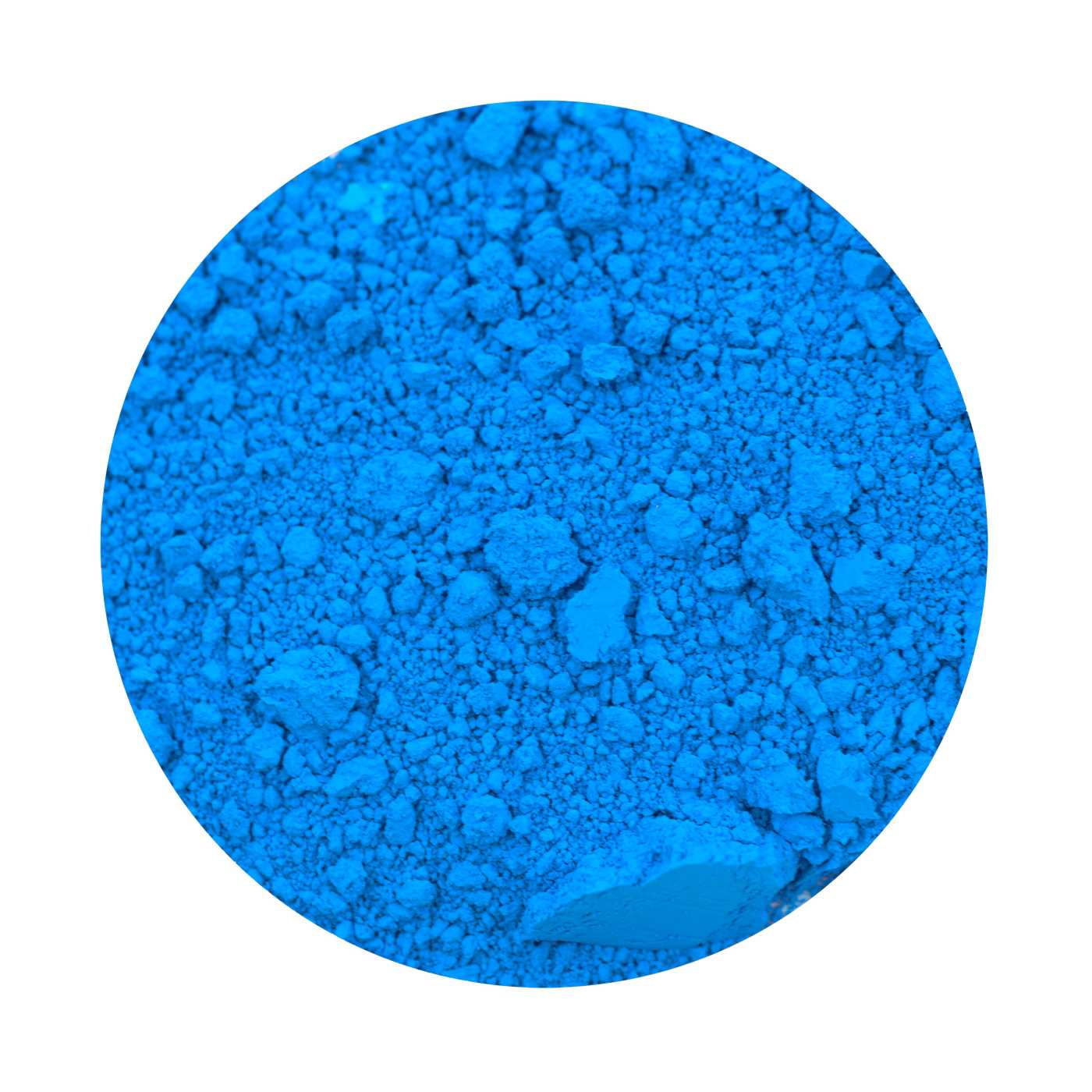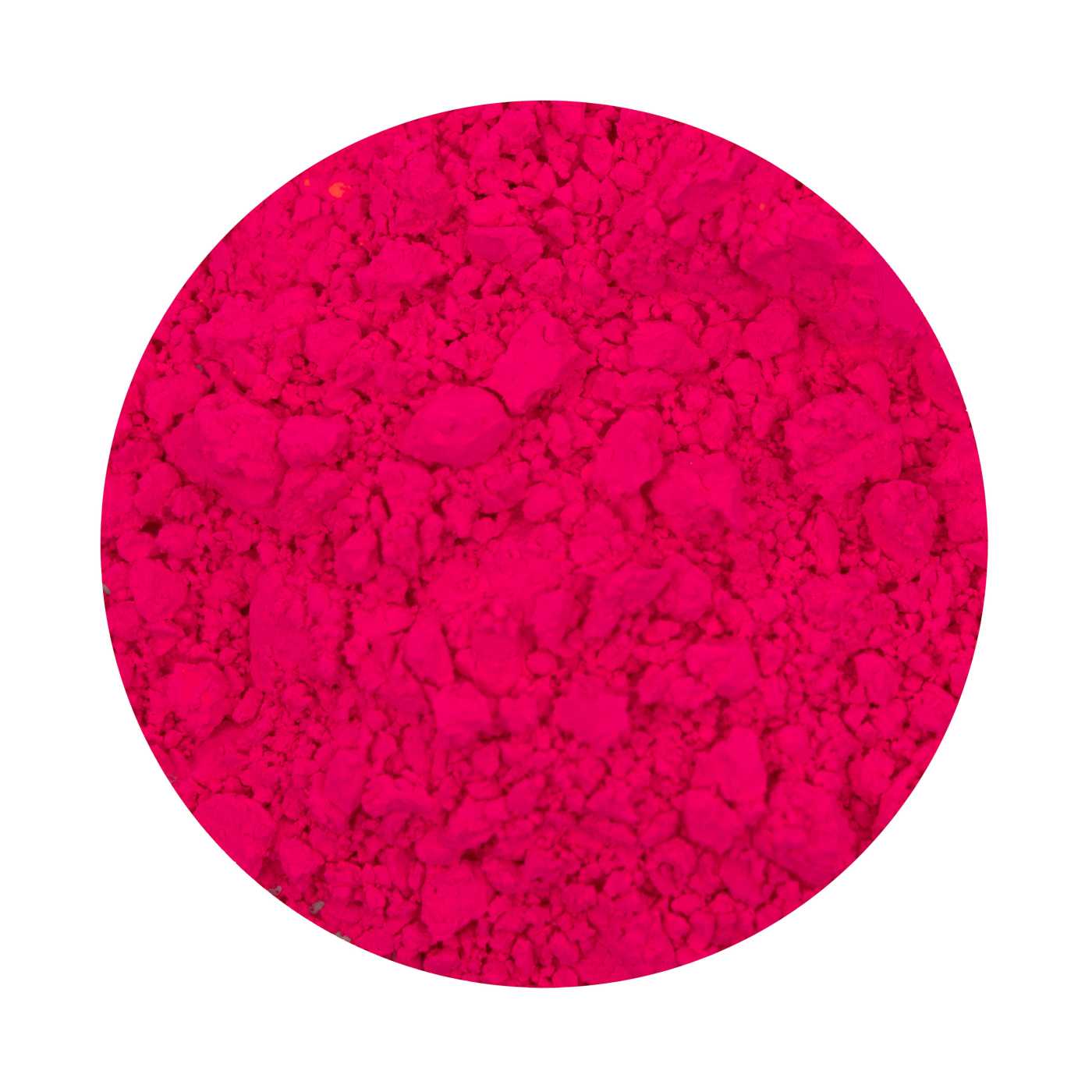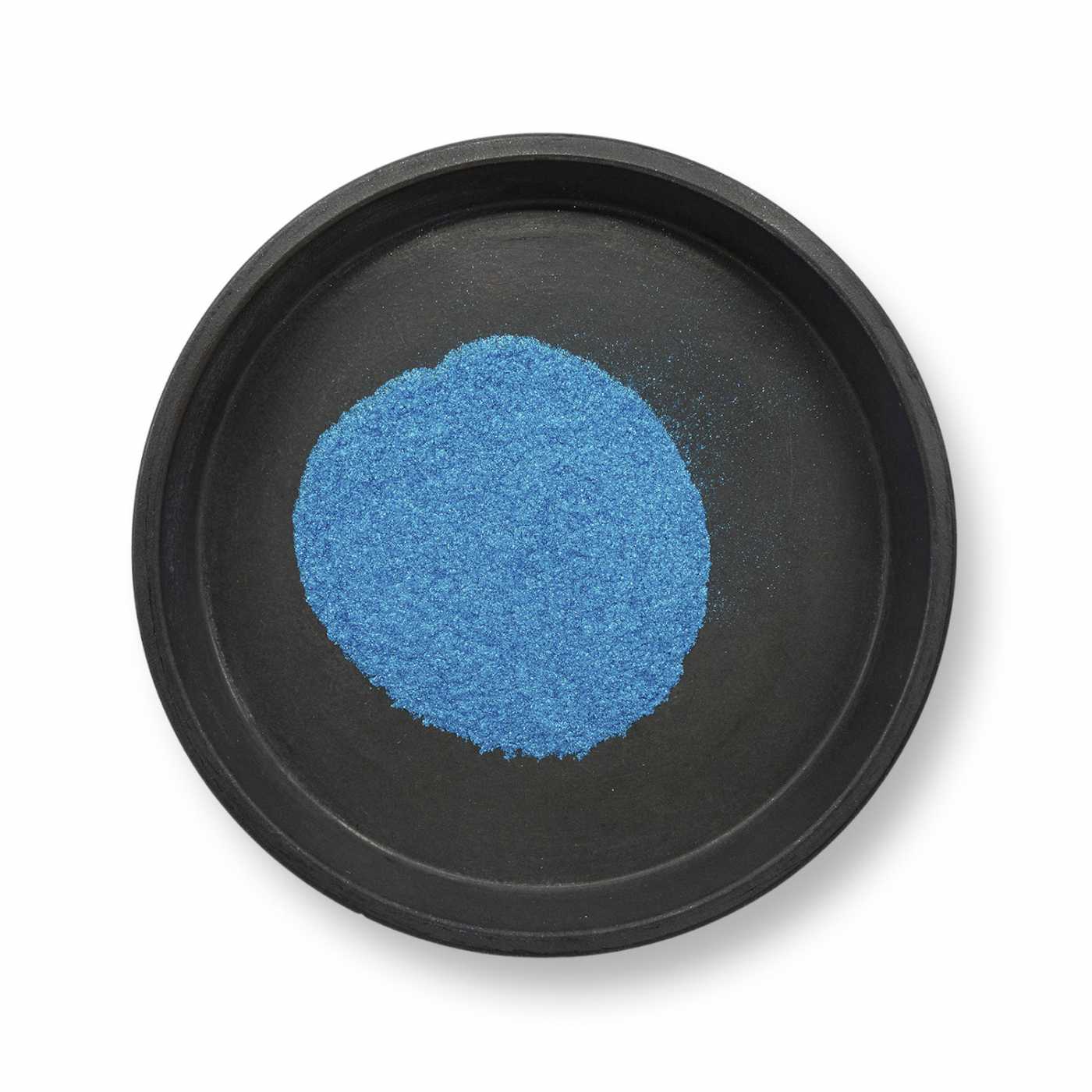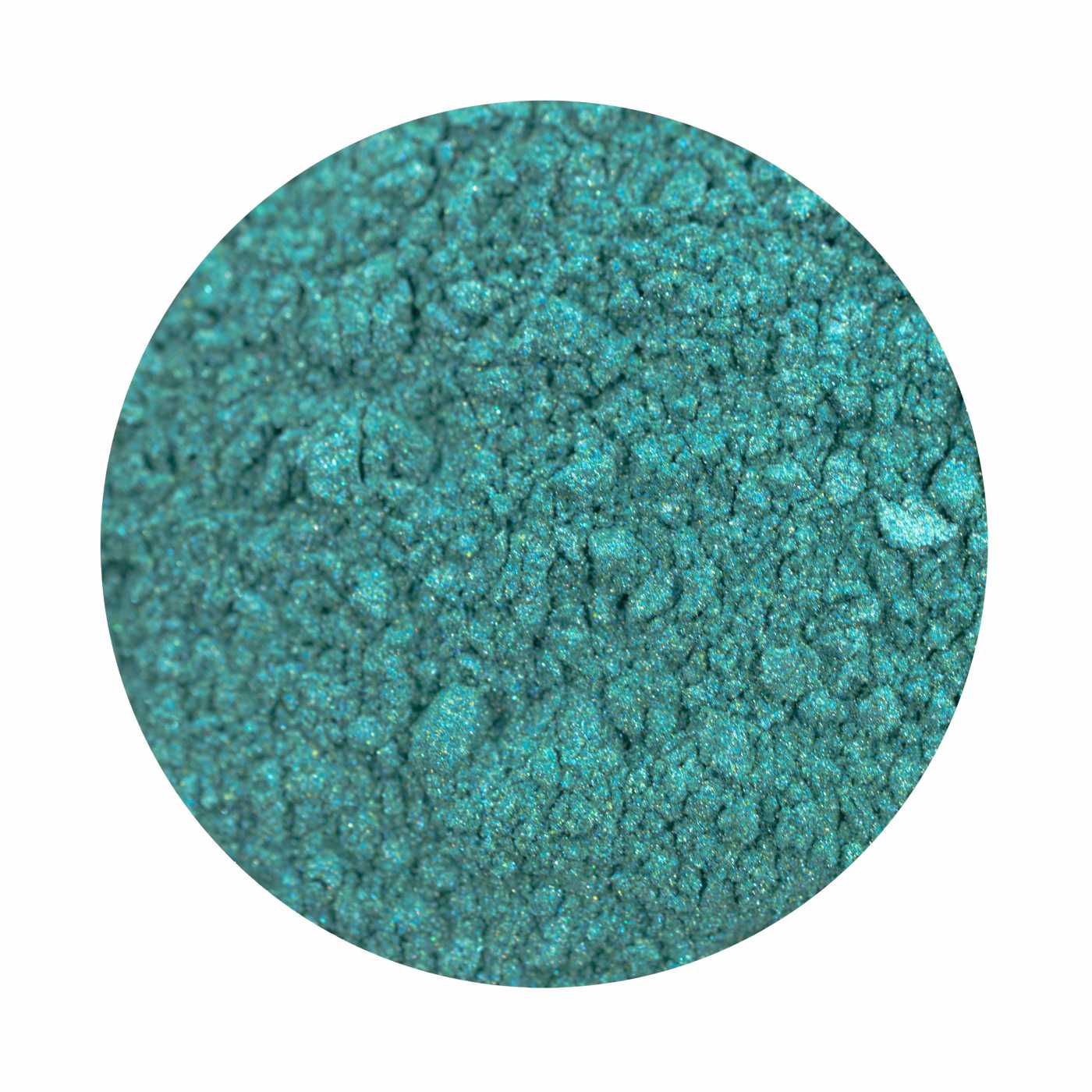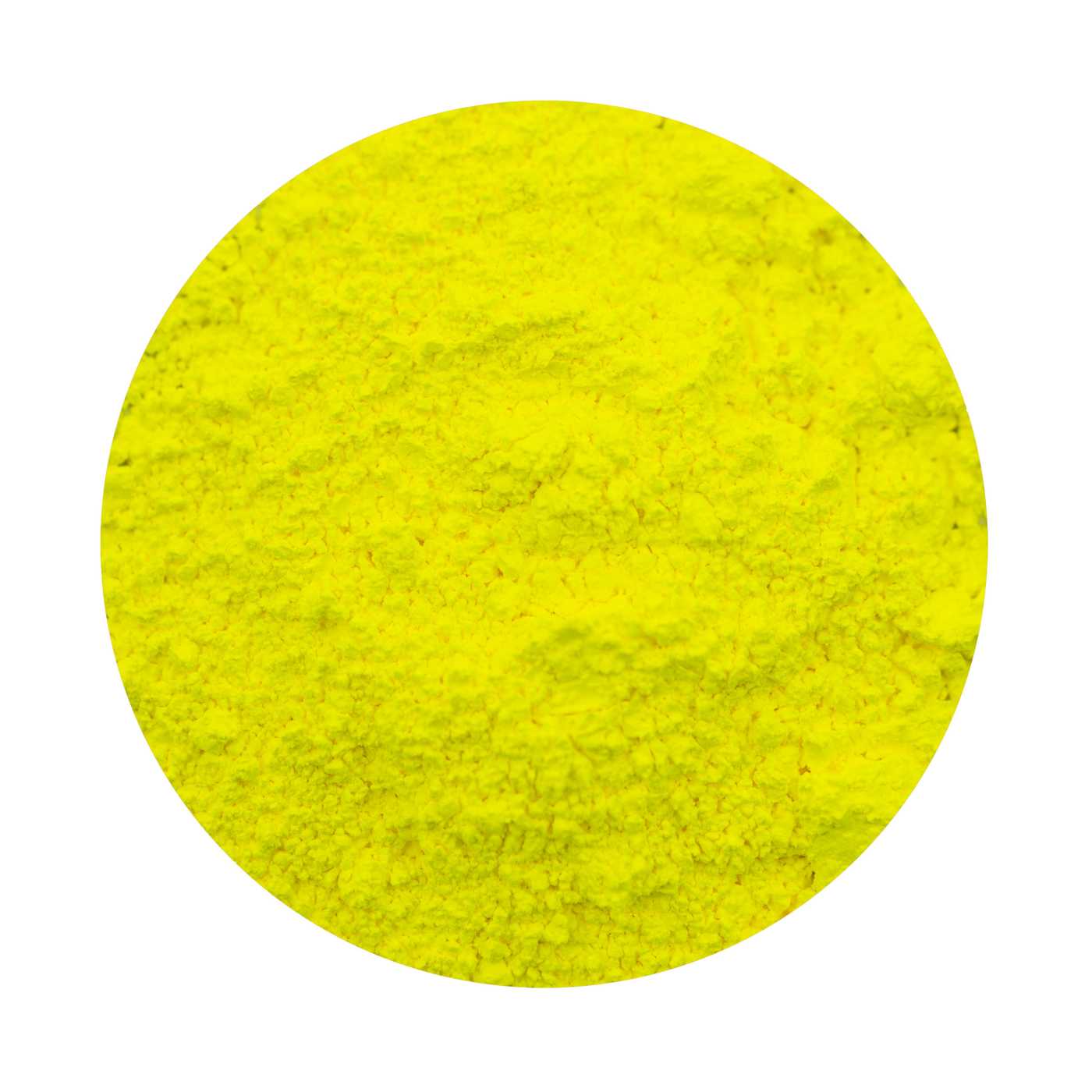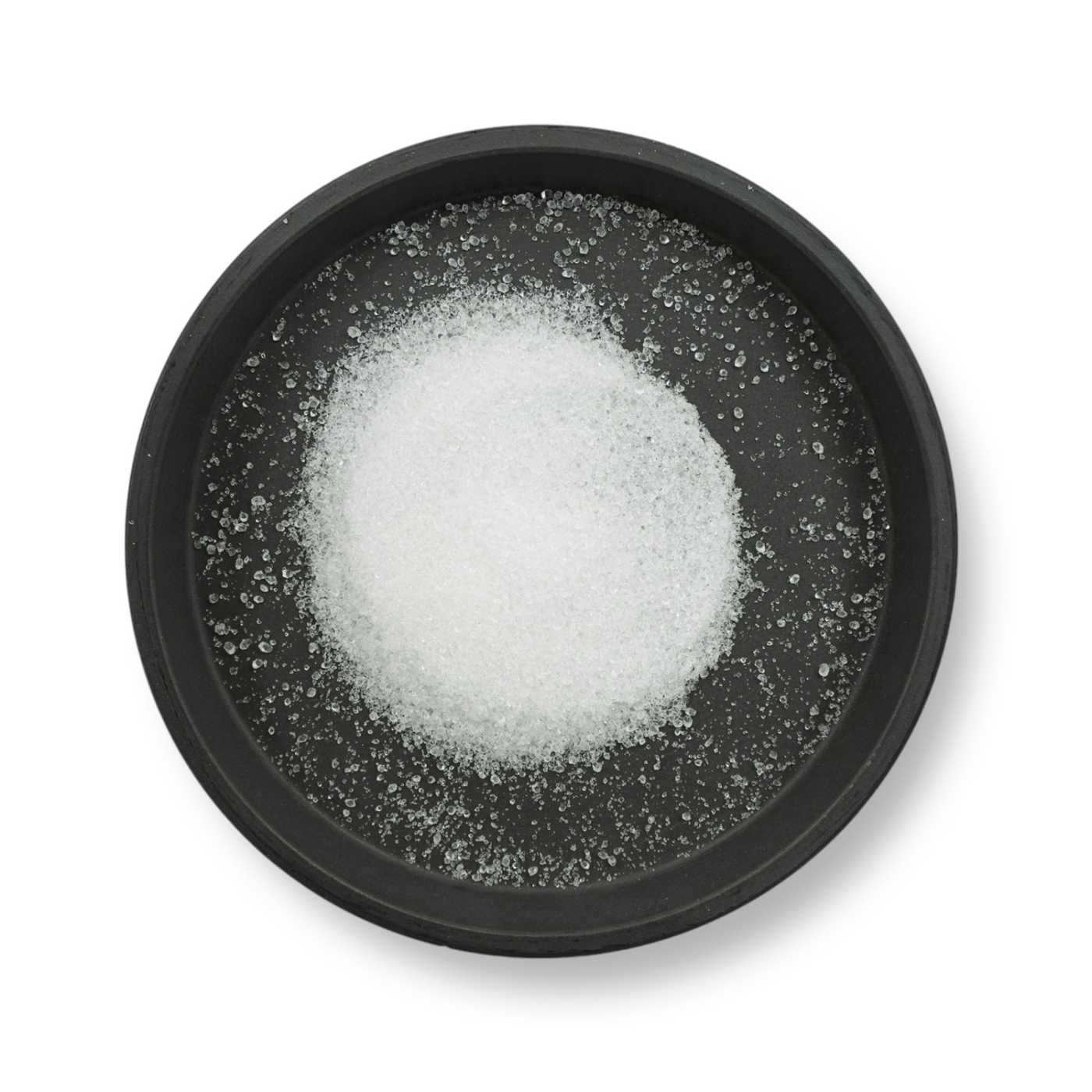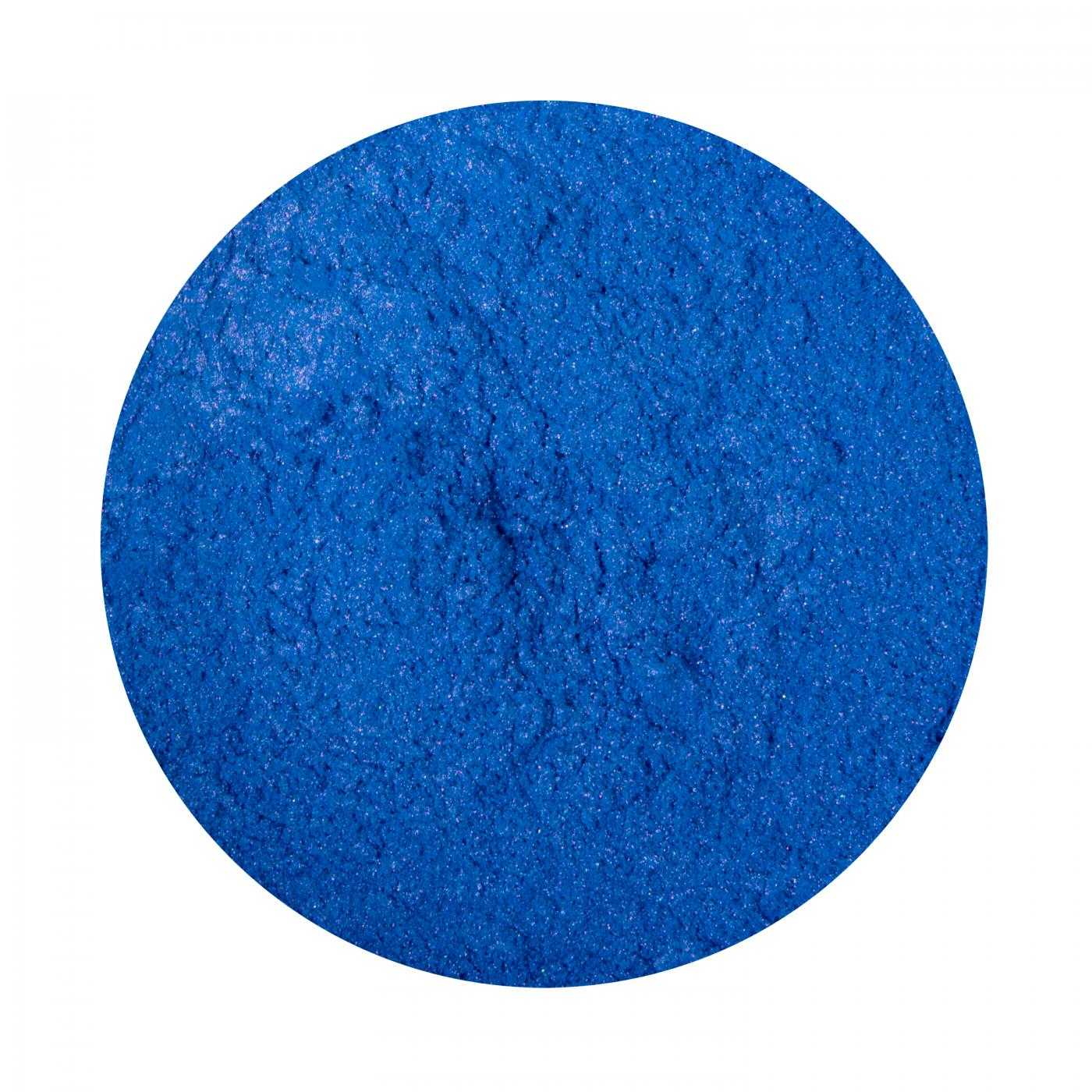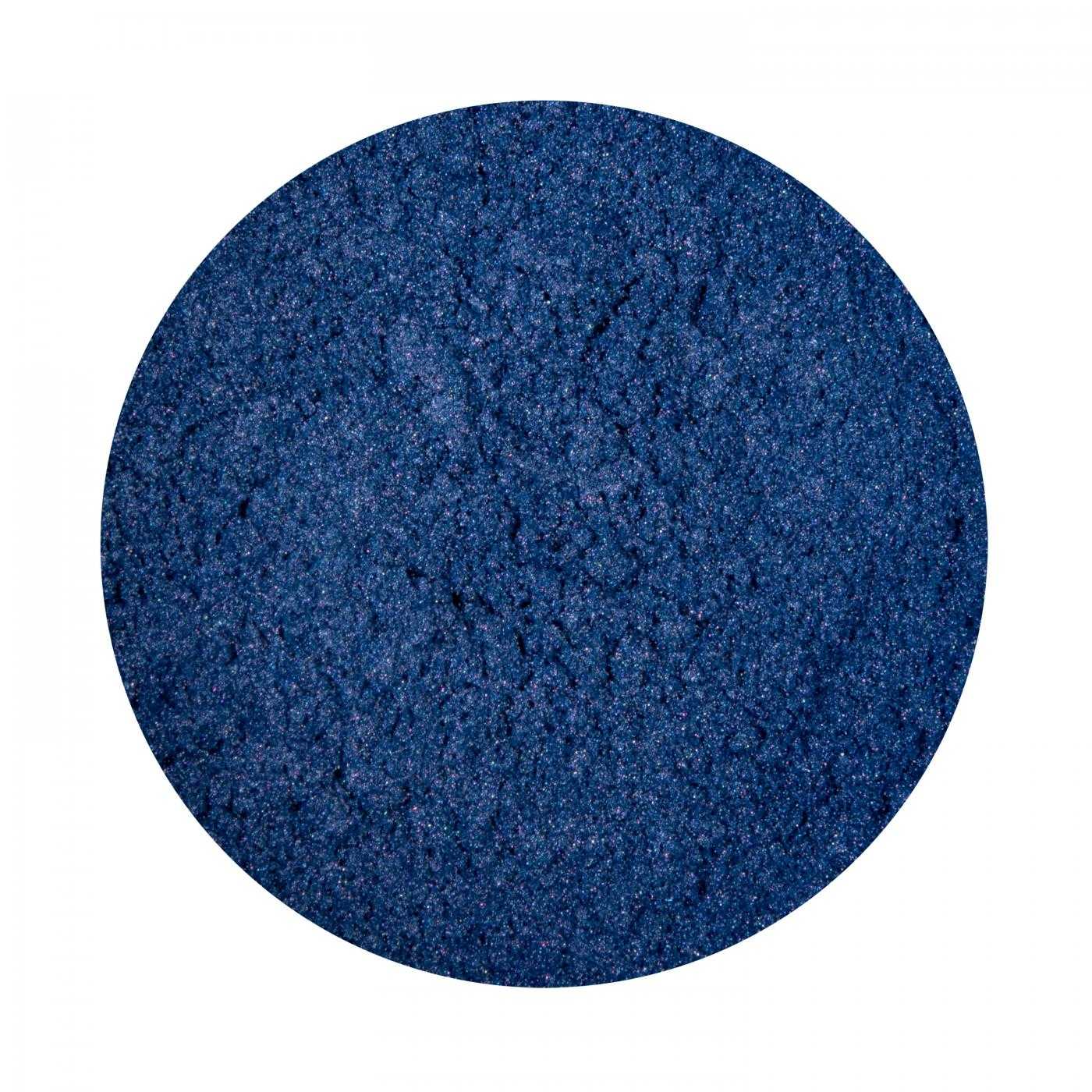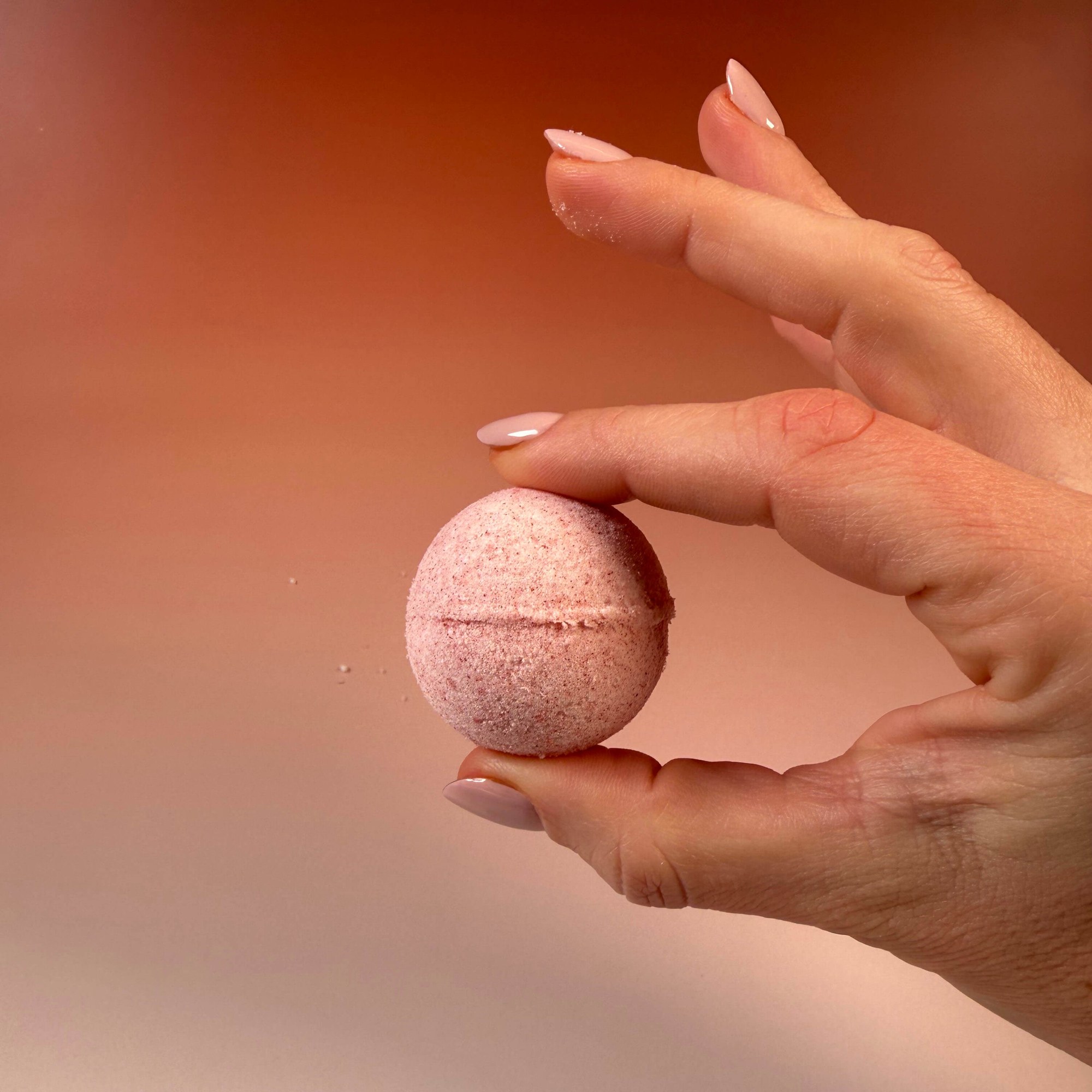

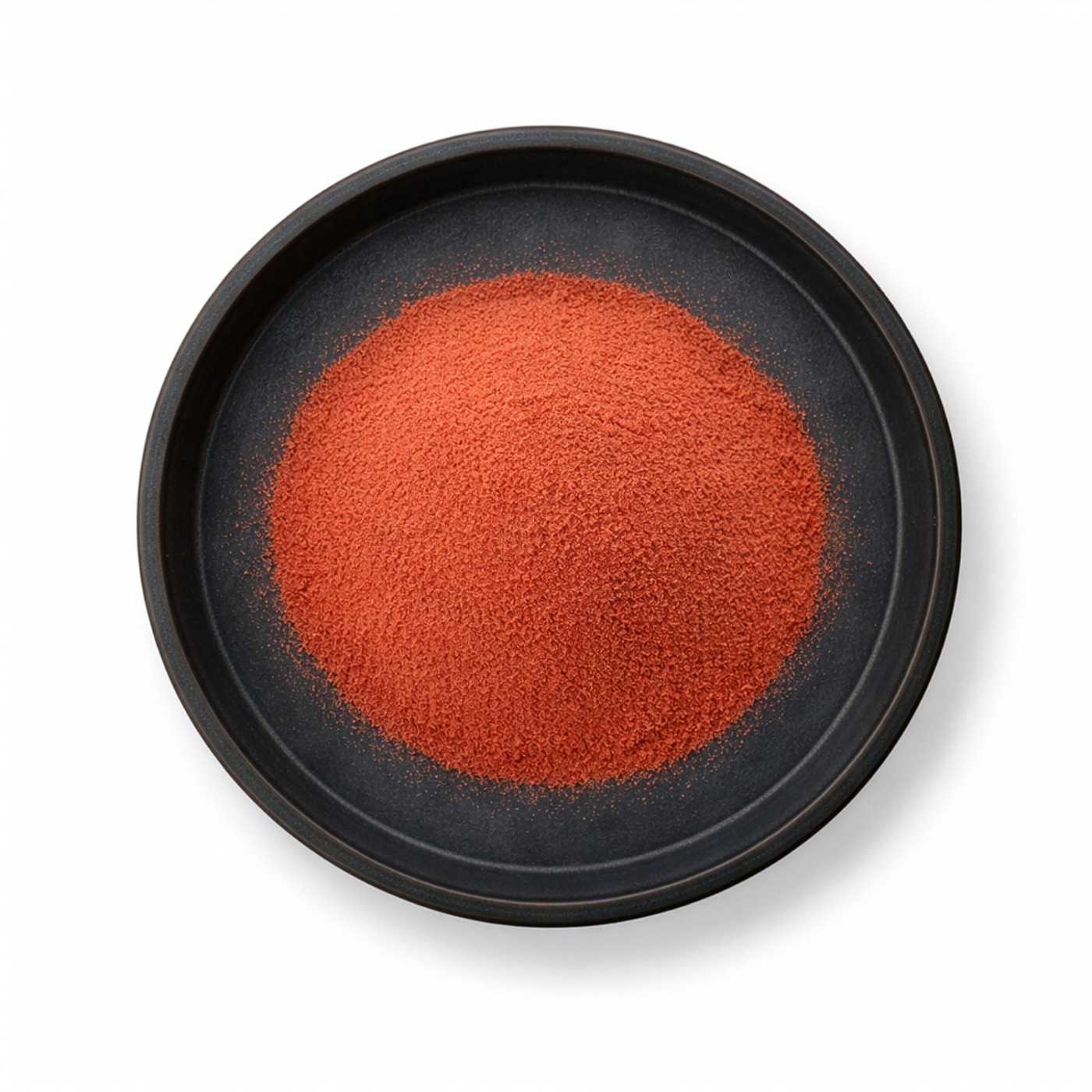
Bath Bombs Powdered Colorant, Golden Apricot, 10 g
Pre-order€2.09(€209.00/kg)

TENSIDES, SURFACTANT
Pack size100 g500 g5 kg25 kg91 kg
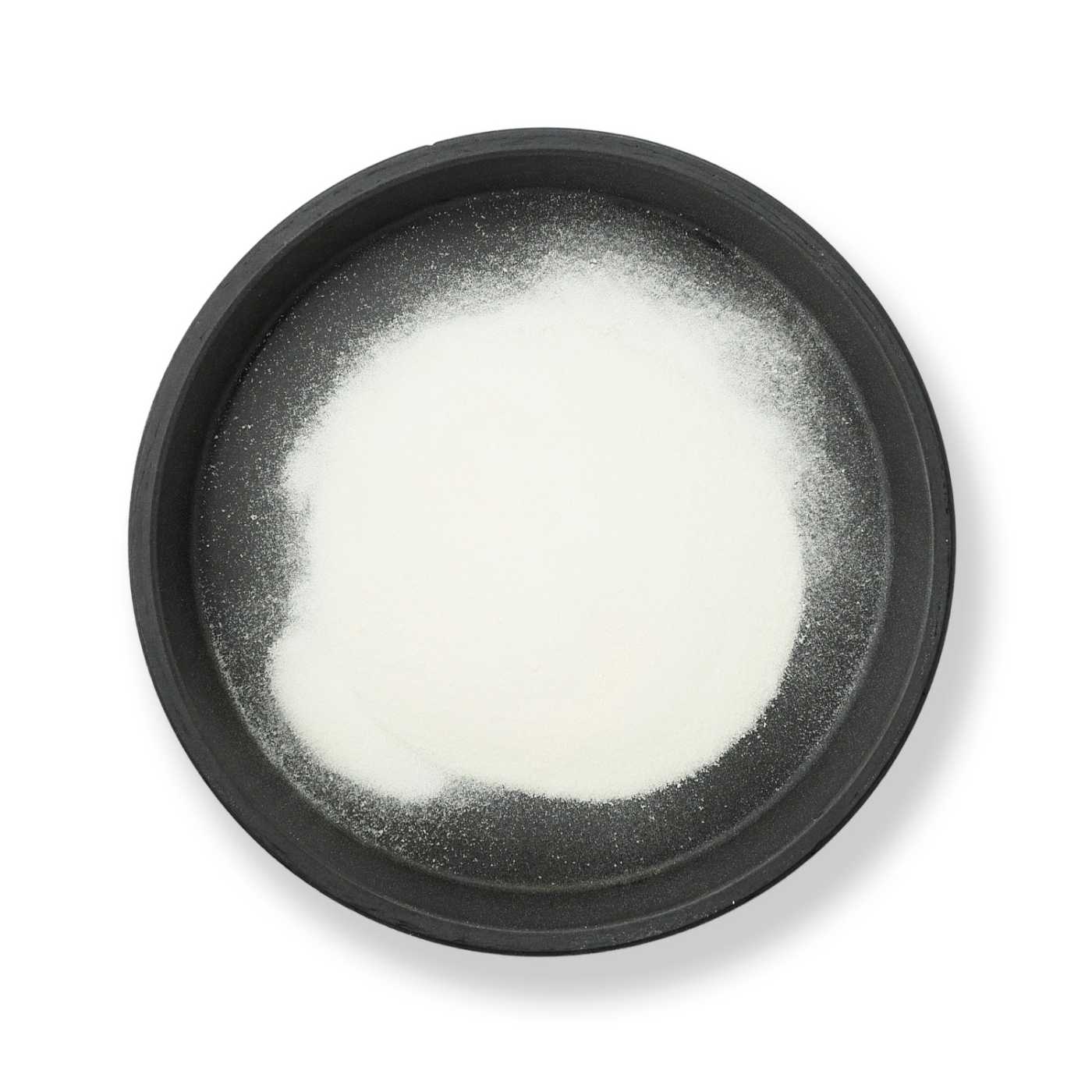
Sodium lauryl sulfoacetate (SLSA) is an anionic surfactant in powder form, derived from fatty alcohols of coconut or palm origin. full description
Lowest price in the last 30 days: €5.76
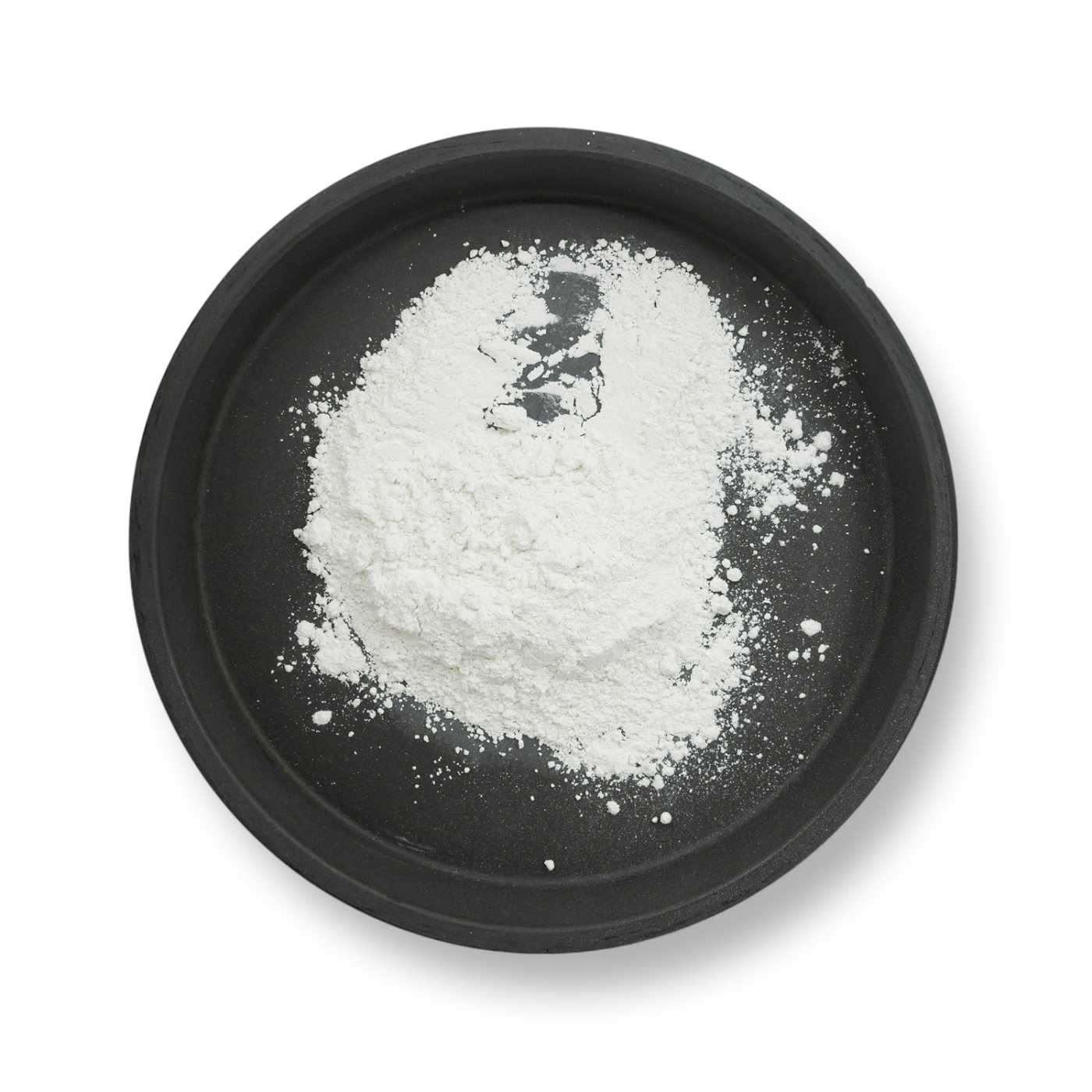
Sodium lauryl sulfoacetate (SLSA) is an anionic surfactant in powder form, derived from fatty alcohols of coconut or palm origin. It is supplied as a white to slightly creamy powder that dissolves well in water and in formulations primarily serves as a foaming agent and cleansing surfactant. Compared to the related SLS (sodium lauryl sulfate), it has a larger molecule and therefore penetrates the skin less and has a milder irritation potential — it is commonly presented as a gentler alternative for formulations with increased requirements on tolerance.
Its main practical property is the formation of a rich, dense foam with a creamy character, which builds up quickly and maintains structure well even in solid products.
Dosage: 1 – 50 % depending on the product type. In effervescent bath bombs and dry effervescent blends it is used in the range of 20 – 50 %, where it forms a dense foam upon contact with water. In shampoos, shower gels and bubble baths, 5 – 20 % is sufficient, usually as part of a system with other surfactants. In mild baby or rinse-off products, 1 – 5 % is sufficient.
Formulation pH: The optimal range is pH 5.0 – 7.0. Outside this range — especially in a strongly acidic environment — the surfactant system may become unstable or the foaming properties may change. Always verify compatibility with acids (AHA, BHA) in the specific formulation.
Processing temperature: SLSA is processed at temperatures of up to 70 °C. In liquid systems it is added to the aqueous phase, ideally to a warm solution (40 – 60 °C), where it dissolves faster. In solid products it is added directly to the dry blend without heating.
Compatibility: It works well with amphoteric surfactants (e.g. cocamidopropyl betaine) and nonionic surfactants, which soften its cleansing character and increase skin comfort. Combination with betaine is common in shampoos and shower gels. A higher concentration of electrolytes can affect the viscosity of the system.
Viscosity: SLSA alone does not create highly viscous formulations — address viscosity with a thickener or electrolytes in a separate step.
Preservation: Aqueous formulations with SLSA require preservation. Solid dry blends (bath bombs, powders) are more stable in the absence of water, but in case of contamination or humidity a preservative is also suitable there.
It is not suitable for anhydrous products (balms, oils, anhydrous serums) and products where foam is not desired (some micellar waters, cleansing oils).
In solid products, SLSA is mixed directly into the dry phase. It is fairly hygroscopic — store it in closed containers and work quickly in a low-humidity environment. Prolonged contact with moist air causes clumping and partial premature activation.
In liquid products, the powder is best pre-dissolved in warm water (50 – 60 °C) before adding other components. When cold, it dissolves more slowly and undissolved clumps may remain, which complicate homogenization.
Combining with other surfactants improves the overall profile of the formulation. SLSA alone can leave a slightly tightening feel on some skin types after rinsing — betaine or cocamide DEA mitigate this effect and at the same time stabilize the foam.
Effect on fragrance and color: SLSA is almost neutral in the formulation — it does not impart a pronounced color or fragrance, which is an advantage in perfumed products.
Solubility at higher dosage: Dosage at the upper limit (30 – 50 %) in a liquid system may not be feasible without the addition of further solubilizers — at such concentrations SLSA is used exclusively in the solid phase.
Sodium lauryl sulfate (SLS) and SLSA are both anionic surfactants with a lauryl chain, but their chemical structure differs: SLSA contains a sulfoacetate group, SLS a sulfate group. The result is a larger SLSA molecule, which penetrates the skin less — an advantage in terms of tolerance. SLSA is a somewhat less aggressive cleanser than SLS while maintaining comparable foaming properties. However, it is not an equivalent replacement in every application — behavior in dissolution, system viscosity and interactions with other components may differ, so when substituting, always verify stability and sensorial properties in the specific formulation.
Only customers with a delivered order can write reviews.