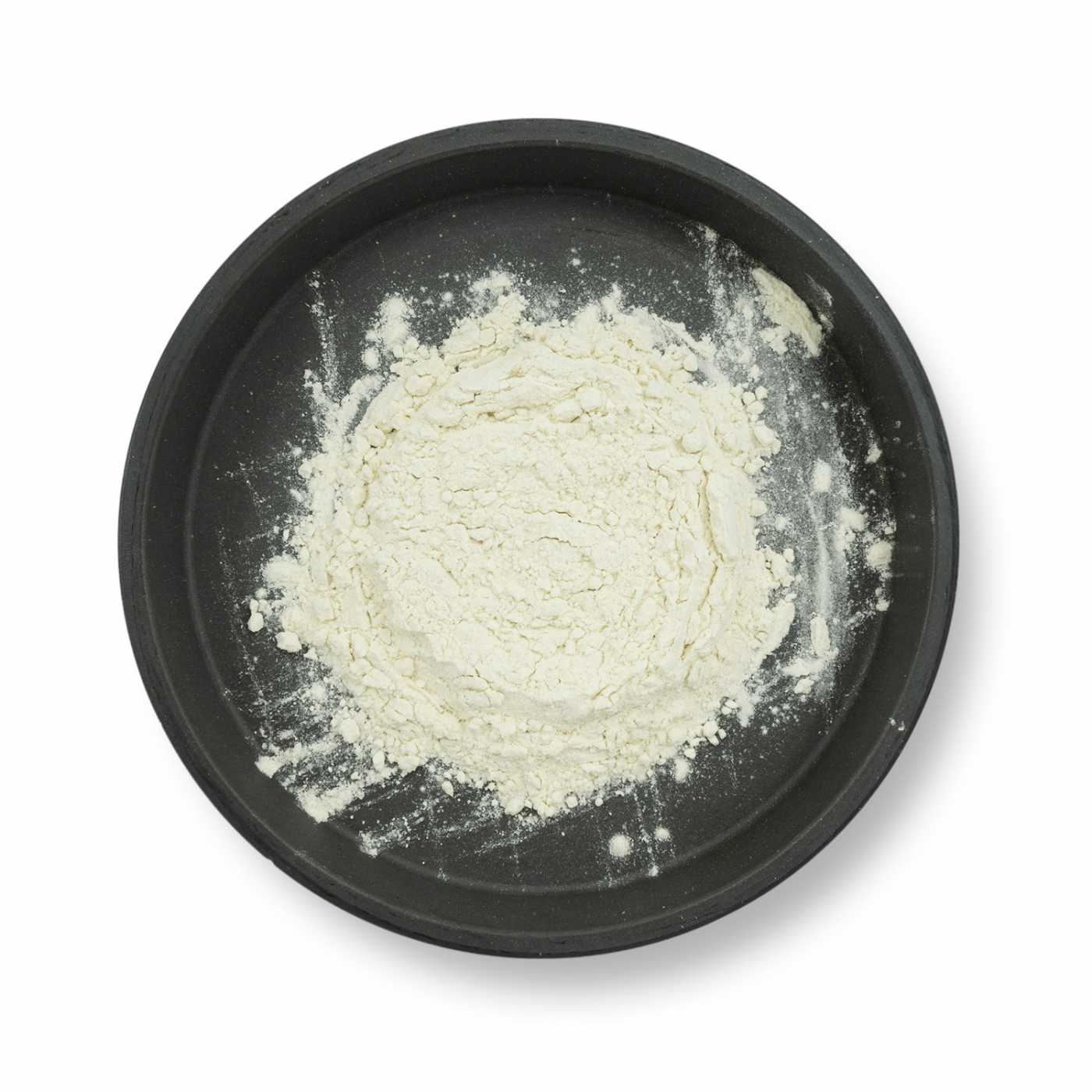
PDRN Phycopeptide
PDRN Phycopeptide is an active ingredient for face and body cosmetics formulated for mature skin. It combines polydeoxyribonucleotides (PDRN) in the form of a sodium salt of DNA with an extract from the alga Chlorella vulgaris, obtained by enzymatic extraction. The manufacturer classifies it as a multi-active anti-ageing ingredient. According to the manufacturer's data, it supports regeneration, hydration and elasticity of the skin, helps reduce wrinkles and protects cellular DNA from damage.
The complex contains no materials of animal origin. The botanical source is the alga Chlorella vulgaris, which distinguishes it from PDRN ingredients derived from animal sources.
Key benefits
- Regeneration and renewal – PDRN are DNA fragments that, according to the manufacturer's data, support the skin's natural renewal processes. Particularly useful in care for skin that is losing firmness and appears tired.
- Improved elasticity and wrinkle reduction – an effect stated by the manufacturer for mature skin, relevant for serums, creams and eye preparations with regular application.
- DNA protection under UV stress – the manufacturer states a protective effect on cellular DNA and support for skin exposed to UV radiation. The complex is not a sun filter and does not replace sun protection.
- Hydration – the high proportion of glycerin and pentylene glycol in the carrier complements the action of the active ingredients and supports surface hydration of the skin.
- No ingredients of animal origin – plant-based source of PDRN, also free from PEG, EDTA, silicones and parabens.
Use in formulation
The complex is water-soluble. It is supplied as a liquid concentrate in a carrier of water, glycerin and pentylene glycol, and is therefore added to the water phase or to the finished emulsion during the cooling phase, when the temperature drops below 40 °C. It should not be added to the heated water phase before emulsification. It will not dissolve in anhydrous or purely oil-based systems.
The recommended dosage is 0.5 – 2 %. For serums and gel textures, it is sufficient to blend the complex into the prepared water base with standard mixing. For emulsions, it is added after cooling, together with the other heat-sensitive ingredients and preservative, after which the formulation is only briefly mixed.
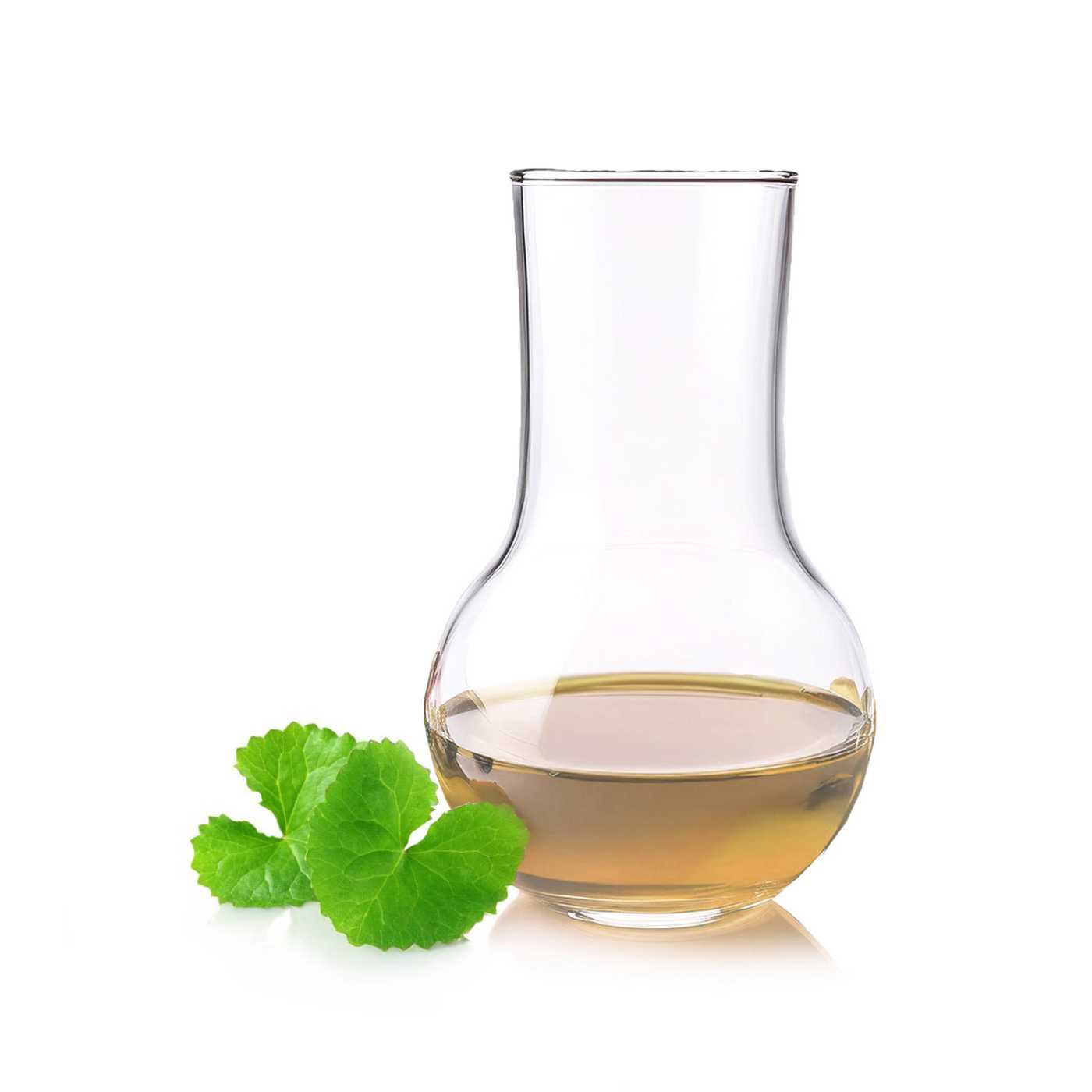
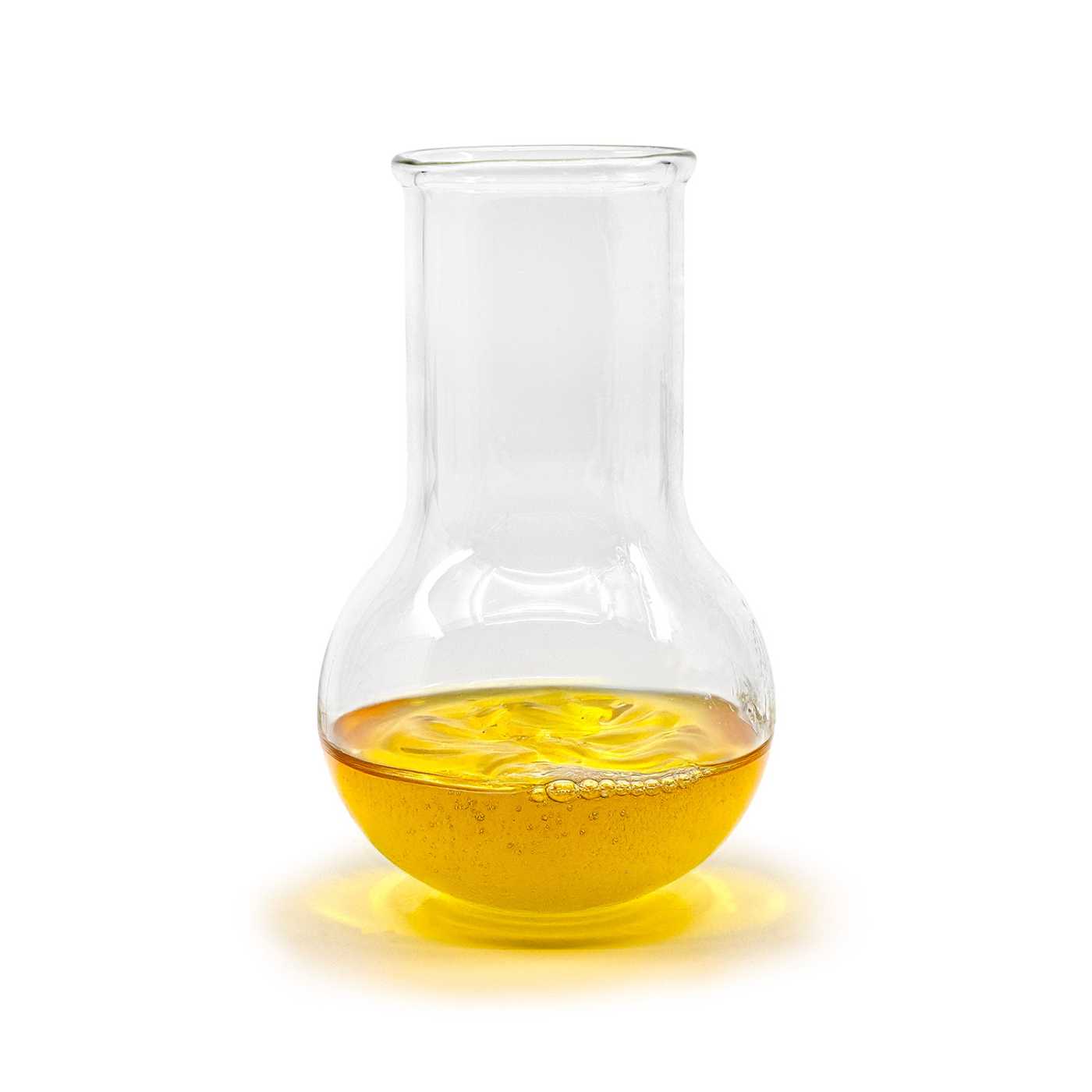
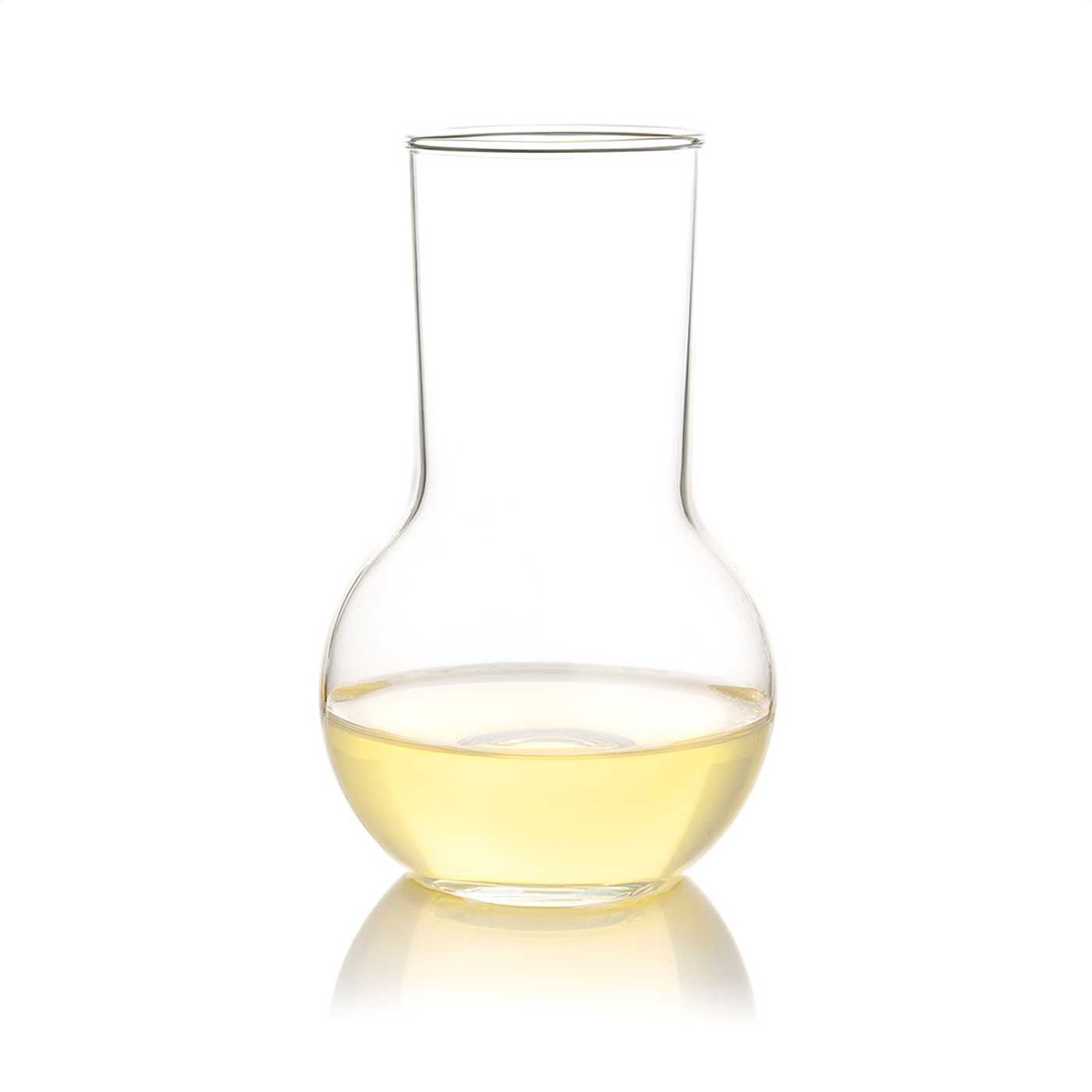
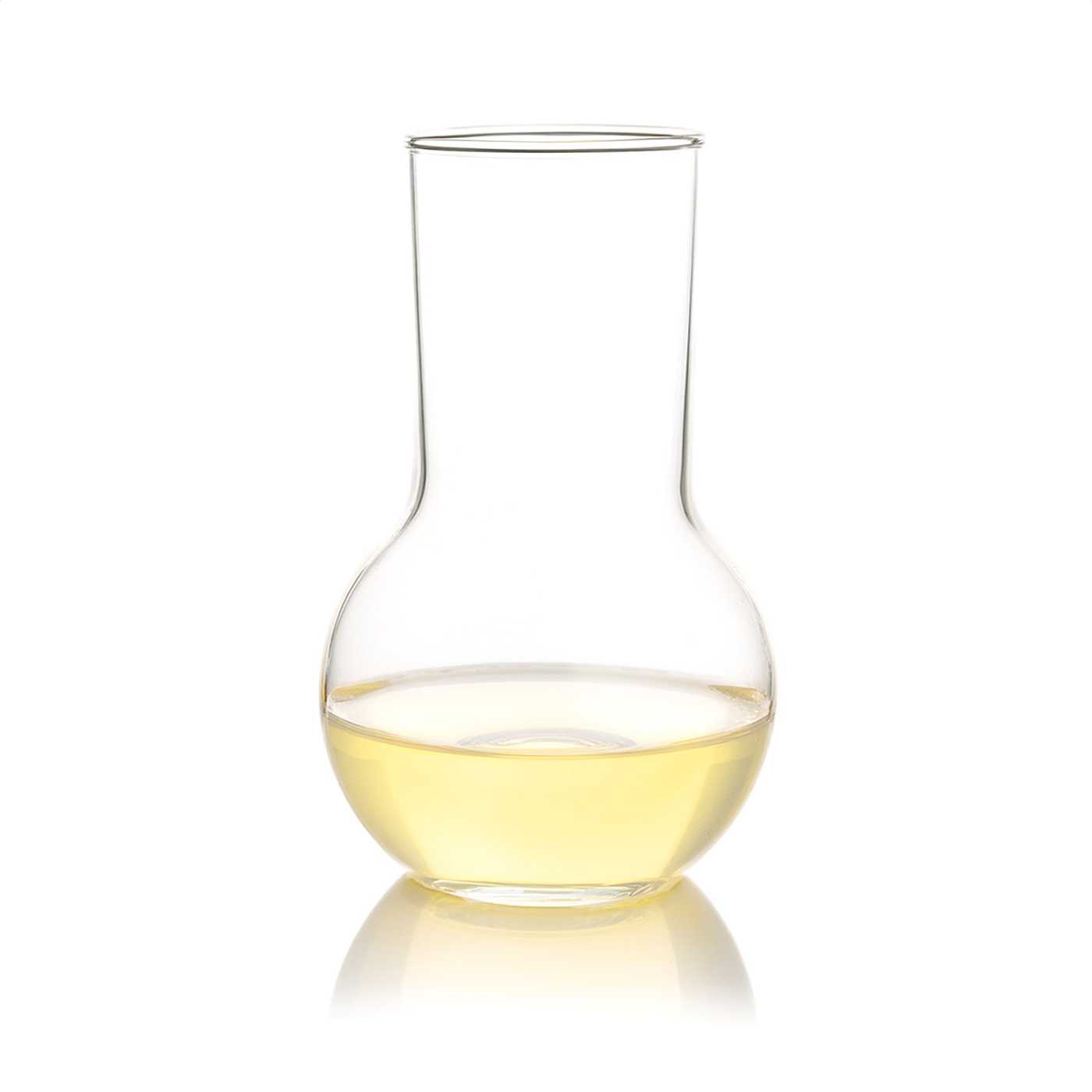
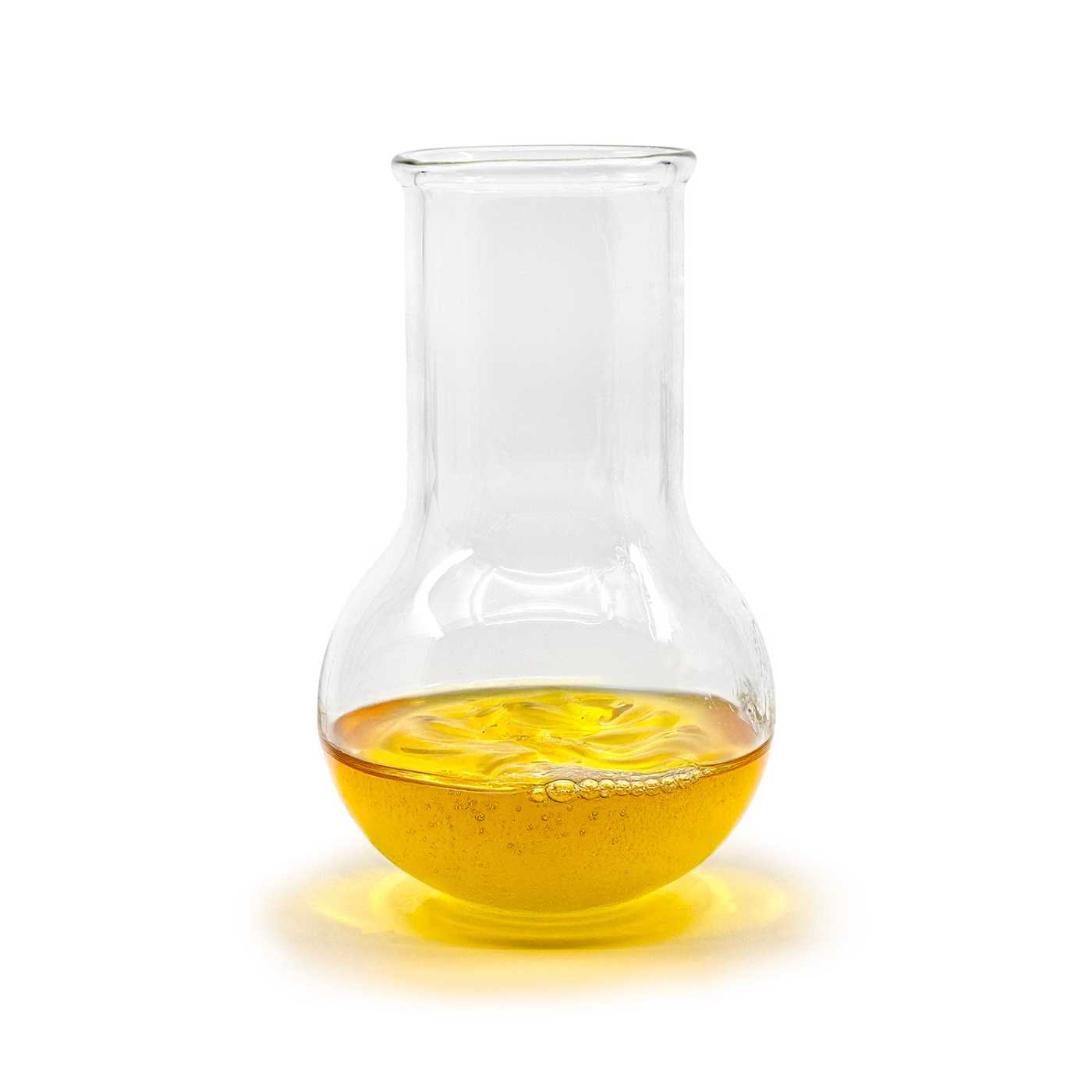
The concentrate has a yellow to brown colour. At the upper end of the dosage range and in clear serums, verify that the shade of the finished product meets your expectations.
Data on the stable pH range for this ingredient is not available. Verify the behaviour of the complex at the target pH and its compatibility with the chosen preservation system in the finished formulation with a short stability test.
Suitable for products such as
- Serums and ampoules for mature skin – a water base with lower viscosity allows full dosage to be used.
- Day and night creams – in O/W emulsions, it complements the regenerating and moisturising component of the formulation.
- Eye creams and gels – preparations targeting fine lines and loss of firmness around the eyes.
- Body lotions and serums – the manufacturer specifies use for both face and body, making it suitable for décolleté, neck or hand care.
- Hydrating toners and essences – light water-based textures in which the water solubility and moisturising carrier come into their own.
The manufacturer designates the complex for leave-on products. It is not intended for rinse-off preparations such as cleansing gels or masks.
Good to know
A water base with glycerin and pentylene glycol does not mean the finished product requires no preservation. Every formulation with a water phase must have its own preservation system chosen according to the product type and pH.
When working with serums, do not mix the complex into the thickened base too quickly, to avoid incorporating unnecessary air into it.
The concentrate is subject to classification under the CLP Regulation and is labelled with the GHS05 pictogram (corrosive). When handling the undiluted product, follow the instructions in the safety data sheet.
Frequently asked questions
Is PDRN Phycopeptide water-soluble?
Yes, PDRN Phycopeptide is water-soluble. It is supplied as a liquid concentrate based on water, glycerin and pentylene glycol, and is therefore added to the water phase of a serum, toner or emulsion. It is not suitable for purely oil-based or anhydrous products, as it will not dissolve in them.
At what temperature is PDRN Phycopeptide added to a cream?
PDRN Phycopeptide is added during the cooling phase, when the emulsion temperature is below 40 °C. It should not be added to the water phase that is heated before emulsification. It is blended together with the other heat-sensitive active ingredients and preservative, after which the cream is only briefly mixed.
What is the recommended dosage of PDRN Phycopeptide?
The recommended dosage of PDRN Phycopeptide is 0.5 – 2 % in the finished product. The specific value within this range is chosen according to the product type and the desired intensity of the treatment. At the upper end of the dosage range, check whether the yellow-brown shade of the concentrate has altered the colour of a clear serum.
Is PDRN Phycopeptide of animal origin?
No, PDRN Phycopeptide contains no materials of animal origin. The botanical source is the alga Chlorella vulgaris and the complex is obtained by enzymatic extraction. This distinguishes it from PDRN ingredients isolated from animal sources.
Does PDRN Phycopeptide replace a sun filter?
No, PDRN Phycopeptide is not a UV filter and does not replace sun protection. The manufacturer states a protective effect on cellular DNA and support for skin exposed to UV stress; however, this refers to the action of the active ingredient in skin care. Sun protection in a formulation is provided by UV filters.
Does a serum with PDRN Phycopeptide need a preservative?
Yes, every serum or cream with PDRN Phycopeptide needs its own preservation system. The complex is supplied in a carrier with a high proportion of glycerin and pentylene glycol, but the finished product with a water phase must be protected against microbial growth separately. The preservative is chosen according to the product type and target pH, and its compatibility with the complex should be verified by a stability test.