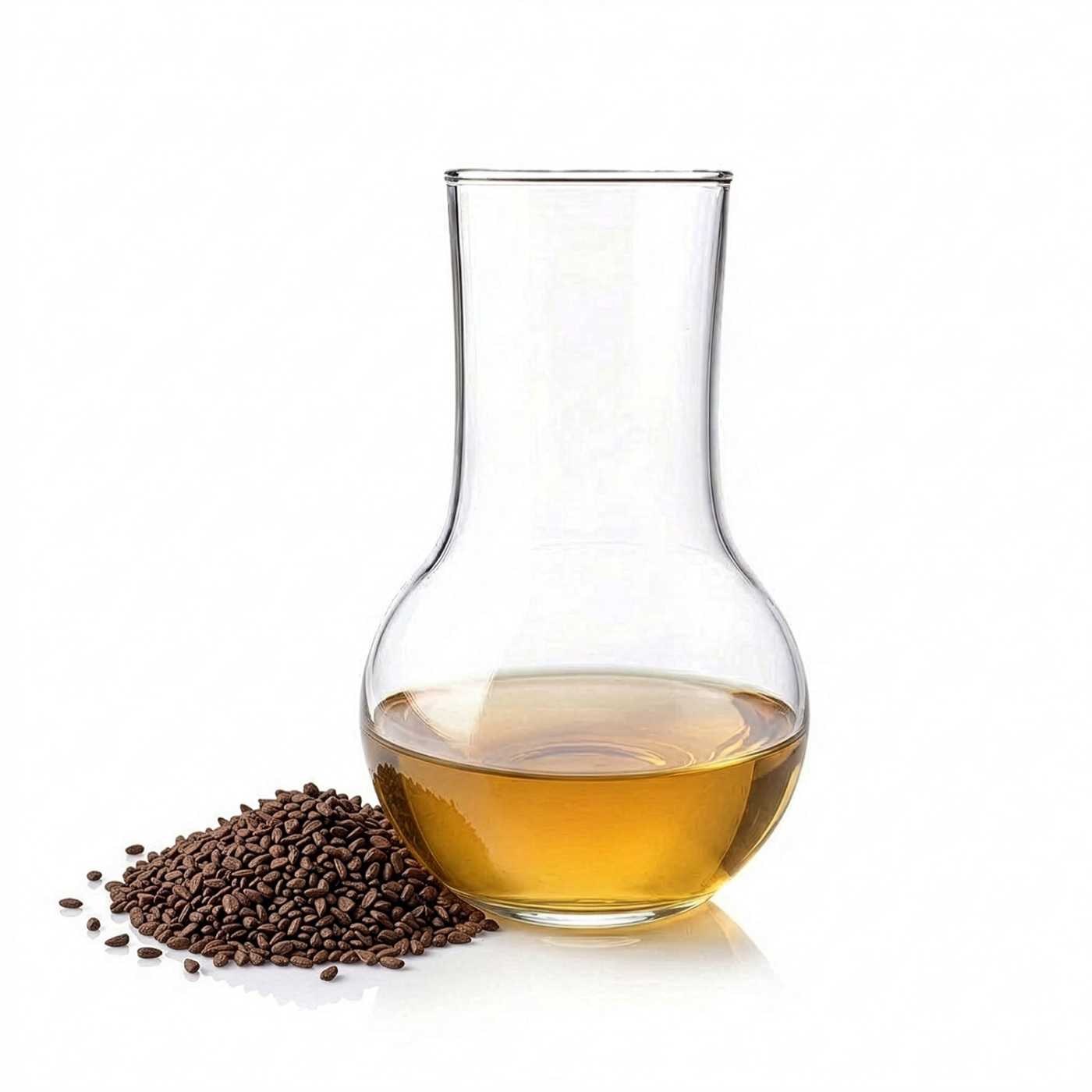
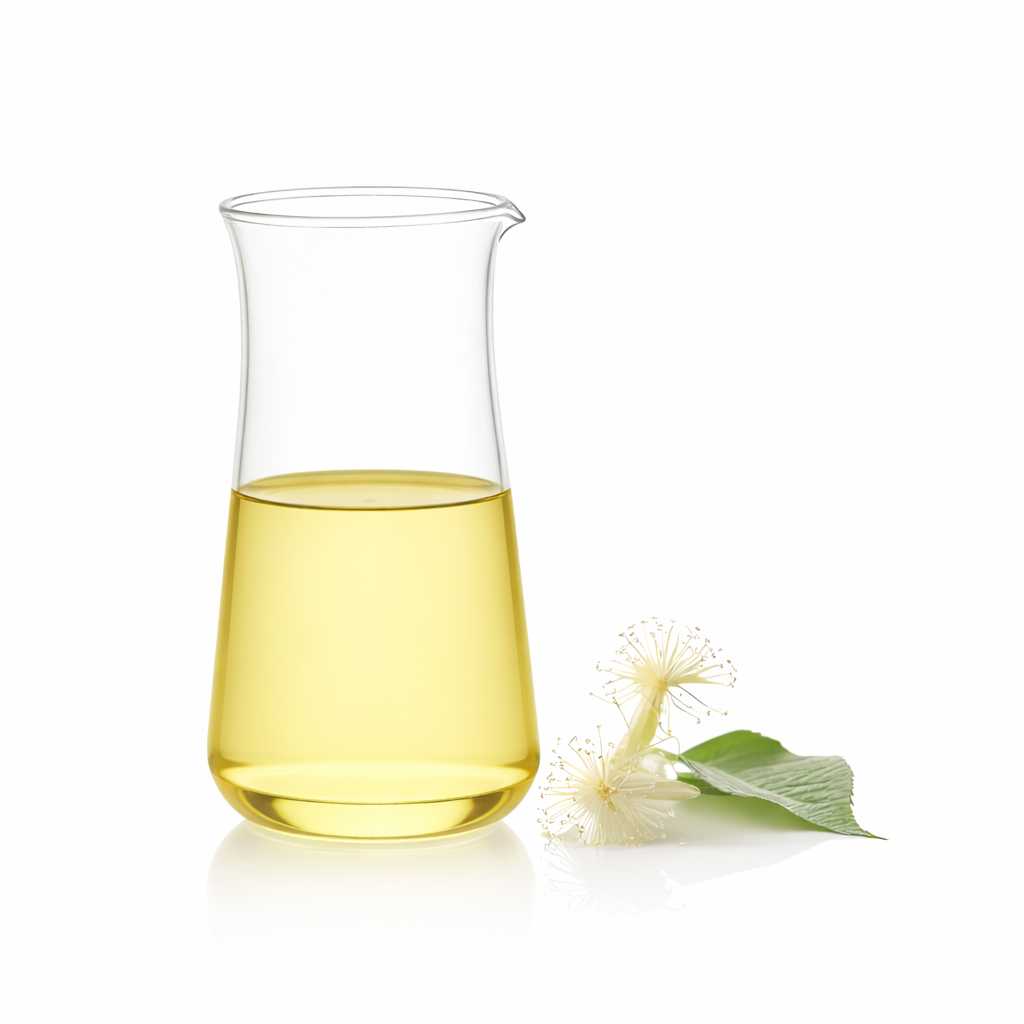
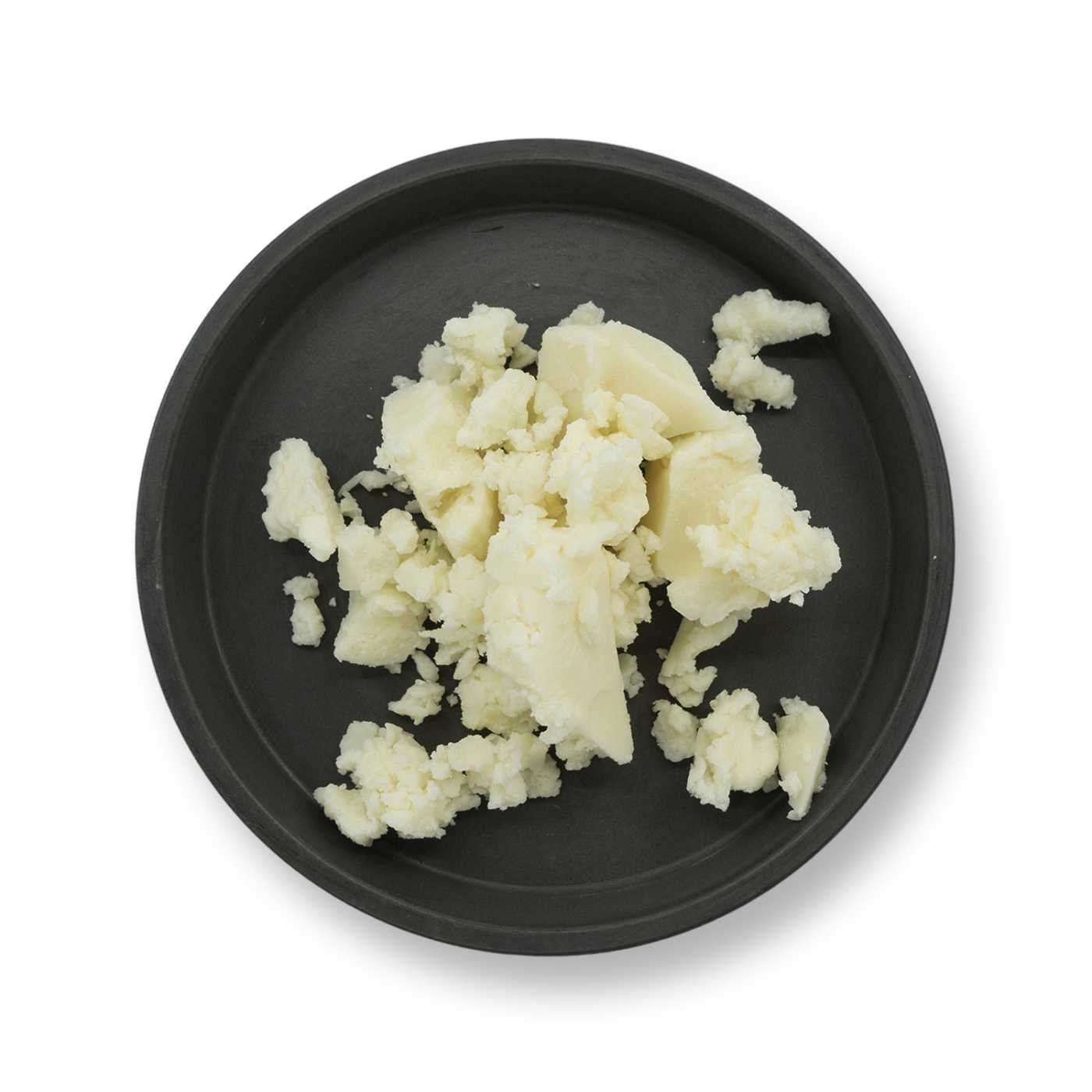
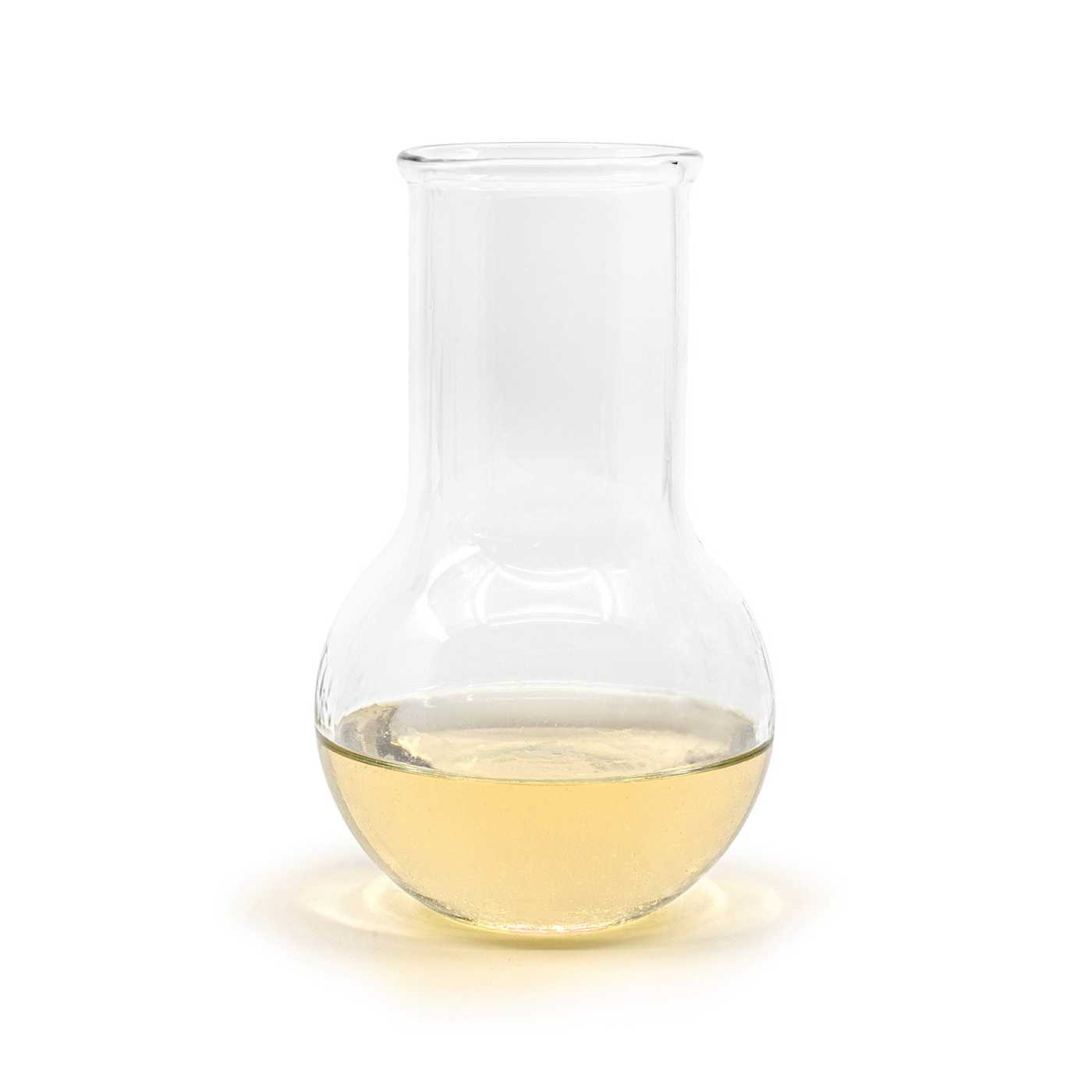
Evening primrose CO2-to seed extract is obtained from the seeds of the plant Oenothera biennis by means of supercritical CO₂ extraction. The designation CO2-to means total extract, i.e. a complete extract that captures a broad spectrum of naturally occurring lipophilic components including fatty acids, unsaponifiable matter, sterols, tocopherols and a smaller share of waxy fractions. Compared to conventional pressed oil, this is a more concentrated raw material with a fuller profile of substances and a more pronounced technological as well as conditioning effect.
In cosmetic formulations this extract is valued especially for its content of essential unsaturated fatty acids, in particular linoleic acid and gamma-linolenic acid, which are of interest for the care of dry, sensitive, stressed and uncomfortable skin. Evening primrose CO2-to extract helps improve the skin’s feeling of comfort, supports the protective barrier and is also suitable for formulations focused on softening, replenishing lipids and overall improving the product’s sensorial profile.
Key benefits
- Supports the skin barrier thanks to a high content of essential unsaturated fatty acids.
- Softening and emollient effect, particularly suitable for dry, rough and mature skin.
- Soothing cosmetic profile for sensitive and easily reactive skin.
- Nourishing lipid supplement for regenerative and protective formulations.
- Fuller effect than common aromatic extracts, because the CO2-to extract also contains non-volatile components including sterols and waxy fractions.
- Suitable for anti-age formulations and products intended to restore comfort to dry skin.
Suitable for products such as
- nourishing facial oils and oil serums
- creams and emulsions for dry, sensitive and mature skin
- balms for the face, lips and stressed areas
- body butters, body balms and regenerative ointments
- after-sun products and protective conditioning formulations
- oil blends for massage and evening skin care
- nourishing hair packs and care for dry scalp
Use in formulation
- Compatible with the oil phase and emulsion systems.
- Miscible with vegetable oils, butters, waxes, esters and anhydrous bases.
- Insoluble in water; for purely aqueous formulations it is not suitable without an appropriate solubilisation or emulsification system.
- Typical use is at low to medium concentrations, most often as a functional lipid supplement to the active oil component of the formulation.
- To preserve sensorial and functional properties it is recommended to add it during cooling (at a temperature below 40 °C).
- At higher dosage it may affect the colour, odour and viscosity of the finished product.
- In view of the natural content of heavier fractions it is advisable to verify the final texture in a trial batch.
Physical properties
- lipophilic raw material with an oily to more viscous consistency
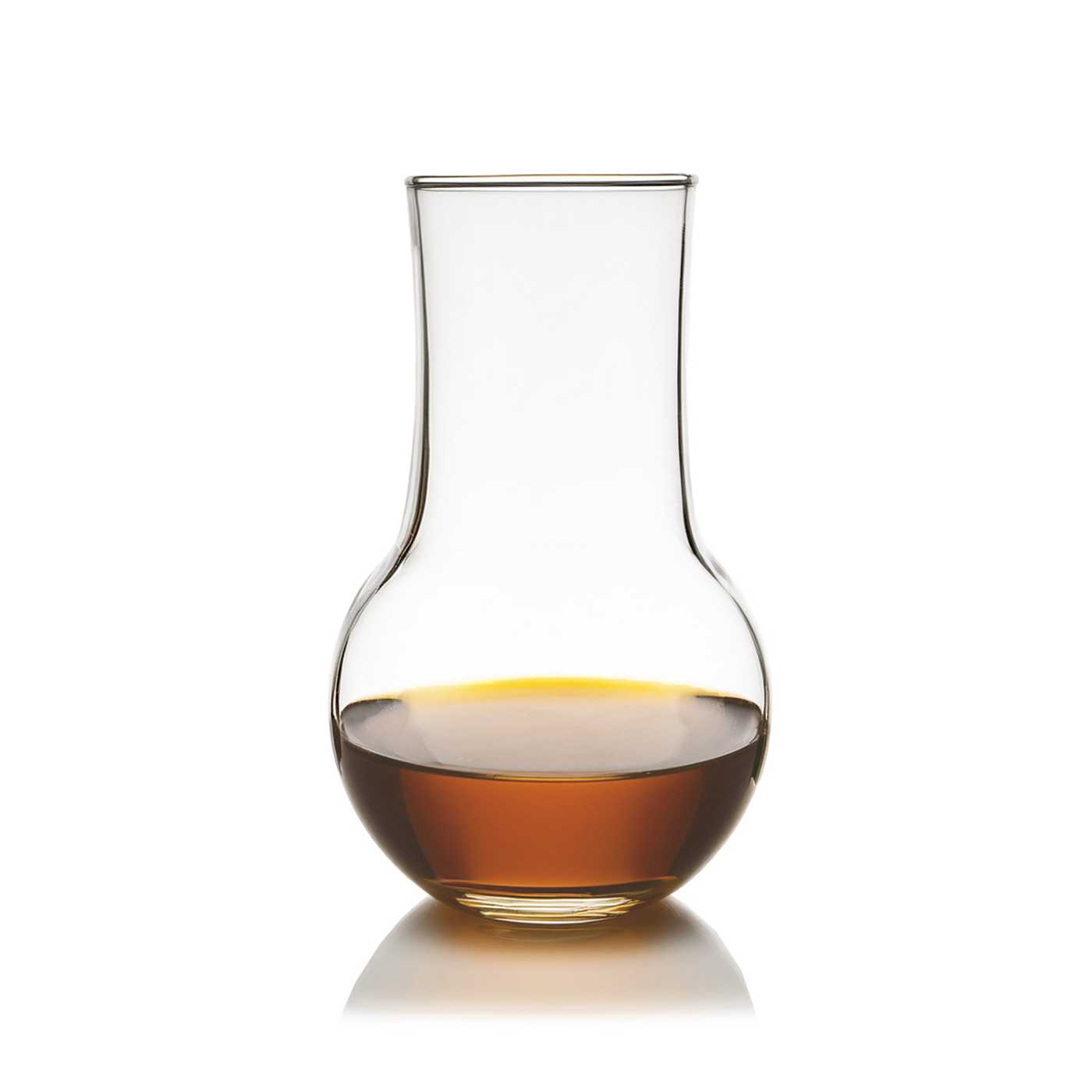
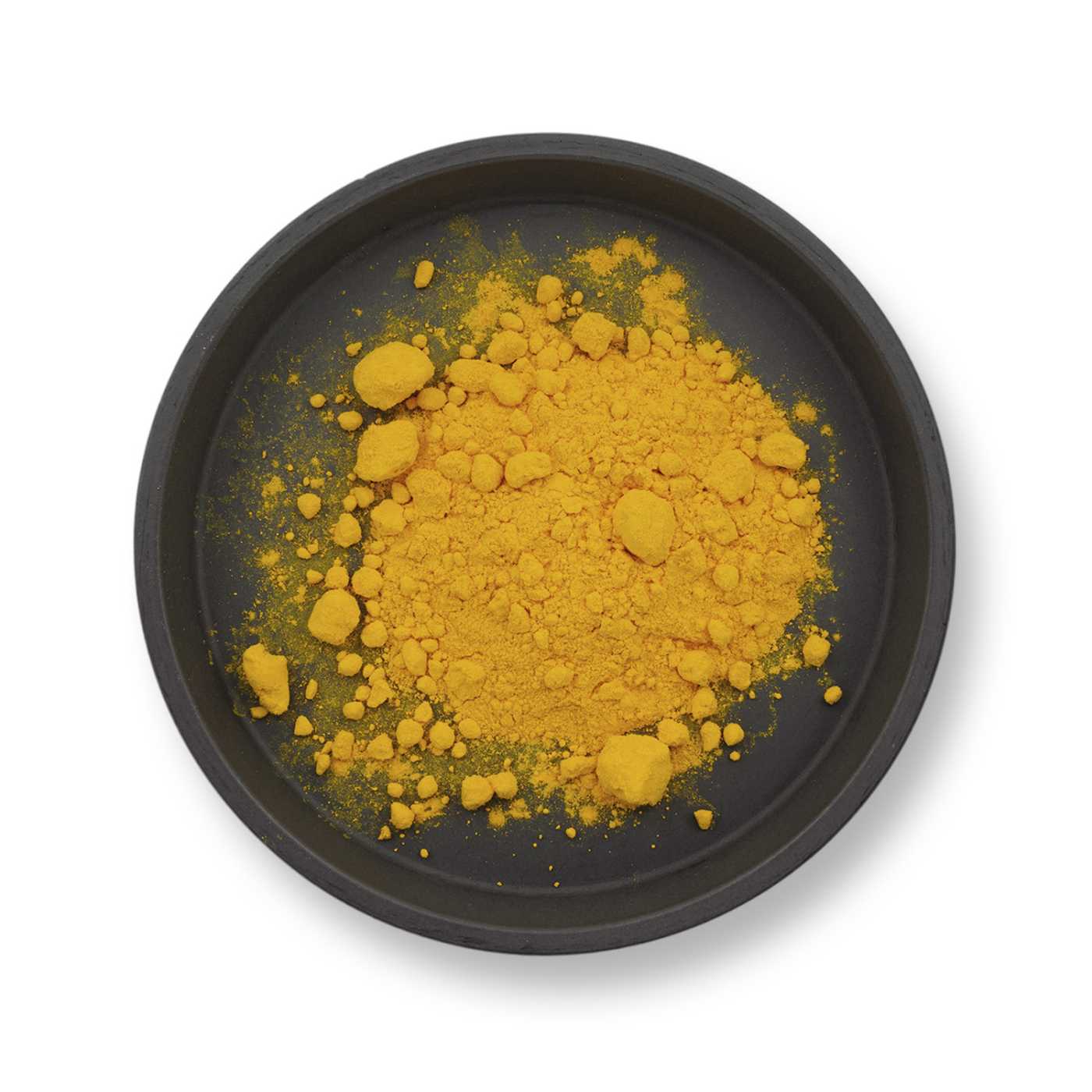
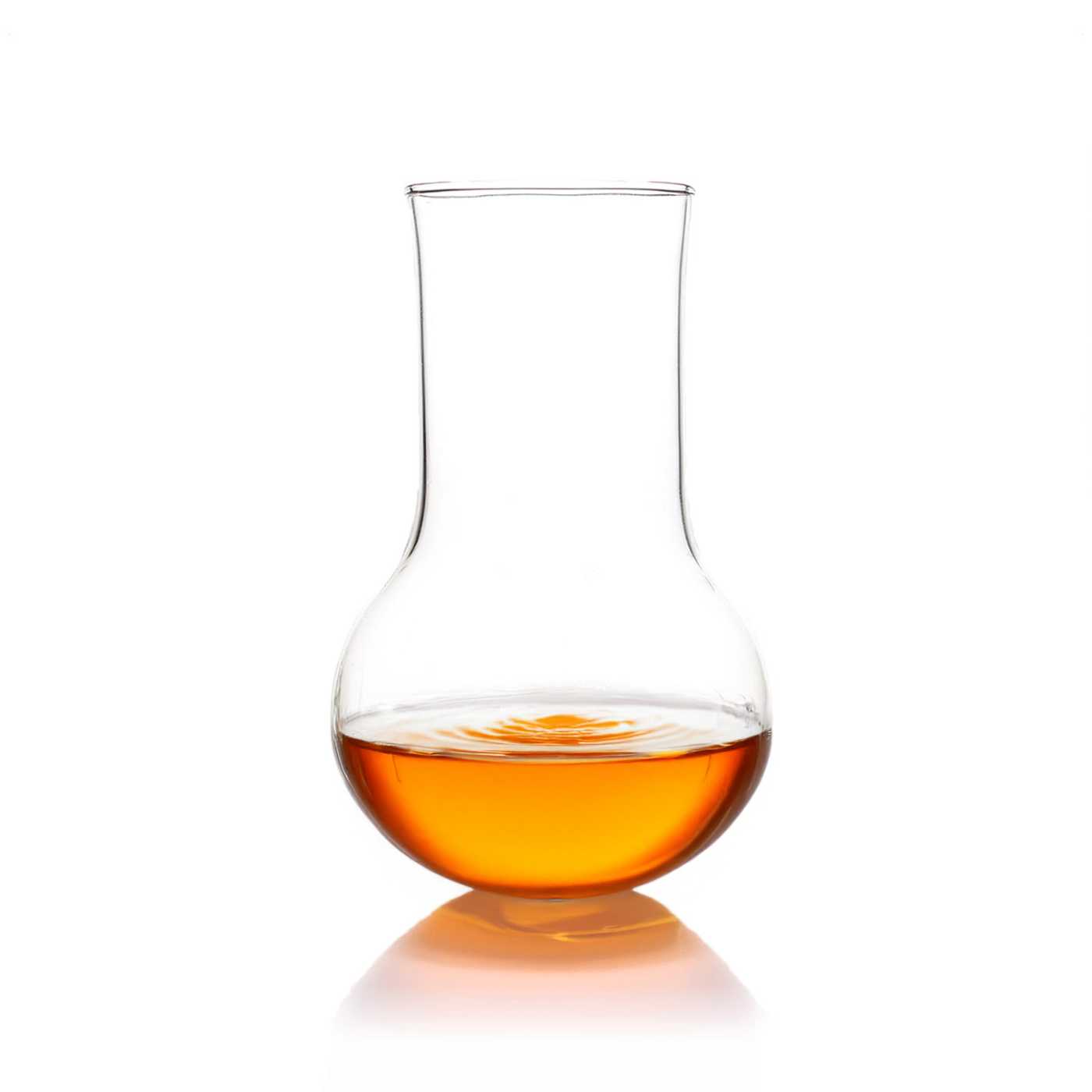
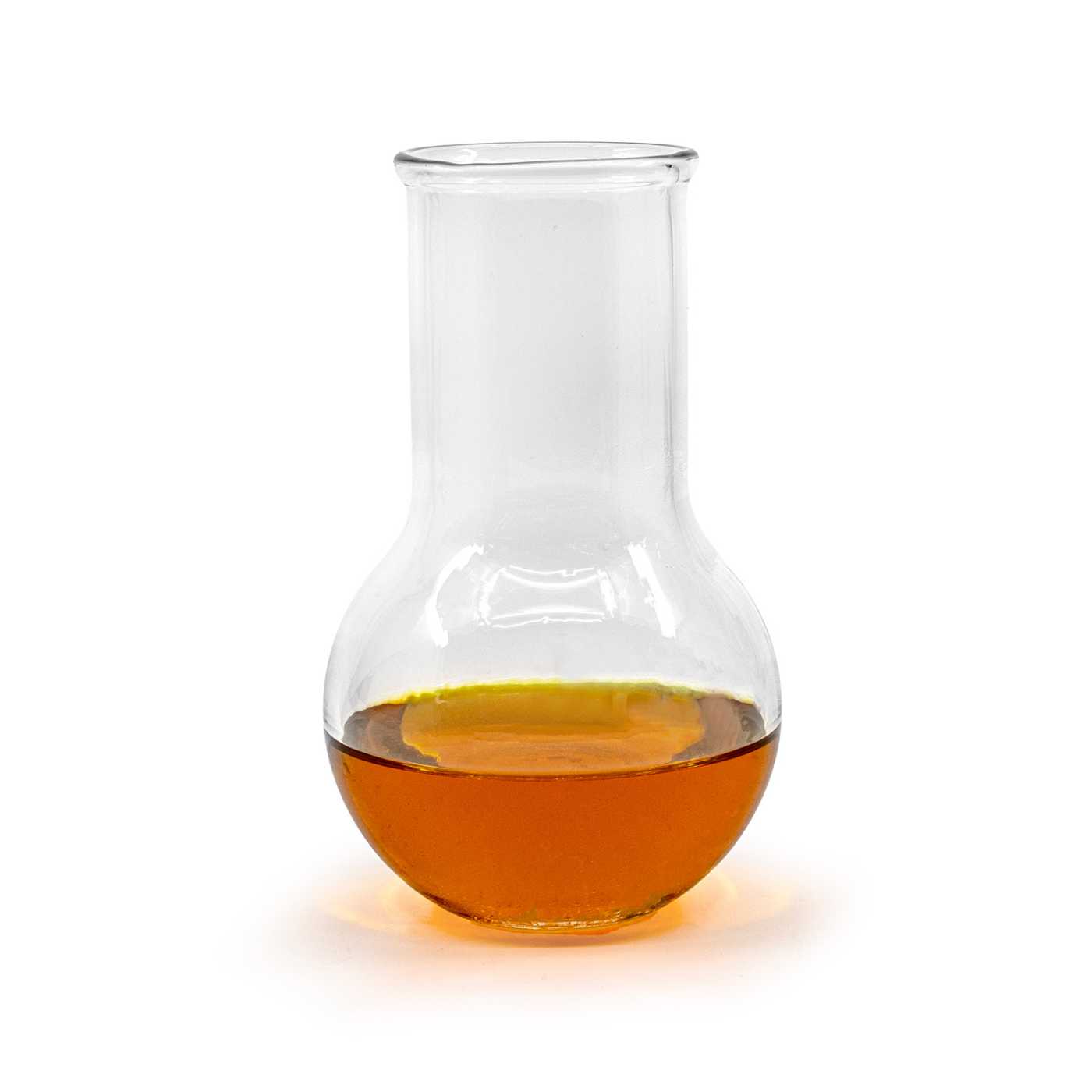
- the colour is usually yellow to golden orange
- the odour is natural, seedy to oily, more pronounced than in refined oils
- at lower temperatures the extract may thicken or become partially cloudy, which is common with CO₂ extracts
Safety and storage
- Store in a well-closed container in a dry, cooler place, away from direct sunlight.
- Protect from excessive heating and repeated prolonged contact with air.
- Before use in the final formulation it is advisable to carry out a stability and compatibility test with the rest of the formula.
- During production we recommend standard work hygiene and accurate dosing.
FAQ
What is the main difference between evening primrose CO2-to extract and cold-pressed evening primrose oil?
CO2-to extract is usually more concentrated and technologically more pronounced, because in addition to the oil fraction it captures other lipophilic components of the plant. It is therefore often used in lower dosage in the formula than classical pressed oil.
Can evening primrose CO2-to extract affect the final colour of the product?
Yes, at a higher proportion it can intensify the yellow to golden tone of the product. This property is particularly important for light emulsions, lip balms and products where a very clean appearance is required.
Is this extract also suitable for anhydrous balms and ointments?
Yes, it performs very well precisely in anhydrous formulations. It incorporates well into balm bases, oil blends and ointments, where it can contribute to a more nourishing and fuller character of the final product.
Why is a trial batch recommended for this type of extract?
CO2-to extracts may naturally exhibit different viscosity, aroma and intensity depending on the batch and botanical material. A trial batch helps verify the texture, sensorial properties and appearance of the finished product before producing a larger quantity.
Is evening primrose CO2-to extract more suitable for day or night care?
It is often preferred in night, regenerative and protective care, where the richer lipid character of the formulation is not an issue. However, it may also be suitable for daytime cosmetics if the formula is designed to be lighter and used at an appropriate dosage.
Is it also suitable for the care of hair ends and scalp?
Yes, in a smaller amount it can be an interesting component of oil serums for hair ends or nourishing preparations for dry scalp. It works best in combination with lighter oils so that the final product does not feel too heavy.