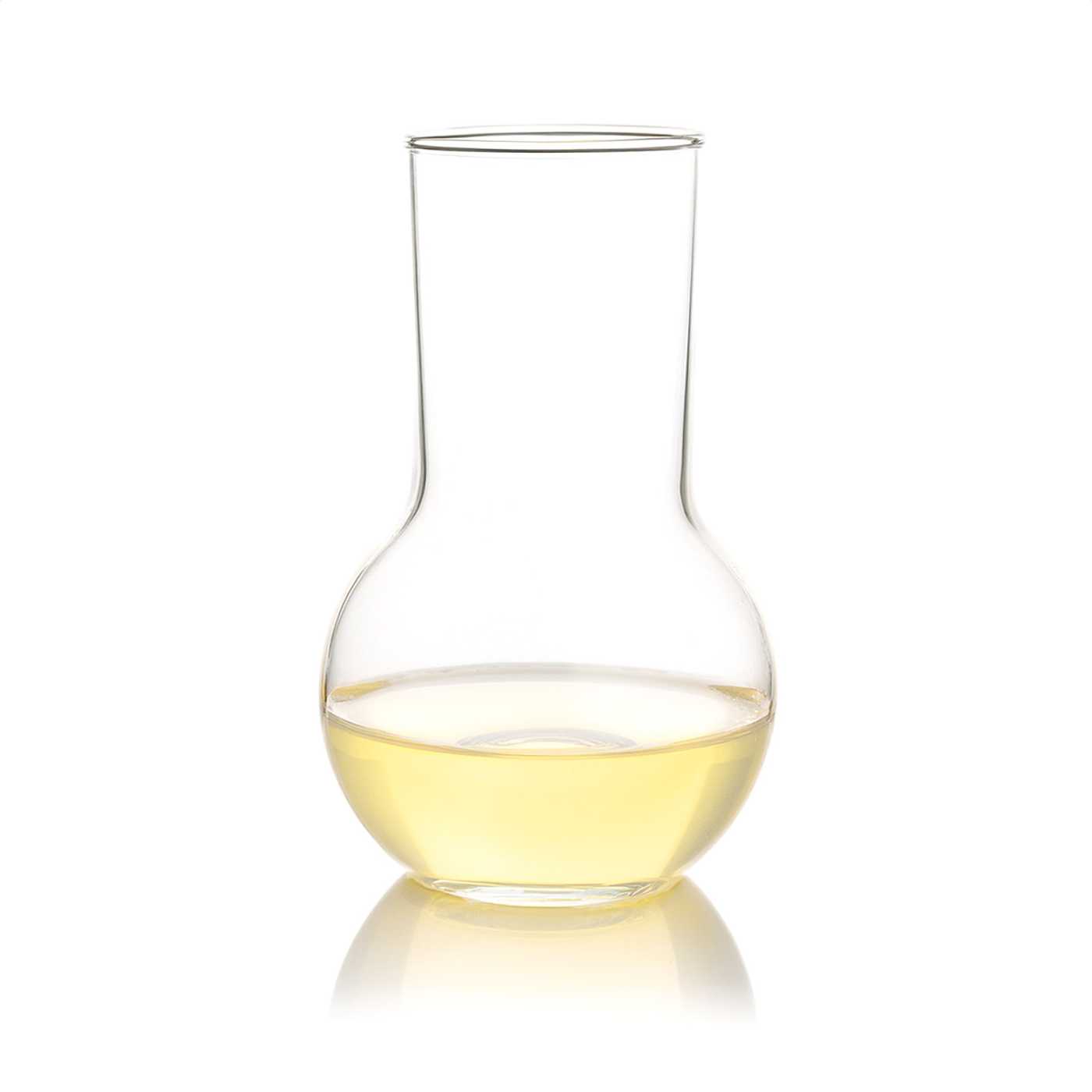
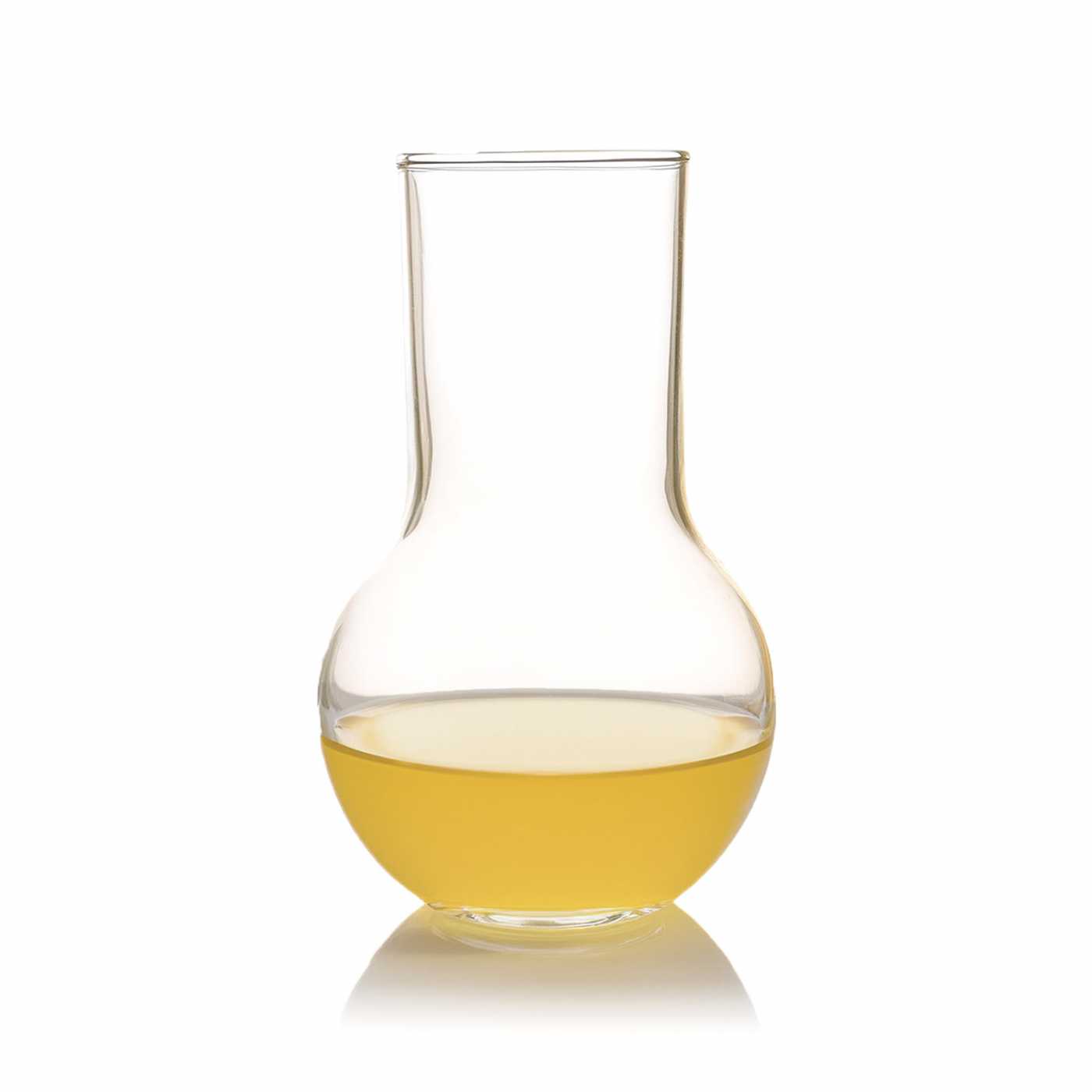
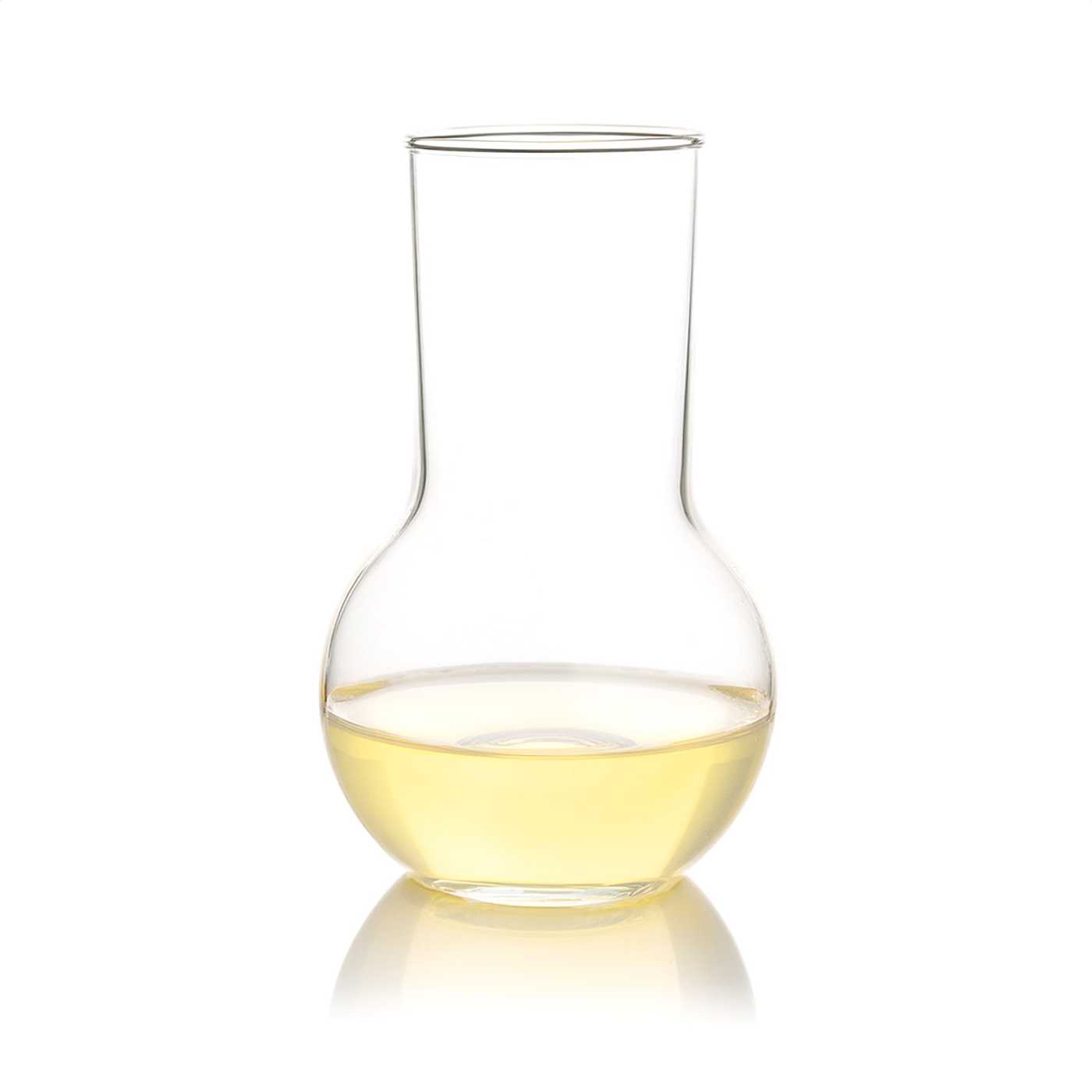
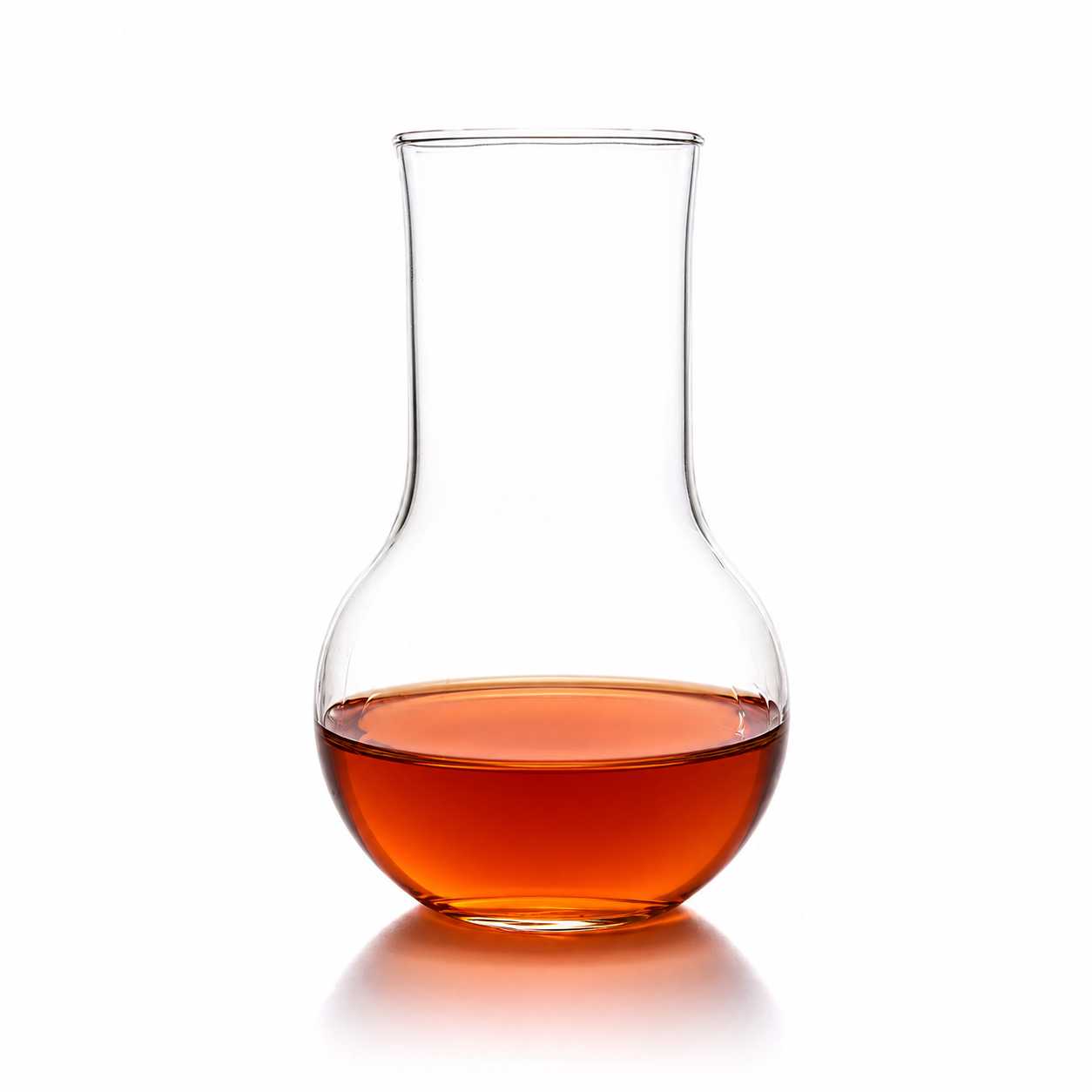
Polyglyceryl-4-oleate is a W/O emulsifier of plant origin, an ester of oleic acid and polyglycerine-4. In a formulation it binds water into an oil base, so you can use it to make water-in-oil emulsions with a richer feel on the skin. In O/W emulsions it works as a co-emulsifier alongside the main emulsifier and supports stability and a smooth cream structure.
At the same time it acts as an emollient, so it helps soften the skin and contributes to the final feel of the finished product. It contains no PEG, is COSMOS and NATRUE approved, and is suitable for rinse-off and leave-on products for normal, dry, sensitive and baby skin.
Key functions
- W/O emulsification – with an HLB of 5, it is intended for water-in-oil emulsions, in which oil is the external phase.
- Co-emulsification in O/W systems – in oil-in-water emulsions it is added alongside the main emulsifier with a higher HLB and supports both stability and texture.
- Emollient effect – as an ester of oleic acid it has softening properties and contributes to a pleasant spreading feel.
- Solubilisation in oil bases – in oil-based and anhydrous systems it acts as a solubiliser. How much of the water component a given base will accept must be verified in the specific formulation.
- Wide range of uses – suitable for normal, dry, sensitive and baby skin, for the face, lips, hands, feet and whole body, and also for the eye area.
Use in formulation
It is added to the oil phase. It does not dissolve in water, it dissolves in oils, and it can be dispersed in the water phase. The recommended usage rate is 5–15%. The exact amount depends on the ratio of the phases, the composition of the oils and the desired consistency.
For a W/O emulsion, the oil phase with the emulsifier is heated, the heated water phase is added to it in portions while stirring continuously, and the emulsion is then cooled while stirring. The raw material is compatible with electrolytes, so a small amount of salt – commonly used to firm up water-in-oil emulsions – can be added to the water phase. An emulsion containing water requires a preservative.
The recommended processing temperature is up to 80 °C. When the oil phase is heated, the raw material melts into a clear or slightly cloudy liquid; higher temperatures are not recommended.
In O/W emulsions it is used as a co-emulsifier next to the main emulsifier with a higher HLB. In anhydrous products, for example balms or sticks, it is added together with the oils and butters and contributes to smooth spreading.
Before taking out the amount you need, stir the raw material until it has a uniform consistency. At room temperature it is viscous and may be non-homogeneous, which would distort the weighed amount.
Suitable for products such as
- Nourishing W/O creams and balms – night creams, hand creams, protective body creams and products for dry skin.
- Baby cosmetics – creams and balms for baby skin.
- Cream deodorants and antiperspirants – anhydrous or low-water bases.
- Lip care – balms and sticks in which it acts as an emollient and makes application easier.
- Colour cosmetics – cream bases where the oil and water components need to be combined into a smooth texture.
- Shower and bath products – cleansing oils and shower emulsions. It is compatible with anionic, cationic, amphoteric and non-ionic surfactants.
- Hair care – conditioning products and masks with an oil phase.
Good to know
- The stability of a W/O emulsion is affected by the order in which the phases are added and by the cooling rate. Try the formulation first in a small batch and observe it for several weeks.
- In rinse-off products it adds an emollient component and is compatible with common surfactants.
- The raw material has a yellow to amber colour, which may show in colourless anhydrous products.
- It contains no preservatives, PEG, silicones, sulfates or fragrance allergens.
The substance is not classified under CLP, does not require a safety data sheet and is inherently biodegradable (OECD 302).
Frequently asked questions
Is Polyglyceryl-4-oleate soluble in water?
No, Polyglyceryl-4-oleate does not dissolve in water. It dissolves in oils and can be dispersed in the water phase, so it is always added to the oil phase. Its HLB value is 5, which corresponds to emulsifiers for water-in-oil emulsions.
Can Polyglyceryl-4-oleate be used in an O/W cream?
Yes, in oil-in-water emulsions Polyglyceryl-4-oleate works as a co-emulsifier, not as the main emulsifier. It is added alongside an emulsifier with a higher HLB, which creates the emulsion, and it supports its stability and a smoother texture. On its own it forms a W/O emulsion.
What is the usage rate of Polyglyceryl-4-oleate in an emulsion?
The recommended usage rate of Polyglyceryl-4-oleate is 5–15%. The suitable amount depends on the ratio of the oil and water phases, the type of oils and the desired consistency. It is a good idea to test the formulation in a small batch and observe its stability.
Can Polyglyceryl-4-oleate be heated?
Yes, Polyglyceryl-4-oleate is processed hot in the oil phase, but the recommended temperature is 80 °C at most. When heated, it changes from a viscous, cloudy liquid into a fluid, clear or slightly cloudy one. Before weighing, stir the raw material until it has a uniform consistency.
Is Polyglyceryl-4-oleate suitable for anhydrous products?
Yes, in balms, lip balm sticks or cream deodorants Polyglyceryl-4-oleate acts as an emollient and solubiliser. It is added together with the oils and butters and contributes to smooth spreading. Verify in the specific formulation whether an anhydrous base will also accept a small amount of the water component.
What is the difference between Polyglyceryl-4-oleate and a PEG emulsifier?
Polyglyceryl-4-oleate is an ester of oleic acid and polyglycerine made without ethylene oxide, so it is approved for COSMOS and NATRUE certified natural cosmetics. PEG-based emulsifiers are produced by ethoxylation and do not belong in certified natural cosmetics. Functionally, it is a low-HLB emulsifier for W/O emulsions and a co-emulsifier for O/W.