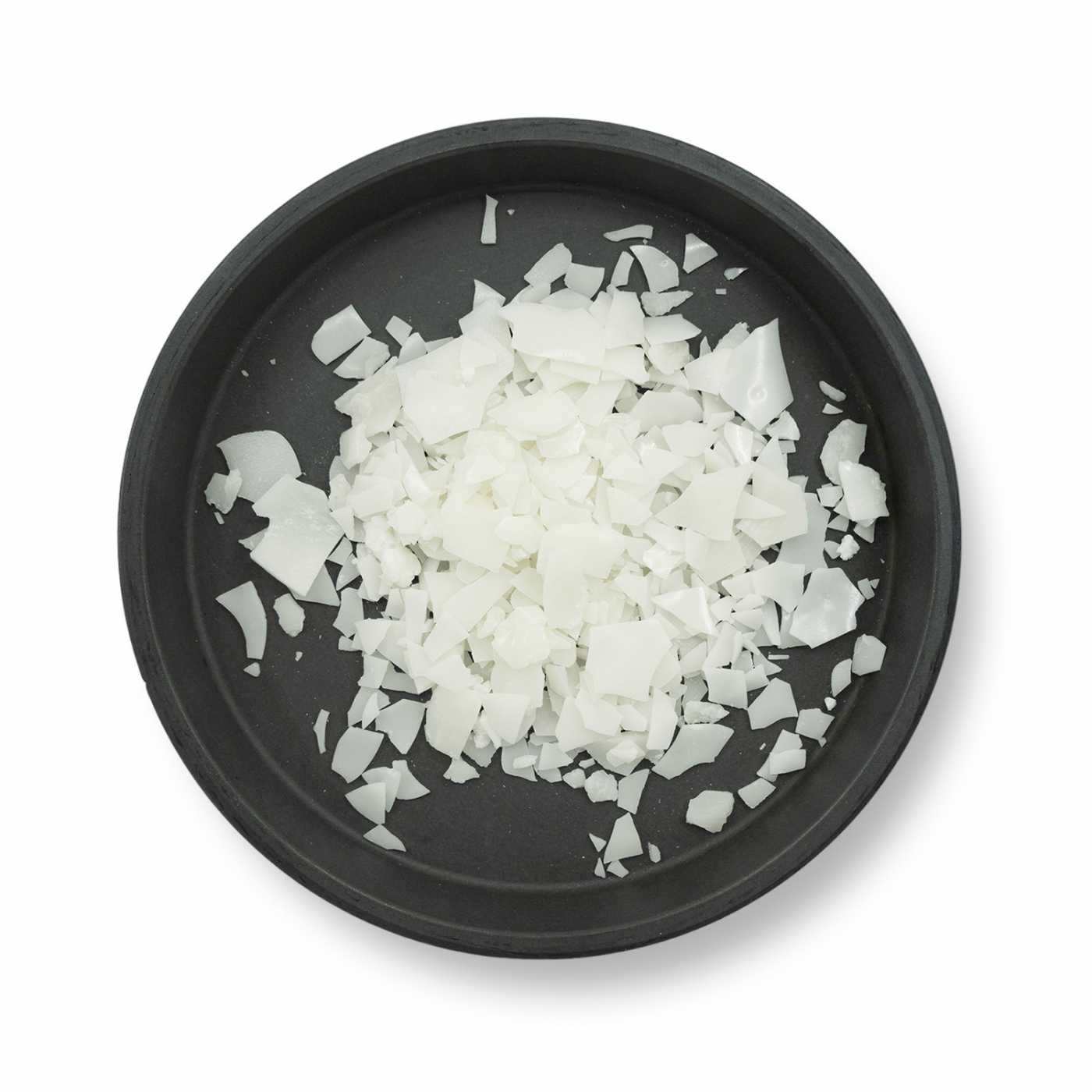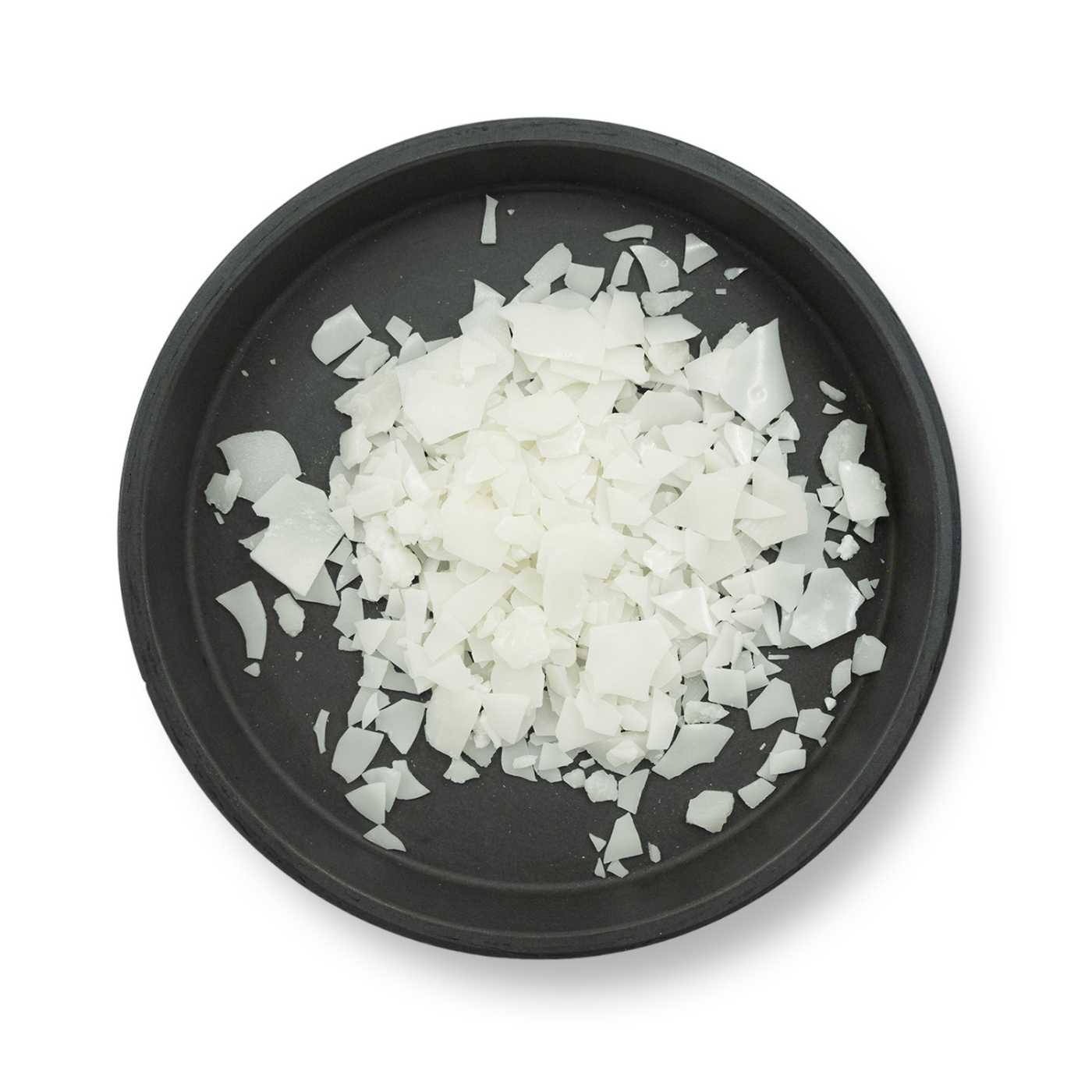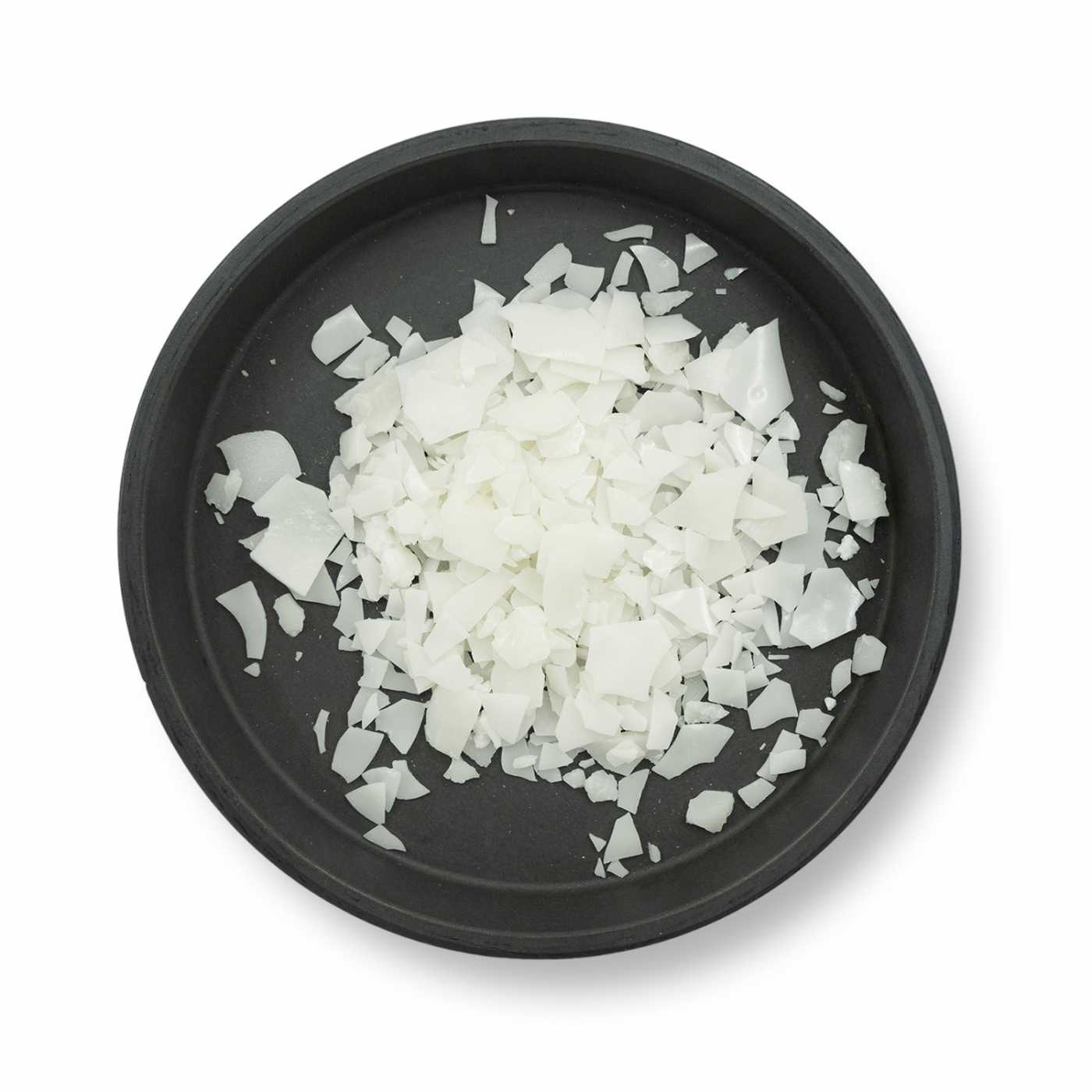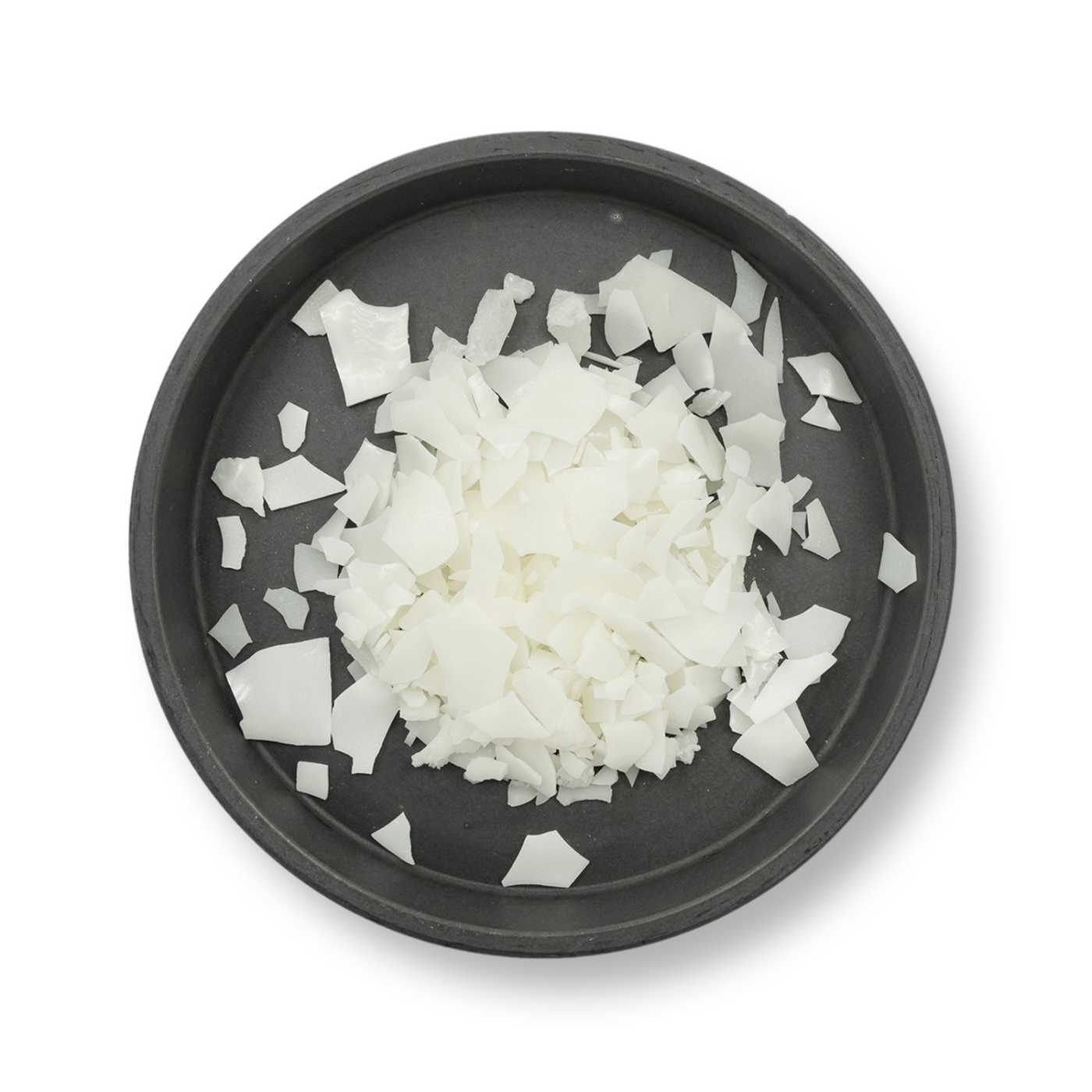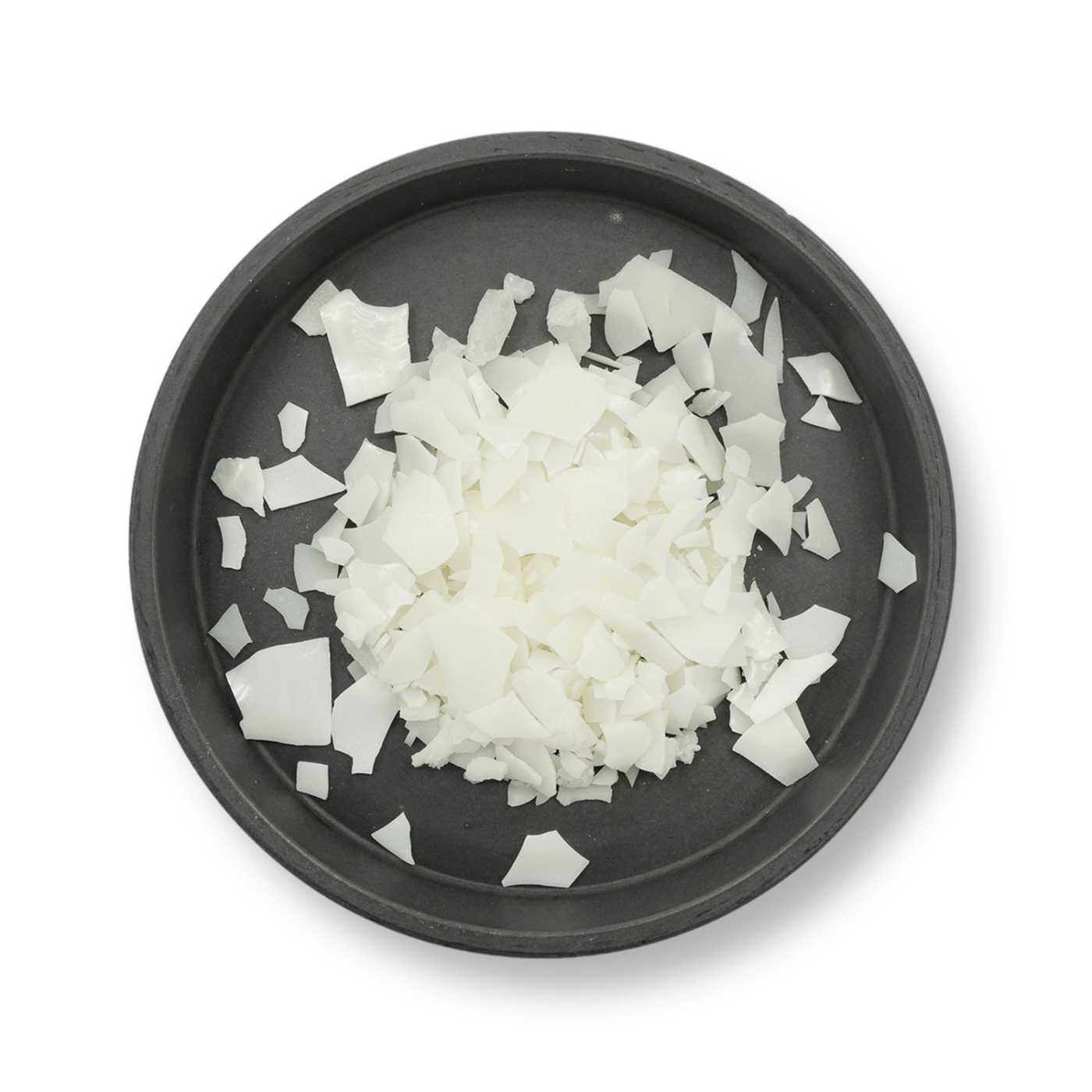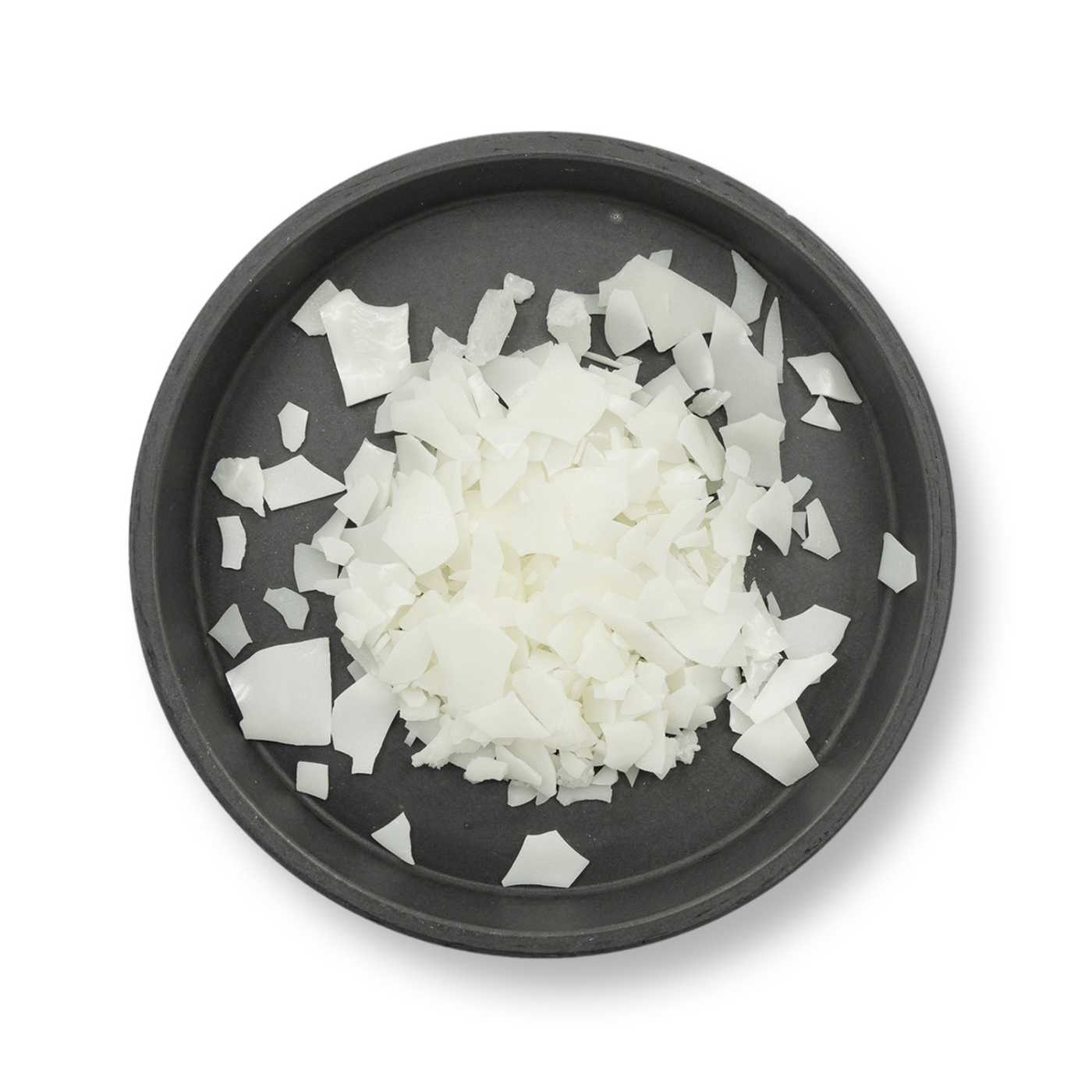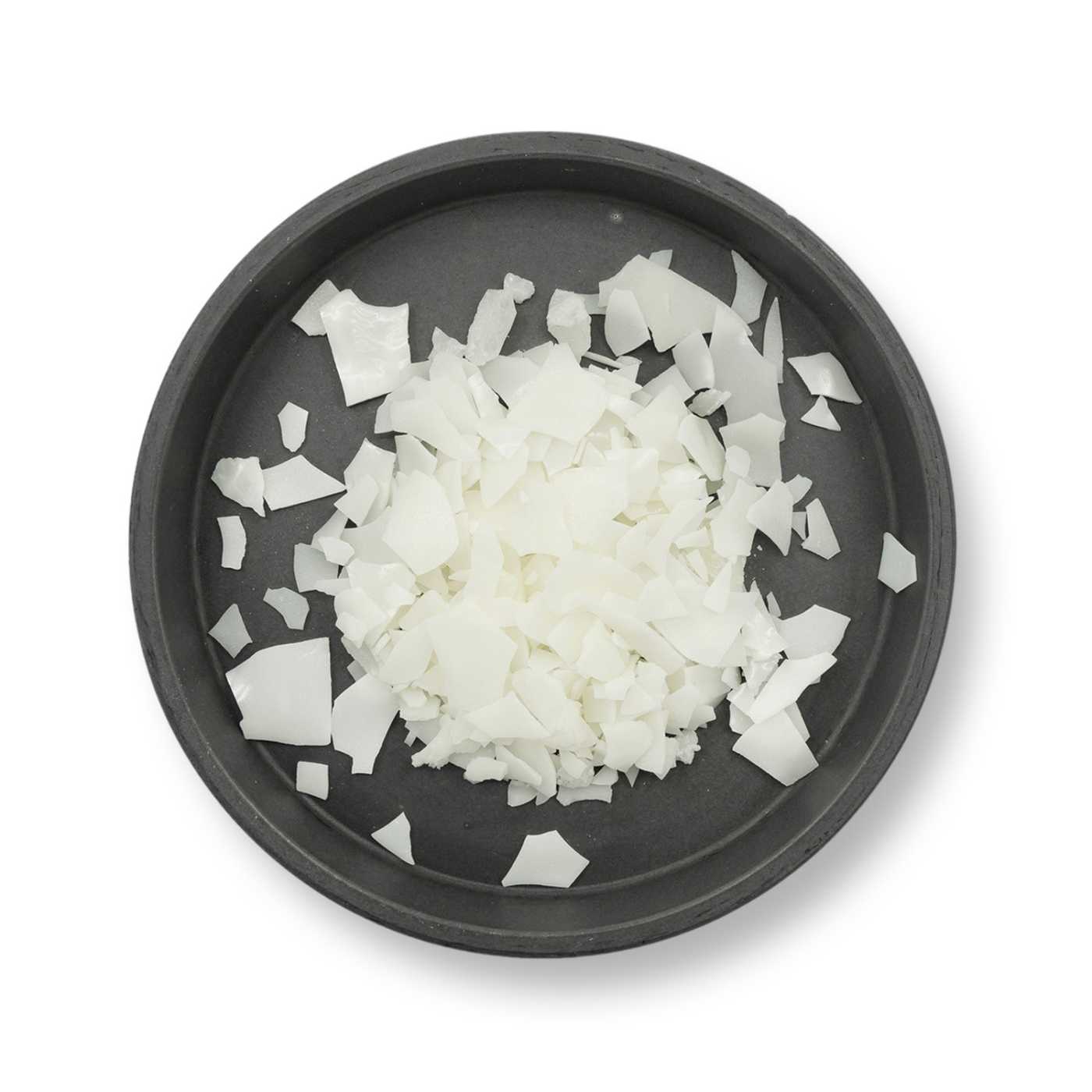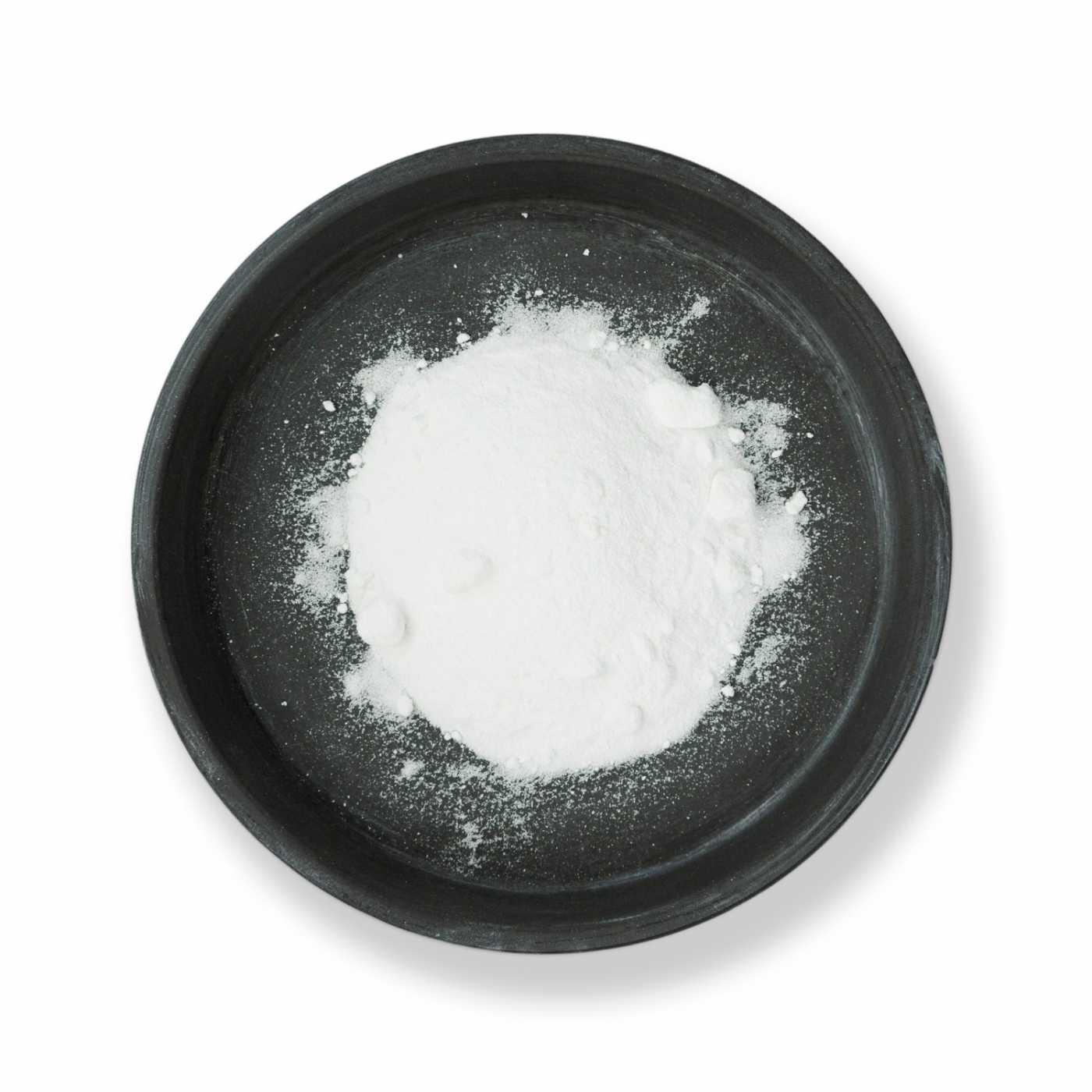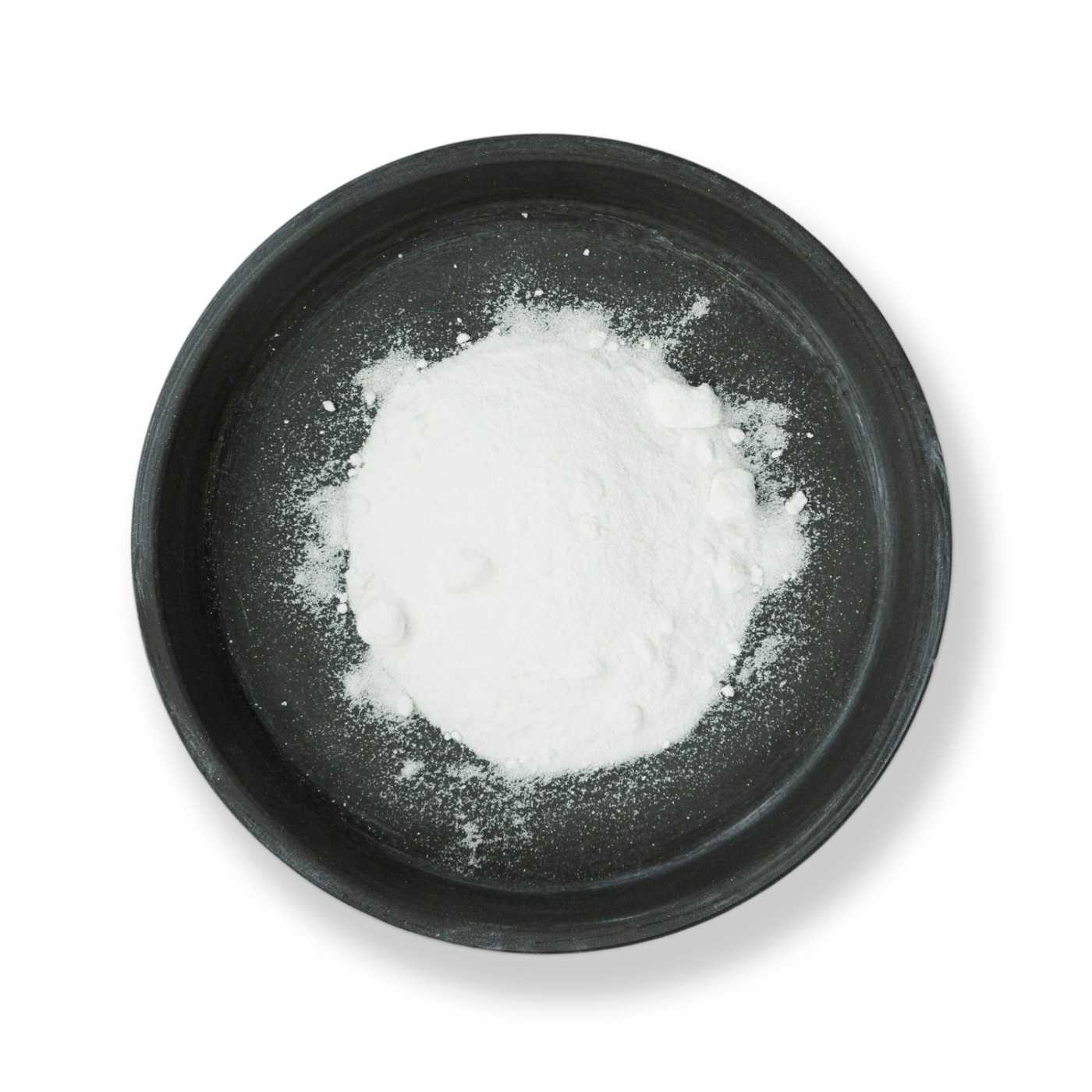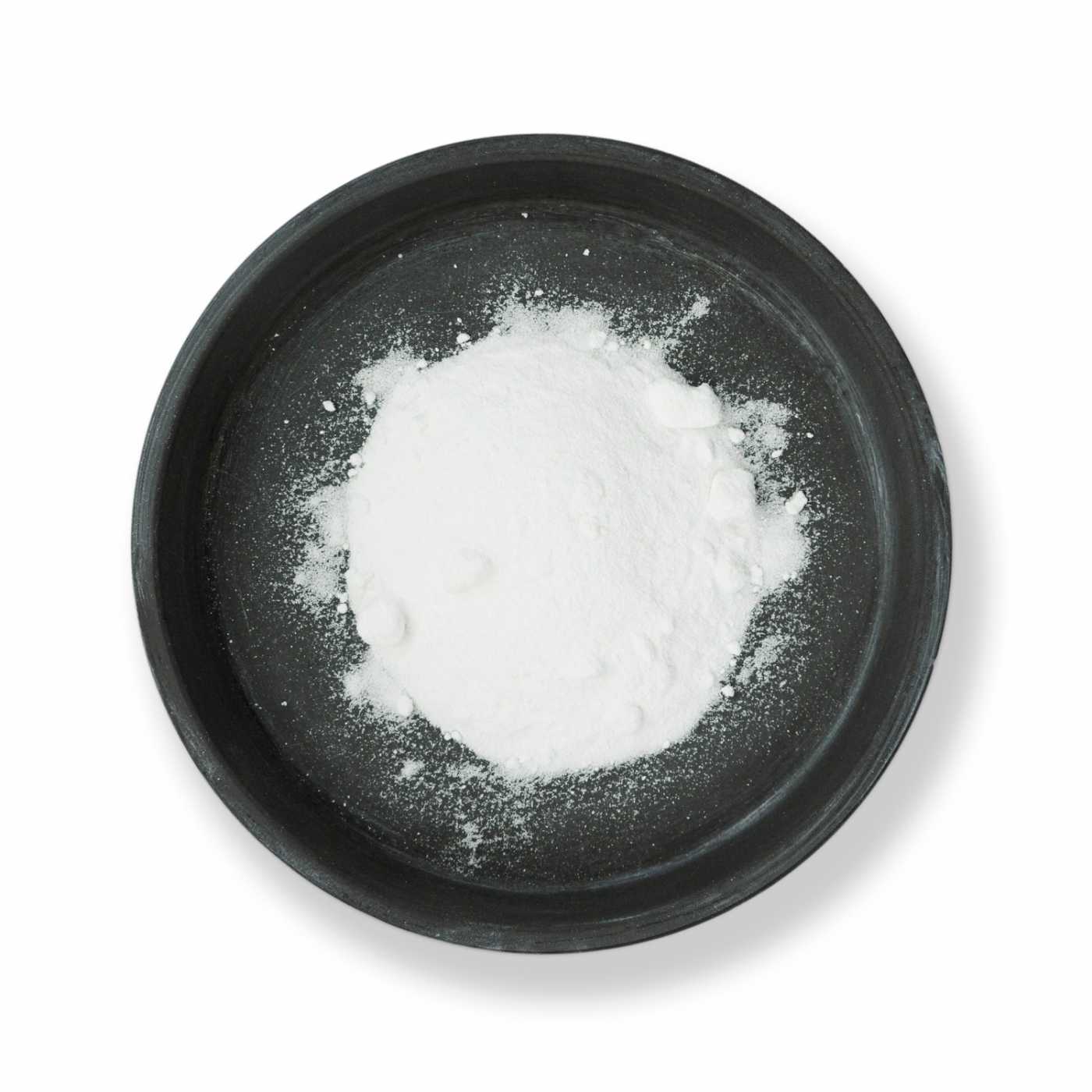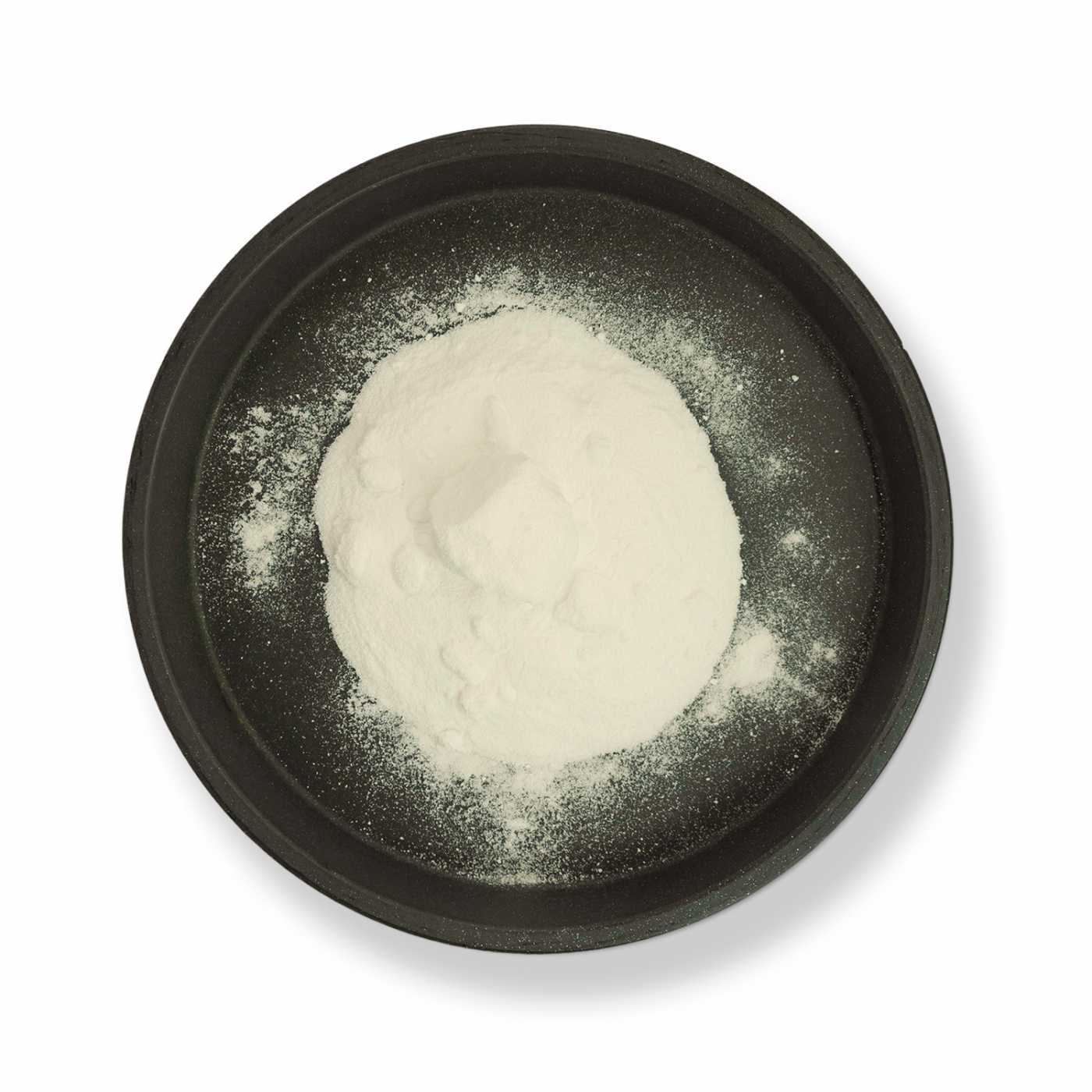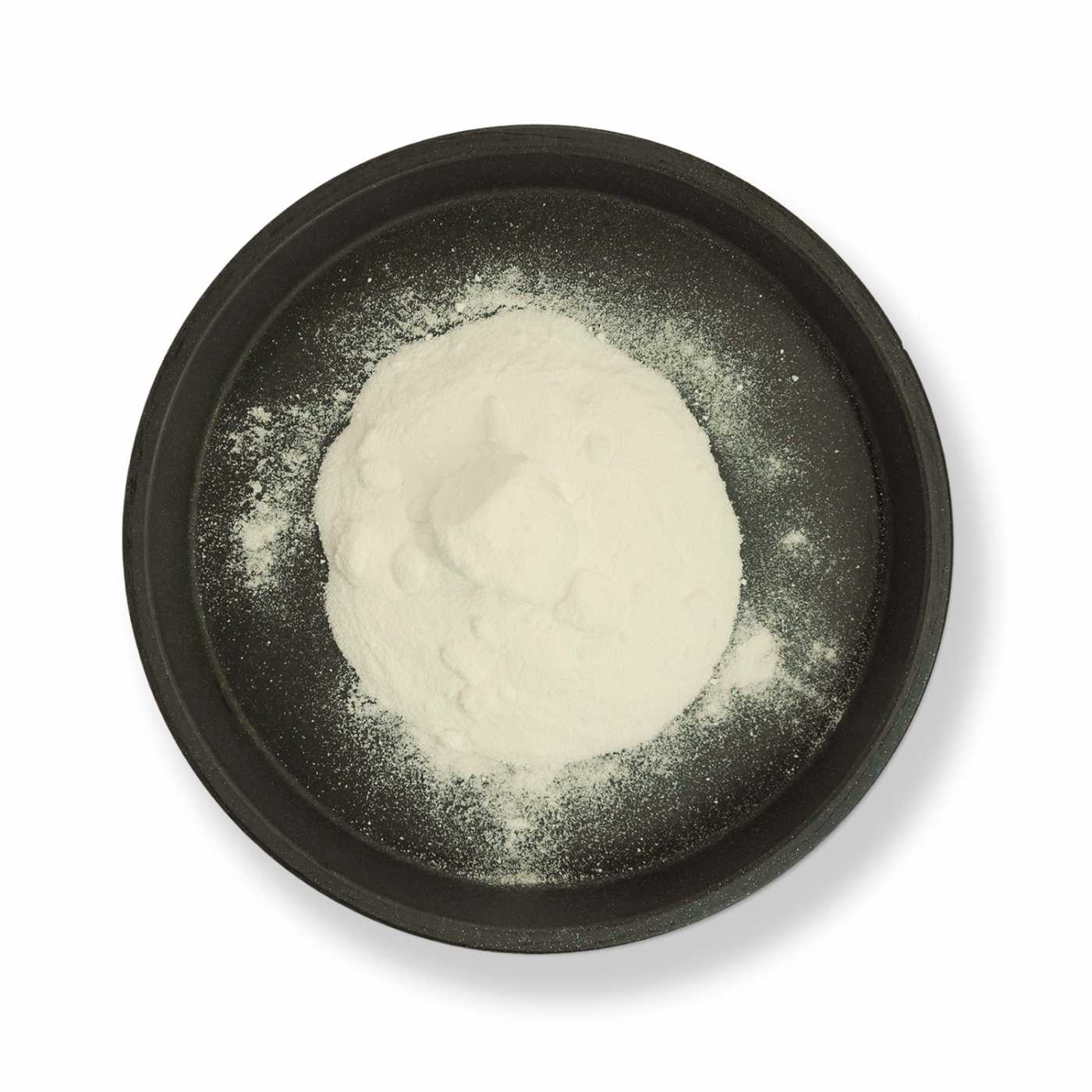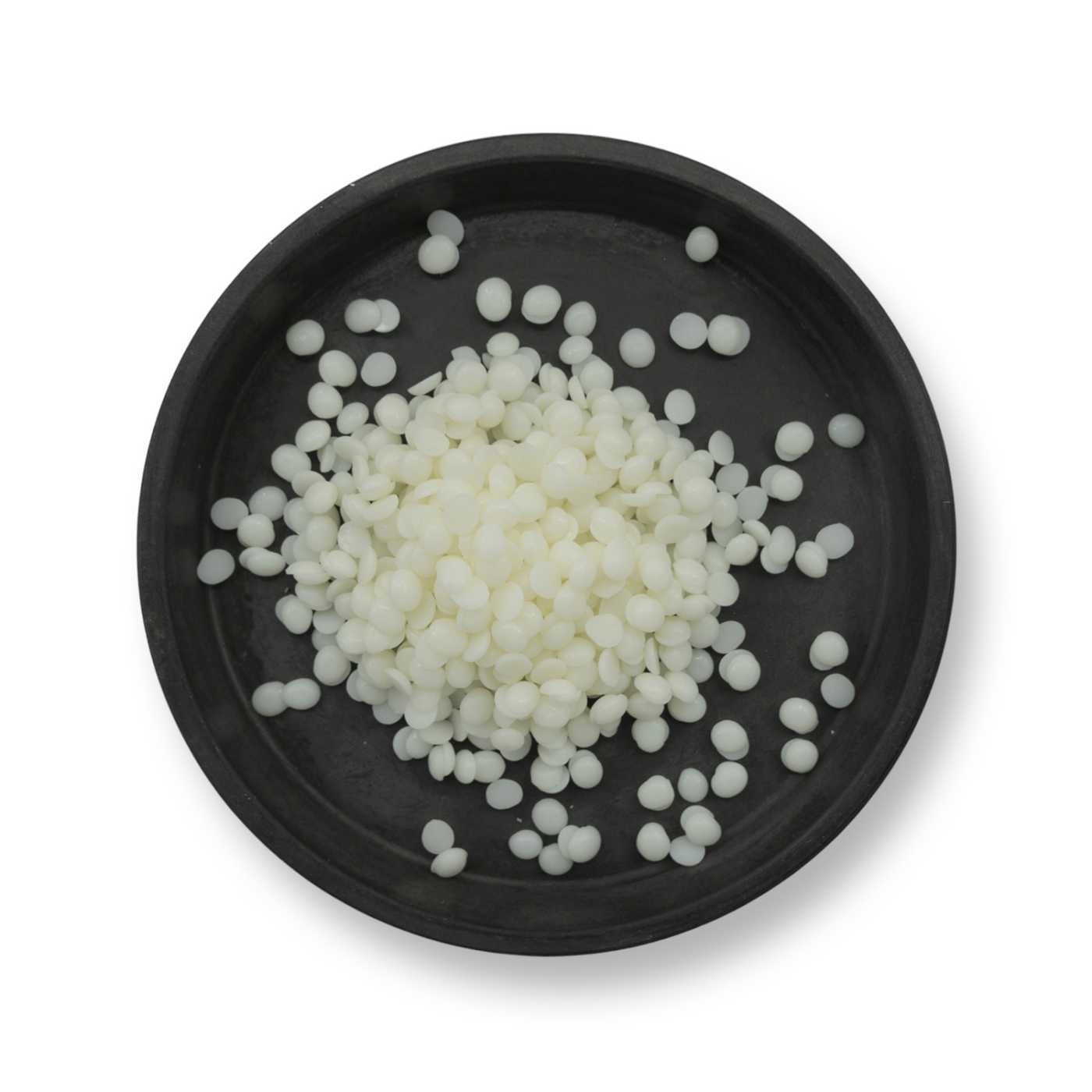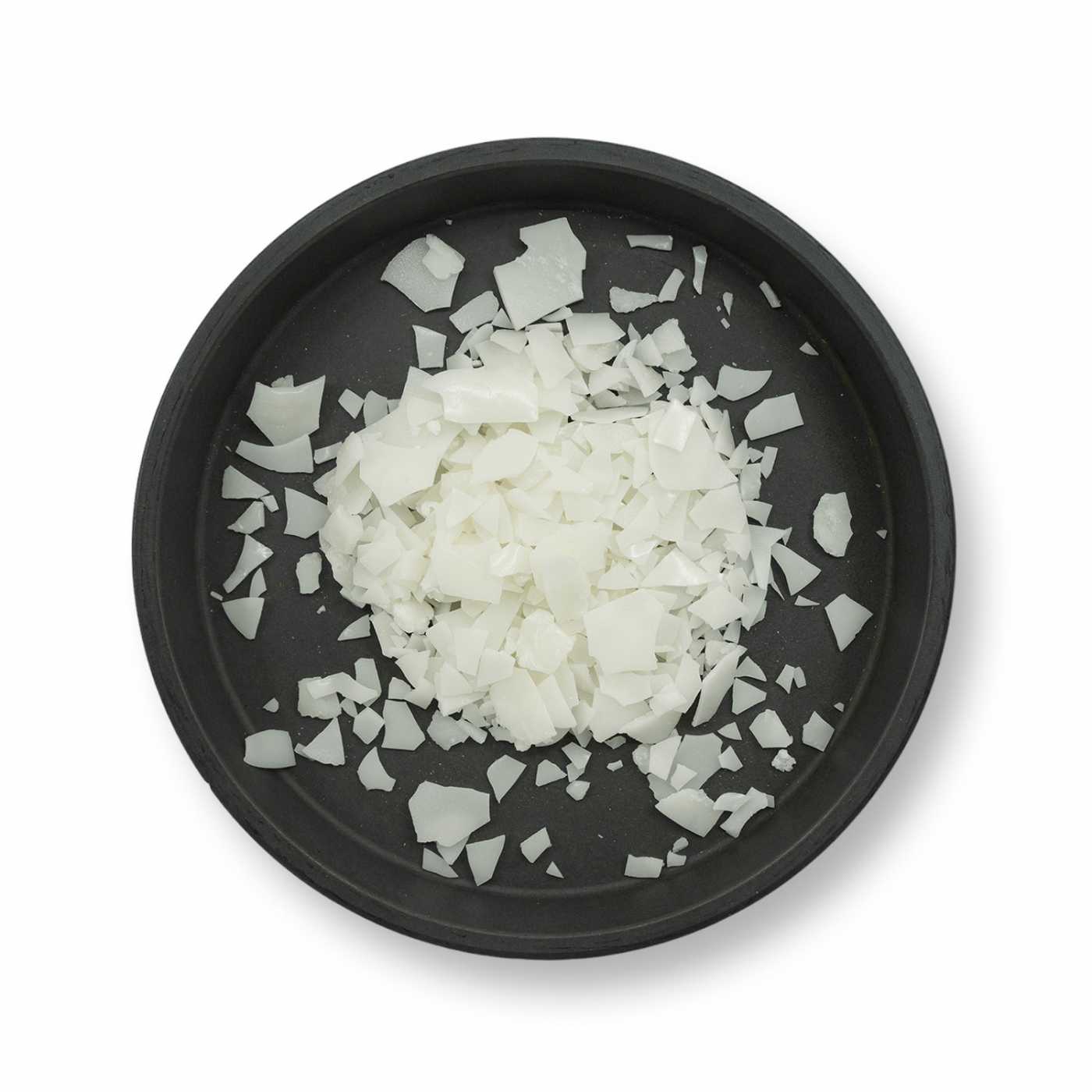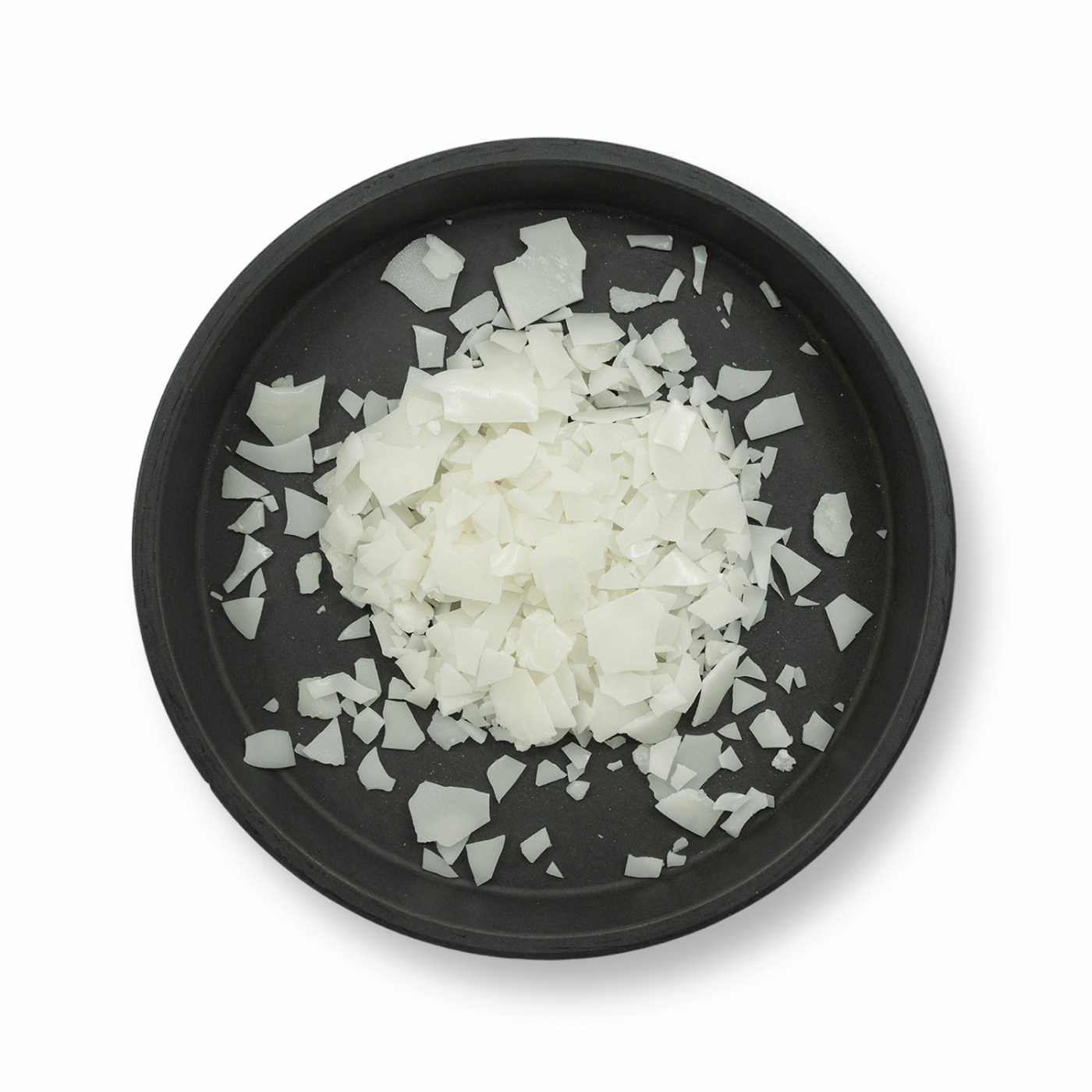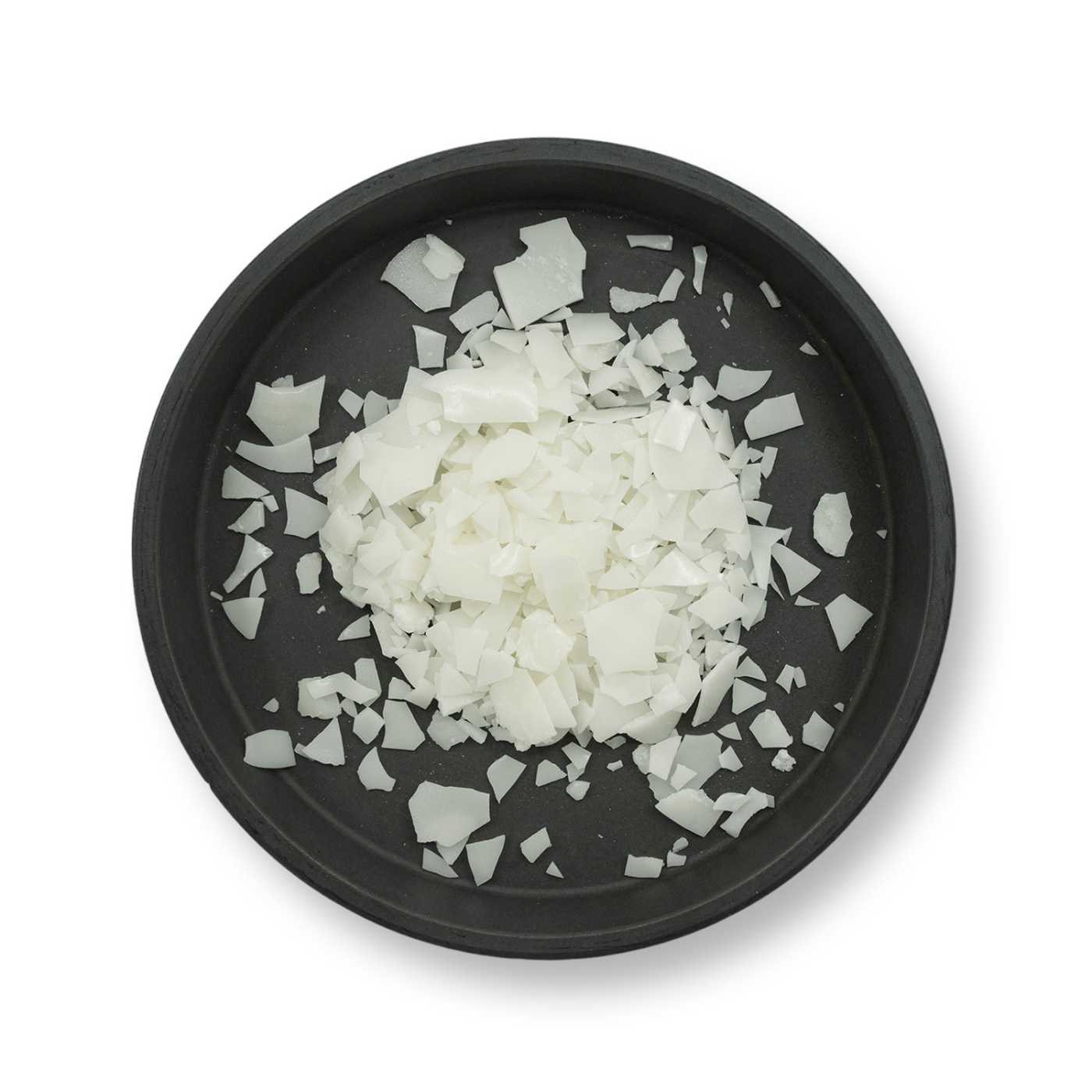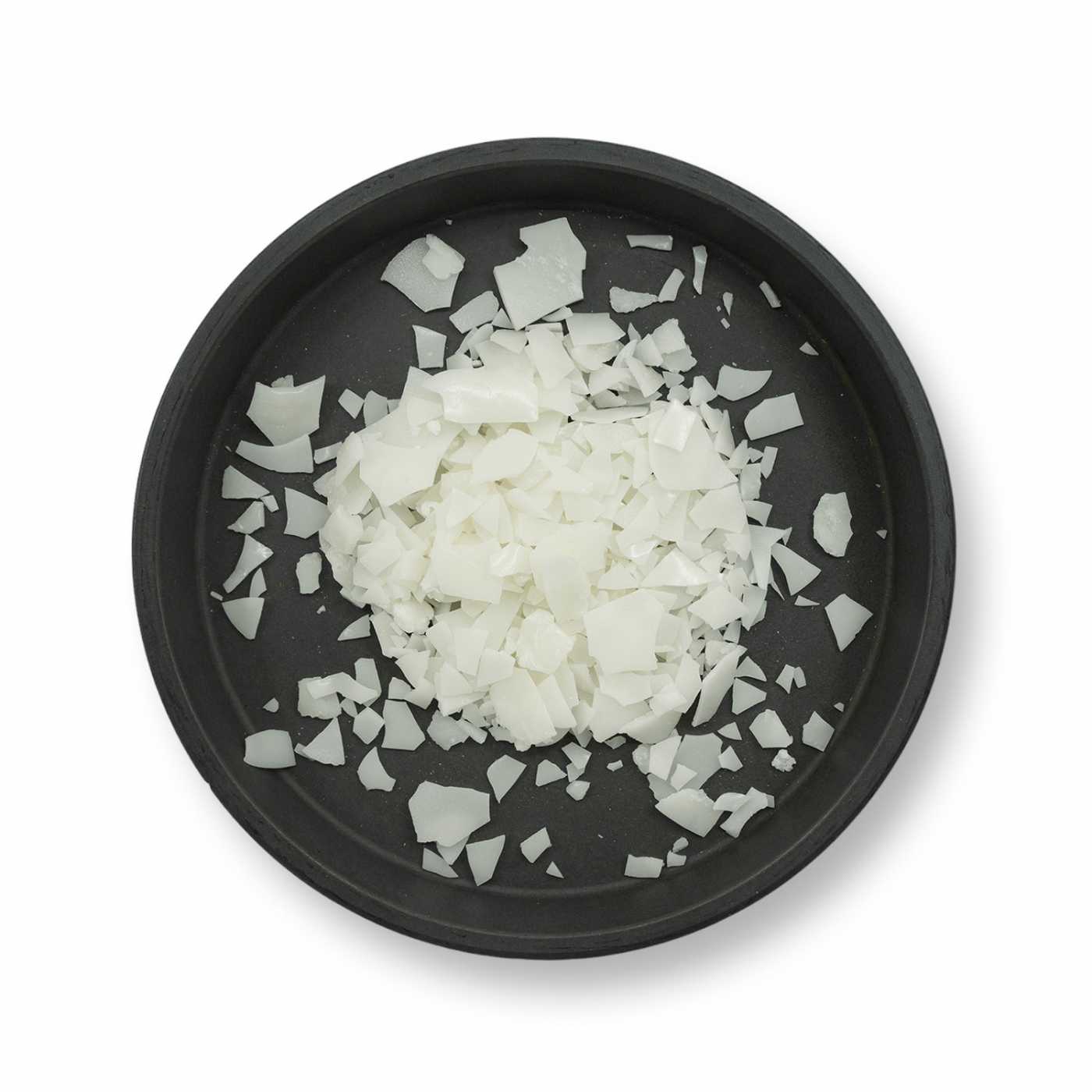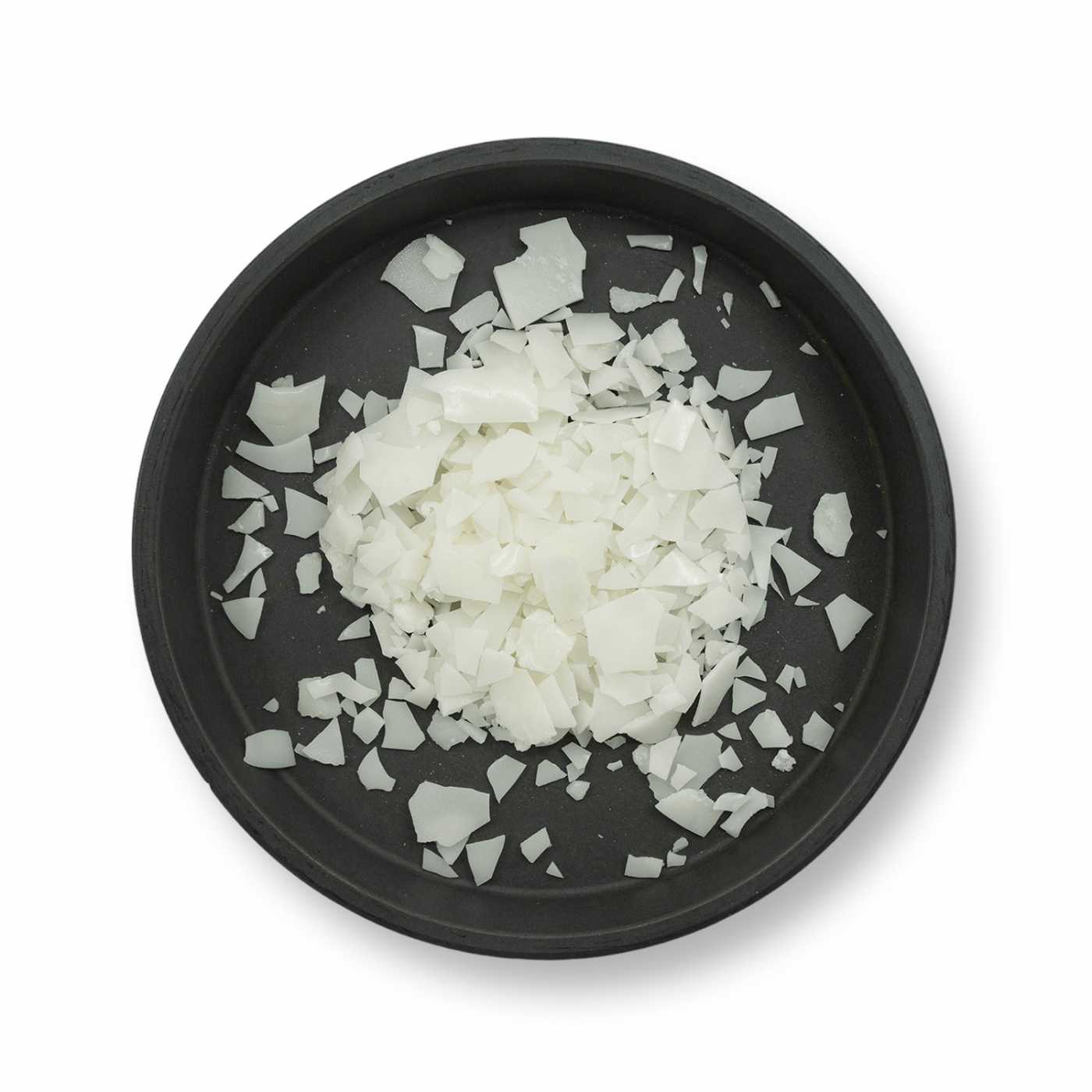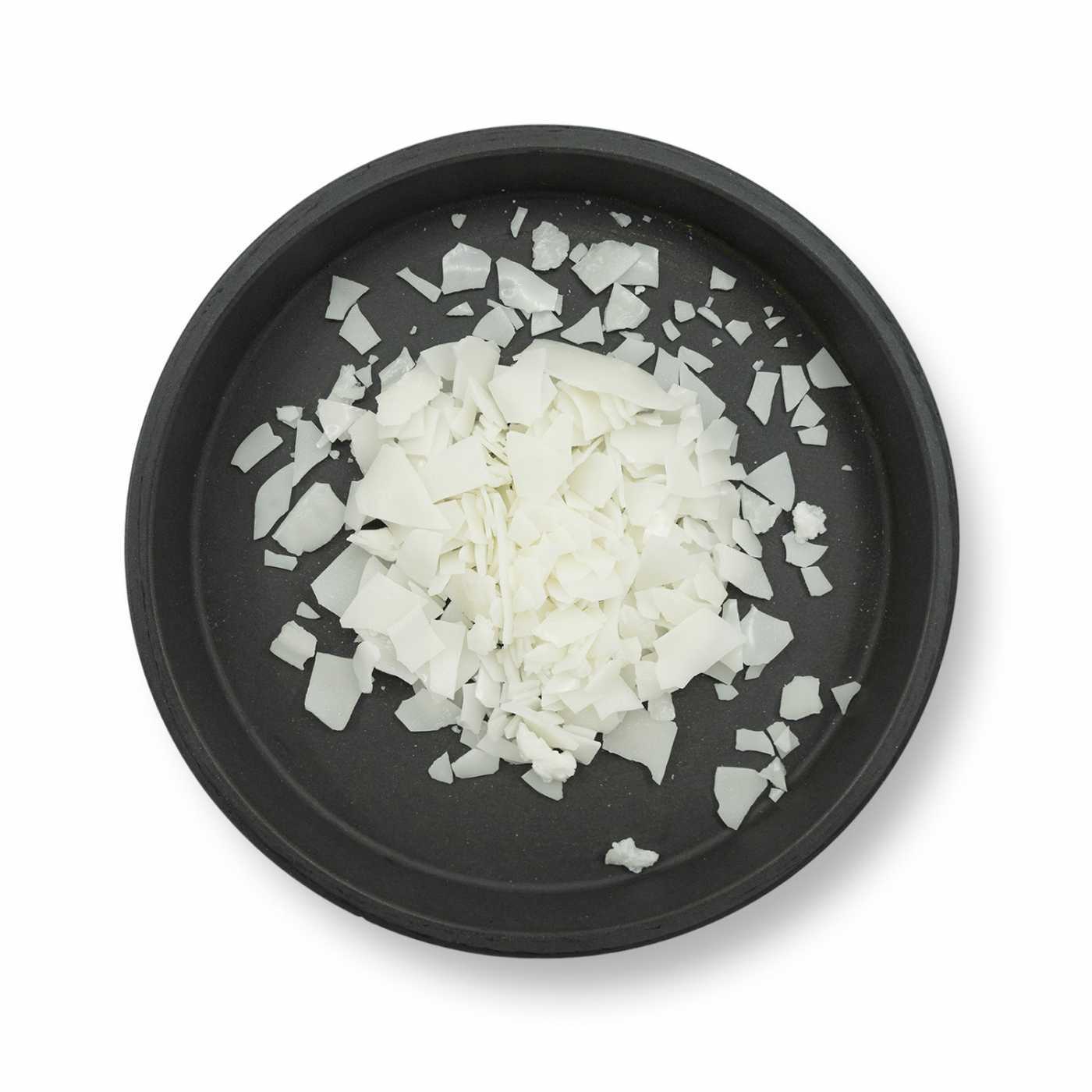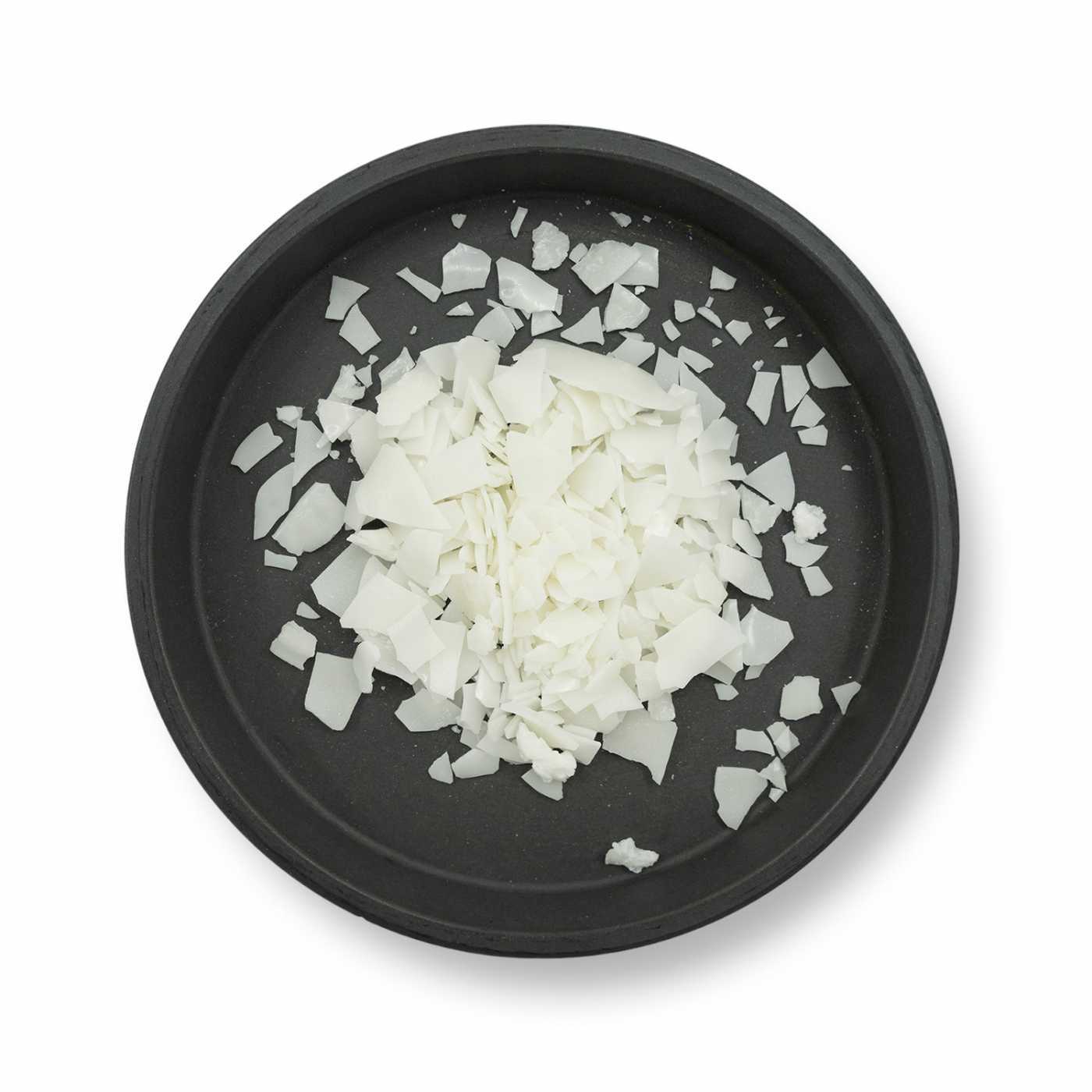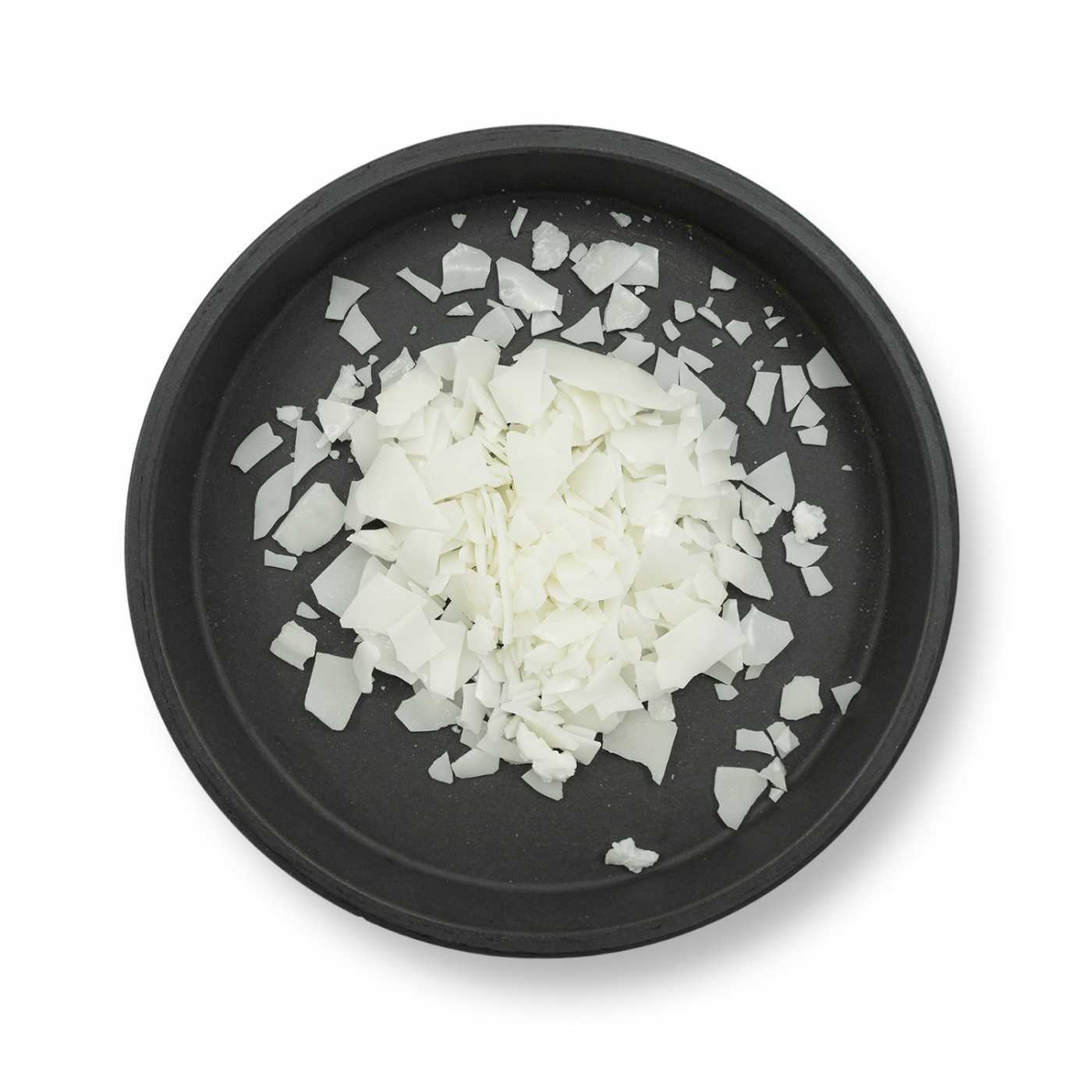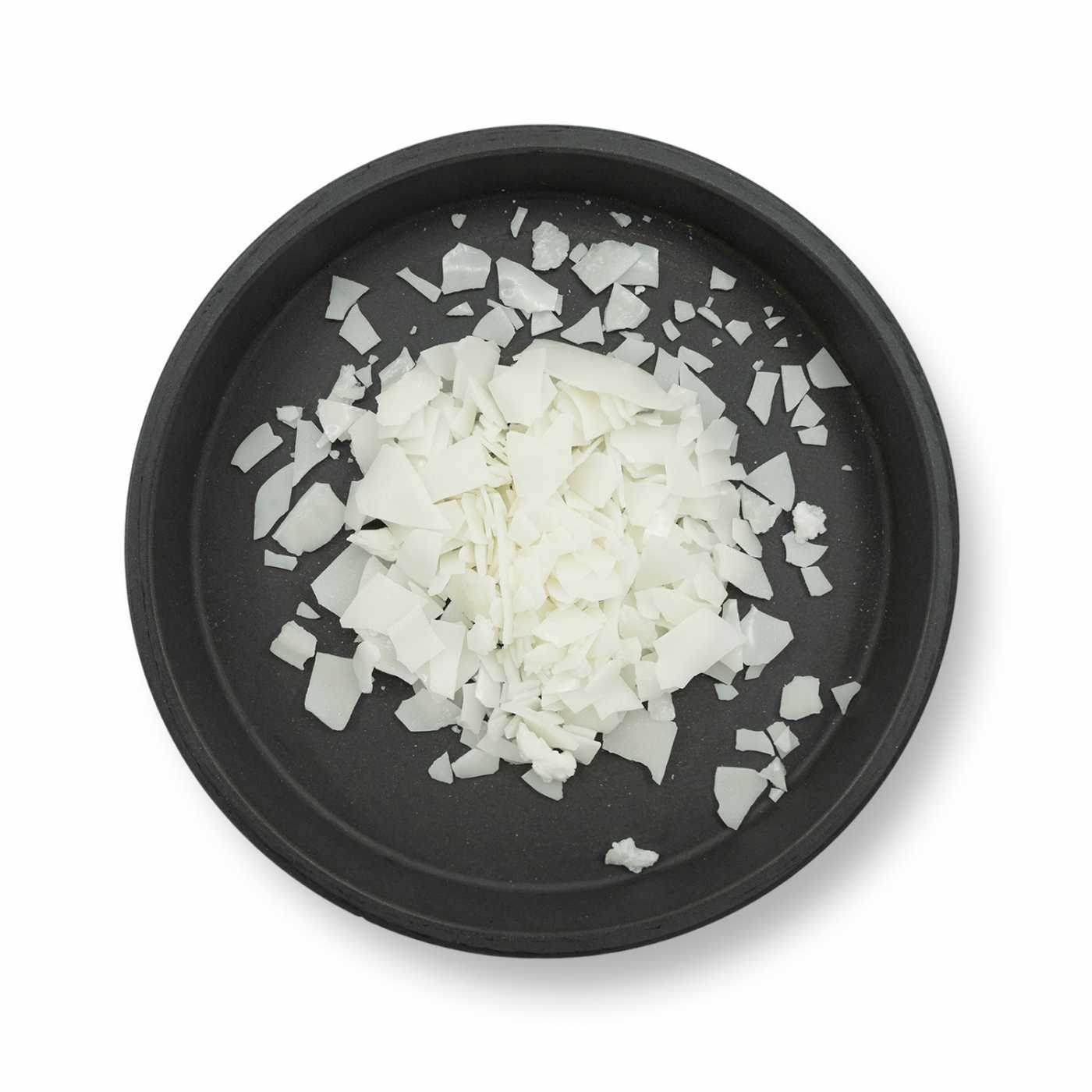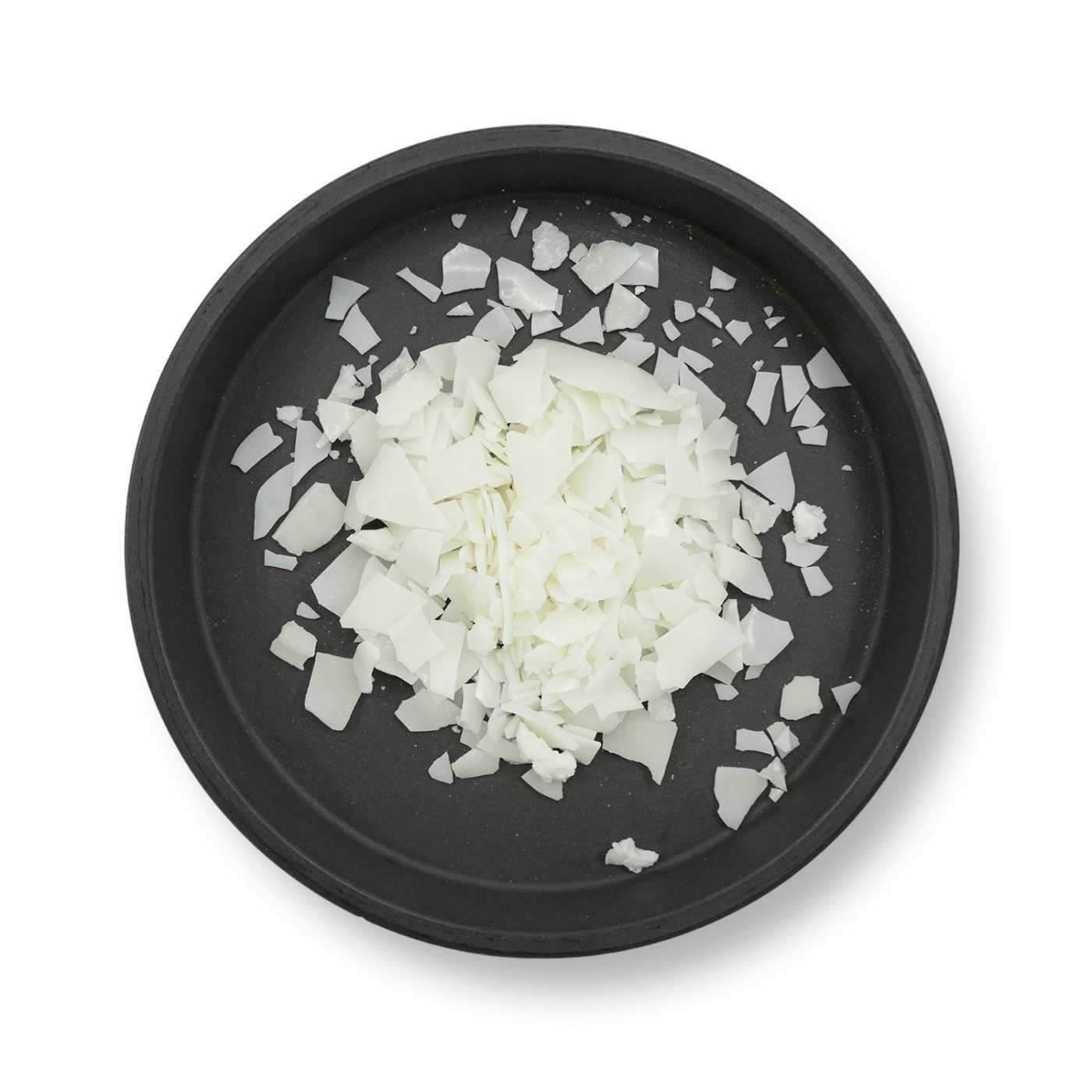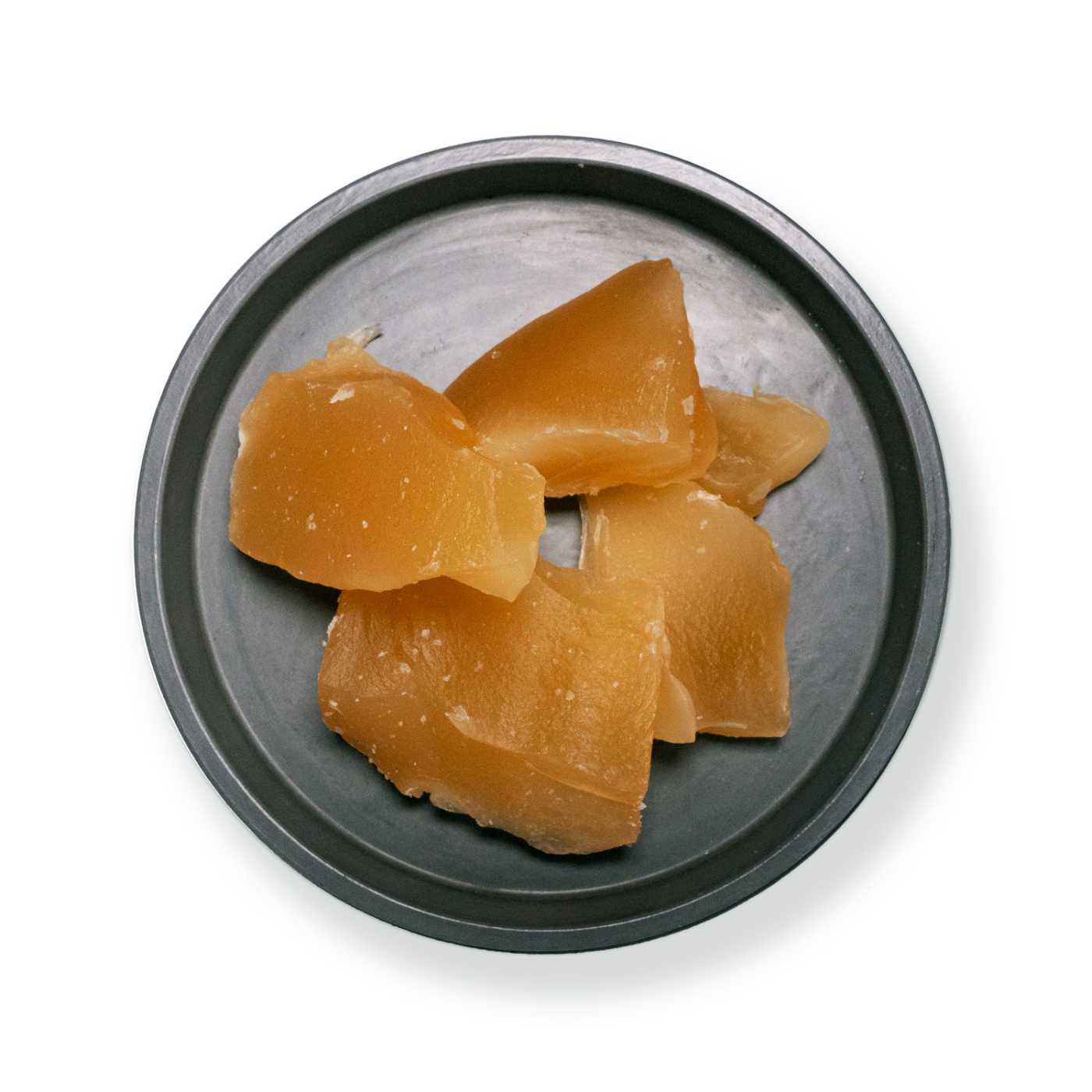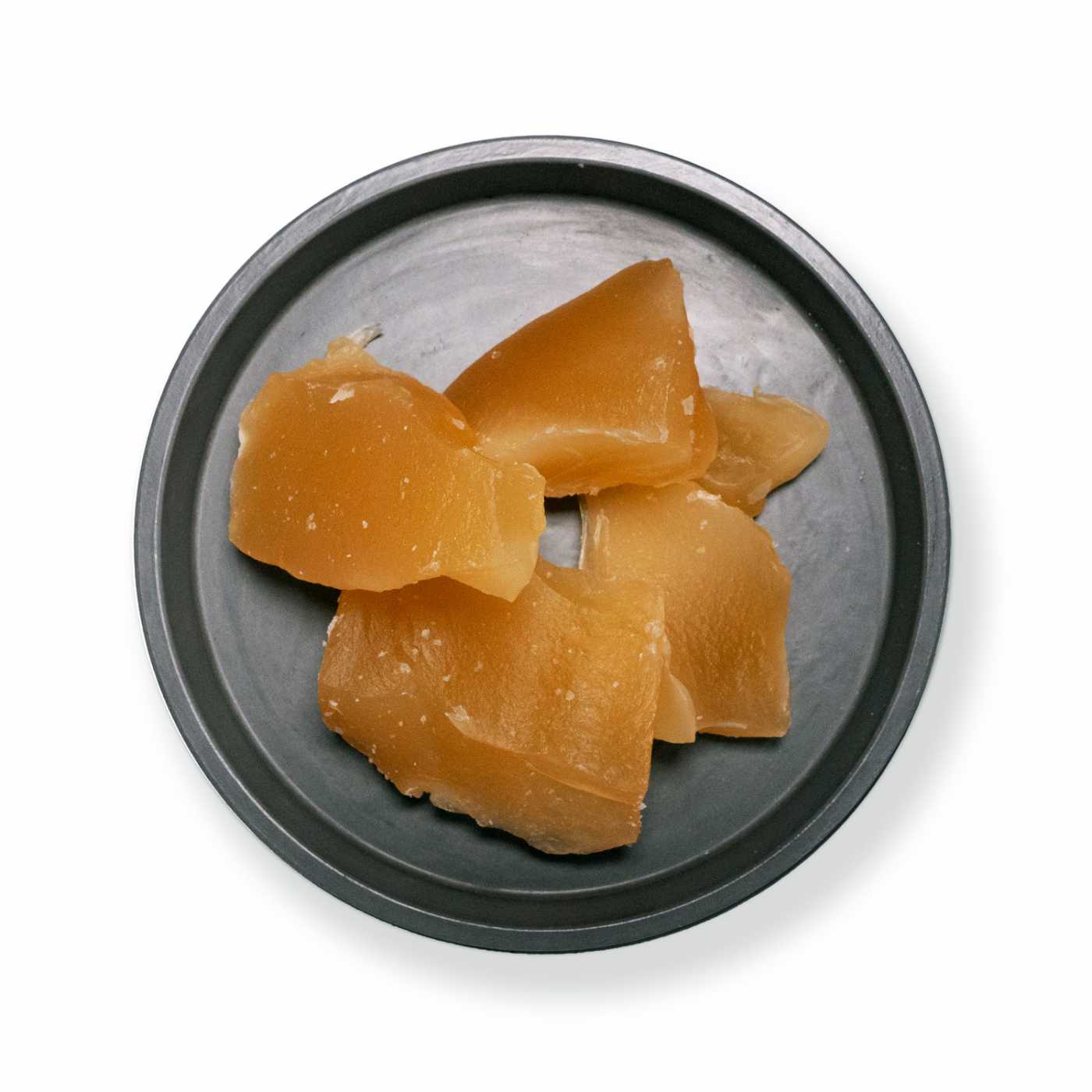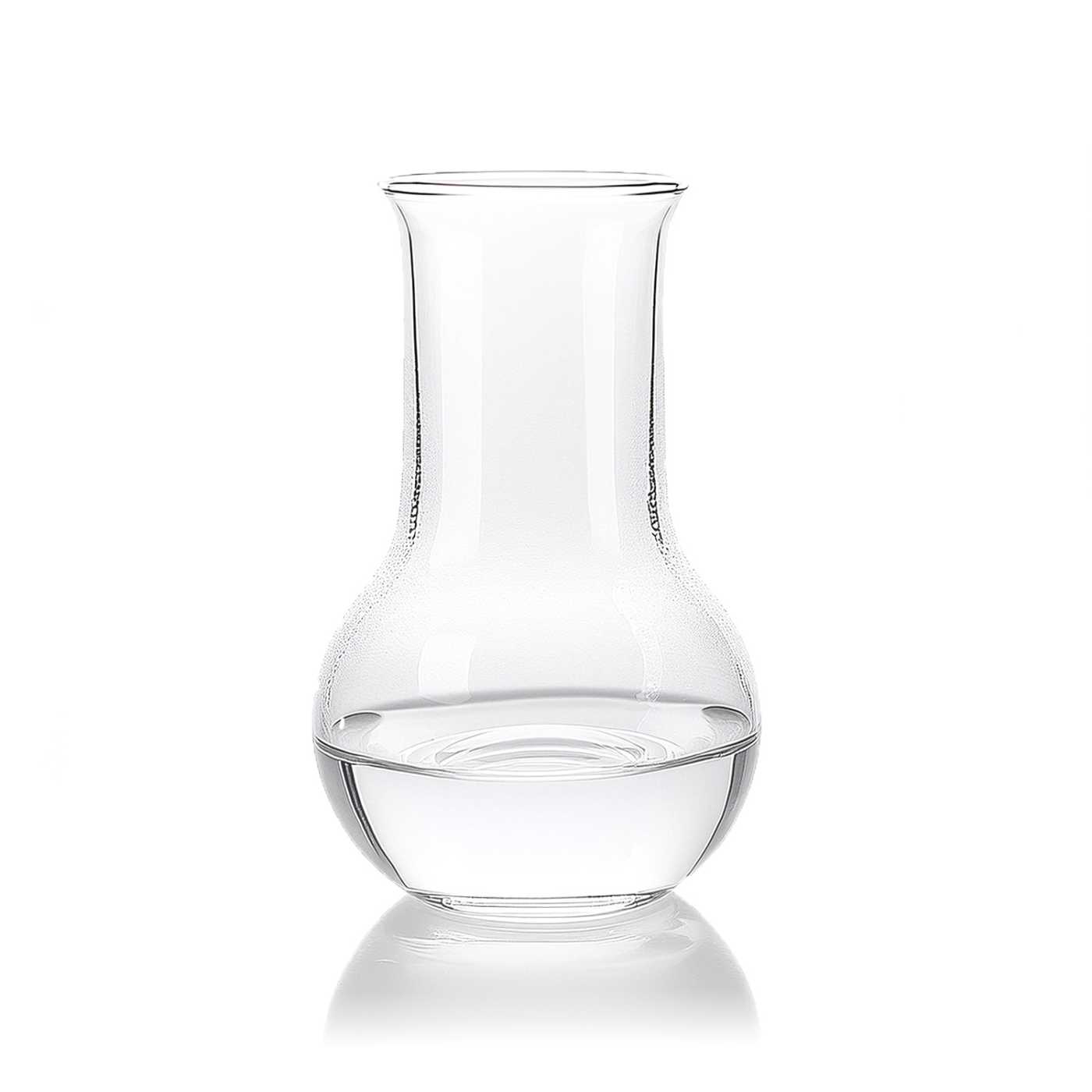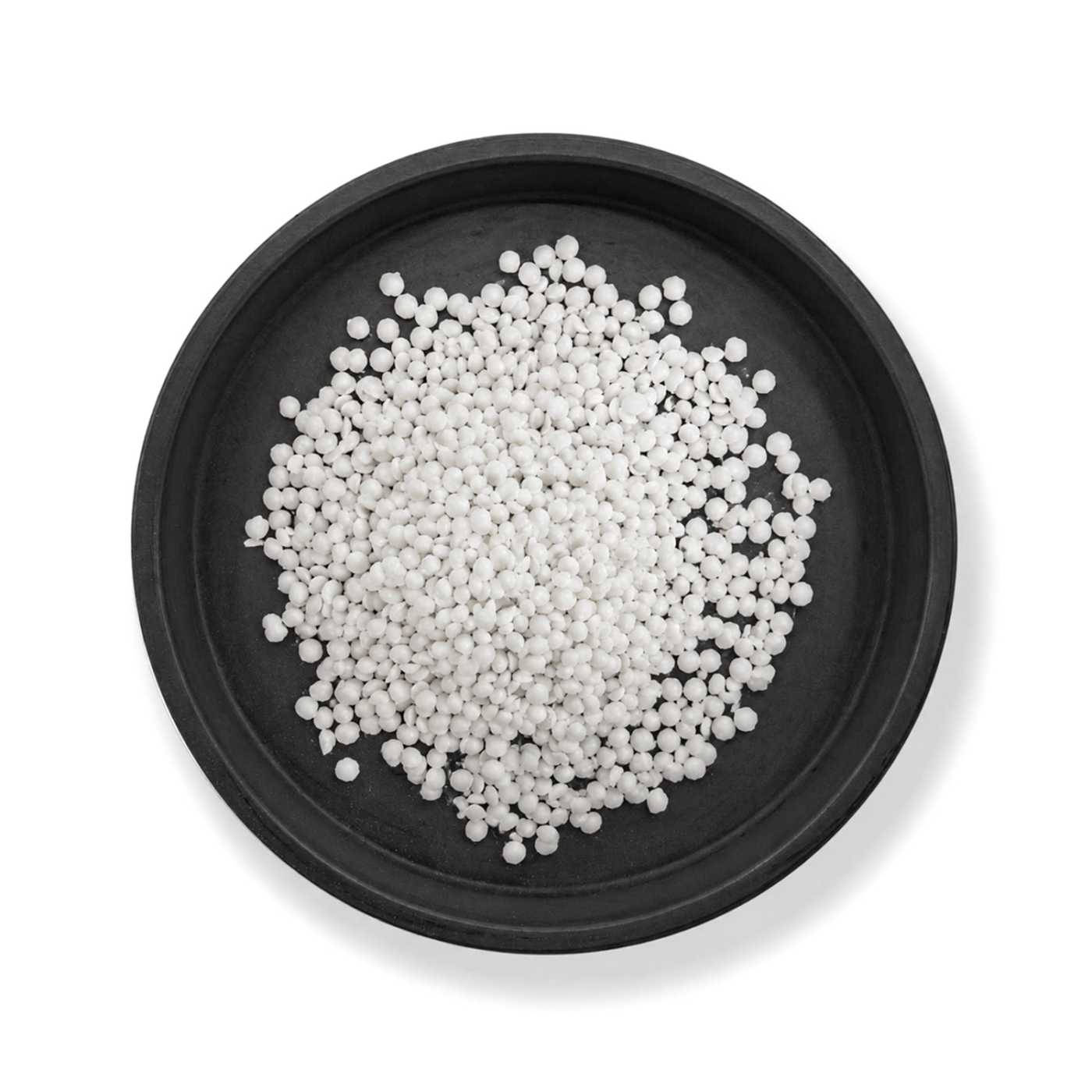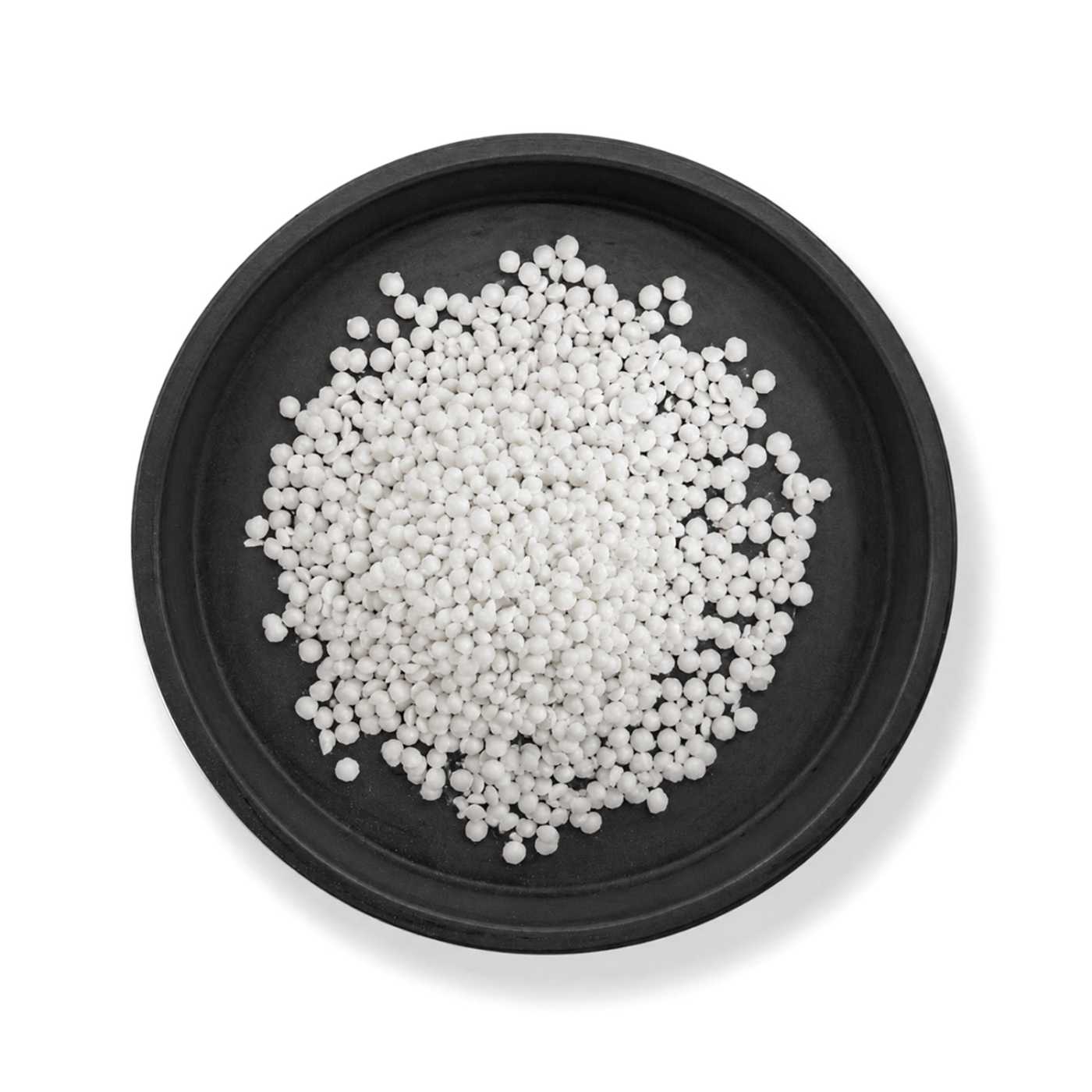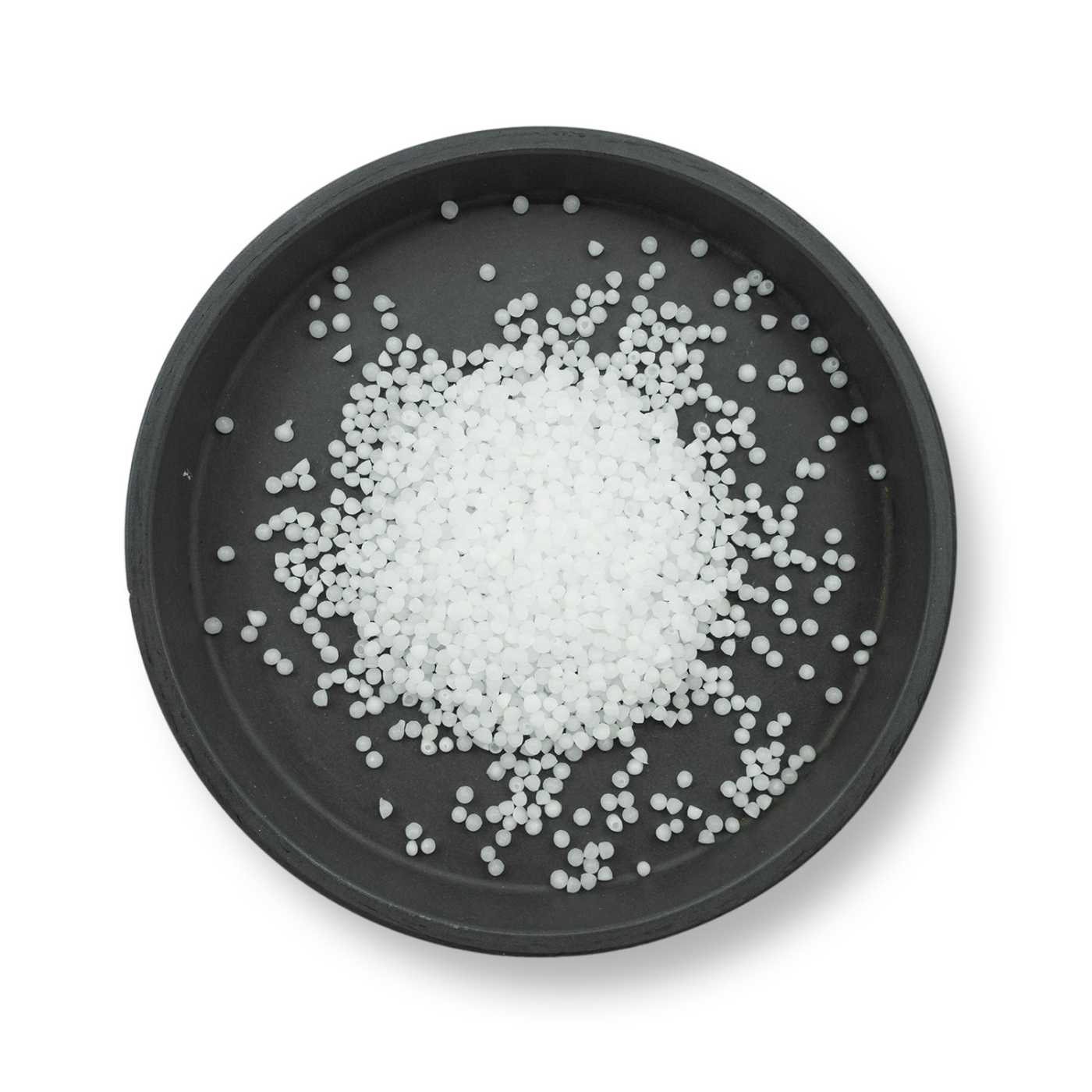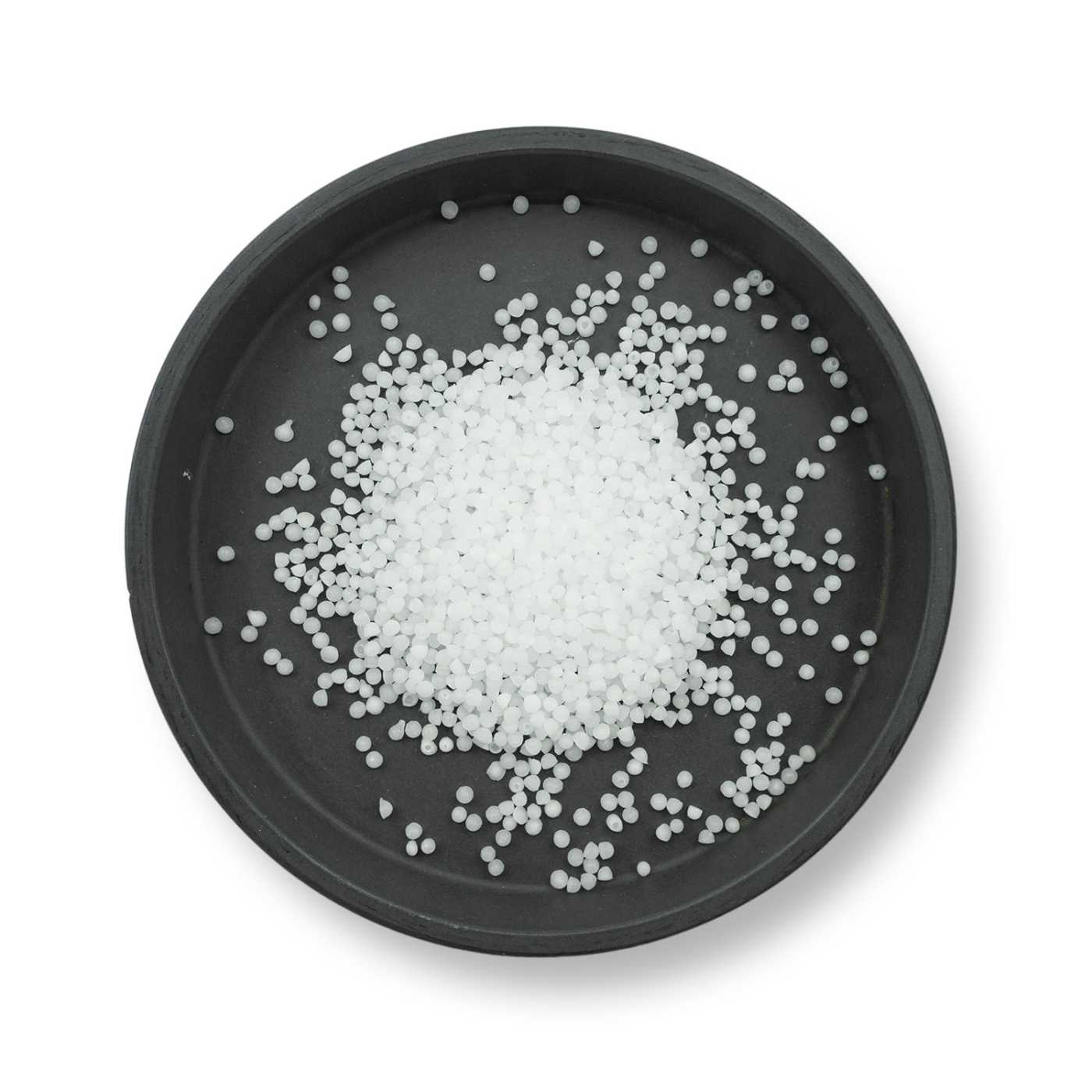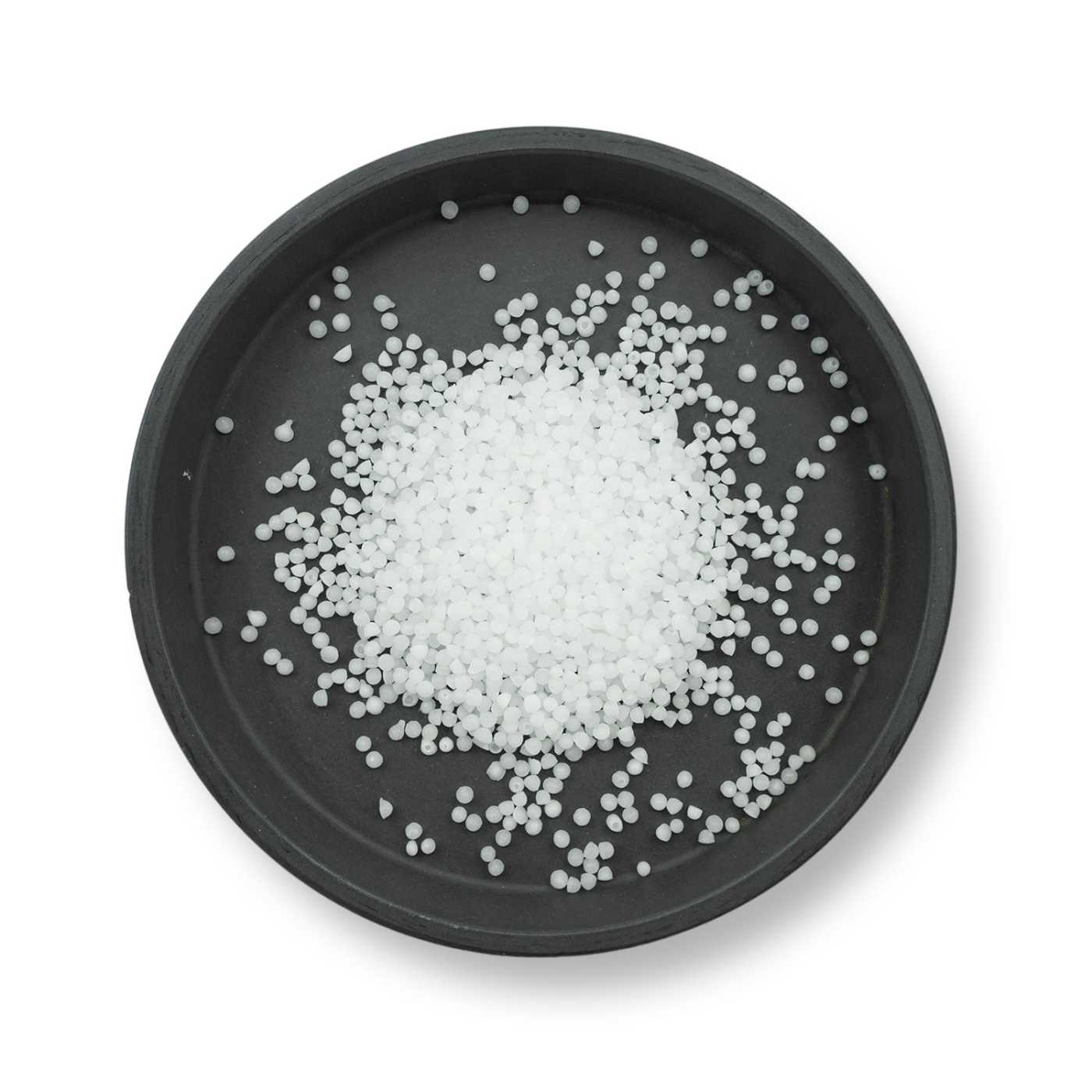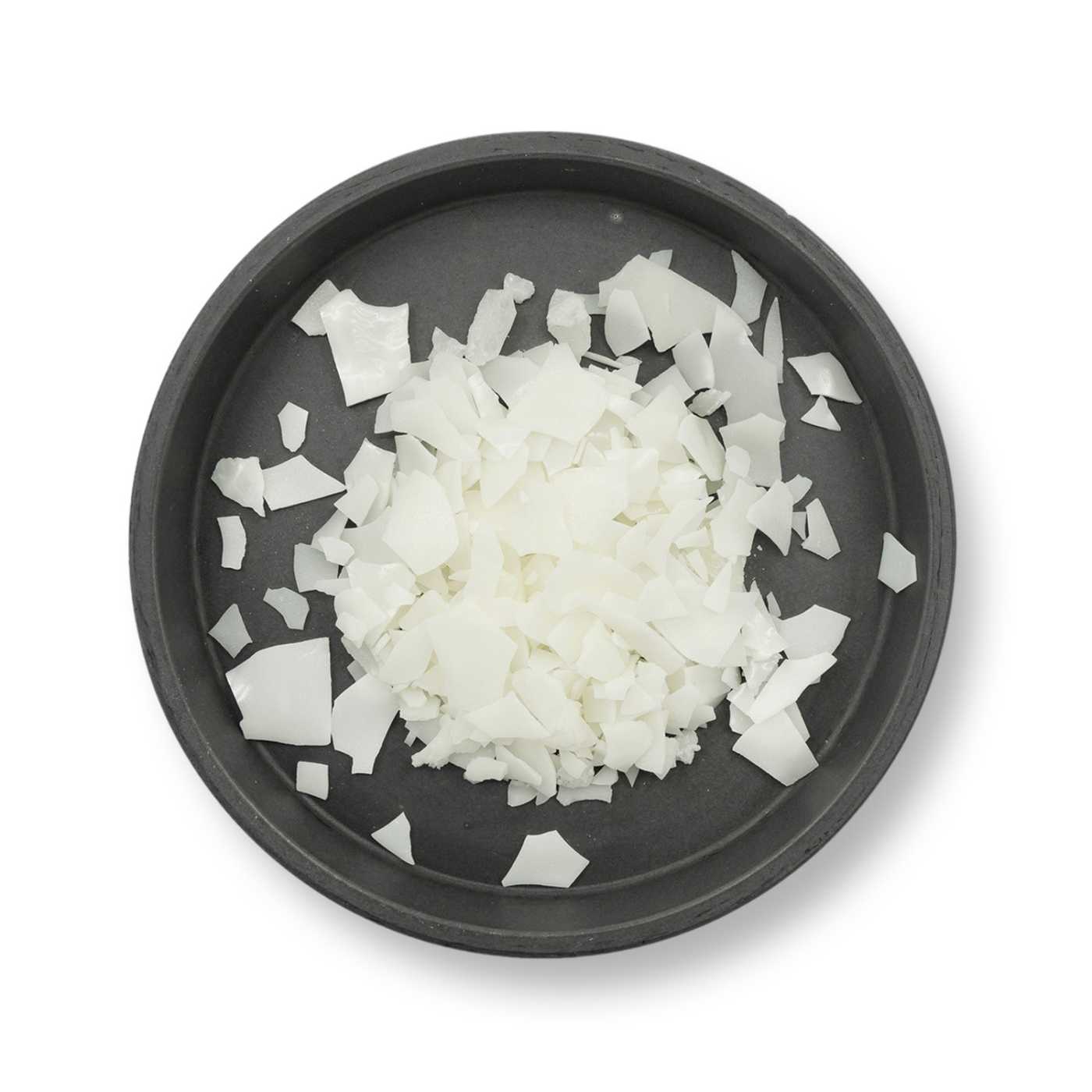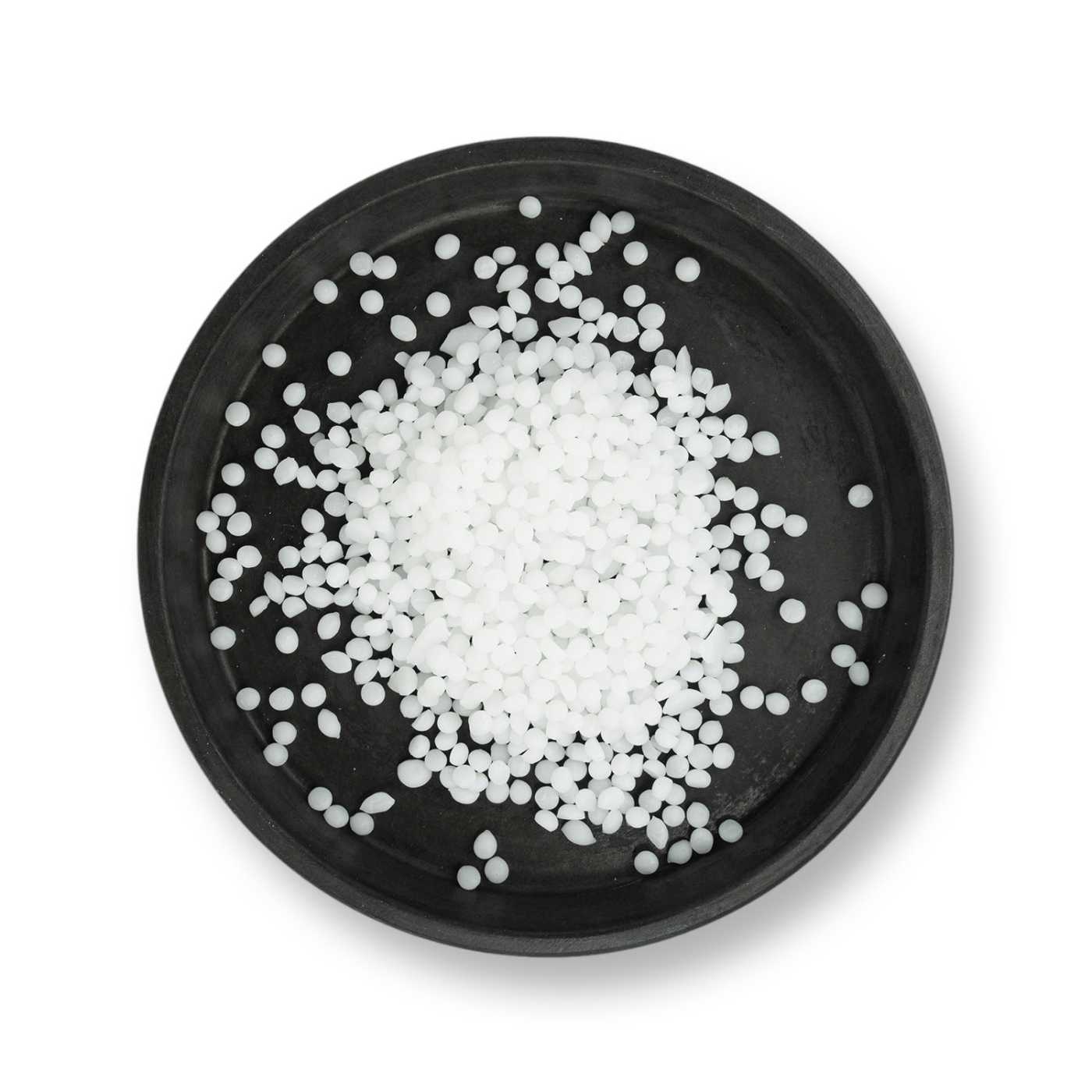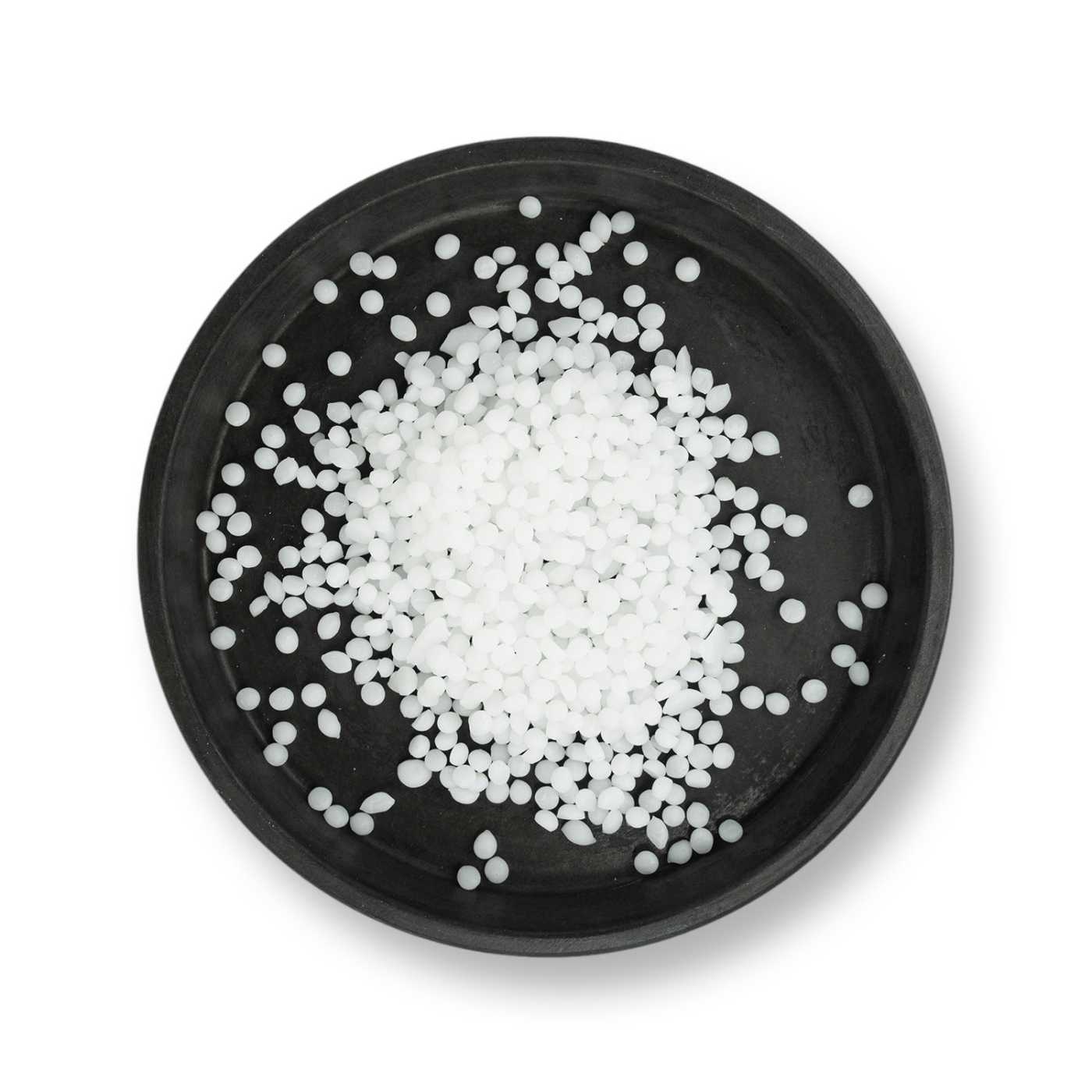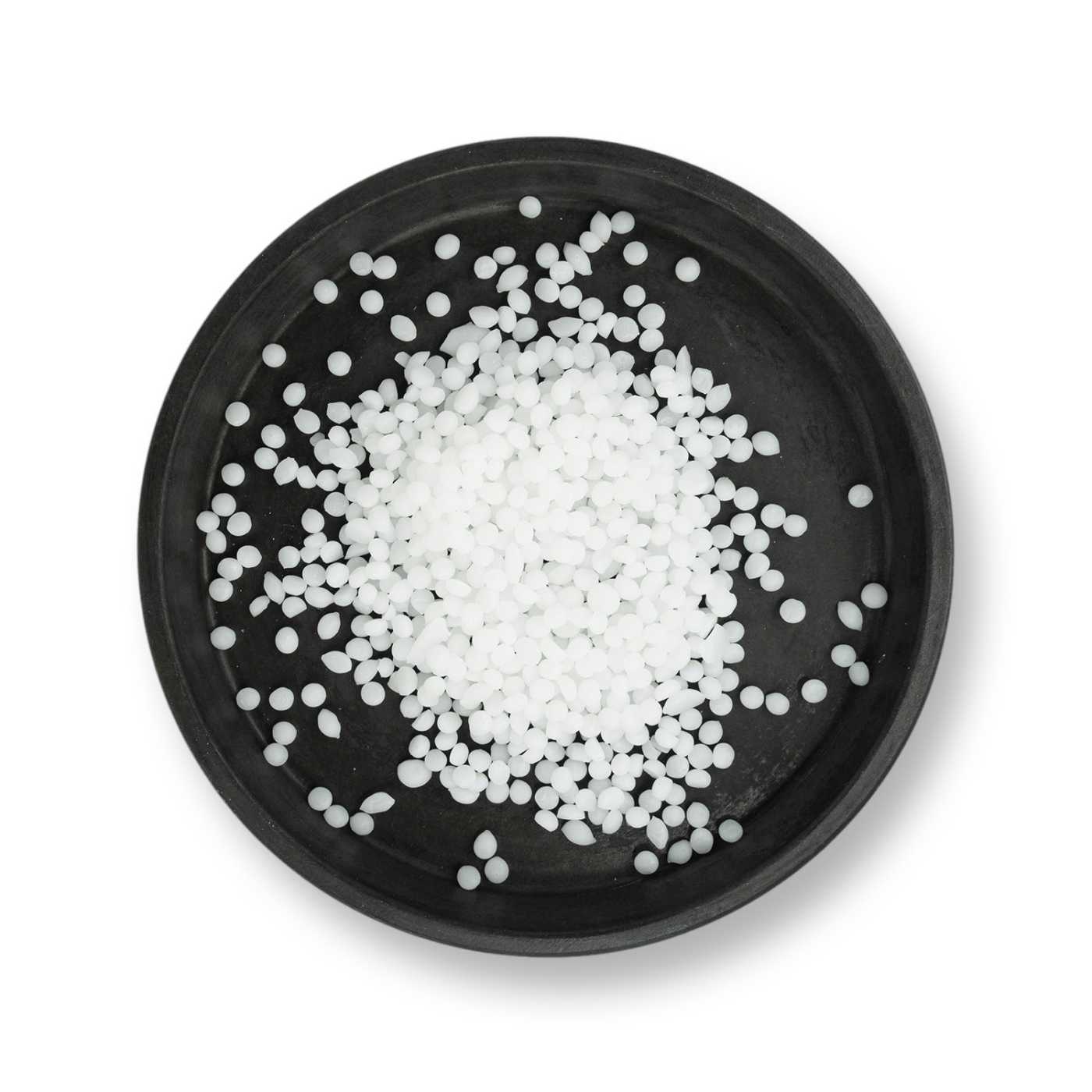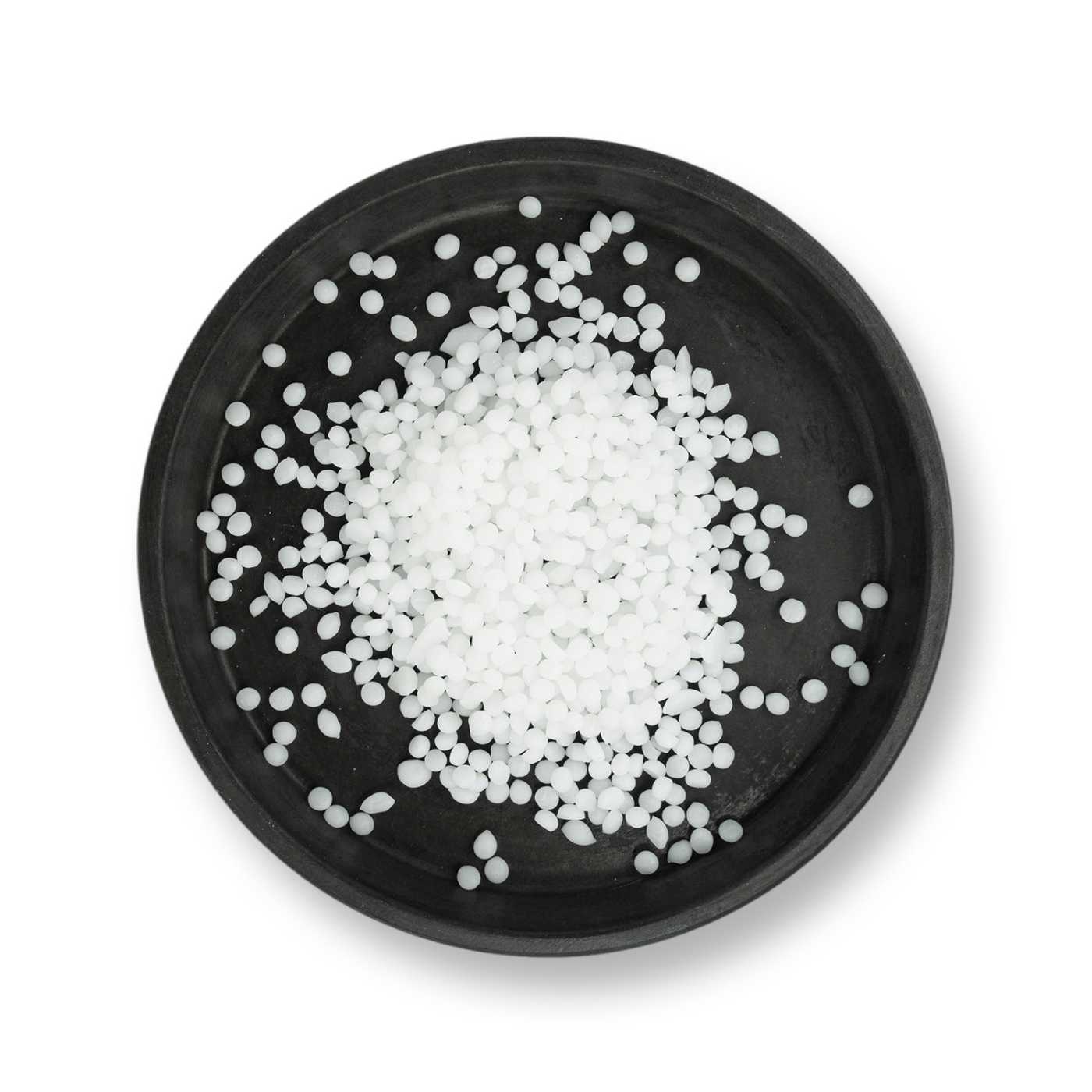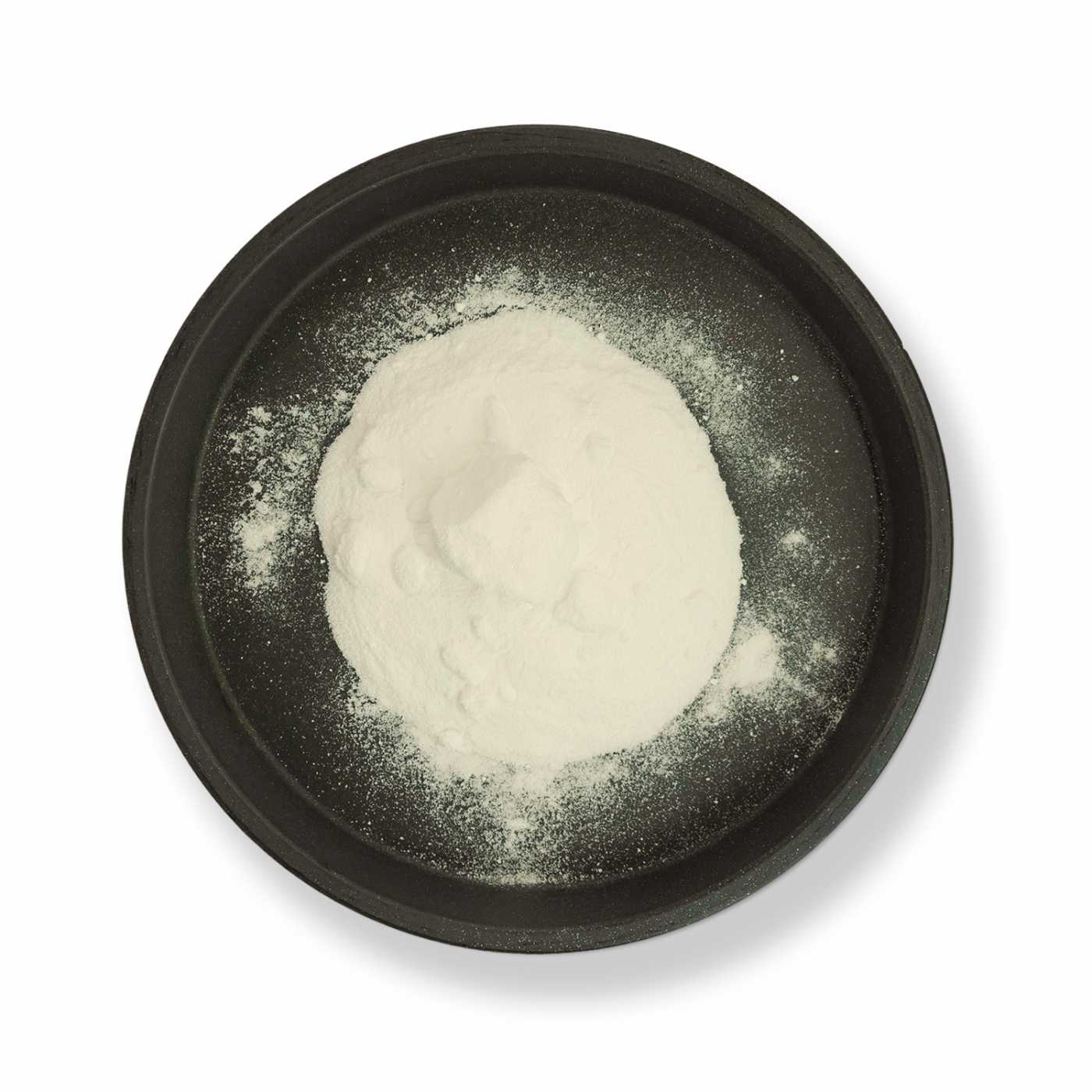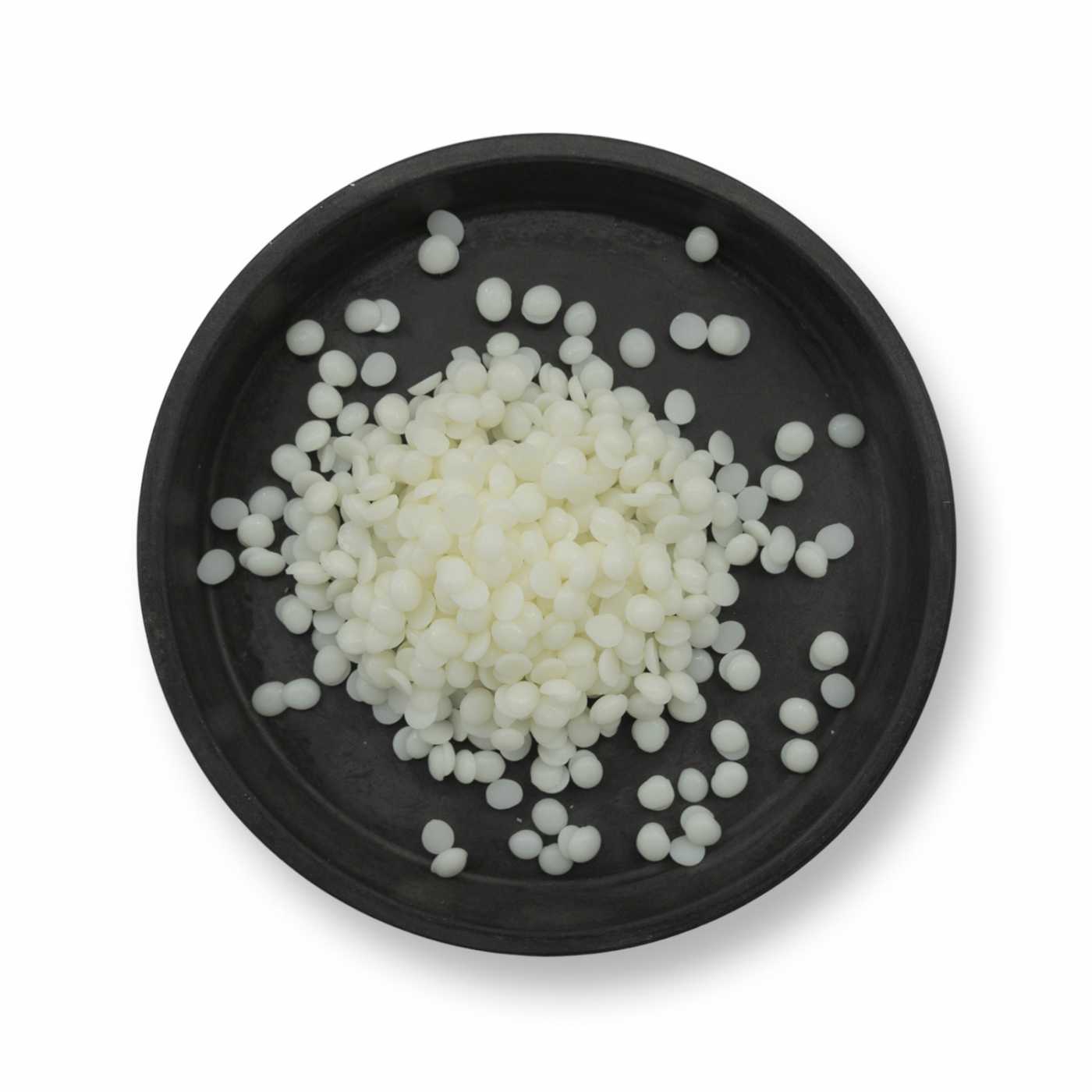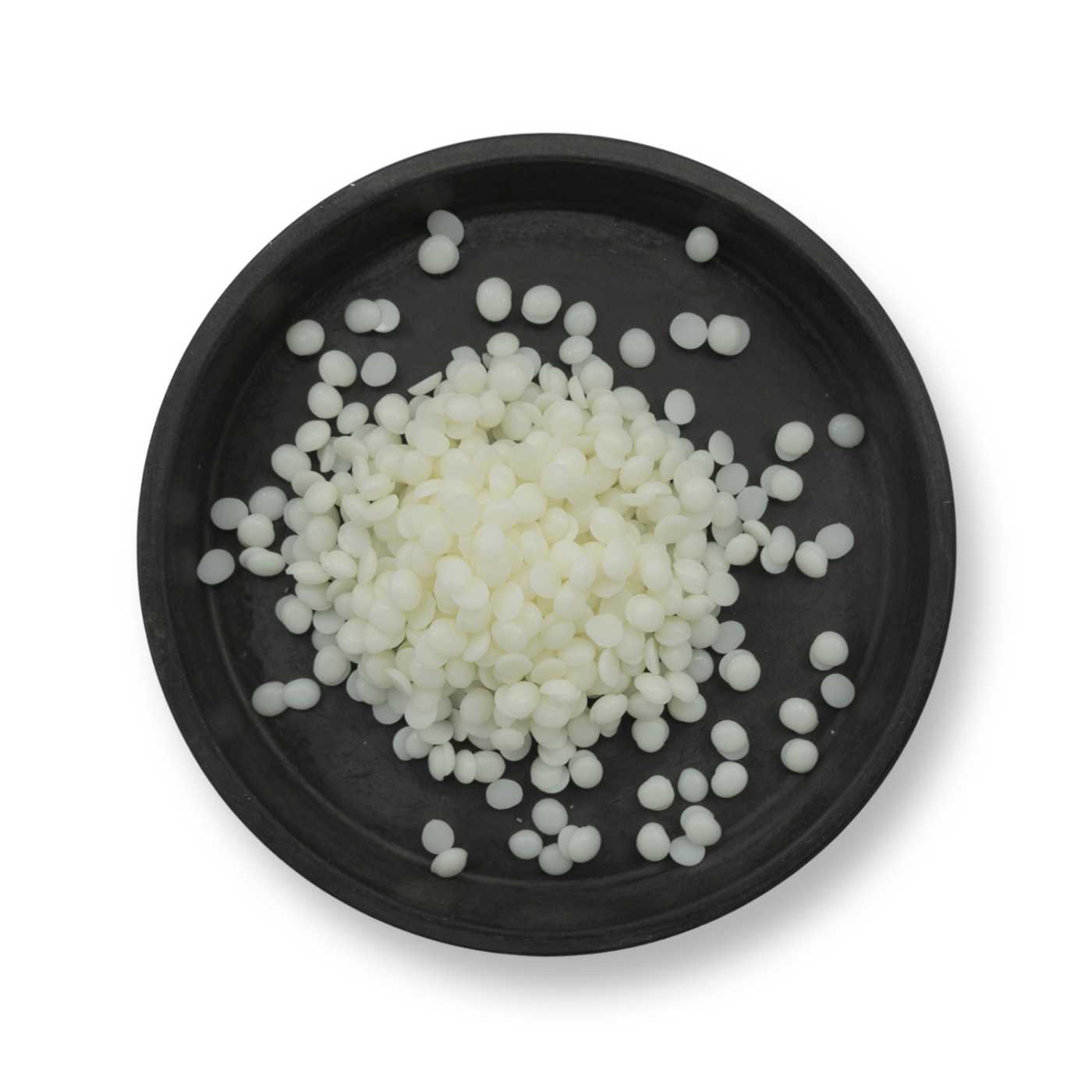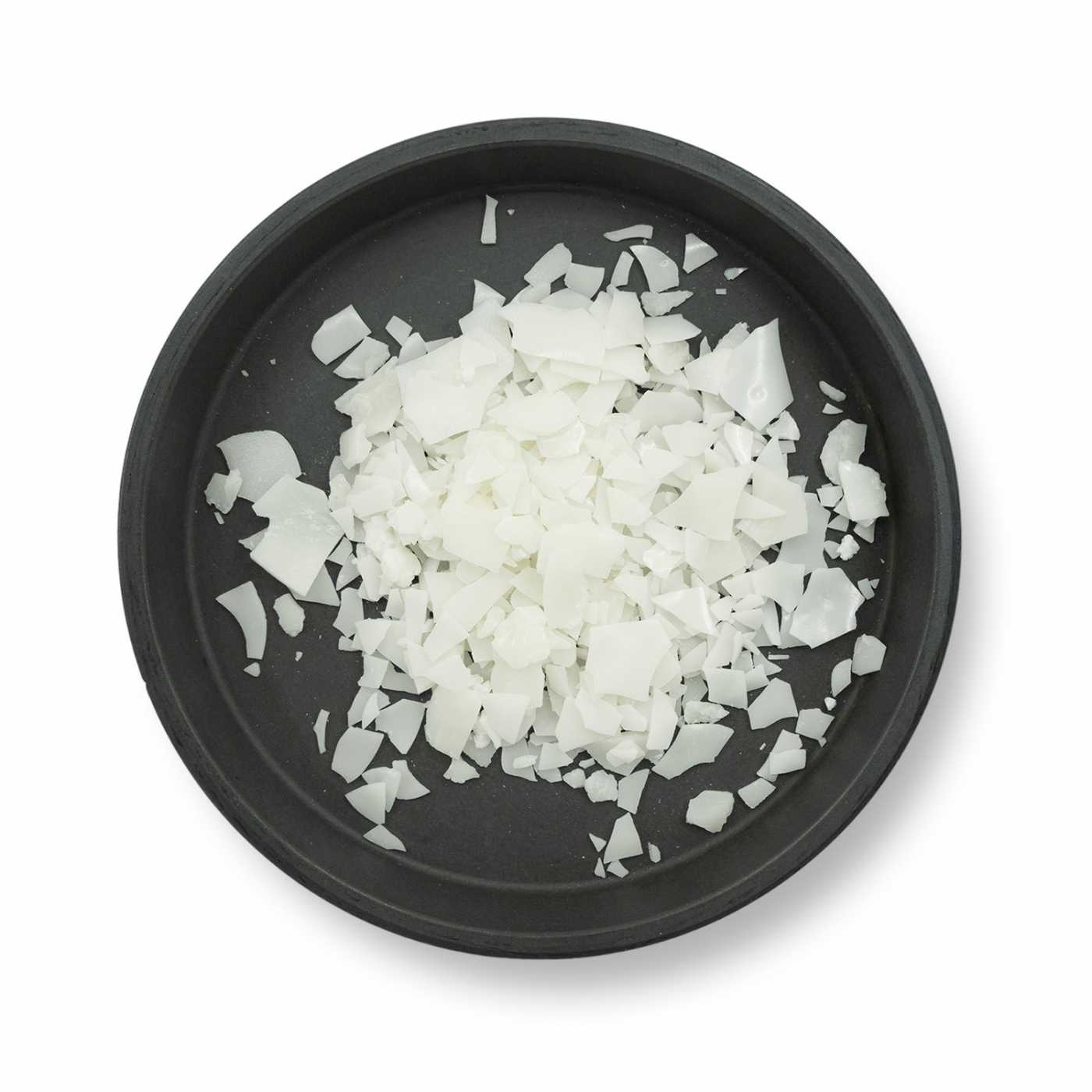
Cetyl Alcohol, 1000 g
Pre-order€12.99(€12.99/kg)

Documentation for every product
70 products in this category
46 in stock now
4.9 out of 5 · 661 ratings
Showing 60 of 70 products
Any cosmetic product that contains both water and oil needs an emulsifier. In cosmetics, an emulsion is most often created when making creams, body lotions, balms and ointments.
Under normal conditions, oil and water components will not mix with each other. Emulsifiers are what turn them into a single “compact mass”. They are substances that reduce surface tension and disperse the droplets of one phase into the other. You can achieve the same thing by simply stirring, but the water and oil phases separate again almost immediately. The job of an emulsifier is therefore also to slow down the time the two phases need in order to separate again, which gives you a stable emulsion. This happens because every emulsifier molecule contains two parts – one that binds to water and one that binds to oil. Choose the right emulsifier for your cosmetic product and you get a stable, lasting emulsion.
Knowing which type of emulsion you are making matters when choosing the right emulsifier. We distinguish between:
Natural W/O emulsifiers include lecithin, Glyceryl Oleate and PGPR (Neocare P3R).
Emulsifiers can also be divided according to their ionic character. The vast majority of natural emulsifiers are non-ionic. There are anionic exceptions, such as Sodium Lauroyl Lactylate. Cationic natural emulsifiers are very rare; their role is filled by quats such as BTMS, which are not classed among natural emulsifiers.
pH of the system. Most emulsifiers work well in the range of pH 4.5 – 6, which is also the most common pH of cosmetics. If you want to work with products outside these pH values, choose an emulsifier that will function in that range too.
Amount of oil in the product. The share of oils and fats in the emulsion can also influence your choice of emulsifier. Some emulsifiers work better at a lower oil content (5 – 15 %) in the product, while others prefer a higher share (25 – 45 %) or middling values.
Viscosity of the product. How an emulsifier performs also depends on the viscosity of the product. If you want to make very fluid emulsions for spray bottles, choose emulsifiers designed for that purpose, and the same applies the other way round. At the same time you can partly influence the viscosity (how thick your product will be) through the emulsifier itself, by changing the ratio of the oil phase to the emulsifier, which can thicken the product. Adding thickeners suited to the given emulsifier, or changing the ratio of the water and oil phases in the product, has a similar effect.
Character of the oil phase. Not all the substances that make up the oil phase will behave the same way with a given emulsifier. Some emulsifiers work better with paraffins and silicone oils (these, however, are not substances approved for natural cosmetics), while others work better with triacylglycerols (ordinary plant oils).
Emulsifiers for cold and hot processes. Most emulsifiers on the market are intended for making cosmetics with heat. The hot process consists of heating both the water and the oil phase of the emulsion to a temperature set either by the stability point of one of the raw materials or by a temperature suitable for the emulsifier, and then combining the two phases. The mixture has to be stirred as it cools, most often with a blender, so that the droplets of one phase disperse better in the other and a stable emulsion forms. There are also emulsifiers for cold processes, which do not need to be heated to a higher temperature in order to melt and combine. That is useful if you want to save the energy needed to heat the phases, and it also makes working with heat-sensitive ingredients easier.
Effect on the colour and scent of the product. Some emulsifiers can affect the colour or scent of the product. If you want snow-white creams, avoid emulsifiers with too strong a yellow tint.
Emulsifier concentration. The description of each individual emulsifier usually carries information from the manufacturer on what percentage of the emulsifier is appropriate in a given product. Some emulsifiers are already a blend of various substances, so a smaller amount is enough. Others have to be used at a higher concentration.
Compatibility with other ingredients. When choosing a suitable emulsifier, look at the other ingredients in the formulation as well. Some substances destabilise emulsions, which makes co-emulsifiers necessary. Other components reduce viscosity, which is compensated for with stabilisers.
Stabilisers and co-emulsifiers. Sometimes the emulsifier alone is not enough and the formulation calls for a co-emulsifier to increase emulsifying performance – fatty alcohols or esters, for example. Or the product needs stabilisers that contribute to greater emulsion stability.
Texture of the finished product. Emulsifiers also influence the texture of cosmetic preparations. Texture is shaped by a great many factors, so there is no reliable way to say in advance how a particular emulsifier will react alongside the other raw materials in a recipe, and it usually has to be verified in practice.
Olivem 1000. A natural O/W emulsifier, suitable for a wide pH range of 3 – 12, added to the oil phase at 75 °C. Its properties are improved by adding 0.2 % xanthan gum. It can also be used with co-emulsifiers such as cetyl and cetearyl alcohol to thicken the product. INCI: Cetearyl Olivate & Sorbitan Olivate. It suits creams and thicker types of emulsion.
Neocare P3R. A natural W/O emulsifier suitable for creating emulsions of very low viscosity (fluid ones). It works for both hot and cold production processes and dissolves in the oil phase. It does, however, require stabilisation with electrolytes – MgSO4, NaCl and others. INCI: Polyglyceryl-3 Polyricinoleate, Polyglyceryl-3 Ricinoleate. In our range you will find it under the name Polyglyceryl-3 Polyricinoleate (PGPR).
Beautyderm K10. Beautyderm is an alternative to the pricier Olivem 1000. It is a natural O/W emulsifier, soluble in the oil phase at 70 °C, with a use pH of 2.5 – 7. INCI: Sorbitan Olivate, Cetearyl Glucoside, Cetearyl Alcohol. You will appreciate it when making creams and body lotions, but also other products.
Lecithin. Another representative of the natural non-ionic W/O emulsifiers is lecithin. For cosmetic use it is most often obtained from soya or sunflower and is soluble in the oil phase. Lecithin allows an emulsion to form but does not thicken the product, so it has to be combined with co-emulsifiers such as cetyl or cetearyl alcohol, or with xanthan gum as a thickener. Its advantage is that it is gentle on the skin and moisturises it; it is used at low concentrations of up to 5 %.
There is no shortage of factors worth taking into account when choosing an emulsifier, but this is exactly where there is room for your creativity. As a rule, the more components your product contains, the harder it can be to choose a suitable emulsifier – though it is not impossible. It just takes a while to experiment, and in time you will find out for yourself which emulsifier suits you best.
An O/W emulsion has oil dispersed in water – typically a body lotion or a light facial cream; the higher water content makes it feel cooling, but it is also more easily attacked by micro-organisms. A W/O emulsion has water dispersed in oil – thicker ointments, balms and night creams; it leaves an oilier film, but it is more resistant to microbes and to water. Each type needs its own type of emulsifier.
Most emulsifiers work well in the range of pH 4.5 – 6, which is also the most common pH of cosmetics. If you are formulating outside that range, choose an emulsifier with a declared wider window – Olivem 1000 handles pH 3 – 12, Beautyderm K10 pH 2.5 – 7. You will find the suitable pH range in the description of each emulsifier, straight from the manufacturer.
Follow the percentage dosage the manufacturer states for the particular emulsifier. Some emulsifiers are a blend of several substances and less of them is enough, while others require a higher concentration; lecithin, for example, is used at low concentrations of up to 5 %. Take the share of oil in the formulation into account as well – some emulsifiers suit 5 – 15 % oil, others 25 – 45 %.
Yes. Most emulsifiers do require a hot process – the water and oil phases are heated, combined and then stirred with a blender as they cool – but there are also emulsifiers for cold processes that do not need melting. You save energy and can work heat-sensitive ingredients in more easily. One example is Neocare P3R (PGPR), which suits both hot and cold processes.