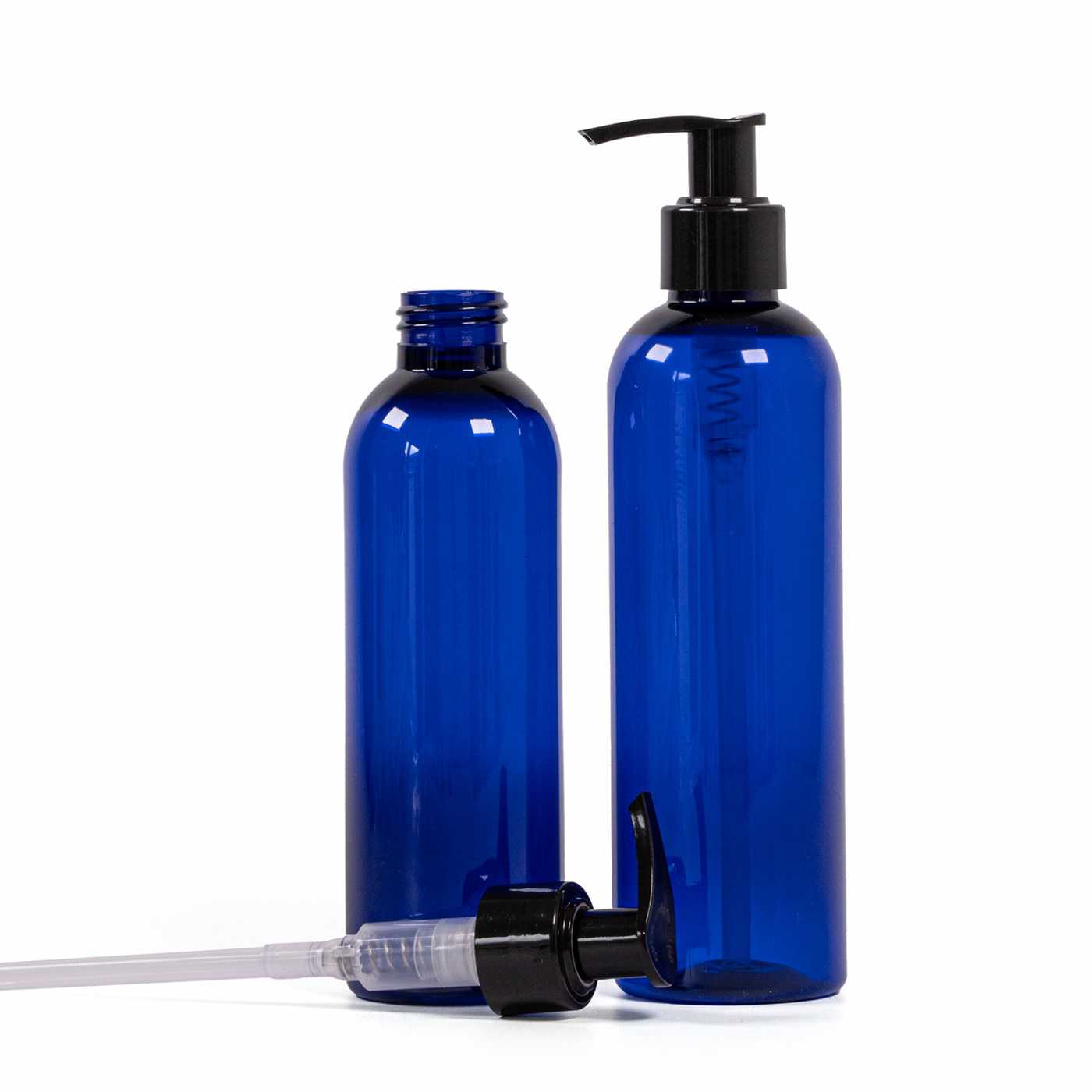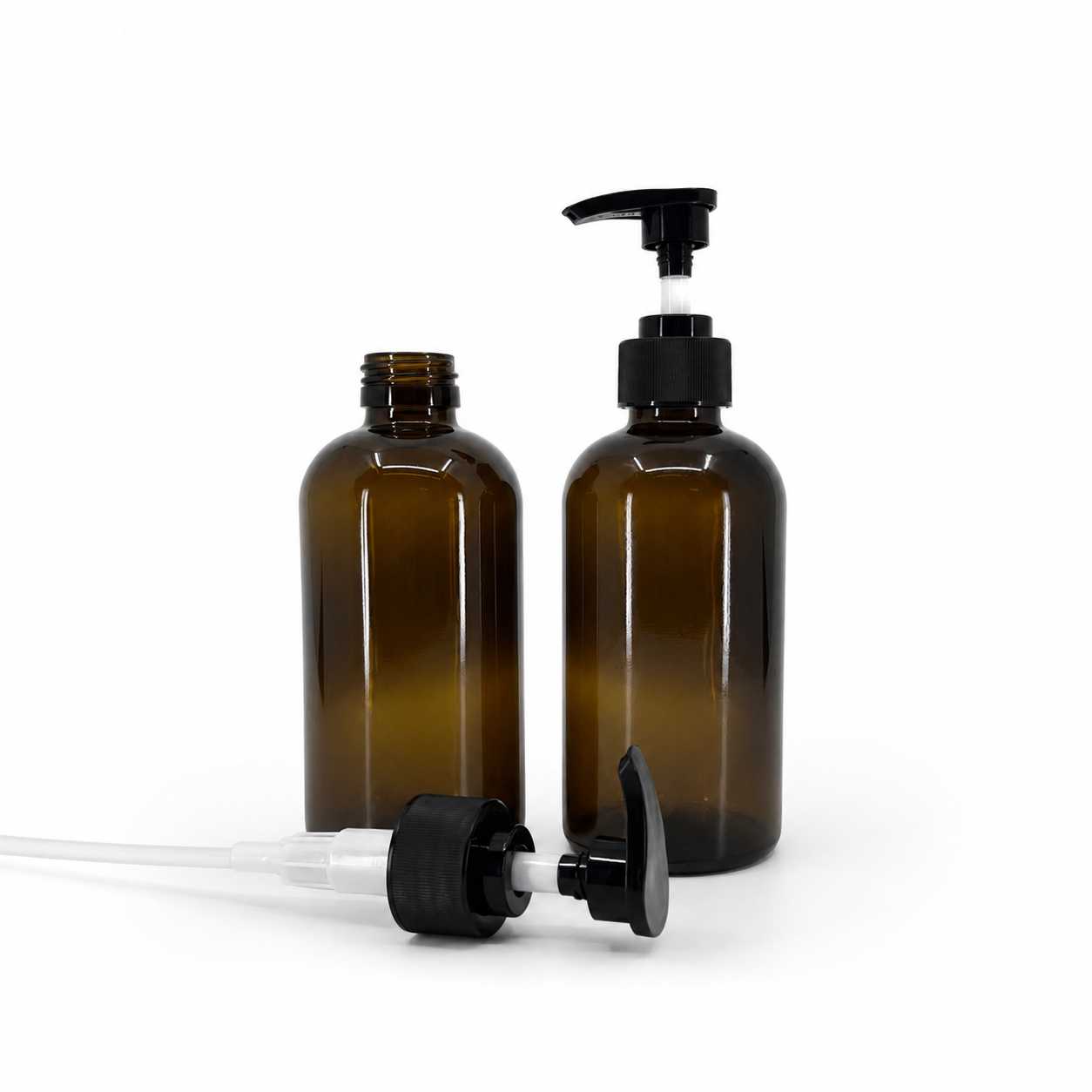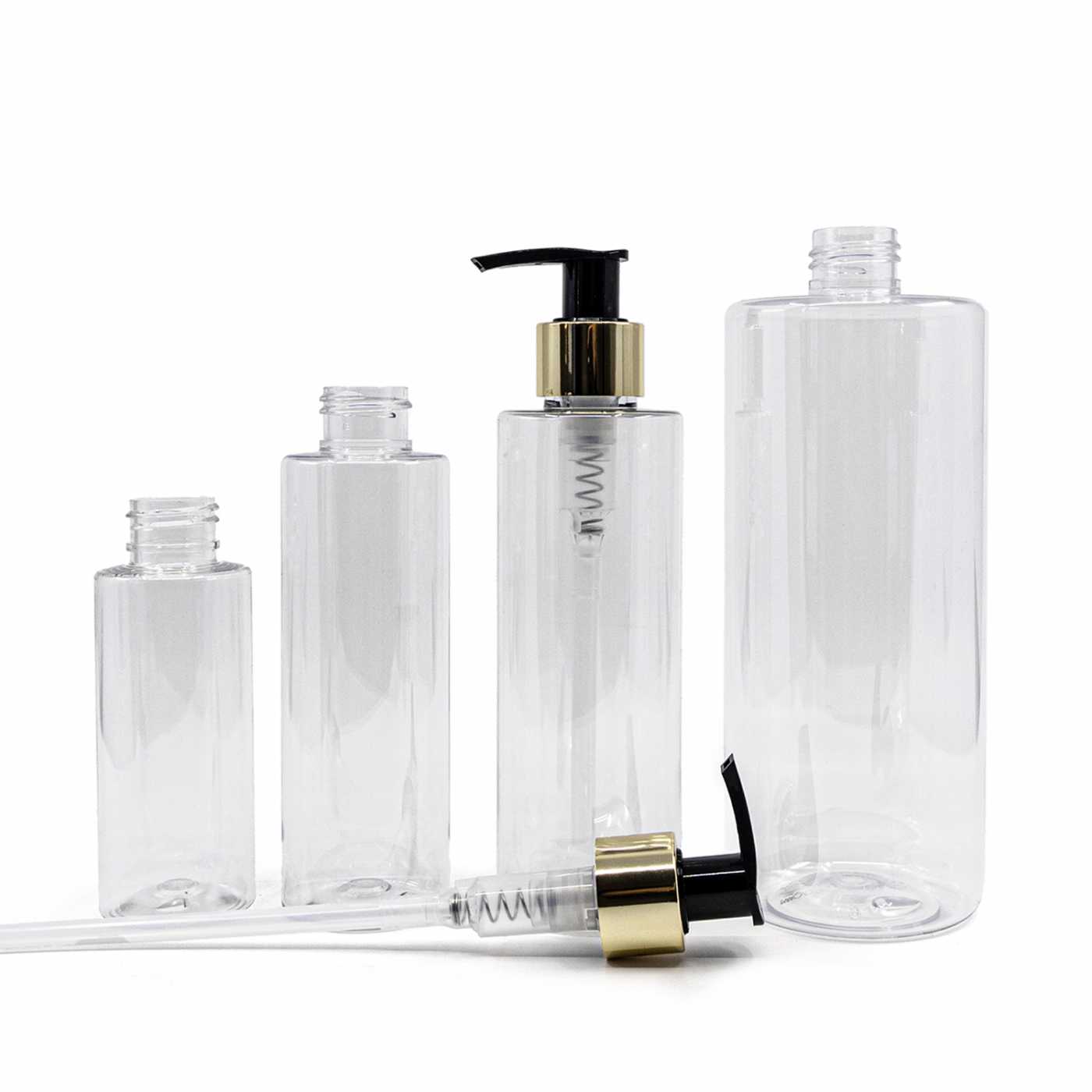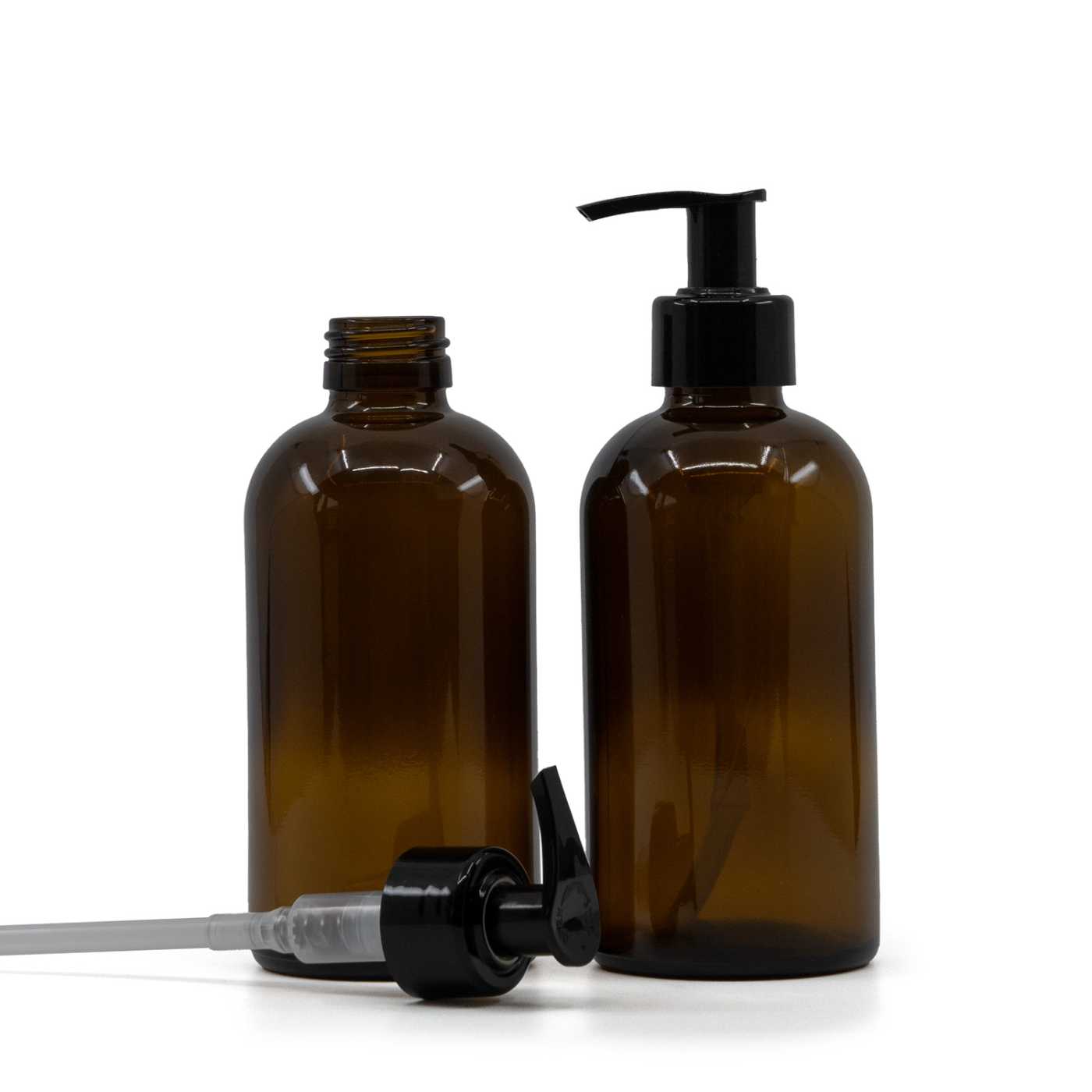


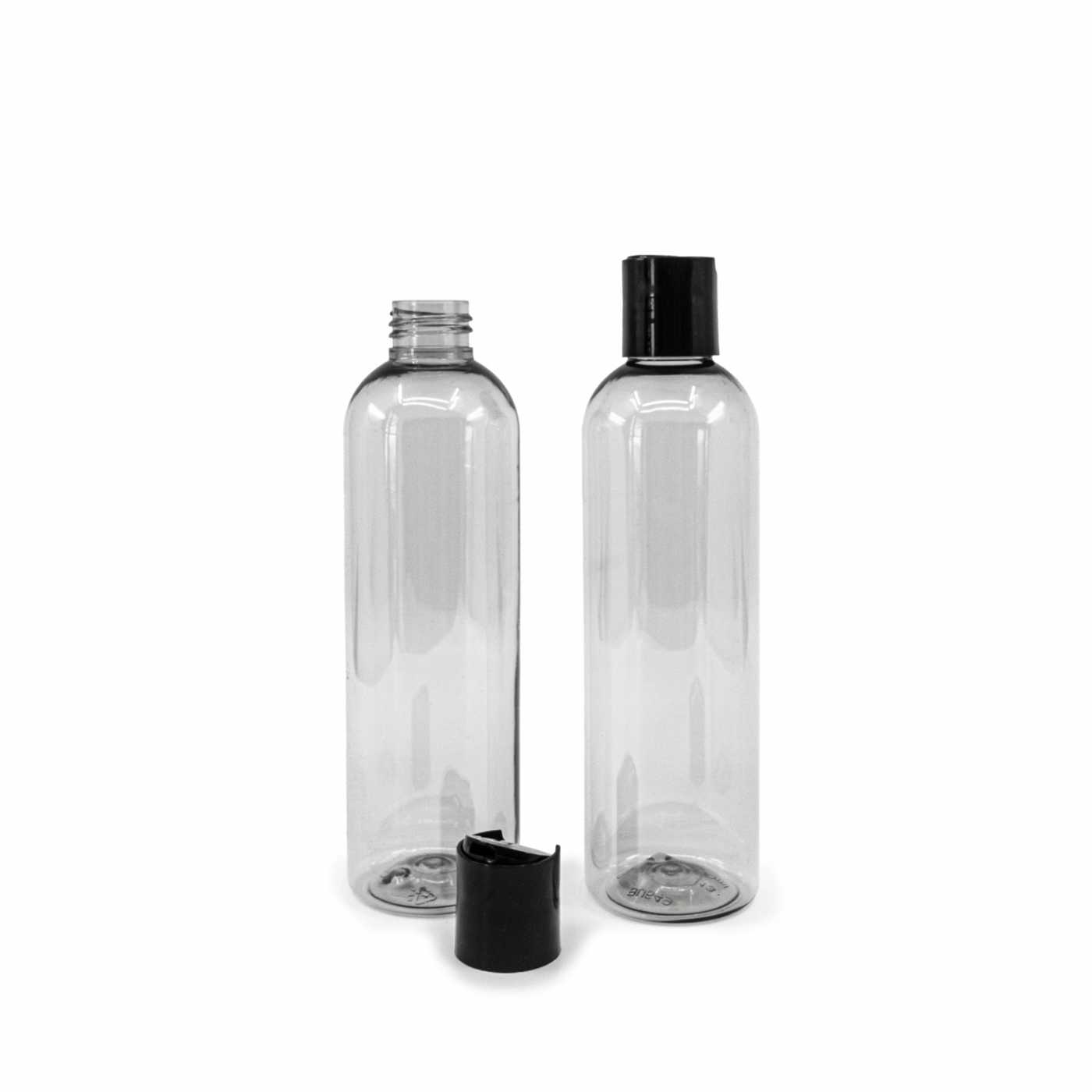
Recycled Plastic Bottle, Black Disc Top, 250 ml
Pre-order€1.12
SURFACTANTS
Pack size100 ml500 ml1 l5 l20 l
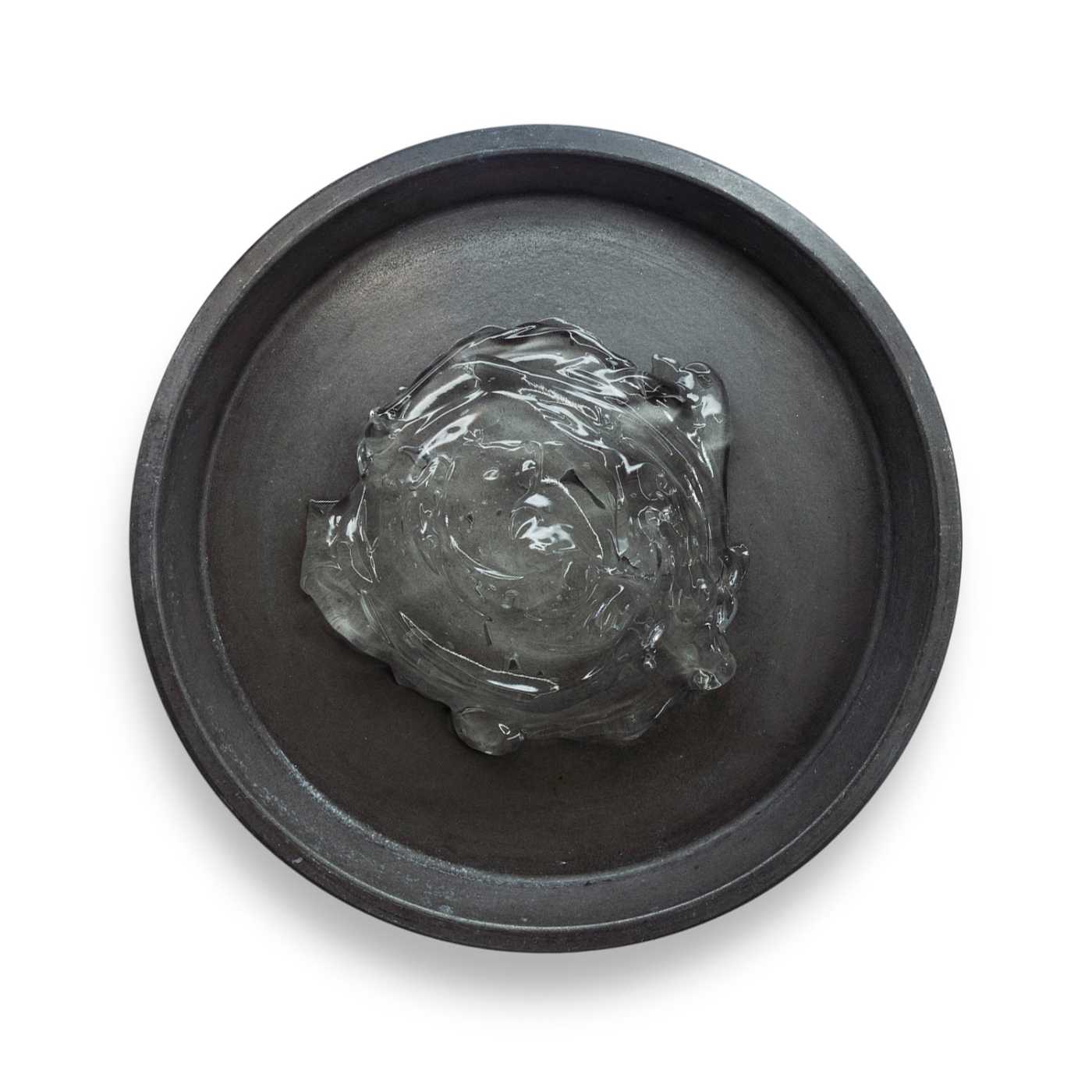
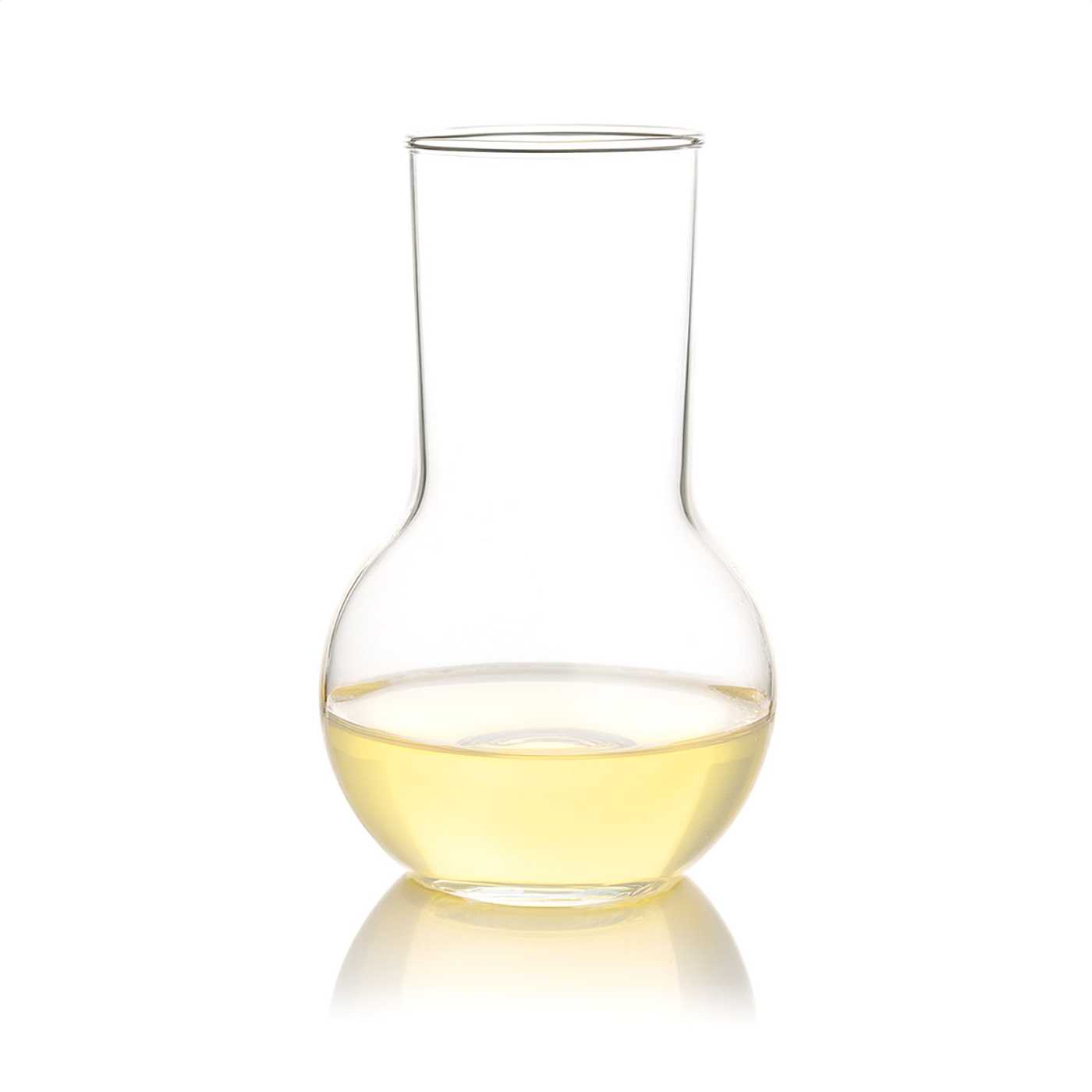
Cocamidopropyl Betaine is an amphoteric surfactant that in shampoos, shower gels and cleansing products reduces the irritancy of the main anionic surfactant and gives the foam density and a creamy character. full description
Lowest price in the last 30 days: €4.99
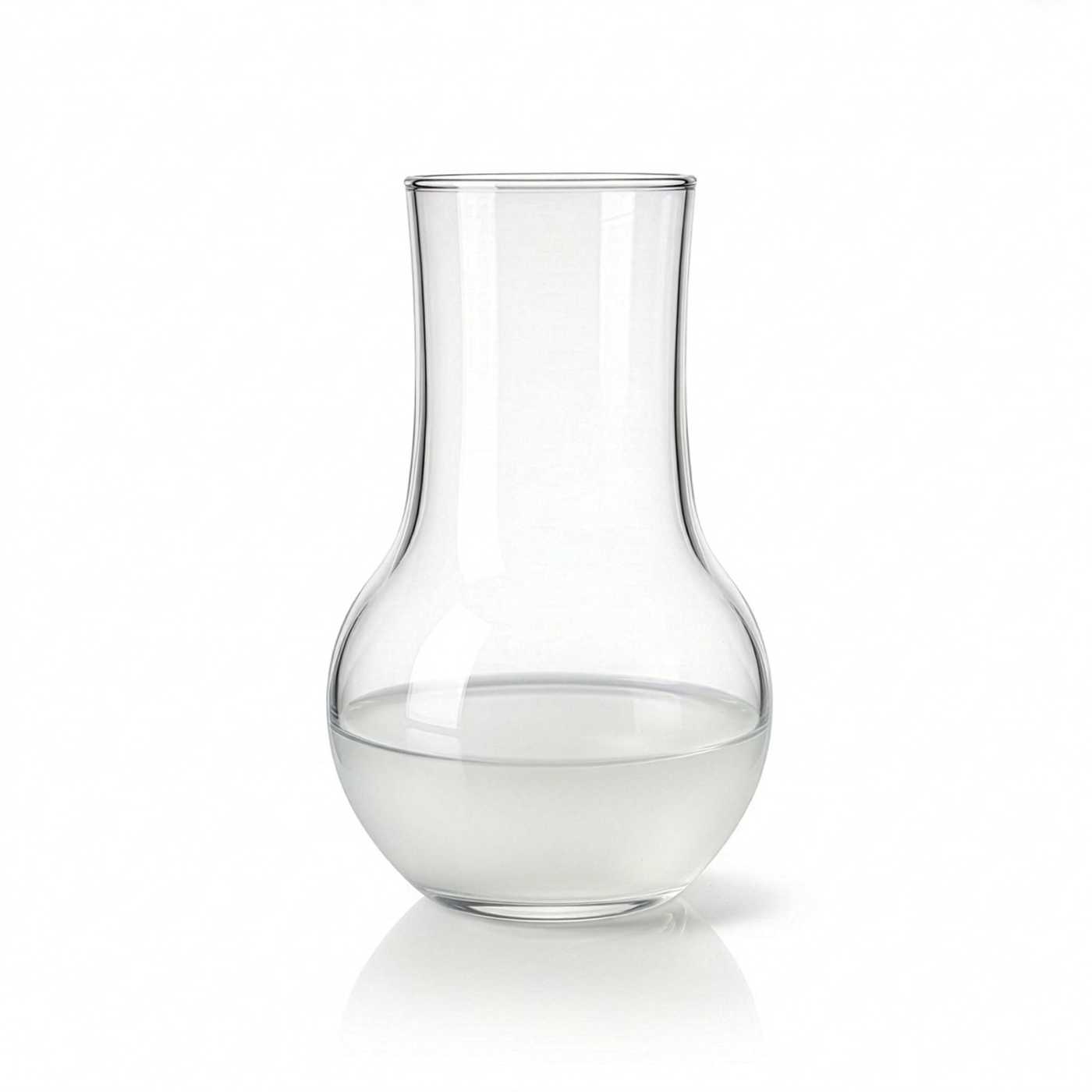
Cocamidopropyl Betaine is an amphoteric surfactant that in shampoos, shower gels and cleansing products reduces the irritancy of the main anionic surfactant and gives the foam density and a creamy character. On its own it cleanses only mildly. Its value becomes apparent in a blend: with Sodium Laureth Sulfate, Sodium Coco-Sulfate or with glutamates it forms mixed micelles, the finished product is more tolerable on skin and the foam lasts longer. It is derived from the fatty acids of coconut and palm kernel oil, supplied as an aqueous solution and processed in the water phase at room temperature.
The solution in our range belongs among highly active betaines with an active matter content of around 45 %. Common cocamidopropyl betaines have a lower active matter content, so when adapting formulas from other sources, recalculate the dose based on active matter, otherwise the surfactant blend will be unnecessarily strong.
It dissolves in water in any proportion. It is added to the water phase or during the cool-down phase; the processing temperature should not exceed 40 °C. Heating is not necessary, the solution is liquid and can be measured by volume. The concentrate has an acidic pH (around 4.5 – 5.5), so the finished product may turn out more acidic than expected. Adjust pH only after adding all surfactants.
The recommended dosage is 1 – 20 % of solution in the finished product. The lower end is sufficient to soften a facial cleansing gel or liquid soap. Higher doses are used in shampoos and shower gels, where the betaine should contribute noticeably to foam and viscosity. In a surfactant blend it is usually the minor component, with the main anionic surfactant making up the larger share.
Typical procedure: dissolve the anionic surfactant in demineralised water, then blend in the betaine and any non-ionic surfactants, followed by conditioners, fragrance and preservative, and finally adjust the pH and fine-tune viscosity. Betaine tolerates cationic ingredients, so conditioning polymers such as Polyquaternium-7 or Guar Hydroxypropyltrimonium Chloride can be added without the risk of precipitation that arises in a purely anionic blend.
The solution also contains sodium chloride (approximately 6 – 7 %), which counts toward the salt curve. When thickening with salt, add it in small increments and allow the blend to equilibrate after each addition. Once the optimum is exceeded, viscosity drops again and is difficult to recover.
In alcohol-based products it has only limited application; in ethanol it is poorly soluble. In oils and anhydrous oil systems it is insoluble, so it belongs exclusively to water-based formulations. Every aqueous surfactant product containing betaine requires a preservative; the solution itself contains no preservative.
In sulphate-free formulations based on glucosides (Coco-Glucoside, Decyl Glucoside) or glutamates (Sodium Cocoyl Glutamate) betaine improves their thin foam.
The concentrate is classified as corrosive; at normal usage levels in the finished product this risk does not arise. As the sole surfactant it produces weaker and less voluminous foam, so it is almost always used in combination. The manufacturing process keeps the level of by-products (amidoamine, chloroacetic acid) low; these are typically the source of skin irritation. The substance is readily biodegradable according to OECD 301 tests and is intended for rinse-off products; it does not belong in leave-on cosmetics.
When working with the undiluted solution, wear gloves and eye protection; if the solution contacts the eyes, flush with water. Once diluted in a formulation, these precautions are no longer necessary.
If the solution arrives from cold storage cloudy or with small crystals, allow it to warm to room temperature before measuring. The cloudiness is reversible and has no effect on performance.
Betaine is often confused with Coco-Glucoside, since both are regarded as mild secondary surfactants. The glucoside is non-ionic, has a higher natural pH and gives thinner, less stable foam, but tolerates both high and low pH well and has no issue with electrolytes. Betaine thickens and stabilises foam, helps thicken the blend and allows the use of cationic conditioners. Compared to Sodium Laureth Sulfate it is a secondary surfactant: it complements and softens the sulphate but does not replace it as the primary cleansing surfactant.
Variant: Cocamidopropyl Betaine, 500 ml
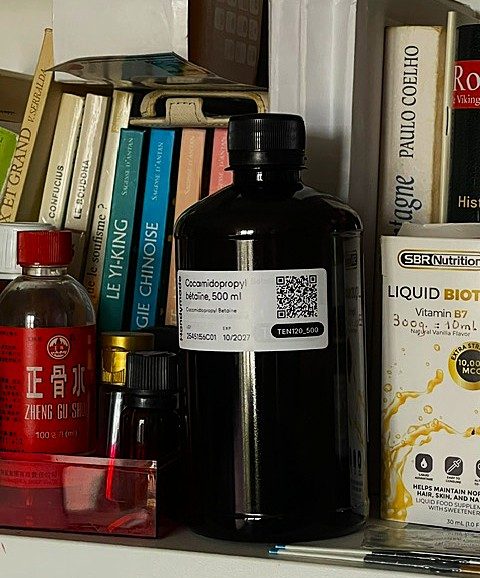
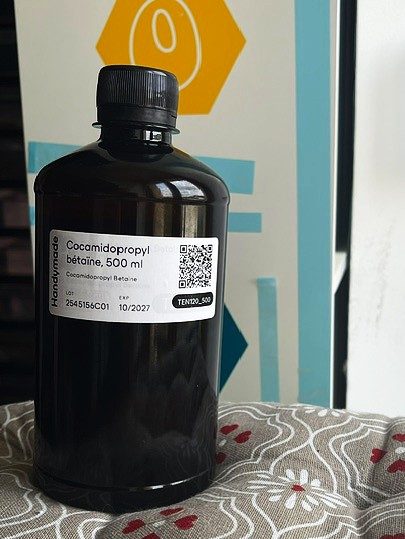
I couldn't find "Babassu Foam" anymore (which makes the foam for the shampoo), so I asked ChatGPT and it found me the ideal replacement: "Cocamidopropyl Betaine"
Translated automatically

Amazing prices and quality — I have to admit that I have studied all the ingredients you provide more than 3 times, always comparing the prices with other providers and you are the winner most of the time. Amazing quality, sortiment and communication. The girls that answer to e mails are always cheerful and helpful, super smart! Love you guys, you make my days happier and formulating easier.

nothing to complain about, quite the opposite! :)
Translated automatically

Variant: Cocamidopropyl Betaine, 1 l