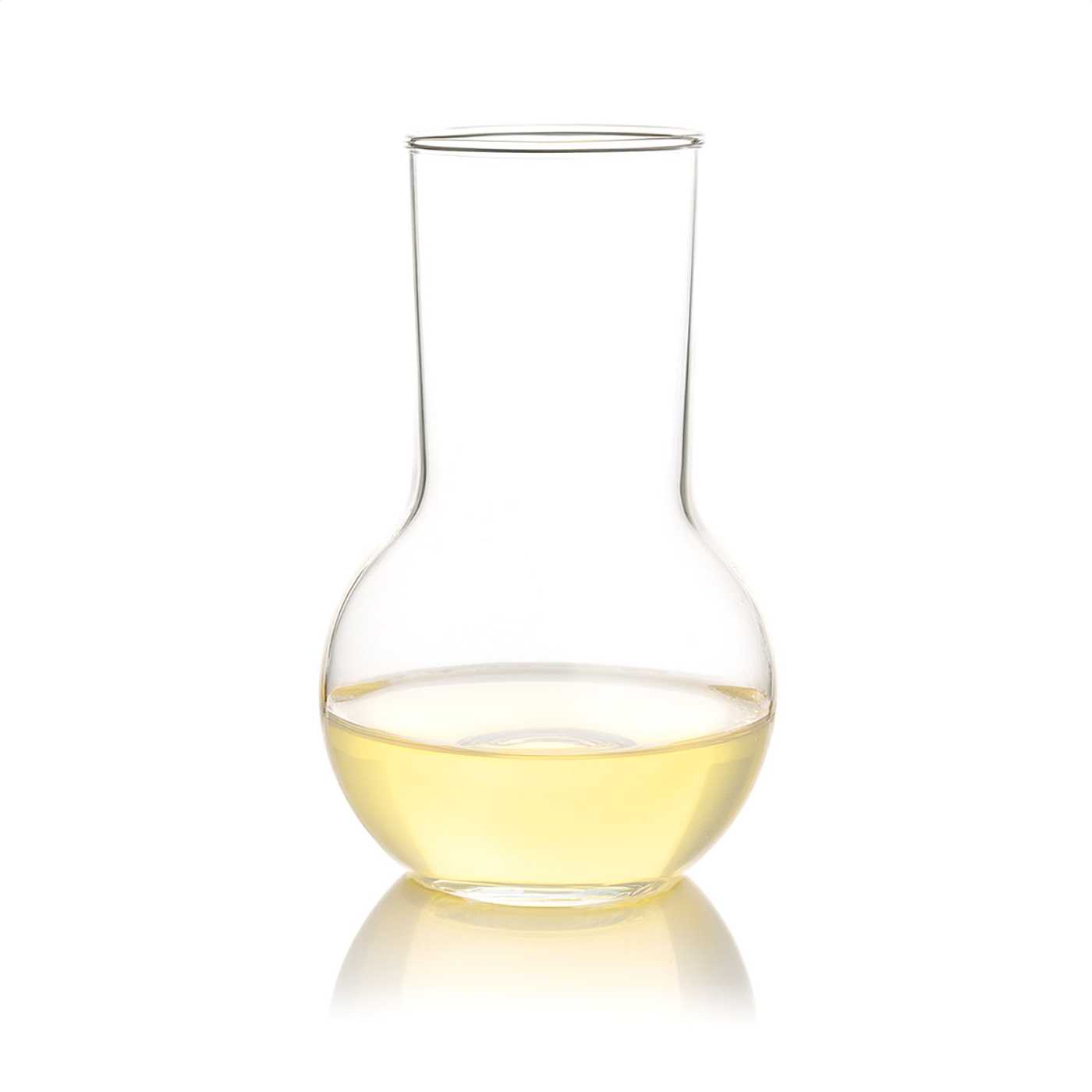
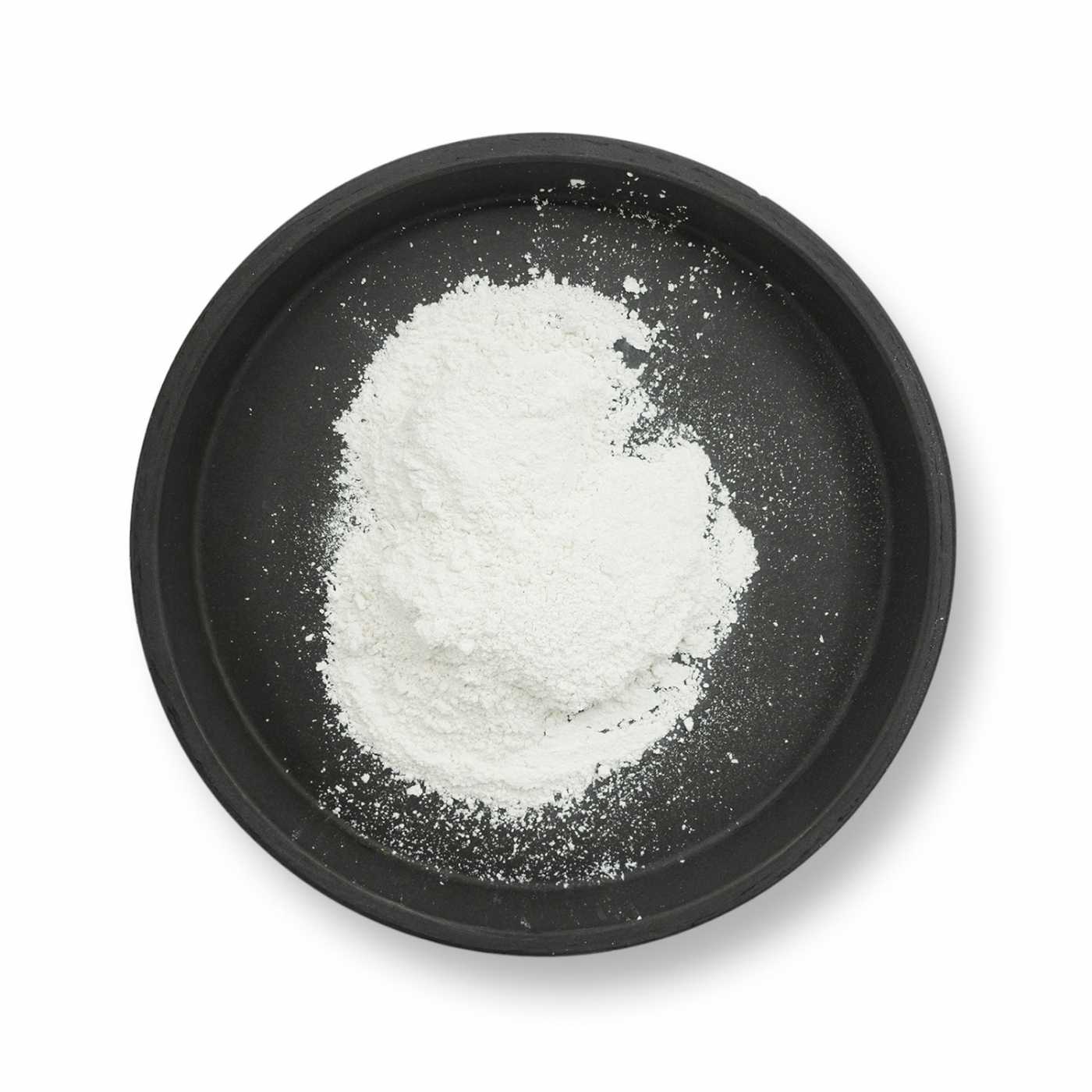
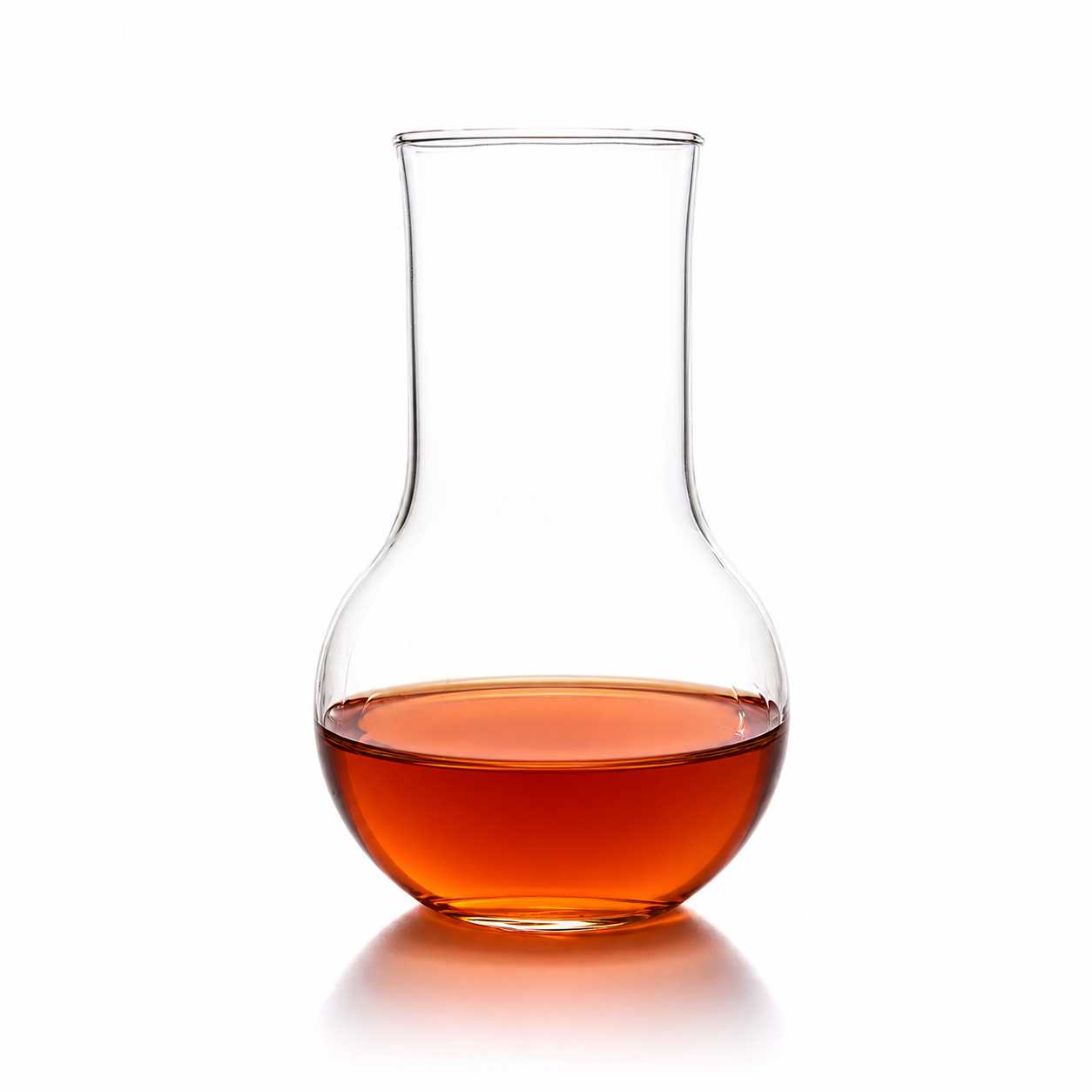
Polyglyceryl-4 oleate is a non-ionic, PEG-free emulsifier of plant origin. It is produced by esterification of polyglycerol (four glycerol units) with oleic acid obtained from vegetable oils, most commonly sunflower oil (Helianthus annuus). It belongs to emulsifiers with a low HLB — it binds water into the oil phase and at the same time self-emulsifies upon contact with water, which makes it especially popular in rinse-off cleansing oils. It is soluble in oils and dispersible in water, therefore it is incorporated into the oil phase.
Key benefits
- Non-ionic and PEG-free — suitable for natural cosmetics without ethoxylated components.
- Self-emulsifying in cleansing oils — upon contact with water it transforms the oil into a fine milky emulsion that rinses off easily.
- Low HLB — forms water-in-oil (W/O) emulsions and serves as a reliable co-emulsifier.
- Plant origin — oleic acid from vegetable oils and vegetable glycerol.
- Pleasant, emollient sensory profile — does not dry out the skin after washing.
- Also suitable for anhydrous and oil-based formulations.
Suitable for products such as
- rinse-off cleansing oils and balms (oil cleanser)
- bath and shower oils
- make-up removers and products for removing make-up
- W/O-type creams and balms, barrier and night creams with a lower oil content
- massage and body oils intended to be rinsed off
- anhydrous oil-based formulations
Use in formulation
- Soluble in oils, dispersible in water — added to the oil phase.
- Miscible with vegetable oils, esters and other oily components.
- As a low-HLB emulsifier it forms water-in-oil systems; in oil-in-water systems it is used as a co-emulsifier.
- Typical usage level generally up to 10 %; higher in rinse-off cleansing oils (on the order of 10–15 %), lower in emulsions when used as a co-emulsifier.
- For forming emulsions, intensive mixing (high shear) is advisable.
- The ratio of emulsifier to oil is not fixed — it depends on the composition of the oil phase and on the amount of any fragrance; fine-tune it on a test sample.
Safety and storage
- Store in a well-closed container, in a dry place, away from direct sunlight and sources of heat.
- The raw material is intended for the manufacture of cosmetics for external use.
- The finished product that contains water or regularly comes into contact with water must be properly preserved.
- When developing a new formulation, prepare a small test sample and check appearance, stability and behaviour on rinsing.
- During handling, observe standard cosmetic manufacturing hygiene and use clean tools and containers.
Frequently asked questions
Why does a cleansing oil with Polyglyceryl-4 oleate turn milky upon contact with water?
On contact with water the emulsifier forms a fine emulsion — the oil is dispersed in the water and turns into a milky liquid. Thanks to this, the oil together with dissolved impurities and make-up can be easily rinsed off the skin without a greasy film.
Does Polyglyceryl-4 oleate contain PEG or ethoxylated components?
No. It is produced by esterification of polyglycerol and a fatty acid without ethoxylation, so it is PEG-free. Therefore it is suitable for formulations targeted at natural cosmetics.
Does the finished cleansing oil with this emulsifier need to be preserved?
A purely anhydrous oil does not require a preservative, but as soon as the product regularly comes into contact with water or contains an aqueous component, a suitable preservation system must be chosen. For cleansing oils, hygienic packaging with a dispenser also helps.
Can it be combined with other emulsifiers?
Yes, it is often used as a co-emulsifier alongside the primary emulsifier to improve the stability and sensory properties of the emulsion. When combining, monitor the resulting stability and the type of emulsion you want to achieve.
Does it leave a greasy film after rinsing?
With correct dosage, the oil emulsifies upon contact with water and is rinsed away, so the skin remains clean and supple without a pronounced greasy feel. If the film persists, this is usually a sign that there is too little emulsifier in relation to the oil.
How do I determine the correct emulsifier-to-oil ratio in a cleansing oil?
There is no fixed ratio — it depends on the composition of the oil phase and on the amount of any fragrance. The most reliable approach is to prepare several test samples with different proportions and observe how the oil emulsifies on rinsing.
See also other
emulsifiers available from Handymade.sk.