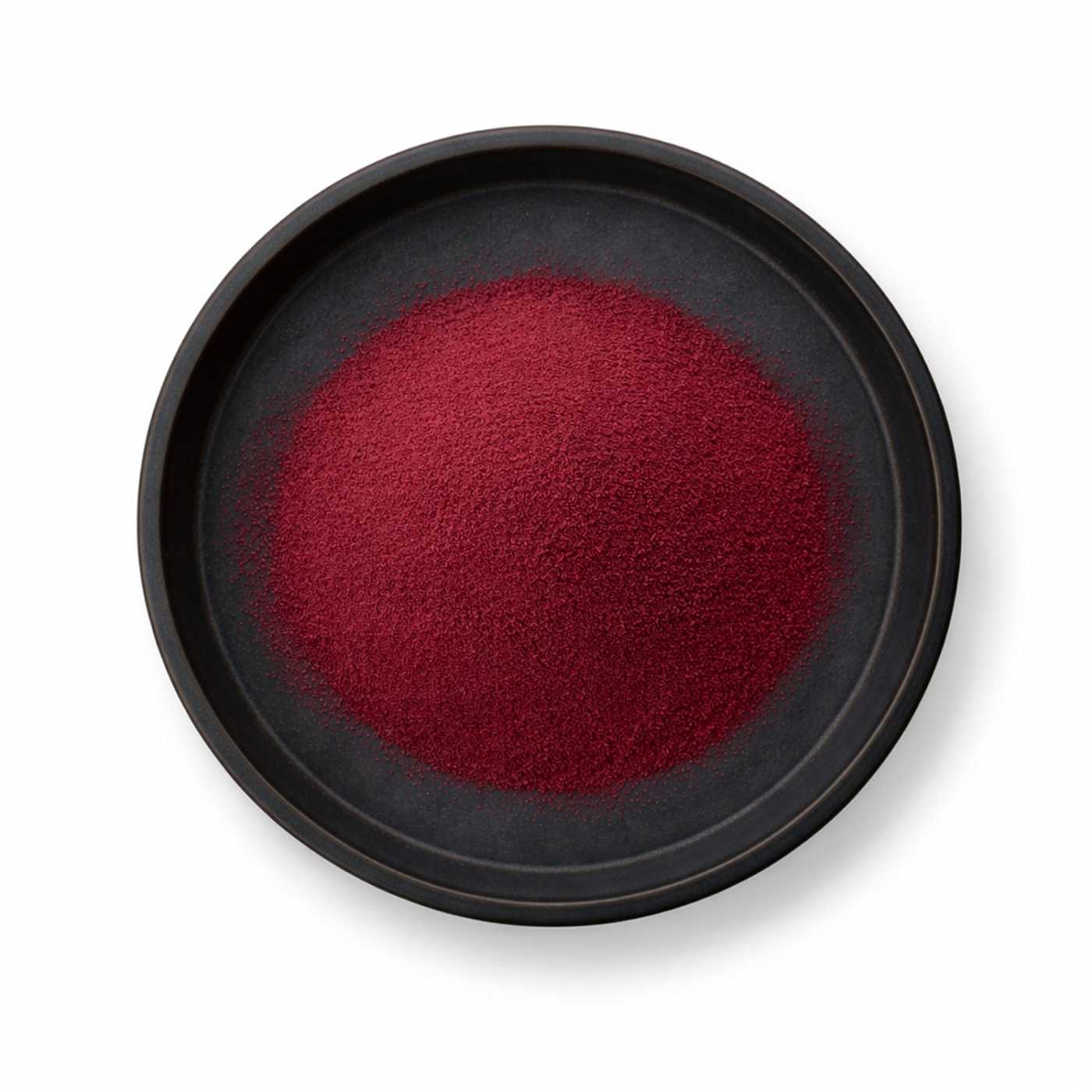
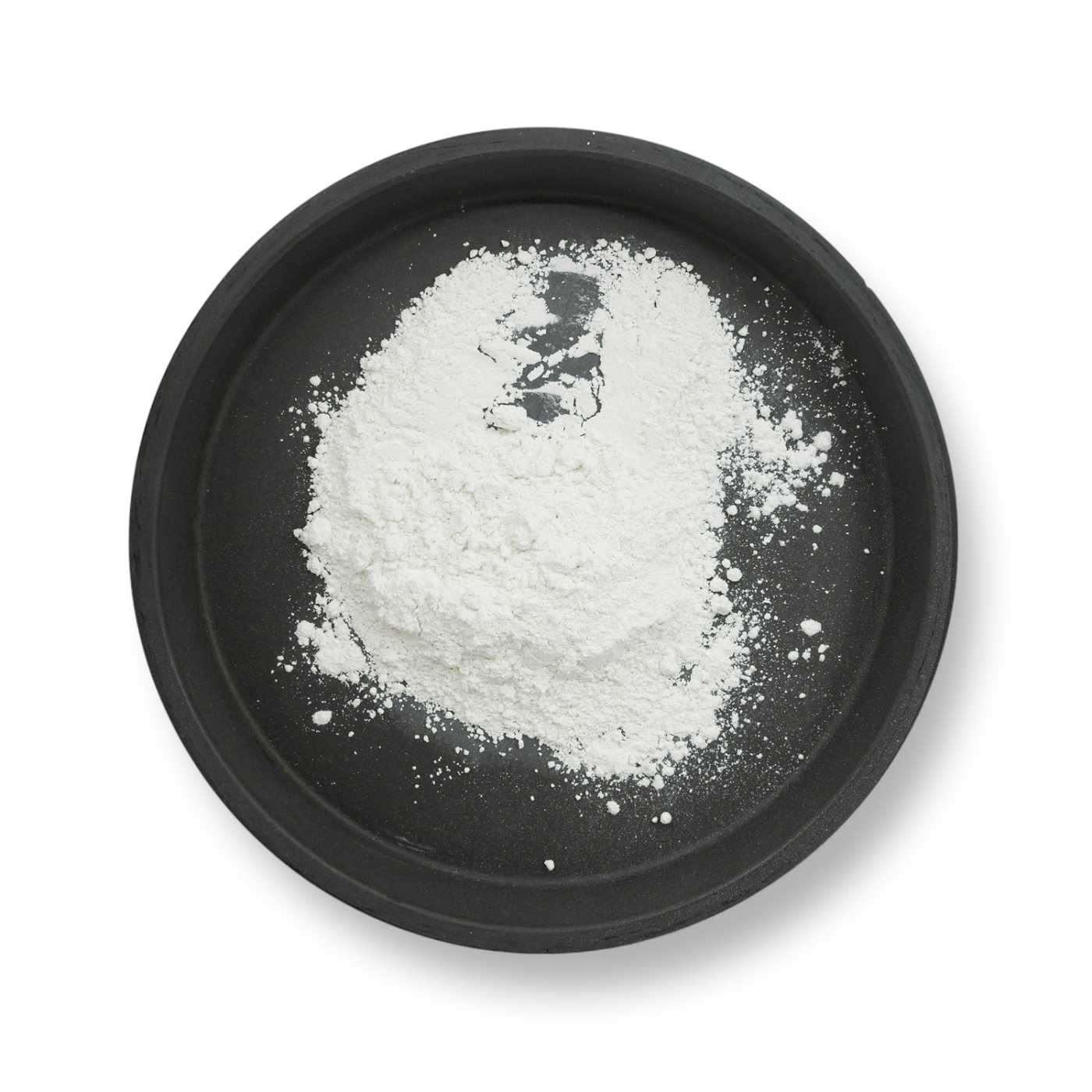
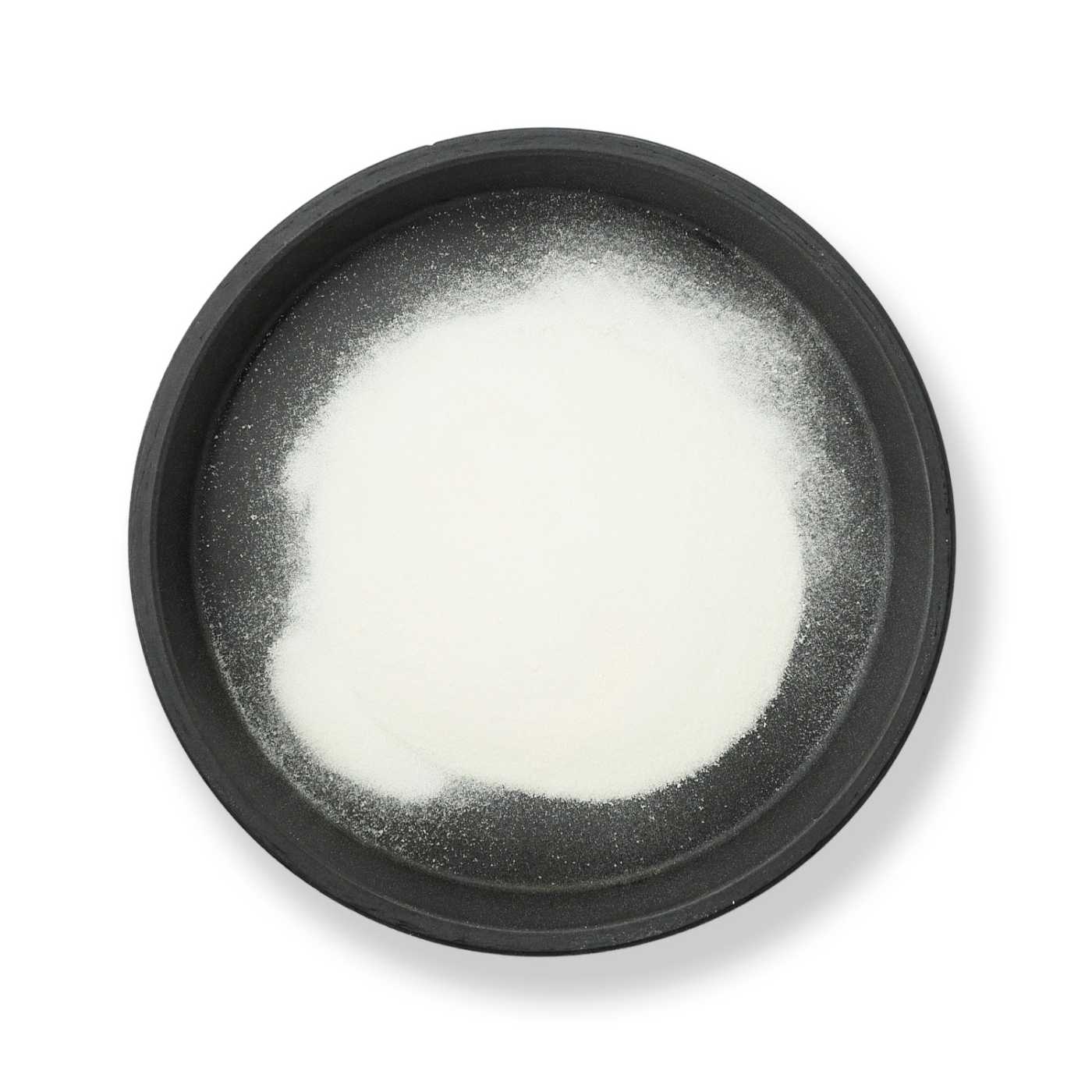
Product description: Cream of tartar, potassium hydrogen tartrate (AD603)
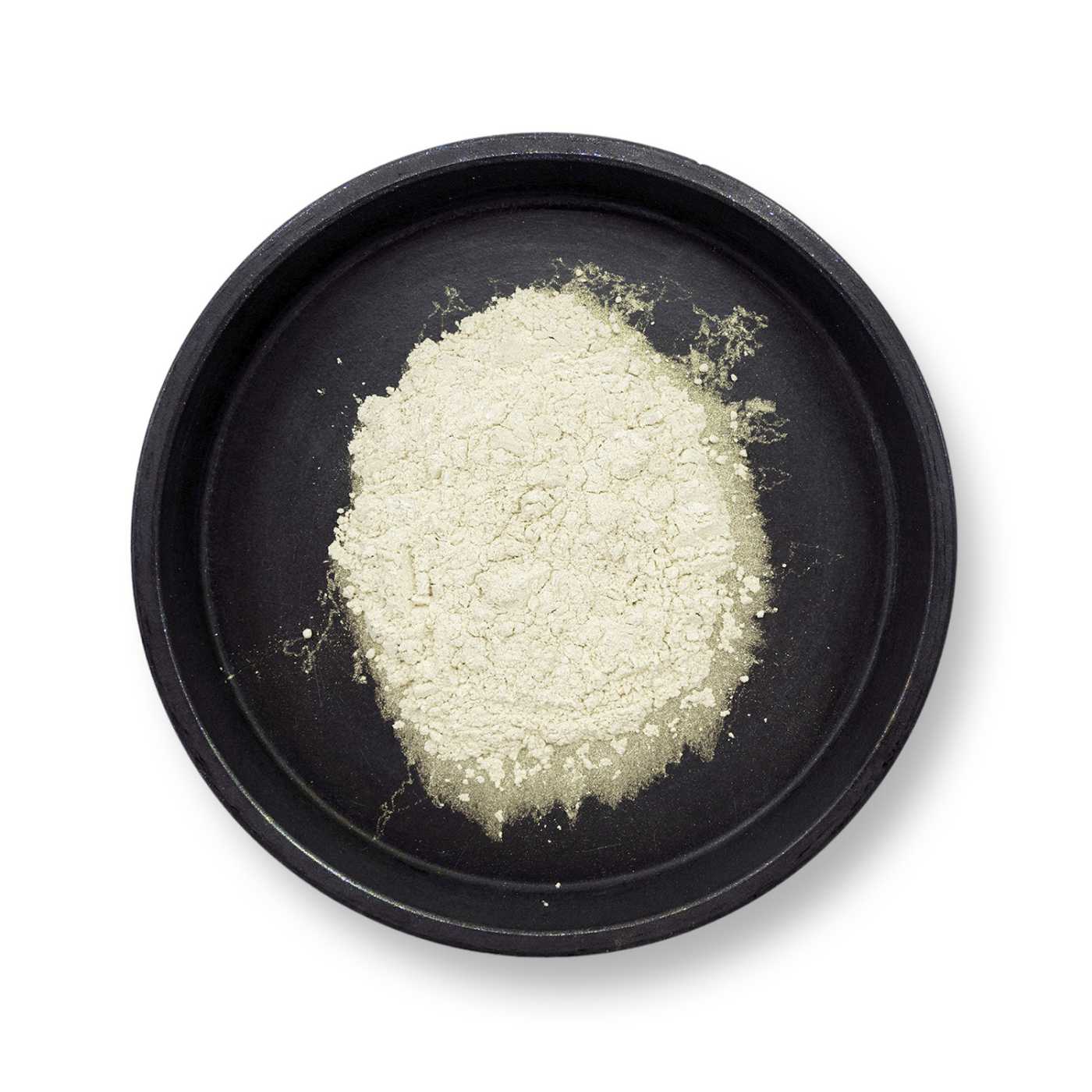
Cream of tartar shifts the pH of the water phase into the acidic range and at the same time binds trace metal ions that enter the formula from water and raw materials. Chemically it is potassium hydrogen tartrate, the potassium salt of tartaric acid. It has both food-grade and cosmetic-grade quality, so it is equally useful in cosmetic production and in the kitchen.
The raw material of European origin is GMO-free, readily biodegradable, and according to CLP regulation is not classified as hazardous.
What cream of tartar does in a formulation
- pH regulator – shifts the pH of aqueous formulas into the acidic range. As an acid salt it changes pH gradually, so the value is easier to fine-tune.
- Chelating agent – binds metal ions from water and raw materials so they do not act freely in the finished product.
- Stabiliser – helps maintain an acidic environment in which many active ingredients and preservatives are more stable.
- Thickener – contributes to a denser, more compact consistency.
Use in formulation
It belongs in the water phase. It dissolves poorly in water and not at all in alcohol, so it is recommended to pre-mix it in a small amount of water before incorporating it into the formula. In powder products it is mixed with the dry ingredients without prior dissolution.
Dosage ranges from 0.5 – 5 % depending on the function it is to fulfil in the formula. It is intended for formulas with an acidic pH; the recommended pH value of the formulation is around 3.4. It is suitable for both rinse-off and leave-on products.
When adjusting pH, add cream of tartar in portions and measure the value after each addition. The sparingly soluble salt dissolves slowly, and the pH stabilises only after thorough mixing.
Suitable for products such as
- Toners, facial waters and other aqueous products with an acidic pH, where it adjusts pH and simultaneously binds metal ions.
- Acidic hair rinses that restore a lower pH to the hair and scalp after washing.
- Powder blends, in which it contributes to the compactness of the mass.
What is worth knowing
- It is not suitable for alcohol-based formulas. It is insoluble in alcohol; in a toner with a higher alcohol content it would remain as a sediment.
- It is intended for formulas with an acidic pH. In alkaline systems it loses its purpose as a pH regulator.
- Verify compatibility with specific active ingredients and the preservative system in the finished formulation.
Cream of tartar does not replace a preservative. As a chelating agent it supports the stability and efficacy of preservation, but an aqueous product still needs its own preservative system.
Frequently asked questions
Is cream of tartar soluble in water?
Only partially — cream of tartar is classified as a sparingly soluble substance. Before adding it to the formula it is therefore pre-mixed in a small amount of water and incorporated into the rest of the water phase only once dissolved. It does not dissolve in alcohol at all, so it is not suitable for alcohol-based products, where it would remain as a sediment.
How is cream of tartar added to a cream or toner?
Into the water phase, preferably dissolved in part of the formula's water. When adjusting pH it is added in portions and the pH is measured after each addition, because the salt dissolves slowly and the value stabilises only after mixing. Typical dosage is 0.5 – 5 % depending on the function it is to fulfil in the formula.
Is cream of tartar suitable for leave-on products?
Yes, cream of tartar is used in both rinse-off and leave-on products. In toners and facial waters it adjusts pH into the acidic range and binds trace metal ions. In hair rinses it serves the same function; in powder blends it also contributes to a more compact consistency.
Can cream of tartar replace a preservative?
No, cream of tartar does not replace a preservative. As a chelating agent it binds metal ions and helps maintain an acidic pH, thereby supporting product stability and the function of the preservative system. Every aqueous product still needs its own preservative, dosed according to the manufacturer's recommendation.
Does cream of tartar require a safety data sheet?
No, cream of tartar is not classified as a hazardous substance under CLP regulation, so a safety data sheet is not required for it under REACH regulation. It is not classified as carcinogenic, mutagenic or toxic for reproduction, and it is not among substances of very high concern. It has both food-grade and cosmetic-grade quality.