Sodium lauryl sulfoacetate (SLSA)
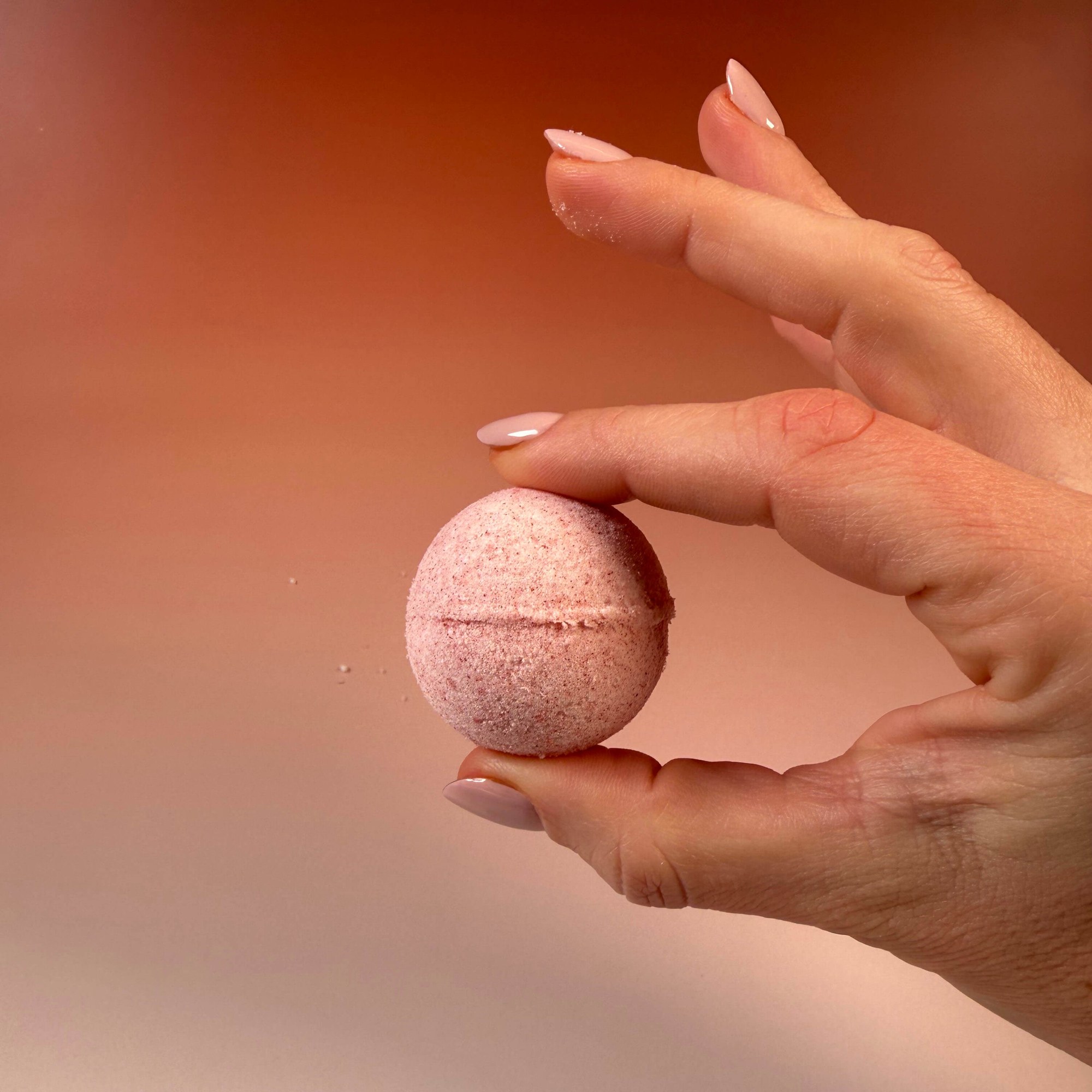
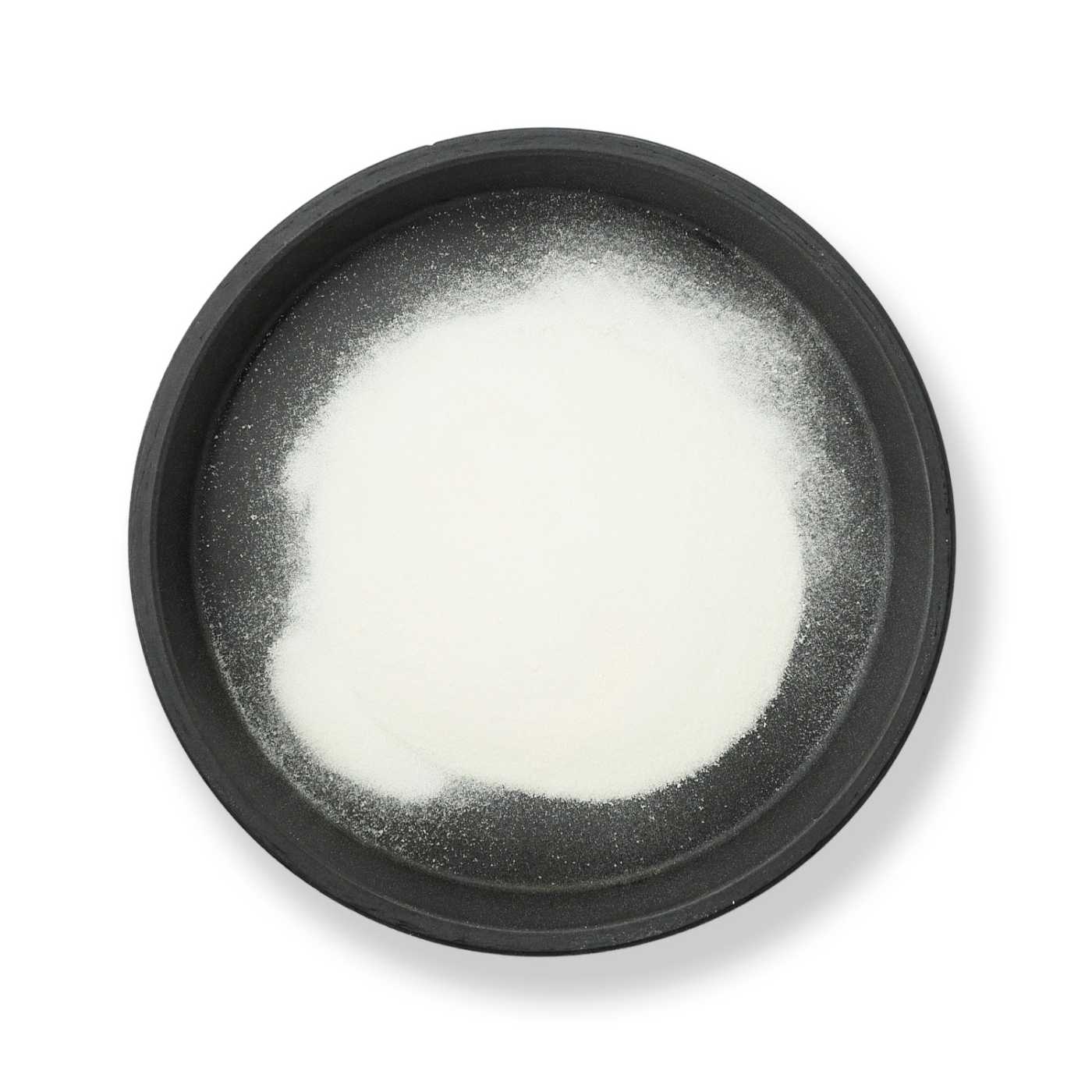
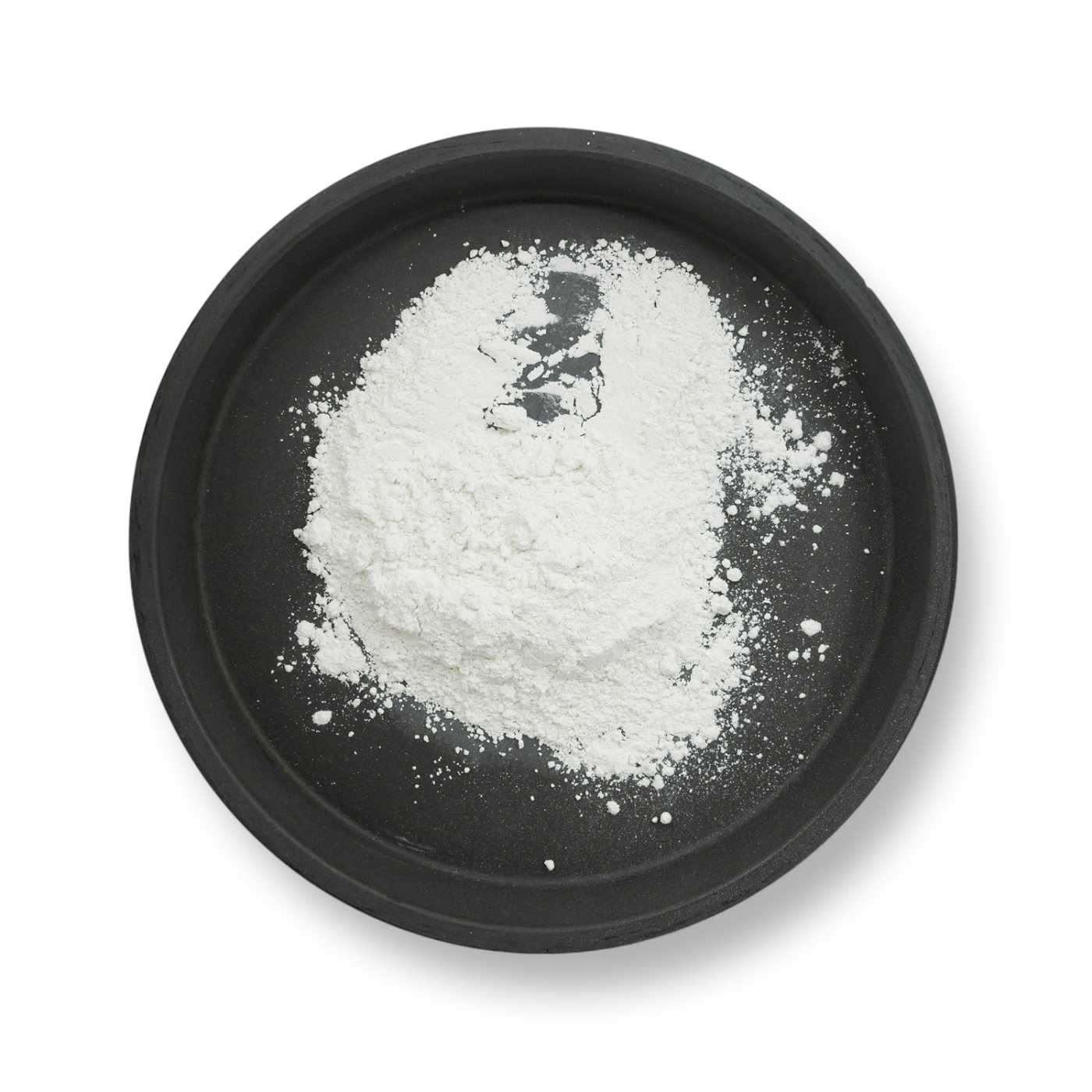
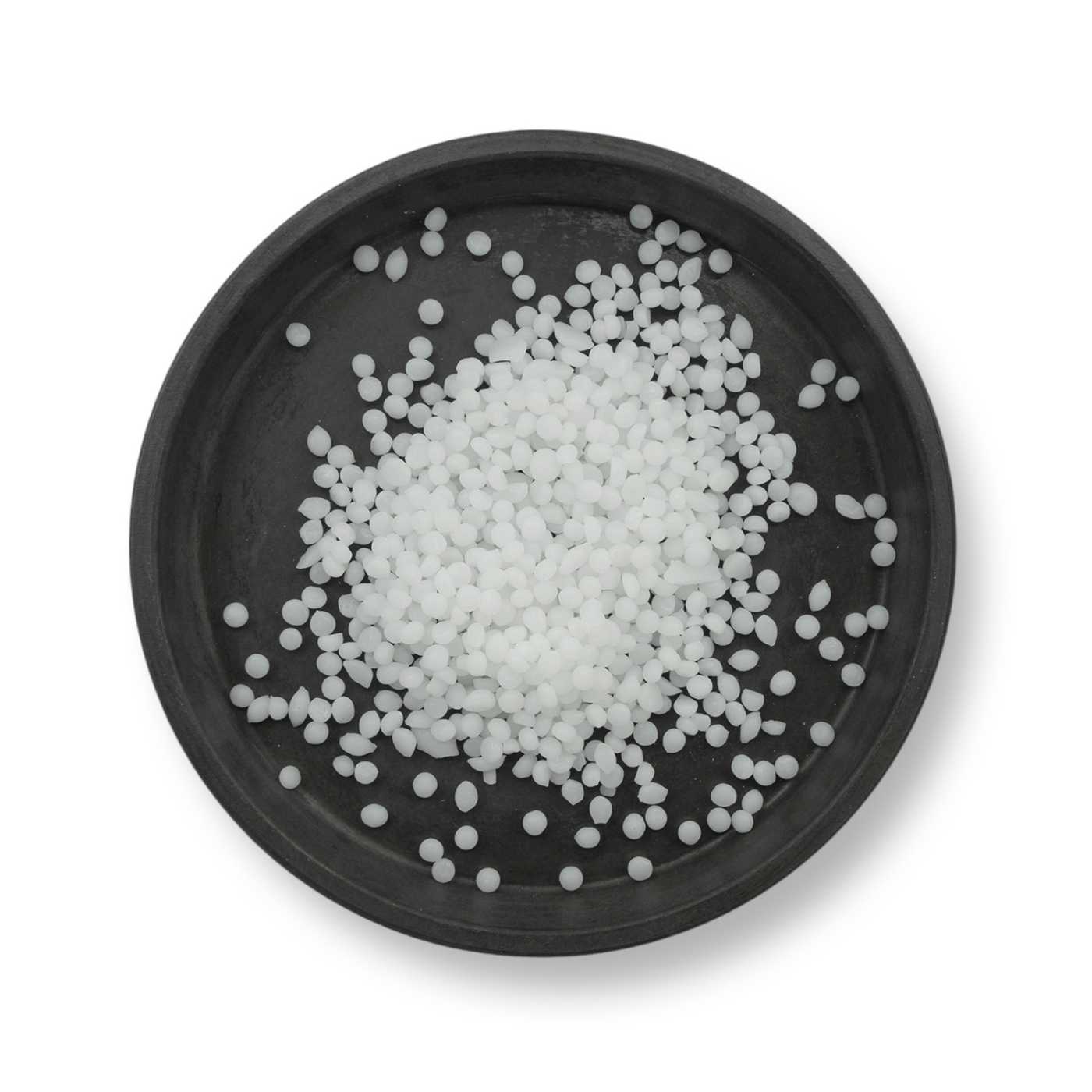
Sodium lauryl sulfoacetate, abbreviated SLSA, is a powder surfactant that produces dense and stable foam even in solid and anhydrous products. It is therefore used primarily in bath bombs, foaming bath bars, solid shampoos and syndet soaps, where liquid surfactants are difficult to process.
Compared to the commonly used Sodium Lauryl Sulfate, it has a lower irritation potential. Its molecule contains a sulfoacetate group instead of a sulfate group, yet the foam remains rich and creamy. It is therefore also suitable for rinse-off products for sensitive and children's skin.
Key properties
- Rich foam – dense, creamy foam with small bubbles that lasts a long time in the bath.
- Sulfate-free – a product containing it can be labelled as sulfate-free, while foaming performance is comparable to sulfate surfactants.
- Powder form – introduces no water into the formula, which is decisive for solid and powder products that would otherwise activate or disintegrate.
- Anionic character – combines with anionic, amphoteric and non-ionic surfactants, making it suitable as a primary surfactant or as a co-surfactant in solid shampoos.
- Readily biodegradable – meets the criteria for ready biodegradability according to OECD 301.
Use in formulation
In anhydrous products, SLSA is simply blended with the other dry ingredients. The recommended usage level is 1 – 50 %. In bath bombs with baking soda and citric acid, it is used at the lower end of the range. In foaming bath bars and solid shampoos, the proportion is significantly higher, as it is the primary foam carrier and forms the backbone of the product. The powder becomes sticky when moistened, so the binder (oil, butter, glycerin) is added gradually and the mass is pressed or shaped while wearing gloves.
In water, SLSA disperses and dissolves only partially, so producing a clear liquid shampoo from it is difficult. It is better suited to creamy shower products, powder facial cleansers or blends where cloudiness is not a concern. It is added to the water phase or during the cooling phase at temperatures up to 70 °C and mixed until the powder disperses without lumps. The recommended pH of the finished formulation is 5 – 7.
SLSA is a very light, dusty powder that irritates the respiratory tract and eyes. When weighing and mixing, use a respirator and protective goggles, work in a well-ventilated area and do not pour the powder from a height. This warning applies to working with the raw material, not the finished product.
Suitable for products such as
- Bath bombs and foaming salts – foam in the bath is produced without liquid surfactants that would prematurely activate the bomb.
- Foaming bath bars – SLSA is the primary ingredient here; without it the bar does not foam.
- Solid shampoos – on its own or combined with Sodium Cocoyl Isethionate, which adds creaminess.
- Syndet soaps – solid cleansing bars without saponification, with a pH close to skin.
- Powder cleansers for face and body – loose preparations that activate only when water is added in the palm.
- Rinse-off children's and intimate cosmetics – where a low irritation potential matters more than maximum foaming.
Good to know
SLSA belongs in rinse-off products. Surfactants of this type are not commonly used in leave-on products.
In solid shampoos, it is advantageous to combine it with a milder surfactant, such as Sodium Cocoyl Isethionate or Cocamidopropyl Betaine. SLSA provides foam volume and quick lathering, while the second surfactant softens the washing sensation and reduces scalp tightness. A higher proportion of SLSA alone can strip the hair of oils.
The powder is sensitive to moisture. After absorbing ambient humidity it clumps and loses its free-flowing properties, which in bath bombs can trigger a premature reaction. Pack loose mixtures in airtight containers.
If you want faster foam development in a bath bomb, add a small amount of Cocamidopropyl Betaine or another liquid surfactant to the SLSA. The powder alone needs water agitation in the bath to produce foam; a liquid surfactant speeds up this process.
The powder is white, so it will not affect the shade of a coloured bomb.
Frequently asked questions
Is Sodium lauryl sulfoacetate (SLSA) soluble in water?
It dissolves only partially in water; it disperses rather than fully dissolves. Mixing produces a cloudy to milky liquid rather than a clear solution, making it unsuitable for clear liquid shampoos and shower gels. Its strength lies in solid, powder and anhydrous products, where it activates only upon contact with water in the bath or in the palm.
Is SLSA the same as SLS?
No, they are two different surfactants. SLS (Sodium Lauryl Sulfate) is a sulfate, SLSA (Sodium Lauryl Sulfoacetate) is a sulfoacetate with lower irritation potential. Both produce rich foam, but SLSA can be marketed as a sulfate-free surfactant. The similarity of the names leads to frequent confusion.
How much SLSA is used in a bath bomb?
The recommended usage level for SLSA is 1 – 50 %; in bath bombs the lower end of this range is used. A higher proportion gives more foam, but the bomb is harder to press and fizzes more slowly. In foaming bath bars the proportion is significantly higher, as SLSA forms the backbone of the product and the primary source of foam.
Is Sodium lauryl sulfoacetate suitable for sensitive and children's skin?
Yes, in rinse-off products it belongs among surfactants with a low irritation potential and is therefore also used in children's cosmetics and intimate hygiene. However, the overall formulation and usage level are what matters most. For sensitive skin it is advisable to combine it with an amphoteric surfactant and to include moisturising ingredients in the product so that the skin does not feel tight after washing.
Can SLSA be added to a solid shampoo at elevated temperature?
Yes, it tolerates processing at temperatures up to 70 °C, which is sufficient to melt butters, waxes and Sodium Cocoyl Isethionate. The powder is added to the melted oil phase and thoroughly mixed so that no dry lumps remain. The mass is then pressed into the mould while it is still warm and pliable.
Why does SLSA powder clump and can it still be used?
It clumps after absorbing ambient humidity; the powder is hygroscopic. Clumped SLSA is still functional — simply sieve or grind it before use. However, avoid adding damp powder to bath bombs, as the introduced moisture can trigger fizzing while still in the mould. Therefore, seal the container tightly after each use.