
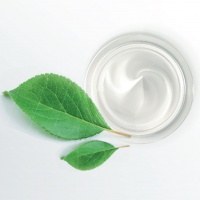
Vegeline plant-based petroleum jelly will pleasantly surprise you — you can throw petroleum-based petroleum jelly in the bin. If you have so far avoided the use of petroleum jellies in cosmetics because of their content of mineral oils, paraffin or other petrochemical components, from now on you do not have to. Vegeline represents a plant-based alternative to traditional petroleum jelly.
About this article
In this article we go through what is good to know about Vegeline petroleum jelly — what it consists of, how it differs from traditional petroleum-based petroleum jelly and how it behaves on the skin. We will also look at its role in formulation (thickening the oil phase, adjusting the viscosity, recommended dosage) and at the types of products in which you can put it to use.
Key benefits
- A plant-based alternative to petroleum jelly
Vegeline consists of a blend of vegetable oils and waxes which create a texture similar to traditional petroleum jelly, but purely on a natural basis — without mineral oils and paraffin.
- A protective barrier and less water loss
It reduces transepidermal water loss from the skin and at the same time creates a protective barrier on the skin, which increases the conditioning properties of cosmetic products and prolongs the effect of their action.
- Pleasant on the skin
It spreads very well and leaves on the skin a sensation similar to vegetable butters. It is less greasy than classic petroleum jellies and does not leave a sticky feeling after application.
- Non-irritant and non-comedogenic
It is naturally water-resistant, non-irritant and non-comedogenic (it does not clog pores), which makes it far better compatible with the skin than products based on petrochemicals.
- A thickener for the oil phase
You will also appreciate Vegeline as a thickener in the oil phase — use it to adjust the viscosity, and thereby the structure and consistency of the finished products. At the same time it is highly resistant to oxidation.
Properties of the raw material
What is good to know about Vegeline petroleum jelly?
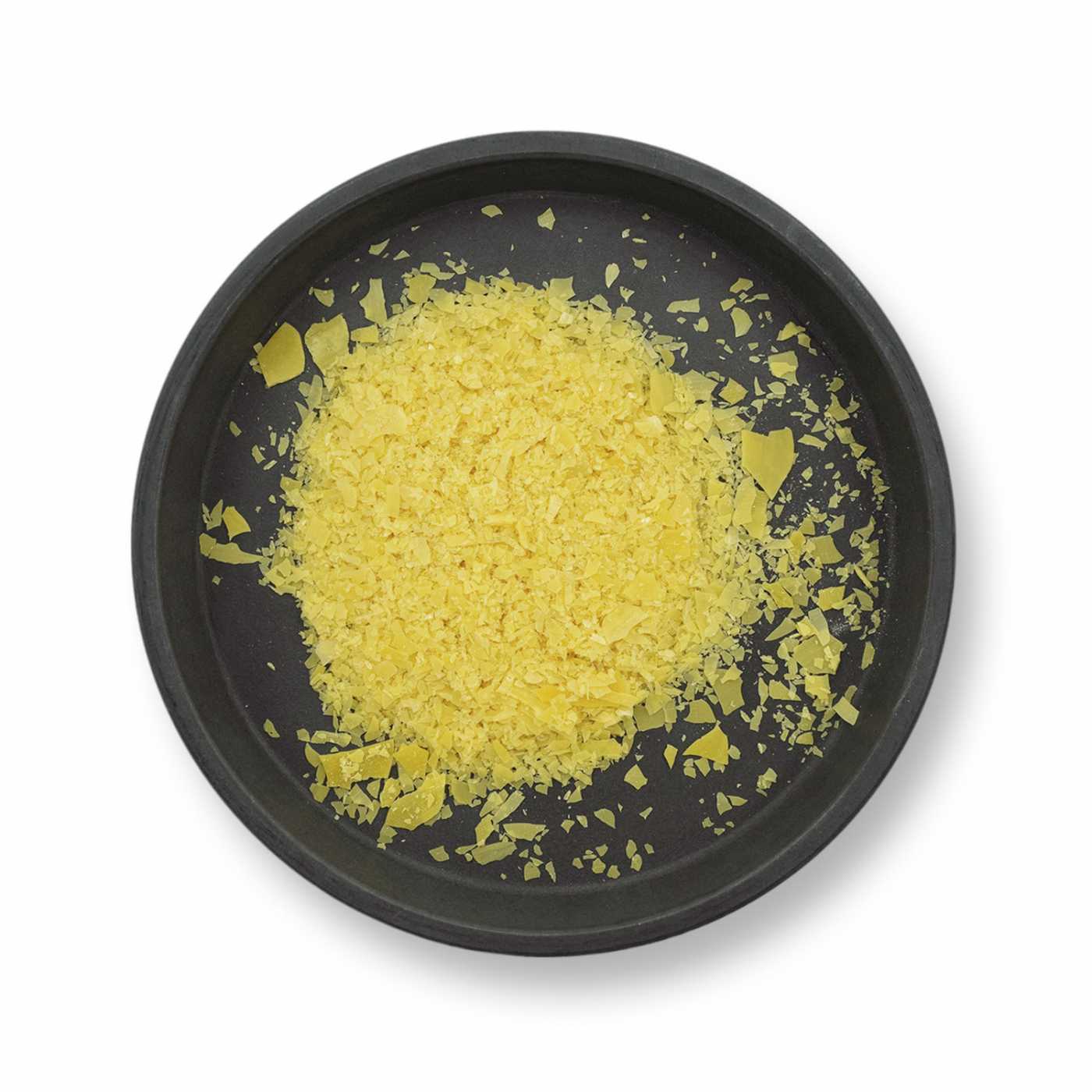
Vegeline plant-based petroleum jelly consists of a blend of vegetable oils and waxes which create a texture similar to traditional petroleum jelly, but purely on a natural basis. The base of the Vegeline plant-based petroleum jelly is castor oil and carnauba wax. Thanks to them, this petroleum jelly is an excellent emollient for your cosmetic products.

The basic ingredients of Vegeline
The plant-based petroleum jelly is built on two raw materials that you will also find on their own in the Handymade range — castor oil and carnauba wax.
Castor oil
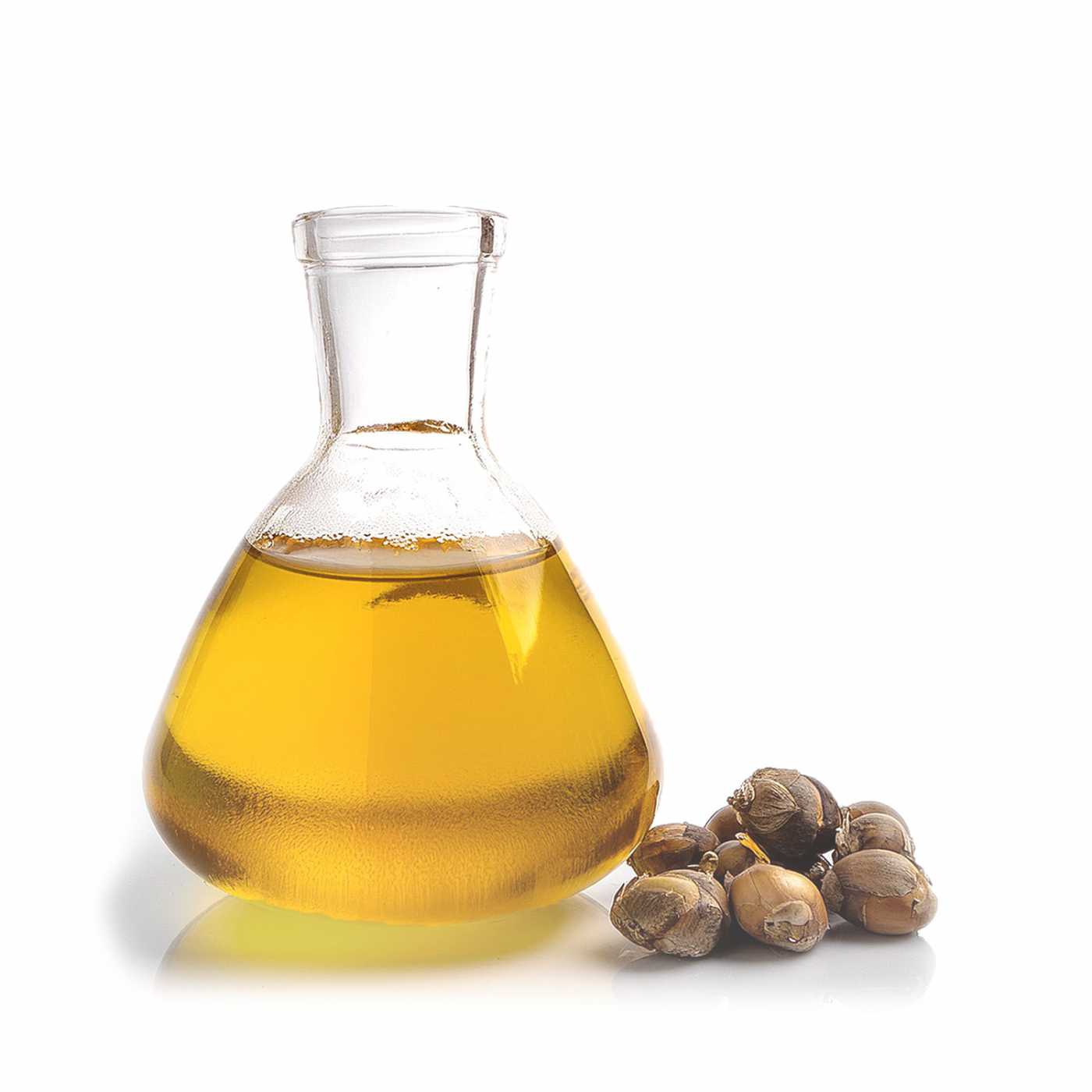
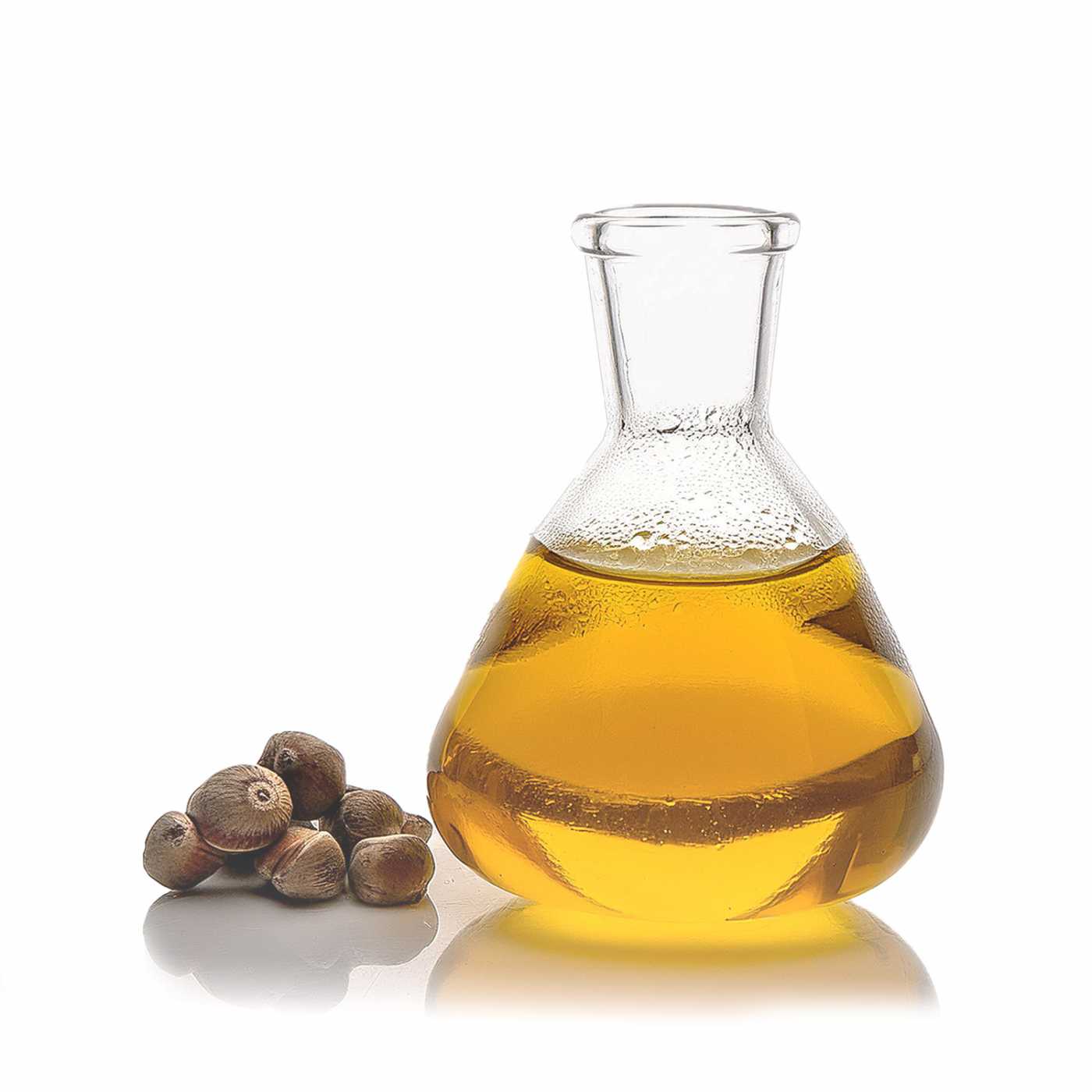
Castor oil, together with carnauba wax, is the base of the Vegeline plant-based petroleum jelly. It is precisely thanks to this pair that Vegeline is an excellent emollient for cosmetic products. In our range you will find it in refined form as well as in organic, cold-pressed quality.
Carnauba wax
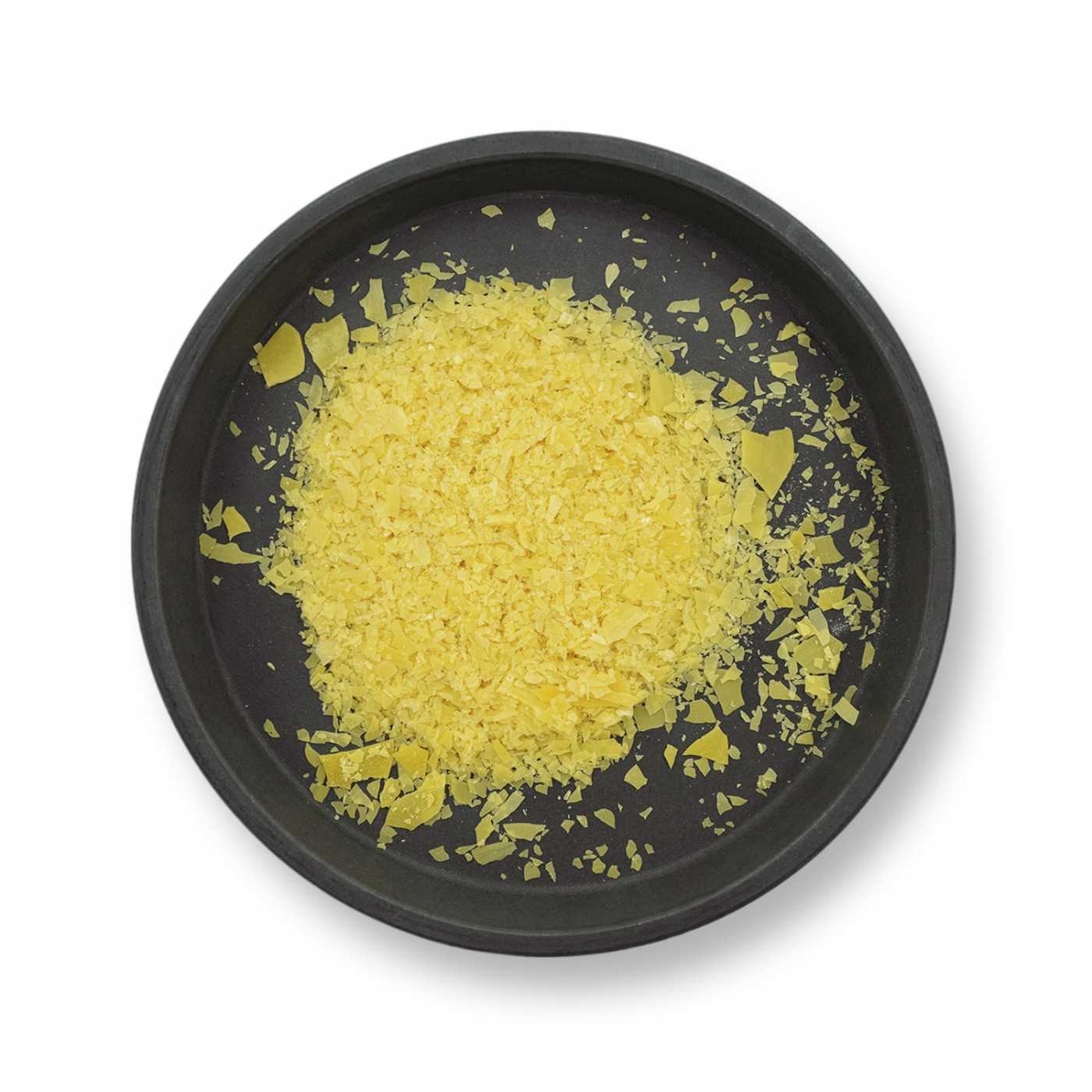
Carnauba wax is the second basic ingredient of Vegeline. Vegetable waxes are the part of the blend which, together with the oils, creates a texture similar to traditional petroleum jelly — but purely on a natural basis. Vegeline can also be combined with other emollients, such as vegetable butters and waxes.
How Vegeline works on the skin
The main functions of petroleum jelly are that it reduces transepidermal water loss from the skin, while on the skin it creates a protective barrier, which increases the conditioning properties of cosmetic products and prolongs the effect of their action. It spreads very well and leaves on the skin a sensation similar to vegetable butters; it is less greasy than classic petroleum jellies.
In addition, Vegeline is a substance that is naturally water-resistant, non-irritant and non-comedogenic (it does not clog pores), thanks to which the plant-based petroleum jelly is far better compatible with the skin than products based on petrochemicals and at the same time does not leave a sticky feeling after application.
Vegeline in formulation
You will also appreciate the plant-based petroleum jelly as a thickener in the oil phase of various products; with Vegeline you can adjust the viscosity, and thereby the structure and consistency of the finished products. The petroleum jelly is added to the oil phase and is highly resistant to oxidation. It can be combined with other emollients (such as vegetable butters and waxes). The recommended dosage is in the range of 1% to 50% of the product.
Where you will put Vegeline to use
You will use Vegeline in facial and body creams as an emollient, further in hair care products, where it can serve as a base raw material for making waxes, gels, nourishing shampoos or conditioners. It will also find application as a moisturising raw material in lip products (lipsticks and balms), and likewise in other decorative cosmetics, especially in make-up or make-up primers. You can also use the plant-based petroleum jelly in sunscreens or in moisturising after-sun products.
Frequently asked questions about plant-based petroleum jelly
Practical questions about Vegeline — what it consists of, how it differs from petroleum-based petroleum jelly, how much of it to use and which phase it belongs in.
What is Vegeline plant-based petroleum jelly made of?
Vegeline consists of a blend of vegetable oils and waxes which create a texture similar to traditional petroleum jelly, but purely on a natural basis. Its base is castor oil and carnauba wax — it is precisely thanks to them that it is an excellent emollient for cosmetic products.
How does it differ from classic petroleum-based petroleum jelly?
Vegeline is a plant-based alternative to traditional petroleum jelly — it contains no mineral oils, no paraffin and no other petrochemical components. It is less greasy than classic petroleum jellies, spreads well, leaves a sensation similar to vegetable butters and does not leave a sticky feeling after application. It is far better compatible with the skin than products based on petrochemicals.
What is the recommended dosage of Vegeline?
The recommended dosage is in the range of 1% to 50% of the product. You will also appreciate Vegeline as a thickener in the oil phase — you can use it to adjust the viscosity, and thereby the structure and consistency of the finished products.
Which phase is the plant-based petroleum jelly added to?
The petroleum jelly is added to the oil phase, where it also serves as a thickener — you can use it to adjust the viscosity, and thereby the structure and consistency of the finished product. It is highly resistant to oxidation and can be combined with other emollients, such as vegetable butters and waxes.
Does Vegeline clog pores?
Vegeline is a substance that is naturally water-resistant, non-irritant and non-comedogenic — that is, it does not clog pores. At the same time it does not leave a sticky feeling after application.
Which products can I use the plant-based petroleum jelly in?
In facial and body creams as an emollient, in hair care products (waxes, gels, nourishing shampoos or conditioners), as a moisturising raw material in lip products (lipsticks and balms), in decorative cosmetics — especially in make-up or make-up primers — and likewise in sunscreens or in moisturising after-sun products.
Castor oil and carnauba wax — the basic ingredients of the plant-based petroleum jelly — and other raw materials for adjusting texture can be found among the emollients in the Handymade range of raw materials.