+421 950 333 113info@handymade.storeBlack Friday SUN: −10% on everything with code SUN10Shop now

COSMETICS WAXES

Carnauba Wax, 1 kg

Pack size100 g1 kg

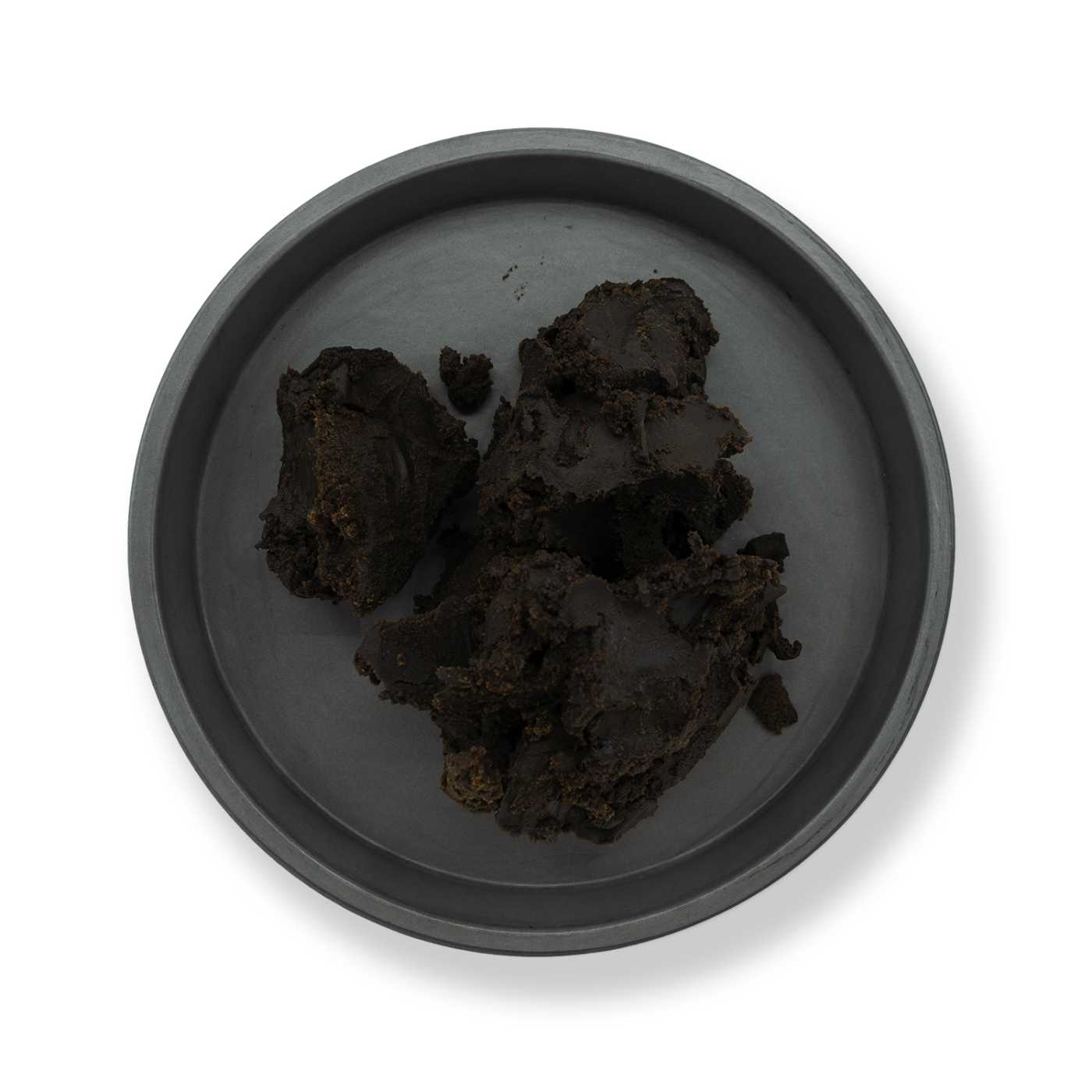
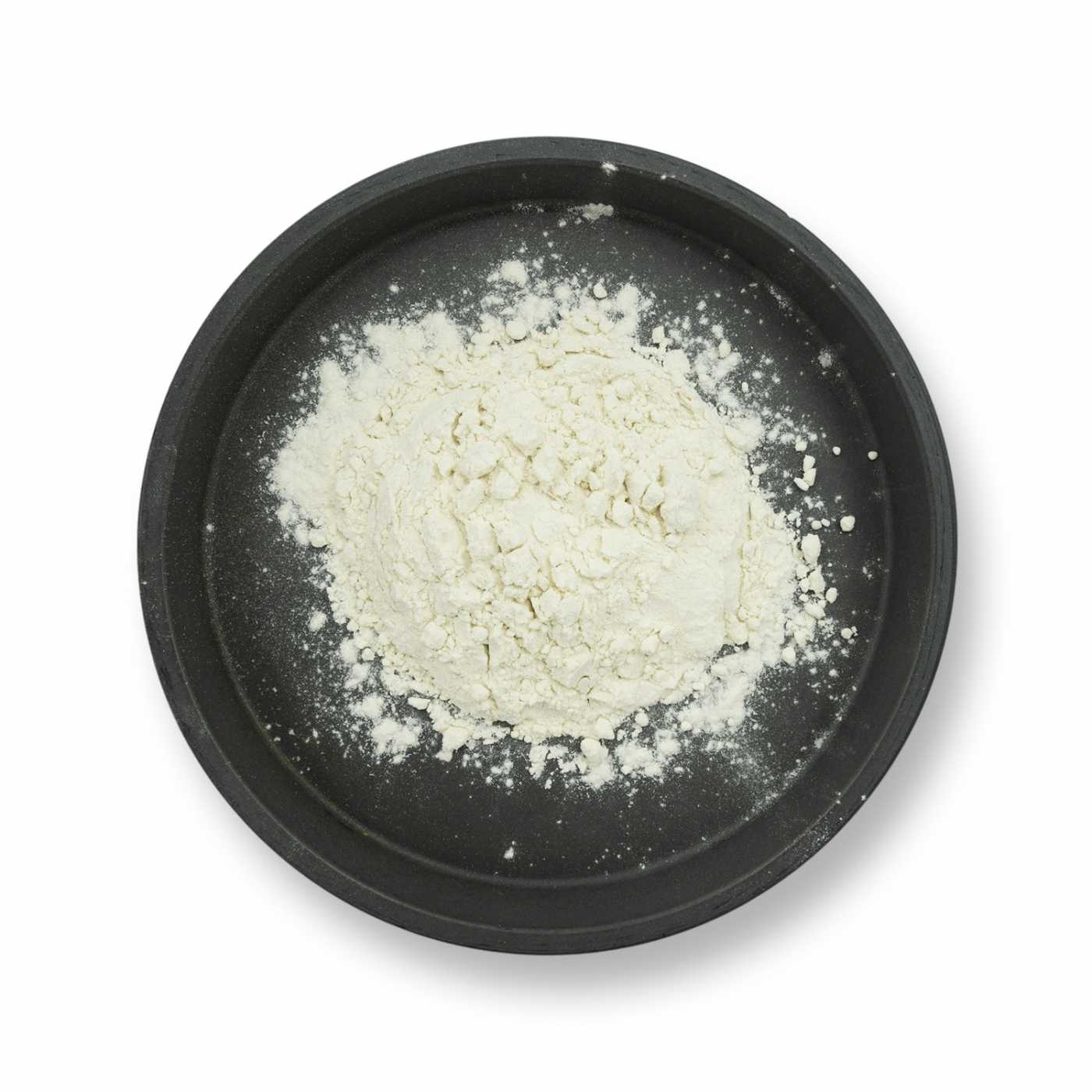
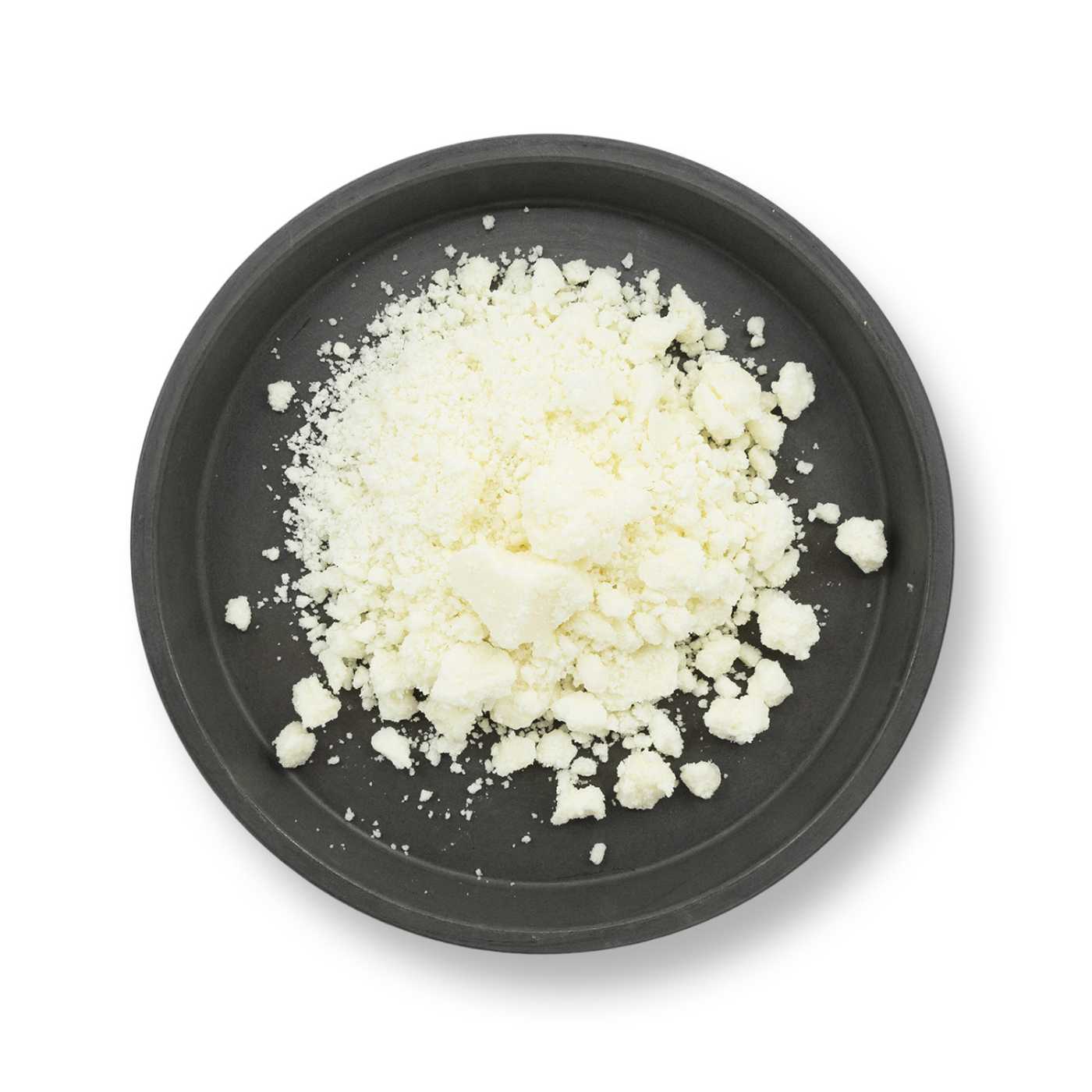
Carnauba wax is the hardest vegetable wax . It gives lipsticks, balms and sticks firmness and increases their resistance to heat. full description

AvailabilityPre-order
Product codeVO860_1000
€51.45incl. VAT€51.45/kg

Lowest price in the last 30 days: €46.30

Pre-orderThis variant is currently out of stock — your order will be a pre-order and delivery may take longer.

Product description

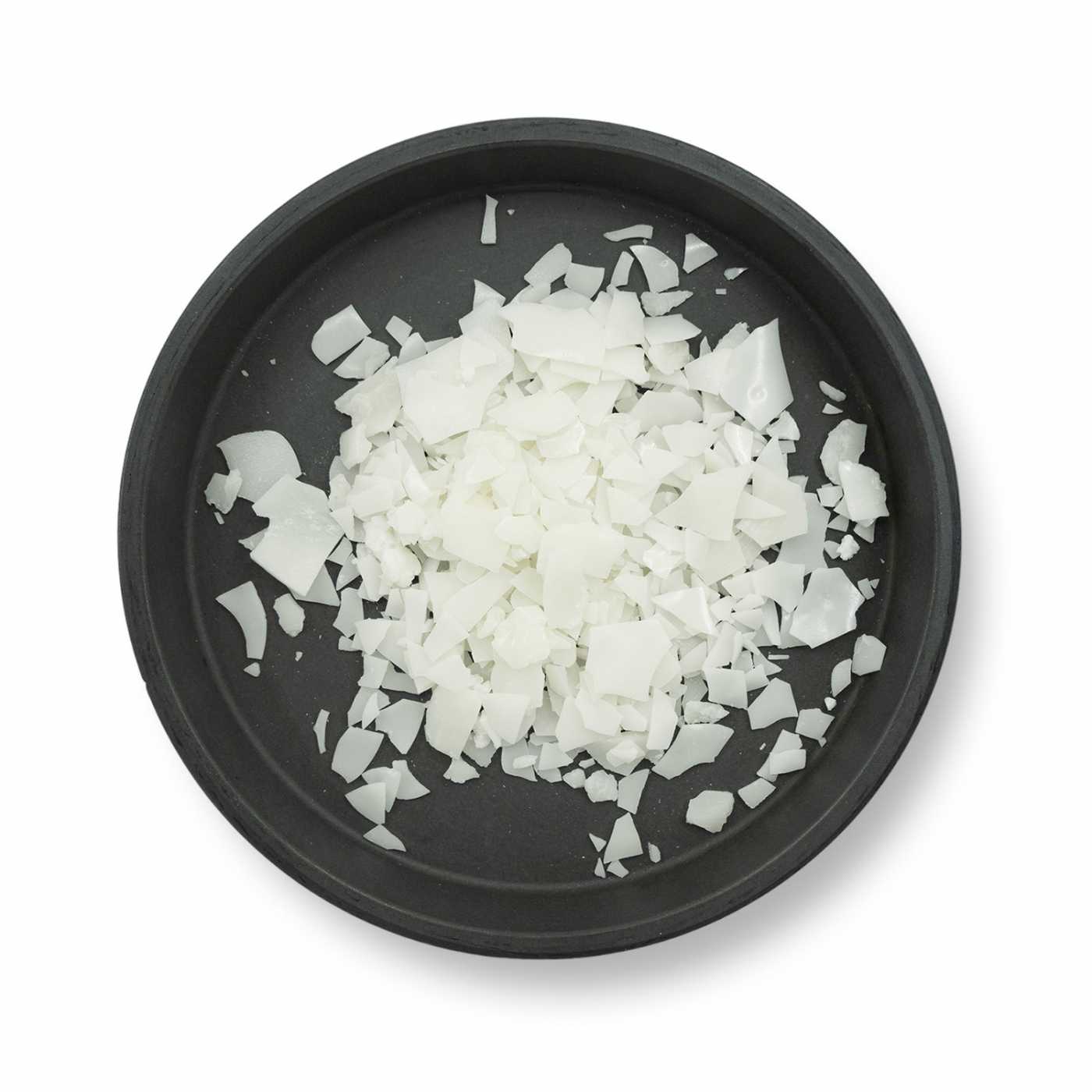
Carnauba wax is the hardest vegetable wax. It gives lipsticks, balms and sticks firmness and increases their resistance to heat. It binds oil, so it thickens anhydrous products, and it leaves a protective film on the skin. A small amount in the formulation is enough.


Origin and properties

The wax comes from the leaves of the Copernicia cerifera palm, which grows in north-eastern Brazil. In the dry months the palm secretes it onto the leaf surface, where it forms a film that prevents moisture loss. The leaves are dried, and the released wax is melted and filtered.

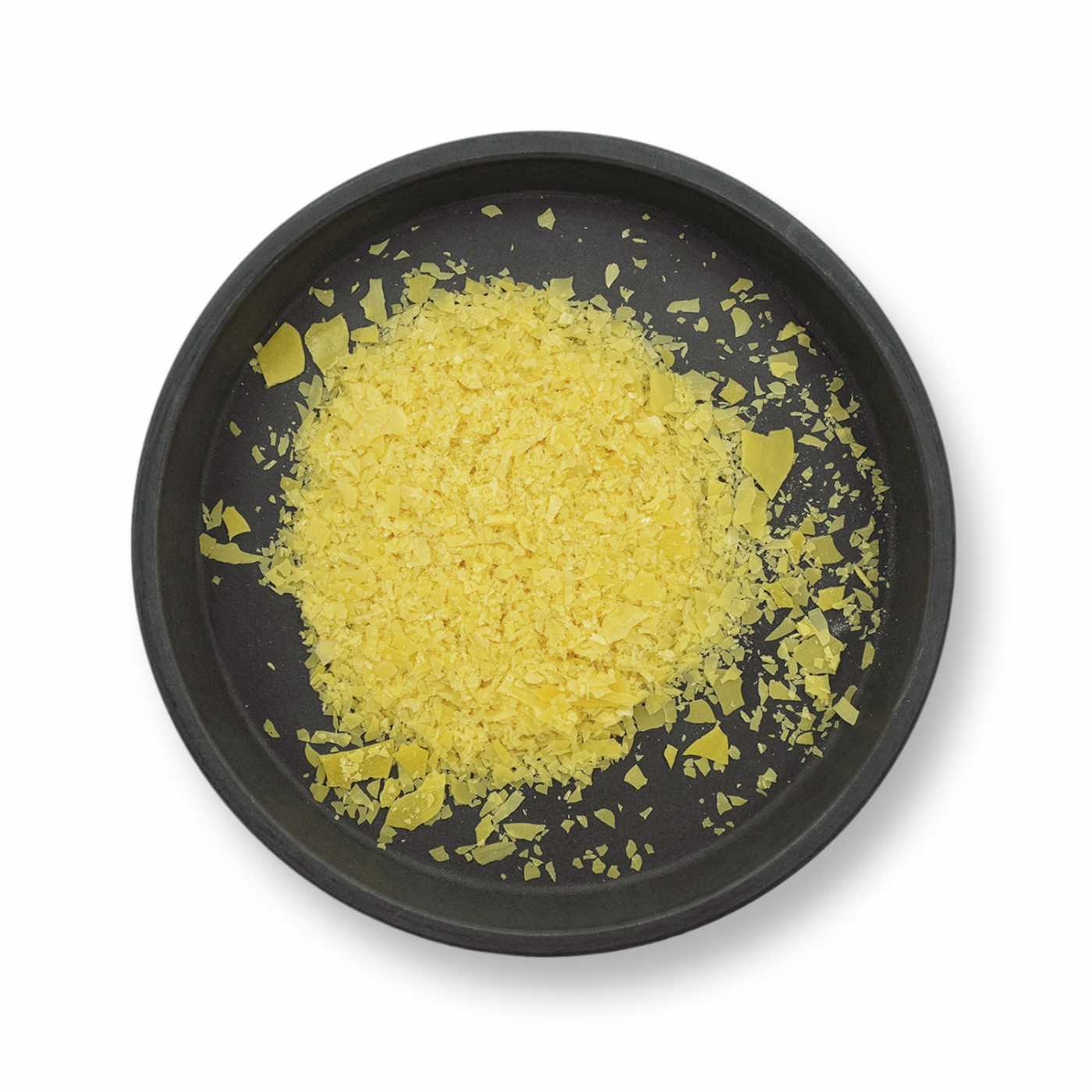
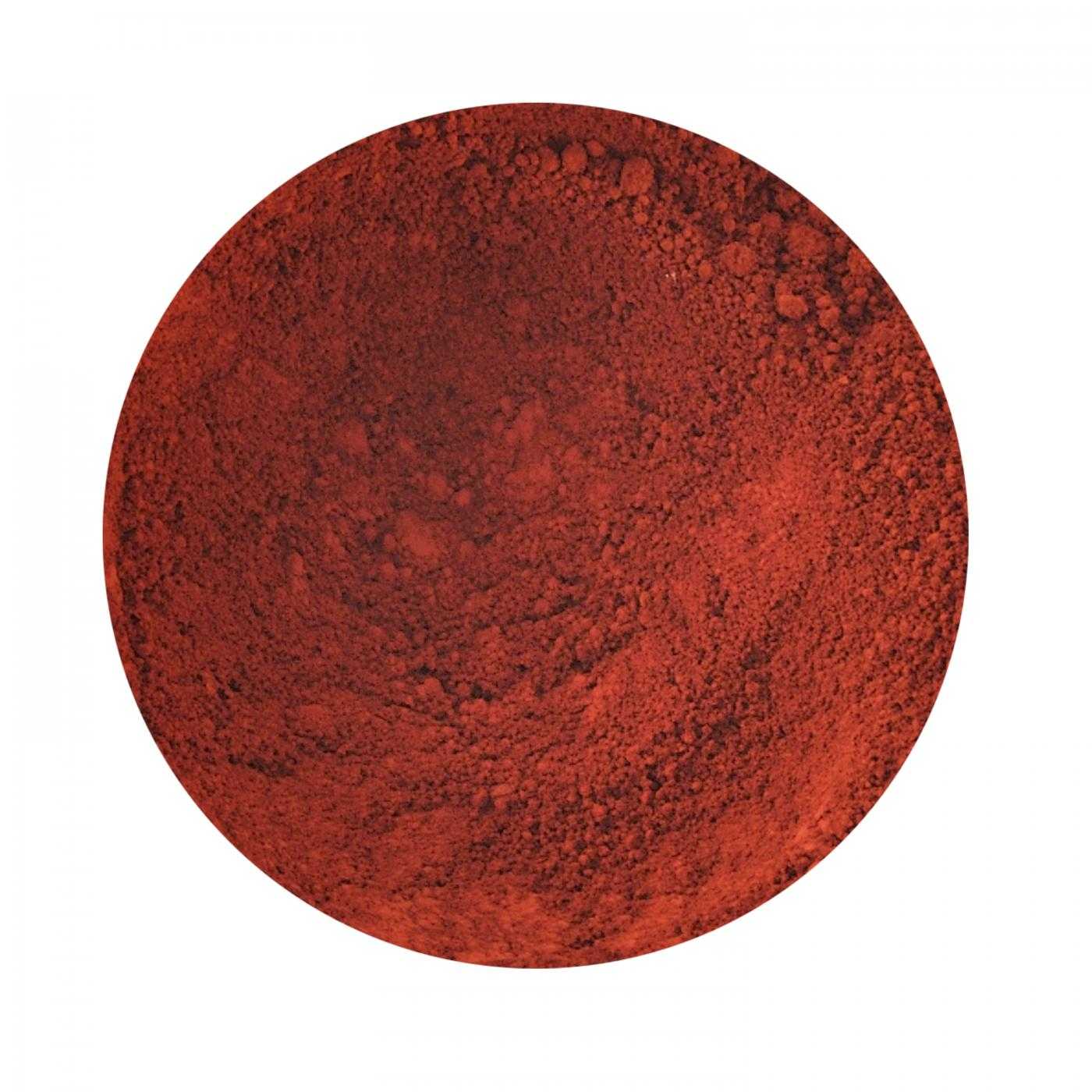
The market offers purity grades T1, T3 and T4. This ingredient is the purest grade T1, which is the one suited to cosmetics. It is of cosmetic, pharmaceutical and food grade, with a yellow colour and a characteristic odour.

On the skin it acts much as it does on the leaf. It forms an occlusive film that slows water evaporation and supports the skin’s protective barrier. At the same time it softens the skin as an emollient. It suits all skin types and is used in leave-on products for the face, eye area, lips, hair, body and hands.


Key properties in a product

  • Hardness and firmness – it firms up a lipstick, balm or stick. The wax is also brittle and is usually used in a blend with other waxes.
  • Heat resistance – it melts at 80–88 °C. Added to a wax blend, it helps sticks keep their shape at higher temperatures.
  • Oil binding – in anhydrous and solid products it acts as a thickener. It binds liquid oils into a solid structure.

Comparison with other waxes

It differs from beeswax mainly in hardness. Carnauba wax is harder, more brittle and melts at a higher temperature. A product made with it is firmer and withstands heat better.

There is also a difference in quantity. When replacing beeswax or synthetic wax, carnauba wax is used in a smaller amount, otherwise the product is too hard.

A vegetable alternative is candelilla wax.


Use in a formulation

The wax belongs in the oil phase and does not dissolve in water. It is heated together with the oils to a temperature above 85 °C until it has melted completely.

The recommended usage rate is 1–15%. In formulations it appears in a range of 0.35–21%, most often at around 2–3%. Lipsticks and sticks usually contain 2–11%, mascaras 2.5–4%.

The firmness of the product is also affected by the way it cools. When stirred during cooling, smaller crystals and a weaker network form, and the result is much softer. Rapid cooling supports stability.

Let a firm stick or balm set undisturbed after pouring, without stirring.

It is often combined with candelilla wax, ester emollients (for example Pentaerythrityl Tetraisostearate or Oleyl Erucate), polyamide gelling agents and tocopherol.


Suitable for products such as

  • Lipsticks and lip balms – it firms up the stick and helps it keep its shape in the heat.
  • Sticks – highlighters, solid balms and other solid products in which the wax forms the supporting structure.
  • Mascaras – a film-forming and structuring wax in the oil phase.
  • Anhydrous hand and body balms – it thickens the oil base and leaves a protective film.
  • Hair waxes and pomades – it gives firmness to the anhydrous base.

Good to know

In laboratory trials, the wax alone, without an emulsifier, was able to stabilise W/O emulsions containing 20–40% water. The condition was an amount at which the oil already gels, from approximately 5%. The wax crystals settle at the interface of the water droplets and form a network in the oil. The water further increased the firmness of the mixture. In practice, such a procedure needs to be verified.

Do not overheat the wax. At around 200 °C it begins to decompose and releases irritating gases. Handle hot molten wax with care, as there is a risk of burns.

The wax is not classified as hazardous under the CLP Regulation and does not contain fragrance allergens. It is of vegetable origin, free of preservatives and silicones, and readily biodegradable.


Frequently asked questions

At what temperature does carnauba wax melt?
Carnauba wax melts at approximately 80–88 °C. To melt completely, it is heated together with the oils to above 85 °C. It melts at a higher temperature than beeswax, so it helps sticks keep their shape in the heat. It should not be overheated, as at around 200 °C the wax begins to decompose and releases irritating gases.
How much carnauba wax should go into a lipstick or lip balm?
Lipsticks and sticks usually contain carnauba wax in an amount of 2–11%. In most formulations it makes up around 2–3% and is combined with other waxes. The overall recommended range is 1–15%. The exact share depends on the other waxes and oils in the formulation, and it is worth checking the hardness on a small test batch.
Can carnauba wax replace beeswax?
Yes, carnauba wax can replace beeswax, but in a smaller amount. It is the hardest vegetable wax and more brittle than beeswax, so at the same share the product would be too hard. When adjusting the formulation, reduce the amount of wax and fine-tune the hardness through trials. Another vegetable alternative is candelilla wax, with which carnauba wax is often combined.
Is carnauba wax soluble in water?
No, carnauba wax is insoluble in water. It dissolves in oils and fats and is added to the product in the oil phase, where it must melt completely. It is used mainly in anhydrous products such as lipsticks, balms and sticks. In W/O emulsions it is part of the oil phase and increases its firmness.
Why is my product with carnauba wax softer than it should be?
The cause is usually stirring during cooling. When stirred, carnauba wax forms smaller crystals and a weaker network, so the product is considerably softer than when it sets undisturbed. To get a firm stick or balm, pour the melted mixture into a mould or container and let it set without stirring. Rapid cooling supports stability.

Parameters

INCI
Copernicia Cerifera (carnauba) wax
CAS No.
8015-86-9
EC number
232-399-4
Product colour
Yellow
Processing method
DryingFiltrationMelting
Formulation phase
Oil phase
Recommended processing temperature
> 85 °C
Recommended usage rate
1 – 15 %
Application type
Leave-on
Suitable for
All skin types
Biodegradability
Readily biodegradable
Natural Index (NI ISO 16128)
1,00
Natural Origin Index (NOI ISO 16128)
1,00
Renewable Carbon Content (RCC)
100 %

Product documentation

TDSTechnical Data Sheet
Physical parameters and processingPDF ↓
SDSSafety Data Sheet
Available for purchased products —
Download all (ZIP)

1 PDF file in one archive

Learn how to work with it

From our blog
REVIEWS

Verified by customers.

No reviews yet.

Only customers with a delivered order can write reviews.