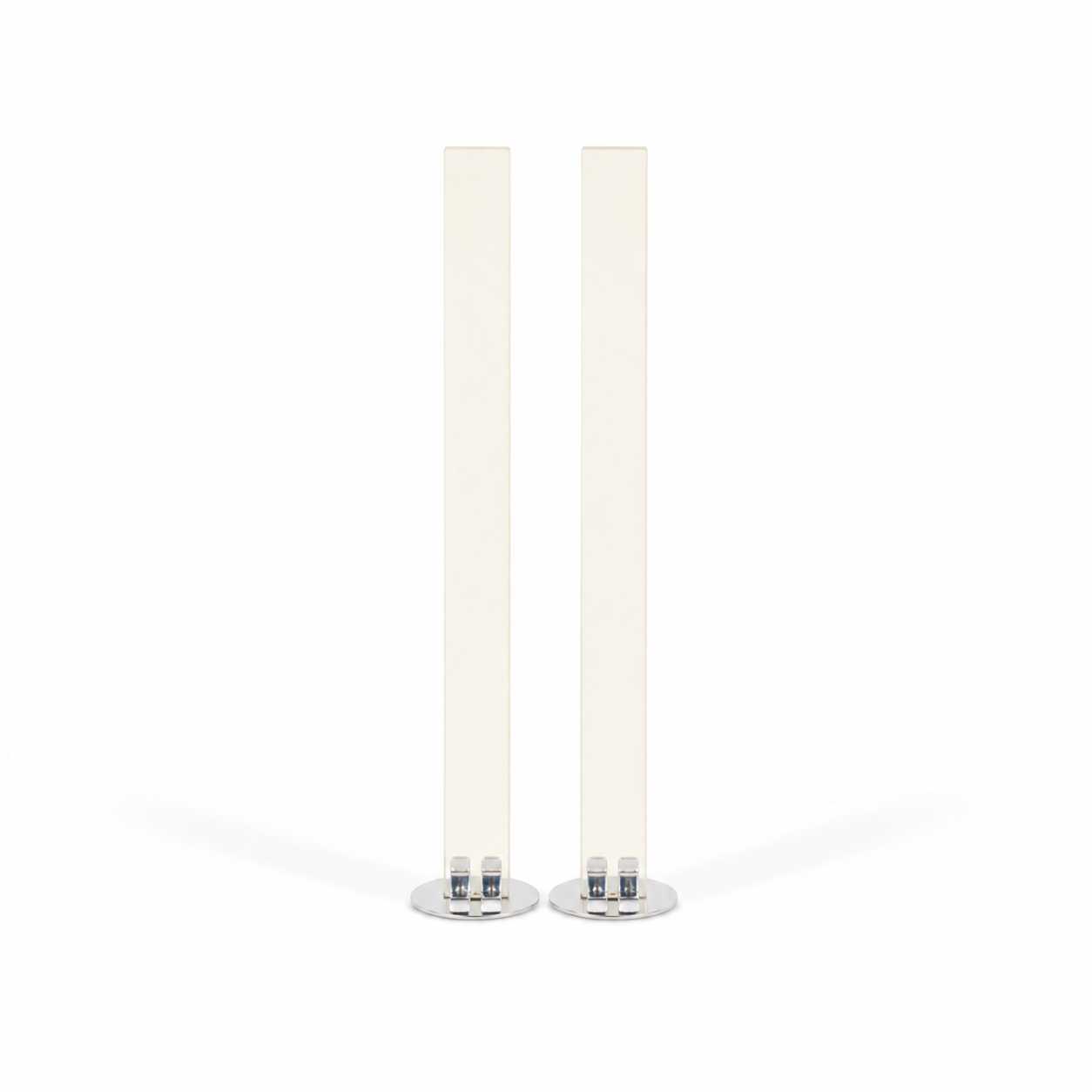
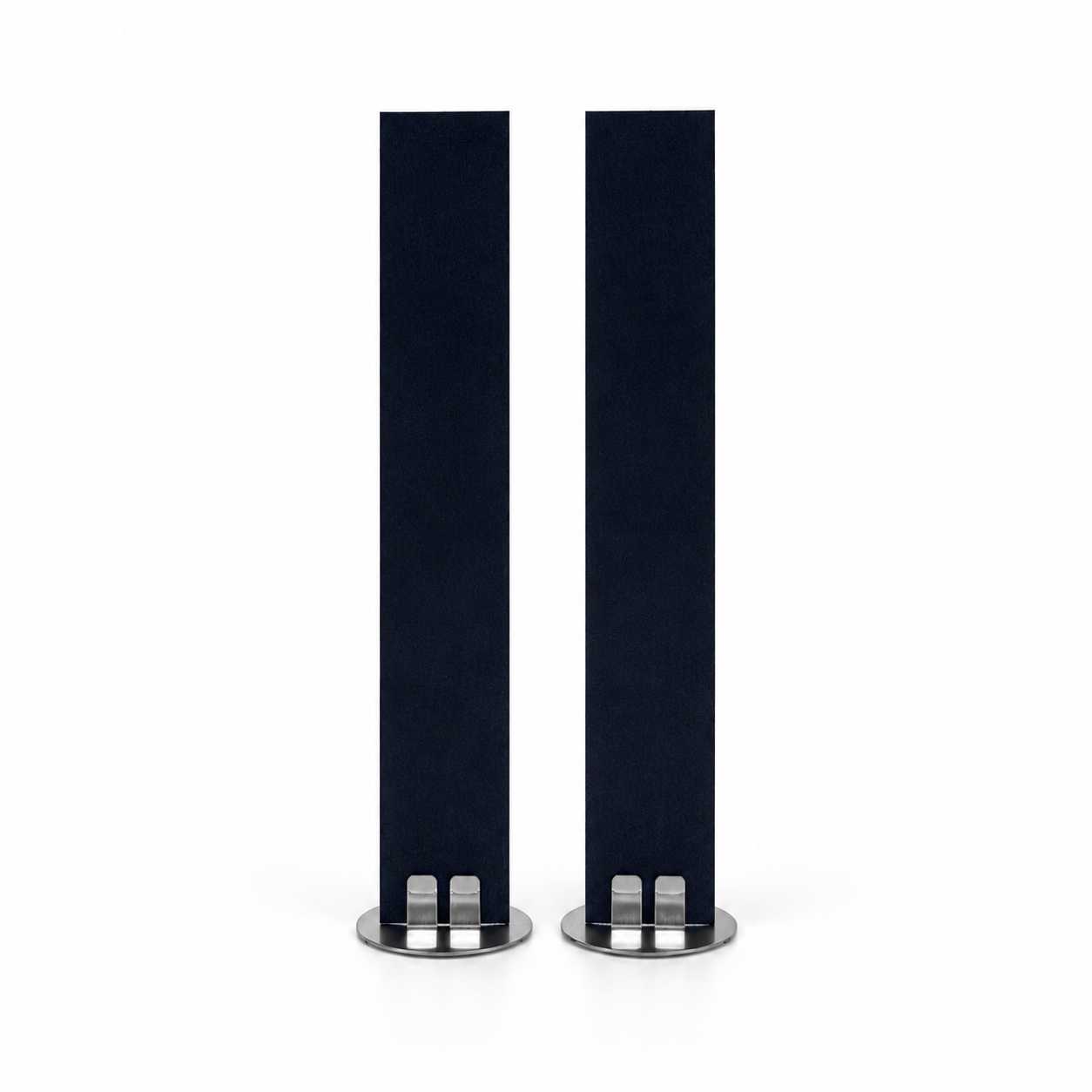
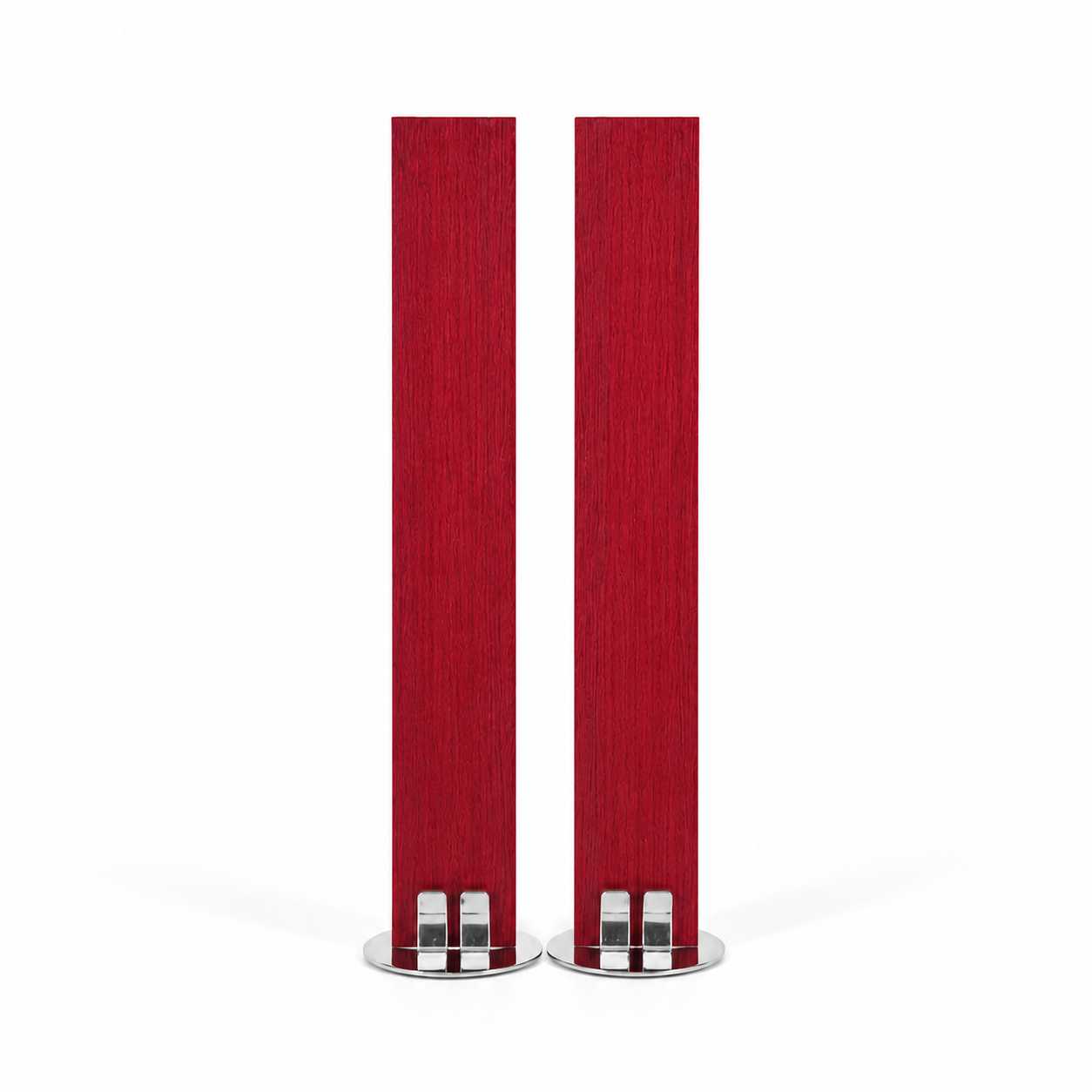
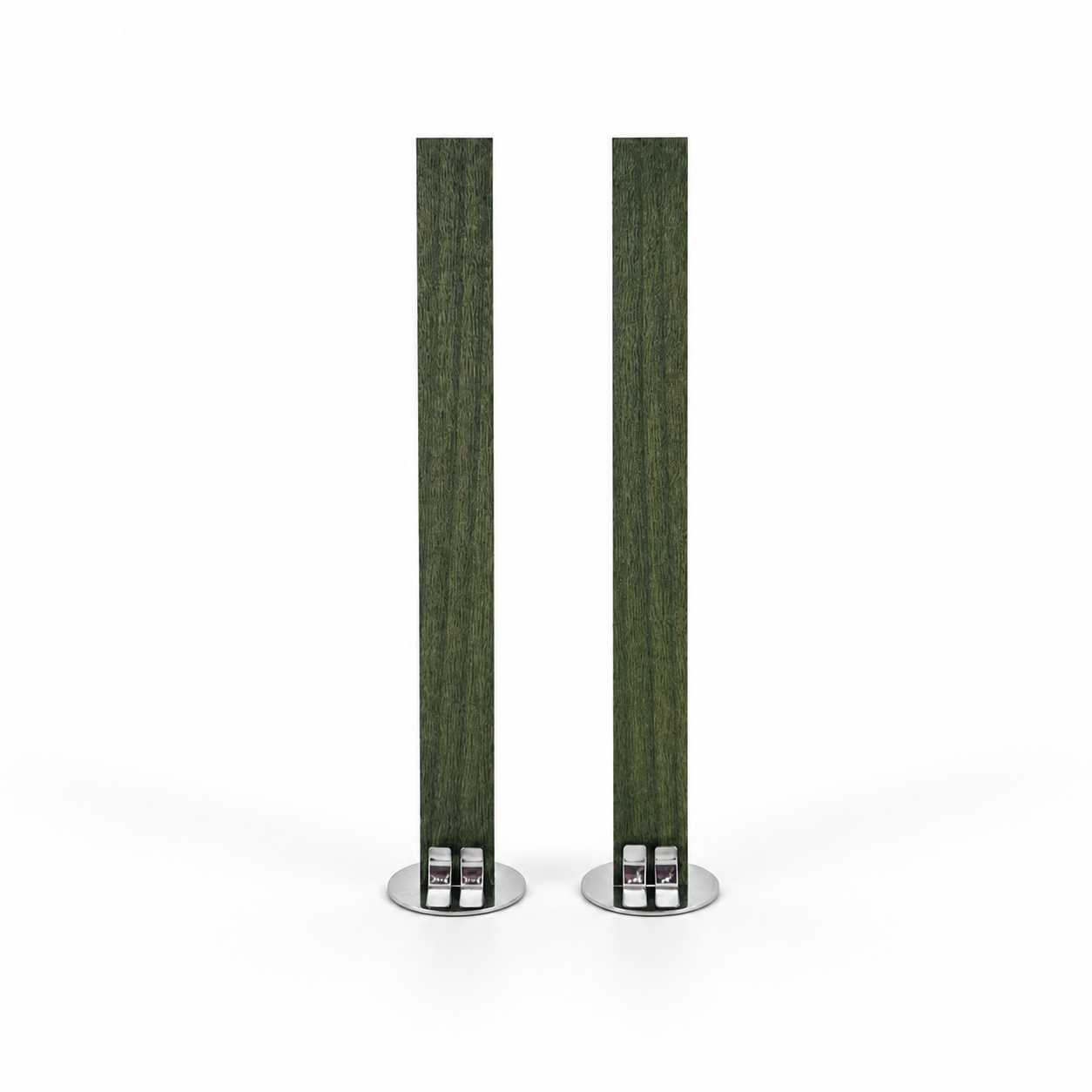
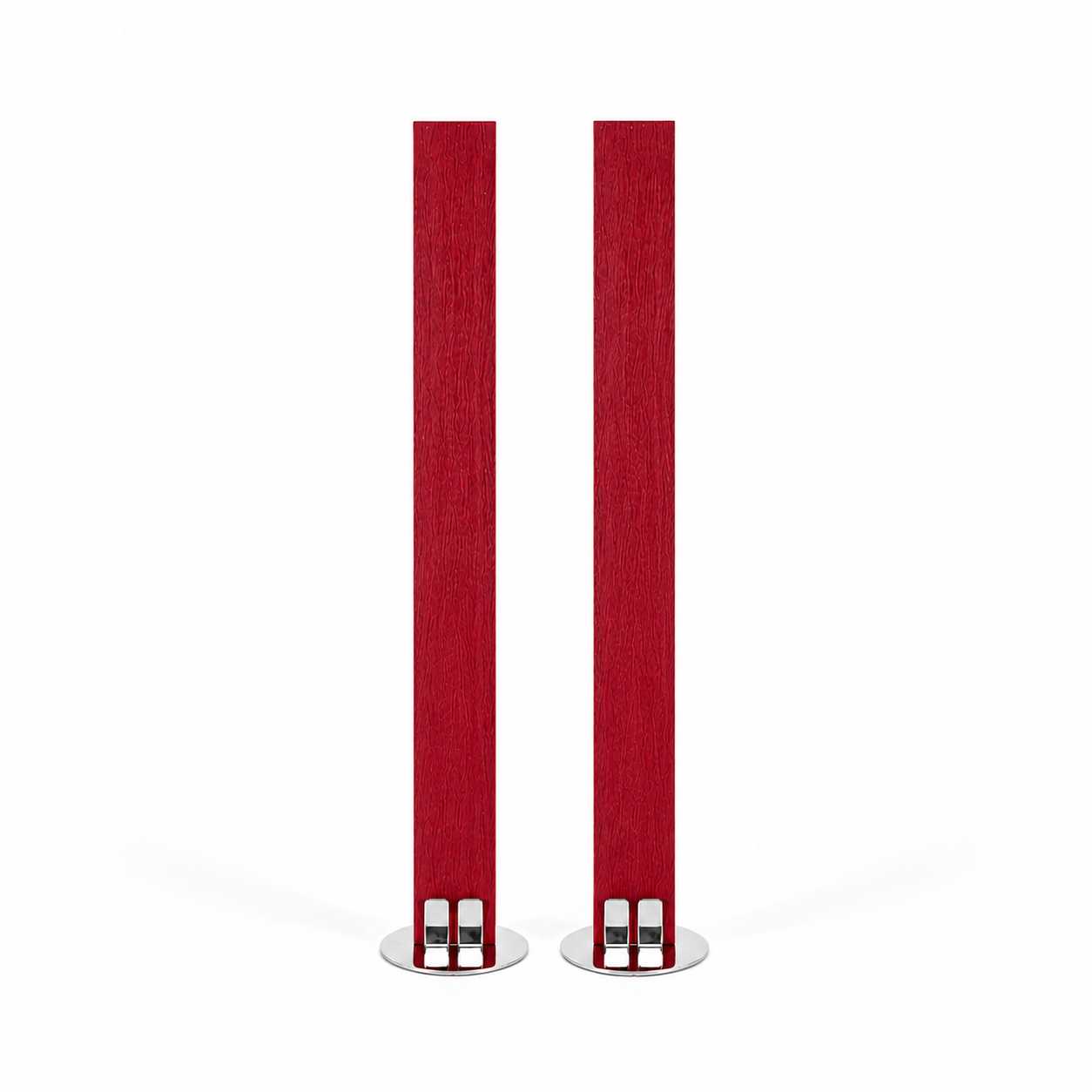
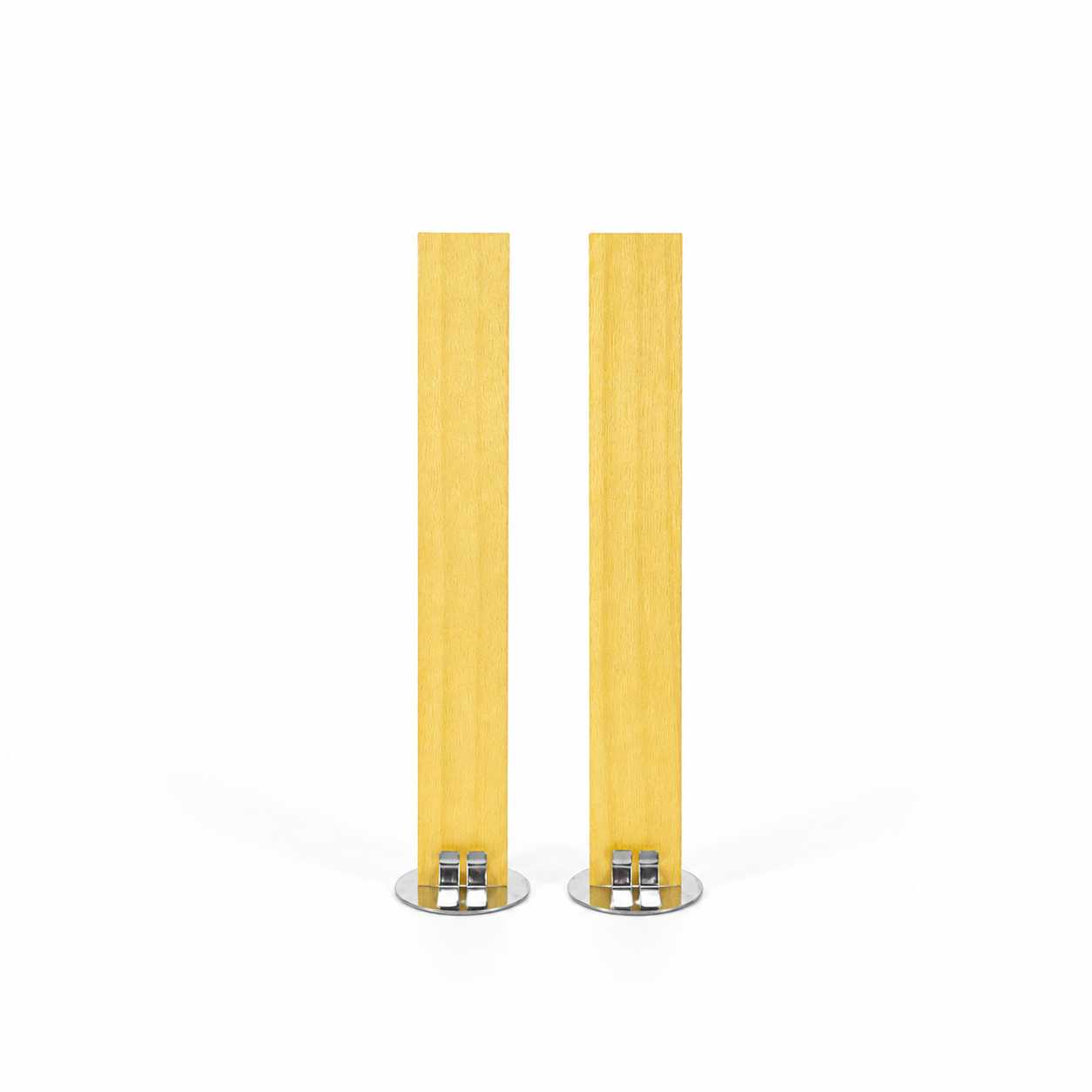
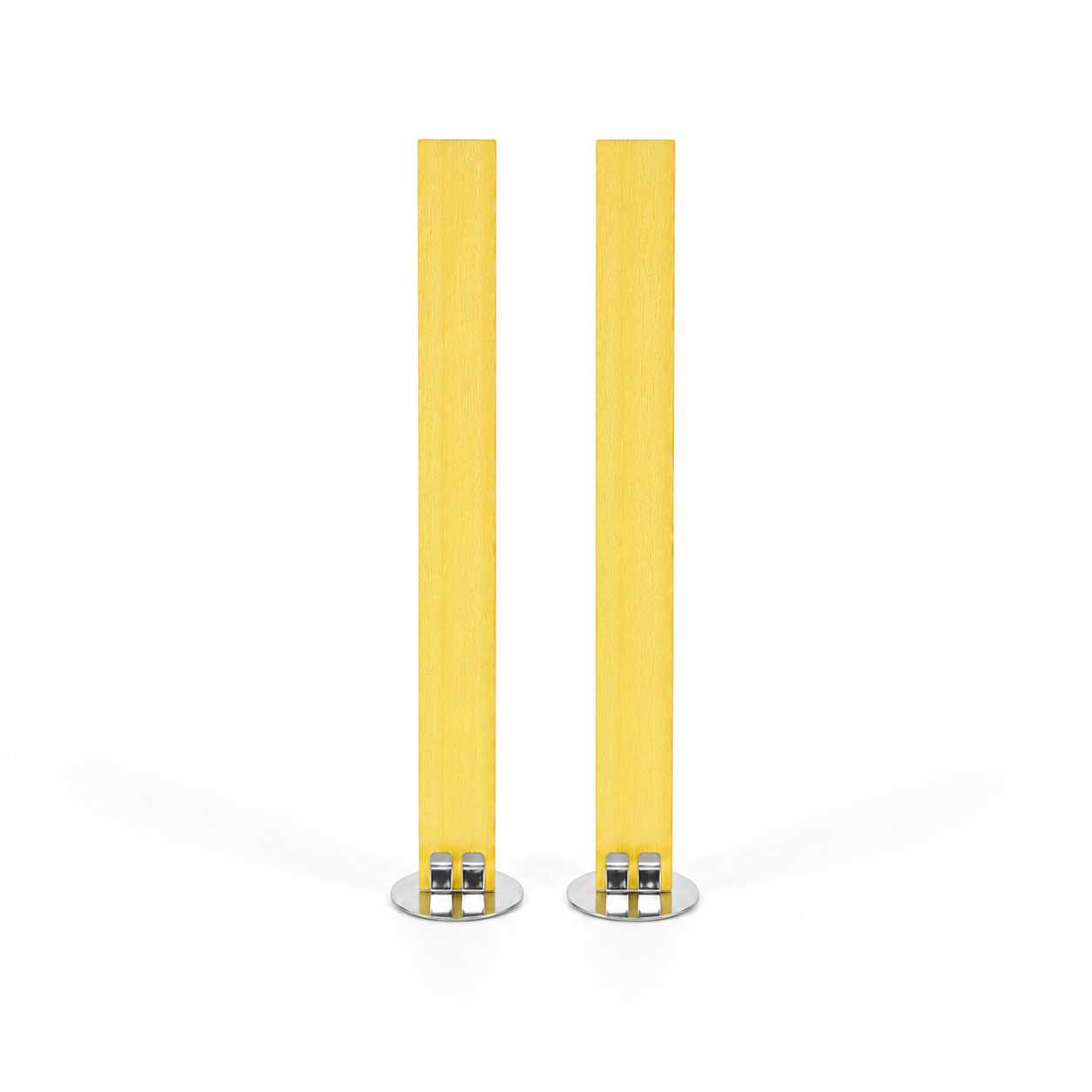
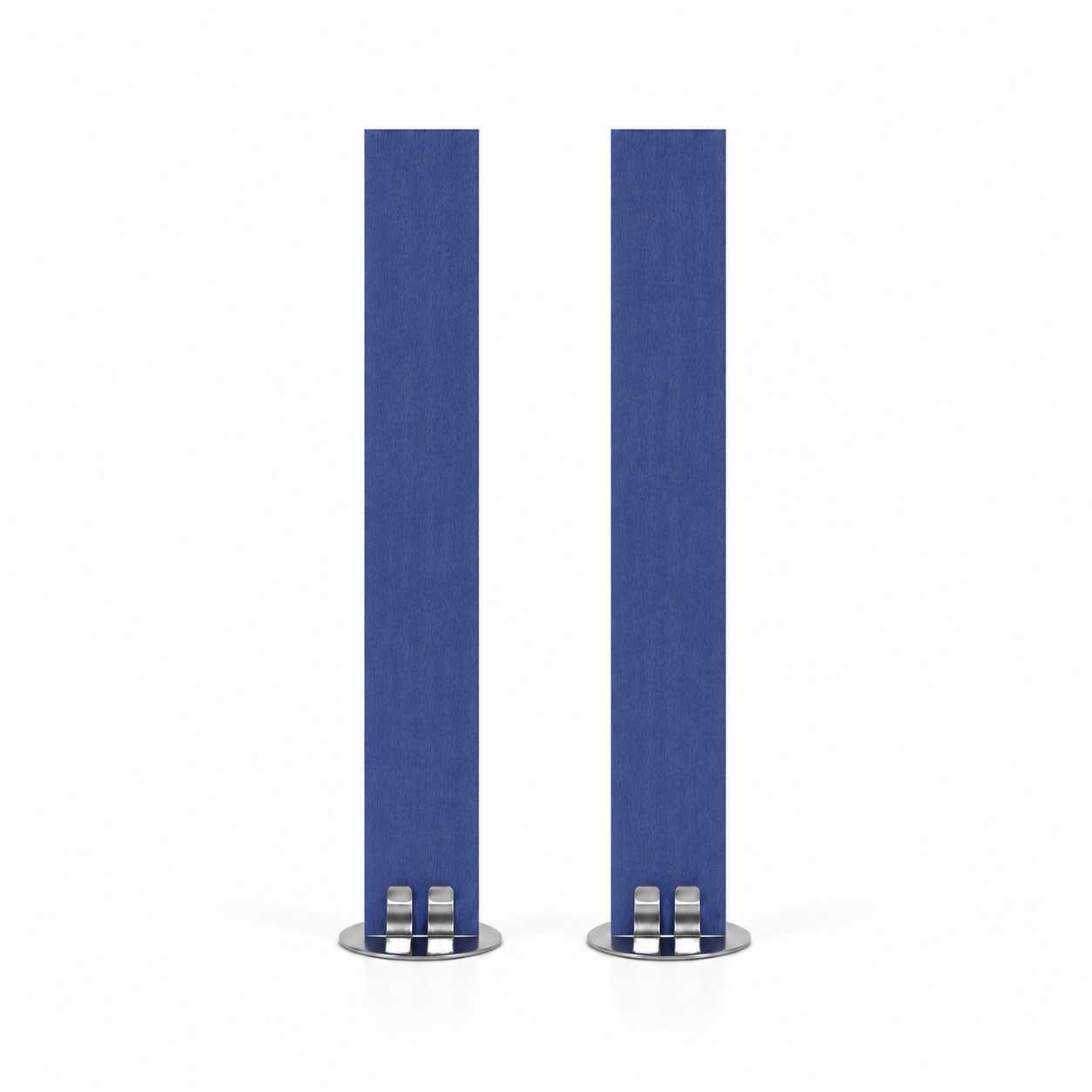
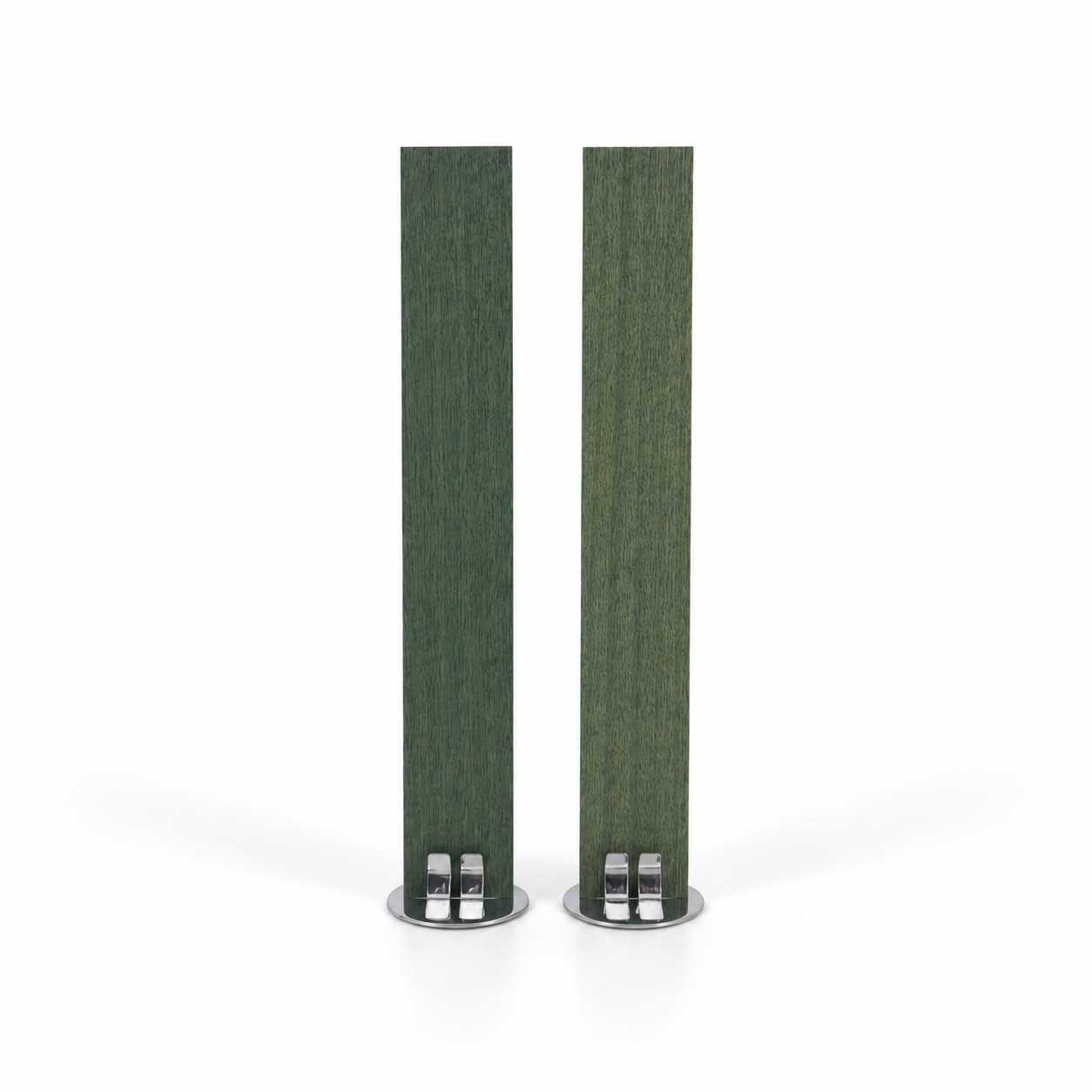
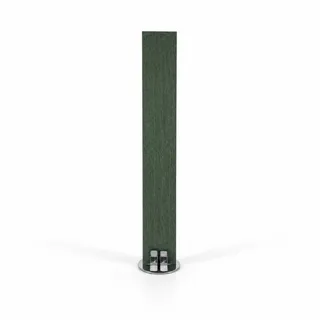
Wooden wick .02 green, 19.1 mm – with sustainer
Flat wooden wick in a green shade is an alternative to cotton wicks for container candle making. It burns with a wider, lower flame and crackles gently while burning, giving the candle a calmer yet more distinctive character than a standard wick. The green slat is visible in an unlit candle, making this wick particularly suitable where it is meant to be part of the design: forest, herbal or Christmas themes, candles in clear containers, or gift series.
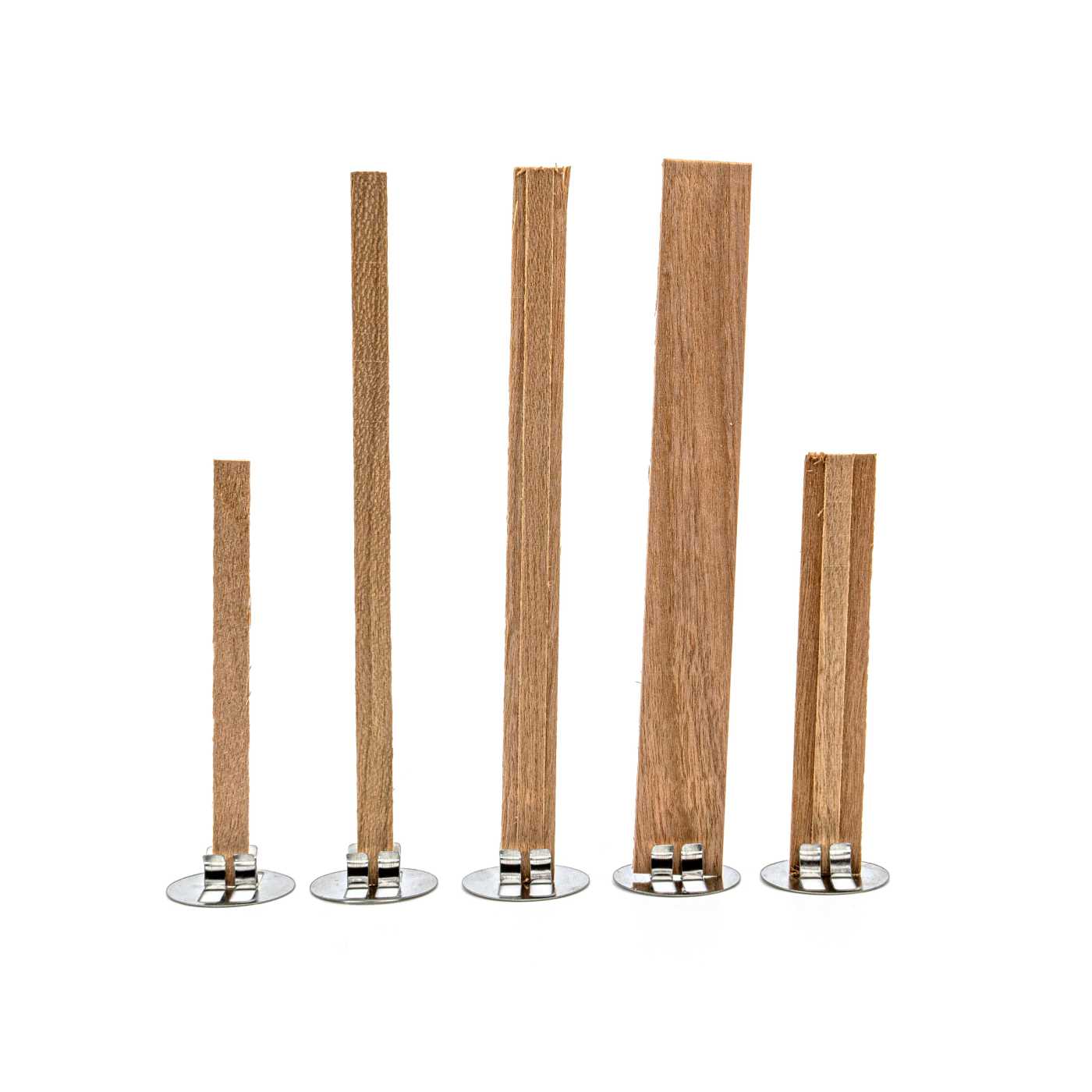
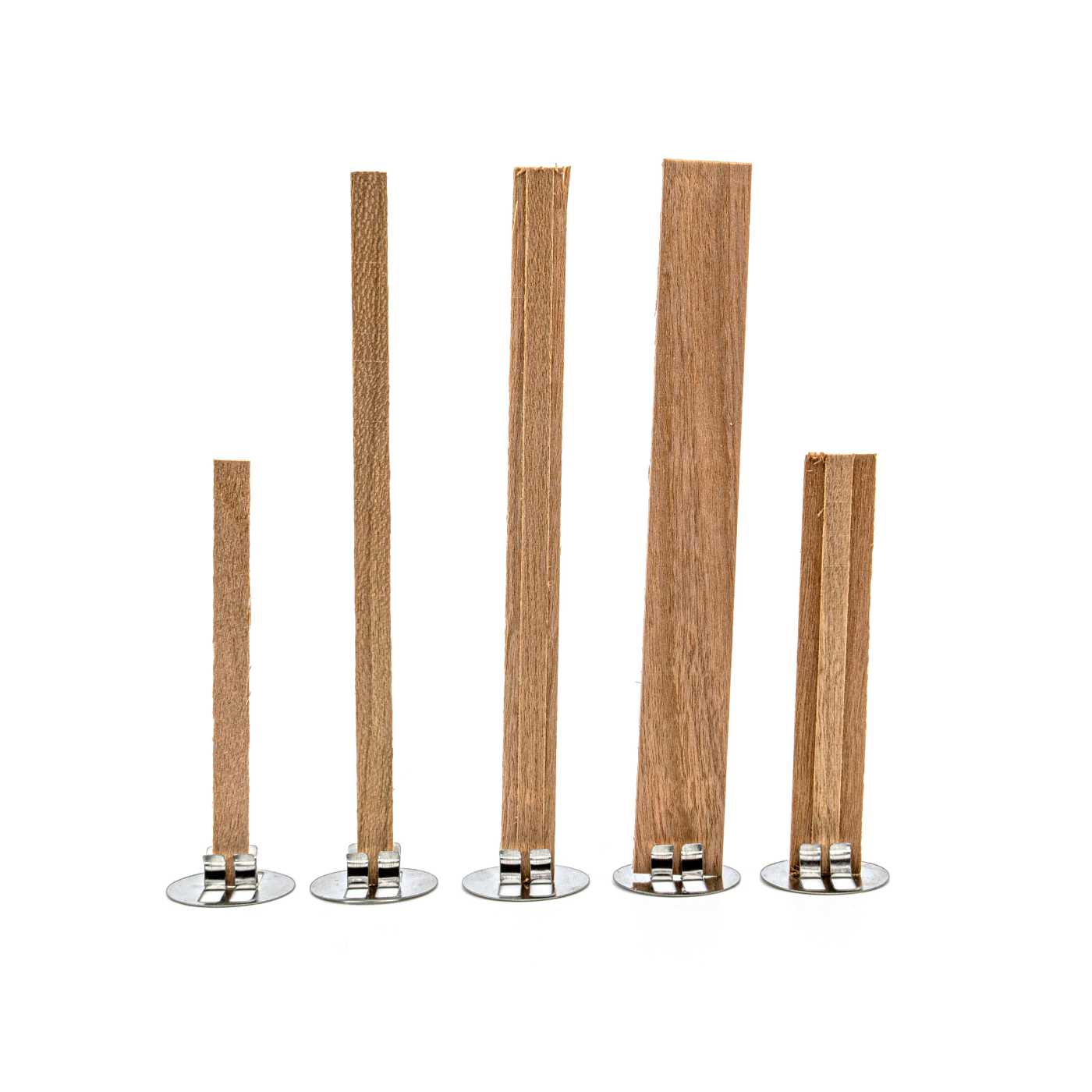
The base is a single wooden slat in the thinner .02 size. The .02 designation refers to the slat thickness according to the manufacturer – a higher number means a thicker wick. A thinner slat burns more gently and is easier to control in smaller containers. The wick comes complete with a metal sustainer that holds the slat upright on the bottom of the container, so no additional holders or gluing of the wood itself is needed. According to the manufacturer, the wick is made from certified wood, is free from allergens, and is biodegradable.
Why choose a wooden wick
- Different burning character – the flat slat produces a wide, lower flame and crackles gently while burning. For many customers, the sound alone is the reason they prefer a wooden wick.
- Colour accent – the green shade is visible through glass and from above, so you can coordinate the wick with the wax colour, label, or collection theme without additional decorations.
- Even melt pool – the width of the wick helps the wax melt more evenly across the full surface, which in containers of the right diameter helps reduce tunnelling.
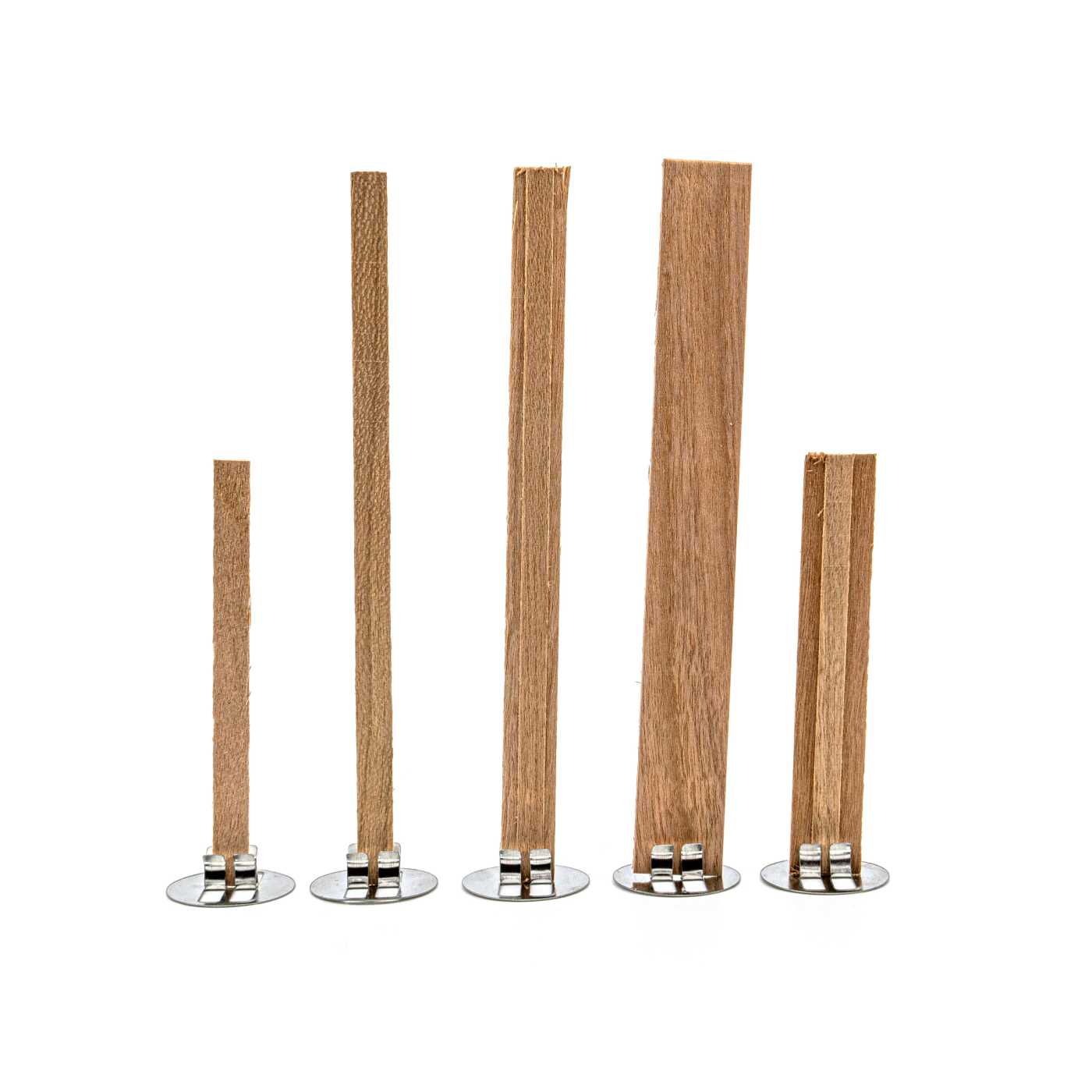
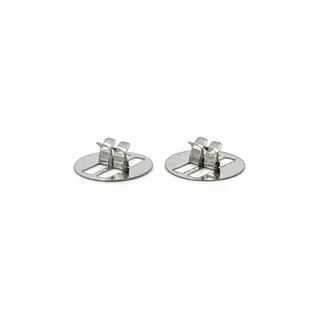
- Easy to install – the metal sustainer with a round base holds the wick upright and stable; simply adhere it to the bottom of the container. The same sustainer is also suitable for double and cross wooden wicks.
- Easy to trim – adjust the length and height of the wick with ordinary scissors or wick trimmers to suit the container height.
How to work with the wick
Before pouring wax, insert the slat into the metal sustainer and adhere the sustainer to the centre of the container bottom using hot glue, a double-sided adhesive pad, or a drop of wax. The wick must stand upright; otherwise the flame burns unevenly and one side of the container overheats.
Trim the slat so that after pouring it extends above the wax surface by only a few millimetres. A wooden wick that is too tall produces a large, sooty flame and chars quickly.
Pour wax at the temperature recommended for the wax type and allow the candle to cure thoroughly before the first lighting. Wooden wicks absorb wax more slowly than cotton wicks, so on the first burn allow the candle to burn long enough for the entire surface to melt.
If the flame goes out shortly after lighting, the most common causes are wax that is too hard, a low room temperature, or a slat that has not absorbed enough wax. A shorter wick and a softer wax (soy, coconut, blends) will usually improve the situation.
Which candles is it suitable for
The 19.1 mm wide wick in the thinner .02 size is intended primarily for container candles of small to medium diameter with softer natural waxes – soy, coconut, rapeseed, and their blends. These waxes melt at a lower temperature and the thinner slat burns steadily in them.
With harder waxes (higher-melting-point paraffin, beeswax) or in containers with a larger diameter, the thinner .02 slat may be insufficient. In those cases a thicker version or a double slat is more appropriate. Flat wooden wicks are not used in freestanding pillar candles without a container, because the wider flame and the molten wax pool require the container wall.
Good to know
- Always test the specific combination. The behaviour of a wooden wick depends on the wax type, container diameter, fragrance oil loading, and dye. Before producing a batch, make a test candle and monitor flame size, melt pool depth, and any sooting.
- Fragrance oils and dyes put more load on the wick than plain wax. At higher fragrance oil loadings it may be necessary to move to a thicker slat.
- Trimming between burns. Before each subsequent lighting, snap or cut off the charred end of the slat so the flame does not grow too large and produce soot. It is worth including this advice for customers on the label or a card with the candle.
- The green colour is prominent in an unlit candle; the burning end of the slat naturally darkens. If the wick colour is important for the appearance of the finished product, verify during testing whether it changes in the specific wax.
- The sustainer is made of metal and remains on the bottom of the container. When reusing the container, remove it together with the remaining wax after the candle has burned down.
A wooden wick with natural wax generally burns with a lower flame than a cotton wick but melts a wider surface area. A container with a thin wall or an unsuitable shape may overheat near the wall – monitor glass temperature during testing as well.
Frequently asked questions
What does the .02 designation on a wooden wick mean?
The .02 designation refers to the thickness of the wooden slat according to the manufacturer, where a higher number means a thicker wick. The thinner .02 slat burns more gently and is suited to small and medium containers with softer natural waxes. With harder waxes, a larger container diameter, or higher fragrance oil loadings, a thicker version or a double slat is usually more appropriate.
How far should a wooden wick extend above the wax?
A wooden wick should extend only a few millimetres above the wax surface. A wick that is too tall produces a large, sooty flame; one that is too short tends to extinguish easily. Fine-tune the exact height based on the wax and container diameter during a test burn, and remove the charred end before each subsequent lighting.
Why does a wooden wick keep going out?
The most common causes are wax that is too hard, a slat that has not absorbed enough wax, or a wick that is too tall. Trimming the wick, using a softer wax or a wax blend, and allowing a longer first burn until the entire candle surface melts will usually help. A high fragrance oil loading also puts more strain on the wick than plain wax.
How is a wooden wick secured to the bottom of the container?
The slat is inserted into the supplied metal sustainer, and the sustainer is adhered to the centre of the container bottom using hot glue, an adhesive pad, or a drop of wax. The sustainer with its round base holds the wick upright, which is essential for even burning. The wood itself is not glued or tied.
Will the green colour of the wooden wick remain visible in the finished candle?
Yes, the colour of the slat is visible in an unlit candle above the wax surface and through clear glass in the portion submerged in wax. During burning, the end of the slat naturally chars and darkens. If the coloured appearance is critical, verify during a test candle how the colour looks in the specific wax.



 Wooden wick, .02 green, 19.1 mmDrevený knôt, .02 zelený, 19,1 mm ZASOBA