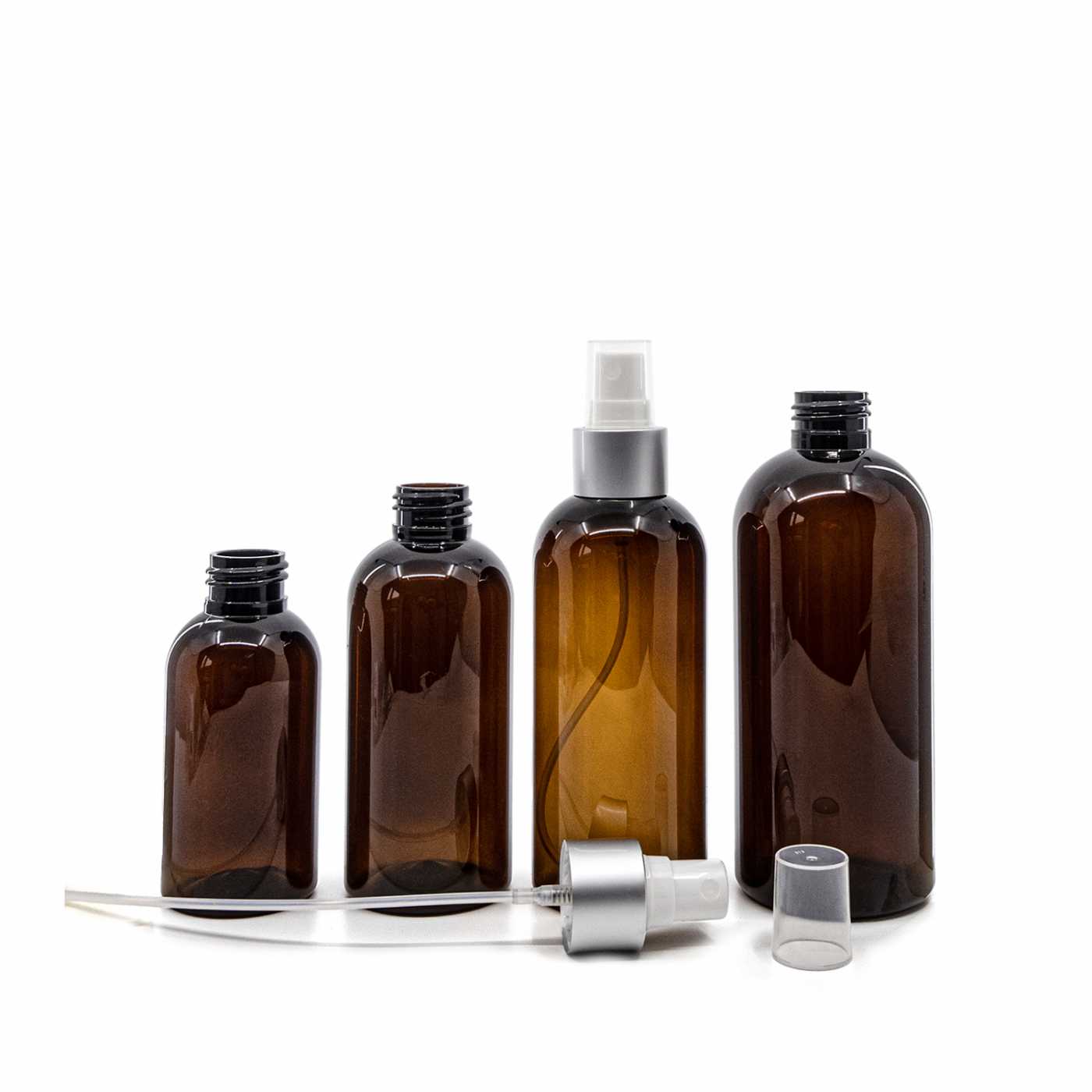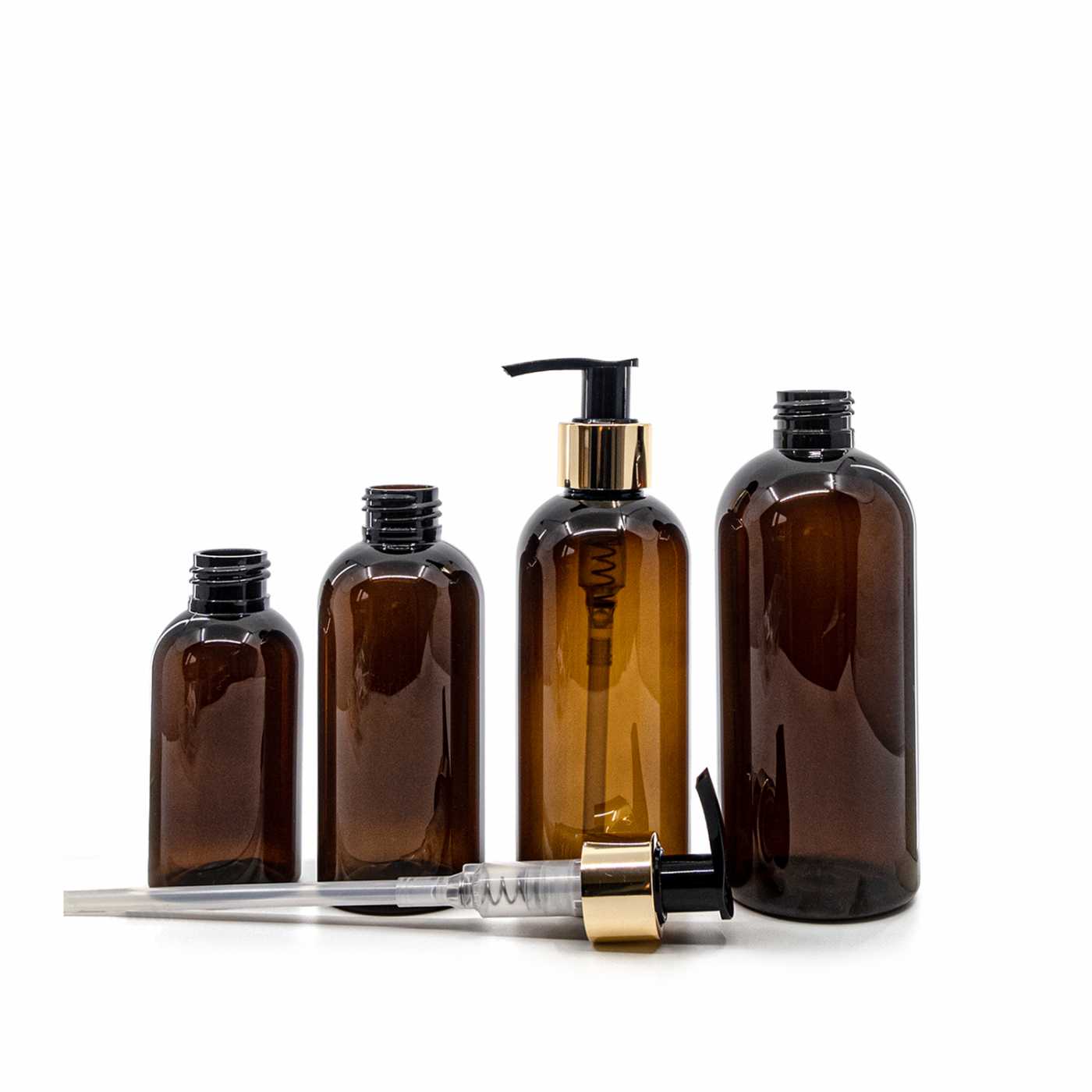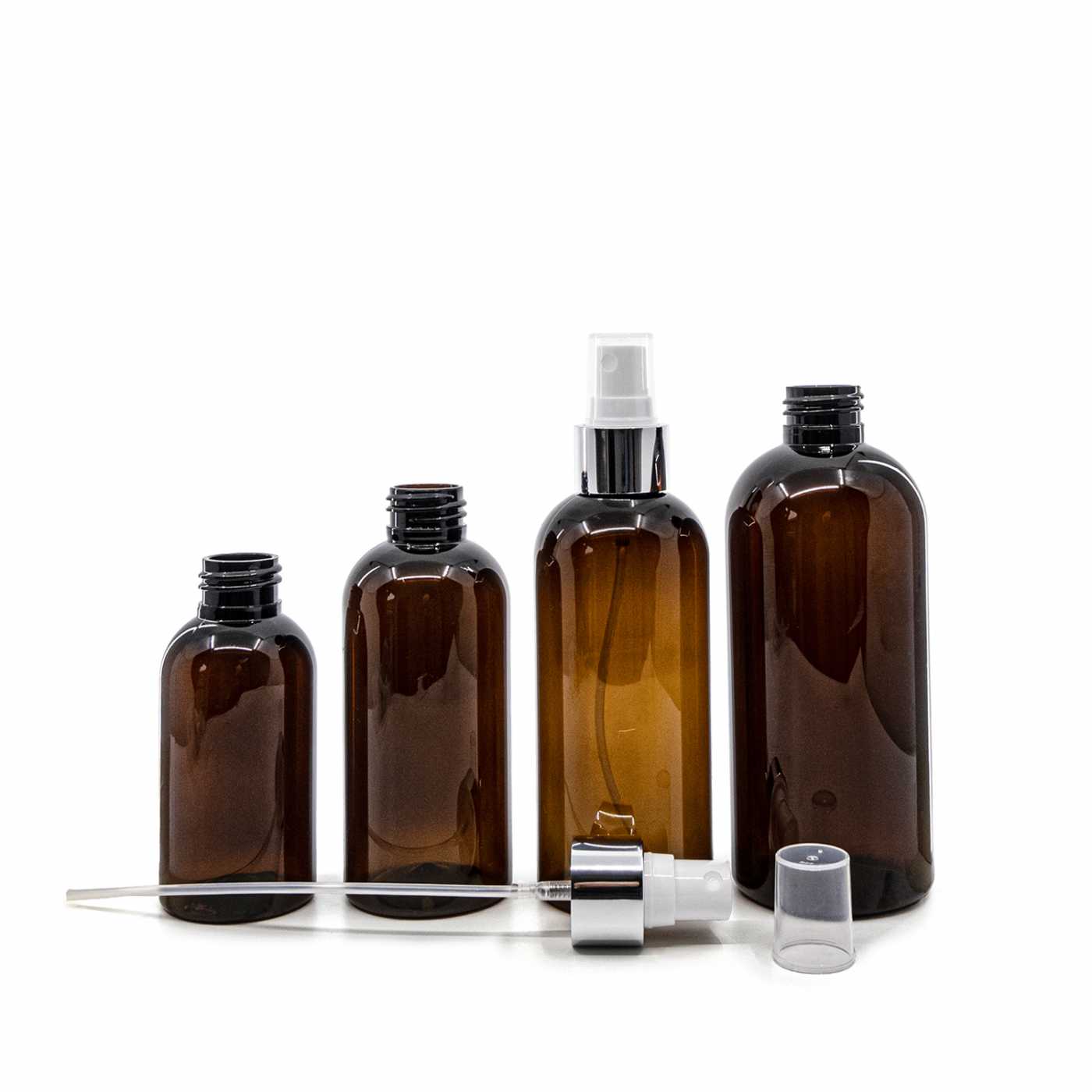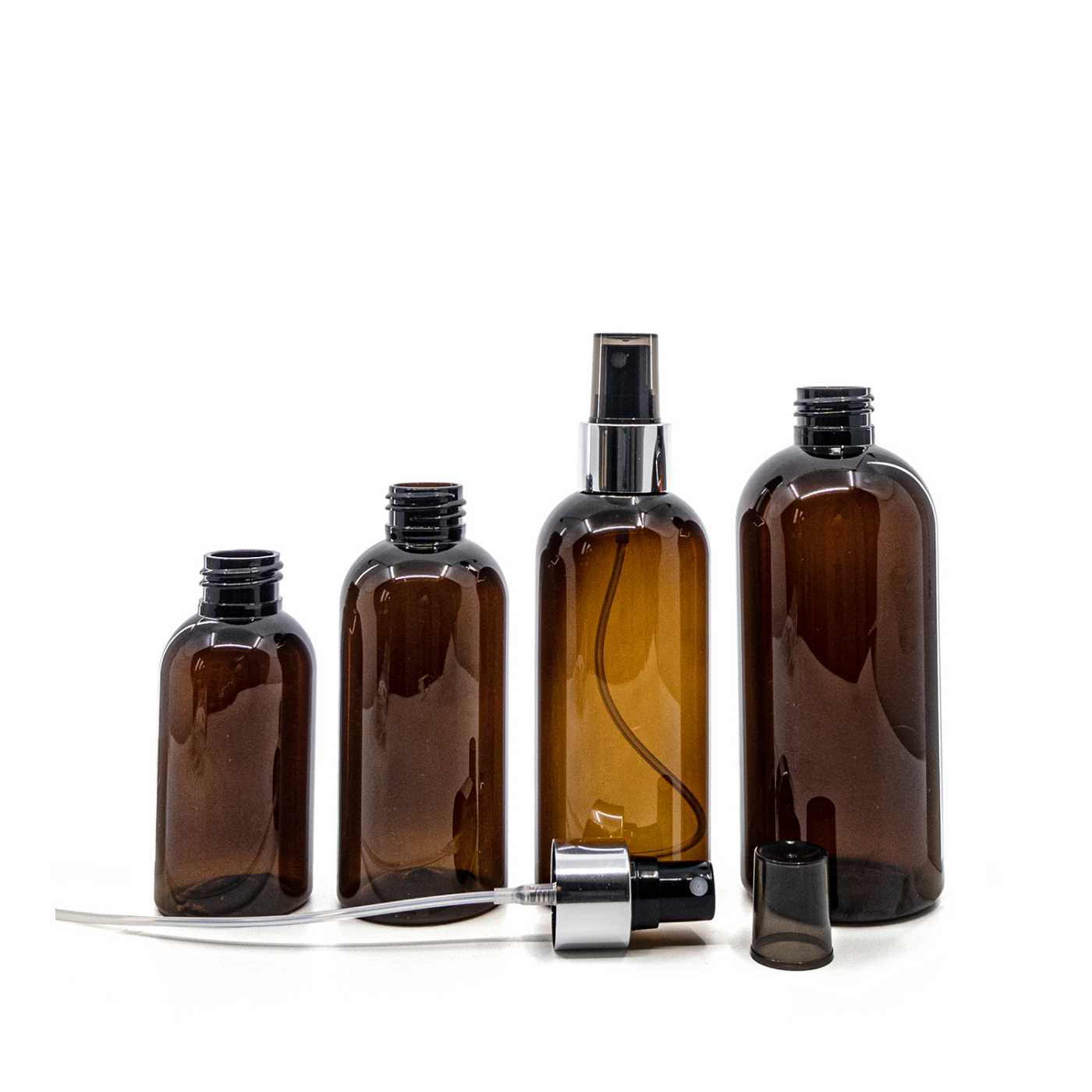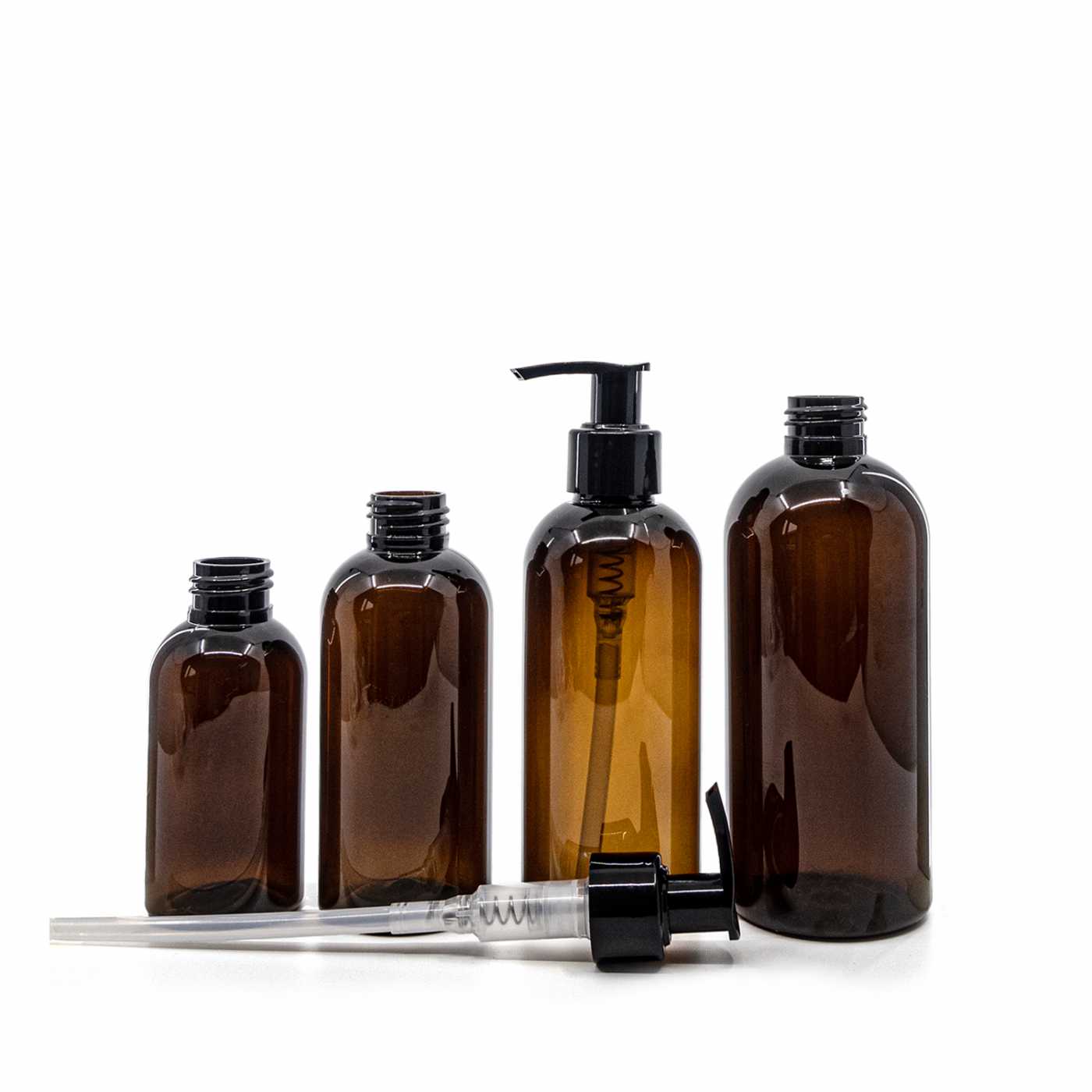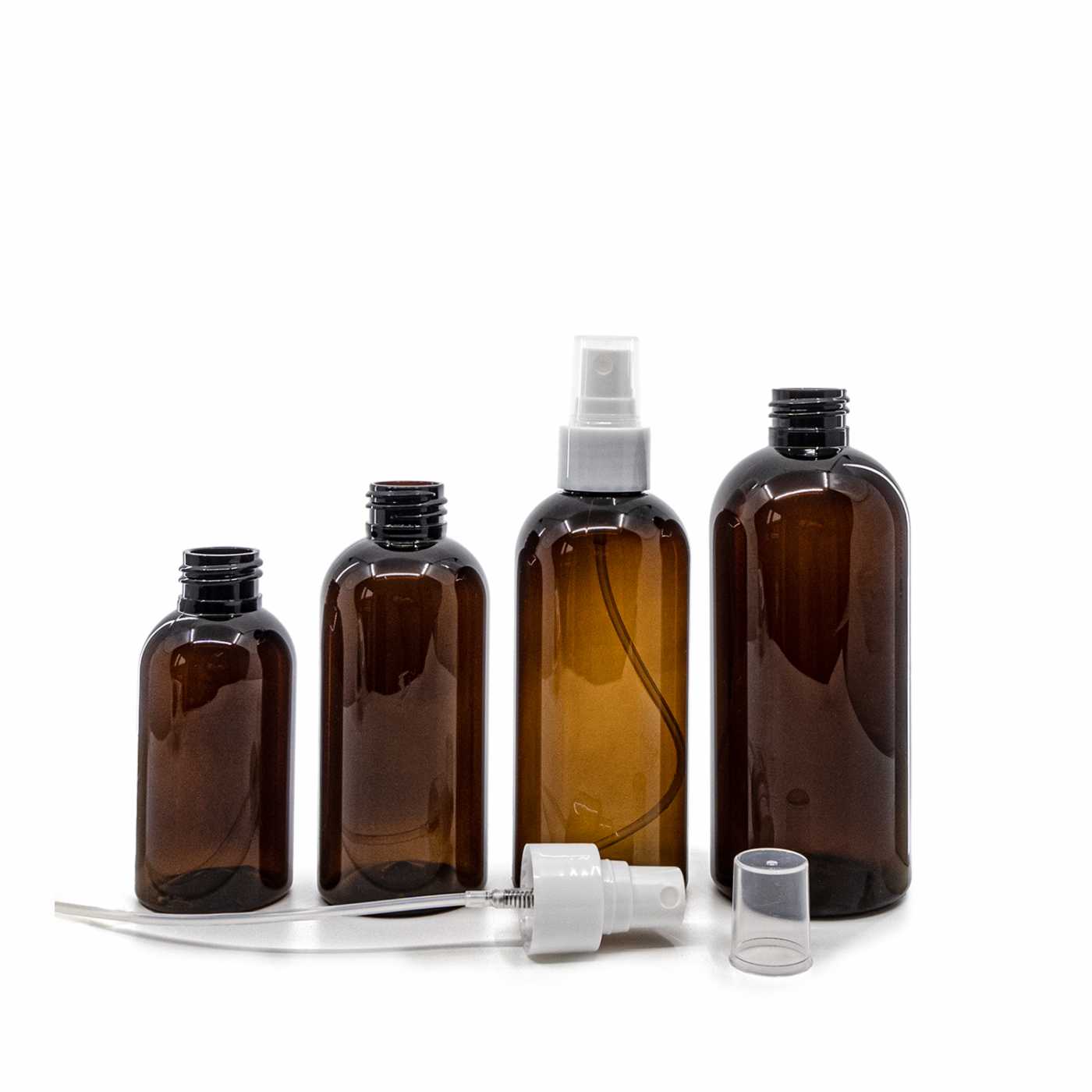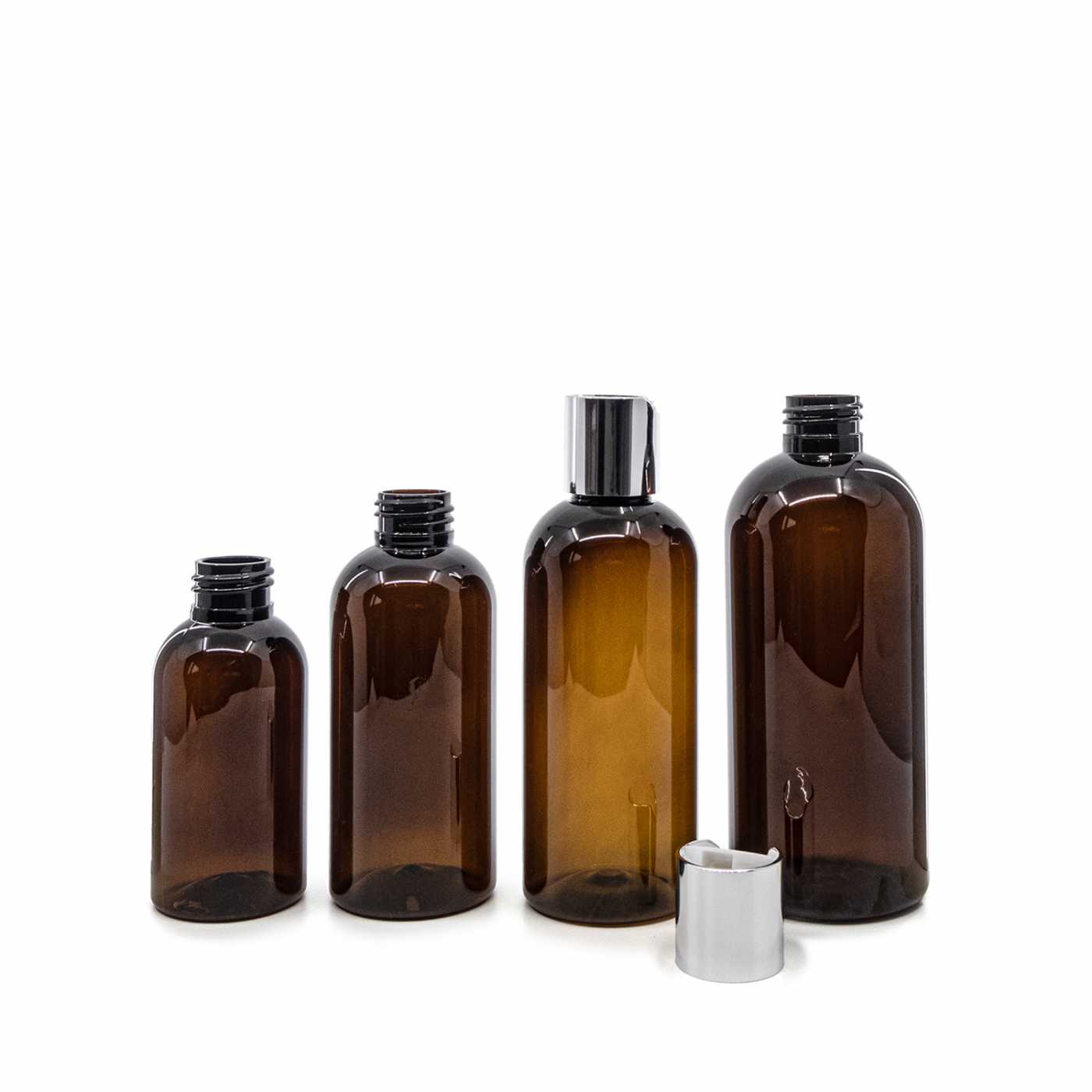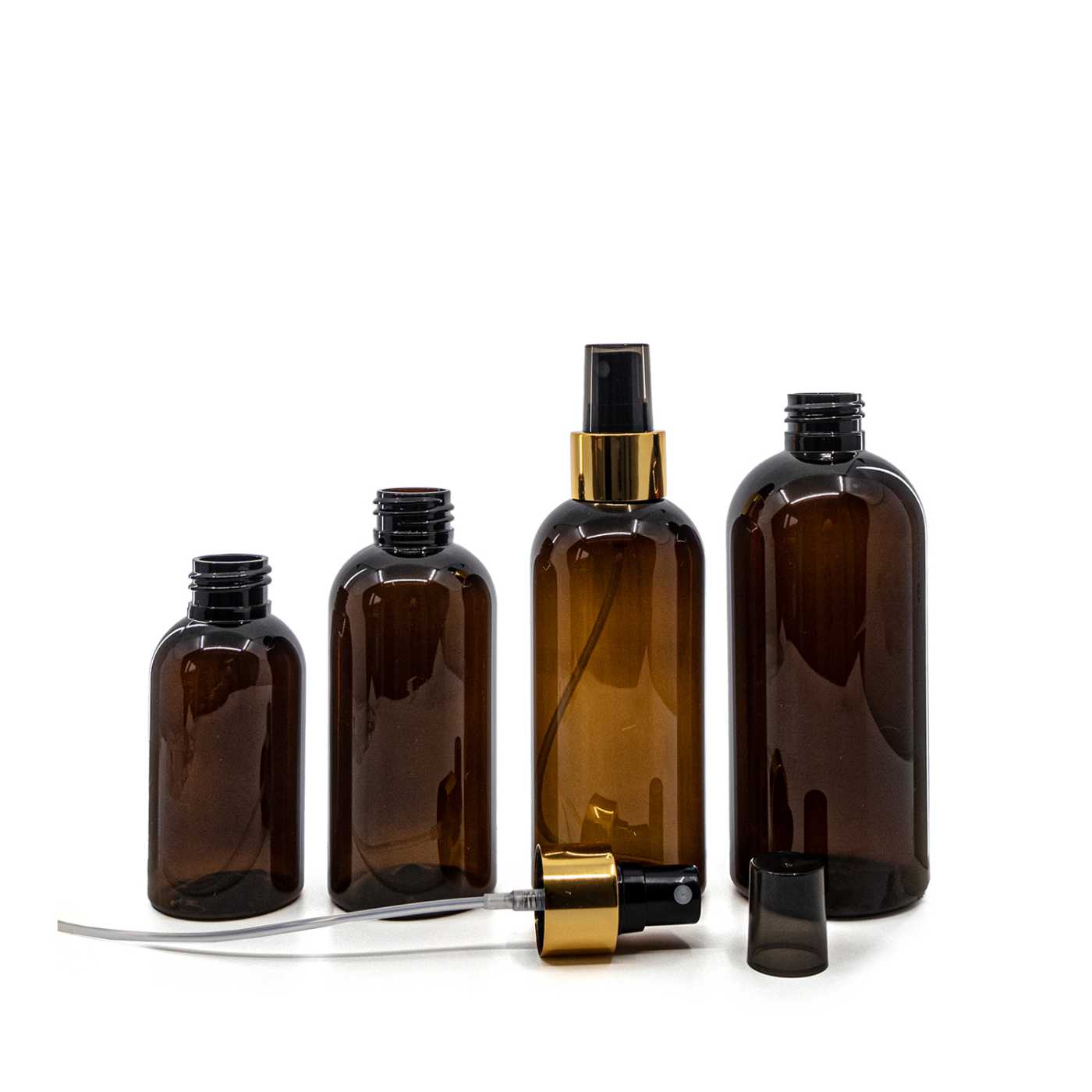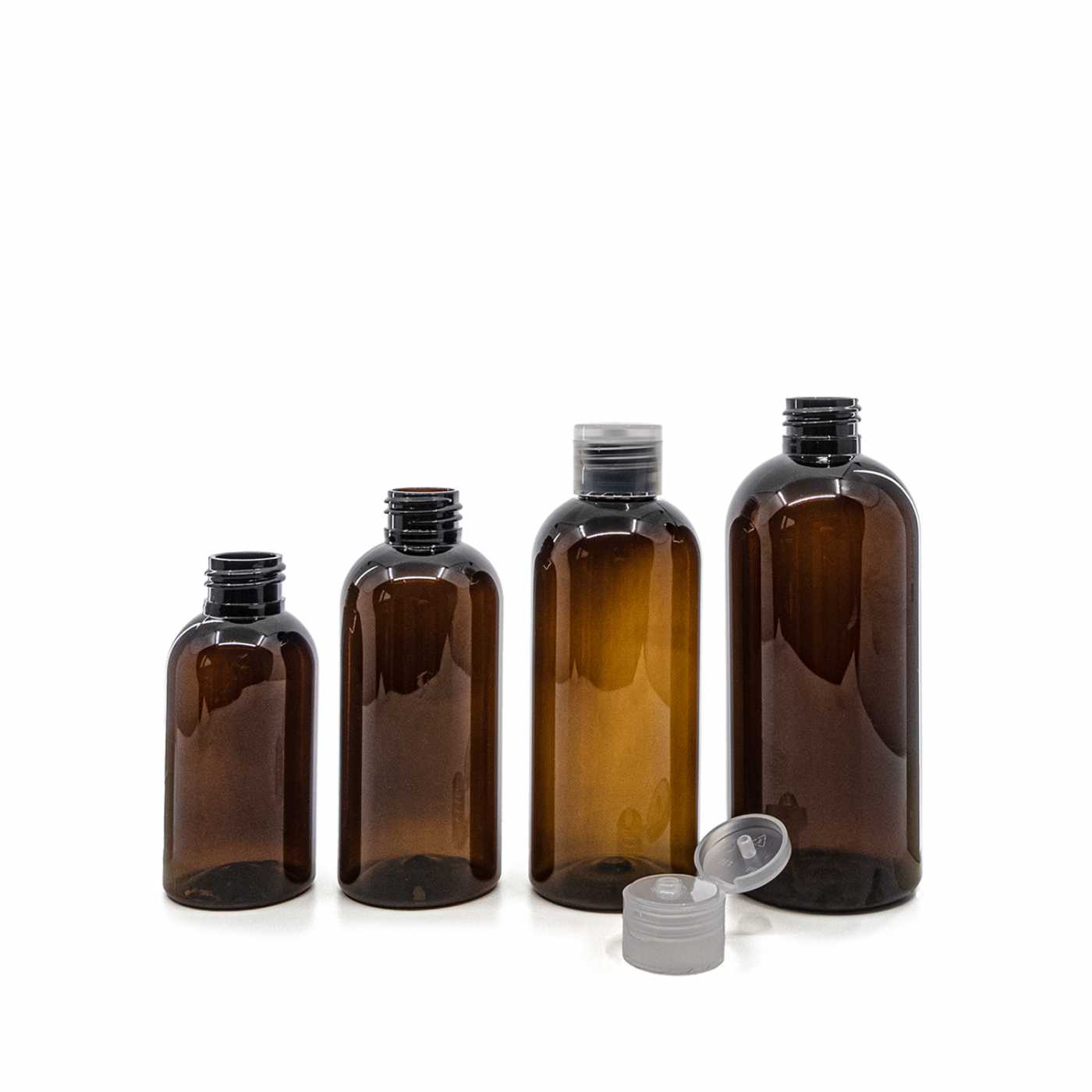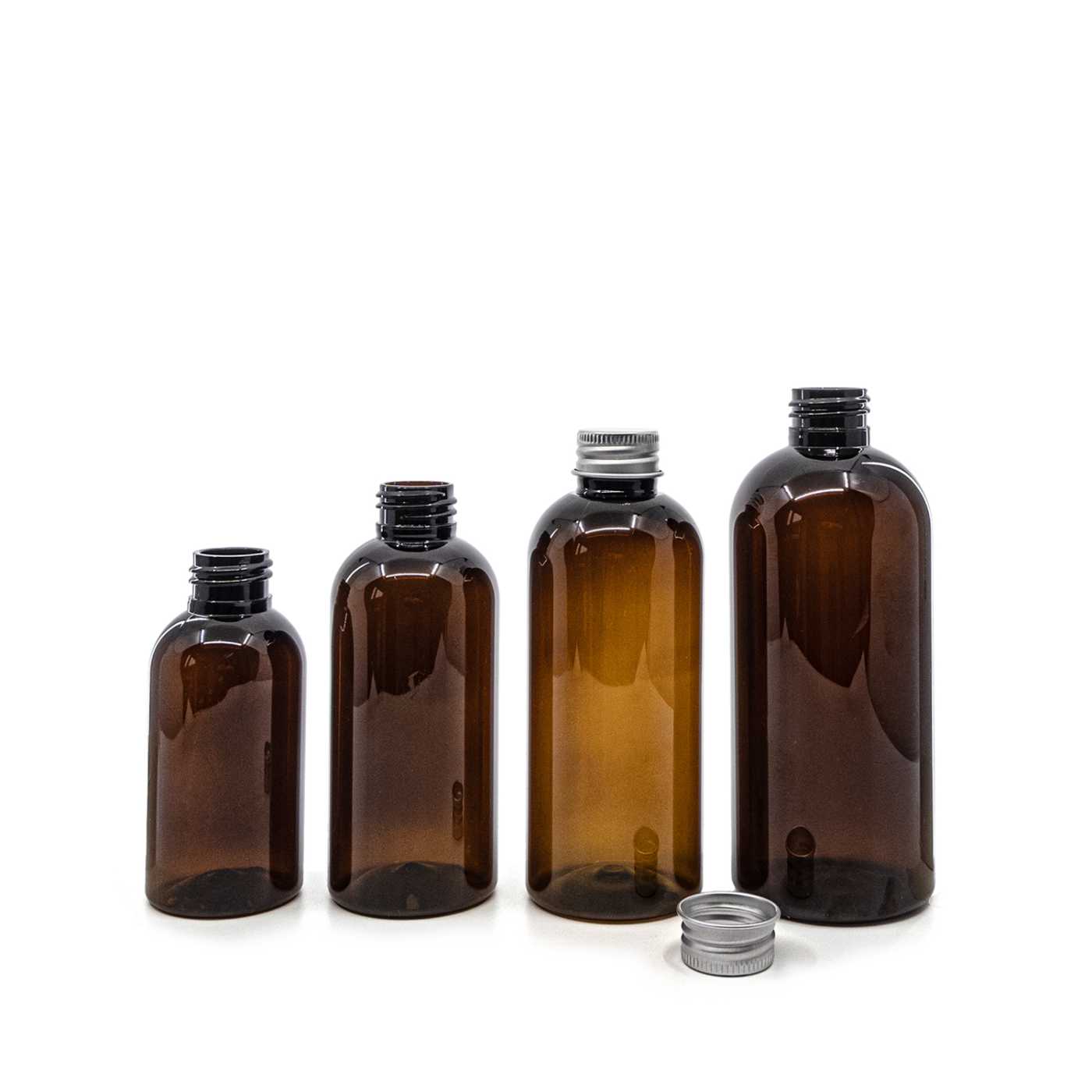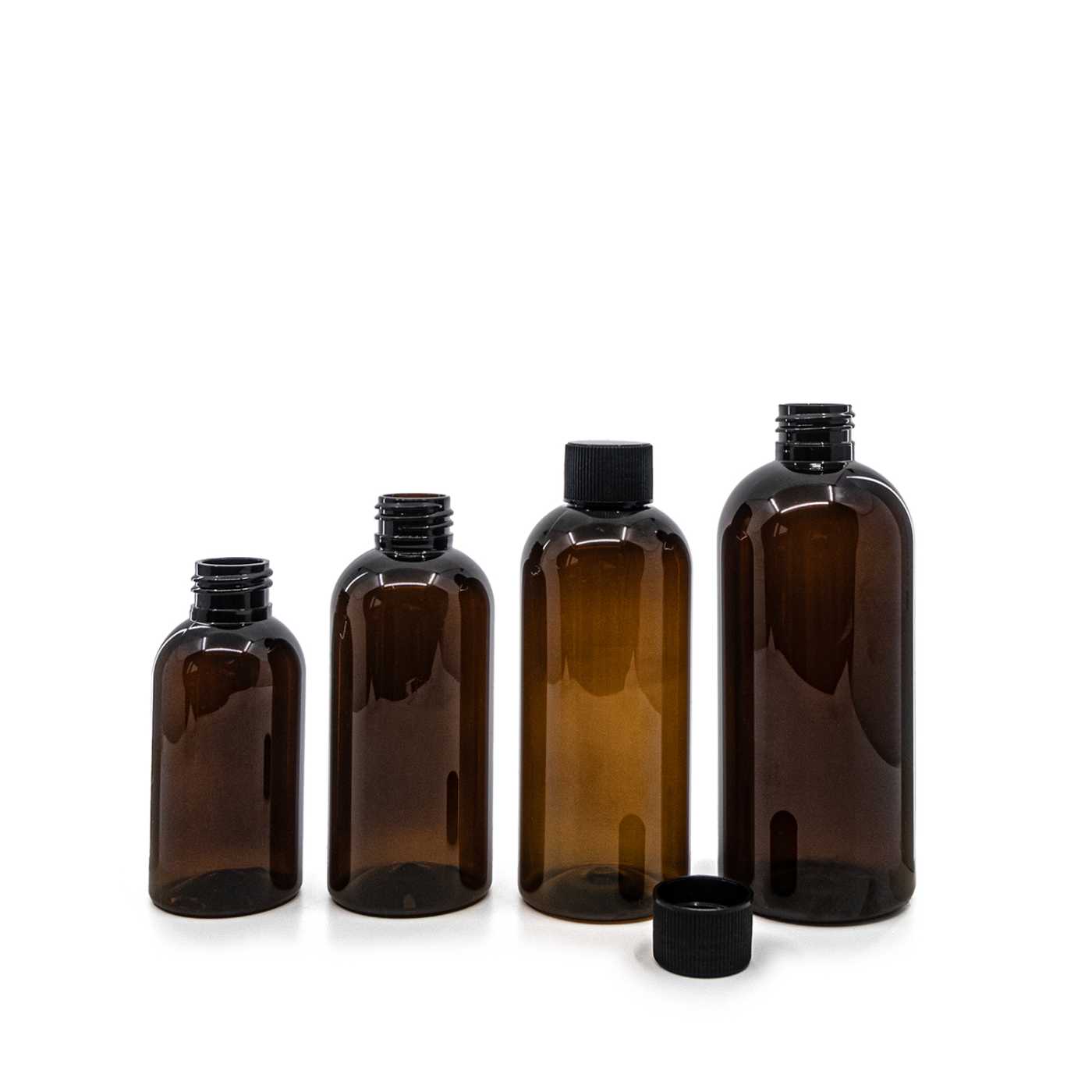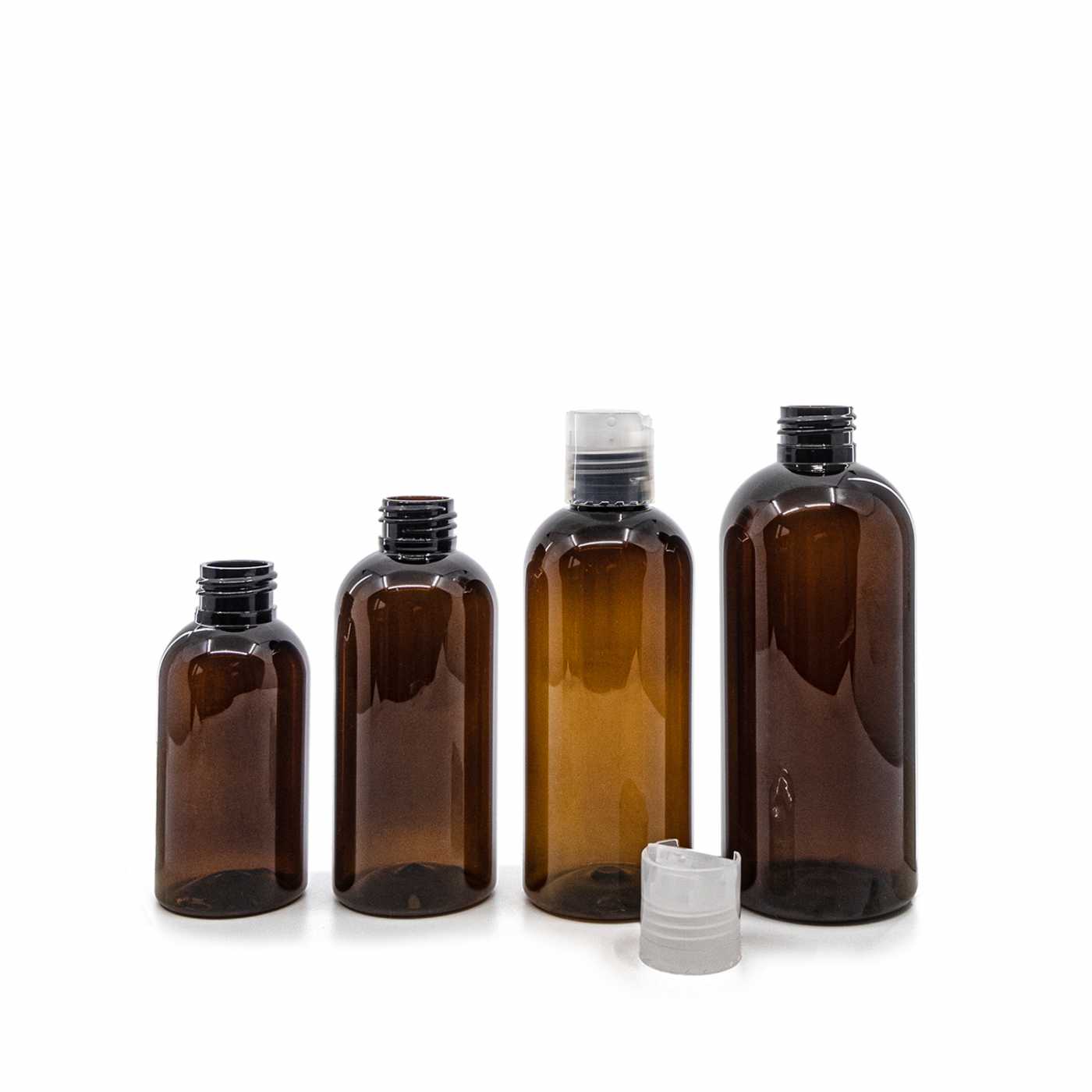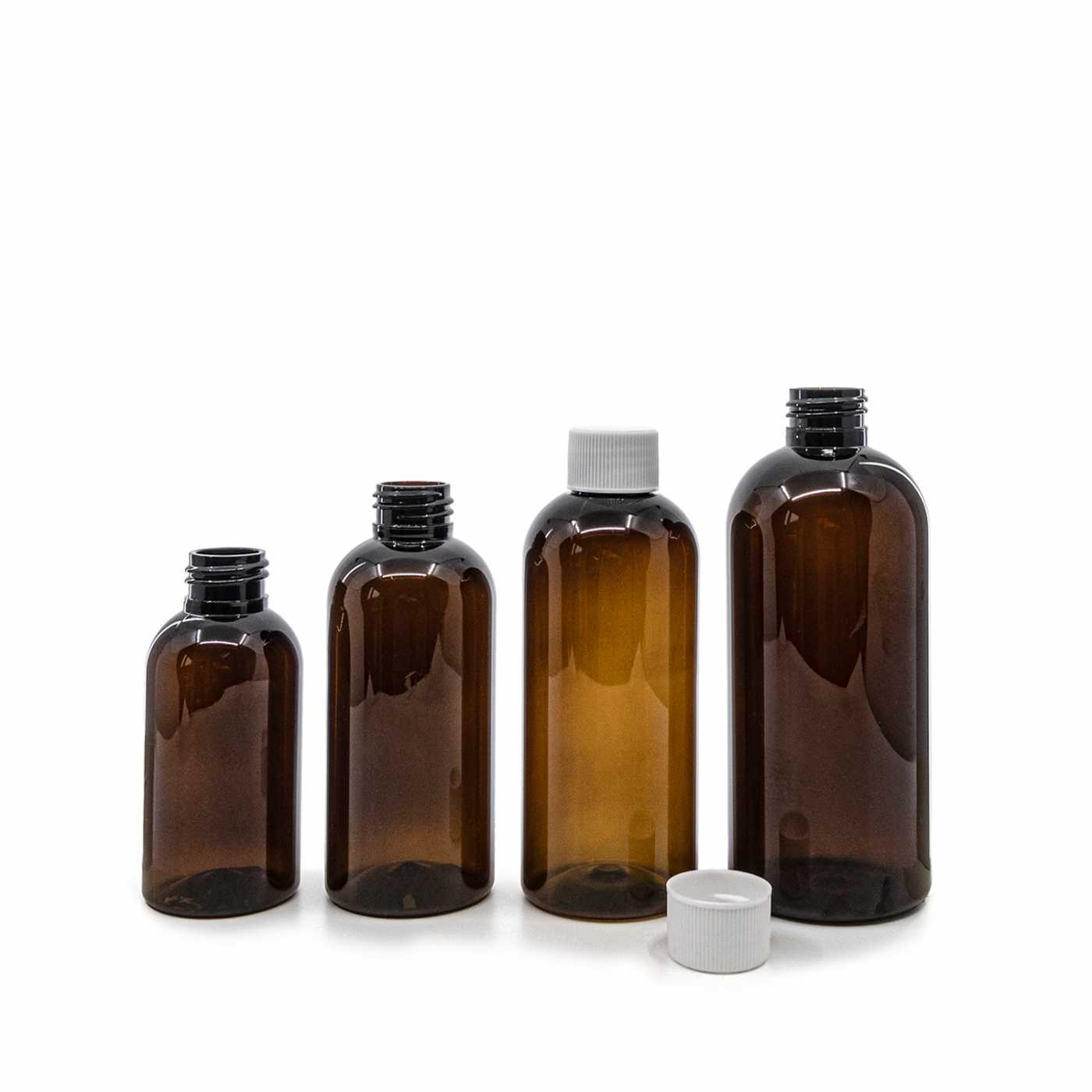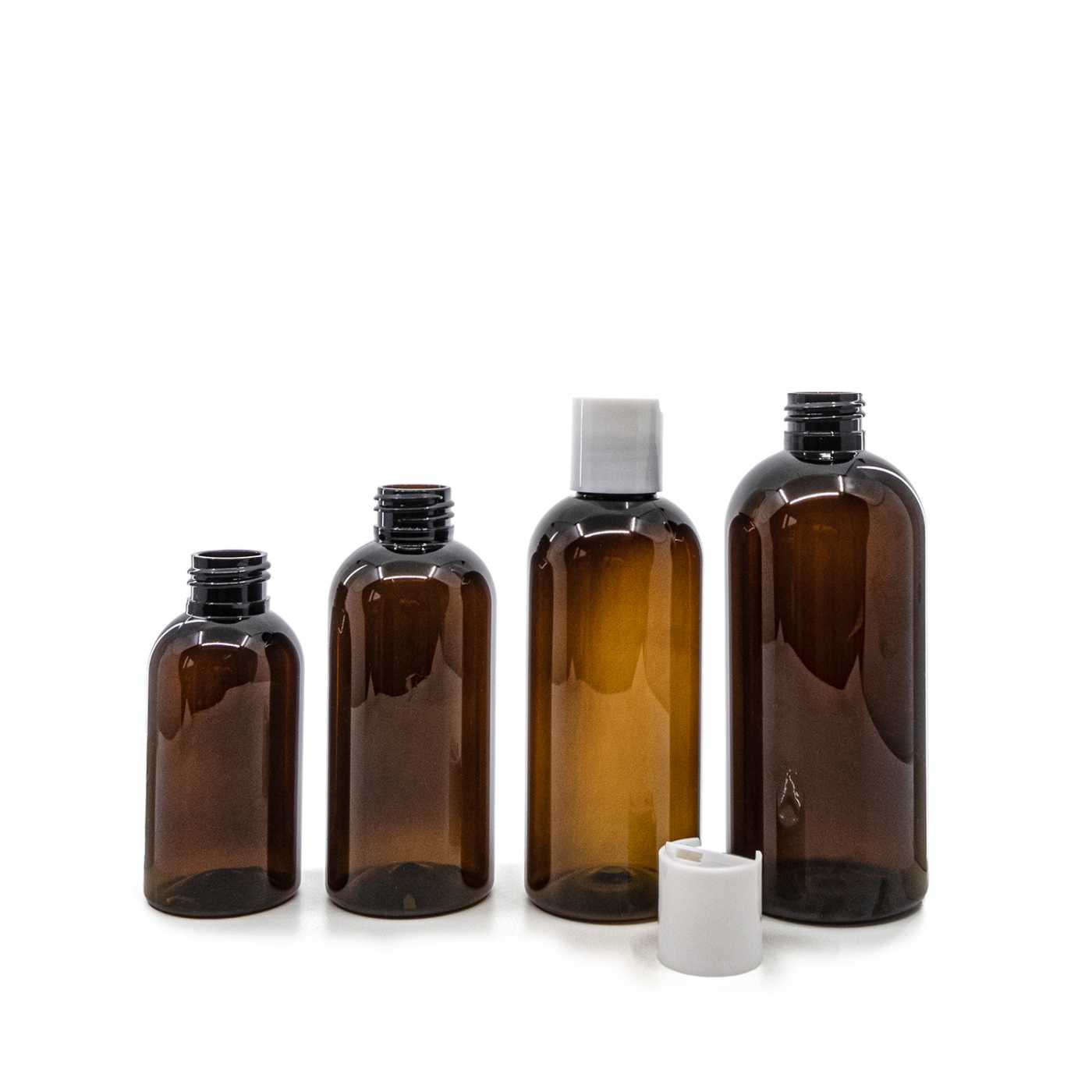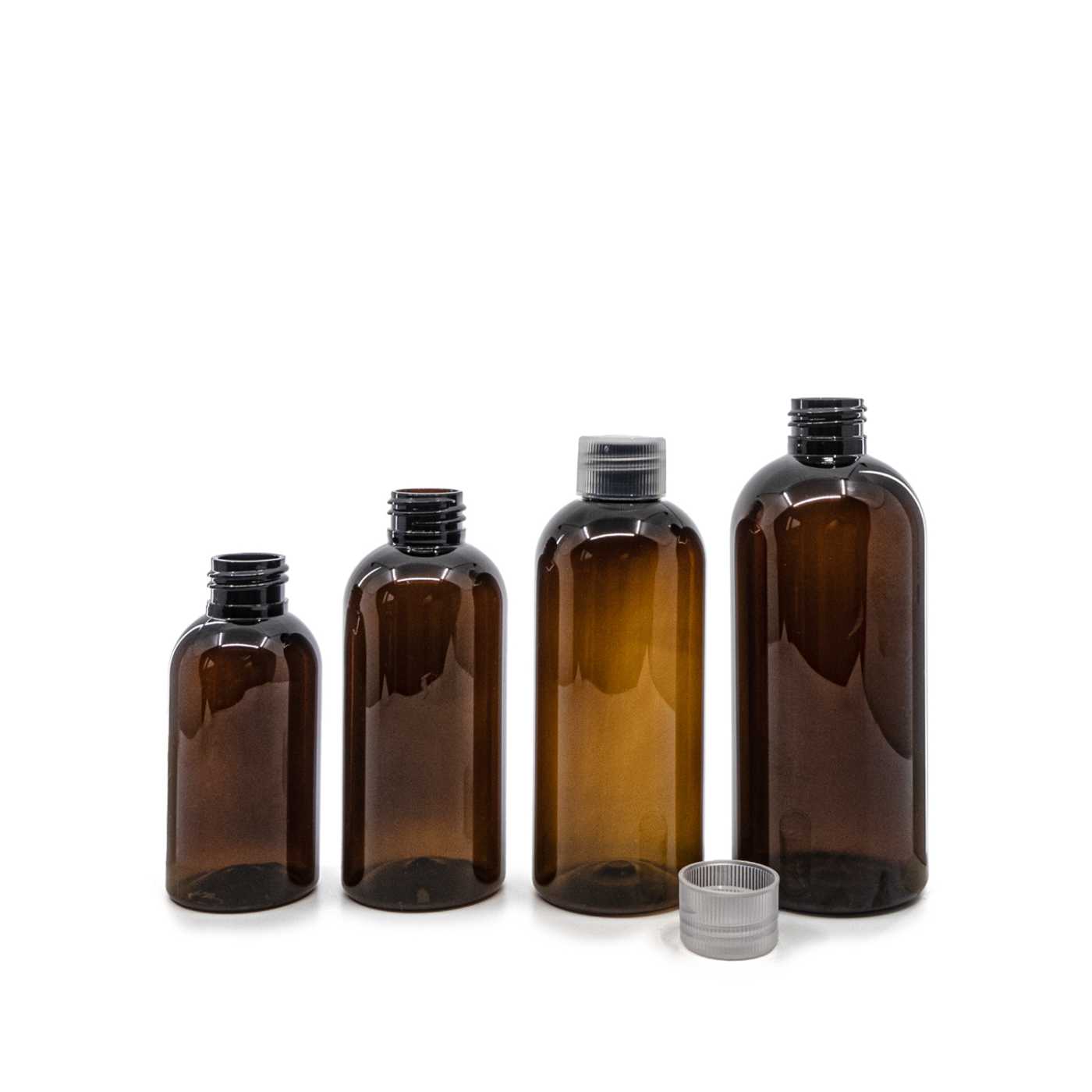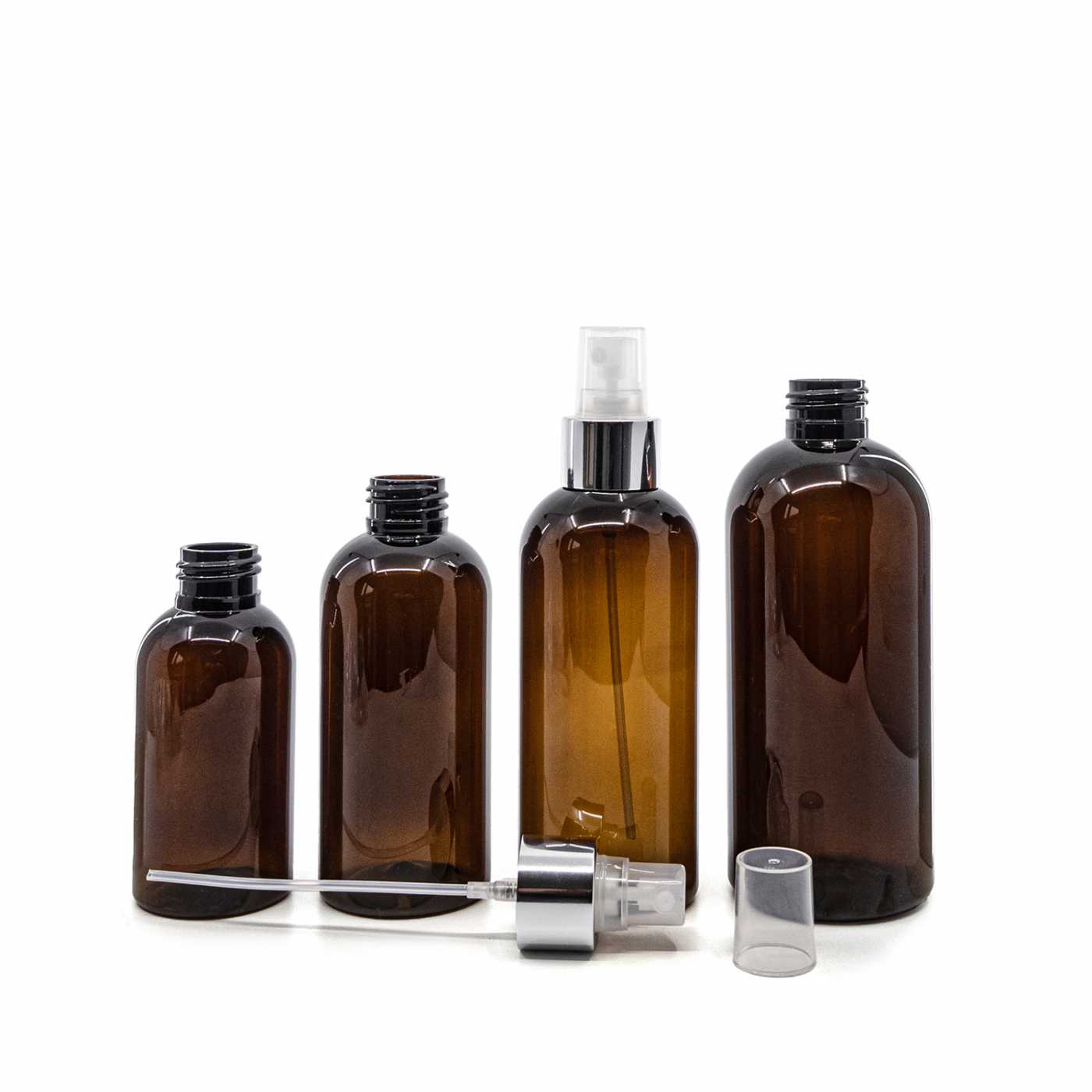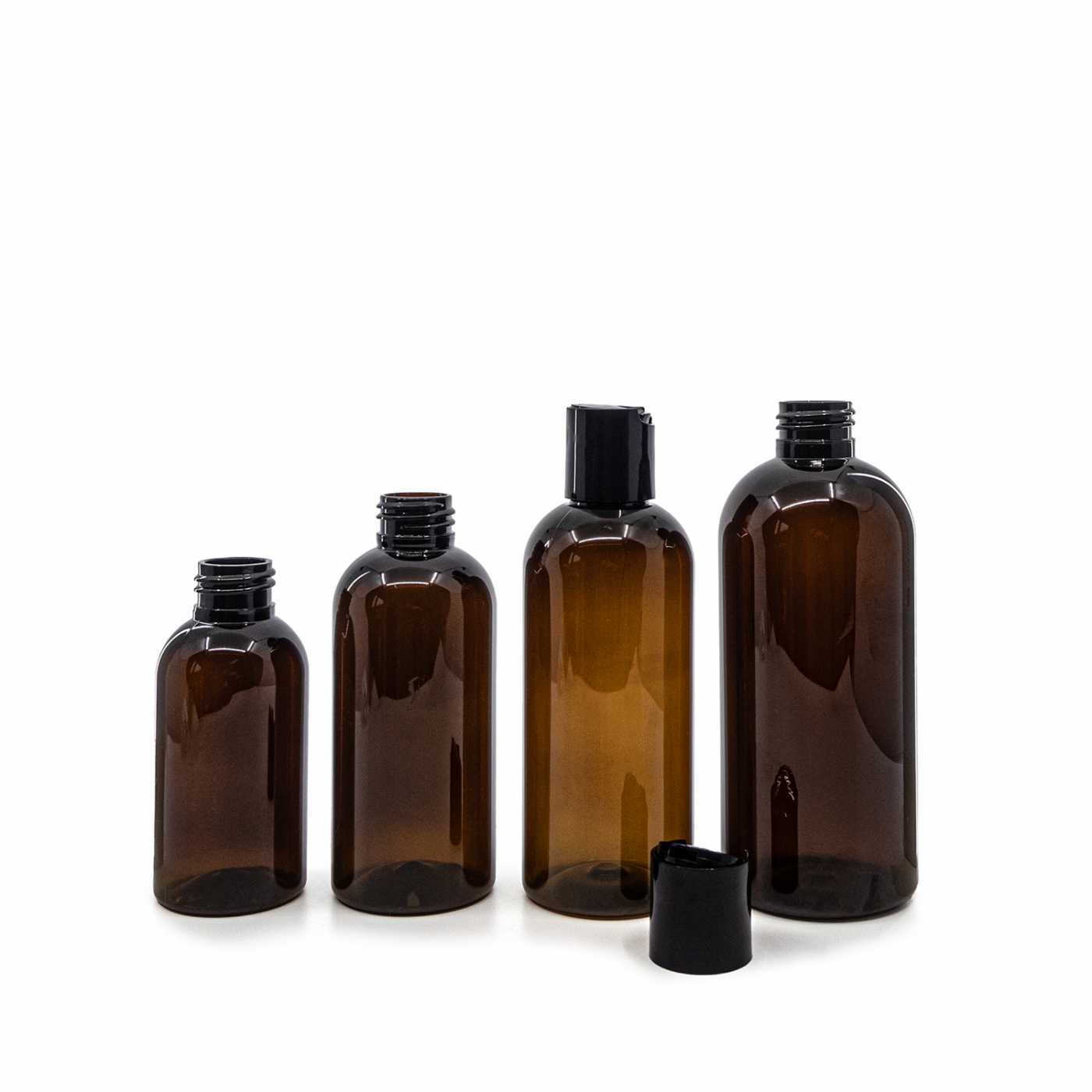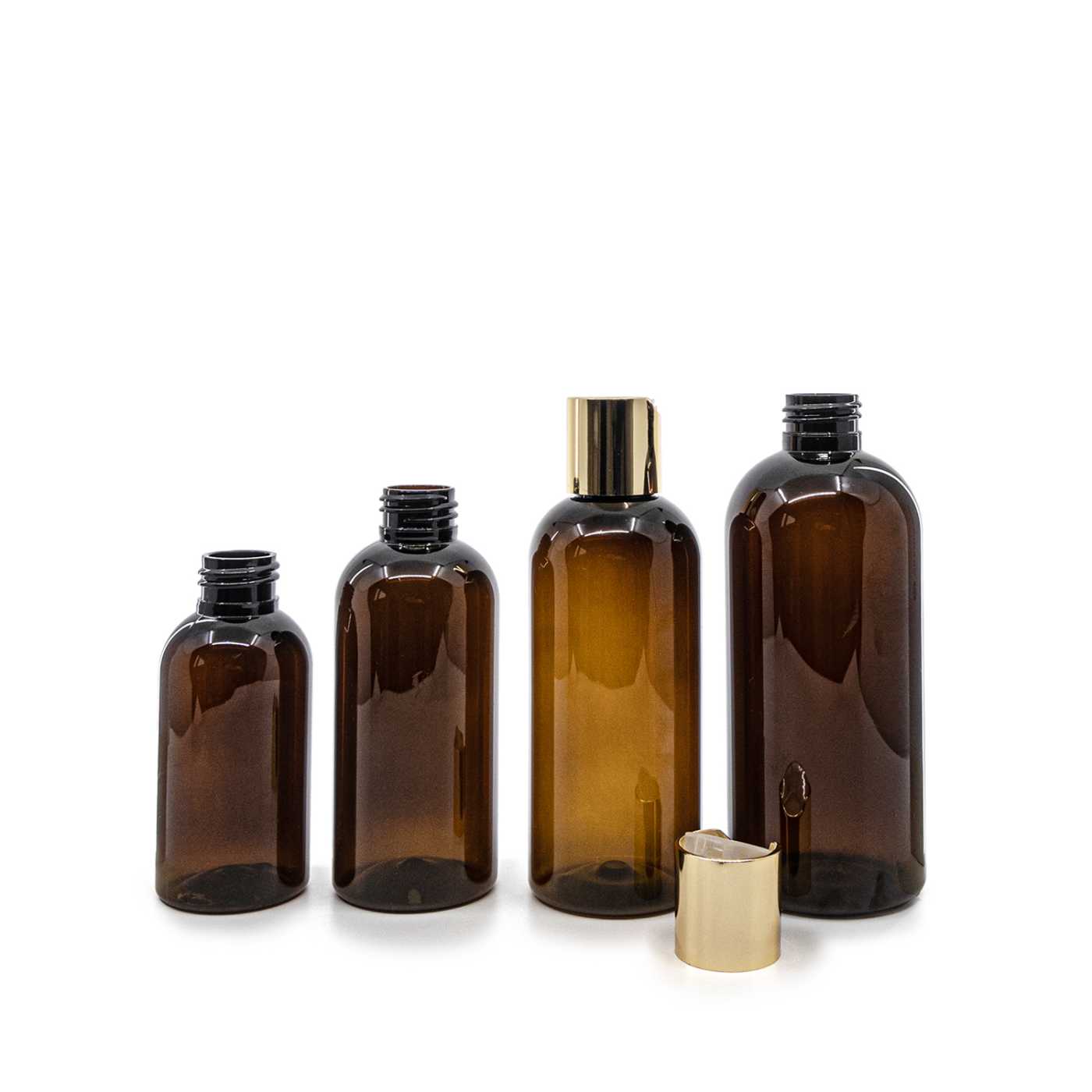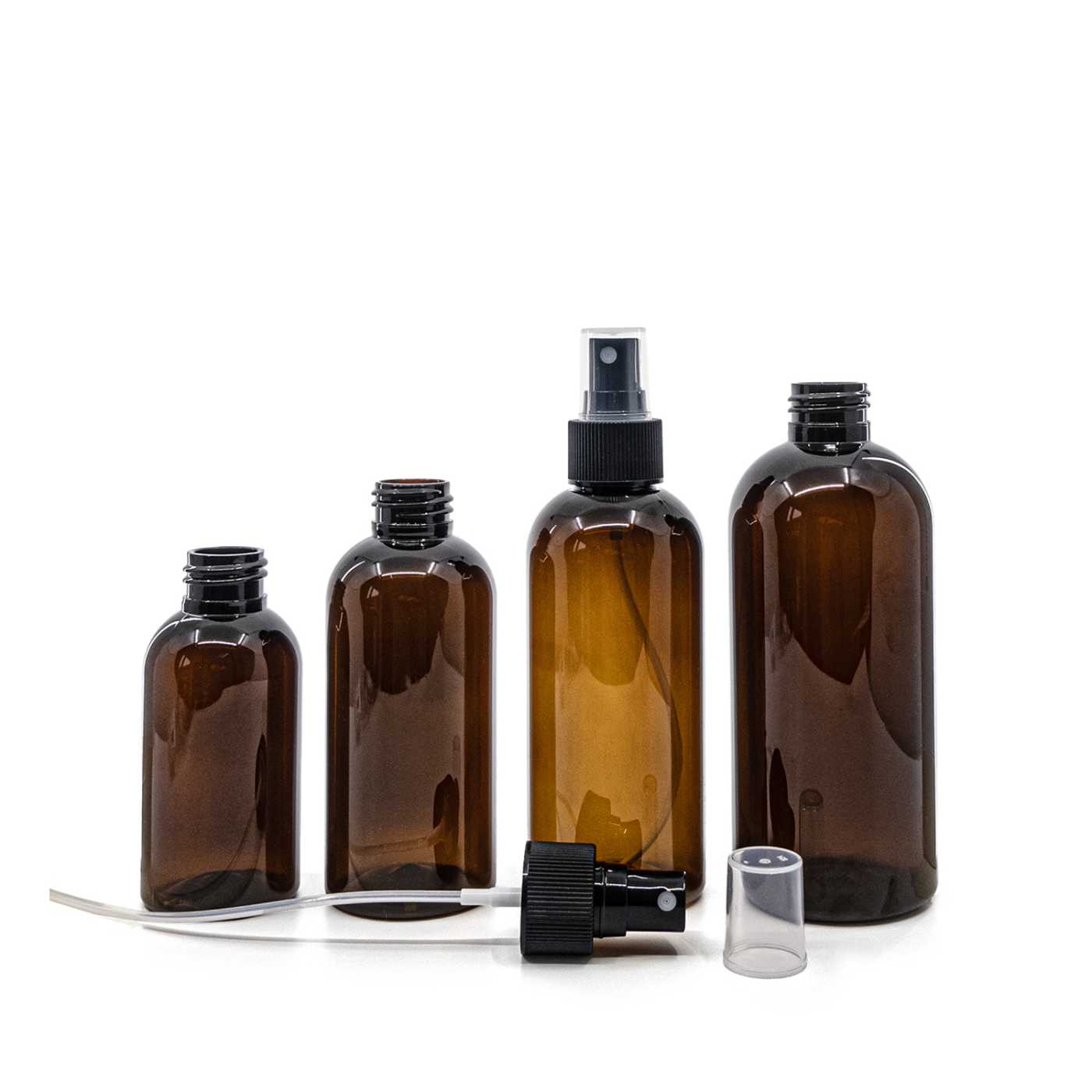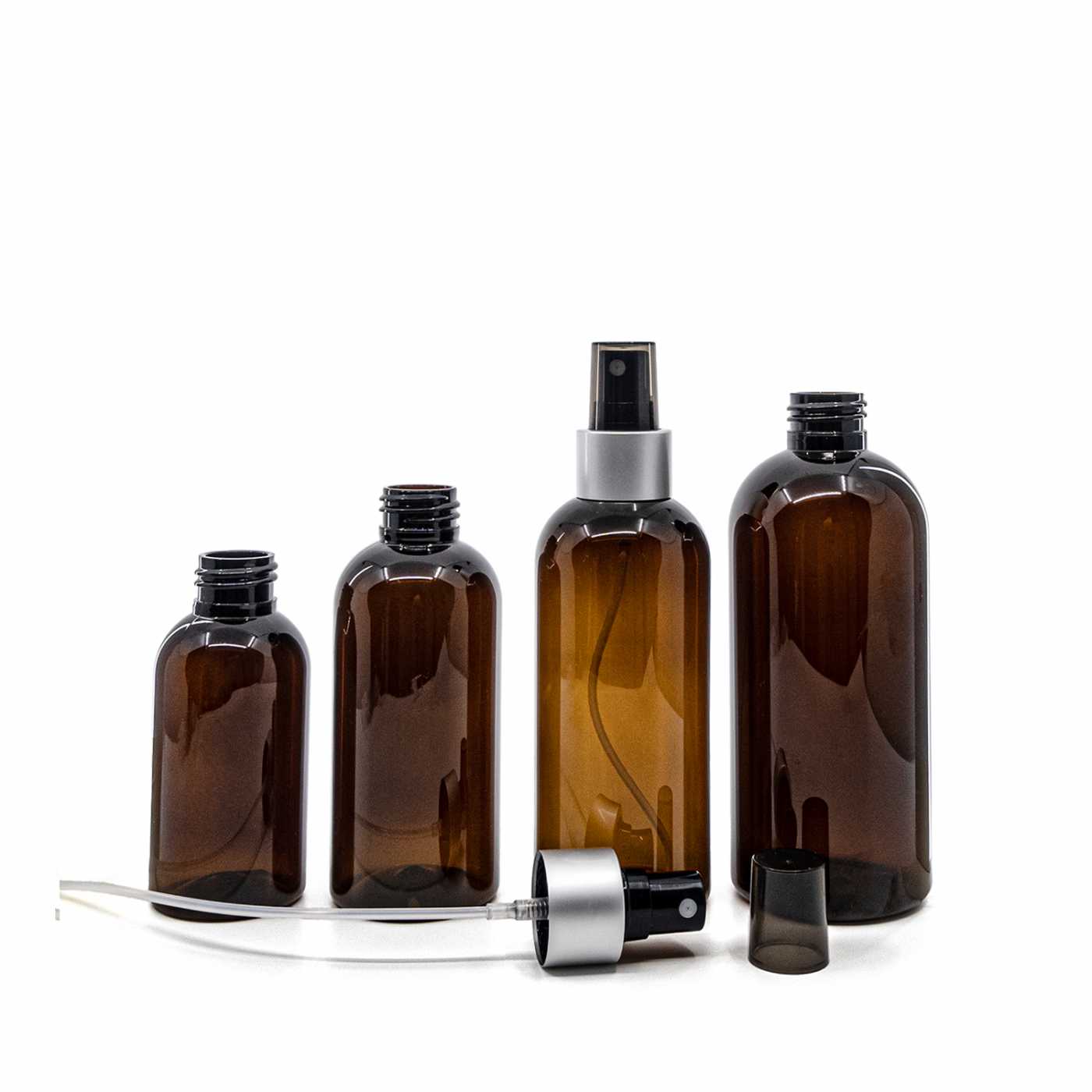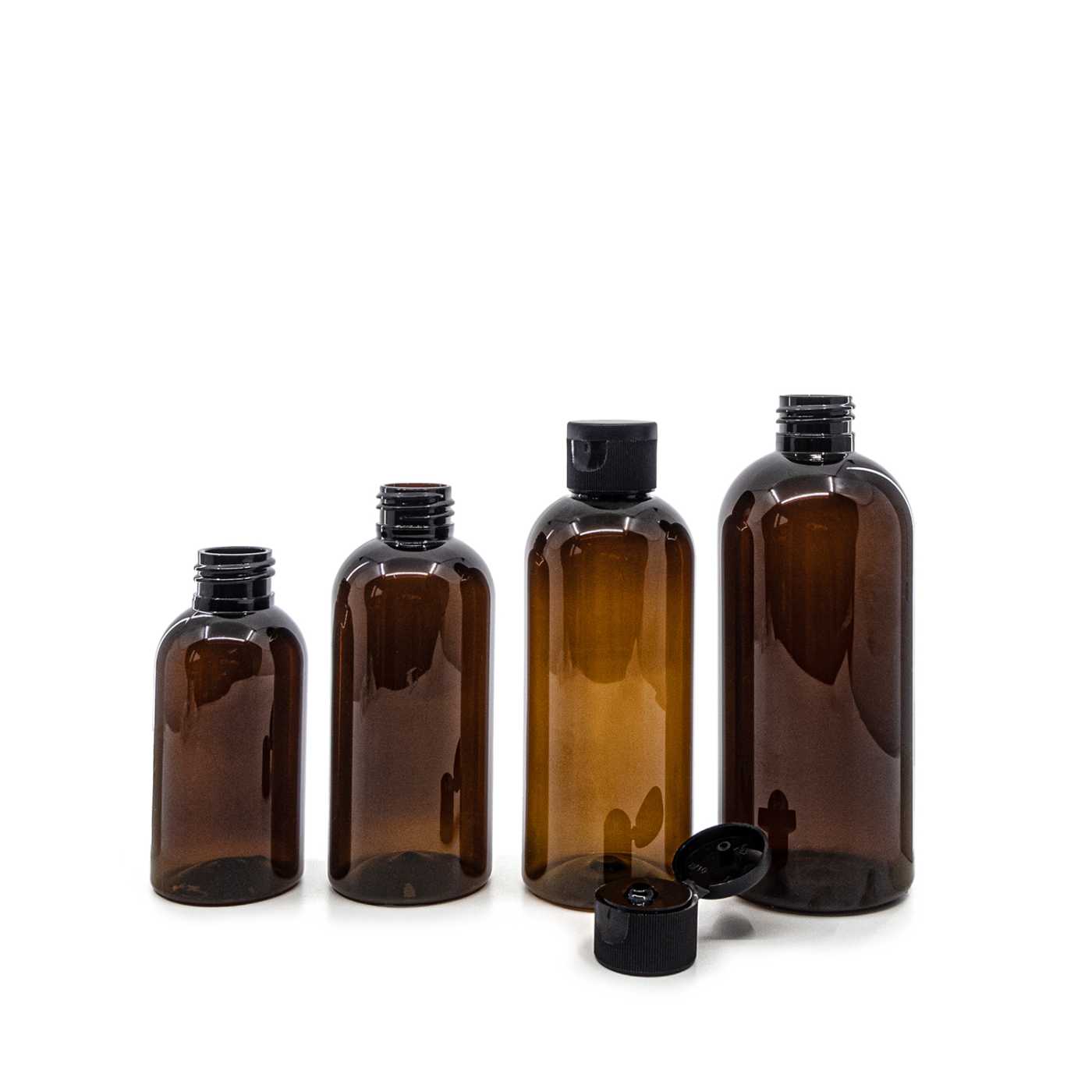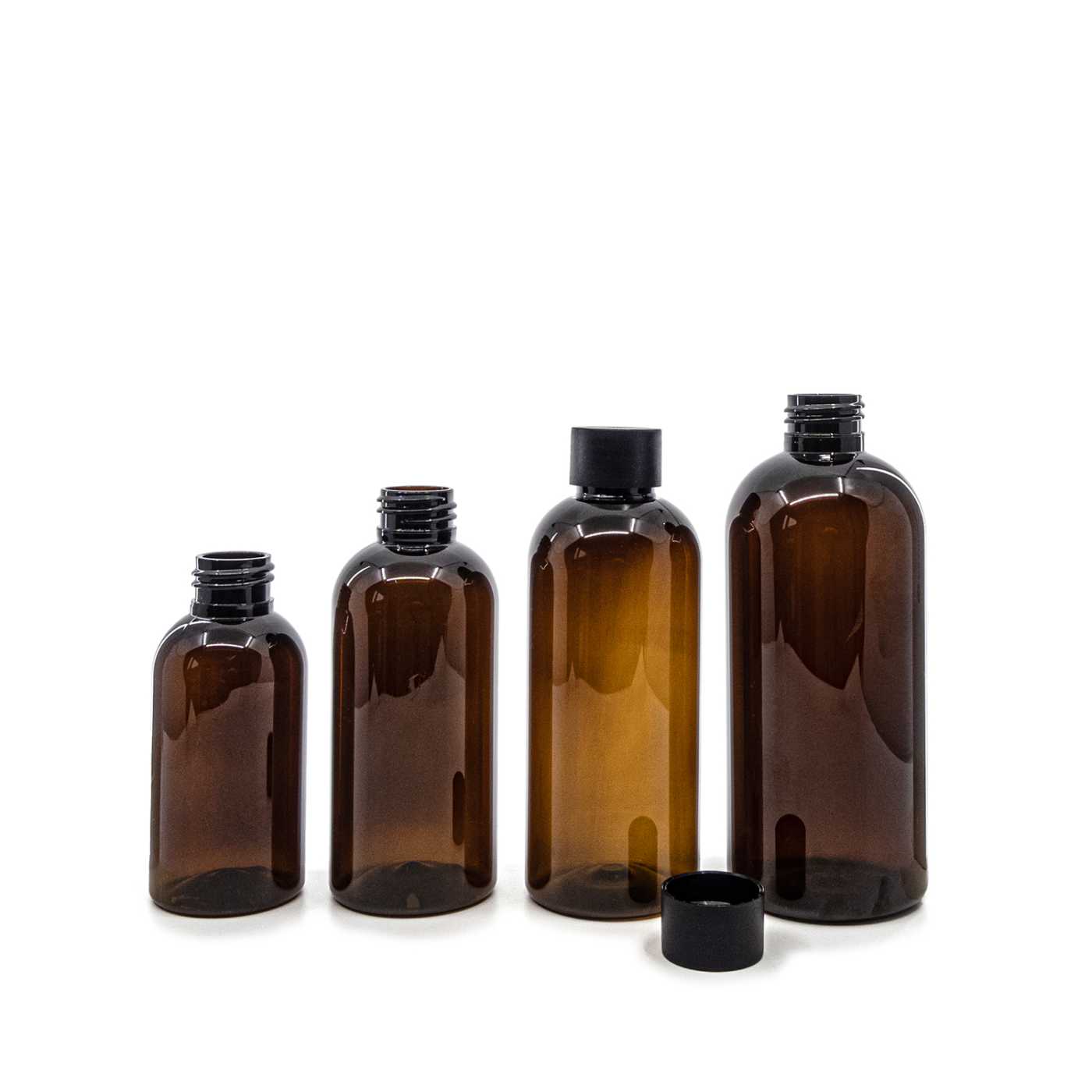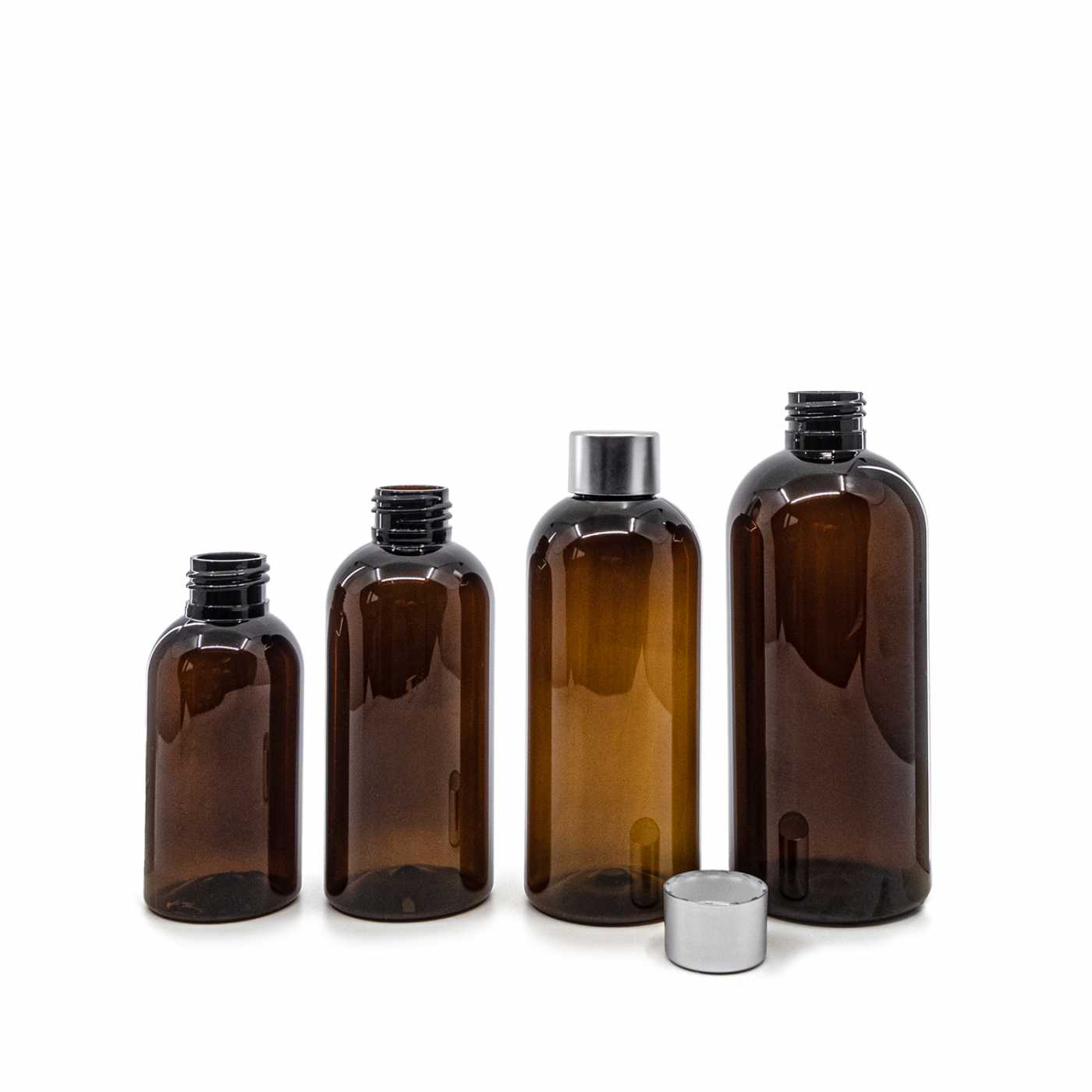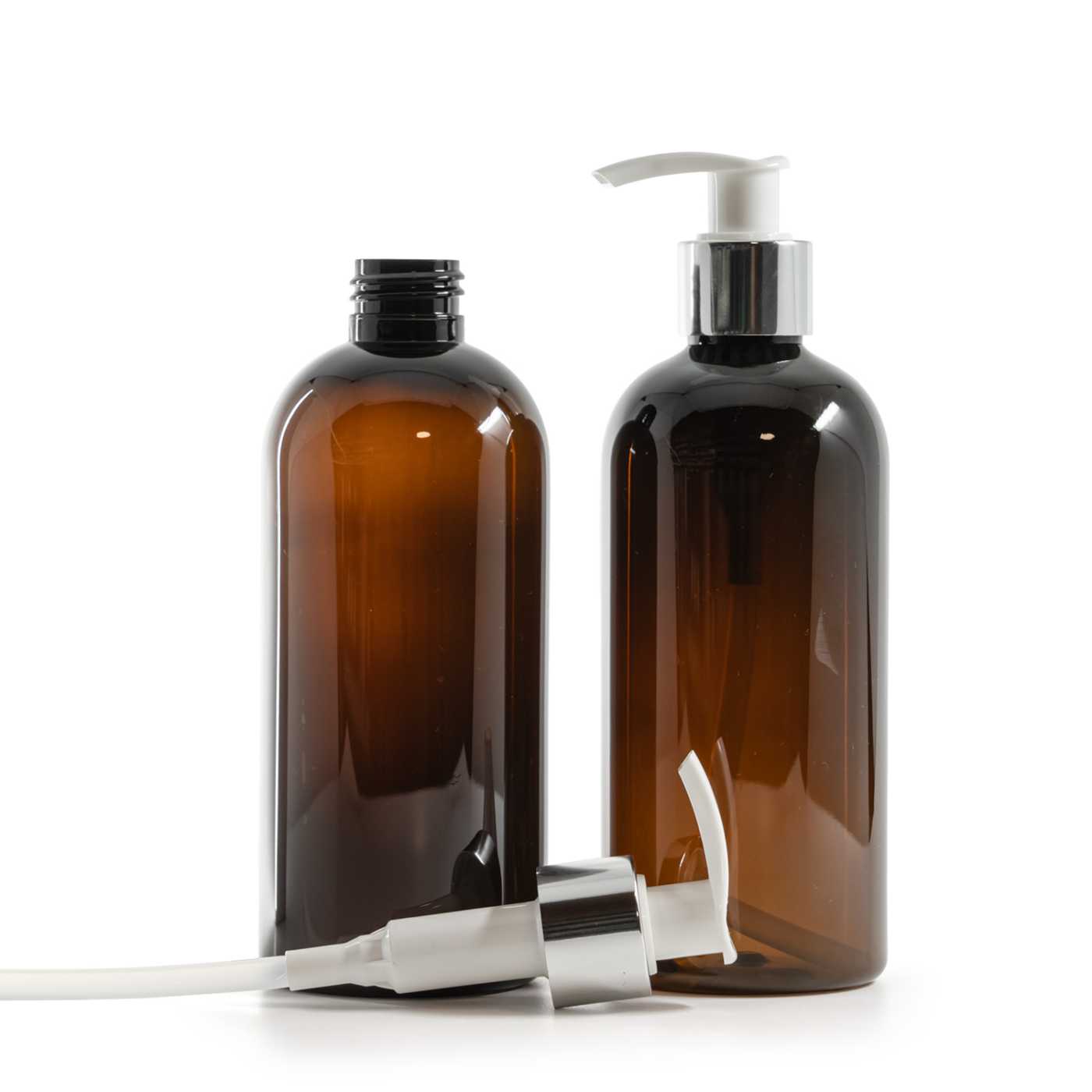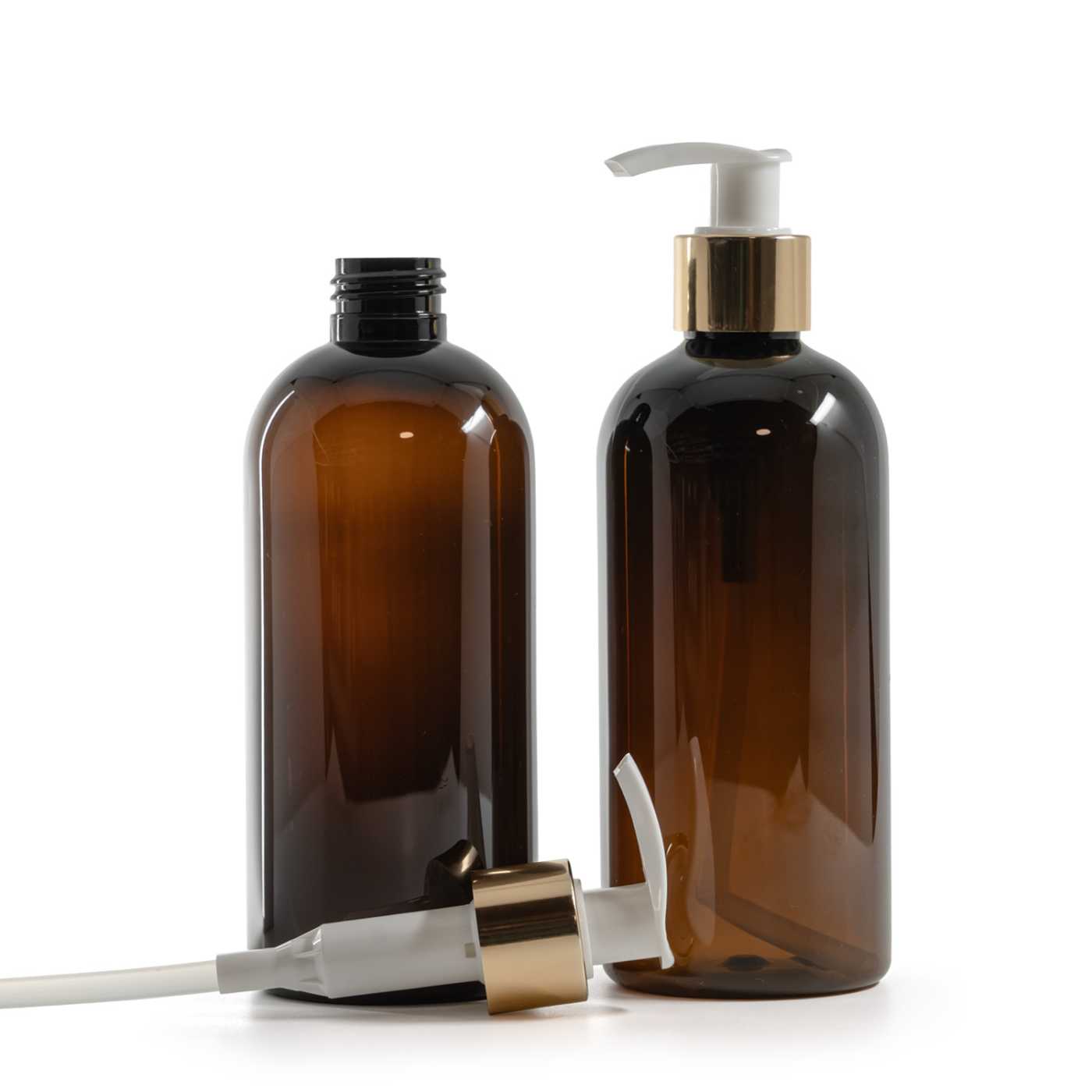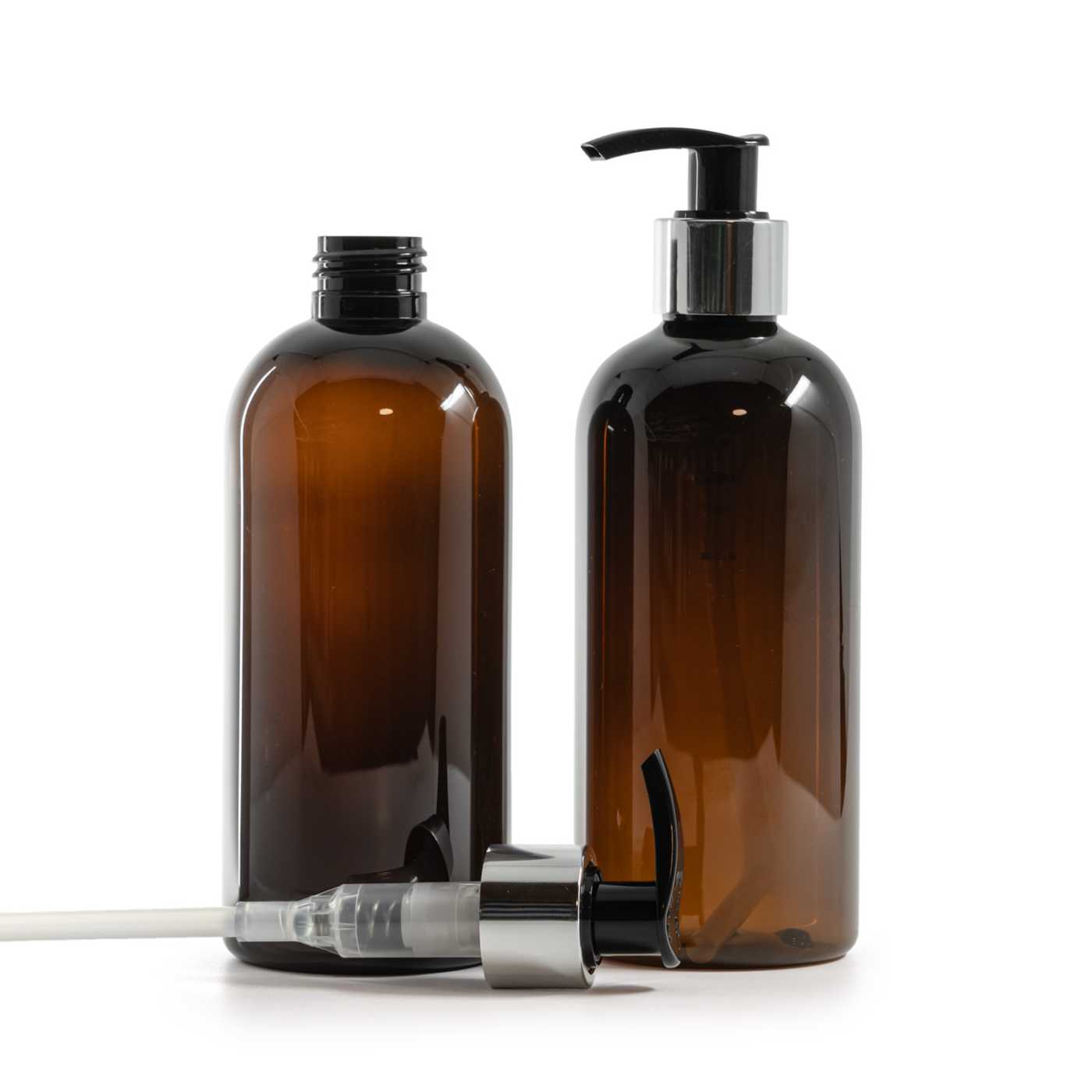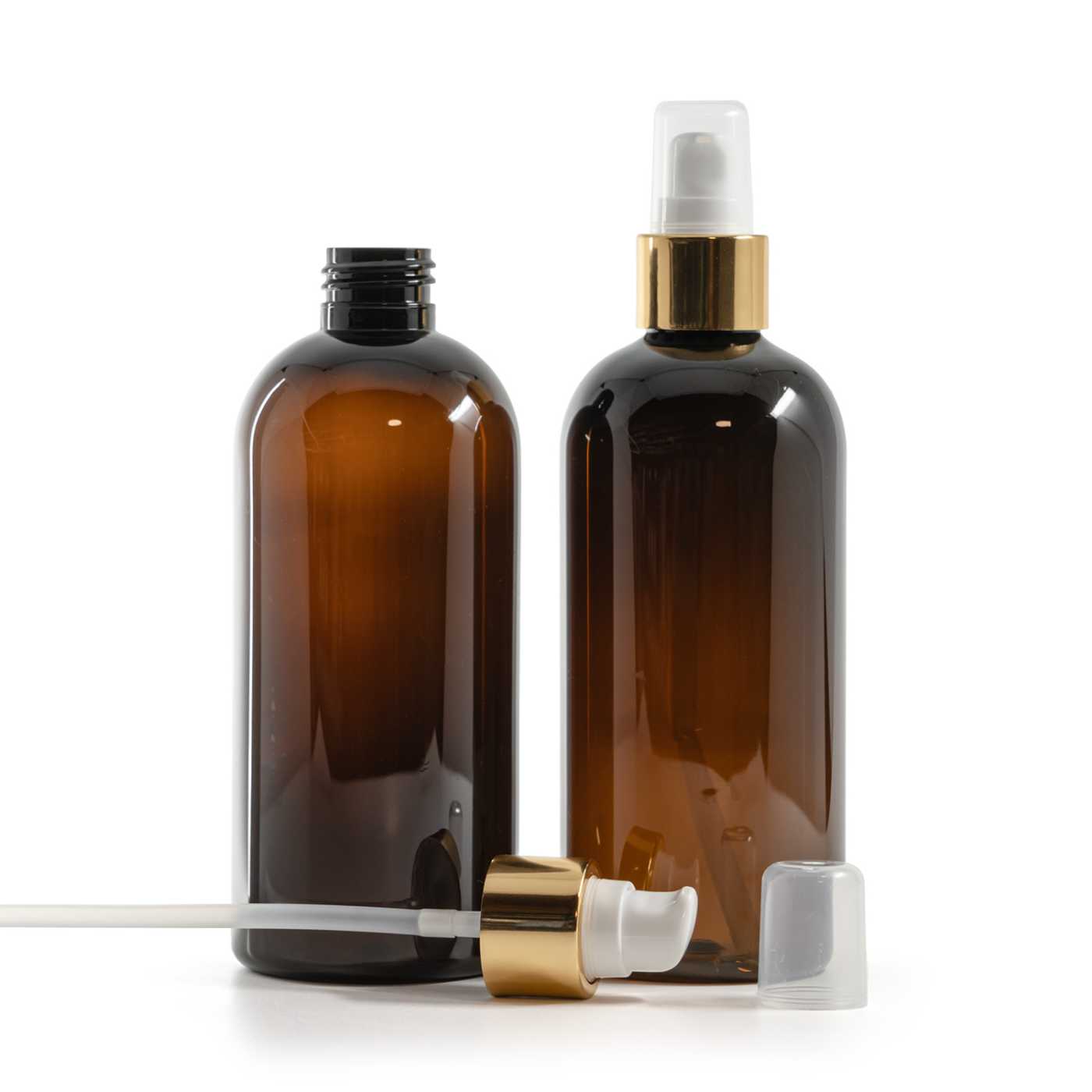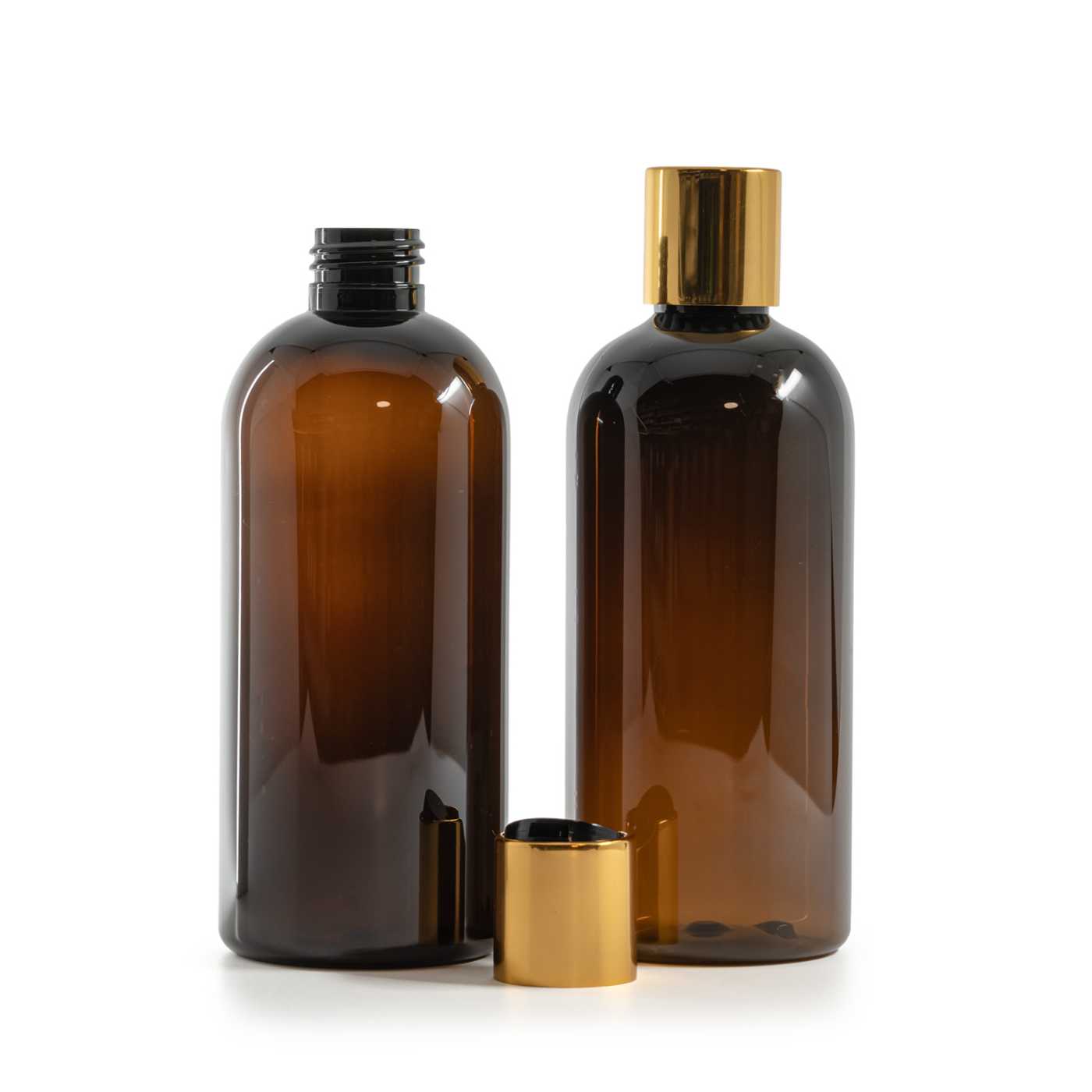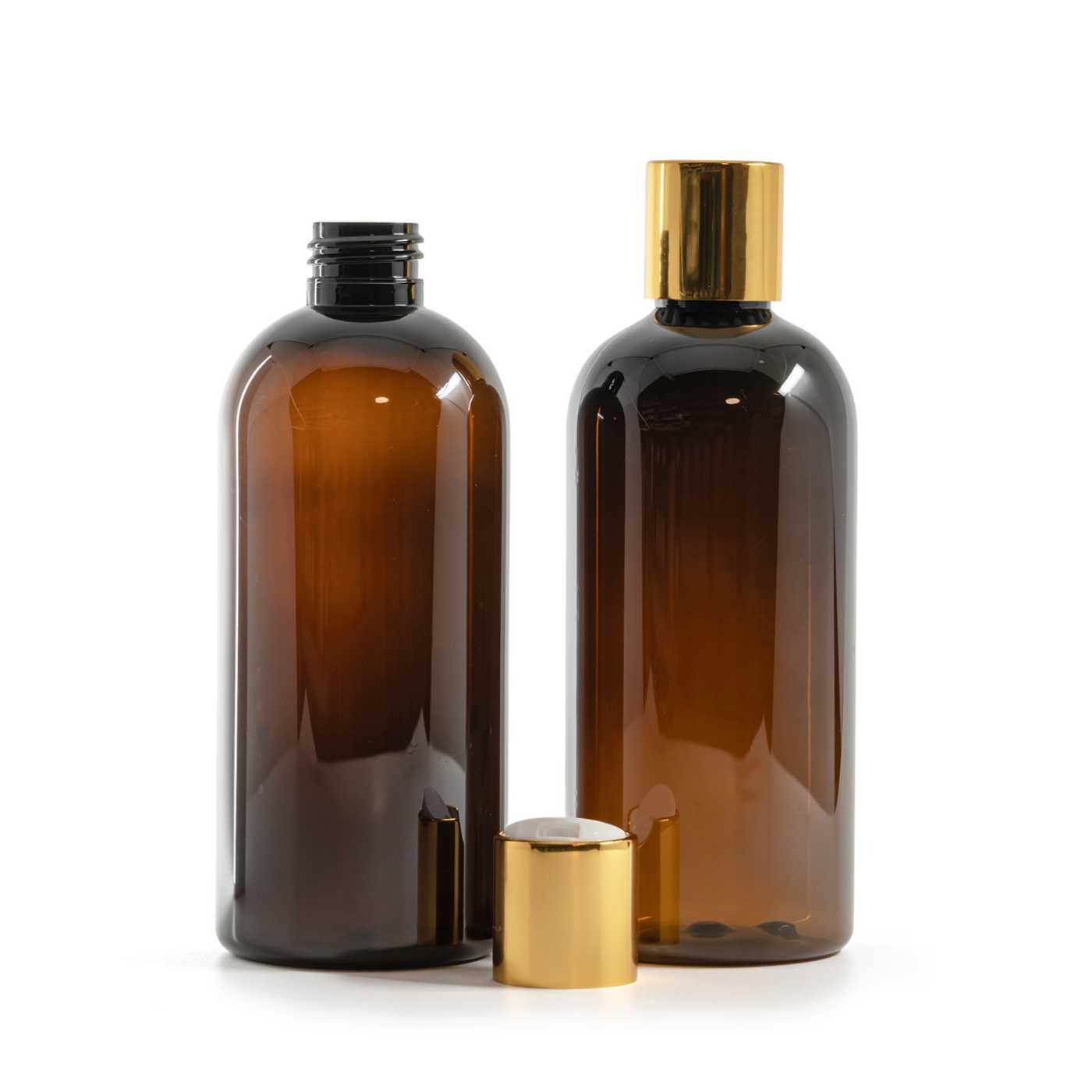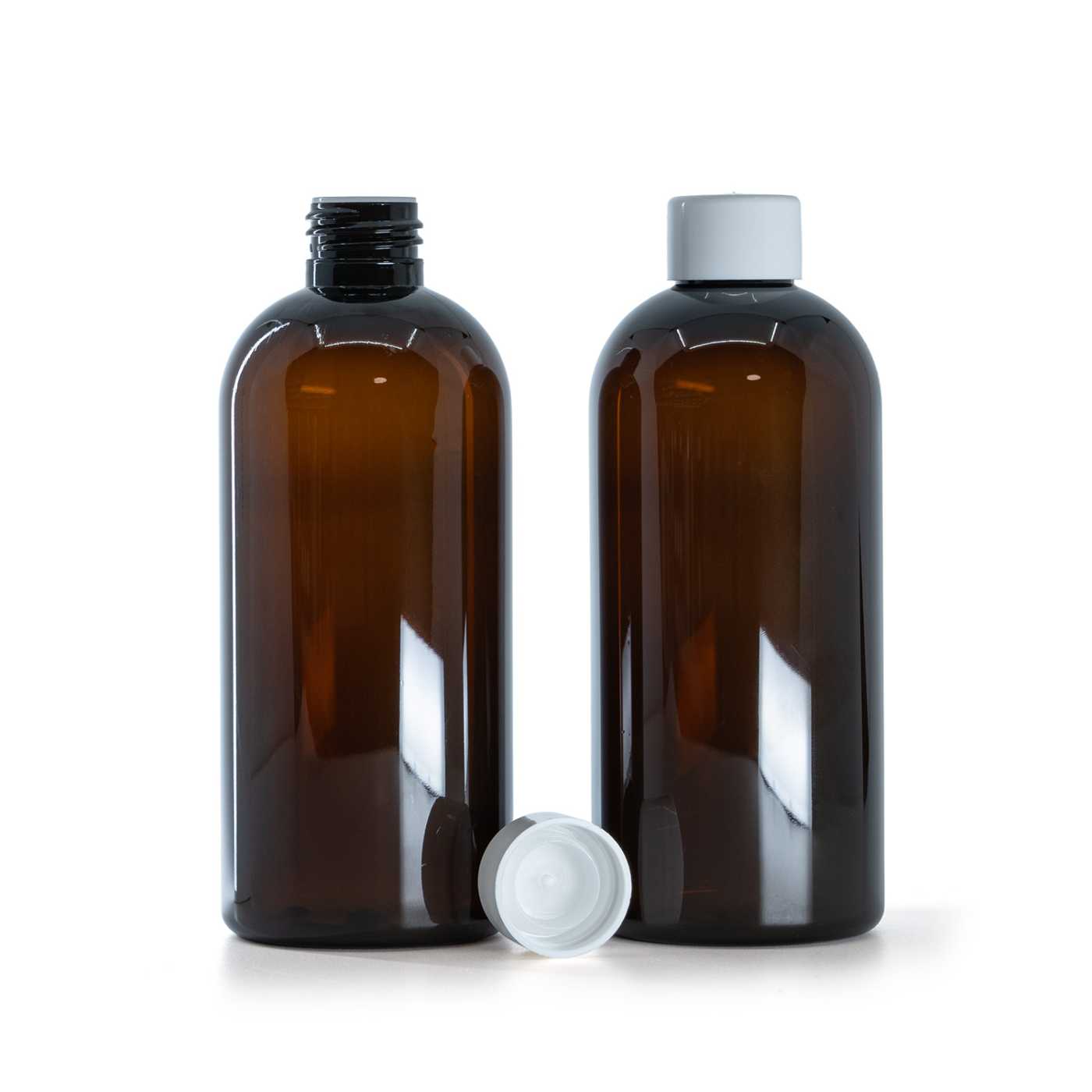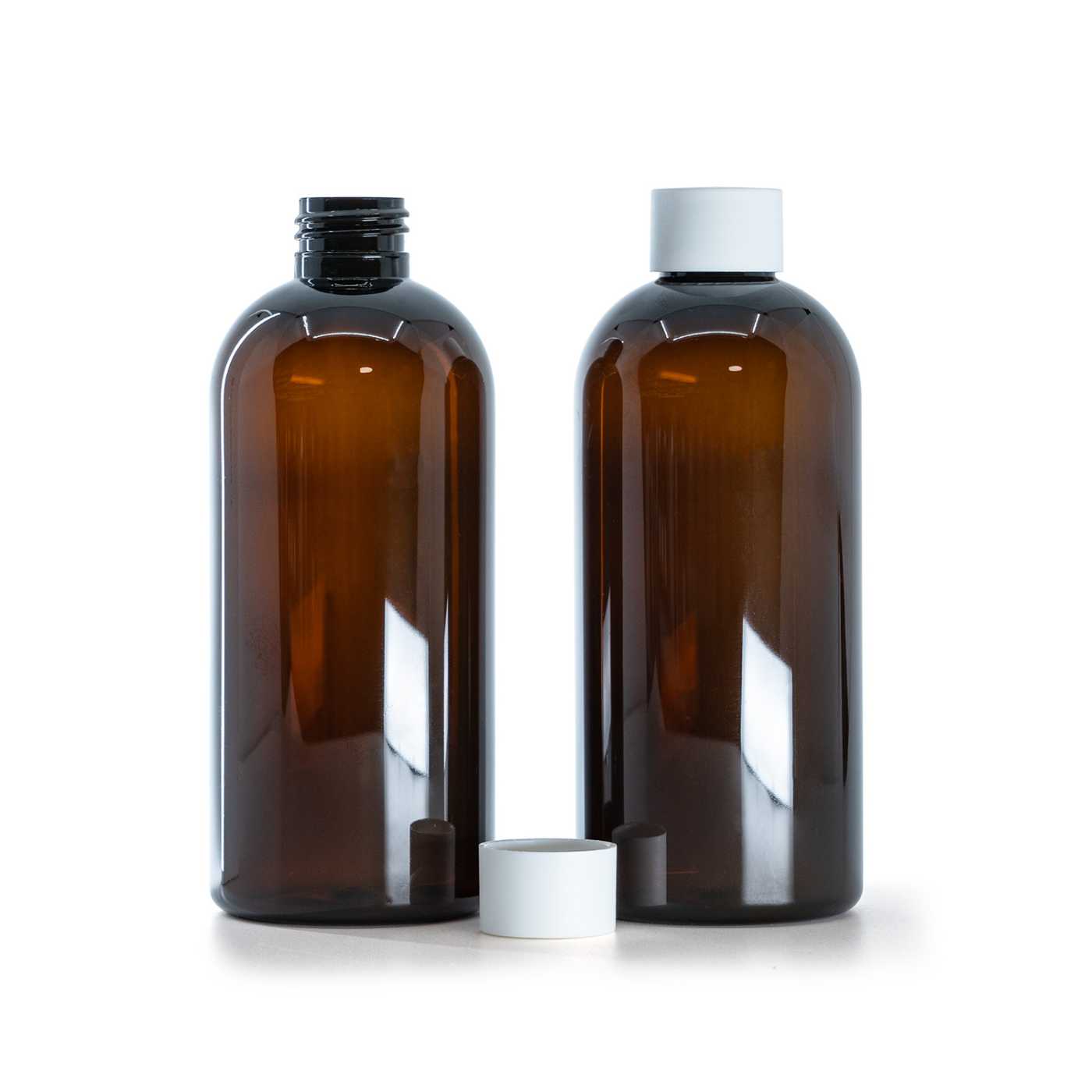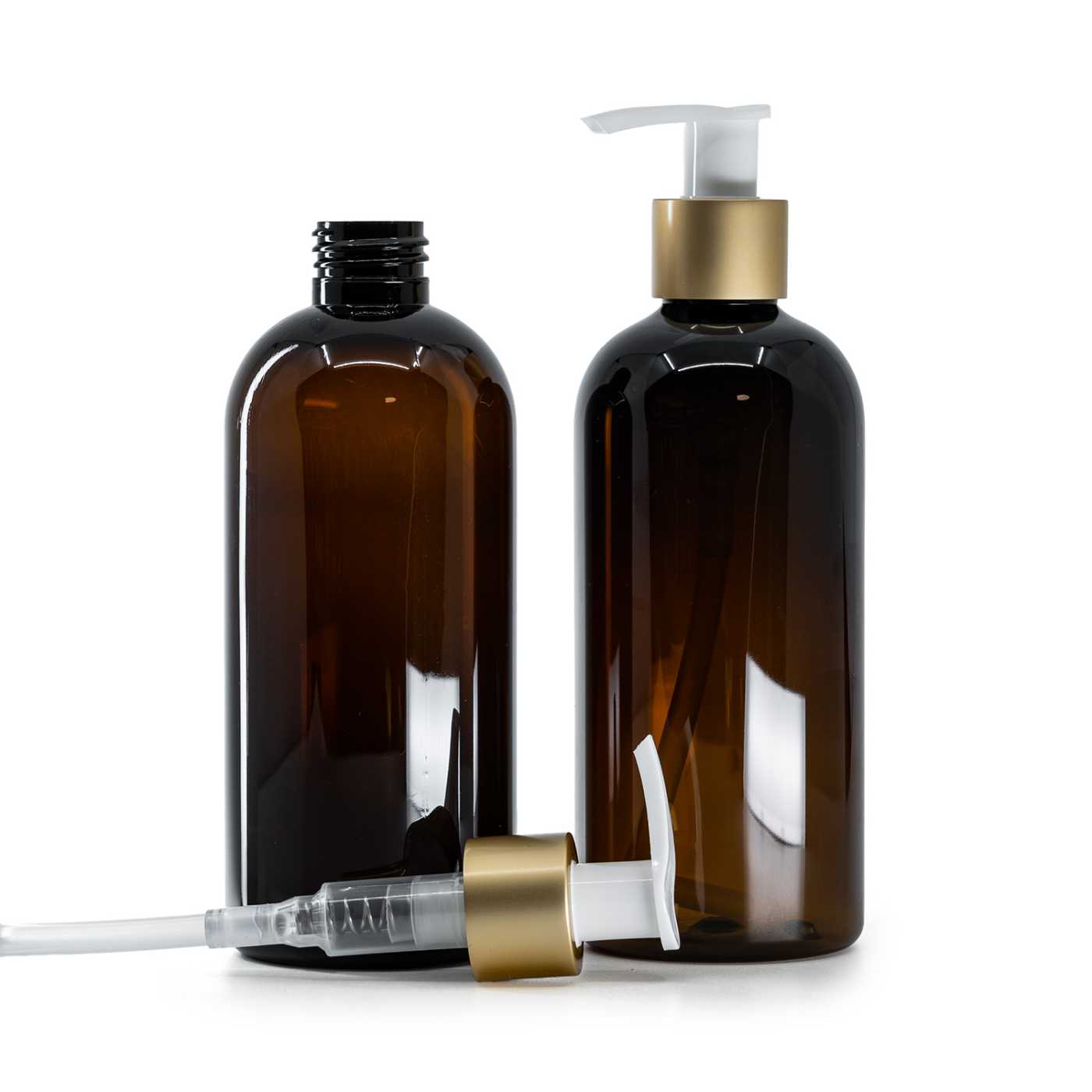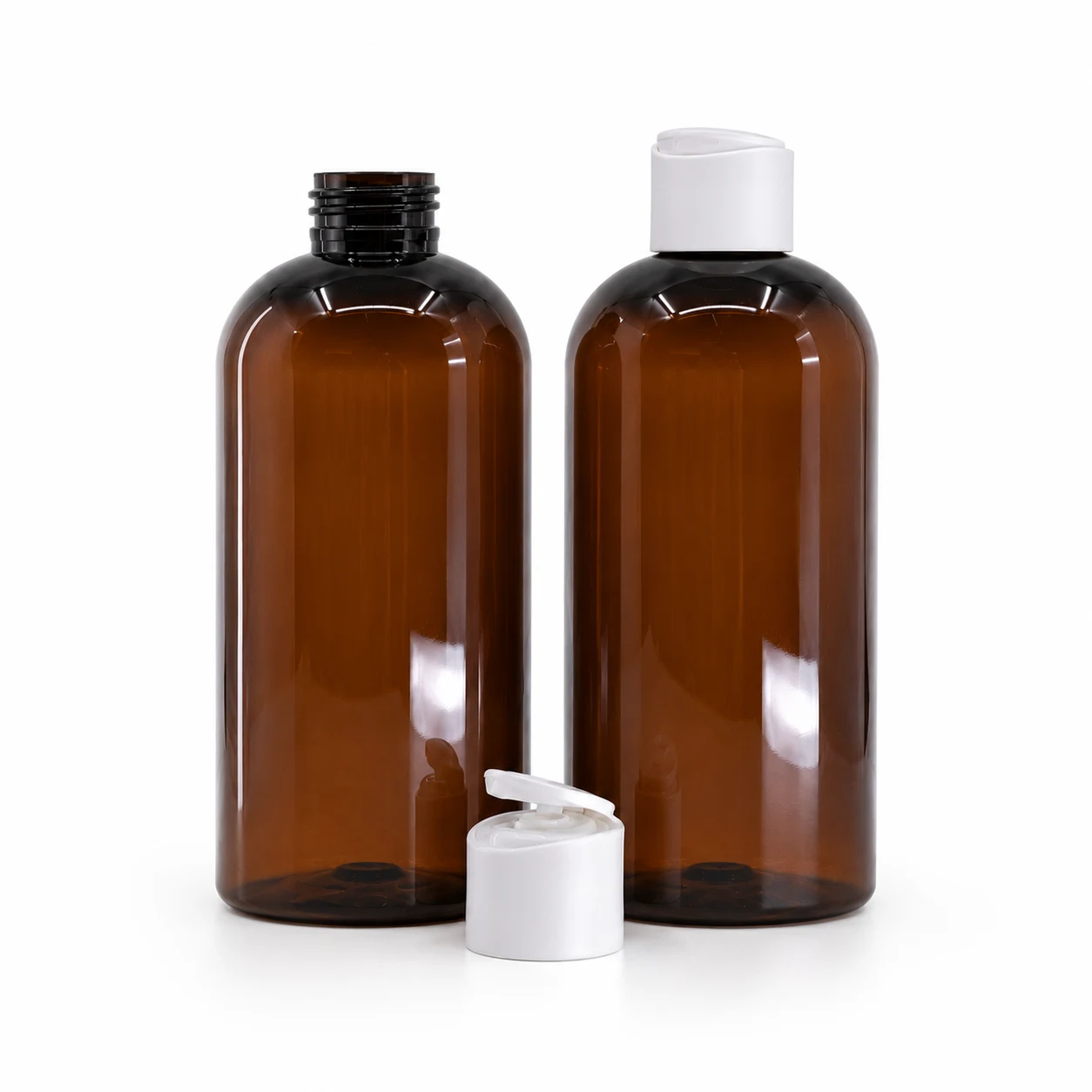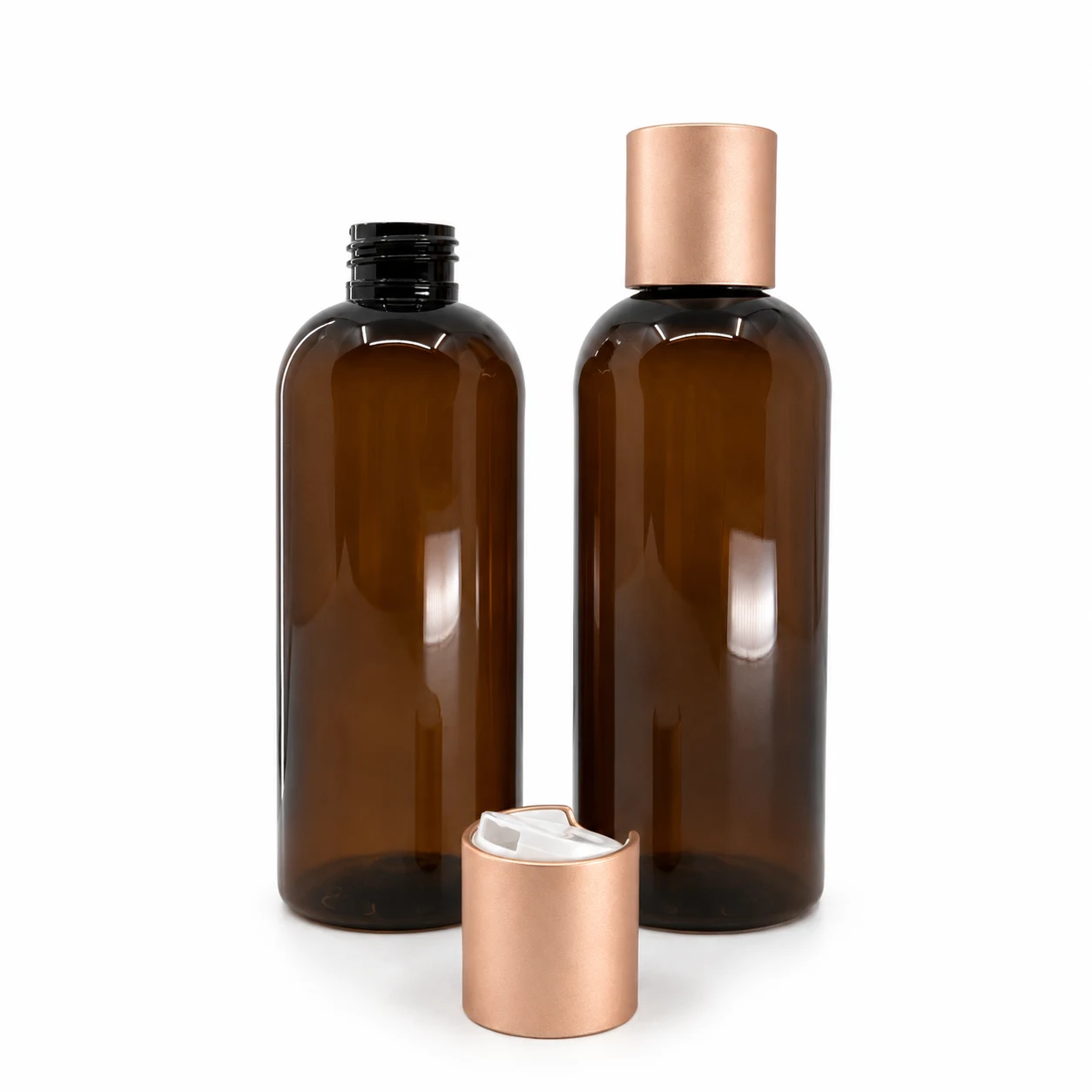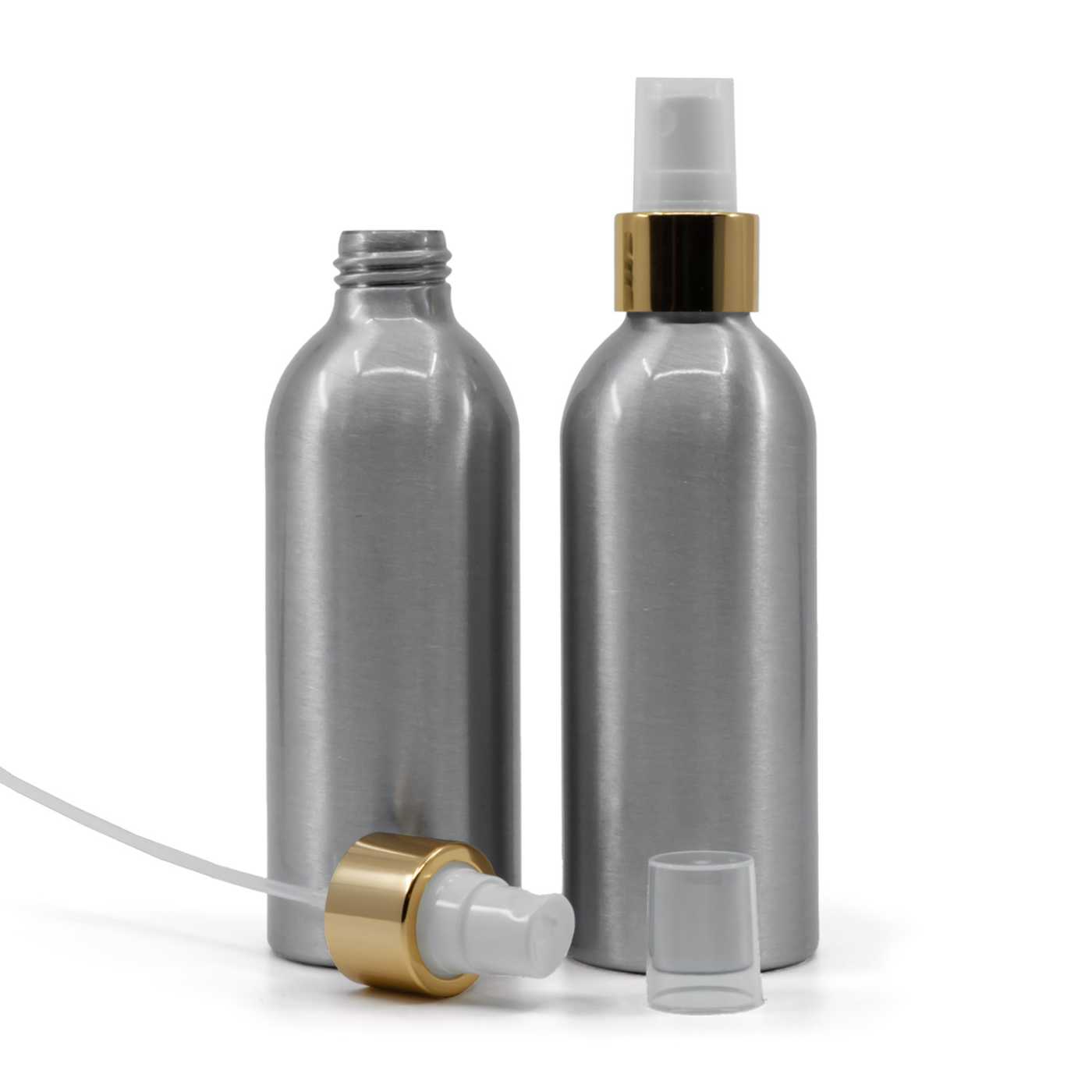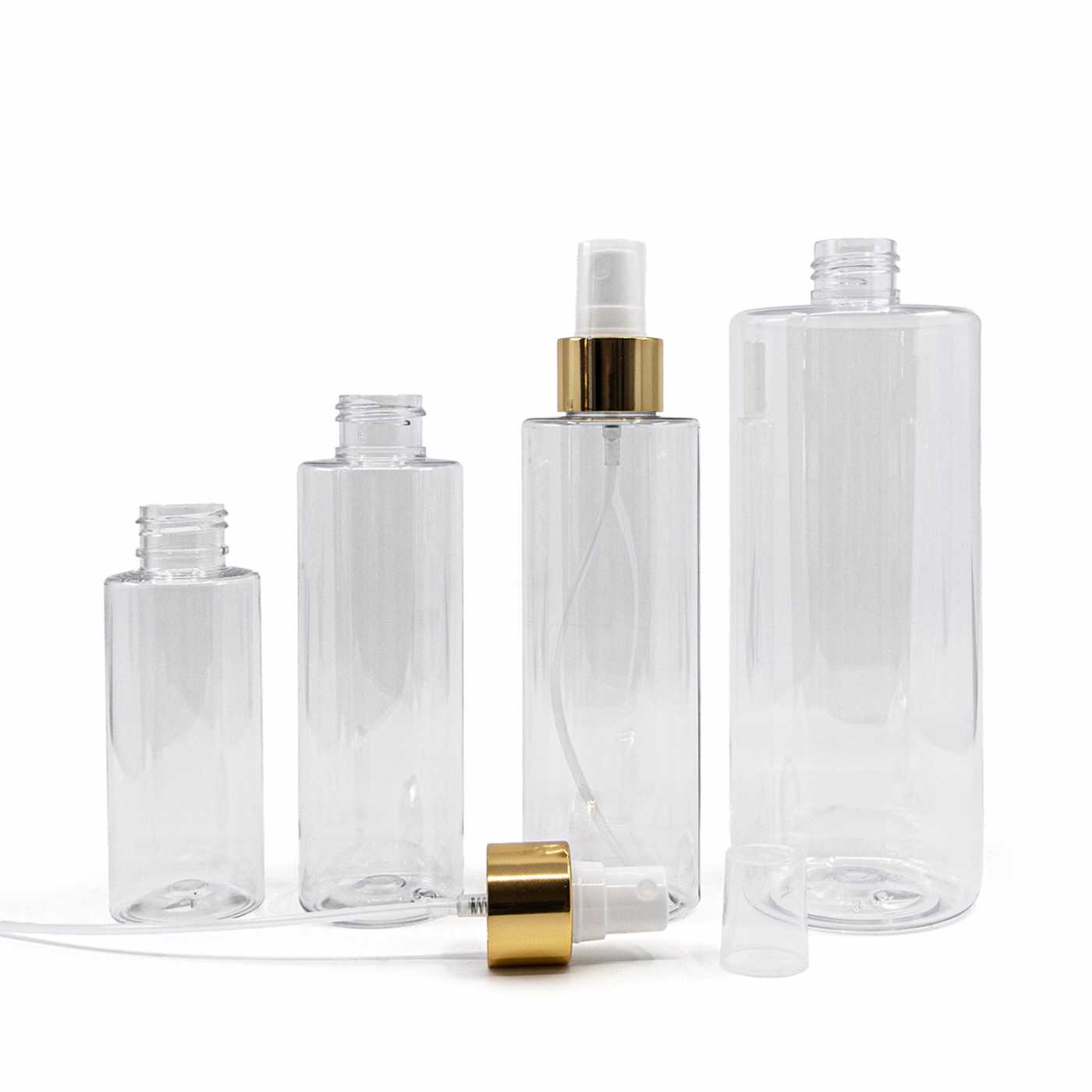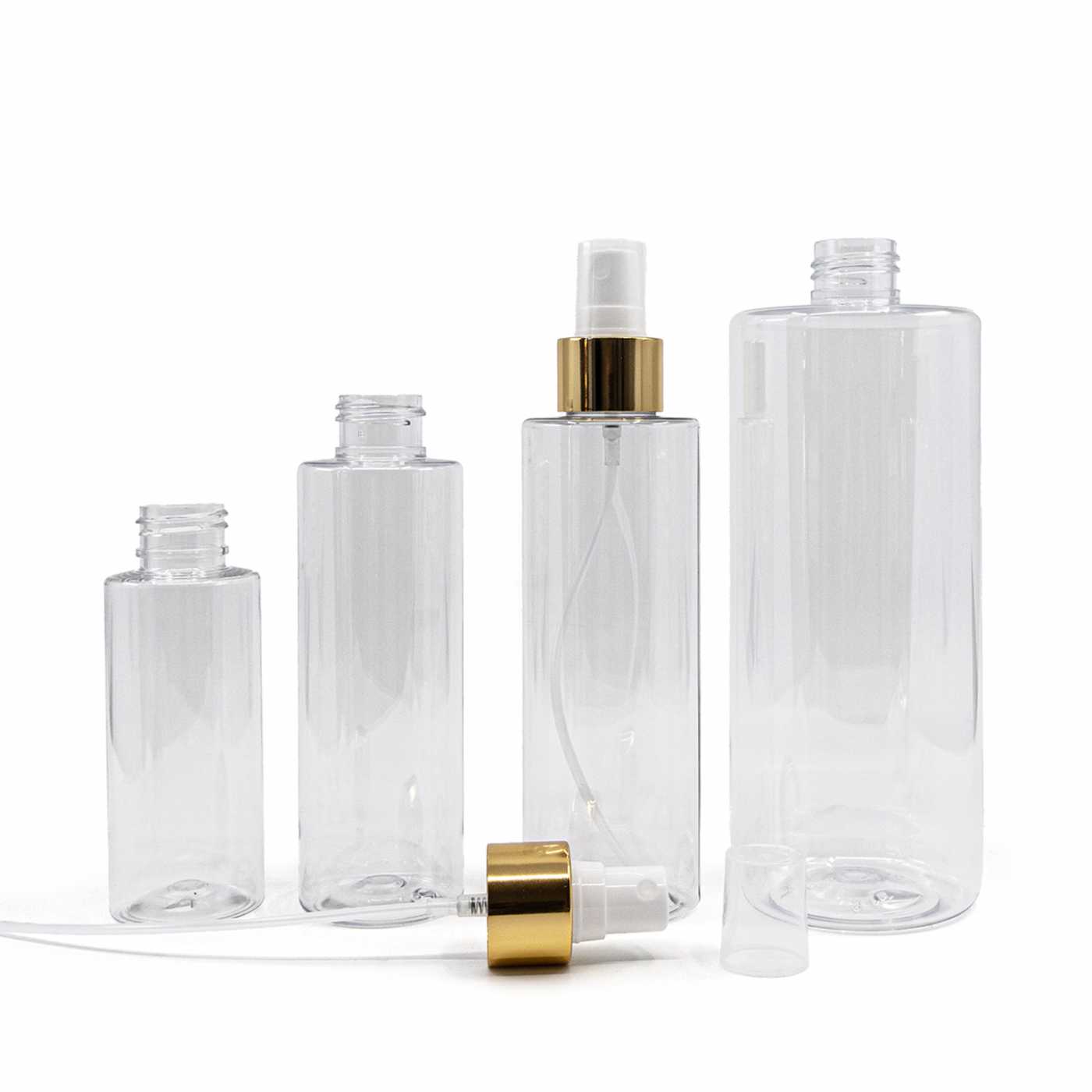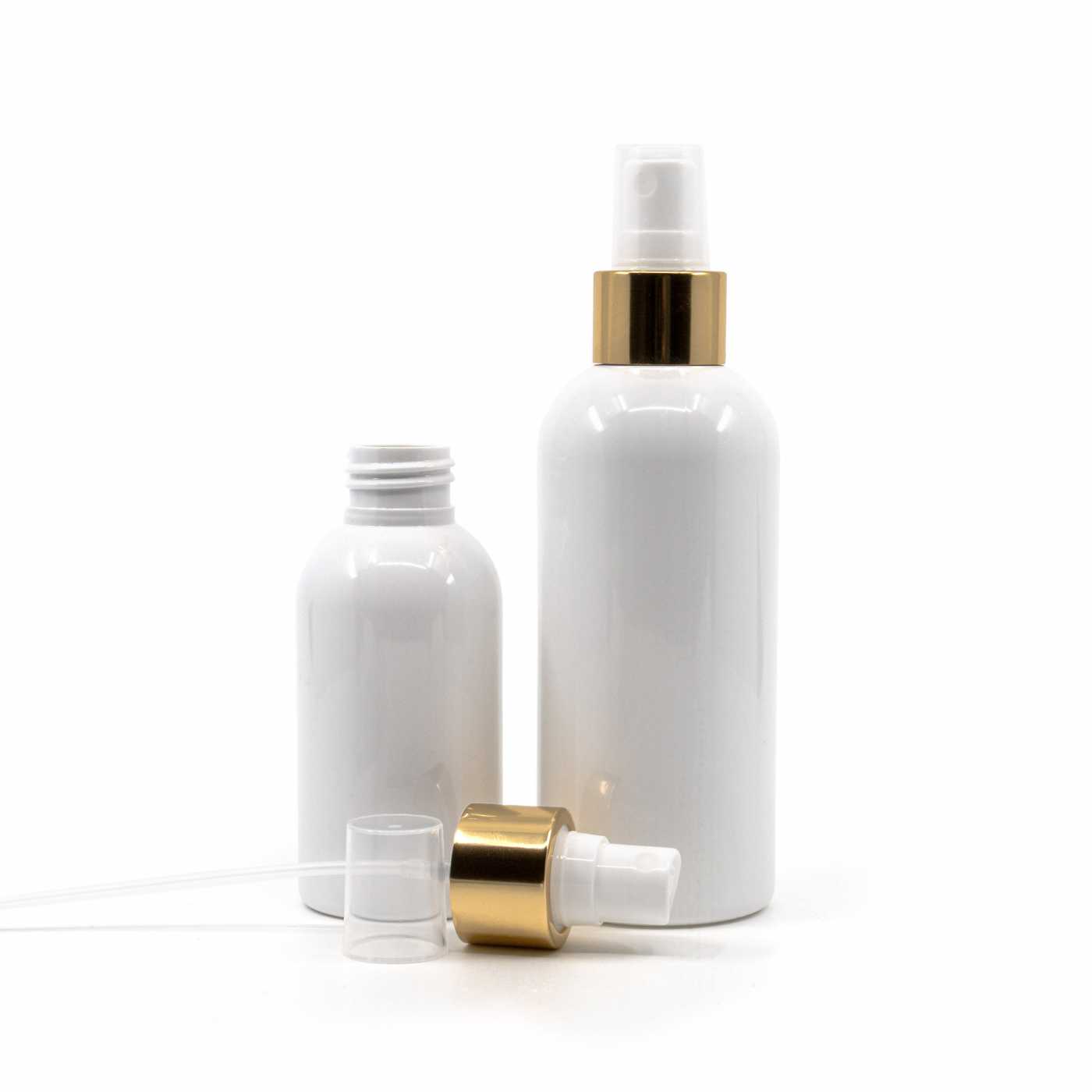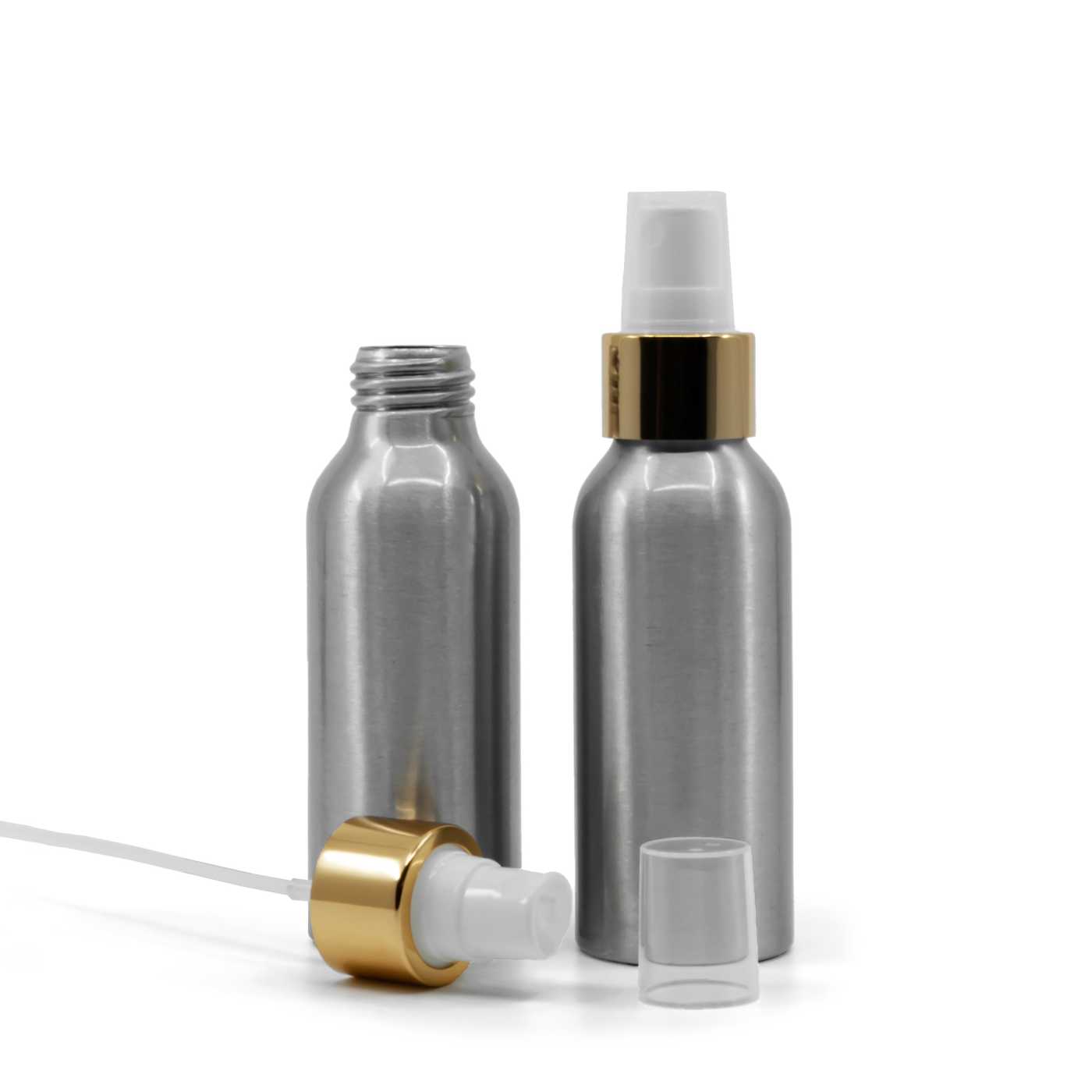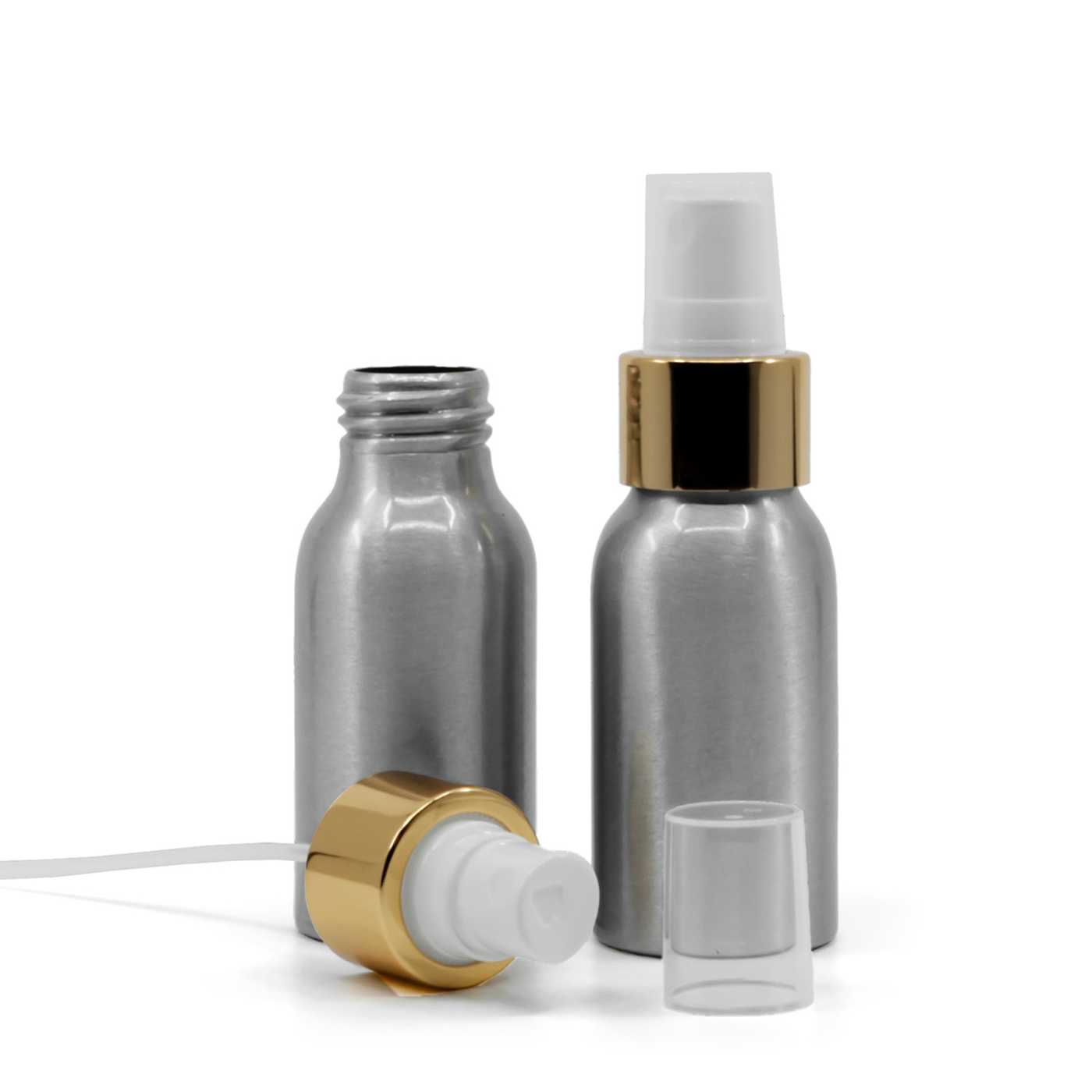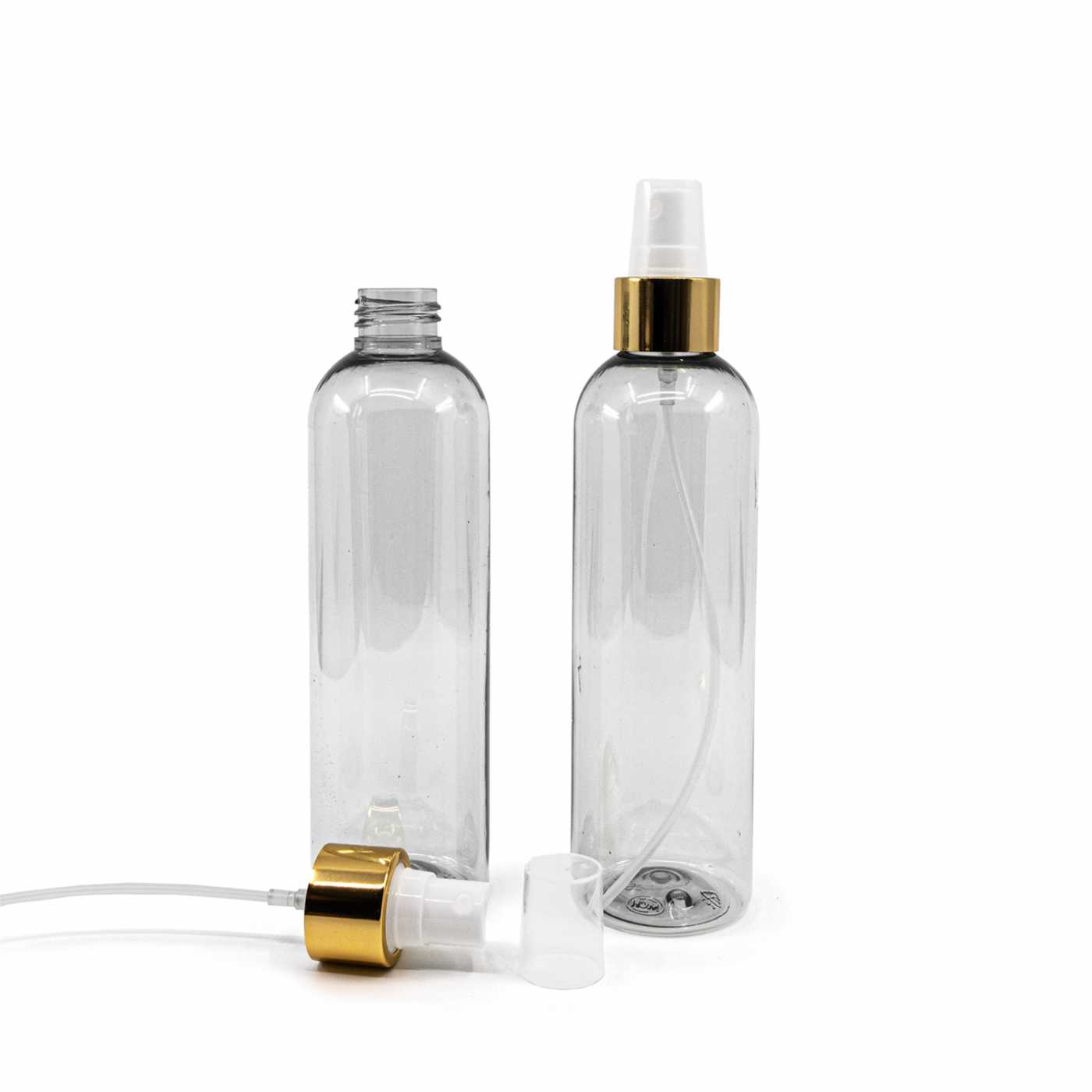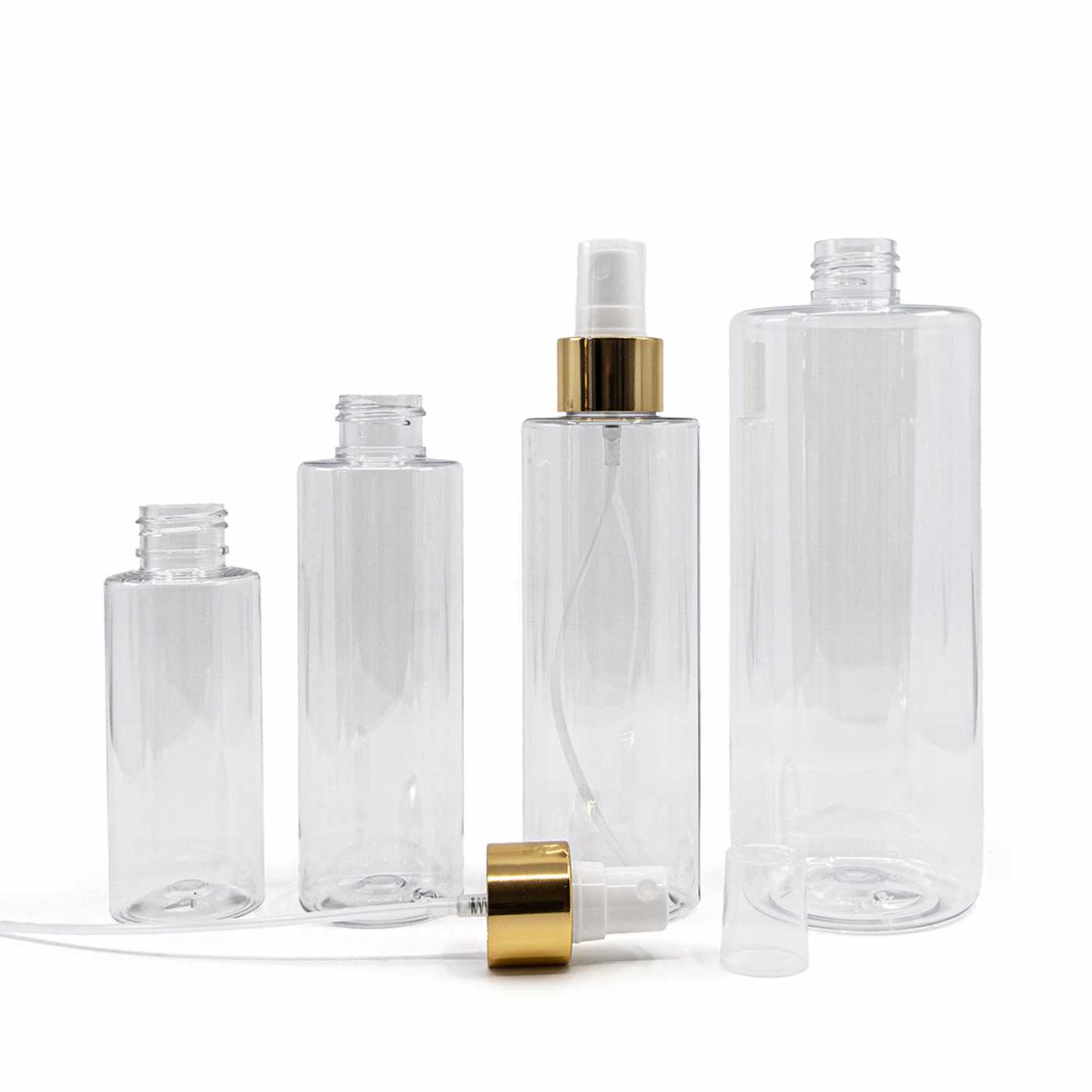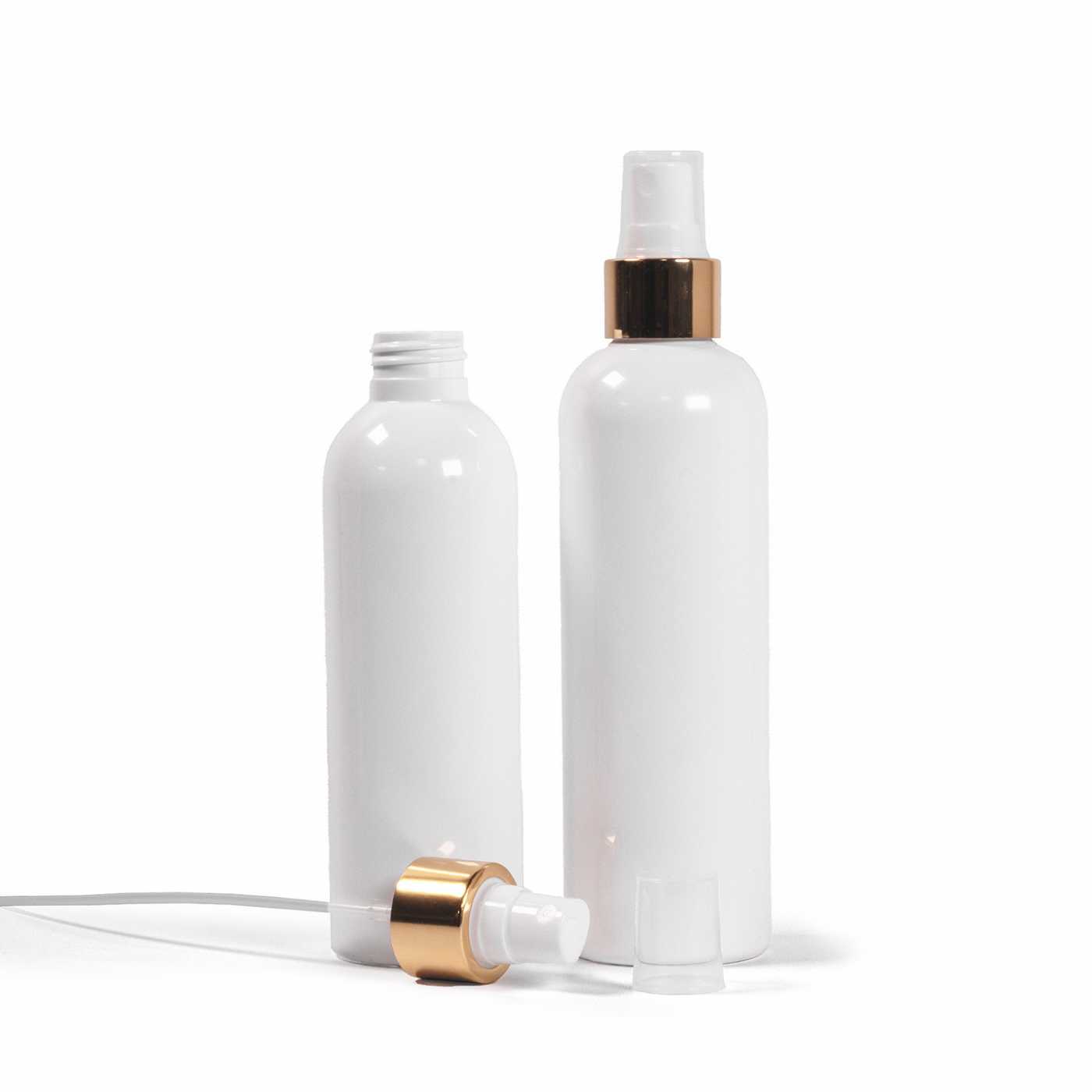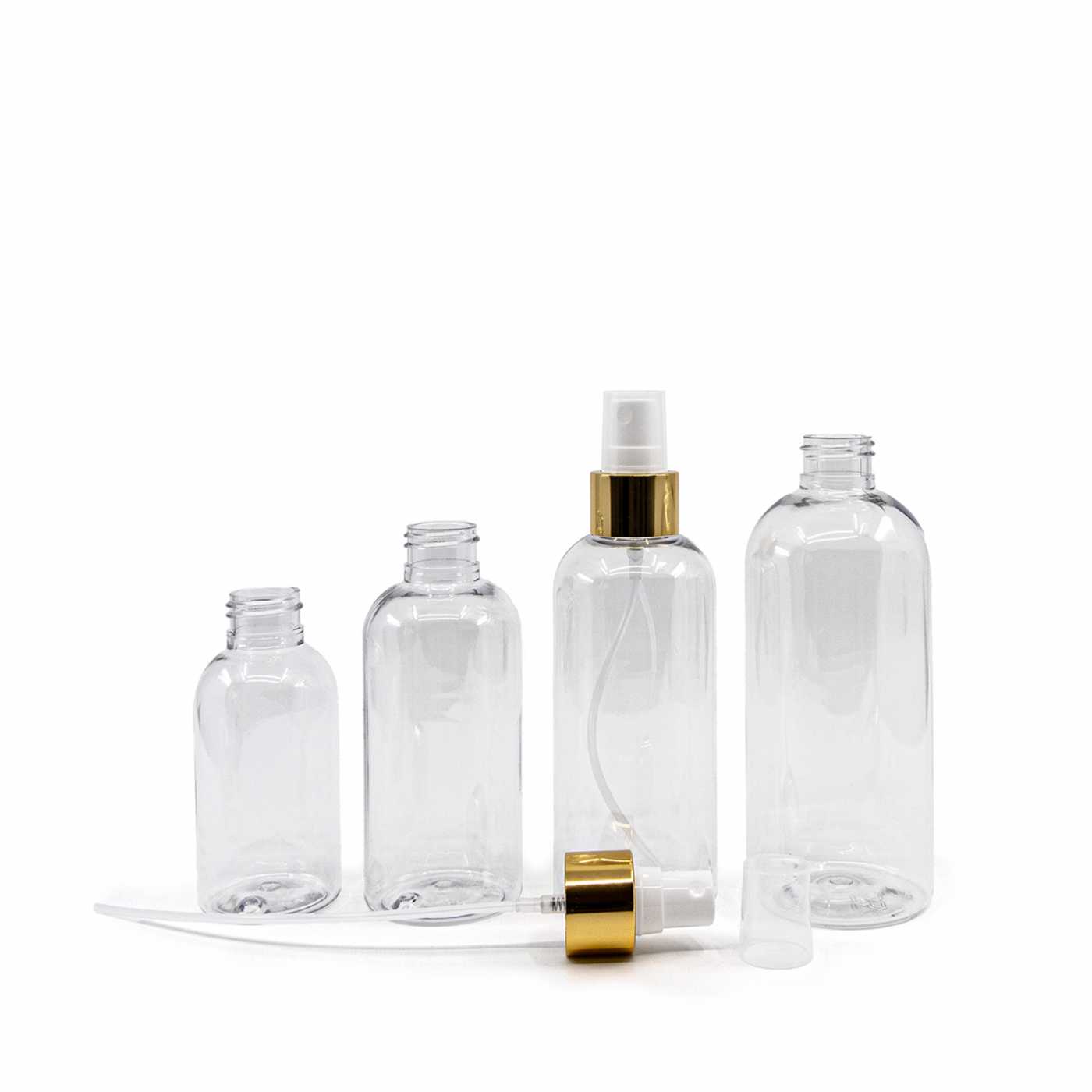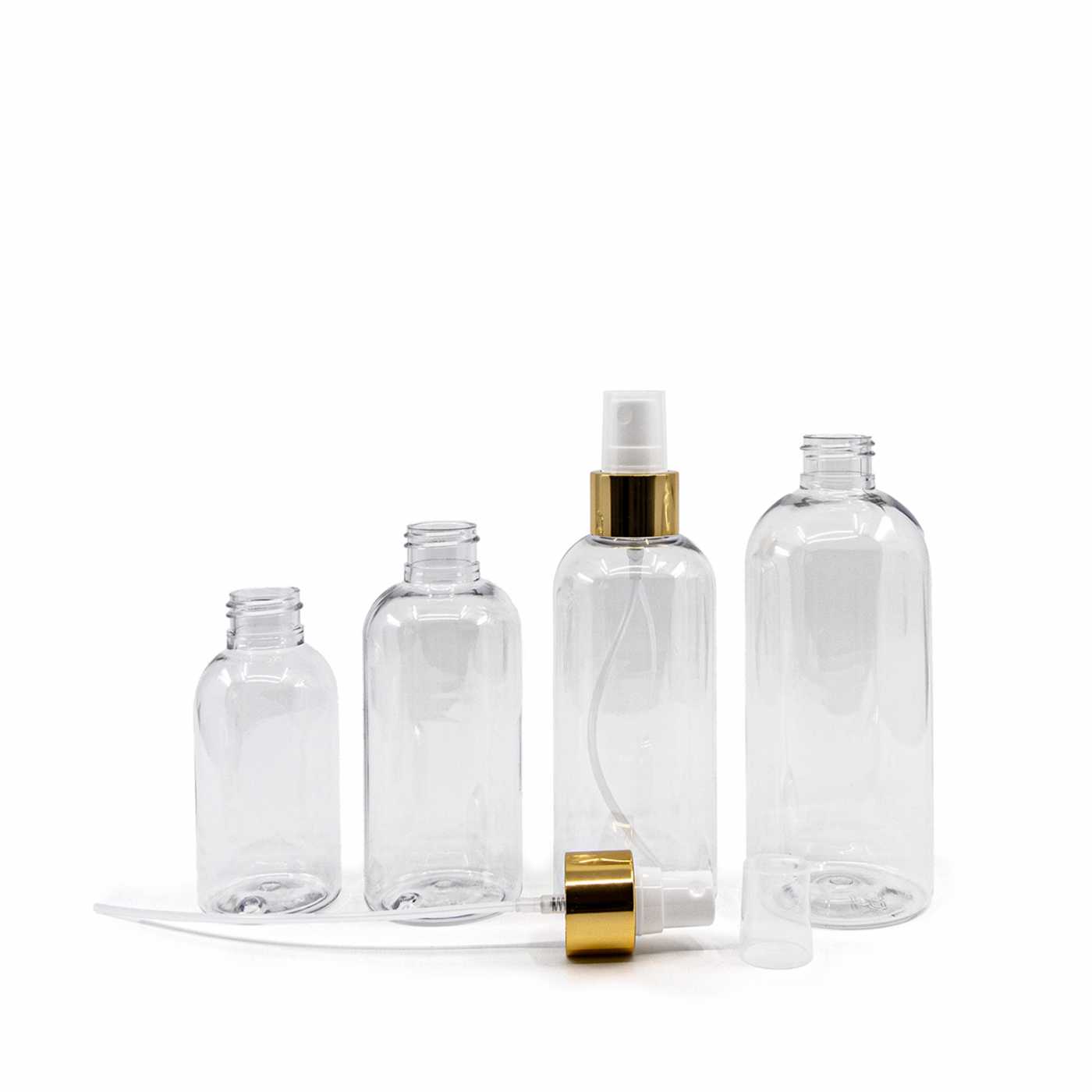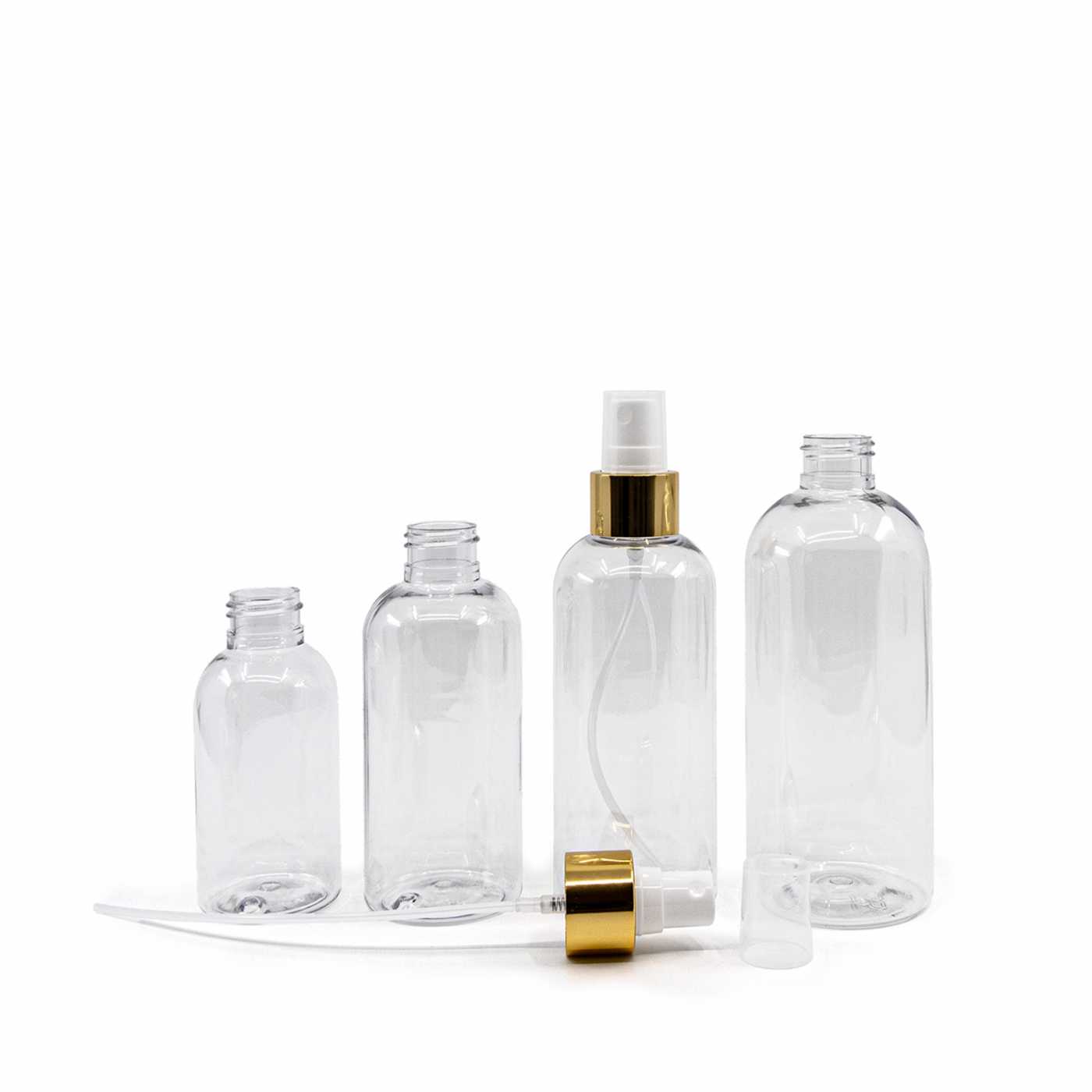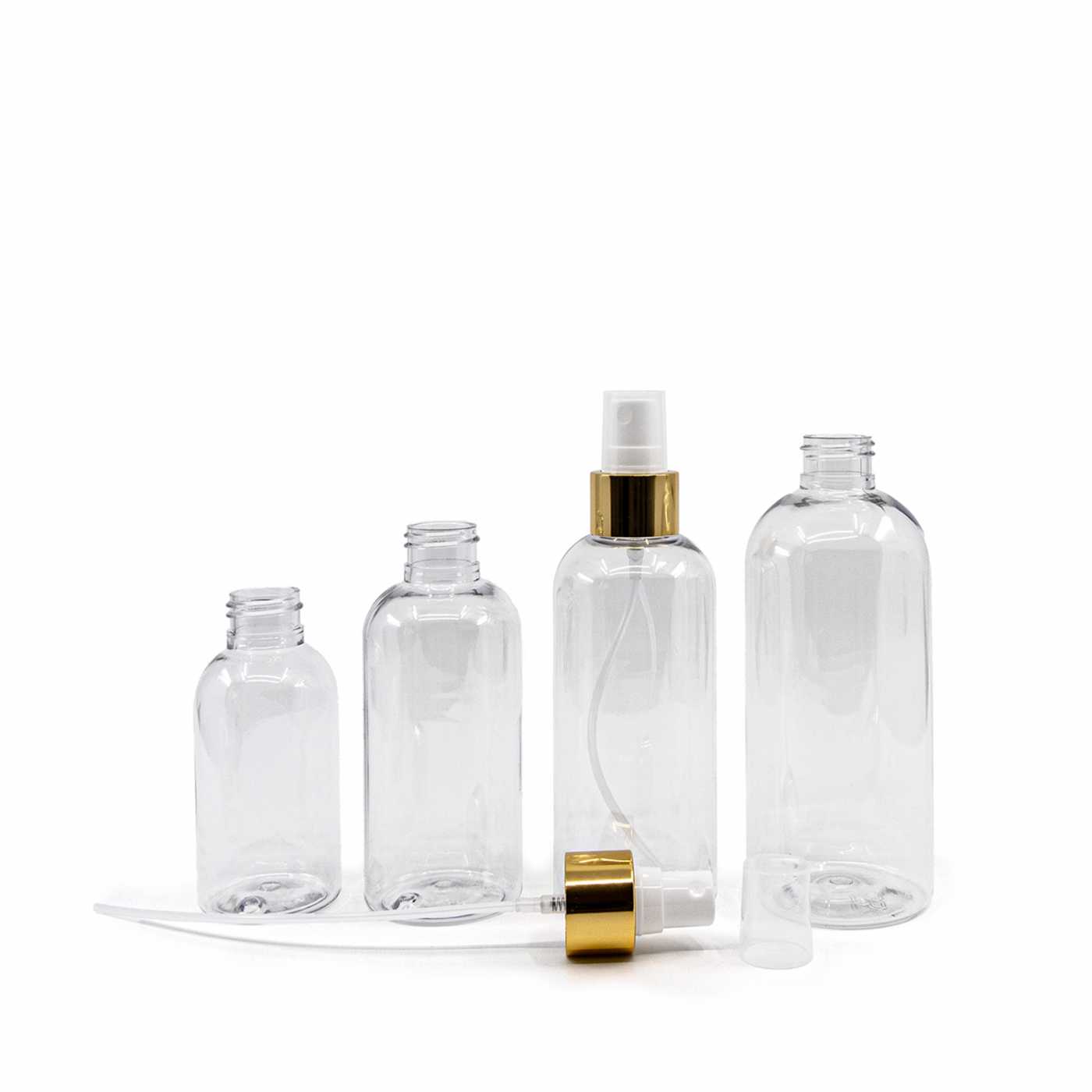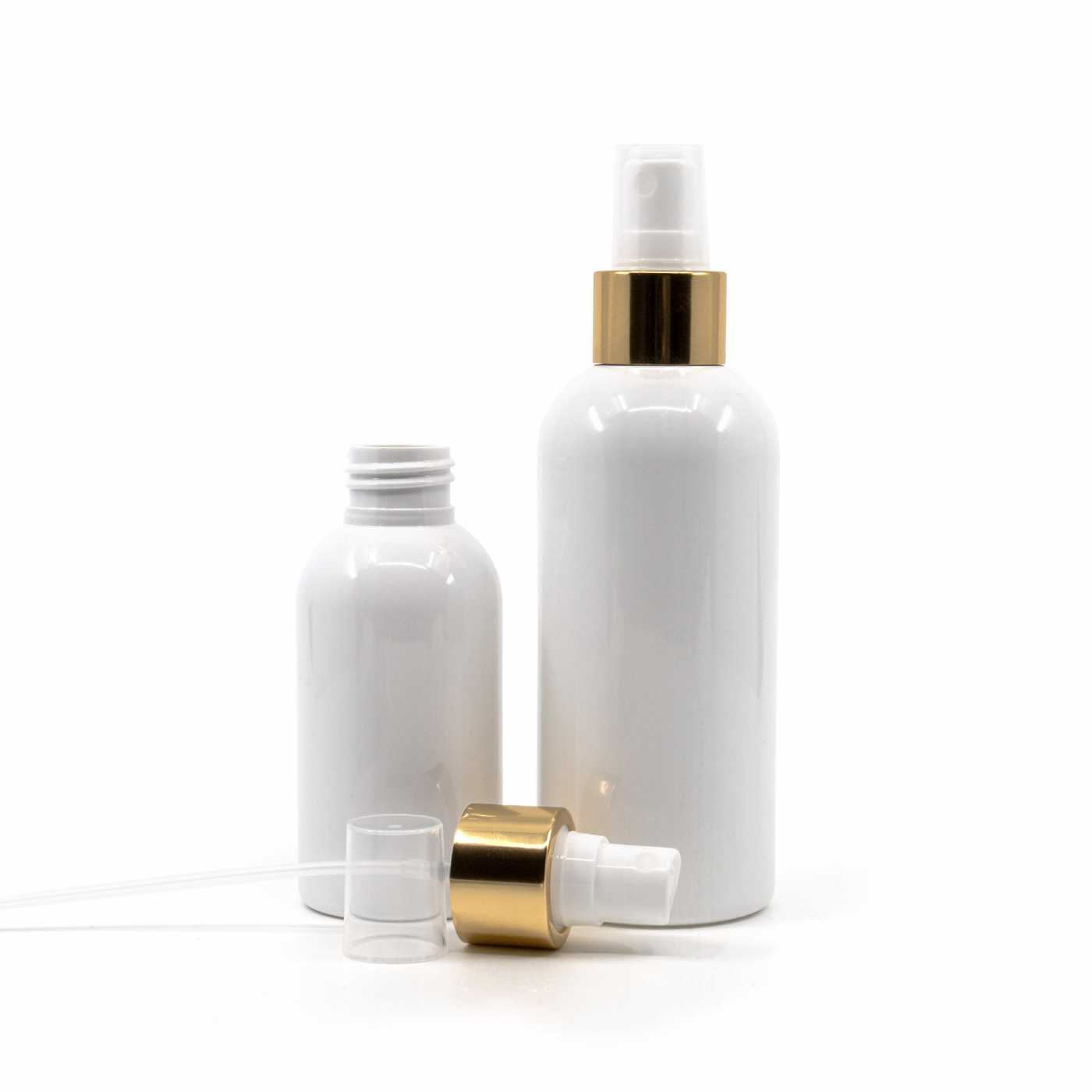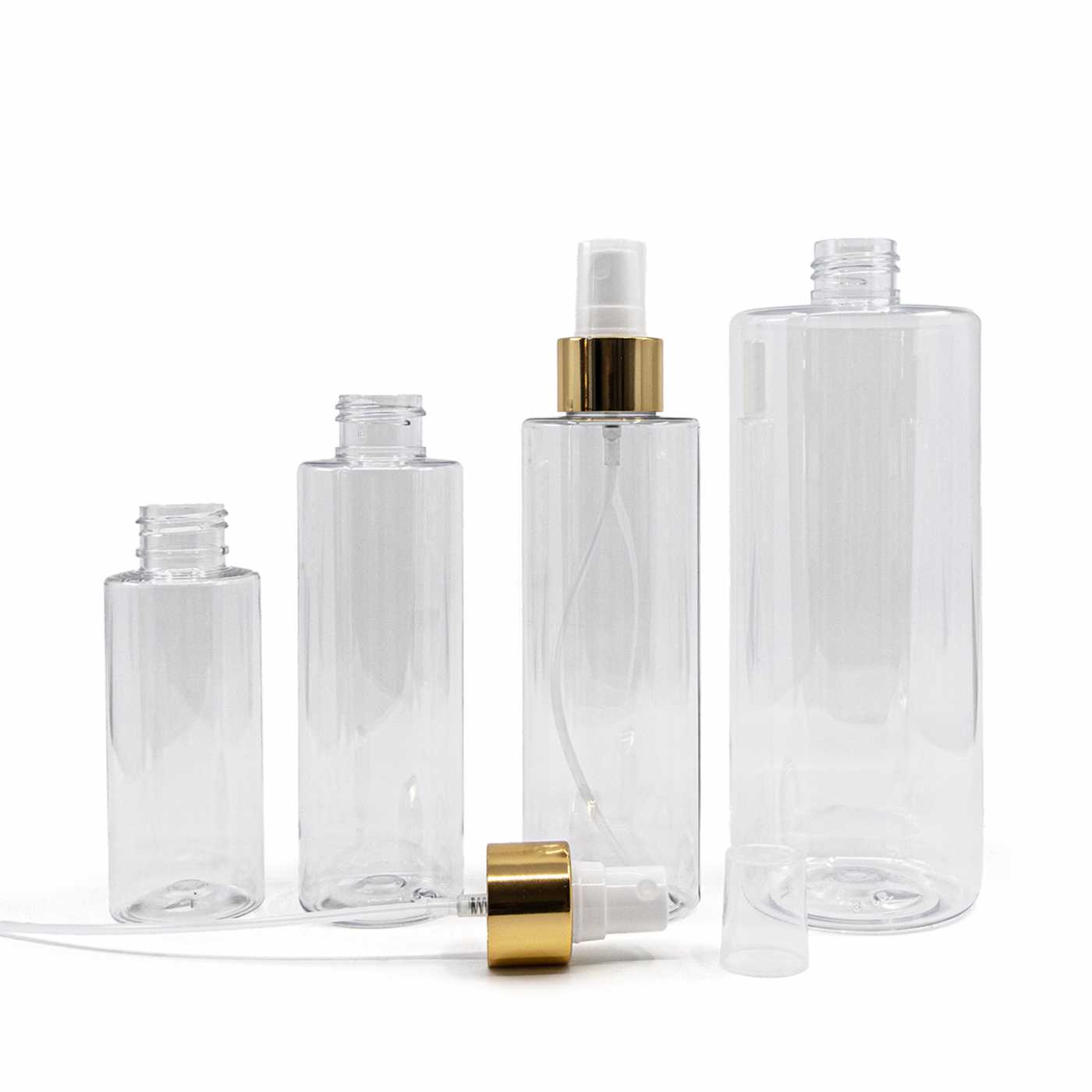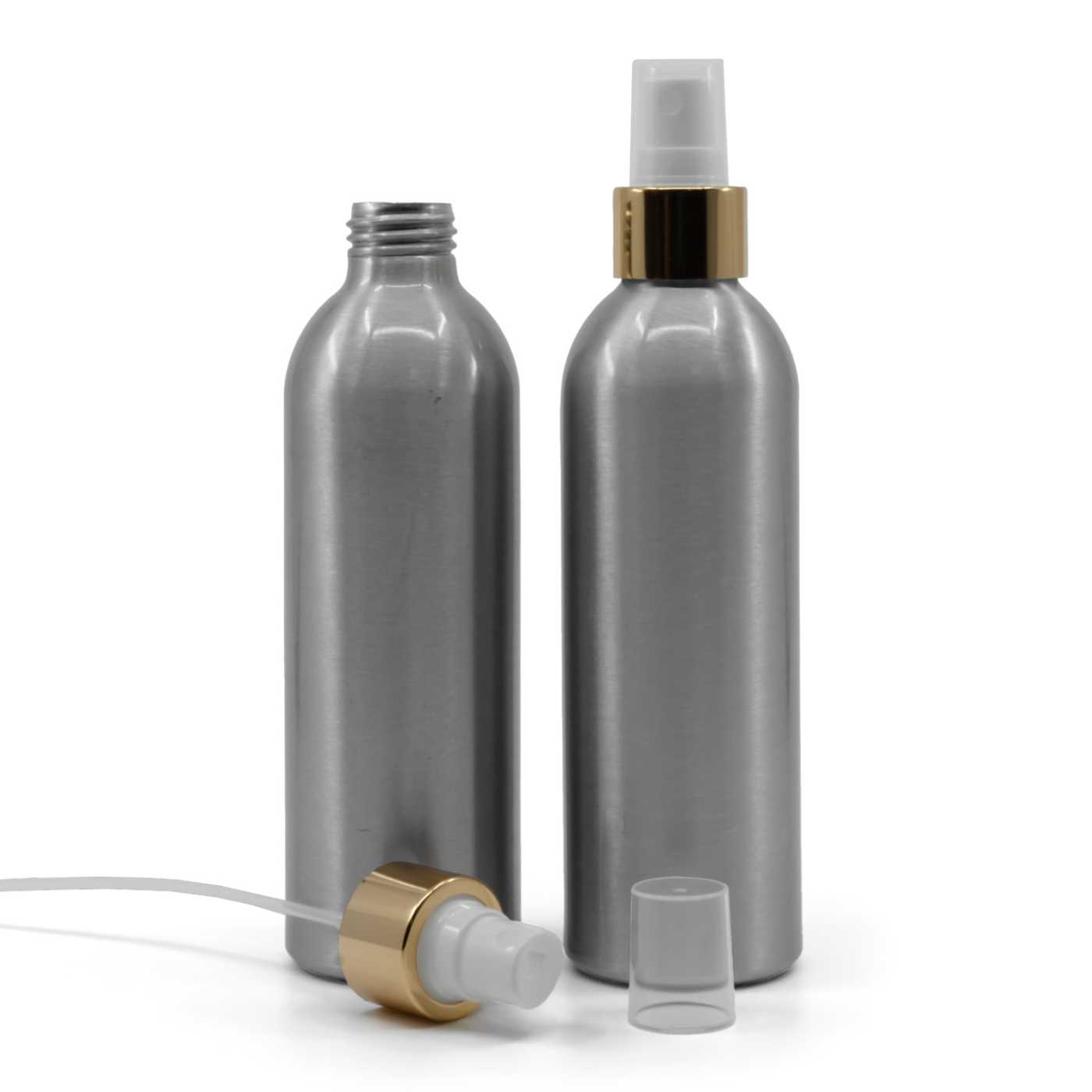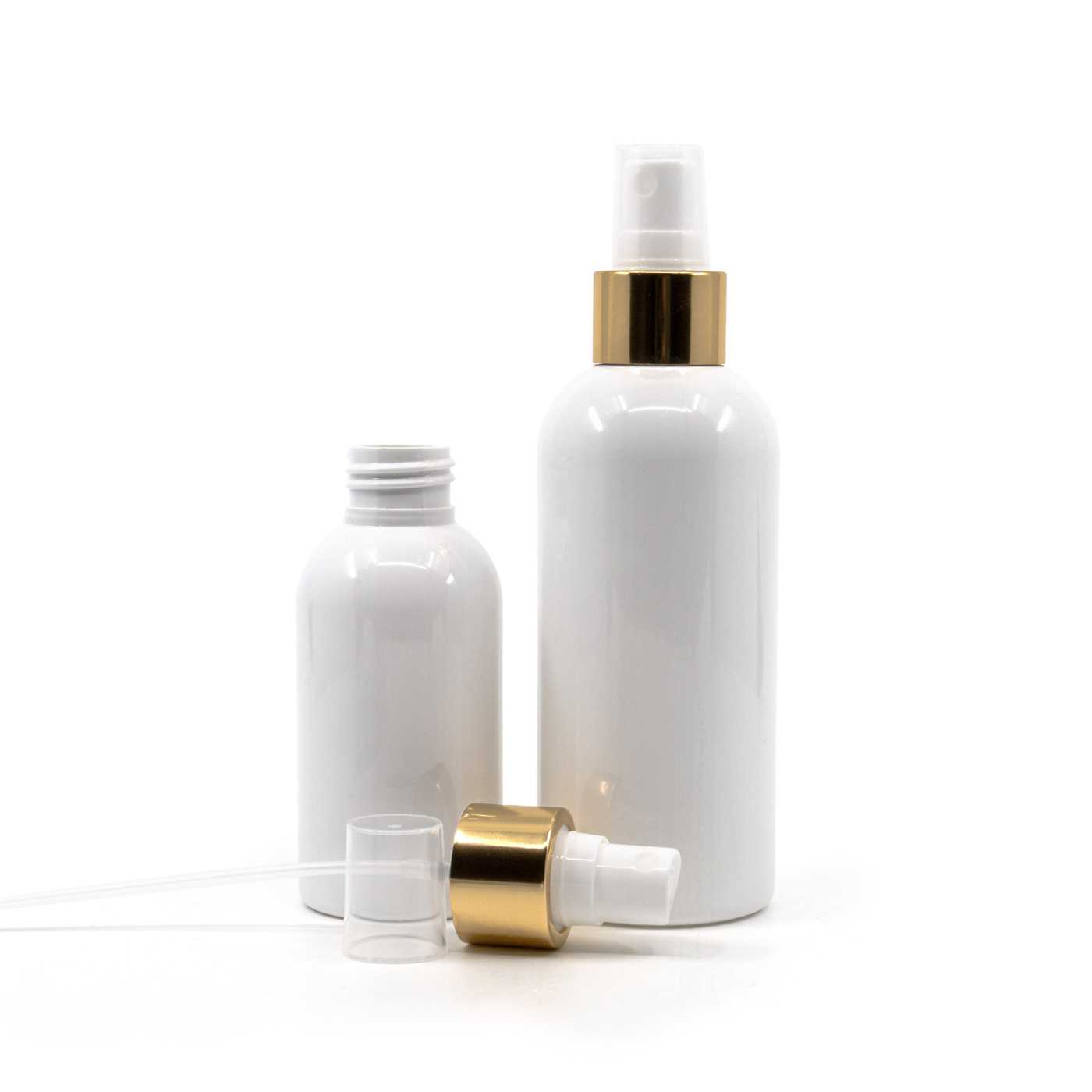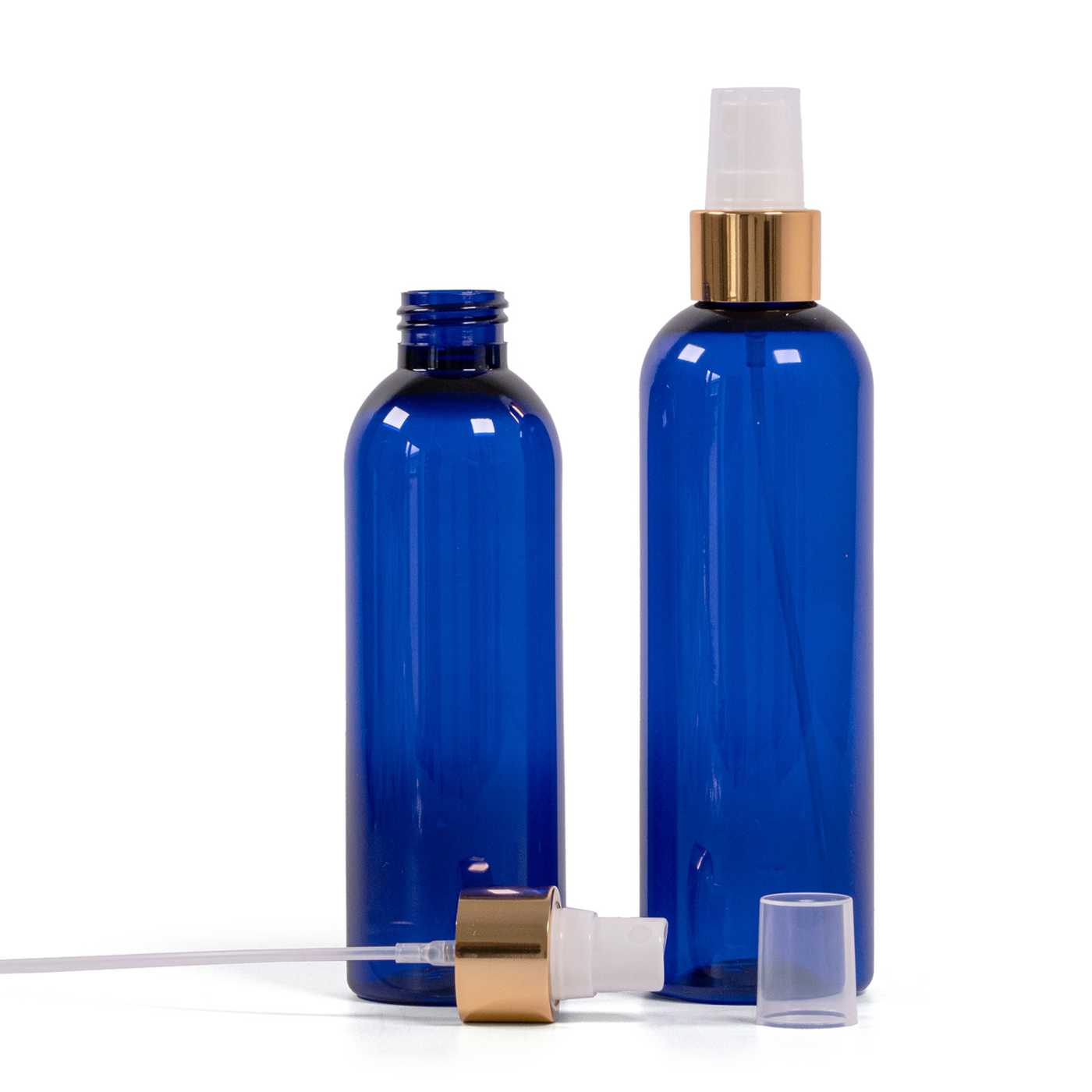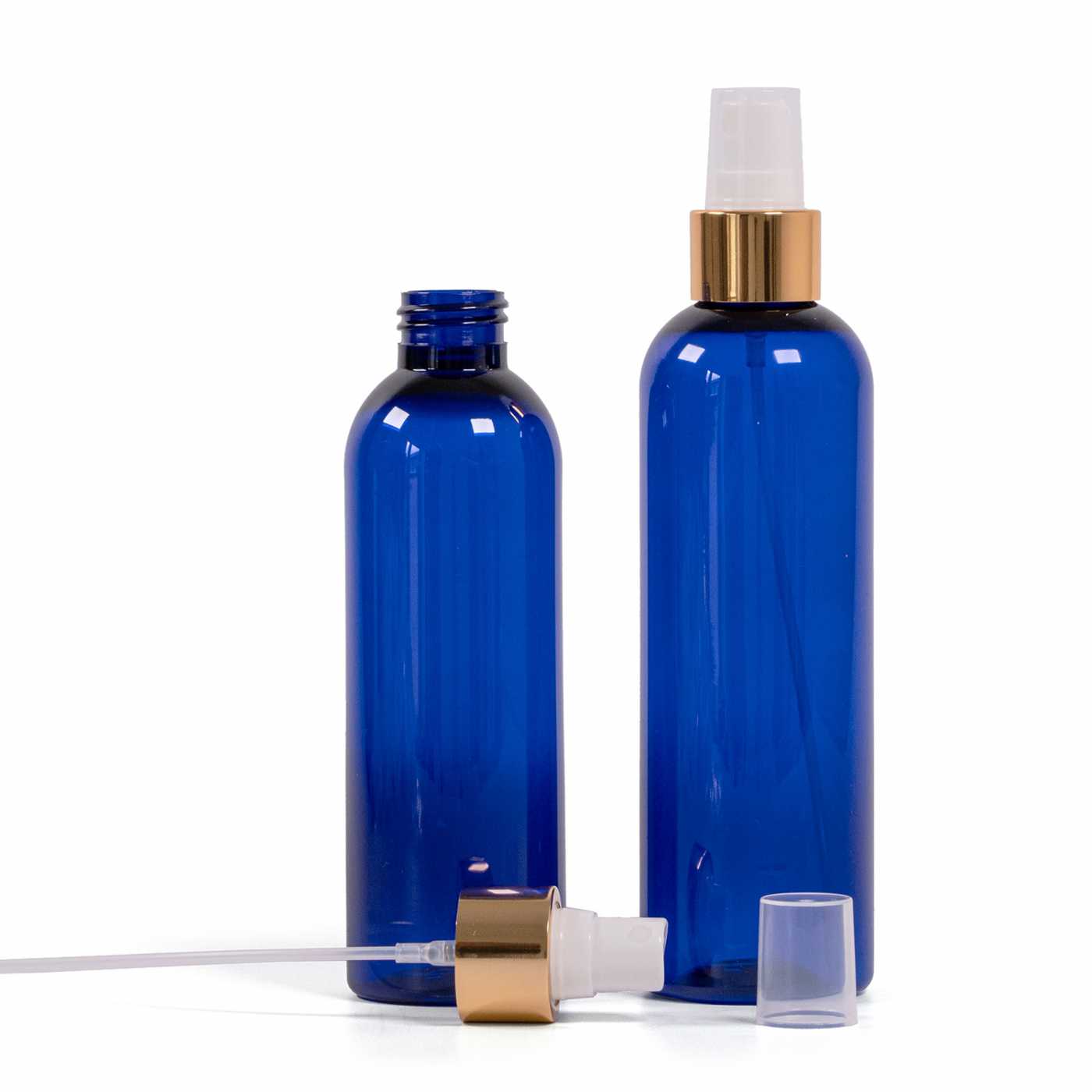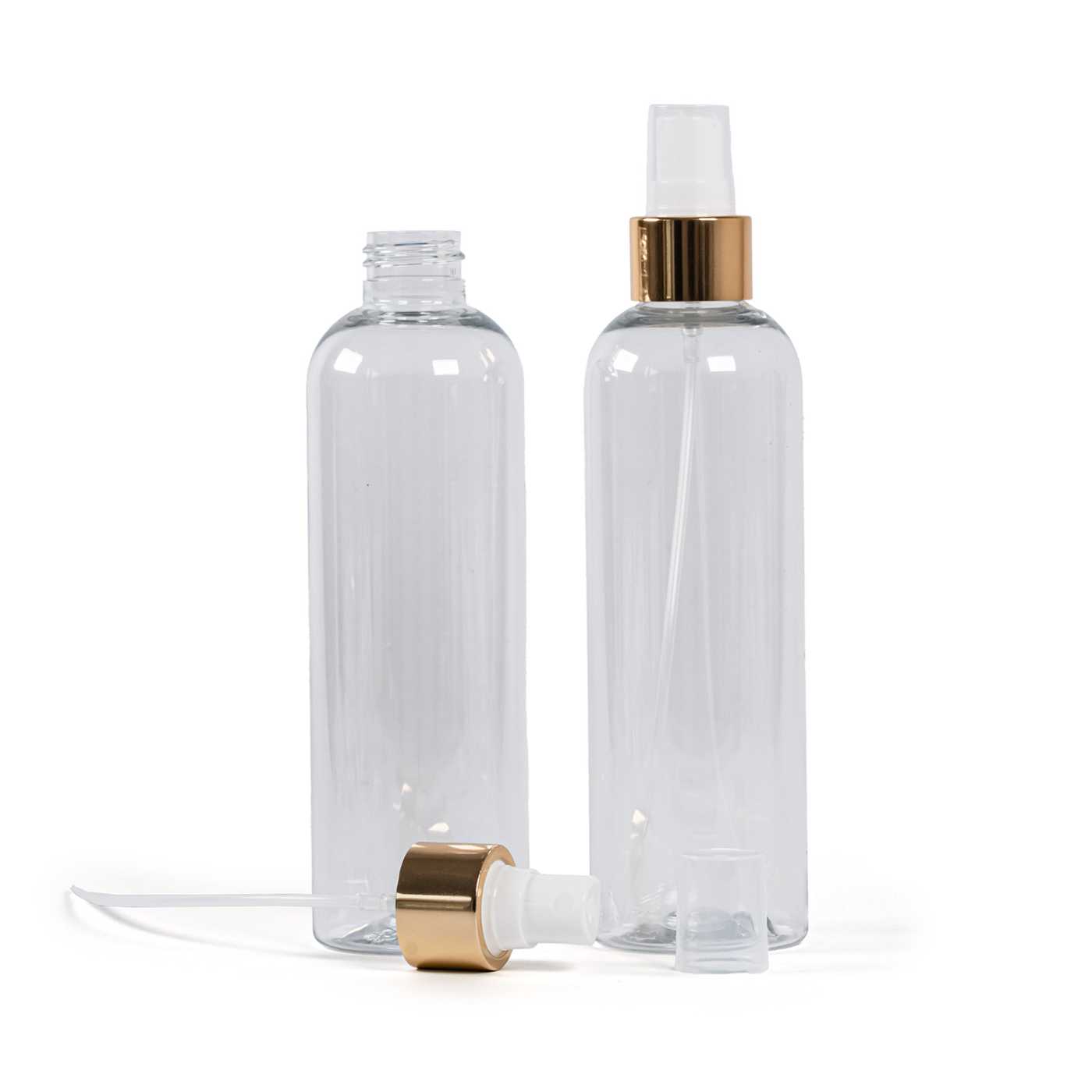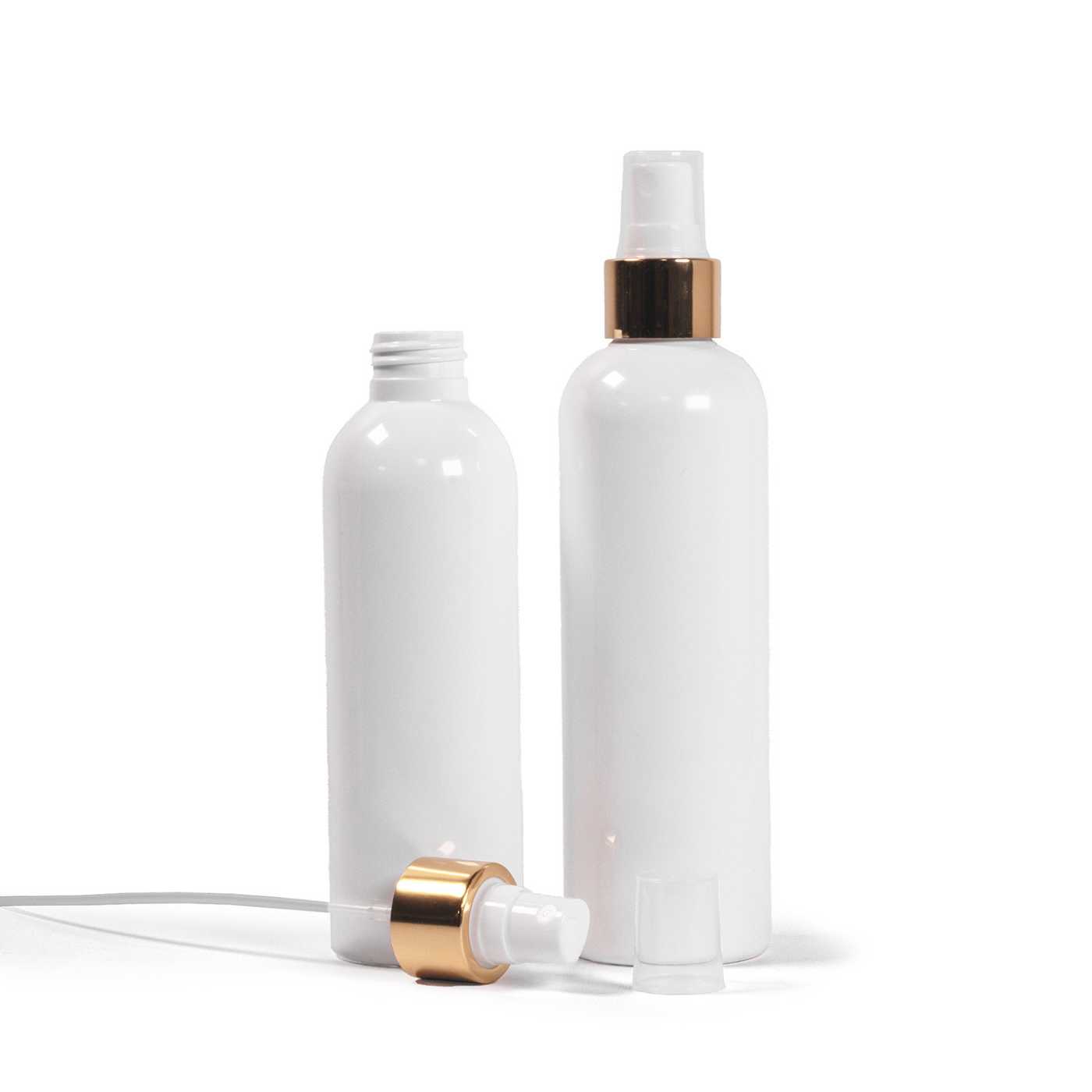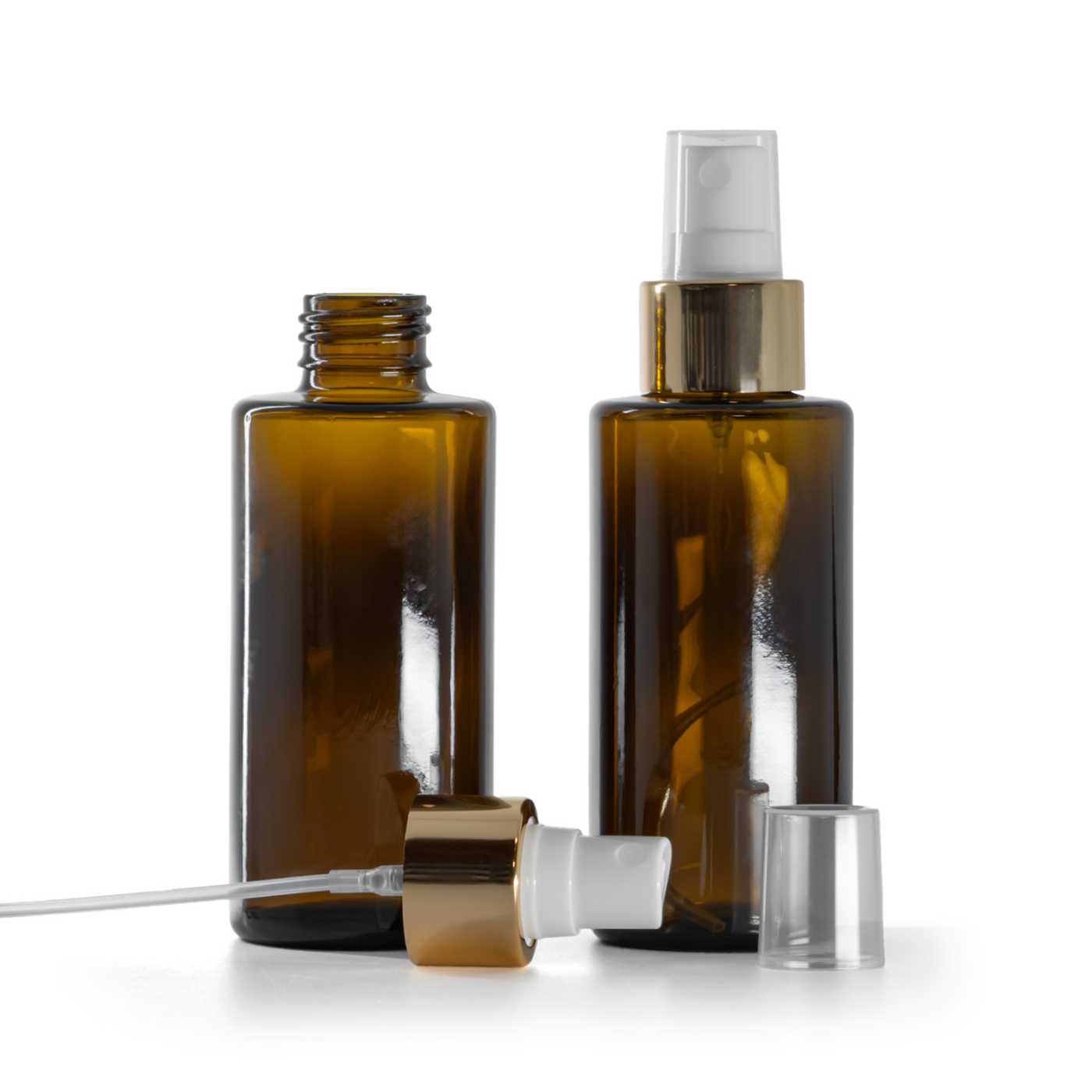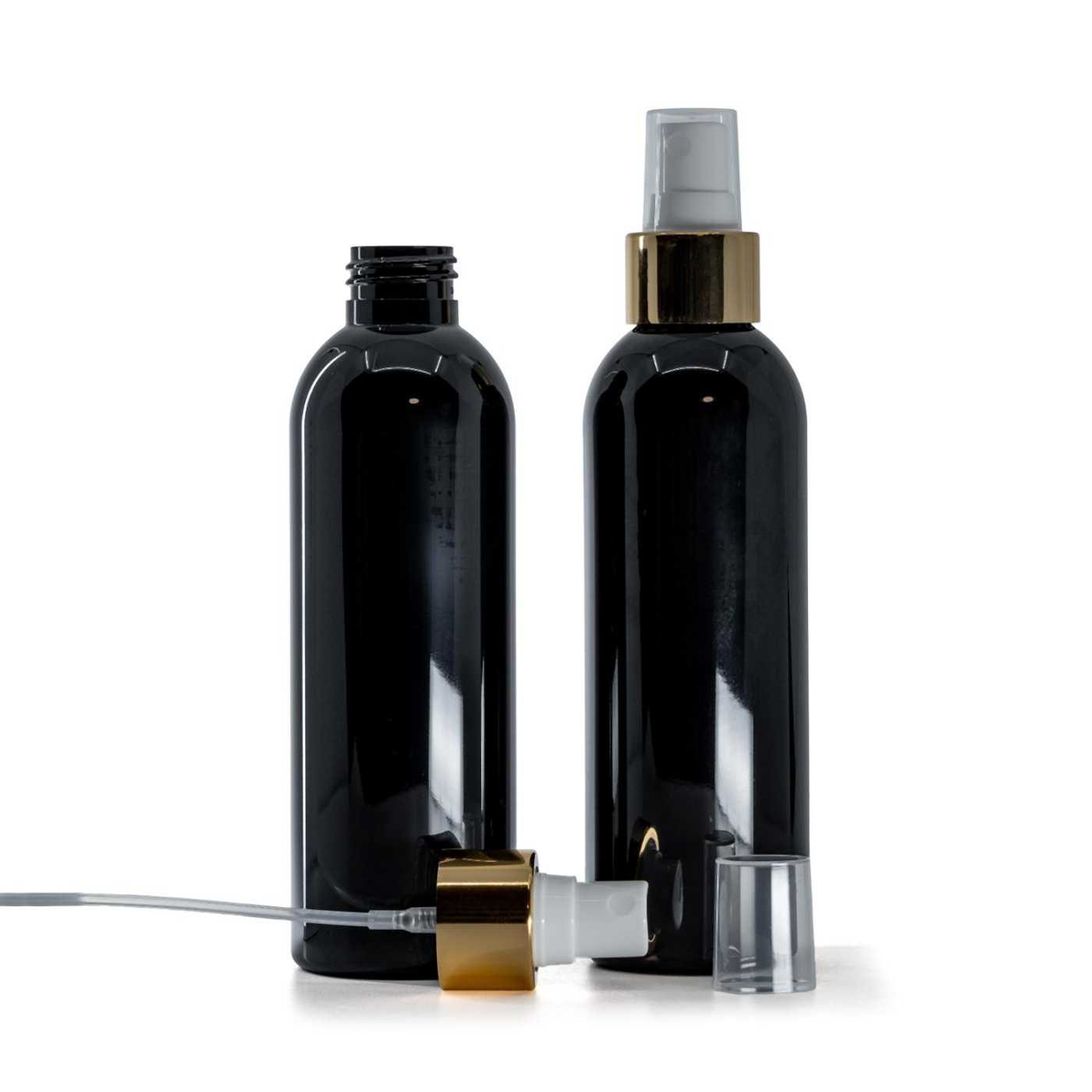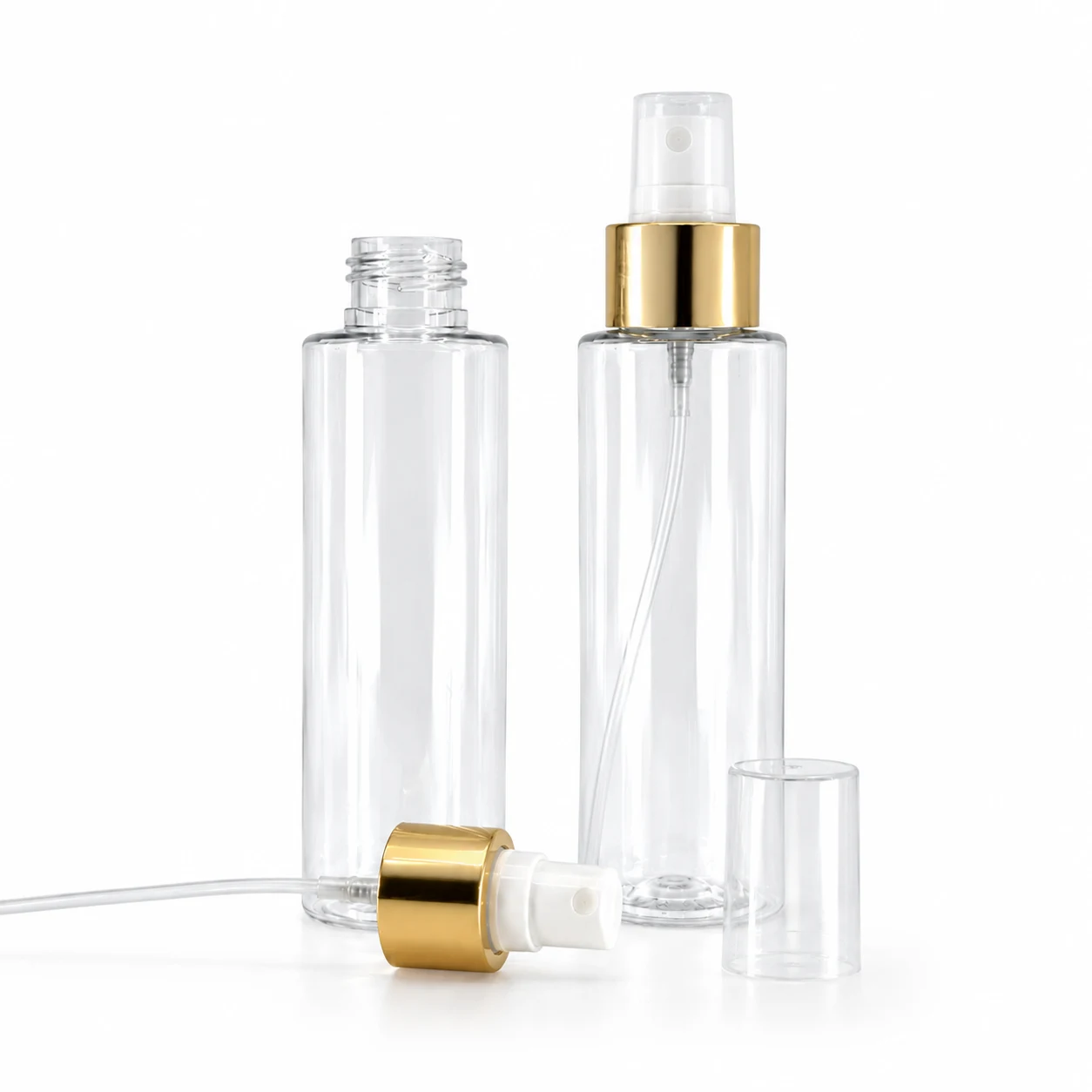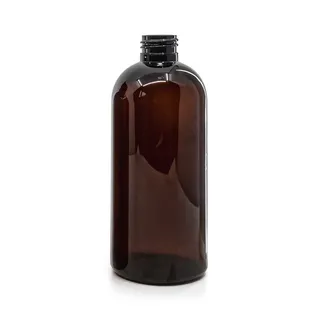

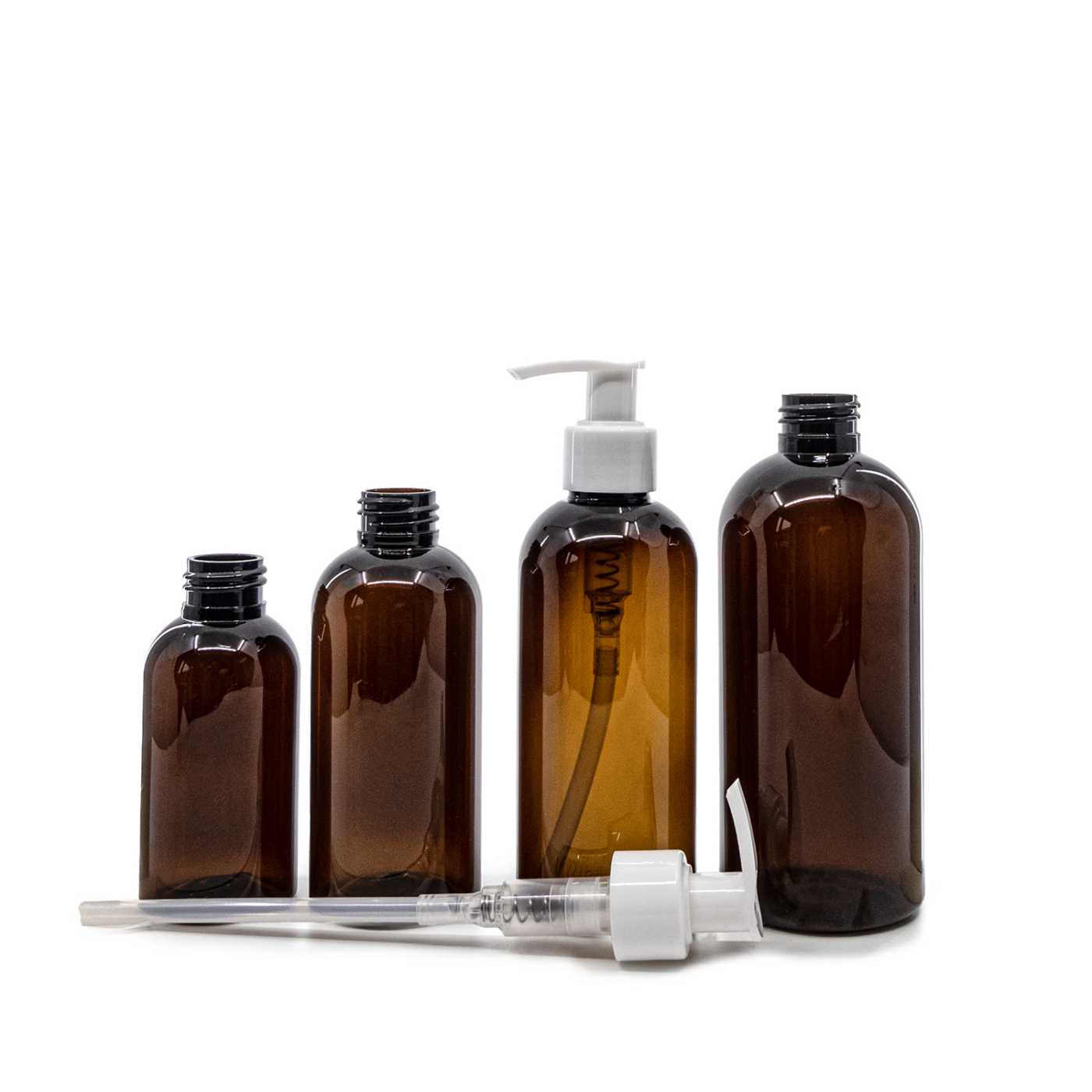
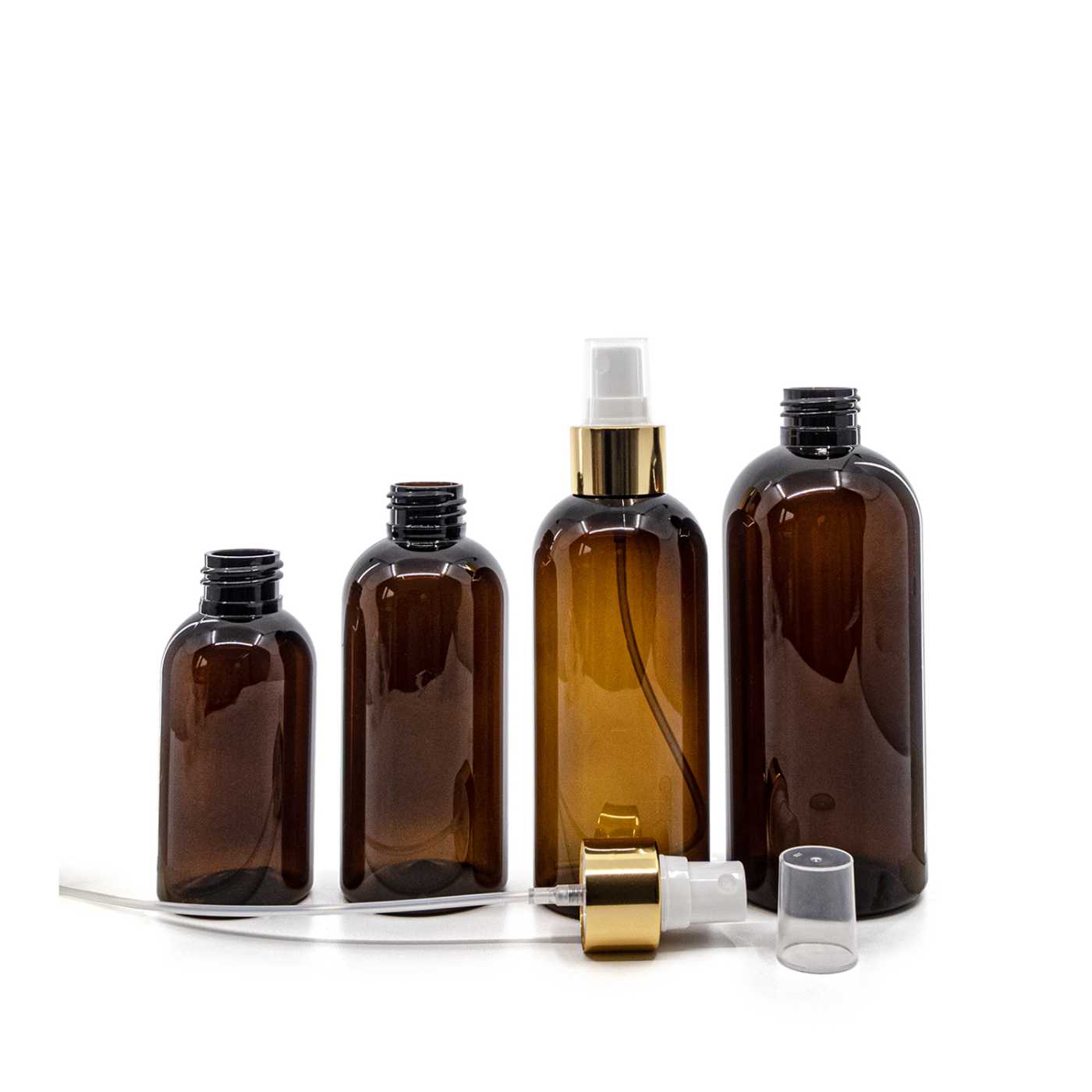
Amber Plastic Bottle, White Pump, 300 ml
Pre-order€1.28

PLASTIC BOTTLES
Pack size100 ml150 ml200 ml300 ml
The plastic bottle with a spray mechanism represents a practical packaging solution for gentle, uniform dispensing of liquid preparations in the form of a mist. full description
Lowest price in the last 30 days: €1.46
Save €0.01 with this set
Total for 1 pcs: €1.46
Quantities add up across all combinations of this bottle.
The plastic bottle with a spray mechanism represents a practical packaging solution for gentle, uniform dispensing of liquid preparations in the form of a mist. Thanks to its ergonomic shape and high-quality sprayer, it is suitable for everyday use in cosmetics, home production and artisanal production of products. The darker shade of the plastic also helps to limit light exposure to more sensitive formulations, thereby contributing to better stability of the contents.
The sprayer enables precise and comfortable application without contact with the skin, which reduces the risk of product contamination. The packaging is designed to be easy to fill, safely closed and comfortable to use repeatedly, provided that proper hygiene procedures are observed.
This packaging is supplied as a functional combination of bottle and spray mechanism. Combinations of packaging and closures that are created directly on Handymade are tested and functional. However, for all combinations we always recommend performing your own compatibility test (sealing, dosing and behaviour of the packaging in contact with the specific formulation), so that you can be sure of optimal performance under your specific conditions.
All technical parameters of the packaging are specified in the attached Packaging Quality Certificate and in the product parameters.
The packaging can be reused if basic hygiene principles are observed. Before each refilling, it is necessary to thoroughly clean and disinfect the bottle and the sprayer, ideally using isopropyl alcohol or ethanol, for example with products available on Handymade: IPA 99 % isopropyl alcohol or Ethanol 96 % denatured plant-based. Only after the alcohol has completely dried and ventilated is it appropriate to refill the packaging.
Before reuse, we recommend first rinsing the bottle with a suitable cleaning solution or warm water with detergent, then rinsing it thoroughly with clean water. Then disinfect the inner surface using an alcohol solution (e.g. IPA 99 % or ethanol 96 %) and allow it to dry completely. It is advisable to "spray through" the sprayer several times with clean water and then with alcohol, so that the internal capillary is also cleaned. In this way you reduce the risk of microbial contamination during subsequent use.
The bottle with sprayer is designed primarily for water-based and hydroalcoholic solutions, or slightly viscous liquids. Thick oil blends or gels may reduce the quality of spraying and strain the mechanism. For formulations with a high proportion of oils or specific solvents, we always recommend making a small test batch, testing the dosing, uniformity of the mist and the behaviour of the packaging material in contact with your formulation over a longer storage period.
The simplest way to choose the right bottle or other packaging is to use the advanced filter in the packaging category. After clicking on the relevant category, you will find the advanced filter at the top of the page, where you can conveniently filter according to parameters such as neck type and diameter, size, colour or material. This way you can quickly find packaging that will be compatible with the desired closure, dispenser and will meet your design and functional requirements.
If you decide not to use the bottle any further, we recommend first emptying it as thoroughly as possible and rinsing it so that no residues of the preparation remain in it. Then follow the material marking and the recycling symbol listed in the parameter table for the product on the Handymade website. According to this marking, sort the packaging into the appropriate container for plastics. The sprayer should be disposed of according to local rules for mixed or plastic waste, depending on the local sorting system. By following this procedure you will contribute to more sustainable handling of packaging material.
Only customers with a delivered order can write reviews.