Spend over €100 for discounted shipping!

+421 950 333 113info@handymade.store

PRESERVATIVES

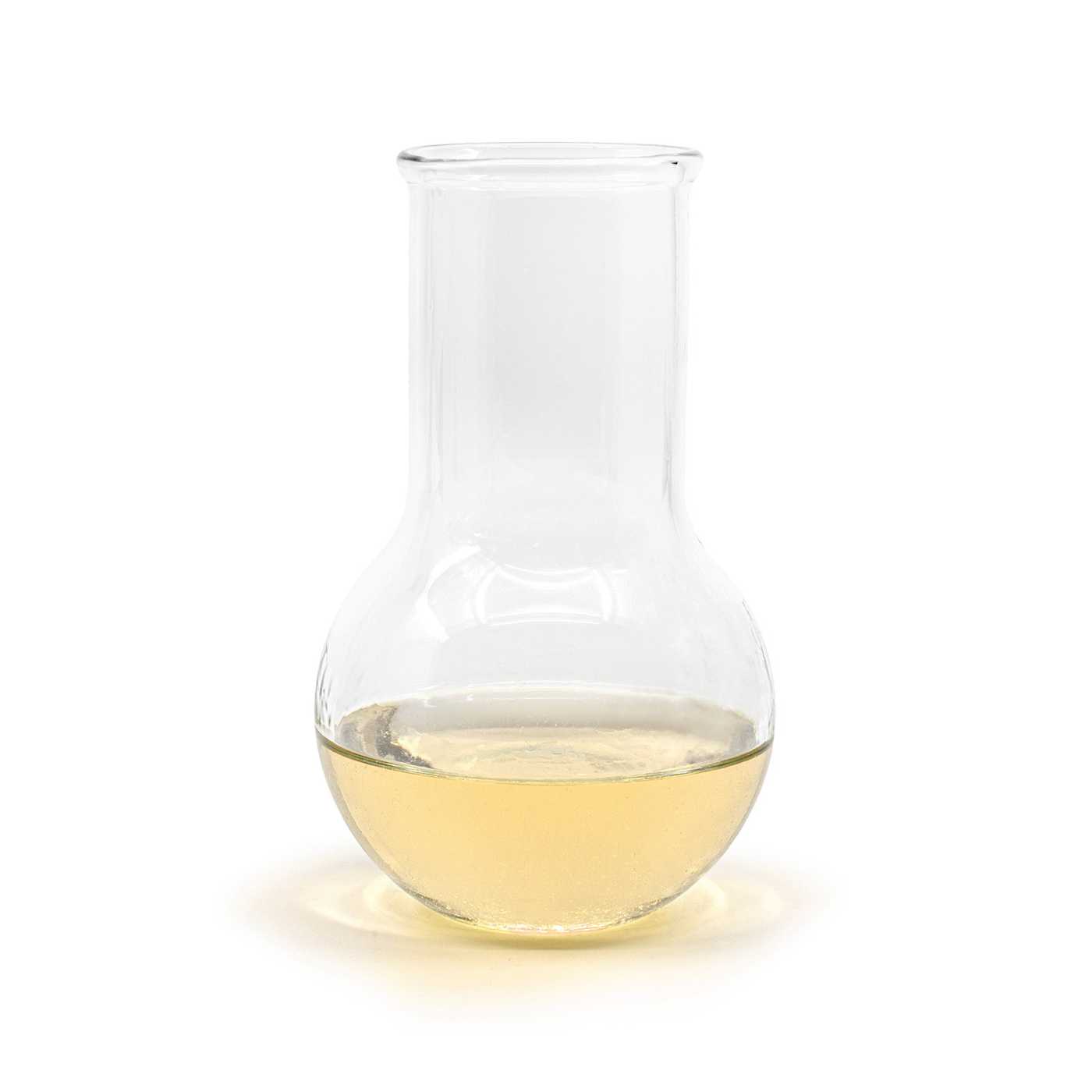
Benzyl Alcohol, 100 ml

Pack size10 ml100 ml500 ml1 l

Benzyl alkohol is a preservative blend of benzyl alcohol and propanediol, which enhances its efficacy. It protects water-containing cosmetic products from the growth of bacteria, yeasts and moulds . full description

AvailabilityIn stock · 230 packs
Product codeKON116_100
BatchIB260943
Best before09/2028
€5.99incl. VAT€59.90/l

Lowest price in the last 30 days: €5.99

Product description

Benzyl alkohol is a preservative blend of benzyl alcohol and propanediol, which enhances its efficacy. It protects water-containing cosmetic products from the growth of bacteria, yeasts and moulds. It is chosen by manufacturers who need a preservative free from parabens, formaldehyde and its donors, effective across a wide pH range and acceptable for most formulations with ecological certification.

It suits home manufacturers and smaller brands looking for an easy-to-dose and mild preservative. According to the manufacturer, it is also suitable for use in children's cosmetics, in care for the eye area, lips or oral cavity.


Key benefits

  • Broad spectrum of action – active against both gram-negative and gram-positive bacteria, yeasts and moulds.
  • Wide working pH range – effective in the range of pH 3.0 – 9.0, handling both acidic tonics and surfactant-based products with a higher pH.
  • Headspace protection – benzyl alcohol is slightly volatile, so it also protects the air inside the packaging above the product, not just the product mass itself.
  • Enhanced effect from propanediol – propanediol in the blend increases the efficacy of benzyl alcohol.
  • Free from controversial ingredients – contains no parabens, formaldehyde or formaldehyde-releasing substances, and is readily biodegradable.
  • Accepted by ecological certifications – according to the manufacturer, it meets the requirements of most ecological labels for cosmetics.

How it works as a preservative

The active substance is benzyl alcohol; propanediol enhances its action. According to the manufacturer's tests, the blend inhibits the growth of common test strains Pseudomonas aeruginosa, Escherichia coli, Staphylococcus aureus, Candida albicans and Aspergillus brasiliensis at concentrations as low as 0.4 – 0.5 %. The recommended dosage is therefore set with a margin above these minimum values.

The mild volatility of benzyl alcohol is particularly practical for creams in jars and wet wipes, where the product is in prolonged contact with the air inside the packaging.


Use in formulation

The recommended dosage is 0.7 – 1.1 % of the blend, equally for leave-on and rinse-off products. The upper limit of 1.1 % is also the maximum permitted for this blend by the European cosmetics regulation and must not be exceeded. The correct dose for a specific formulation must be verified by a challenge microbiological test of the finished product, as efficacy depends on the type of formulation and the other ingredients.

The blend is partially water-soluble (up to approximately 1.2 %) and fully miscible with glycols such as propanediol. At normal dosage levels it dissolves in the water phase, but more slowly at low temperatures. It is added to the water phase or to the finished emulsion in the final stage at a temperature below 80 °C.

If the preservative dissolves slowly in the aqueous formulation or remains cloudy, heating to approximately 40 °C will help, or alternatively pre-blending the preservative with propanediol or another glycol before adding it to the formulation.

In hot-process emulsions it is advisable to add the preservative only to the cooling emulsion to limit the evaporation of benzyl alcohol. In cold gel and surfactant formulations it is added directly.

The concentrated blend is classified as irritant and may cause sensitisation. When handling it, wear protective gloves and goggles and avoid contact with eyes and skin. In the finished product at the recommended dosage it is a mild preservative.


Suitable for products such as

  • Creams and lotions – O/W emulsions, where it protects the water phase as well as the headspace in the jar.
  • Shampoos and shower gels – surfactant systems with a higher pH.
  • Tonics and water-based serums – light aqueous formulations with a low pH, where the benefit is efficacy from pH 3.0.
  • Deodorants and antiperspirants – aqueous and gel forms with long-term use of a single pack.
  • Wet wipes – products with repeatedly opened packaging and a high water content.
  • Lip, eye area and oral cavity products – where a preservative with a mild profile is required.
  • Children's cosmetics – according to the manufacturer's assessment, also suitable for products for children under 3 years of age.

A preservative is not needed in purely anhydrous preparations such as oils, balms or anhydrous butters. In these, stability is addressed with an antioxidant, not a preservative.


Good to know

Benzyl alcohol is among the fragrance allergens that must be declared in the product's ingredient list under European regulations. Since it is present in the product as a preservative, it is always listed in the ingredient list, so this obligation requires no additional special steps.

The blend is compatible with most common cosmetic raw materials. The required dose varies, however, depending on the type of formulation and the other ingredients, so a challenge test of the finished product is more important than the dosage value itself.

At the upper limit of 1.1 % of the blend, approximately 1 % benzyl alcohol enters the product, which corresponds to the maximum content permitted for the preservative use of this substance in cosmetics. The blend dosage thus naturally keeps the formulation within the regulatory limits.


Frequently asked questions

Is Benzyl alkohol soluble in water?
Benzyl alkohol is only partially soluble in water, up to approximately 1.2 %. At the recommended dosage of 0.7 – 1.1 % this is sufficient for complete dissolution in the water phase. At lower temperatures it dissolves more slowly, so heating the water phase to approximately 40 °C is recommended, or pre-blending with propanediol or another glycol, with which it is fully miscible.
How much Benzyl alkohol is added to a cream?
0.7 – 1.1 % of the blend per total weight of the product is added to a cream, with 1.1 % being the regulatory maximum. It is usually added in the final stage to the cooling emulsion at a temperature below 80 °C. It is advisable to confirm the final dosage with a challenge test, as efficacy depends on the type of formulation and the other ingredients in the formula.
At what pH does Benzyl alkohol work as a preservative?
Benzyl alkohol is effective as a preservative in the pH range of 3.0 – 9.0. It is therefore suitable for acidic tonics and serums as well as surfactant-based shampoos and shower gels with a higher pH. It is sufficient to verify that the pH of the finished product lies within this range and to confirm the final dosage with a challenge test.
Is Benzyl alkohol suitable for children's cosmetics?
Yes, according to the manufacturer's assessment the blend is suitable for use in products for children under 3 years of age, in care for the eye area, lips or oral cavity. It is a preservative with a mild profile. Benzyl alcohol is, however, a fragrance allergen and must therefore be declared in the product's ingredient list.
Does an anhydrous oil-based product need a preservative like Benzyl alkohol?
No, purely anhydrous products containing no water or hydrosols do not need to be preserved, because micro-organisms cannot multiply in them without water. A preservative is needed wherever the formulation contains water, a hydrosol, a gel or an emulsion. The stability of oils against rancidity is addressed with an antioxidant, such as vitamin E, not a preservative.

Parameters

INCI
Benzyl Alcohol, Propanediol
CAS No.
100-51-6, 504-63-2
EC number
202-859-9, 207-997-3
Country of origin
United Kingdom
Processing method
Blending
Appearance
Liquid
Function in formulation
Preservative
Recommended processing temperature
< 80 °C
Recommended dosage range
0,7 – 1,1 %
Recommended formulation pH range
3,0 – 9,0
Application type
Leave-onRinse-off
Suitable for
Baby skin
Natural Index (NI ISO 16128)
0,00
Natural Origin Index (NOI ISO 16128)
0,10
Volume
100 ml

Product documentation

CoACertificate of Analysis
batch IB260943PDF ↓
TDSTechnical Data Sheet
Physical parameters and processingPDF ↓
Download all (ZIP)

2 PDF files in one archive

REVIEWS

Verified by customers.

No reviews yet.

Only customers with a delivered order can write reviews.