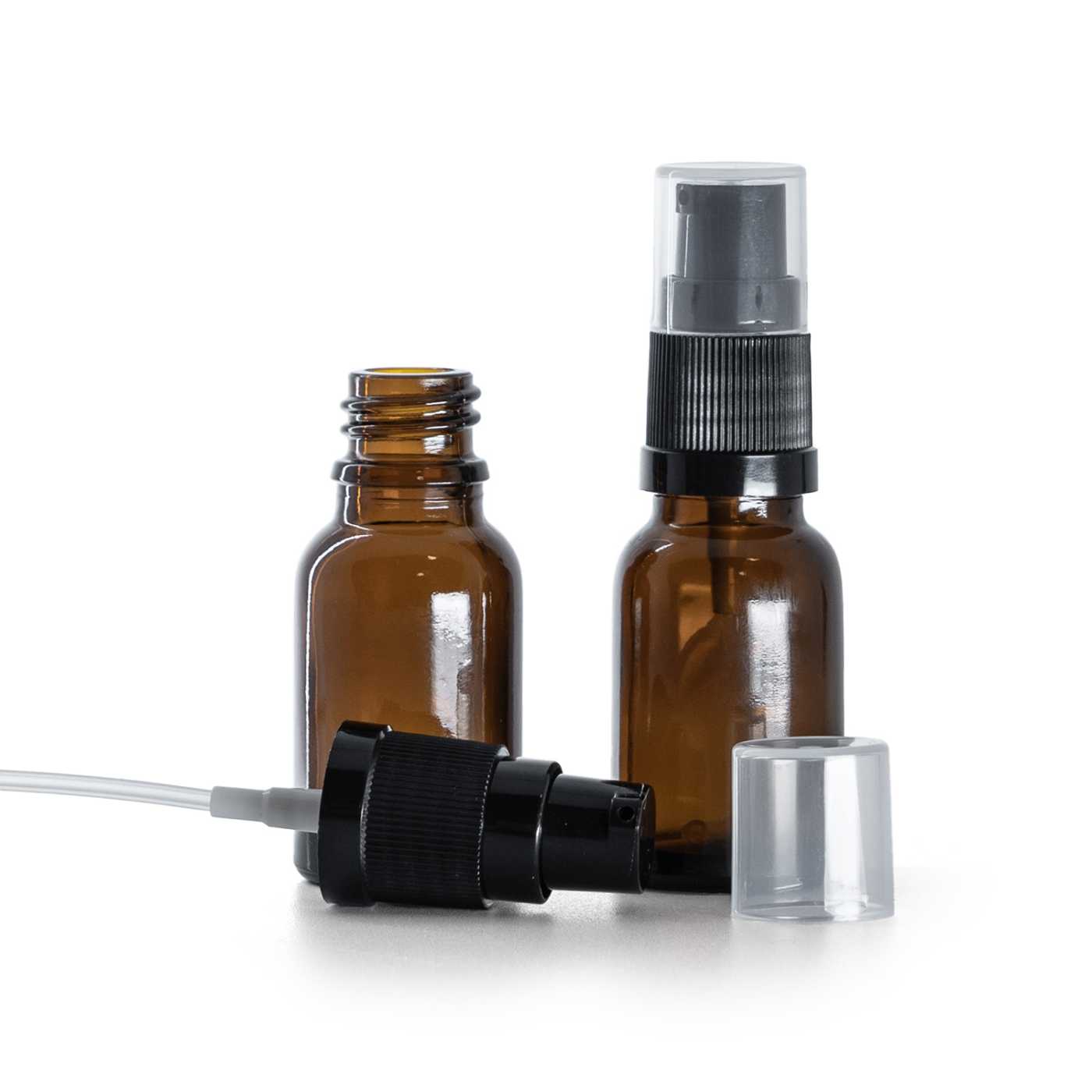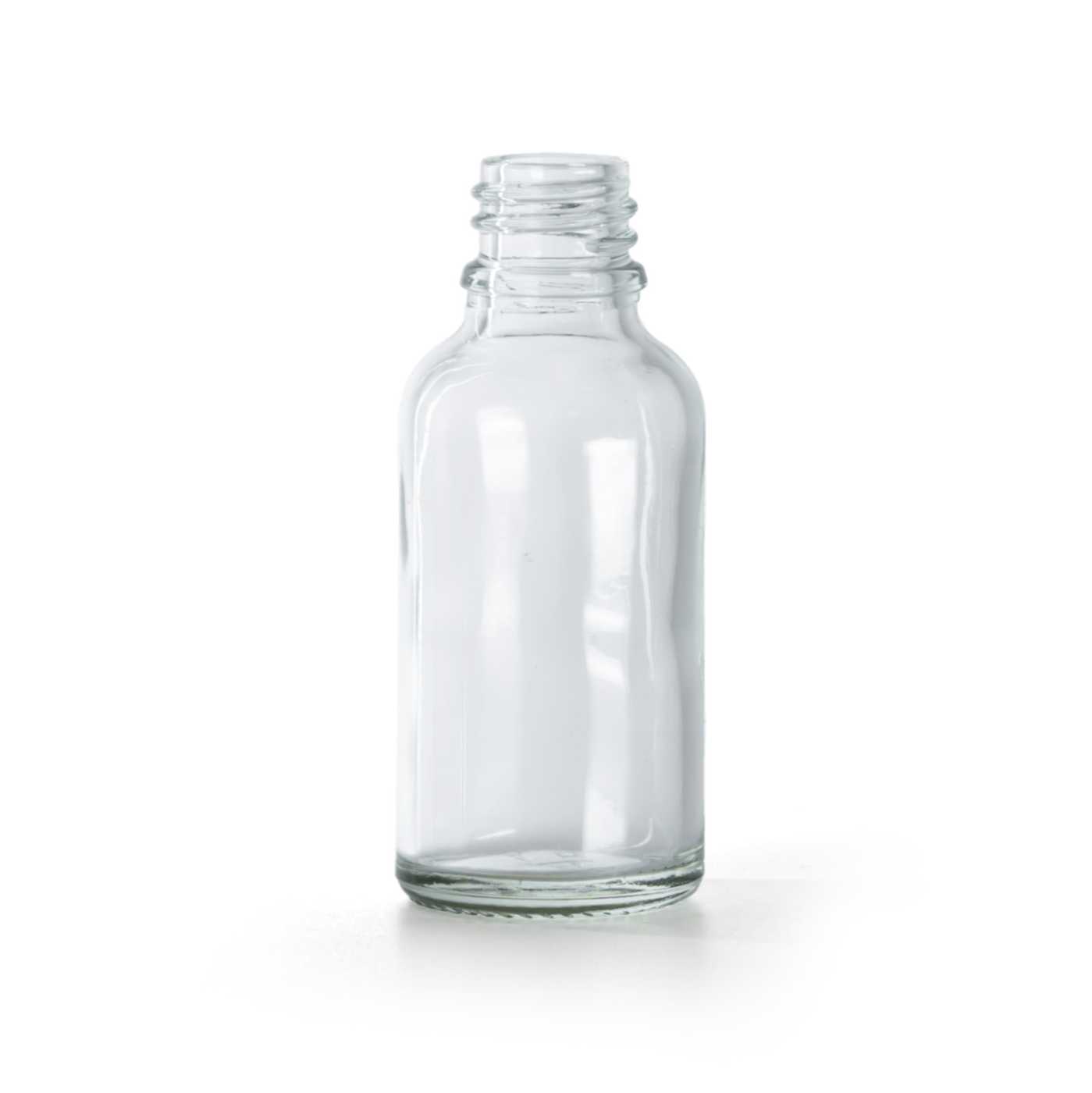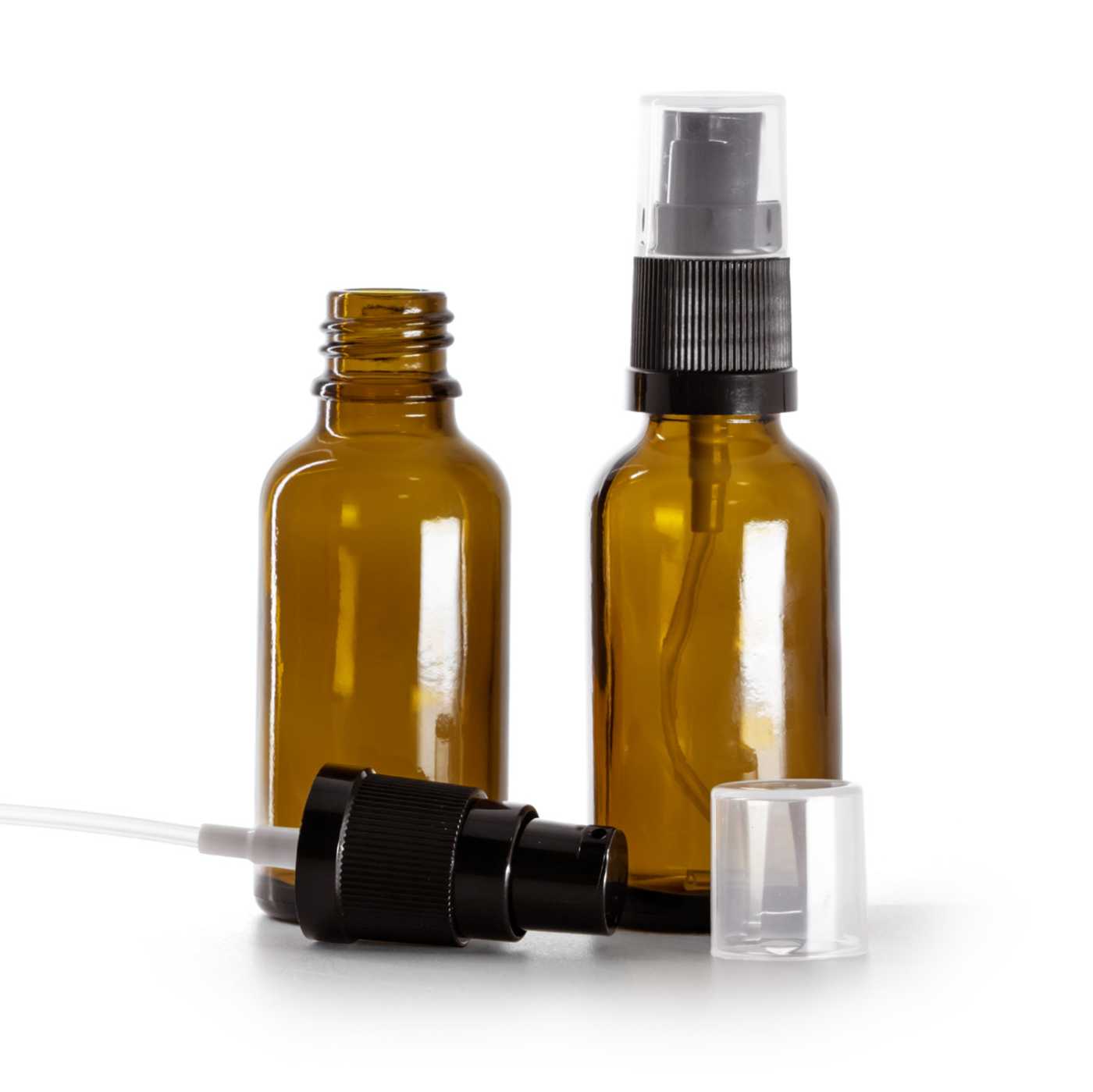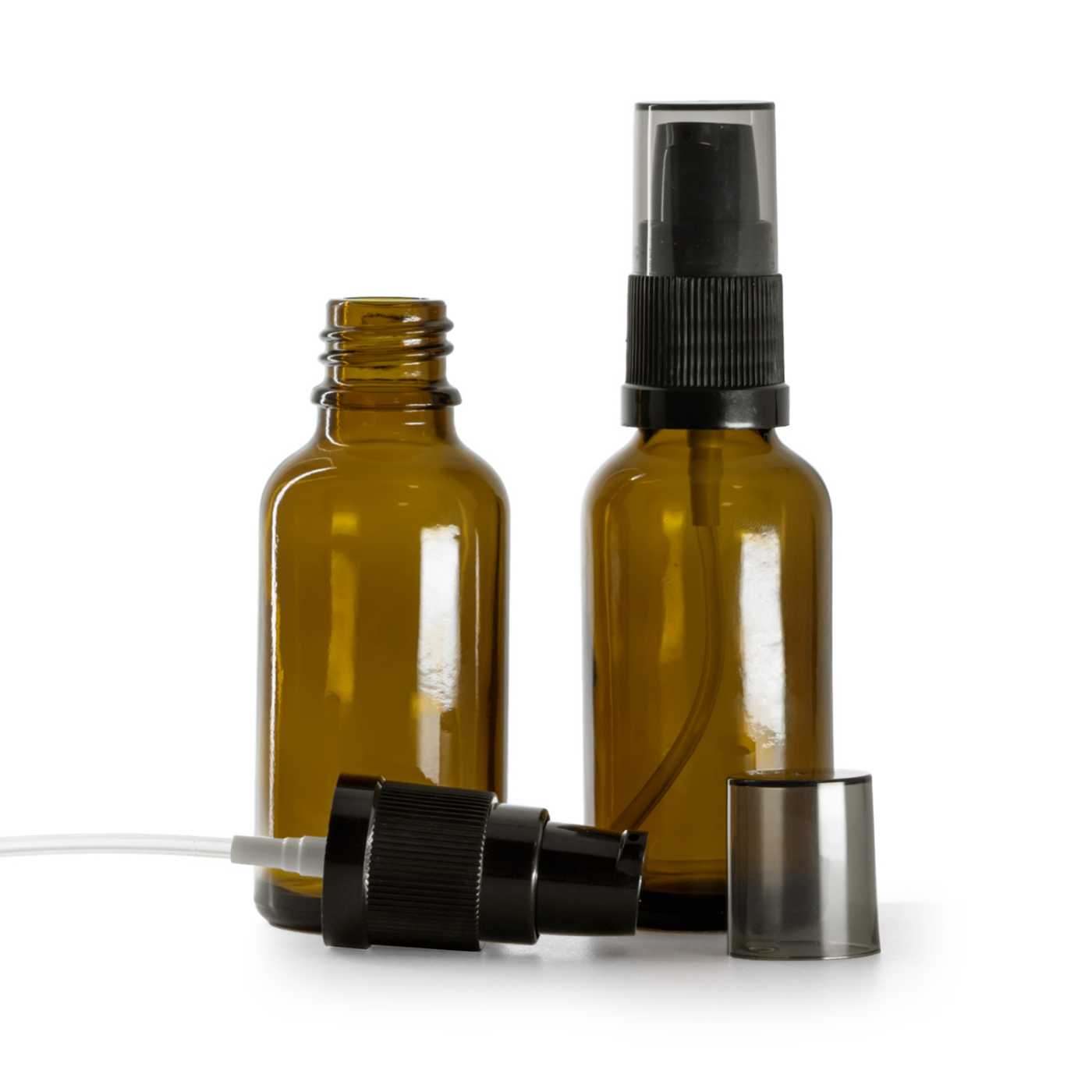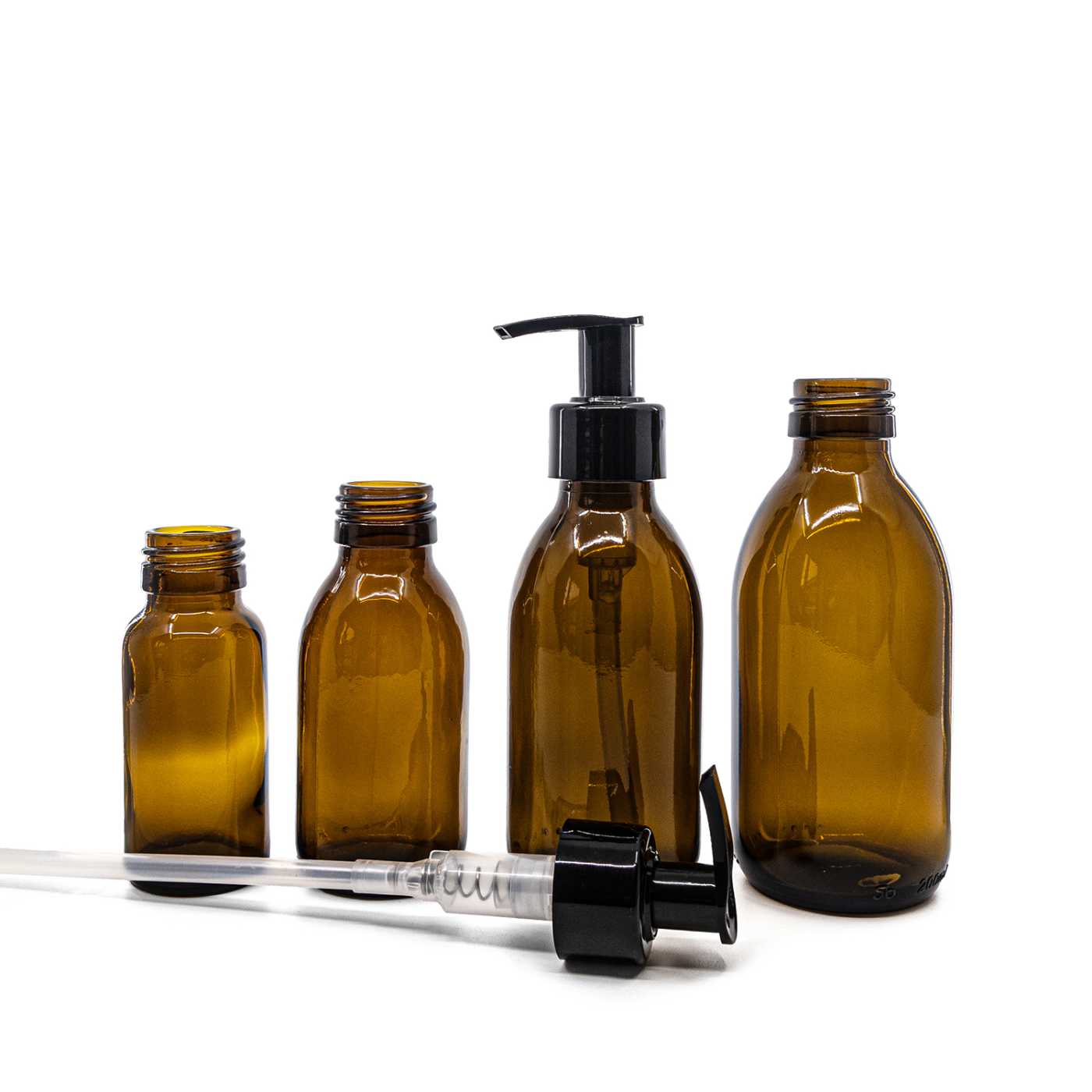


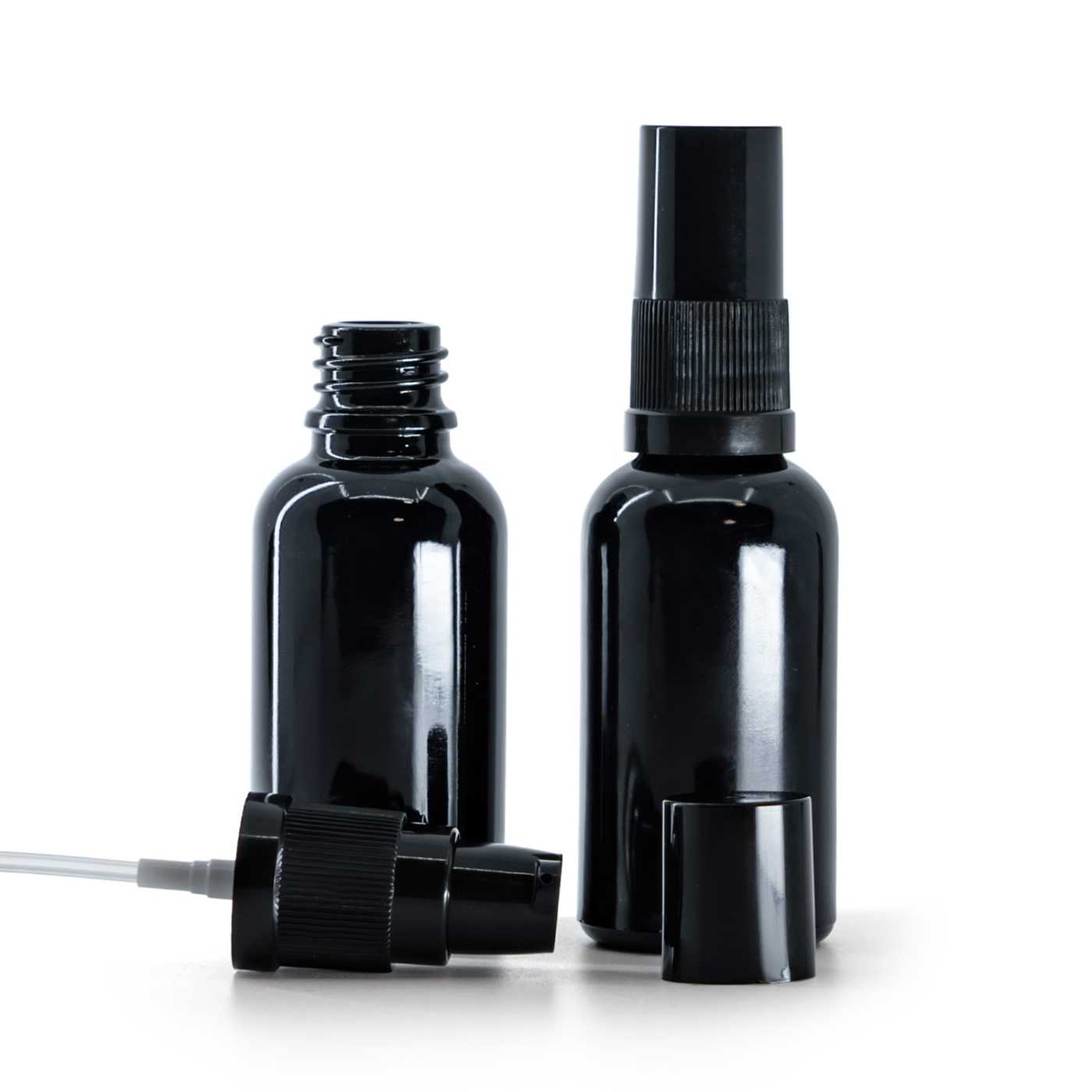
Gloss Black Glass Bottle, Lotion Pump with Black Overcap, 30 ml
Pre-order€0.92

SURFACTANTS
Pack size100 g500 g1 kg5 kg20 kg
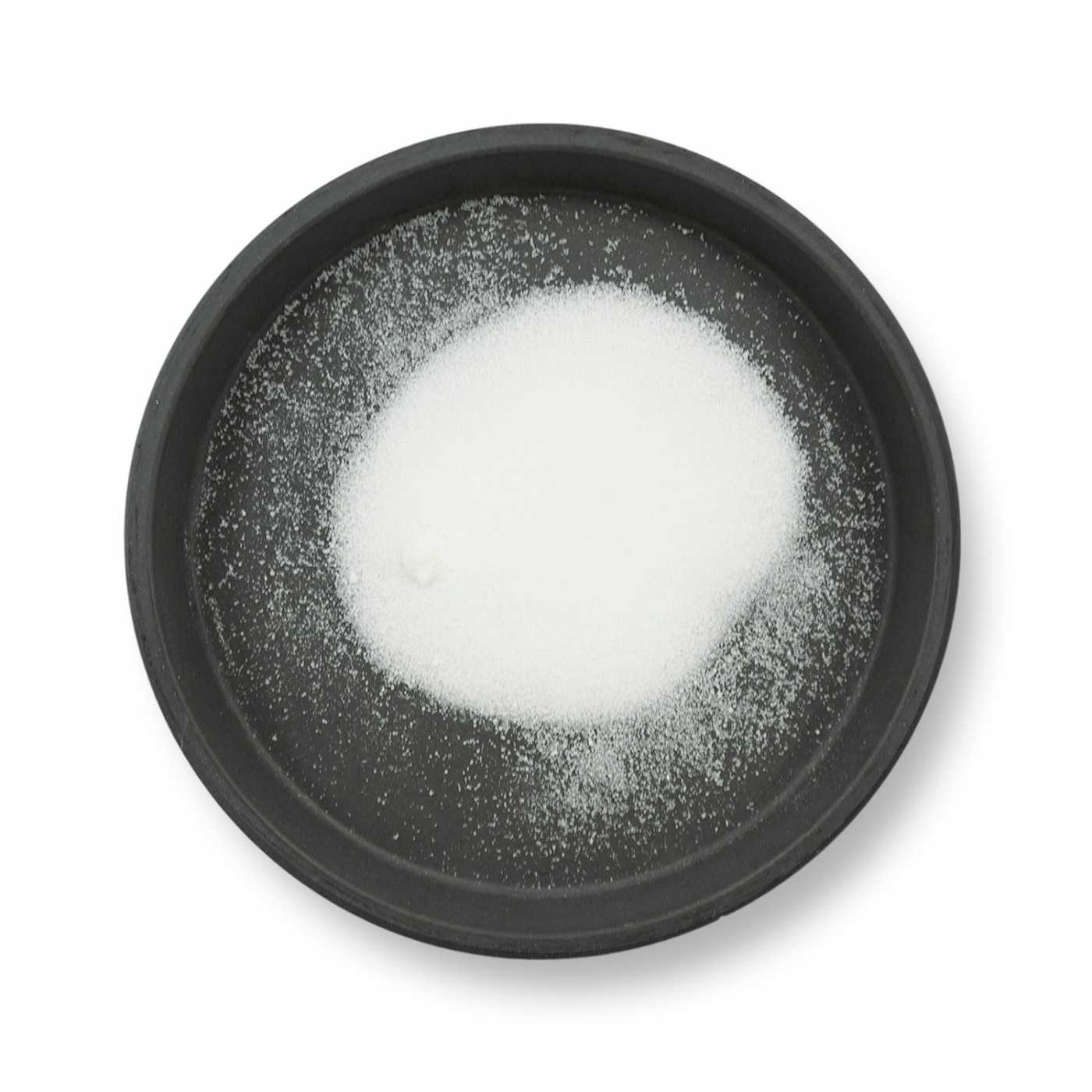
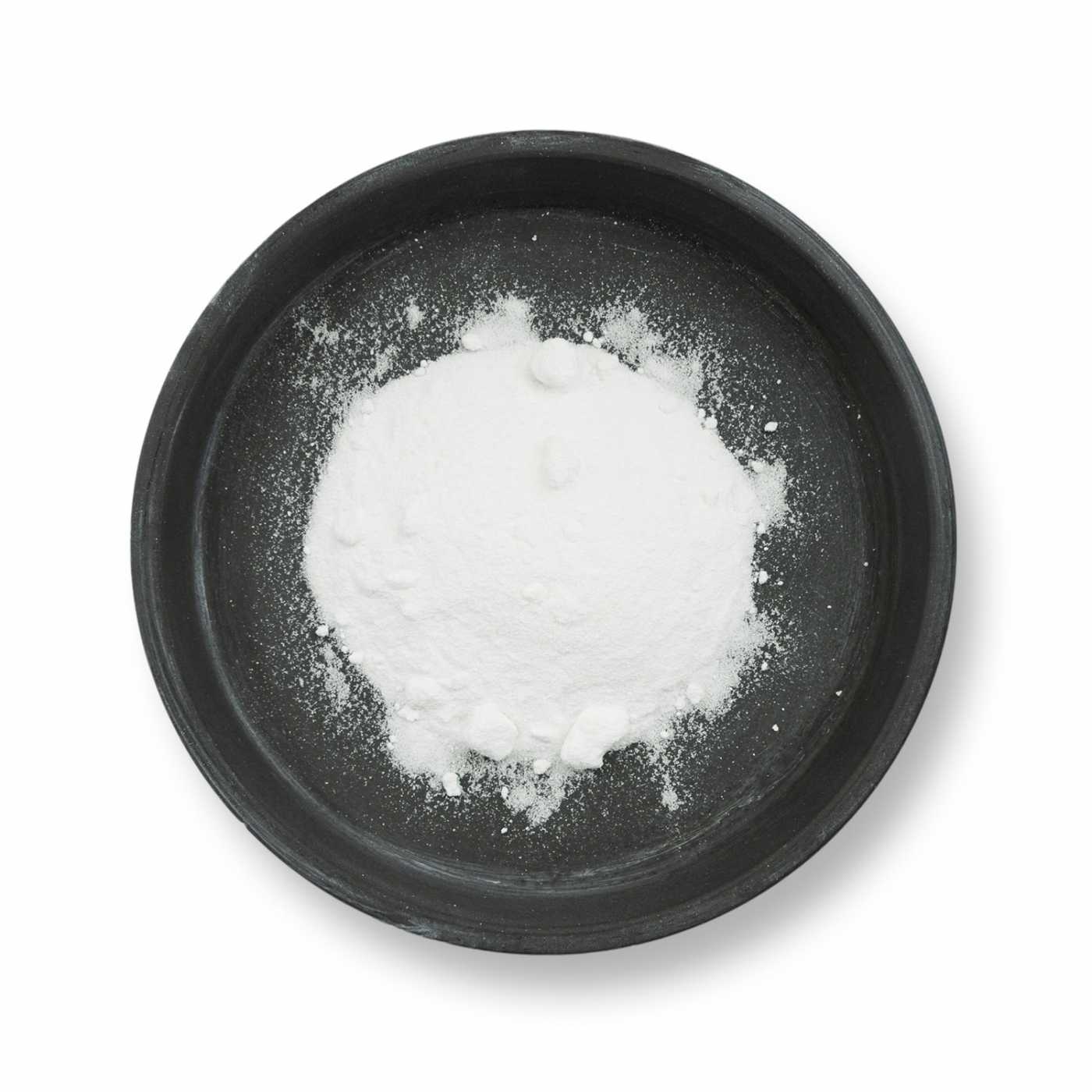
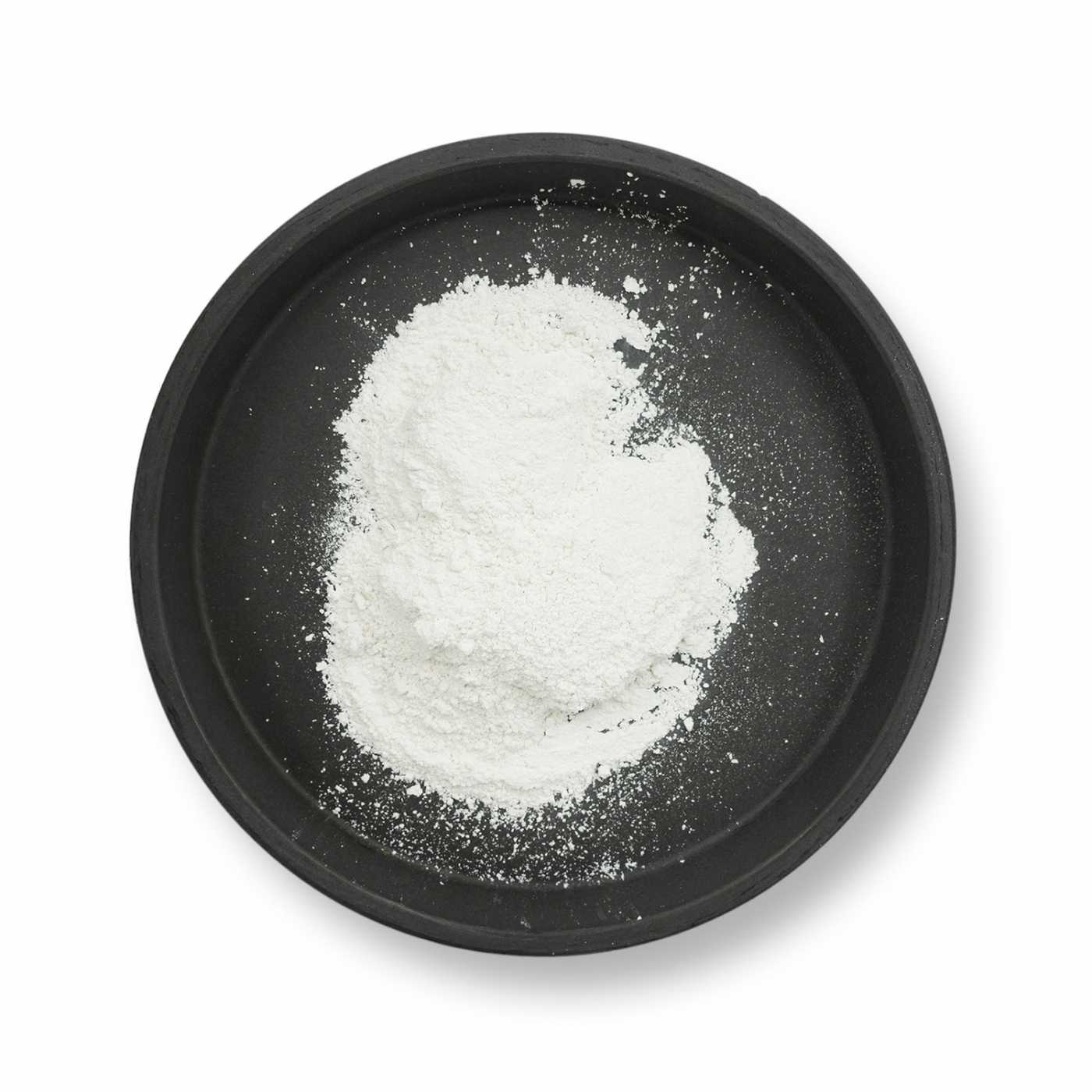
Sodium Cocoyl Isethionate (SCI) is a mild anionic surfactant derived from the fatty acids of coconut oil and isethionic acid. full description
Lowest price in the last 30 days: €4.99
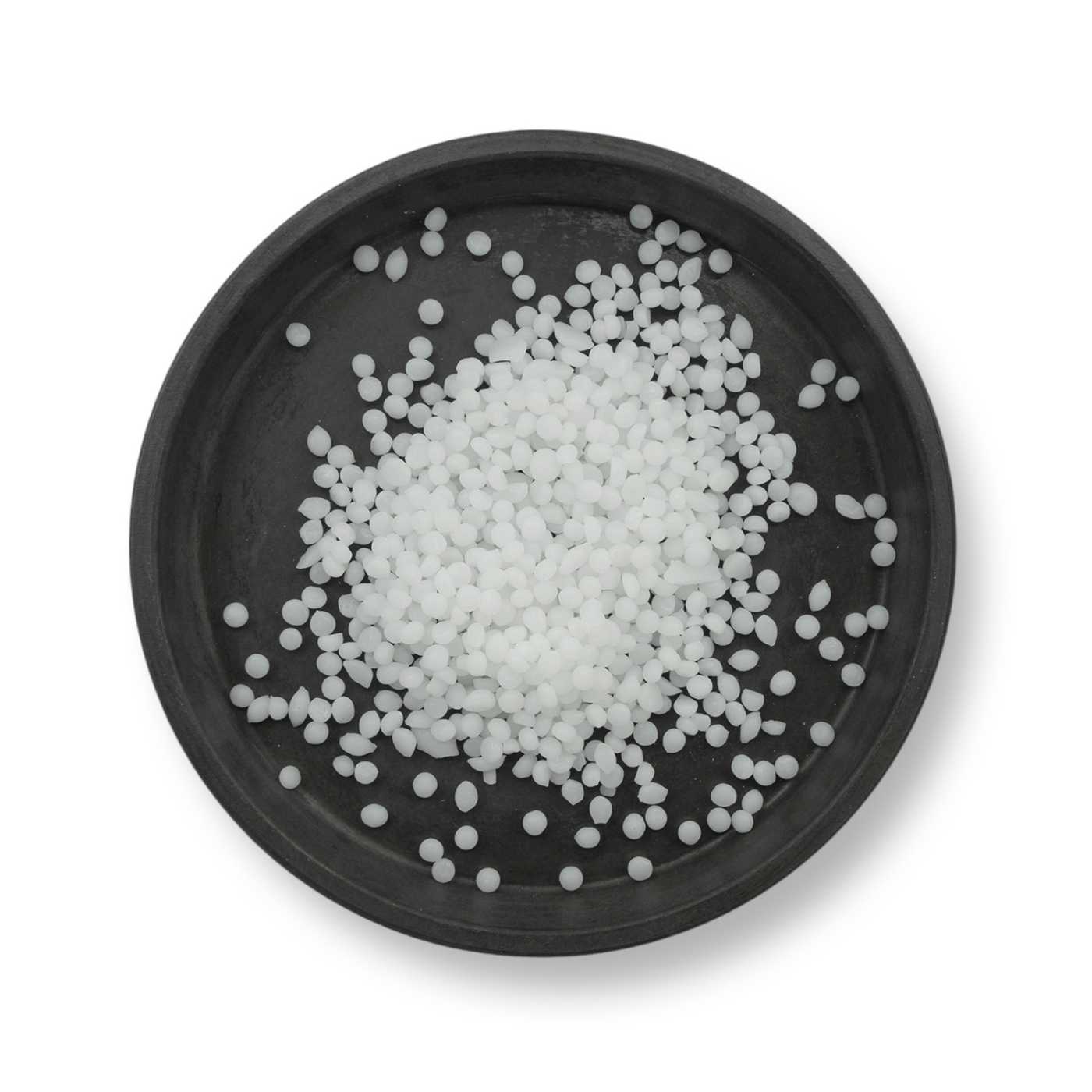
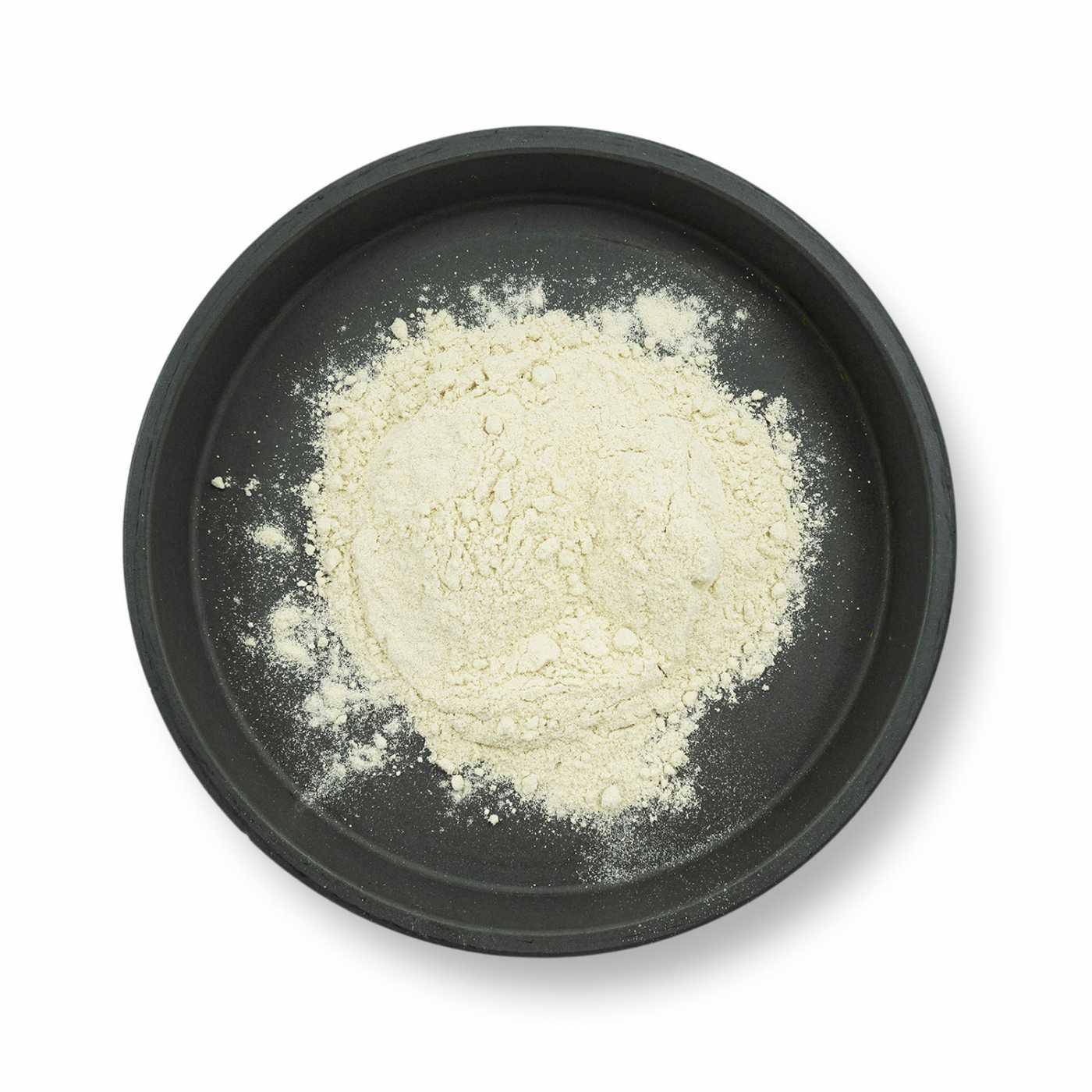
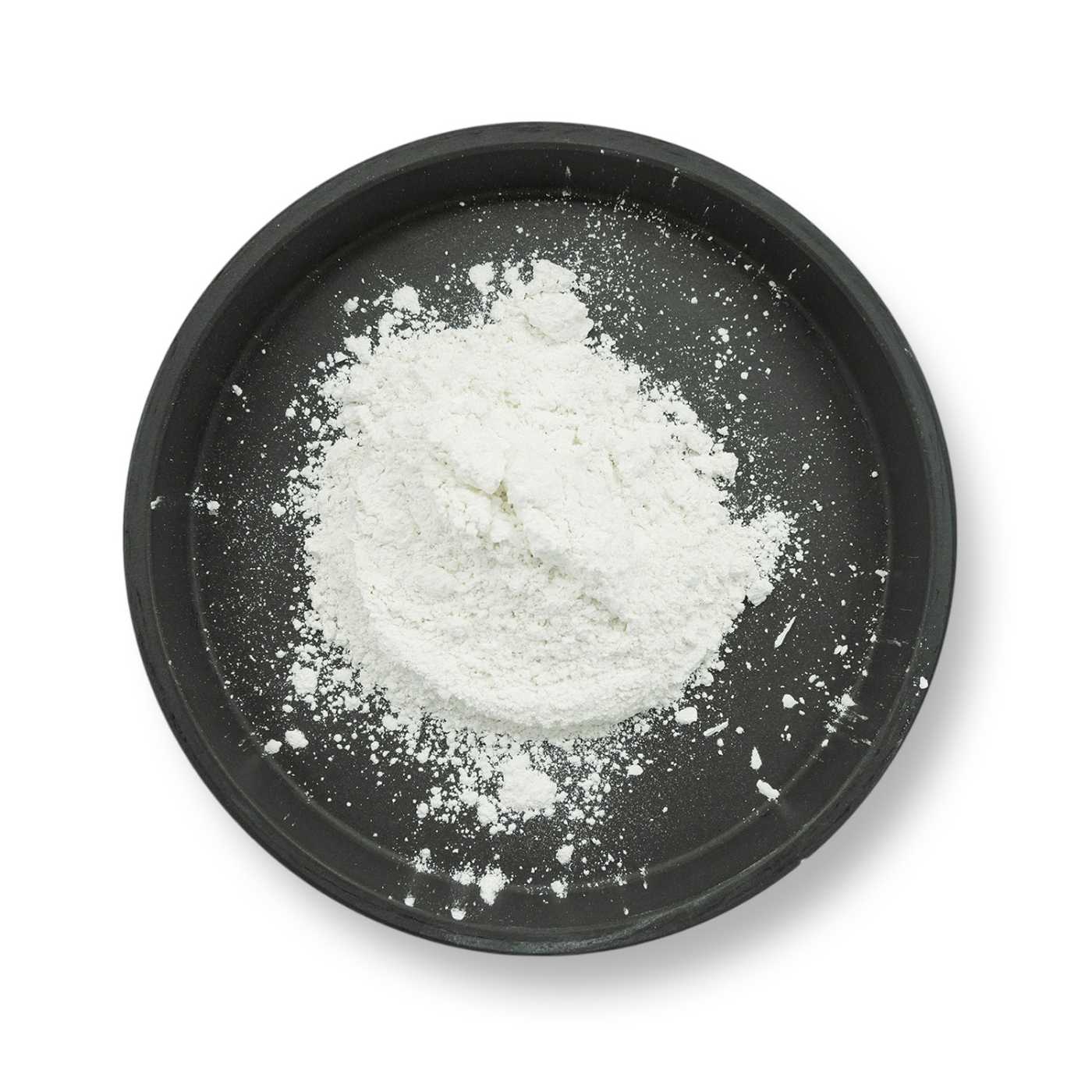
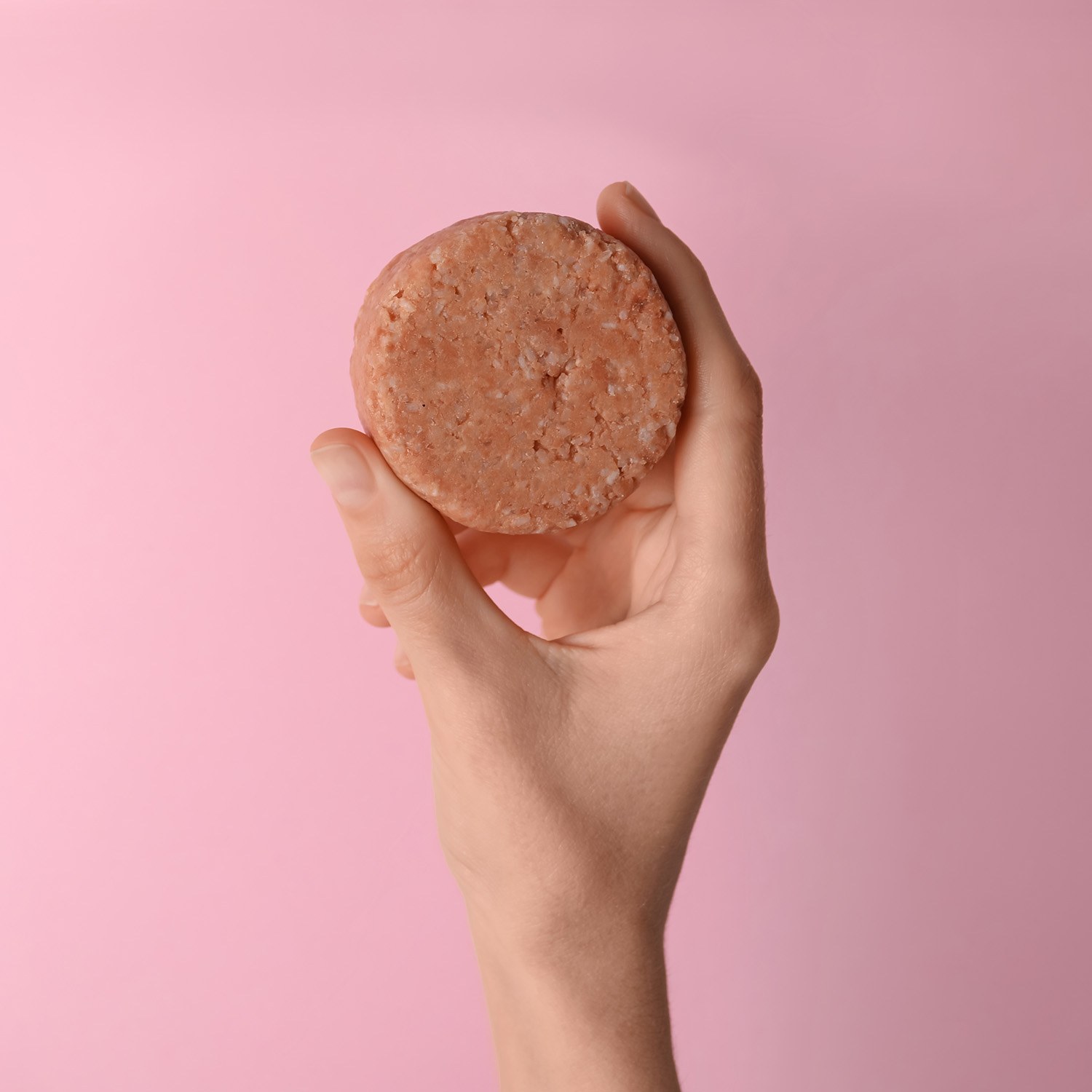
Sodium Cocoyl Isethionate (SCI) is a mild anionic surfactant derived from the fatty acids of coconut oil and isethionic acid. In a formulation, it provides cleansing and forms a rich, creamy lather, while drying out the skin less than common sulphate surfactants. It is therefore the backbone of solid shampoos, syndet bars and cleansing preparations for sensitive or children's skin.
It is processed in the water phase under heat, contains no sulphates or PEG, and in rinse-off products serves as a replacement for SLS or SLES.
SCI is an anionic surfactant and is added to the water phase. It is only partially soluble in water; at room temperature it tends to disperse rather than dissolve. It dissolves at 75 – 85 °C with constant stirring. In liquid formulations it helps to first dissolve the powder in a portion of water together with an amphoteric or non-ionic surfactant (for example Cocamidopropyl Betaine or Coco-Glucoside). This combination improves solubility, the solution stays clear after cooling, and the lather is even creamier. The raw material is insoluble in oil.
The recommended dosage range is broad, 5 – 50 % depending on the product type. In liquid shower gels and shampoos, SCI stays in the lower part of the range. In solid shampoos and syndet bars it forms the main ingredient and is used up to the upper limit.
The optimal pH of the finished product is 5 – 7. SCI is an ester compound and at pH above 7, combined with prolonged heating, it gradually decomposes, loses its cleansing effect and releases fatty acids. Therefore limit heating to the time needed for dissolution and adjust pH only after cooling. Alkaline ingredients, such as traditional soap with a high pH, are not a suitable partner.
For solid products, two methods are used. The powder is mixed with the other dry ingredients, moistened with a small amount of water or glycerin and pressed into a mould. Alternatively, it is melted together with fatty alcohols (such as Cetearyl Alcohol) and vegetable butters, and the mass is poured into a mould where it solidifies.
When dissolving, add the powder to the heated water in portions and stir slowly. Rapid stirring creates a lot of foam, which settles poorly in the container and makes it difficult to check whether everything has dissolved.
The powder dusts when poured and irritates the eyes and respiratory tract. When weighing and mixing, use protective goggles and a respirator, work in a ventilated area and do not scatter the powder.
At higher dosages in a liquid product, some of the SCI may crystallise after cooling. This manifests as cloudiness or a pearlescent appearance, sometimes also as a sediment on the bottom. Therefore test the product at lower temperatures, for example in the refrigerator, and adjust the dosage or co-surfactant ratio accordingly. Always adjust viscosity only after the product has cooled and the pH has been corrected.
The raw material is intended for rinse-off products. It does not belong in creams, serums or other leave-on preparations. Every product containing water needs a preservative; the surfactant alone does not protect the formulation.

Variant: Sodium Cocoyl Isethionate (SCI) prášok 1 kg

Variant: Sodium Cocoyl Isethionate (SCI) prášok 100 g