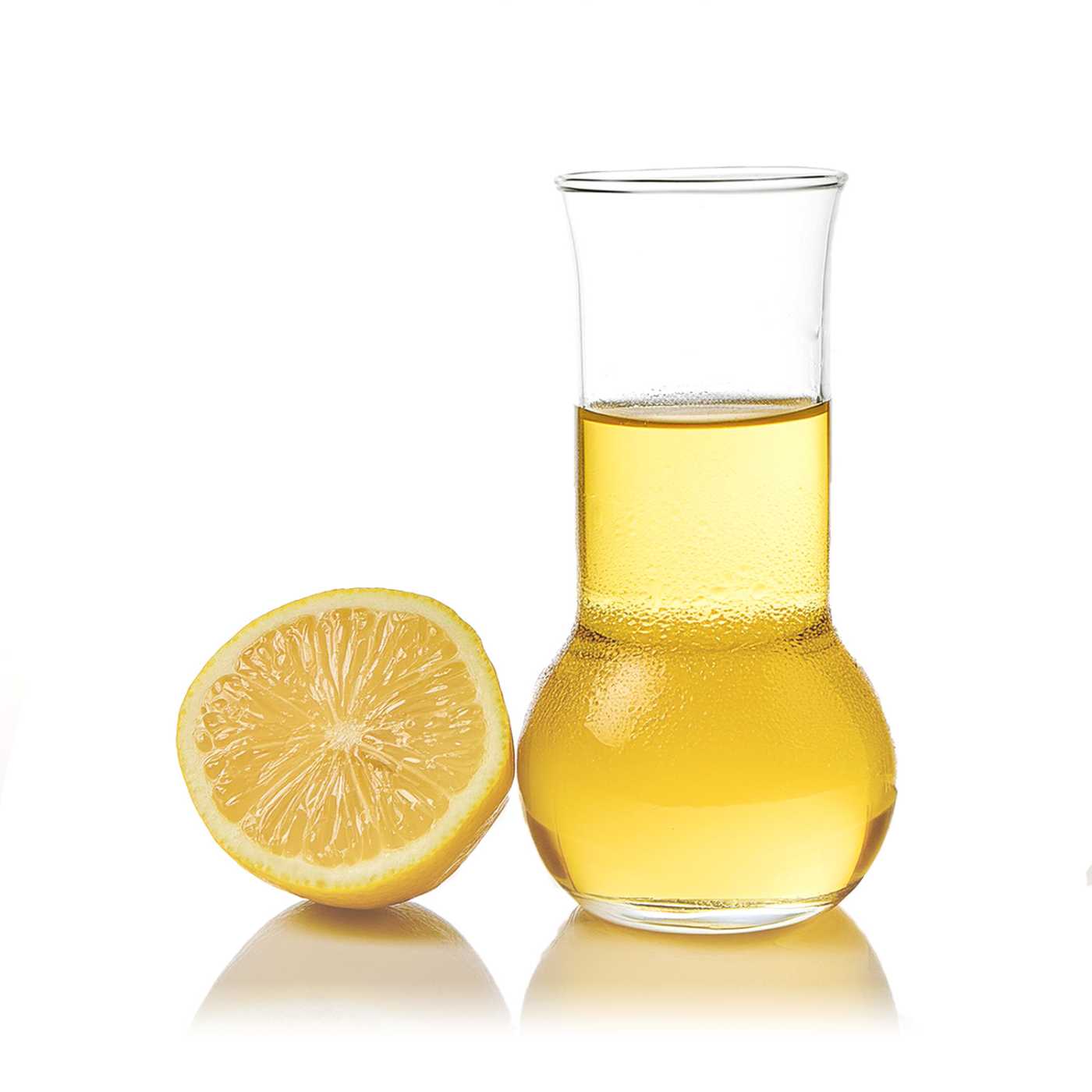
Lemon essential oil gives cosmetics a fresh citrus scent along with a cleansing and refreshing effect, making it particularly suitable for products for oily and normal skin. It is obtained by cold pressing from the peel of Citrus limon fruit. It is added to cleansing preparations, soaps, shampoos, body and massage oils, and candles, where alongside the scent it contributes to a feeling of cleanliness and freshness.
What the oil does in the product
The manufacturer lists five functions for lemon oil. Their extent depends on the dosage and the type of product.
- Scent – fresh scent of fresh lemon. It is volatile, so in the finished product it is most noticeable after opening and during application.
- Cleansing – according to the manufacturer, it helps remove impurities and excess sebum from skin and hair. This is used in rinse-off cleansing preparations and in products for oily skin.
- Refreshing and cooling sensation – the manufacturer describes a refreshing and mildly cooling sensation on the skin, suitable for after-sun preparations, body products, and foot preparations.
- Antimicrobial effect – the manufacturer states antimicrobial properties. In cosmetics these serve as support for skin cleanliness, but the essential oil does not replace the product's preservative system.
- Skin brightening – the manufacturer mentions evening out the skin tone and a fresher appearance. This is the manufacturer's claim and is not supported by a clinical study in the documentation.
Use in formulation
Lemon essential oil is not water-soluble; it dissolves in oils and alcohol. In emulsions and anhydrous products it belongs in the oil phase or is added during cooling. In aqueous products such as tonics, sprays, or hydrolat mixtures, it must first be combined with a solubilizer, otherwise it separates and forms droplets on the surface.
The recommended processing temperature is up to 40 °C. In a hot process, therefore, add it only to the cooled emulsion with constant stirring, or as the last step to the finished base. At higher temperatures part of the fragrance components evaporate and the product's scent weakens.
Maximum dosage for individual product types is determined by the IFRA certificate for the product, divided into categories from lip preparations (category 1) to candles and room fragrances (category 12). For leave-on skin products, follow the limit strictly and verify the exact value for your category before production.
Lemon develops its scent quickly and fades just as quickly. If the scent is to last longer in the finished product, combine it with more long-lasting fragrance components.
Suitable for products such as
The oil is used in both rinse-off and leave-on products for face, body, hair, scalp, and nails.
- Cleansing preparations and soaps – shower gels, liquid and bar soaps, shampoos, cleansing gels for oily skin.
- Body and massage oils – in an oil base it dissolves completely and the scent develops fully during application.
- After-sun and foot preparations – the refreshing and cooling sensation described by the manufacturer is utilised.
- Hair products – rinse-off conditioners, hair mists, and leave-in preparations with a citrus scent.
- Nail and hand preparations – cuticle oils, hand creams.
- Candles and room fragrances – as a fragrance component of candles and diffuser aromas within IFRA category 12.
Good to know
- The oil is subject to CLP classification and carries the GHS07, GHS08, and GHS09 pictograms. When working with the pure oil, follow the safety data sheet; the finished product is labelled according to its own classification.
- Contains fragrance allergens listed in Annex III of the Cosmetics Regulation. Take this into account when labelling the composition of the finished product.
- Undiluted essential oil is not applied to the skin; it is always incorporated into a carrier or product.
- The scent of citrus oils is sensitive to air, heat, and light. The finished product therefore benefits from a dark or opaque container.
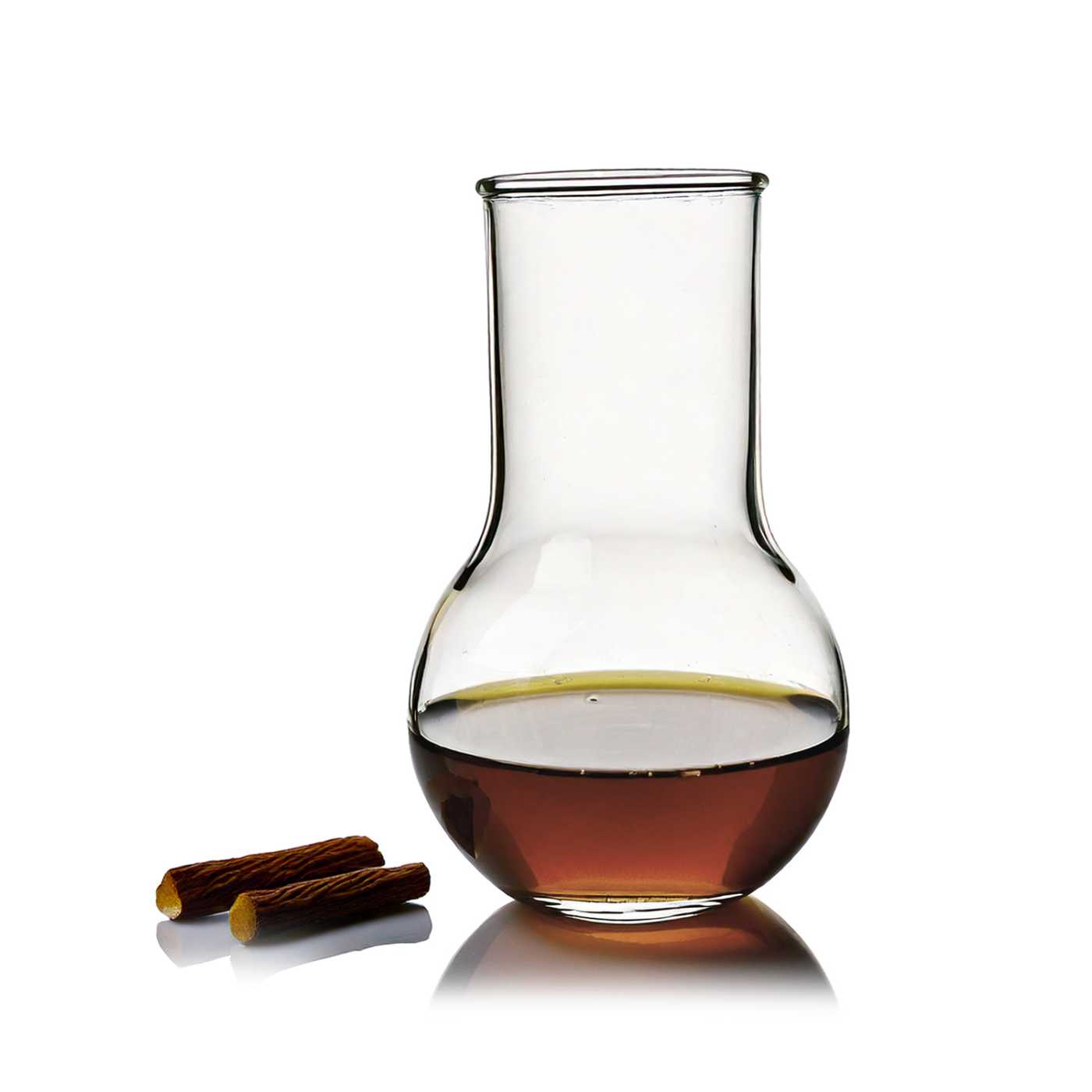
- The oil may have a colourless to yellowish-green tint. At normal fragrance dosage this usually does not affect the product's colour, but with white creams verify this before producing a larger batch.
- The oil is of food-grade and cosmetic-grade quality.
For a tonic or refreshing spray, first mix the oil with a solubilizer in the ratio recommended by the solubilizer manufacturer, and only then add it to the aqueous phase. A clear result without cloudiness is a sign that the amount of solubilizer is sufficient.
Frequently asked questions
Is lemon essential oil water-soluble?
No, lemon essential oil does not dissolve in water; it dissolves in oils and alcohol. In a tonic, spray, or other aqueous product it must first be combined with a solubilizer, otherwise the oil separates and forms droplets on the surface. In oil bases and emulsions it can be incorporated without an auxiliary agent.
How is lemon essential oil added to a cream?
Lemon essential oil is added to a cream during the cooling phase, when the temperature of the emulsion drops below 40 °C. With constant stirring it disperses evenly into the oil phase of the emulsion. If added to a hot phase, part of the fragrance components evaporate and the cream's scent will be weaker.
How much lemon essential oil can be added to a product?
The maximum amount is determined by the IFRA certificate for the product according to the product category. Different limits apply for lip preparations, facial creams, body lotions, rinse-off cleansing preparations, and candles. Always verify the value for the specific category before production and do not exceed it for leave-on skin products.
Is lemon essential oil suitable for oily skin?
Yes, lemon essential oil is intended for oily and normal skin. The manufacturer states a cleansing effect that helps remove excess sebum, which is why it is used primarily in rinse-off cleansing gels and soaps for oily skin. In leave-on products it is added in an amount according to the IFRA limit for that type of preparation.
Can lemon essential oil be used in candles?
Yes, lemon essential oil can be used in candles; it falls under IFRA category 12. It is added to the wax after melting and partial cooling so that the fragrance components do not evaporate unnecessarily. Citrus scent is volatile, so in candles it is often combined with more long-lasting fragrances that anchor it.