


The handymade learning centre
Homemade cosmetics academy
Recipes, ingredient profiles and regulations in one place. Learn step by step — and add the ingredients of any recipe to your cart in one click.
Learning paths
Getting started with homemade cosmetics
First steps in making your own cosmetics: measuring pH, preservation, working with actives and essential oils. The parts build on each other, but each one also stands alone.
Level II · 5 partsMineral make-up from A to Z
A complete series on home-made mineral make-up: powder foundation, a cream version in five shades and liquid make-up, including how to mix your own shade.
Level III · 6 partsCosmetics legislation for makers
INCI names, correct product labelling, IFRA standards and cosmetic certificates — a learning path for everyone who wants to make cosmetics properly and legally.

Hydrolats in natural cosmetics
Discover the refreshing properties of hydrolats in natural cosmetics

Coco betaine: Natural surfactant for skin and hair
Discover the properties of the natural surfactant coco betaine, how it can be used and what it does for your skin and hair.
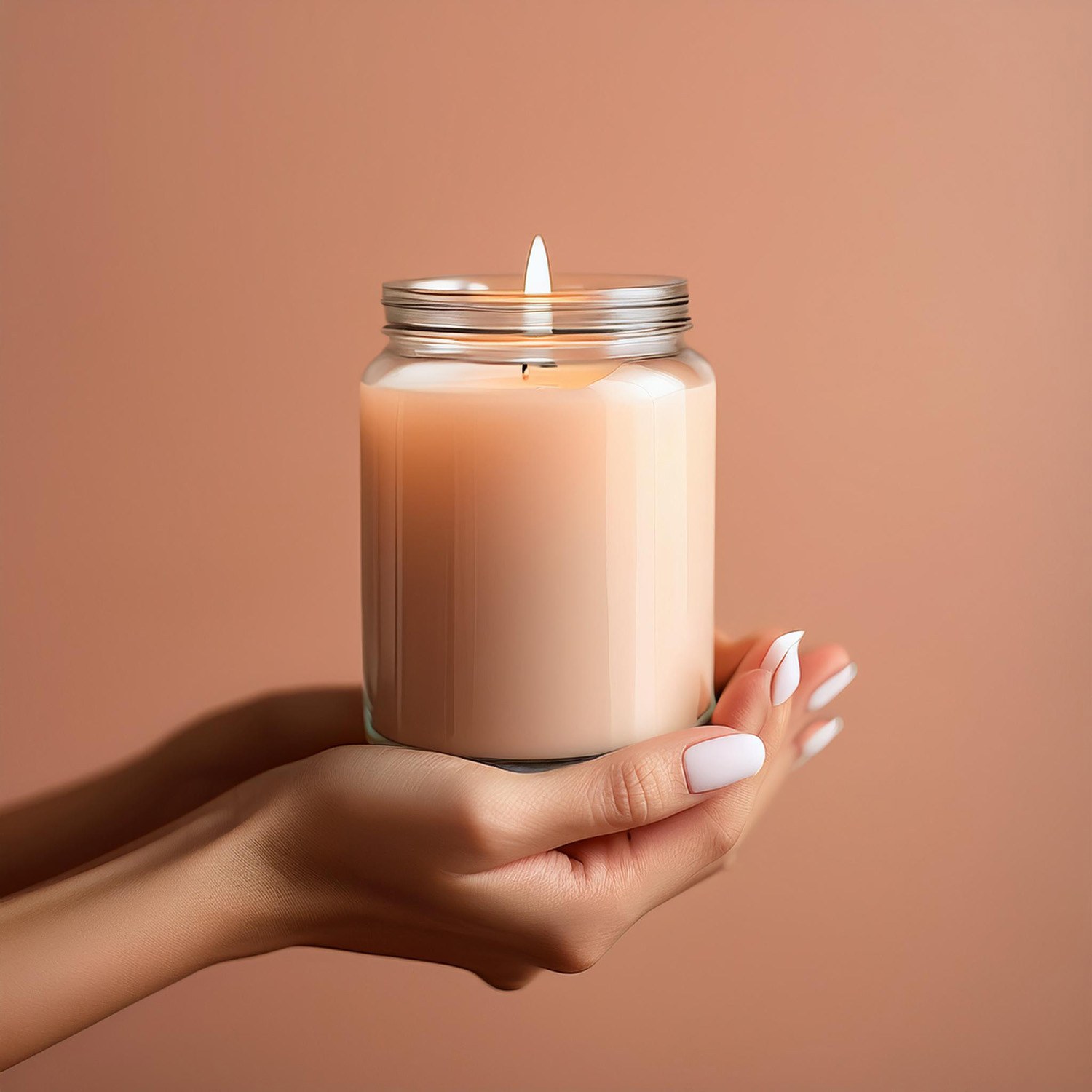
Waxes and their comparison
Are you considering making candles but do not know how to navigate the range of different waxes for their preparation? Get your overview in this article.
Hyaluronic acid
Hyaluronic acid is currently a very popular raw material that you can find in many types of cosmetic products. In this post you will learn how to use it.
White vinegar 10%
White vinegar is a wonder that helps with household chores, garden care and even your pets. How? Read all about it in our blog article.
Vegetable petrolatum VEGELINE
Vegeline plant-based petroleum jelly will pleasantly surprise you. You won't want to use petroleum-based jelly again. Read about Vegeline in our article.

Surfactants and their ASM value
Get to know some of the terms you need when making natural cosmetics at home - surfactants and their ASM value.
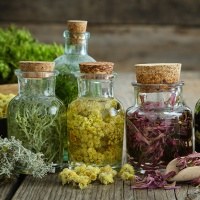
Homemade herbal extracts
Curious to learn something new about homemade herbal extracts? In this article we explain what they are, how to make them and where they are used.

Cosmetic clays and their use
Clays have been used in skincare for centuries and are found in almost all traditional cosmetic and even therapeutic procedures. They are one of the best sources of minerals.
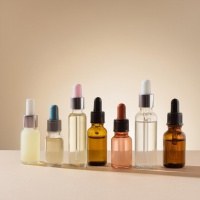
Flavours for balms and fragrance oils - differences
We are introducing new lip balm flavours and fragrance oils to our range. Do you know how lip balm flavours differ from fragrance oils?
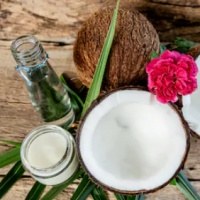
Fractionated coconut oil
Do you know what the difference is between classic coconut oil and its fractionated version? Can you use both variants in the same way, or substitute them in your formulations?
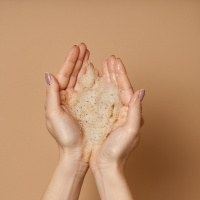
EXFOLIANTS
Exfoliation is a process that helps rid the skin of impurities, sebum and various build-ups, but especially of dead skin cells. The skin naturally sheds millions of skin cells every day. However, with increasing age this process of natural shedding slows down or even stops.
Showing 12 of 40 articles