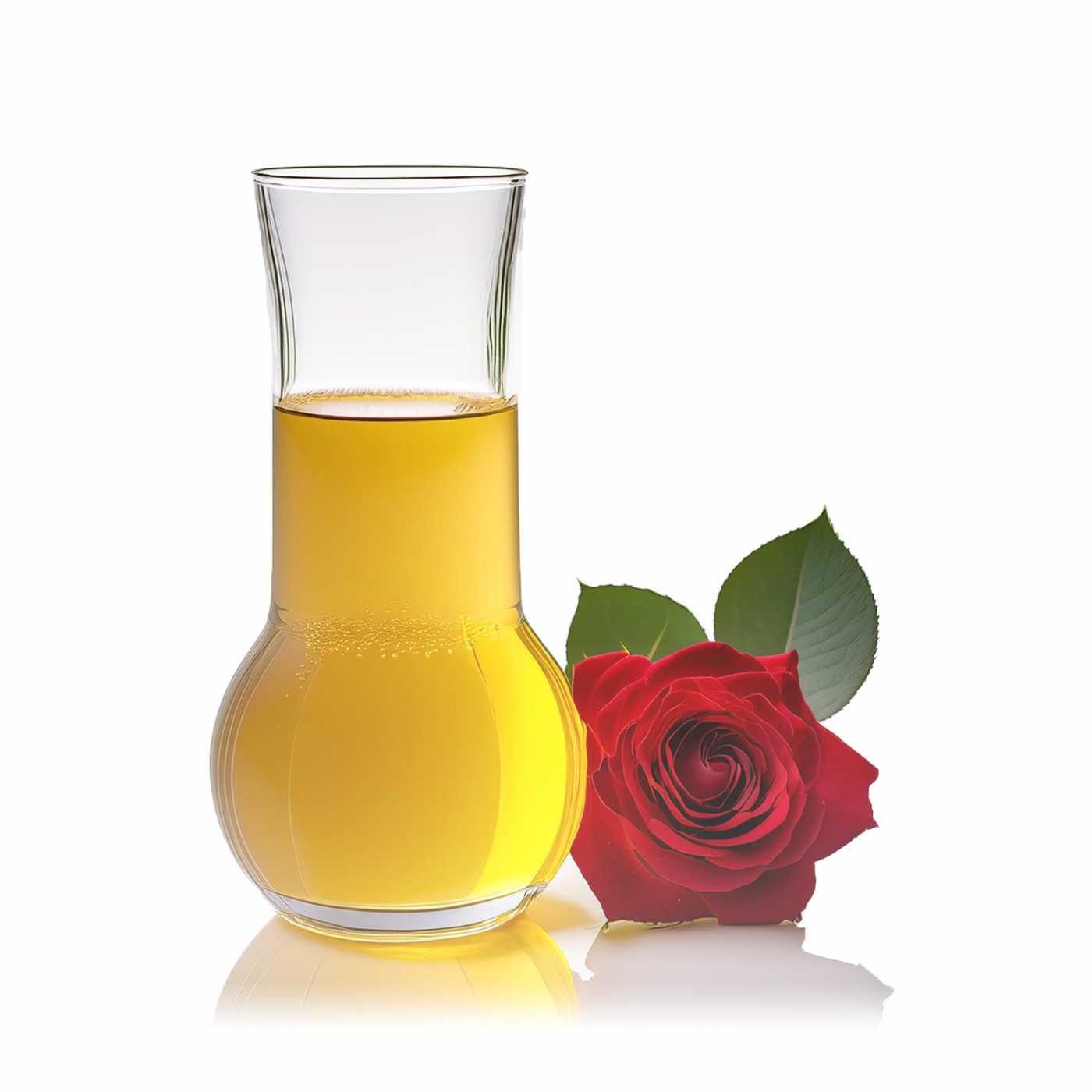
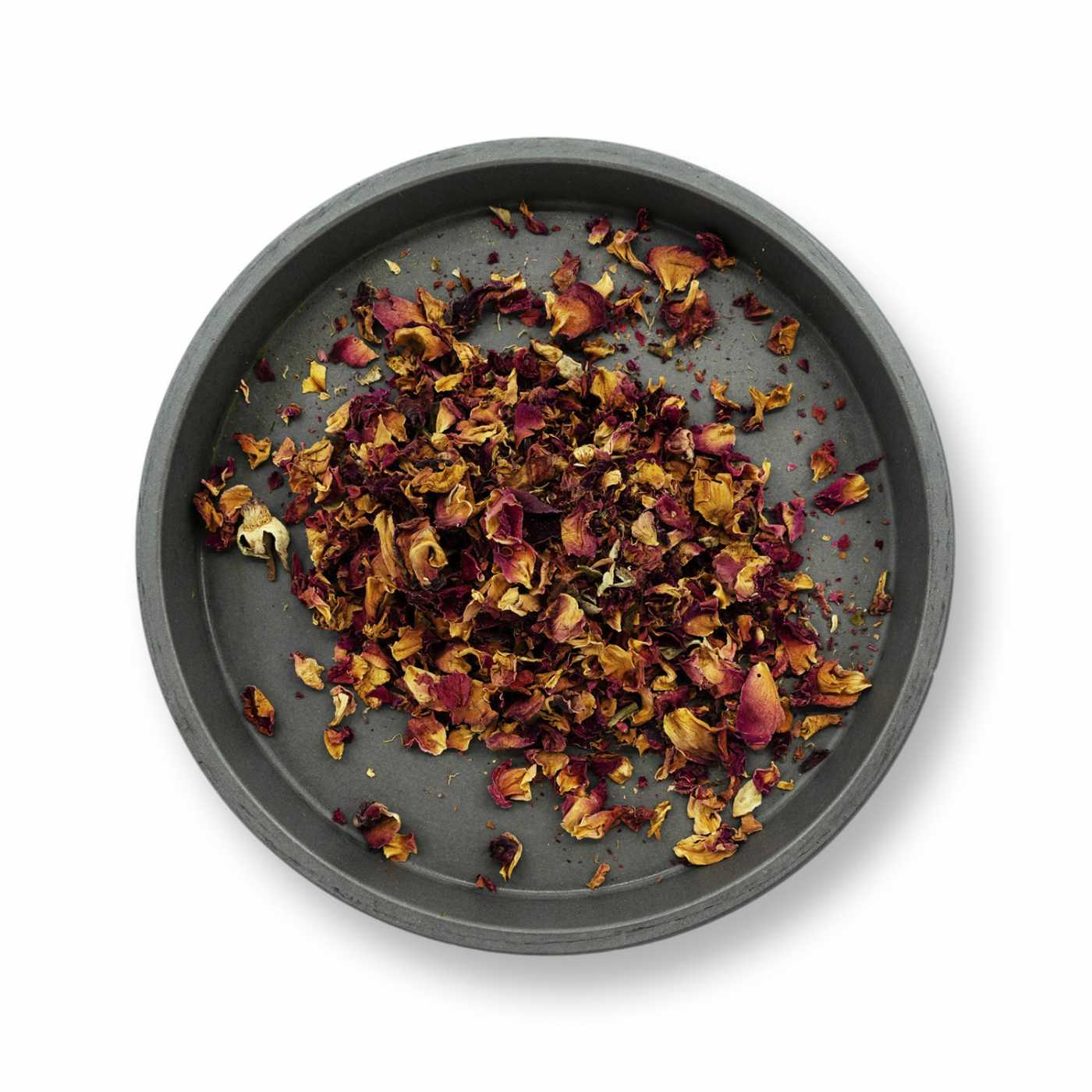
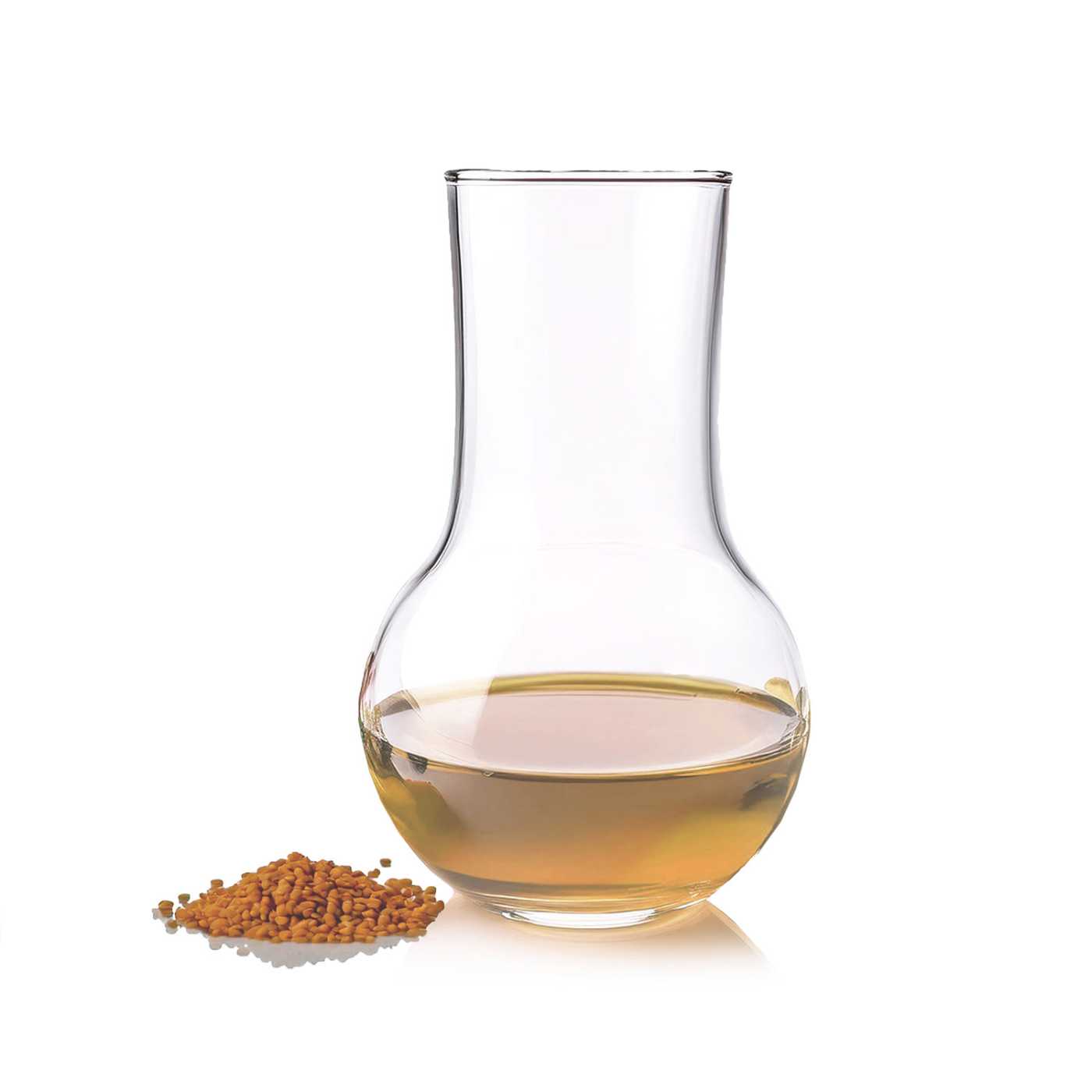
Damask rose 10% brings the fragrance of genuine rose essential oil in a form that allows precise work even in small batches. Pure oil from damask rose flowers is dosed in very small amounts, so it is often used diluted in cosmetic making. This product contains 10% rose oil obtained by steam distillation and 90% caprylic/capric triglycerides, that is, fractionated coconut oil.
In a formulation it works as a fragrance component. It suits any product made with an oil phase or an anhydrous base, from face and hair care through soaps and bath products to candles and aromatherapy blends.
What the 10% dilution means
In small batches, pure rose oil is dosed in fractions of a drop, which cannot be measured with ordinary scales or a dropper. With the triglyceride dilution you weigh out ten times the amount of blend and get the same dose of fragrance. The recipe can then be repeated precisely, and the risk of overdosing the fragrance is lower.
The carrier is Caprylic/Capric Triglyceride, a fractionated coconut oil. In a recipe it behaves as part of the oil phase, so at higher usage rates in anhydrous products count it among the oils.
Fragrance and attributed effects
Rose essential oil is used in cosmetics mainly for its fragrance. In aromatherapy and traditional skin care it is also credited with properties that can complement the aim of a recipe:
- Soothing and toning the skin – traditionally included in products for dry, normal and mature skin that are meant to soften and refresh the skin.
- Antioxidant and regenerating action – because of these attributed properties it appears in recipes aimed at mature skin, where the fragrance component fits the overall character of the product.
- Antimicrobial effect – stated for essential oils in general, but at the usual fragrance usage rates it is only a supplement to the recipe.
The extent of these effects depends on the usage rate, which is low for fragrance components, and on the rest of the recipe. The action of the finished product is determined by the whole formulation.
Use in a formulation
The blend is oil-soluble and insoluble in water. In emulsions it is added only after emulsification, in the cooling phase, once the temperature drops below 40 °C. Essential oils are volatile, and at higher temperatures part of the fragrance components escapes. The fragrance of the finished product is then weaker than you expected.
In anhydrous products, such as body and massage oils, it is stirred into the base cold. In balms and solid products, add it after the waxes have melted, once the mass is cooling, just before pouring into jars or moulds.
In water-based products without an oil phase, for example toners or refreshing sprays, it does not disperse on its own and separates on the surface. It needs a solubiliser, for example Polysorbate 20 or PEG-40 Hydrogenated Castor Oil. Test the ratio of solubiliser to blend on a small sample, because besides the rose oil the triglyceride carrier also has to be solubilised.
In rinse-off products, such as shower gels and shampoos, it is added at the end of preparation. The small amount of oil is usually dispersed by the surfactant base itself.
Choose the usage rate according to the required fragrance intensity and the IFRA limit for the category of product you are making. When calculating, bear in mind that the blend contains 10% rose oil. To achieve the same fragrance intensity you therefore need ten times the amount compared with pure essential oil, and the IFRA limit is recalculated for the blend accordingly.
Suitable for products such as
- Face creams and serums for dry, normal and mature skin – fragrancing at a low usage rate.
- Body and massage oils, balms – an anhydrous base into which the blend is stirred directly.
- Oil and cream products for hair and scalp – a fragrance component for hair masks and oil treatments.
- Bath salts and bath bombs – the fragrance is released in the bath water.
- Shower gels and soaps – rinse-off products in which the fragrance is noticeable during washing.
- Candles, diffusers and aromatherapy blends – use outside cosmetics; for candles we recommend testing the behaviour in the specific wax.
Good to know
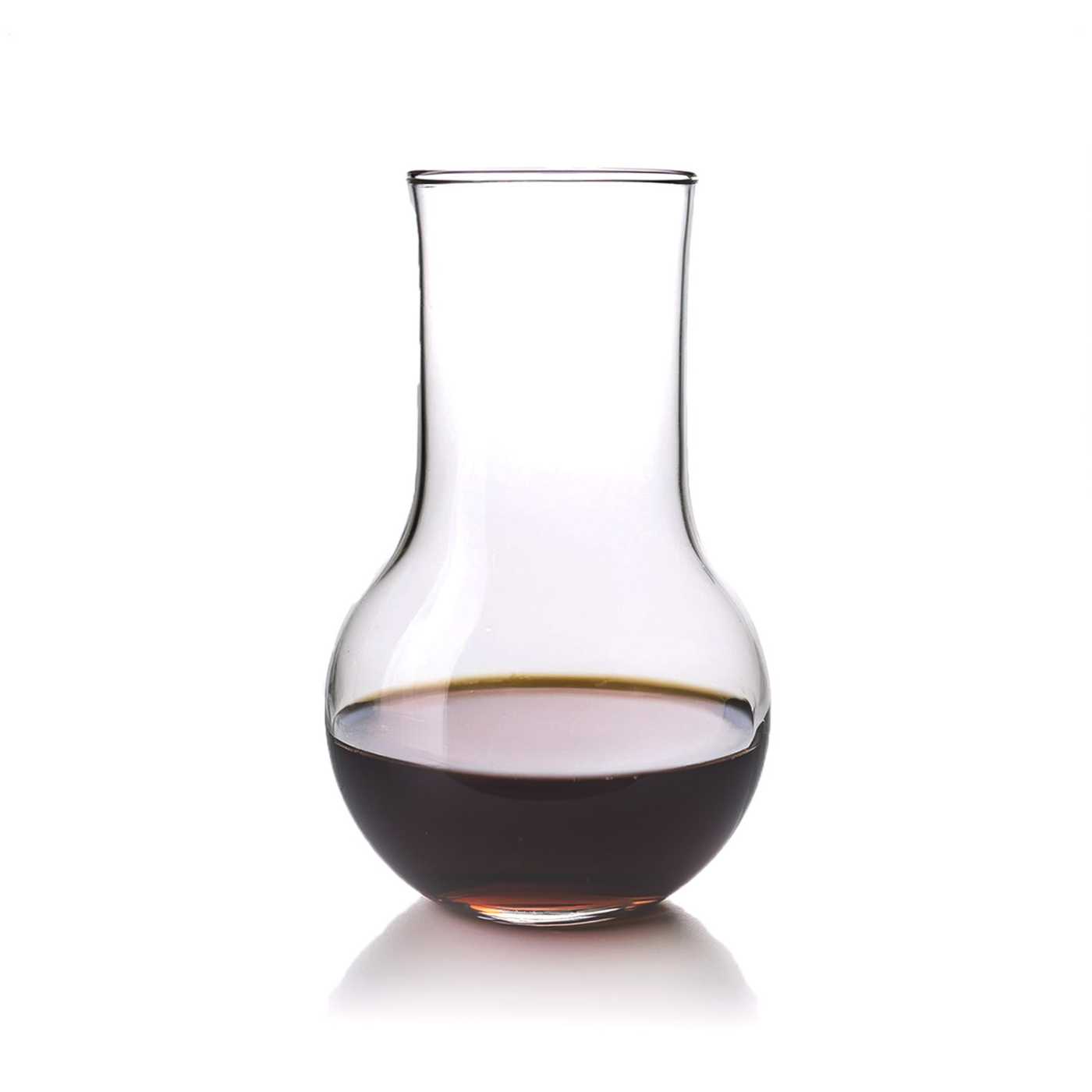
- The blend has a yellow colour. Take this into account at higher usage rates in light anhydrous products.
- Rose oil contains fragrance allergens listed in Annex III to Regulation (EC) No 1223/2009 as amended by Regulation (EU) 2023/1545. When selling a finished product, allergens above the set limit are declared in the ingredient list on the packaging; you will find their list and content in the allergen declaration for the product.
- The product is classified under the CLP Regulation and contains hazardous substances. When handling and storing it, follow the safety data sheet.
- It contains no ingredients of animal origin and has not been tested on animals for cosmetic purposes.
- Rose essential oil, absolute and hydrosol are three different raw materials. The essential oil is produced by steam distillation of the flowers and is oil-soluble. The absolute is obtained by solvent extraction and has a different composition. The hydrosol is the water phase from the same distillation, dissolves in water and has a much weaker fragrance, so it is used as the water phase of toners and creams.
The antimicrobial effect attributed to rose oil does not replace a preservative. Every product with a water phase in which you use this blend needs its own preservative system.
Frequently asked questions
Is Damask rose 10% essential oil soluble in water?
No, the blend is oil-soluble and does not dissolve in water. In creams and lotions it combines with the oil phase without further help. For toners, face waters or water-based sprays it must first be combined with a solubiliser, otherwise it separates on the surface and the fragrance is distributed unevenly.
In which phase is Damask rose 10% added to a cream?
It is added to a cream in the cooling phase, once the temperature of the emulsion drops below 40 °C. The fragrance components of rose oil are volatile, and a higher temperature evaporates part of them. Stir the blend into the finished emulsion and mix briefly so that it disperses evenly.
What is the difference between Damask rose 10% and pure rose essential oil?
The fragrance substance is the same, only the concentration differs. The blend contains 10% distilled rose oil and 90% caprylic/capric triglycerides. To achieve the same fragrance intensity you need ten times the dose compared with pure oil, but it can be weighed out precisely even for a small batch, and the recipe is easier to repeat.
Can Damask rose 10% be used in an anhydrous product?
Yes, it is worked directly into anhydrous products. The triglyceride carrier combines with body and massage oils, balms or herbal butters. In solid products, add the blend only after the waxes have melted, once the mass is cooling, so that the fragrance is not needlessly lost to heat.
Does Damask rose 10% replace a preservative in creams?
No, as a fragrance component it does not replace a preservative. The antimicrobial effect attributed to rose oil cannot be regarded as protection against microbes in a finished product at the usual fragrance usage rates. Creams, lotions and all products with a water phase need a separate preservative system and verification of its efficacy.