


Bottles only
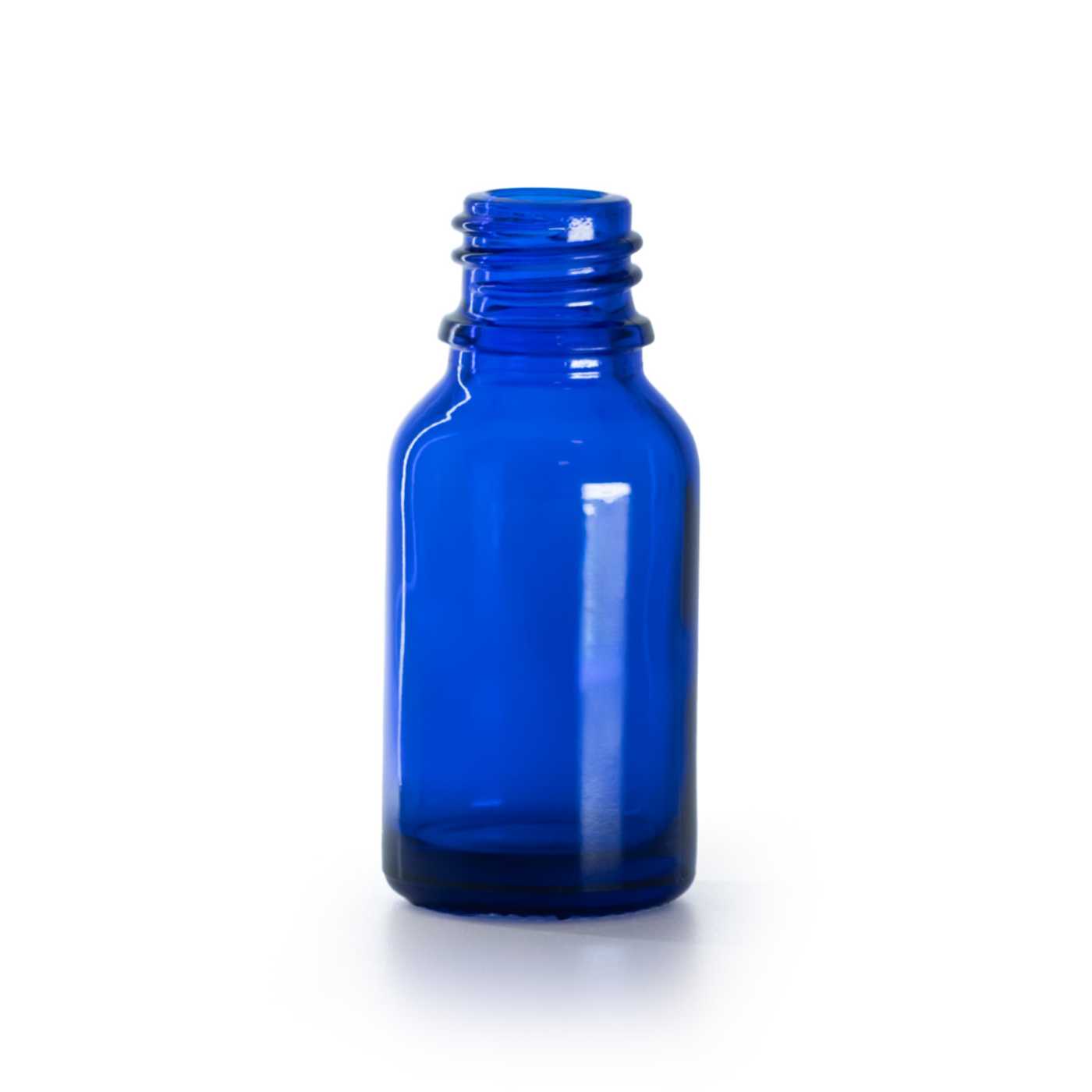
Glass bottle, vial, blue, 18 mm, 15 ml
Pack size5 ml10 ml15 ml30 ml50 ml100 ml
Glass vial bottle, blue, 15 ml A small glass vial-shaped bottle with a capacity of 15 ml is designed for preparations that are sensitive to light and are dispensed drop by drop. full description
Lowest price in the last 30 days: €0.36
Total for 1 pcs: €0.36
Product description
Glass vial bottle, blue, 15 ml
A small glass vial-shaped bottle with a capacity of 15 ml is designed for preparations that are sensitive to light and are dispensed drop by drop. Blue glass limits light exposure to the contents, making it suitable for facial and oil serums, vegetable oil blends, diluted essential oils, tinctures and alcohol extracts, fragrance blends and perfume concentrates. The small volume is practical for samples, travel sizes and test batches of new formulations.
Glass is chemically resistant and does not react with the contents, so it can handle essential oils, alcohol and solvents that would gradually degrade some plastics. The bottle is suitable for both cosmetic and technical use and is compatible with cosmetic preparations.
What the bottle is suitable for
- Oil serums and oil blends – vegetable oils sensitive to oxidation (rosehip, lingonberry, hemp) last longer in dark glass without changes in scent.
- Diluted essential oils – glass does not react with essential oils and does not absorb their scent.
- Tinctures and alcohol extracts – the alcohol content does not affect glass, unlike some plastics.
- Water-based serums and tonics in small packaging – suitable for samples or travel sizes; water-based contents always require preservation.
- Perfume concentrates and fragrance blends – dark glass slows down light-induced changes in scent.
Nominal and total volume
Bottles list two volumes and it is worth understanding the difference. Nominal volume is the quantity the bottle is designed for under normal filling conditions, and this is the figure that belongs on the label. Total brim-full volume is the physical capacity up to the neck. The difference between them is the allowance for submerging the dropper, for expansion of the contents with temperature changes, and to prevent the contents from being pushed out when closing. The exact values of both volumes can be found in the product parameters.
Fill to the nominal volume, not to the brim. When filled to the neck, the dropper will displace some of the contents and the closure may not seat properly.
Choosing a closure
The bottle accepts closures with the same thread type as specified in the parameters – droppers, caps and spray pumps from the Handymade range, where you will also find ready-made bottle + closure sets. For a custom combination, we recommend verifying seal integrity and dispensing with the specific formulation, as a thick oil, water-based serum and alcohol tincture behave differently in a dropper or spray pump.
Good to know
- Preparation before first filling – wash the bottle, rinse thoroughly, disinfect and leave to dry completely with the neck down. Residual water in an oil-based or water-free product is the most common cause of cloudiness and spoilage.
- Light and content stability – blue glass reduces light exposure but does not block it entirely. For oils prone to yellowing and for sensitive active ingredients (vitamin C, retinoids), store the bottle away from direct sunlight regardless.
- Glass and heat – do not fill the bottle with hot material straight from the stove, and do not place it from cold into hot water; a sudden temperature change can crack the glass. Allow emulsions and balms to cool to at least lukewarm before filling.
- Labelling – the bottle has a small cylindrical body. When designing a label, work from the dimensions in the product parameters and leave a margin at the neck and base, where labels tend to peel.
- Recycling – coloured glass belongs in glass recycling; before discarding, simply empty the bottle and remove the closure.
With oil serums in a dropper bottle, check after a few days whether the rubber bulb of the dropper has swollen or softened. Some essential oils at higher concentrations gradually degrade rubber; in such cases a plain cap is the better option.
Frequently asked questions
Parameters
Product documentation
- PDSProduct Data Sheet
- PDF ↓
Verified by customers.
No reviews yet.
Only customers with a delivered order can write reviews.