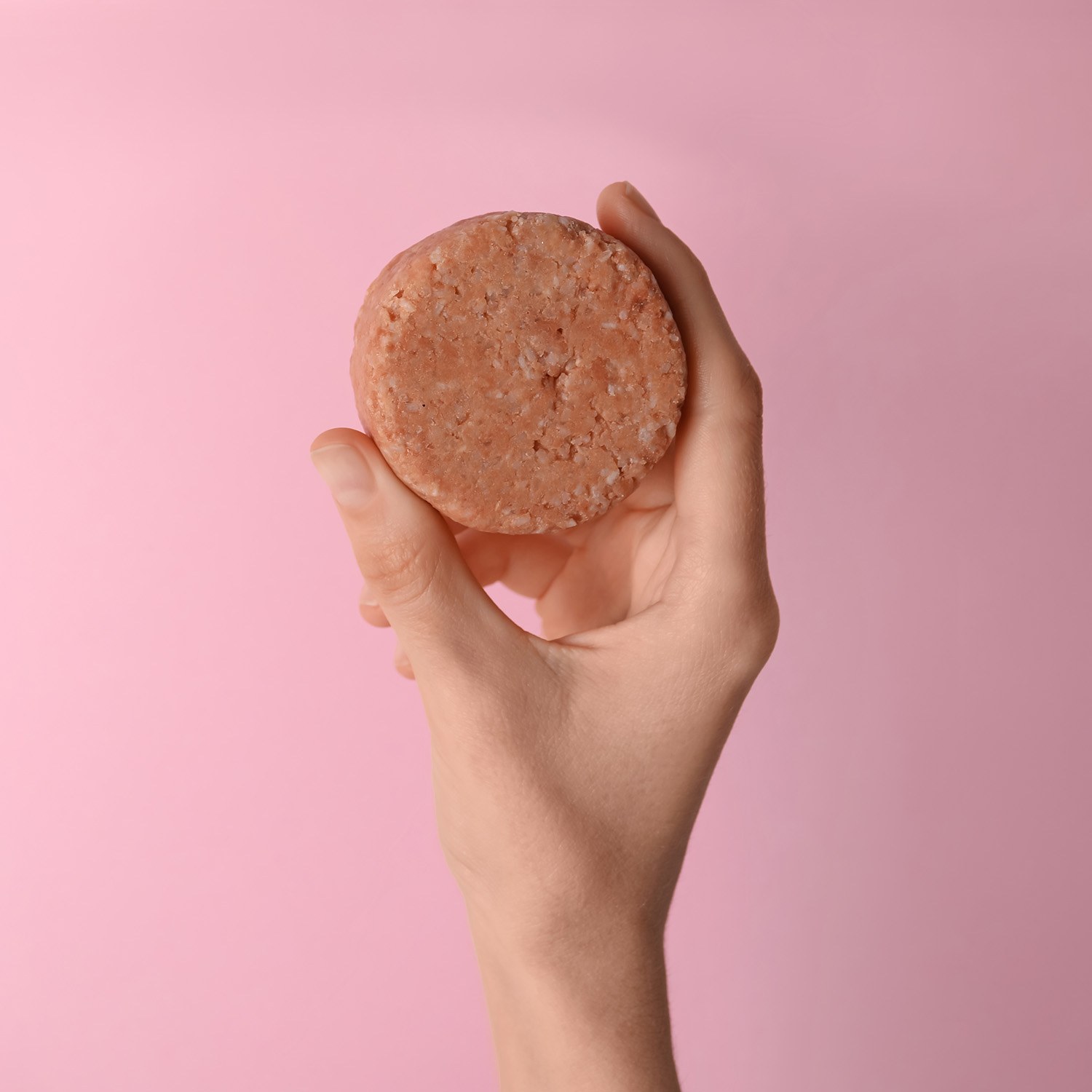

A hair conditioner spray is a convenient solution for ridding your hair of frizz while nourishing it at the same time. It is a leave-in conditioner, that is, a non-rinse conditioner which you leave on the hair after spraying. It contains an effective cationic surface-active agent that serves to reduce hair frizz. To improve hair vitality, shampoo alone is simply not enough.
About this recipe
To make a conditioner spray you do not need many raw materials. It is a simple emulsion with a low oil content so that the hair is not unnecessarily weighed down by excessive greasiness. The liquid consistency, in turn, allows for easy application in the form of a spray. The recipe will be appreciated above all by those whose hair frizzes and needs nourishment without rinsing.
Main benefits
- Leave-in, no rinsing
A non-rinse conditioner which you leave on the hair after spraying.
- Tames frizz
The cationic surfactant Emulsense HC reduces the negative charge of the hair, which is responsible for frizz.
- Does not weigh the hair down
A simple emulsion with a low oil content so that the hair is not unnecessarily weighed down by excessive greasiness.
- Nourishment from jojoba oil
Jojoba oil is rich in vitamins and minerals; it nourishes the hair and prevents frizz.
- Keratin for weakened hair
Weakened hair may have a deficiency of keratin; adding it allows for rapid nourishment.
Product properties
Key raw materials in the recipe
To prepare a conditioner spray, it is good to know the function of each raw material. This will allow you not only to substitute them correctly, but also to change their ratio so that you can prepare a tailor-made conditioner spray.
Demineralised water
Demineralised water is the base for the production of cosmetic products. Do not use ordinary tap water, boiled water or filtered water, which do not have the required properties for the preparation of cosmetic products, mainly because they contain minerals and other substances that could change the pH or cause instability in the cosmetic product.
What you can use to replace distilled or demineralised water in the product are hydrolats obtained by steam distillation of various herbs. Hydrolats contain valuable volatile substances beneficial to the hair, and at the same time they have a pleasant scent, so they can replace the fragrance in the product.
Glycerine
Glycerine is an effective humectant that you will find in most cosmetic products. It helps keep the hair hydrated, which is appreciated especially by dry hair. It is a water-soluble raw material, so always add it to the water phase.
Emulsense HC
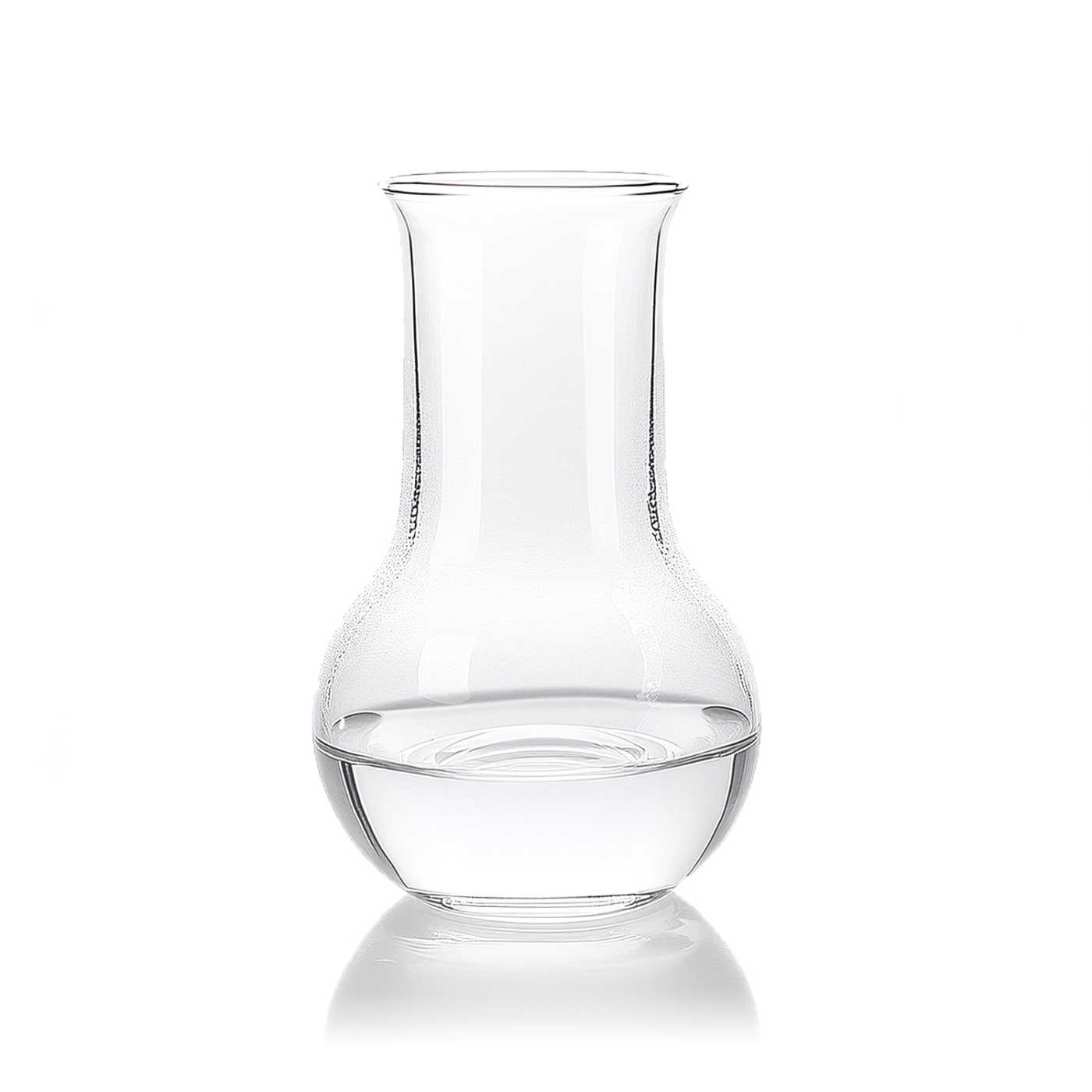
Emulsense HC is a cationic surfactant designed specifically for hair care. It differs from other surfactants (whether anionic, non-ionic or amphoteric) by its positive charge and its inability to foam or degrease. It therefore resembles emulsifiers rather than typical detergents. Thanks to its positive charge, however, it effectively reduces the negative charge of the hair, which is responsible for frizz.
Emulsense HC is a surfactant supplied in the form of white flakes/fragments that are soluble in oils after heating. For this reason it is always added to the oil phase and, thanks to its emulsifying properties, enables an emulsion to be formed with water.
If you want your conditioner spray to be more effective, increase the proportion of Emulsense HC. However, do not increase its content above 2 %, because then the conditioner will be too heavy for the hair and may leave it greasy and sticky to the touch. At the same time, a high proportion of Emulsense HC in the product will cause thickening and the conditioner will no longer be sufficiently fluid for use in a spray.
Jojoba oil
The oil that provides your hair with excellent care is jojoba oil. It is a luxurious oil with versatile uses that is not too greasy and therefore does not unnecessarily weigh down the skin or hair. Jojoba oil is rich in vitamins and minerals, so it nourishes the hair very well and prevents frizz.
If you have dry hair and are looking for more intensive hydration and care, you can increase the proportion of jojoba oil in the product. However, too high an oil content can weigh the hair down and make it greasy. In the product, you can of course replace jojoba oil with any other liquid vegetable oil.
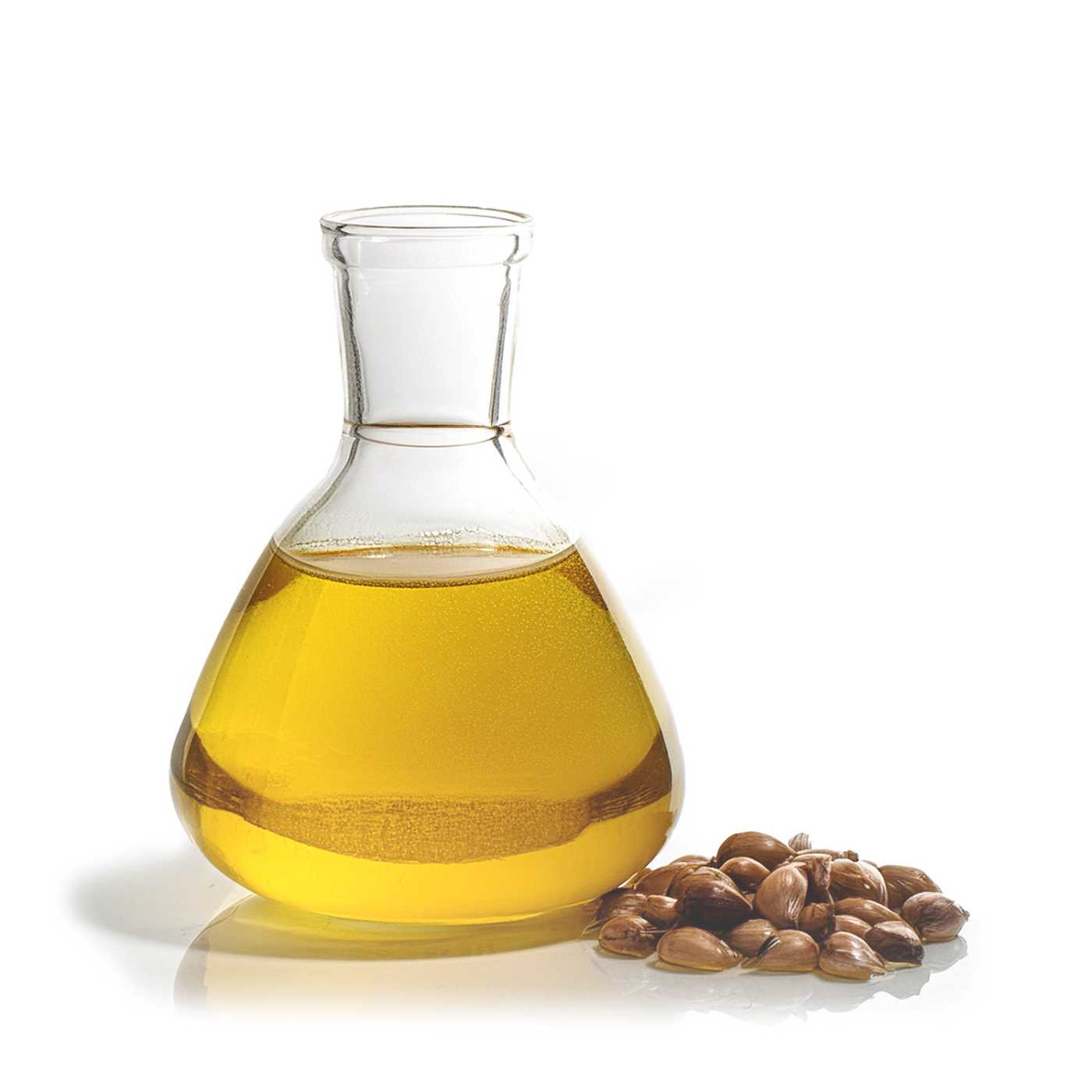
Keratin
Keratin is a protein that occurs naturally in animal tissues such as our hair and nails. Weakened hair may have a deficiency of keratin, so adding this substance to the product allows for rapid nourishment of the hair.
If you do not have keratin at hand, you can omit it from the product and replace it with demineralised water.
Other raw materials
Lavender essential oil — the gentle and pleasant scent of lavender has a calming effect. This is also why it was chosen for our liquid conditioner spray. Of course, lavender is not the only option in the field of essential oils. If the range of essential oils is not sufficient for you, there are also fragrance oils — synthetic fragrance substances which, however, offer a wider range of scents from which you can choose. If you want a completely unfragranced product, you can omit the essential oil from the product and replace it either with oil or with water.
Euxyl PE 9010 preservative — due to the high water content of the product, the addition of a preservative is essential. For the hair conditioner, the preservative Euxyl PE 9010 was chosen; it is broad-spectrum and achieves maximum efficacy over a wide pH range, from acidic to alkaline. This very property suits our product, and so it is also suitable for beginners. Do not skip the addition of the preservative — because of the high water content, there would quickly be massive growth of micro-organisms and consequent breakdown of the emulsion, and so on.
Bottle with sprayer — fill the finished conditioner into a bottle with a sprayer; the liquid consistency allows for easy application in the form of a spray.
Formulation (100 g)
The raw material content is given in percentages by weight, so it corresponds to a batch of 100 g of finished conditioner. The raw materials are divided into three phases: water phase A, oil phase B and phase C, which is added only after cooling and pH adjustment.
Shop the ingredients for this recipe
Untick what you already have- Demineralised Water, 1 lrecipe uses 88,80 gin stock€2.79
- Vegetable Glycerol 99,5% USP/BP, 100 mlrecipe uses 5,00 gin stock€2.69
- Emulsense HC, Cationic Surfactant, 50 guses 1 gsold outWatch availability€6.81
- Jojoba Oil, Cold Pressed, Organic, 100 mlrecipe uses 3,00 gin stock€7.34
- Gluadin Kera-P LM, Hydrolyzed Keratin, 50 mlrecipe uses 1,00 gin stock€4.99
 Euxyl PE 9010, Preservative, 10 mlrecipe uses 1,00 gin stock€2.49
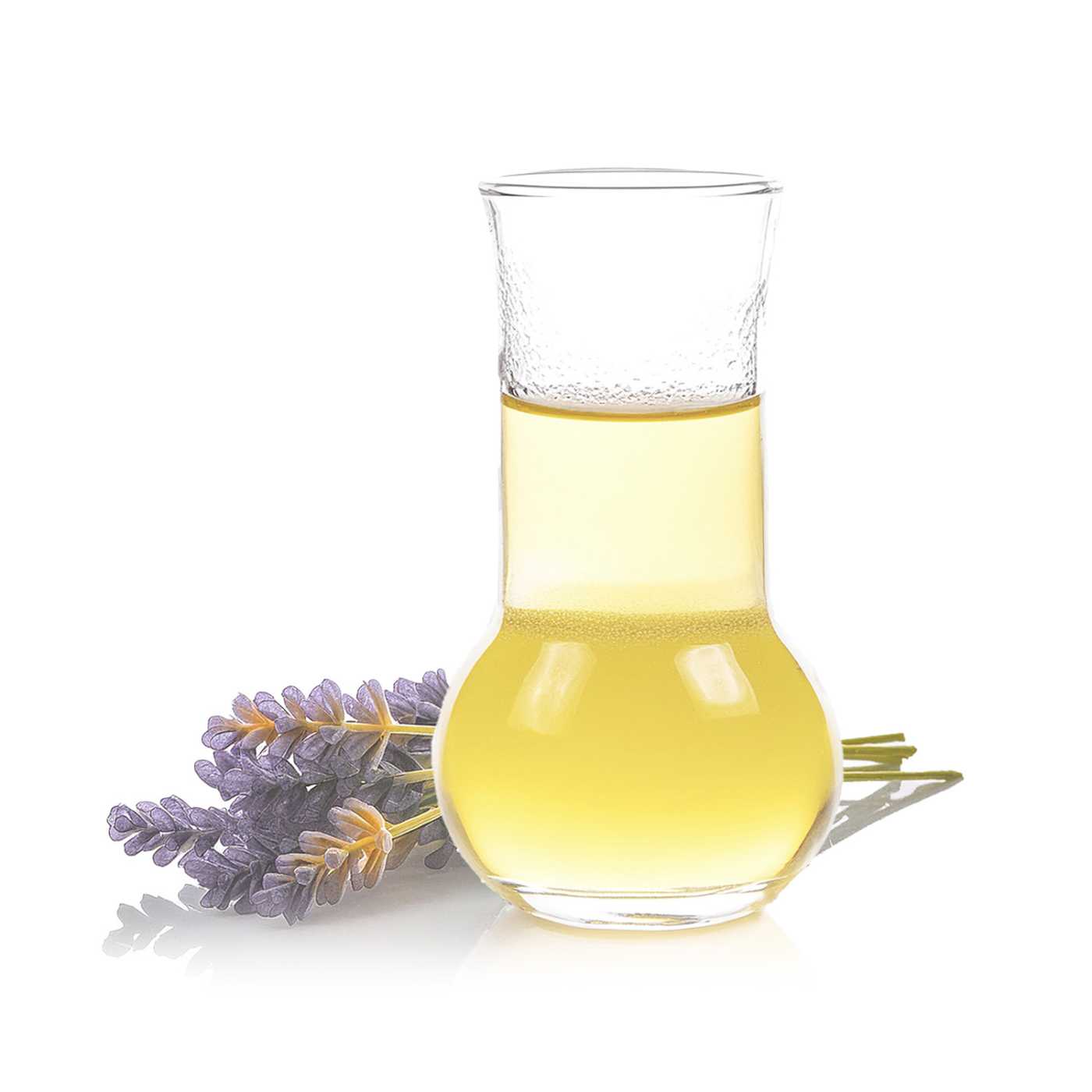 Lavender Grosso Essential Oil, 100 mlrecipe uses 0,20 gin stock€20.99
 L-Arginine, Powder, 10 gin stock€1.99
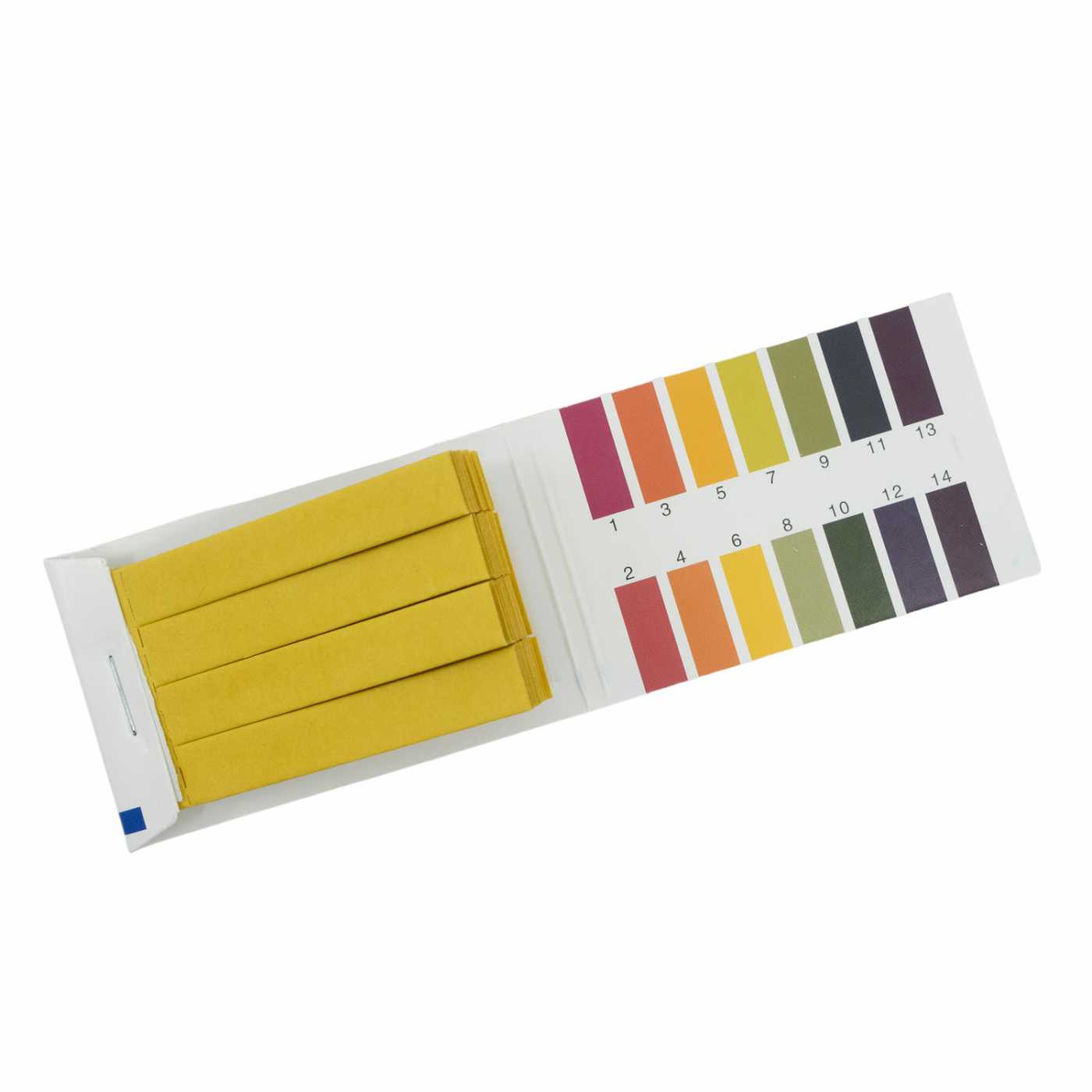 pH Indicator Strips, pH 1–14, 80 pcsin stock€2.30
| Phase / raw material | Content |
|---|---|
| Phase A | |
| Demineralised water | 88.80 % |
| Vegetable glycerine | 5.00 % |
| Phase B | |
| Emulsense HC | 1.00 % |
| Jojoba oil | 3.00 % |
| Phase C | |
| Keratin | 1.00 % |
| Euxyl PE 9010 preservative | 1.00 % |
| EO lavender | 0.20 % |
| pH adjustment | |
| L-arginine | as required |
| Utensils | |
| Bottle with sprayer | — |
| pH strips | — |
Method
- Disinfection
Disinfect all containers and utensils you are going to use, e.g. by spraying them with ethanol.
- Water phasePhase A
Into one heat-resistant container weigh out the water and glycerine and mix well.
- Oil phasePhase B
Into another heat-resistant container weigh out the oil and Emulsense HC.
- Water bath60 °C
Cover both containers with aluminium foil and place them in a water bath until the temperature of the raw materials reaches 60 °C.
- Combining the phasesPhase A + B60 °C
After reaching 60 °C, quickly pour the water phase into the oil phase (to avoid a change in the temperature of the individual mixtures) and immediately start mixing with an immersion stick blender.
- Cooling
While cooling, mix the blend with the blender again every few minutes.
- Checking and adjusting the pHpH 4.5 – 5.5
After cooling to room temperature, check the pH of the product using pH indicator strips. If the pH is lower than 4.5, add L-arginine in small amounts until you reach a pH value between 4.5 and 5.5.
- Phase C and fillingPhase C
After pH adjustment add the keratin, essential oil and preservative, mix well and fill into the bottle with sprayer.
Tips and tricks for making it
In the following lines you will find a few tips and tricks that will make it easier for you to produce the conditioner spray, or help you avoid emulsion instability.
It is important to heat the water and oil phases correctly to the same temperature. If one phase has a different temperature from the other at the moment of mixing, this may lead to improper emulsification, and the emulsion will then separate back into the two phases.
Always pour the water phase into the oil phase and immediately mix with an immersion stick blender. Do not use a milk frother, because instead of a liquid emulsion suitable for a spray you will obtain foam that will not be suitable for the sprayer. During cooling, stir the blend regularly so that the emulsion remains homogeneous.
Add the raw materials from phase C only after cooling down and pH adjustment, otherwise they may become inactivated due to the high temperature. Always increase the pH by adding L-arginine; sodium hydroxide and sodium bicarbonate do not work in combination with Emulsense HC.
Use and storage
This is a leave-in conditioner — after spraying you leave it on the hair and do not rinse it out. Before use it is advisable to shake the conditioner.
If stored in places exposed to direct sunlight or temperature fluctuations, the stability of the emulsion may be impaired.

Warning
As mentioned, you can experiment with home-made recipes to achieve the desired properties. However, the final result can be influenced by many factors, such as humidity, temperature, quality of raw materials and their storage.
Before using any raw material for the production of a cosmetic product, familiarise yourself with its properties, recommended dosage, storage conditions and safe handling. Each raw material may have the potential to cause an allergic reaction in sensitive individuals, so before using the product we recommend finding out whether you are allergic to any of the raw materials or to the finished product, for example by means of a patch test.
If you have very sensitive or very acne-prone skin, or if you have other skin or health problems, we recommend that you consult a medical professional before applying a new product to the skin, whether it is a home-made cosmetic product, a pure raw material, or a commercially available product.
Frequently asked questions about the recipe
Practical questions about the conditioner spray — combining the phases, adjusting the pH, substituting raw materials and preservation.
Why is the water phase poured into the oil phase?
Both phases need to be heated to the same temperature of 60 °C — if one phase has a different temperature at the moment of mixing, this may lead to improper emulsification, and the emulsion will then separate back into the two phases. Pour the water phase quickly into the oil phase and immediately start mixing with an immersion stick blender. Do not use a milk frother — instead of a liquid emulsion you will obtain foam that will not be suitable for the sprayer.
How do I adjust the pH of the conditioner?
After cooling to room temperature, check the pH with pH indicator strips. If the pH is lower than 4.5, add L-arginine in small amounts until you reach a value between 4.5 and 5.5. Sodium hydroxide and sodium bicarbonate do not work in combination with Emulsense HC.
Can the keratin be left out of the recipe?
Yes. If you do not have keratin at hand, you can omit it from the product and replace it with demineralised water.
Can I increase the proportion of Emulsense HC?
If you want a more effective conditioner, you can increase the proportion of Emulsense HC, but do not increase its content above 2 %. A higher proportion will weigh the hair down too much, may leave it greasy and sticky to the touch, and will also cause thickening, so the conditioner will not be fluid enough for use in a spray.
Does the conditioner have to contain a preservative?
Yes. Due to the high water content of the product, the addition of a preservative is essential — without it, the high proportion of water would quickly lead to massive growth of micro-organisms and consequent breakdown of the emulsion. The Euxyl PE 9010 used is broad-spectrum and achieves its efficacy over a wide pH range.
What can I use instead of demineralised water and the essential oil?
You can replace the water with hydrolats obtained by steam distillation of various herbs — they contain valuable volatile substances beneficial to the hair and have a pleasant scent, so they also replace the fragrance in the product. Instead of lavender you can reach for any other essential oil or for fragrance oils; for a completely unfragranced product, omit the essential oil and replace it with oil or water.
Conclusion
We now know that it is always good to use a conditioner in your hygiene routine. In addition, here is a guide on how to easily create one according to your own ideas.
If you are a beginner, make your own natural cosmetics and have any questions, feel free to ask and write to us at marketing@handymade.sk. We look forward to all your opinions, experiences and questions.
Until saponification, friends.
Emulsense HC, jojoba oil, keratin, glycerine and the preservative from this recipe are all available in the Handymade range of raw materials.