
Aquaguard NK12, Sodium benzoate and potassium sorbate, 100 ml
Pre-order€9.99(€99.90/l)

pH measurement
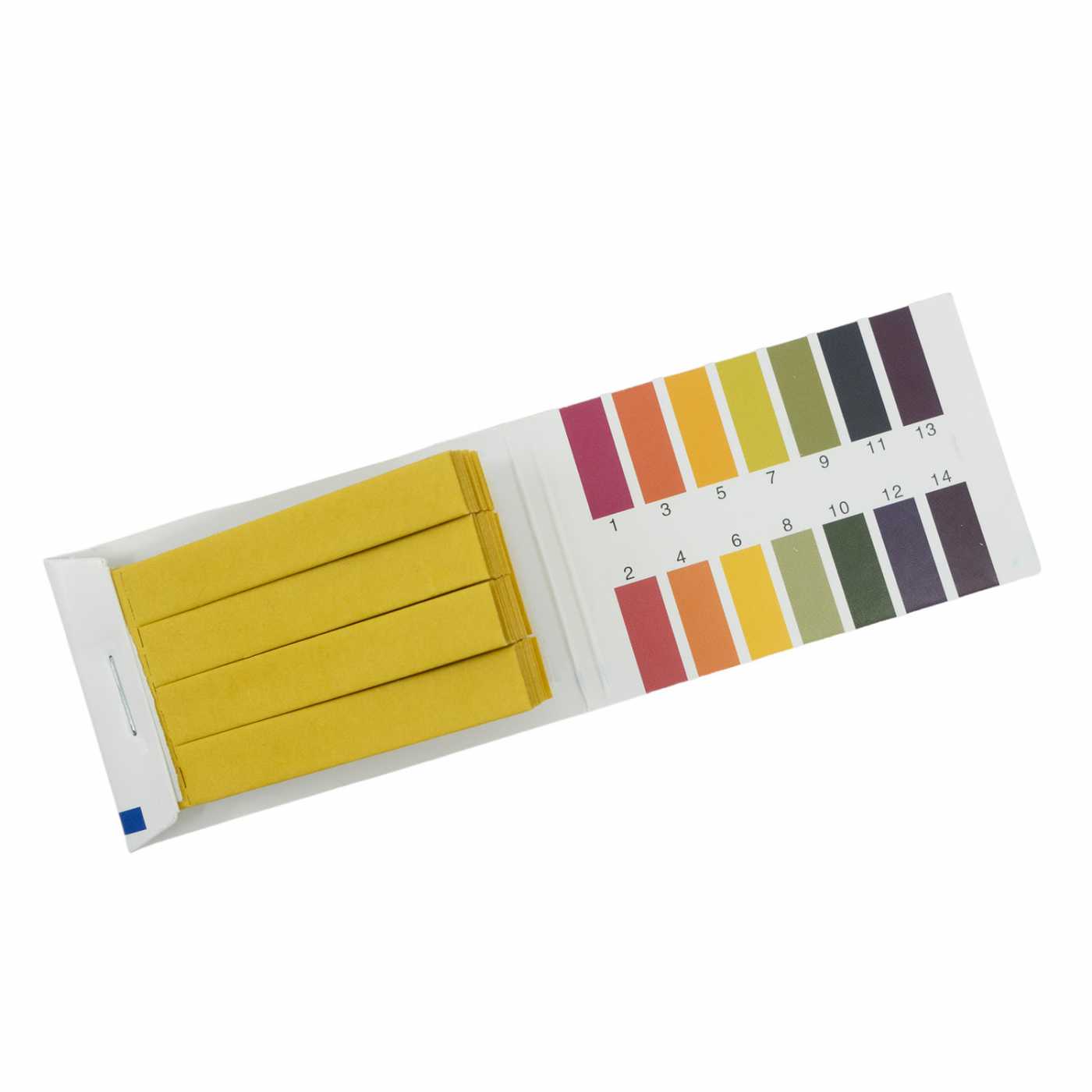
pH test strips 1–14 pH test strips show you in moments whether a water-based solution or a cosmetic product containing water is acidic, neutral or alkaline . full description
Lowest price in the last 30 days: €2.30
pH test strips show you in moments whether a water-based solution or a cosmetic product containing water is acidic, neutral or alkaline. The pack contains 80 strips with a universal scale from 1 to 14, covering the whole range from strongly acidic to strongly alkaline. In home and small-scale professional cosmetic making, they are used for a quick check that the pH of a toner, serum, shampoo or emulsion stays within a range that is safe for the skin and in which preservatives and active ingredients work properly.
Their main advantage is practical: they need no calibration, power or maintenance, the result is visible in moments, and one pack is enough for dozens of checks. For the everyday decision of whether the pH still needs adjusting or is fine, they are sufficient for most formulations.
Dip the strip into the sample, or apply a drop of the tested product to it, wait for the colour to settle and compare the result with the colour scale on the packaging. The strip is single-use and is thrown away after use. The reading is approximate and serves mainly to decide whether the pH needs to be corrected downwards (for example with diluted lactic acid or citric acid) or upwards (for example with diluted sodium hydroxide solution or with triethanolamine).
Thick emulsions and creams are harder to read on the strip, and the colour may develop unevenly. Take a small sample, mix it into distilled or demineralised water and measure this solution. The same procedure works well for concentrated surfactant bases of shampoos and shower gels.
Always use a fresh strip, take the sample with a clean spatula or pipette, and do not touch the indicator area of the strip with your fingers. Sweat and skin oils can distort the result.
For anhydrous products (oils, balms, butters, anhydrous serums), measuring makes no sense. pH is a property of water-based solutions, and an oil-based product has no pH value. A strip in oil will either not change colour or show a random result.
The strips show an approximate value, not decimal places. For a routine check that a product stays in the target range, this is enough.
The colour of the sample distorts the reading. Intensely coloured products (with plant dyes, activated charcoal, cocoa or some extracts) can mask the colour of the indicator. Diluting the sample with water or comparing with a strip soaked in clean water will help. Read the result in daylight or neutral white light so that the shade is not distorted.
Measure the finished product, not an intermediate. The pH changes with the addition of every ingredient. A preservative, active ingredients, essential oils and a thickener can all shift the value. The final check is done after the formulation is complete and has cooled down, or repeatedly after one to two days, once the system has settled.
Measure at room temperature. A hot water phase can show a different value from the finished, cooled product and can also damage the indicator layer of the strip.
Strips are cheap, ready to use immediately and need no care. They suit beginners and experienced makers alike for a quick check between steps. A digital pH meter measures more precisely and can handle coloured samples, but it needs regular calibration with calibration solutions, cleaning of the electrode and correct storage of the probe. If a formulation requires precise adjustment, for example exfoliating products with fruit acids, where even a few tenths of a pH unit matter, reach for a calibrated pH meter. In practice the two tools complement each other: strips for everyday production and quick verification, a pH meter for formulations with a narrow target range or when developing a new product.

Not precise enough
Translated automatically