

Celidonia Active Lipo Extract, 100 ml
Pre-order€7.99(€79.90/l)

ACTIVE INGREDIENTS
ManufacturerBASF
Gluadin Kera-P LM is a plant-based alternative to hydrolysed keratin: an aqueous solution of low-molecular-weight plant peptides that penetrate the hair fibre. full description
Lowest price in the 30 days before the discount: €4.99
Gluadin Kera-P LM is a plant-based alternative to hydrolysed keratin: an aqueous solution of low-molecular-weight plant peptides that penetrate the hair fibre. It is used mainly in hair care cosmetics for the regeneration of damaged, coloured and dry hair, where it improves combability and shine. It is mixed into the formulation cold.
The term keratin here refers to the intended use; the origin of the raw material is plant-based. Common hydrolysed keratin is obtained from animal sources, most often sheep wool. Gluadin Kera-P LM is produced by the enzymatic hydrolysis of plant proteins, contains no materials of animal origin and is vegan.
The effect depends on the size of the peptides. Large protein molecules stay on the surface of the hair and form a film on it. Hydrolysis breaks the protein down into short peptides that reach into the hair fibre. This makes the raw material suitable for products intended to regenerate and restore the structure of hair.
On the hair, this shows as easier combing and shine. In a leave-on product, the raw material stays on the hair longer than in a shampoo, which is rinsed off after a short time.
In face and body cosmetics, hydrolysed proteins are used to support hydration, because they bind water. In skin care formulations, Gluadin Kera-P LM is also used as a smoothing ingredient that gives the skin a firming feel.
The usage rate is 2.5–10%. The raw material contains 15–25% hydrolysed proteins and 75–85% water. This usage rate corresponds to 0.5–2% active ingredient in the product. In formulations for face masks and body lotions, around 4–5% is most often used, and in hair mists even less, approximately 1–2%.
It is processed without heat. It is added to the water phase or to an emulsion cooled below 40 °C, or added later to the finished base. It dissolves in water, not in oil. It is usually mixed into the water together with glycerine, glycols and plant extracts, while stirring.
In surfactant-based products, it can be added to both shampoo and shower gel. In formulations, it is also combined with emulsions containing triglycerides and with polyacrylate thickeners.
The raw material is acidic, with a pH of 3.8–4.7. At higher usage rates, check the pH of the finished product at the end of production and adjust it if necessary.
The finished product needs its own preservation. The raw material is preserved with sodium benzoate at 0.31–0.39%, which at its acidic pH is partly present as benzoic acid. This amount protects the raw material itself, but it is not sufficient for a product containing water. In formulations, Phenoxyethanol with Ethylhexylglycerin is most often used.
Sodium Benzoate from the raw material is also listed in the composition of the finished product, together with Hydrolyzed Vegetable Protein and Aqua.
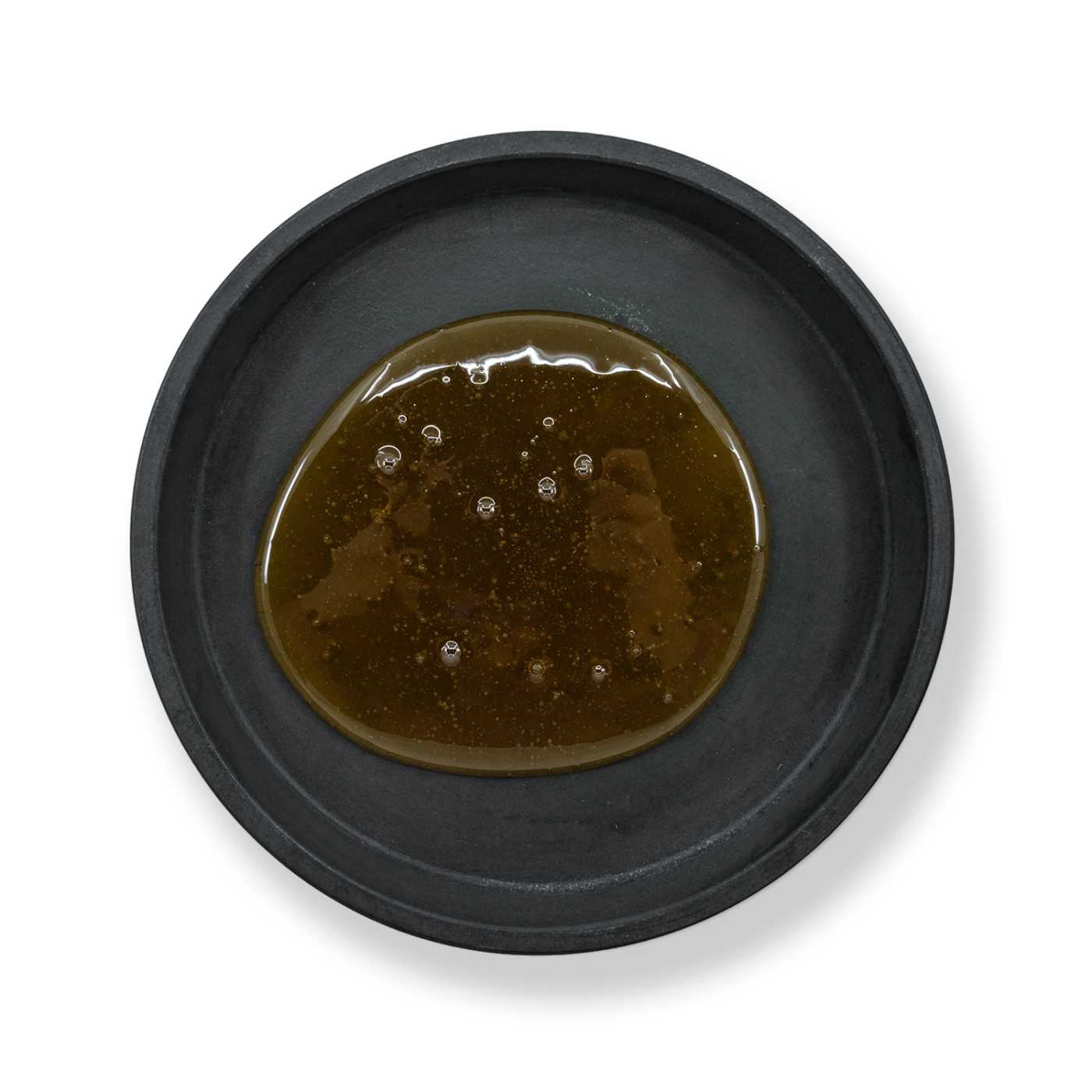
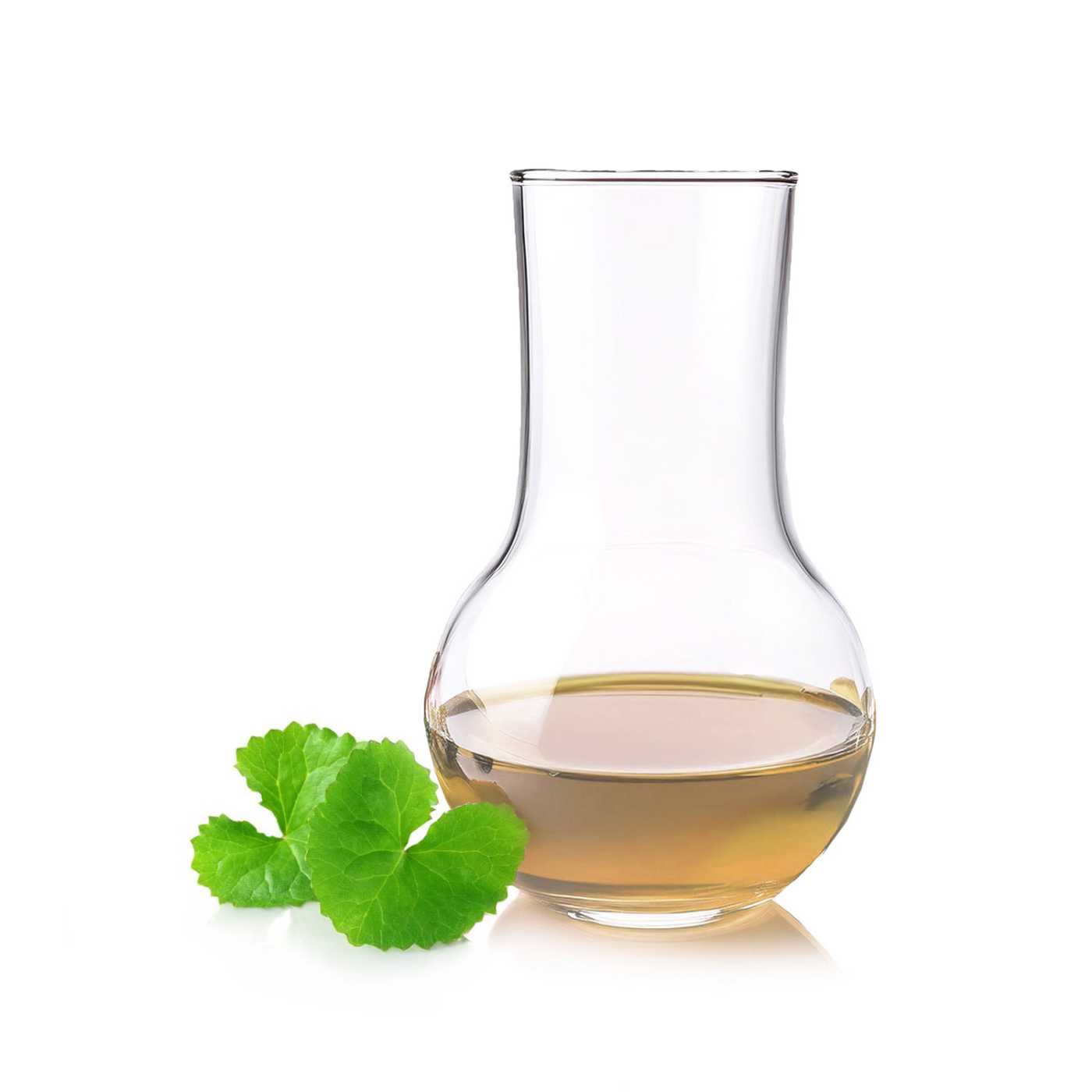
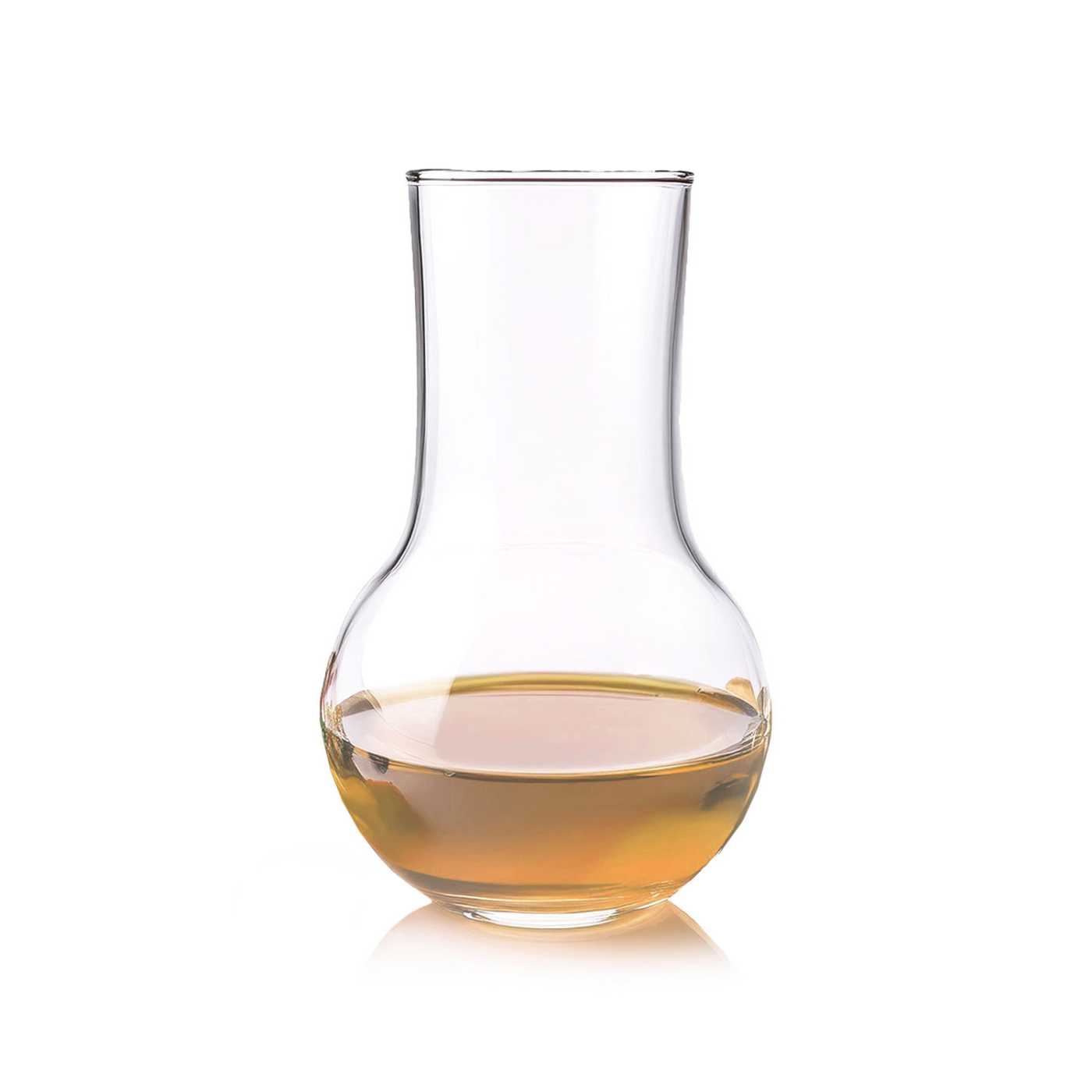
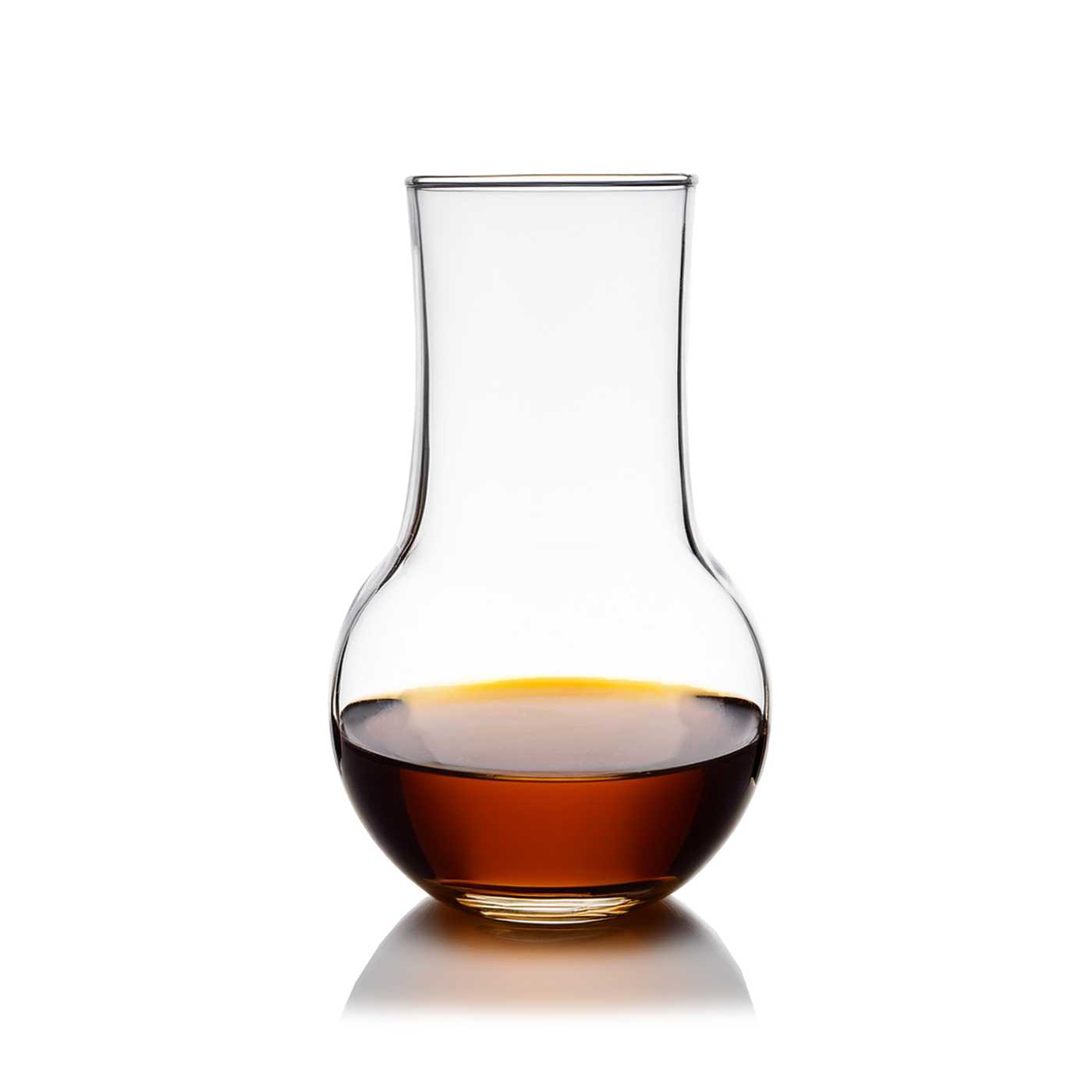
Colour and scent may carry over into the product. The raw material is an amber to brown liquid with a characteristic scent of its own. For clear gels, mists and unscented products, we recommend testing the chosen usage rate on a small sample first.

Excellent quality, fast shipping, and outstanding customer service. The products are always carefully made, and whenever I have a question, the seller is very helpful and responsive. Highly recommended!
Translated automatically

Variant: Gluadin Kera-P LM, hydrolyzovaný keratín, 50 ml