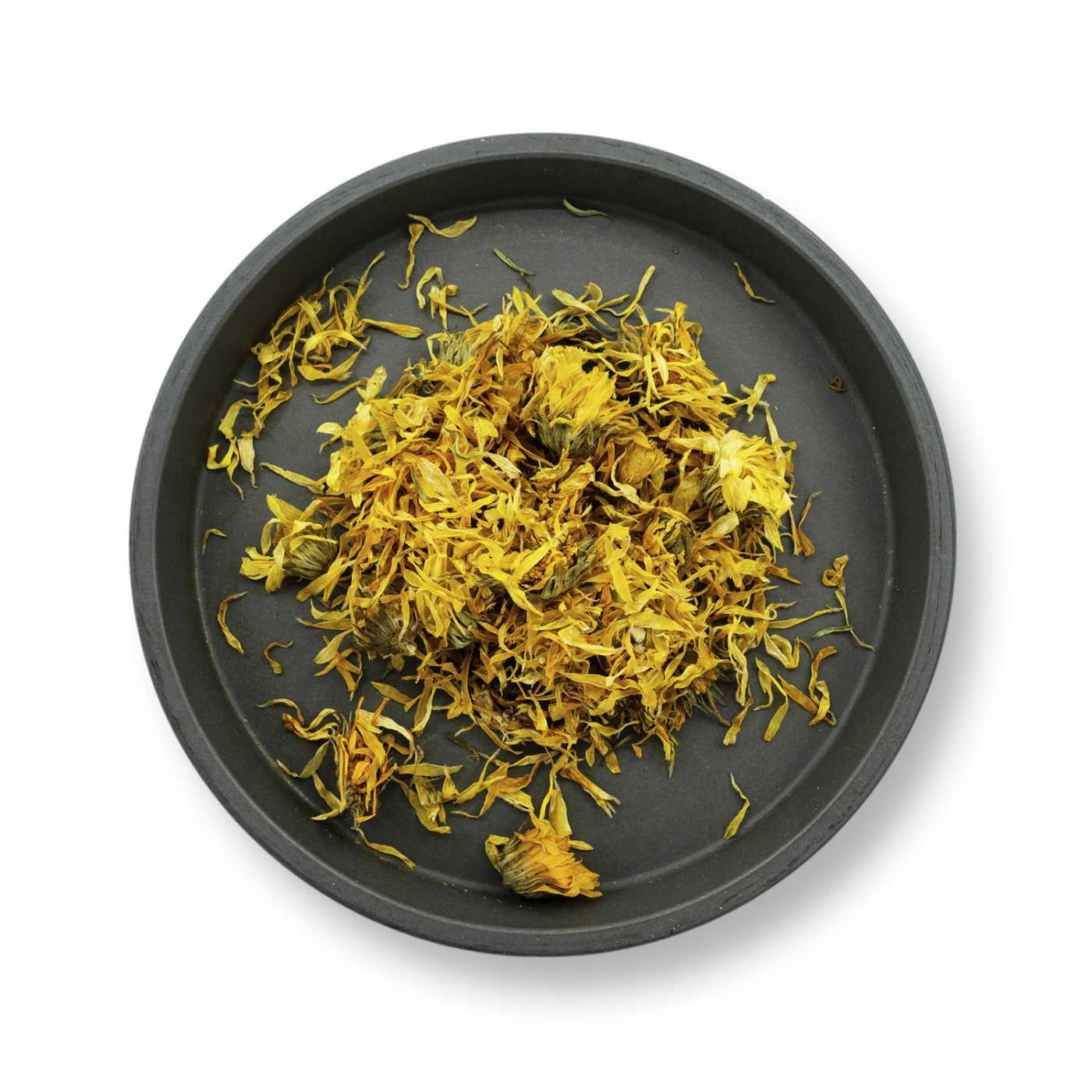
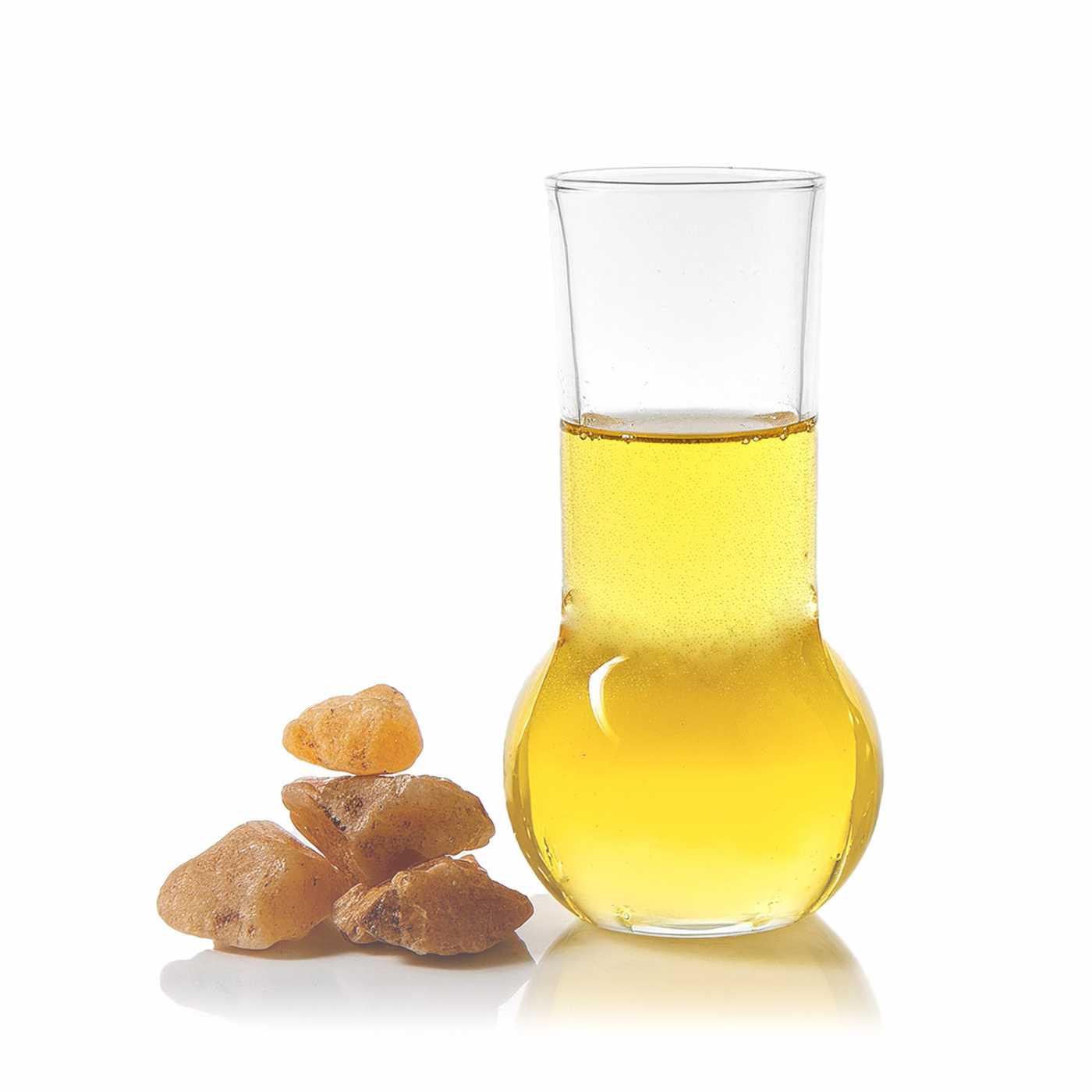
Dried calendula flower (Calendula officinalis) is used mainly to prepare macerated oil, which is used in cosmetics to soothe and regenerate dry and sensitive skin. The flowers are supplied whole, so you choose the oil, the ratio and the method of maceration yourself. The second use is decorative: the flowers are added to soaps and bath products.
What calendula brings to the skin
Calendula has a long tradition in skin care. The flower itself is the starting raw material; only the macerated oil made from it carries the effect. It goes into products intended to soothe the skin and support its regeneration.
- Soothing the skin – the macerated oil is used in products for sensitive, reddened and irritated skin, including atopy-prone skin.
- Regeneration – it suits ointments, balms and oils for dry, cracked hands, lips and stressed areas of skin.
- Carotenoids – the pigments that give the flowers their yellow-orange colour pass into the oil during maceration and are among the active compounds of calendula.
- Wide use – the flower suits all skin types and children’s cosmetics, and both rinse-off and leave-on products.
Preparing macerated oil
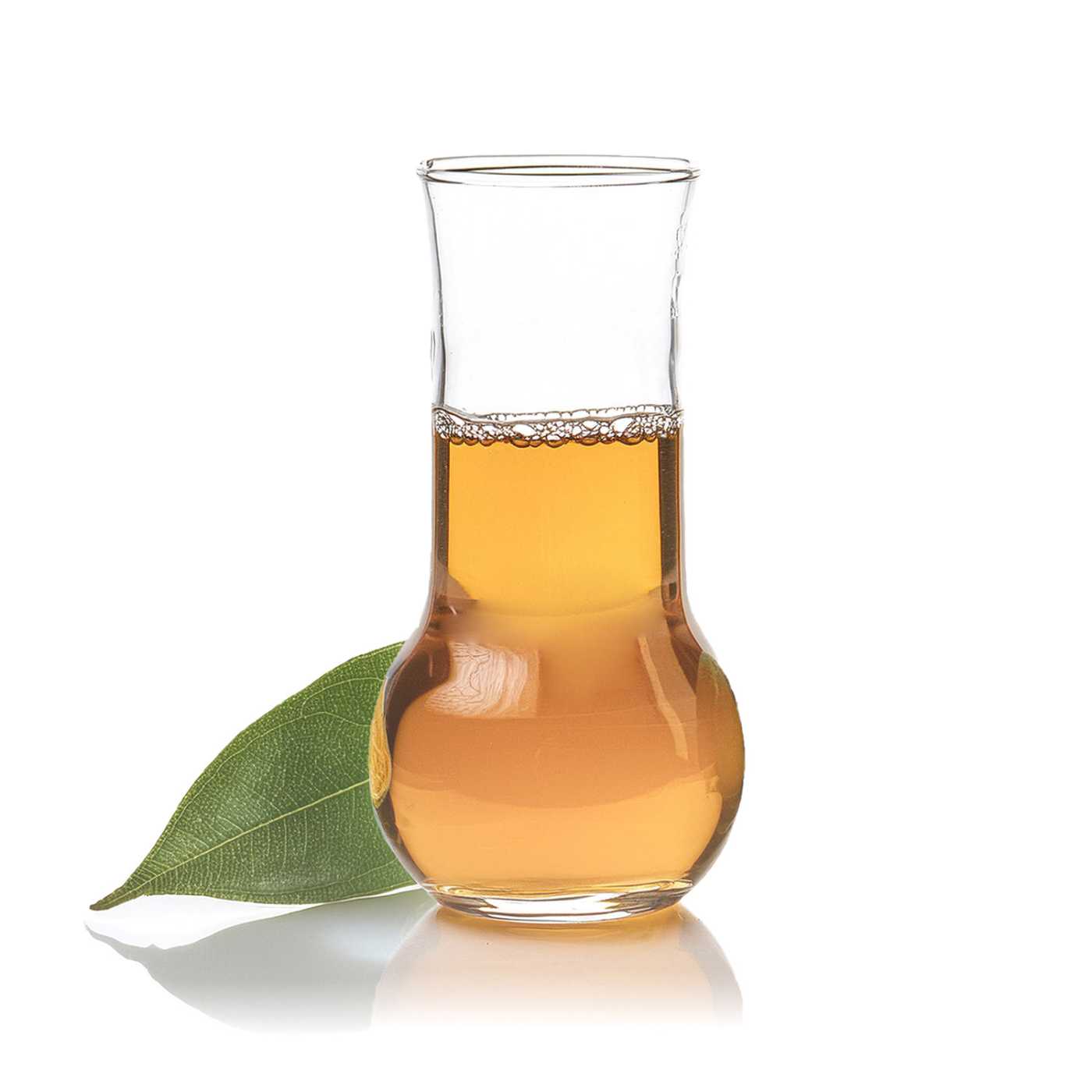
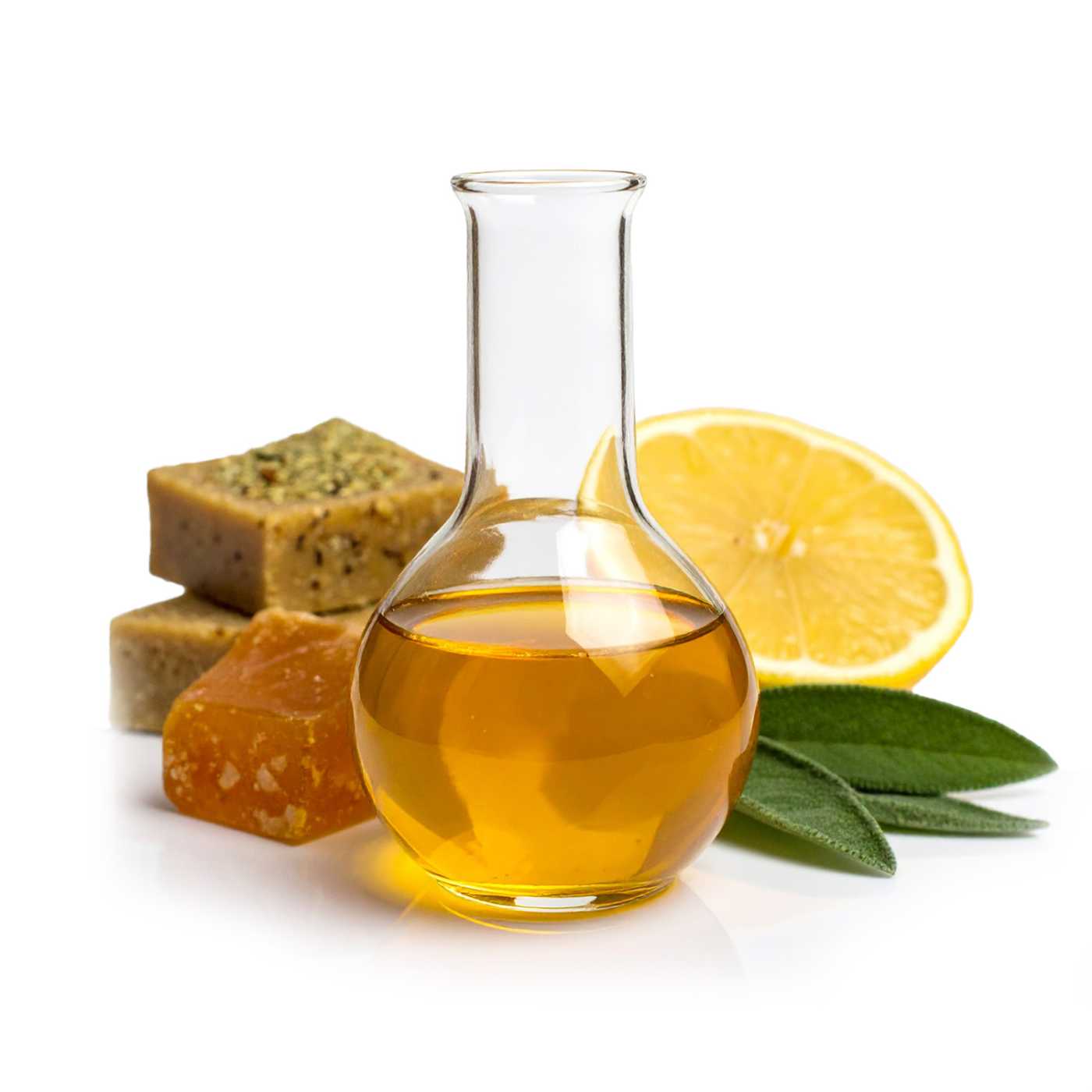
Whole dried flowers are not added directly to a cream or serum. They are first macerated in a vegetable oil, for example olive oil, and only the finished macerated oil goes into the product as part of the oil phase.
The cold method has proved its worth. The flowers are covered with oil in a weight ratio of approximately 1:5 (flower:oil) and left to macerate at room temperature for about 3 days.
Macerated oil prepared cold contained more carotenoids than oil macerated at 70 °C. Carotenoids break down at higher temperatures, so it is worth avoiding overheating both during maceration and when incorporating the macerated oil into a product.
In a formulation, the finished macerated oil is used as a carrier oil, approximately 5–10%. In emulsions it is added with the oil phase. Its colour shows its condition: when the oil or the flowers fade, the carotenoids are diminishing.
Suitable for products such as
- ointments, balms and body butters for dry and cracked skin
- lip balms and hand creams
- face and body oils, creams and lotions for sensitive skin
- children’s cosmetics
- hair oils and scalp products
- soaps and bath products, where whole flowers serve as a decoration added at the end
Good to know
The flowers come from Egypt and are processed by drying. Like any dried plant material, they commonly carry yeasts, moulds and bacteria. When working with oil this is not an obstacle, as long as no water gets into the macerated oil. Handle them with clean, dry hands and dry tools.
An extract of the flowers in water, glycerine or another hydrophilic medium must be preserved. Plant parts left in a product containing water increase the risk of microbial contamination.
Calendula flower is assessed as safe in cosmetics. It neither irritates nor sensitises the skin, but it may cause mild eye irritation. It does not contain the fragrance allergens listed in Annex III of the Cosmetics Regulation.
Frequently asked questions
How is macerated oil prepared from calendula?
Dried calendula flowers are covered with vegetable oil in a weight ratio of approximately 1:5 and macerated at room temperature for about 3 days. The cold method preserves more carotenoids in the macerated oil than maceration at 70 °C. The container, tools and hands must be clean and completely dry so that no water gets into the oil.
Can dried calendula flower be added directly to a cream?
No, whole dried calendula flowers are not added directly to a cream. A macerated oil is prepared from them and incorporated into the oil phase. Plant parts in a product containing water increase the risk of microbial contamination. The flowers are used directly only as a decoration, for example in soaps and bath products.
How much calendula macerated oil goes into a formulation?
Calendula macerated oil is used as a carrier oil, approximately 5–10% of the formulation. In anhydrous products such as ointments and balms it forms part of the oil blend, and in emulsions part of the oil phase. When incorporating it, it is best to avoid overheating, because carotenoids break down at higher temperatures.
Is calendula suitable for children’s cosmetics and sensitive skin?
Yes, calendula flower is suitable for children’s cosmetics and for products for sensitive, dry, atopic and problem skin. It neither irritates nor sensitises the skin and does not contain the fragrance allergens from Annex III of the Cosmetics Regulation. However, it may cause mild eye irritation, which should be taken into account in products for the eye area.
Is calendula the same as African marigold?
No, calendula (Calendula officinalis) and African marigold (Tagetes erecta) are two different species. Both plants belong to the daisy family, so they are sometimes confused. Formulations with calendula rely on the flower of Calendula officinalis, so check the botanical name when buying a raw material for macerated oil.
Does calendula macerated oil need a preservative?
Calendula macerated oil does not need a preservative as long as it stays completely free of water. An extract in water, glycerine or another hydrophilic medium must be preserved, because dried flowers commonly carry yeasts, moulds and bacteria. For this reason, work with clean, dry tools and dry hands during preparation.