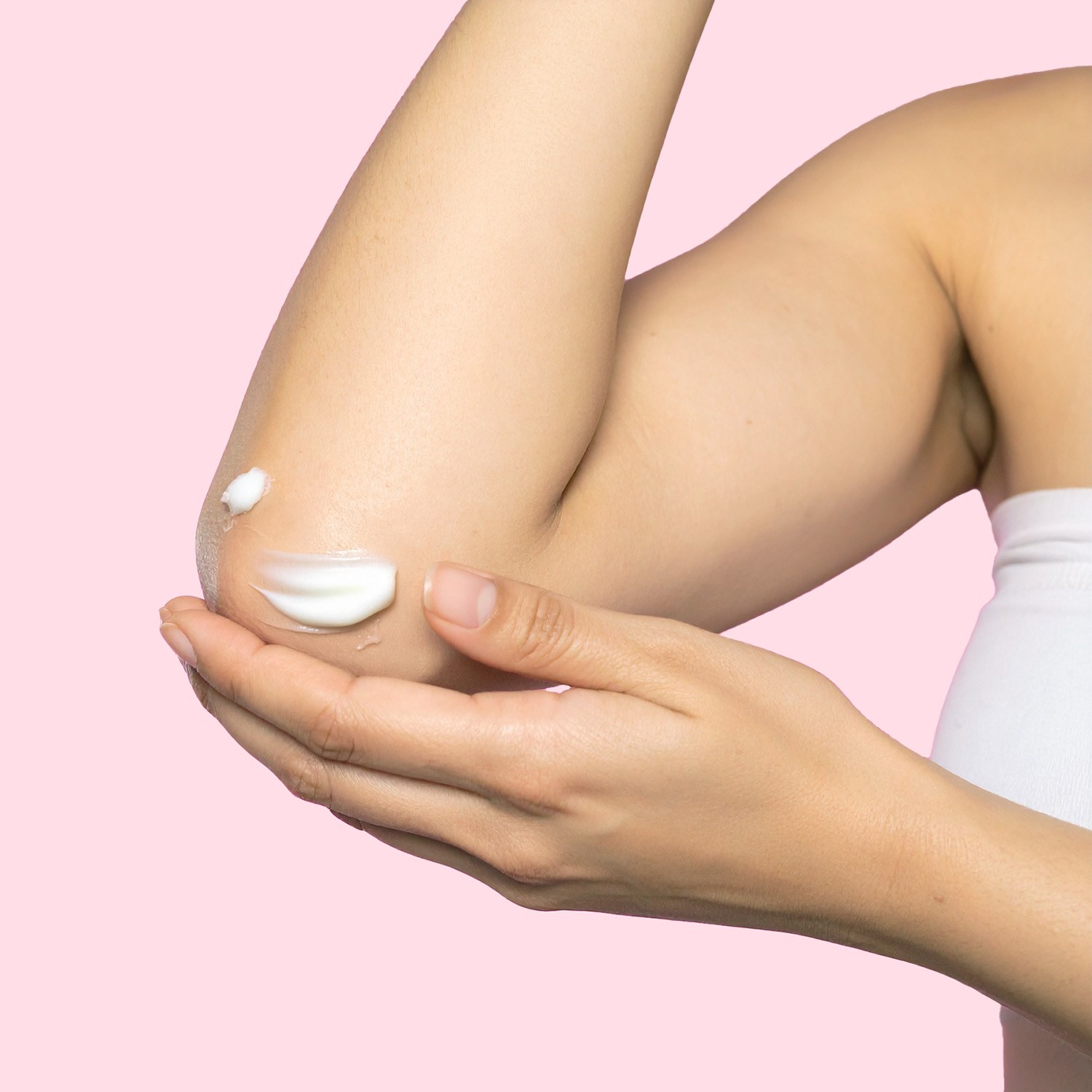
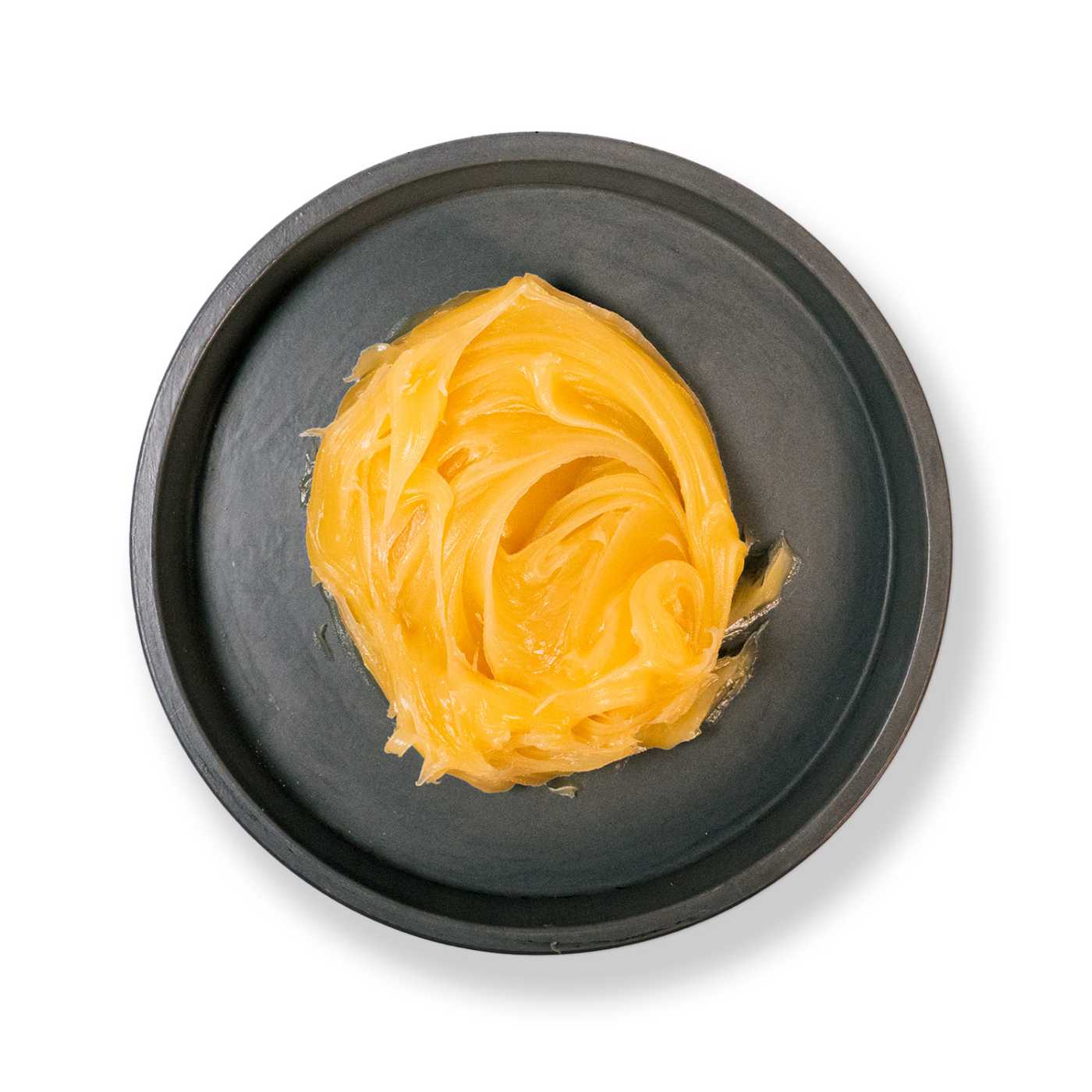
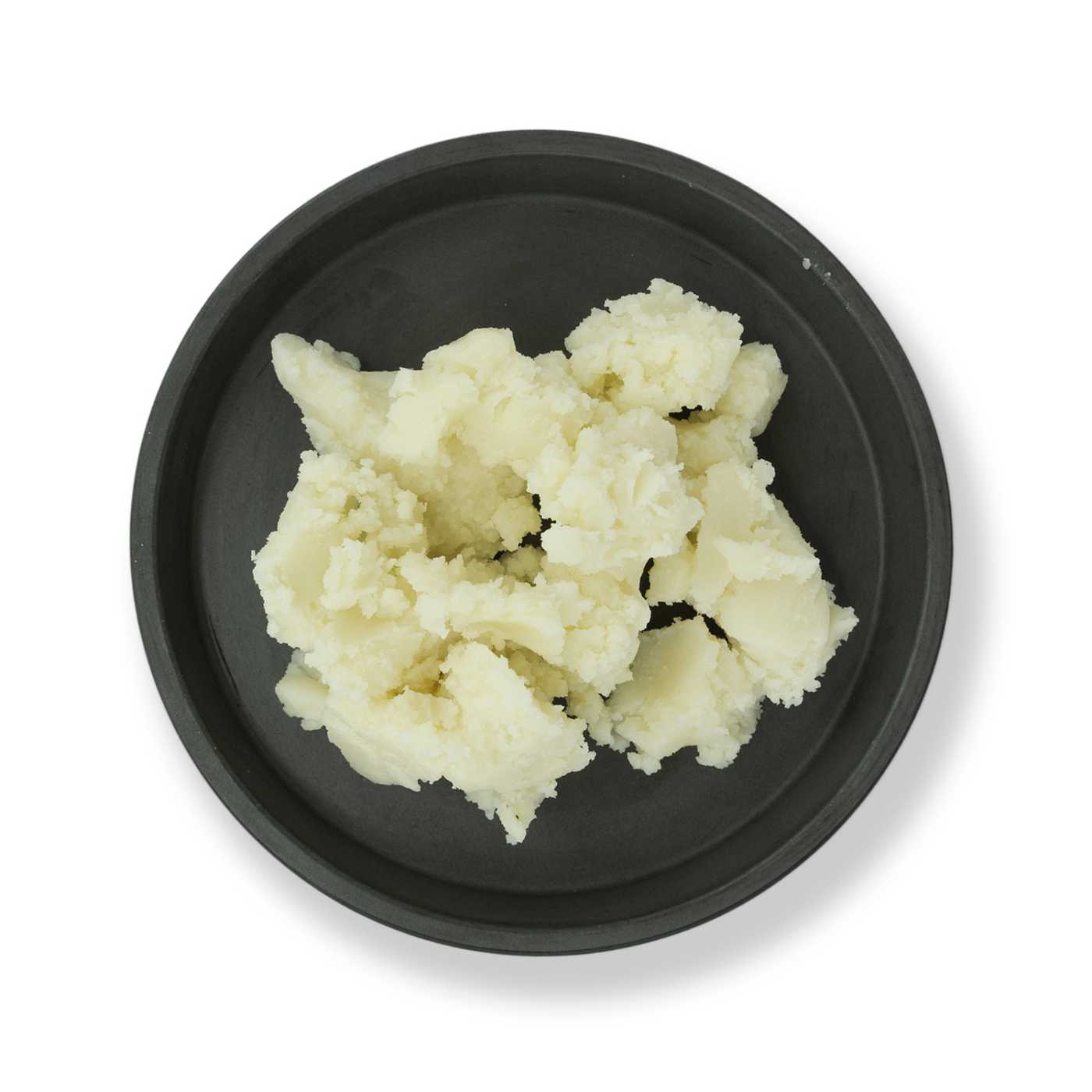
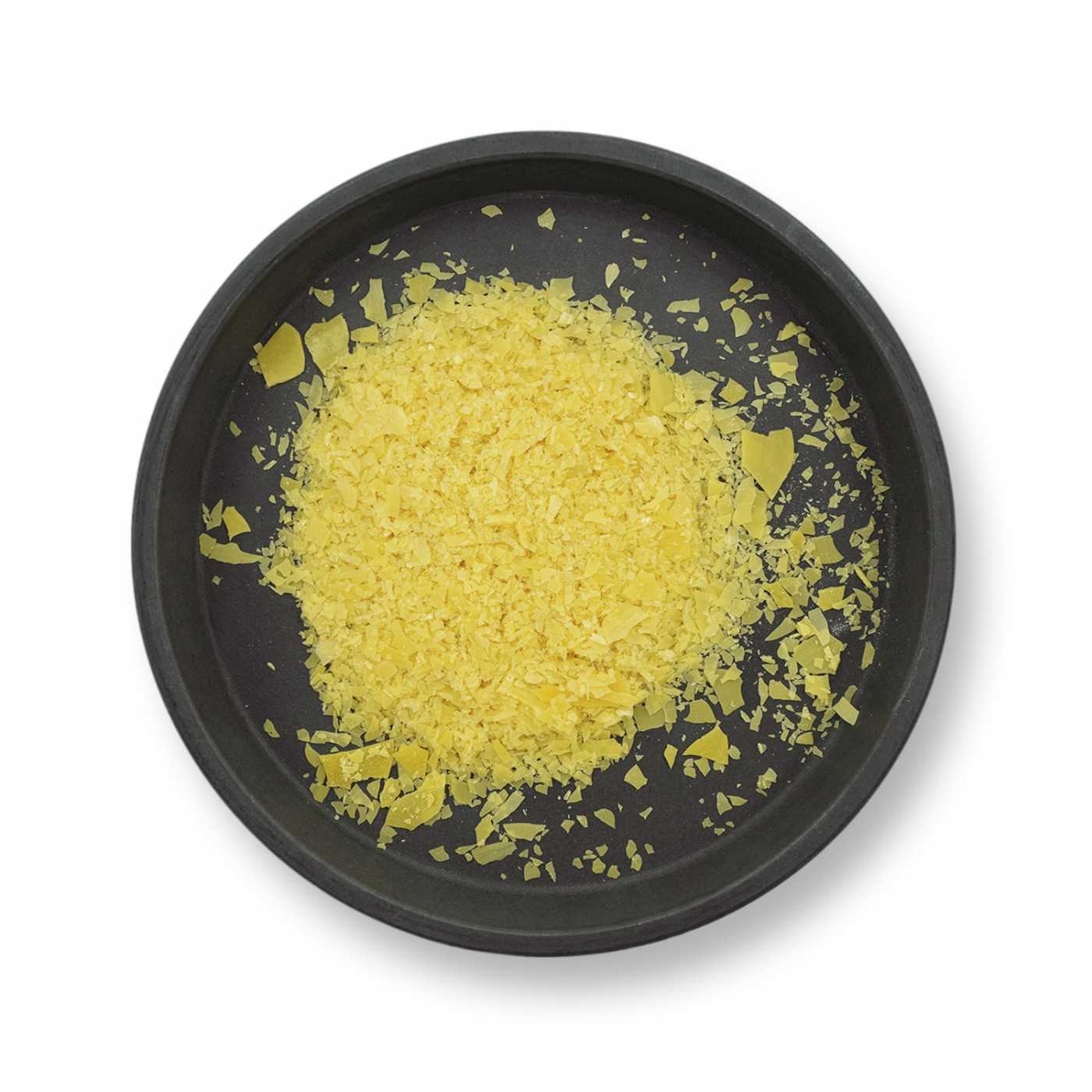
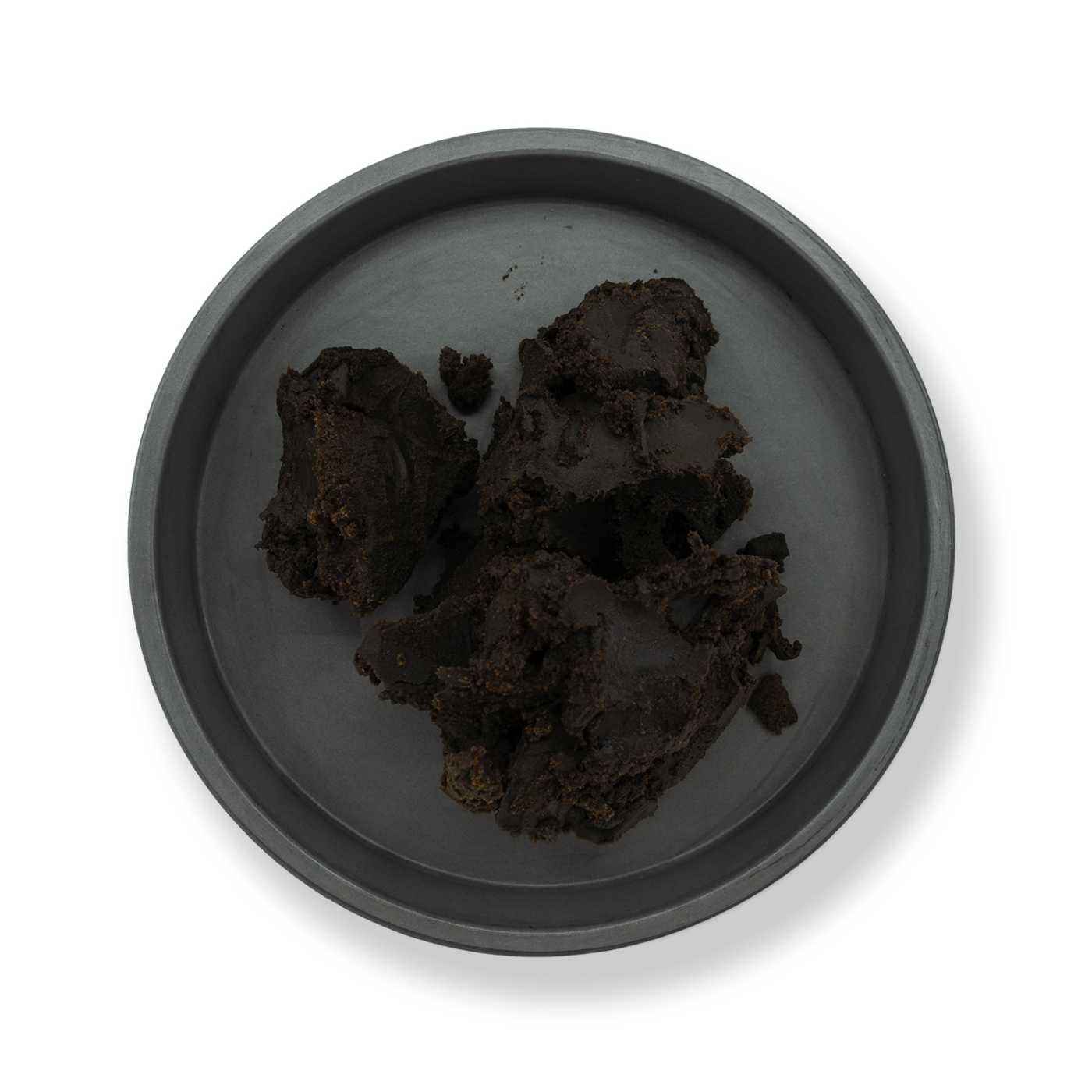
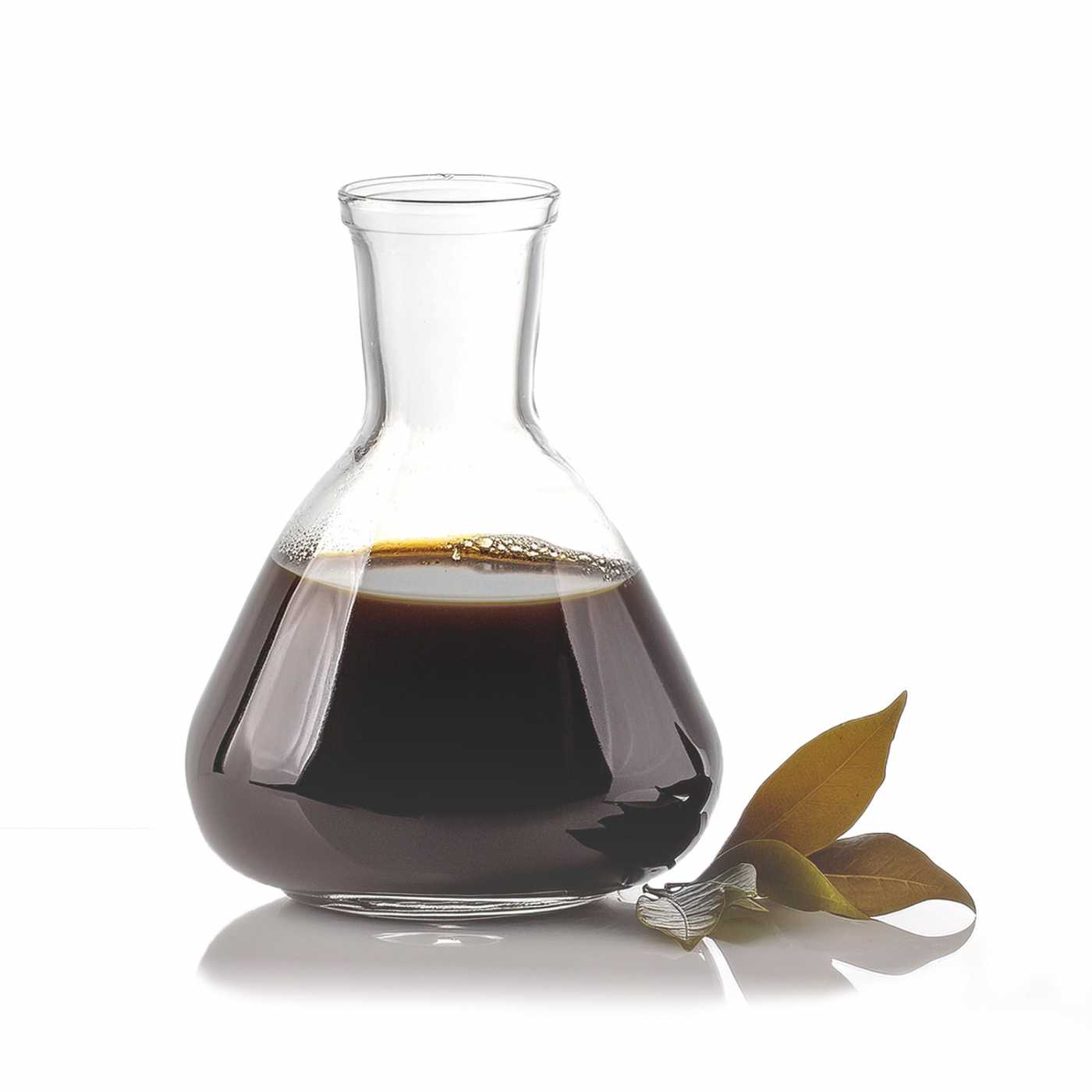
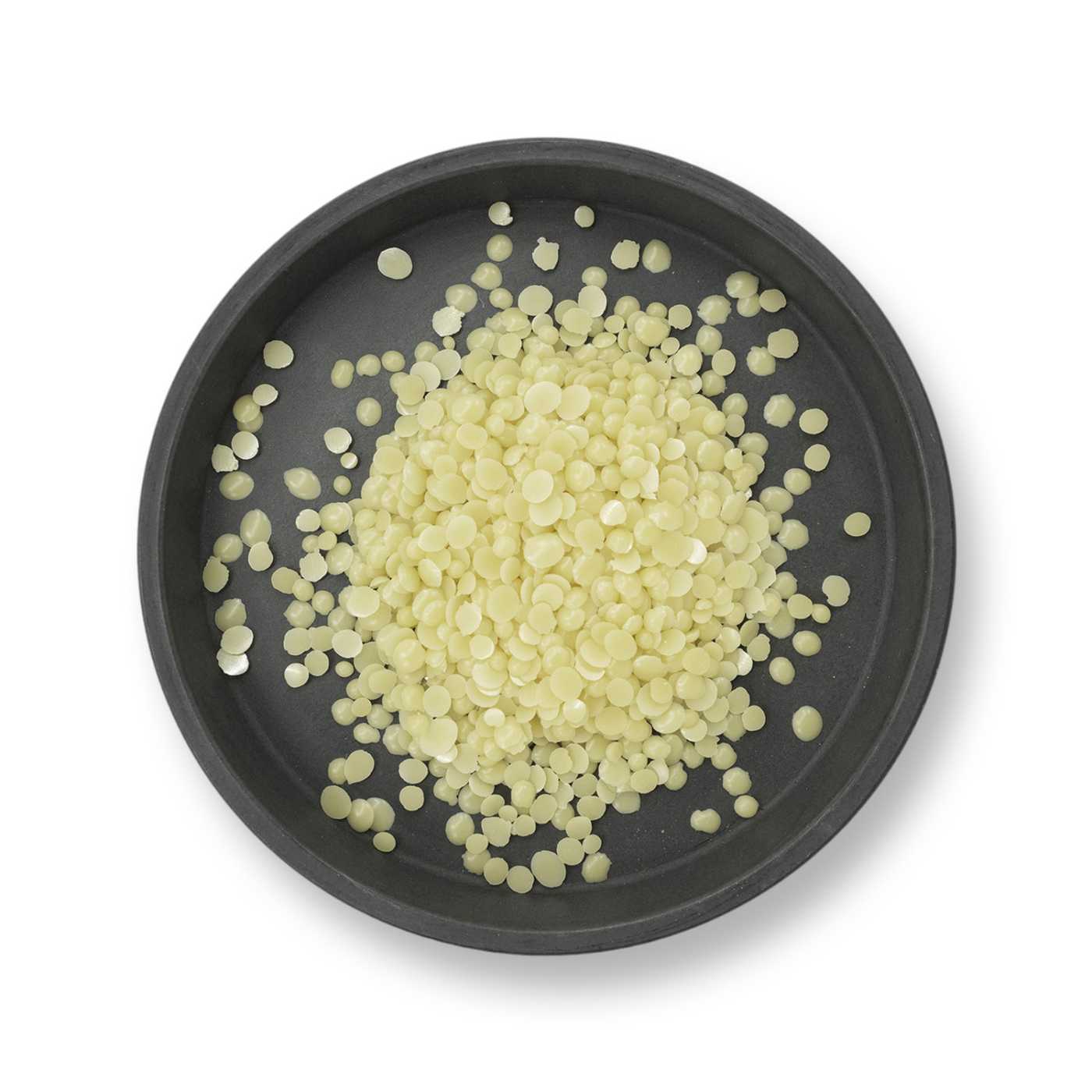
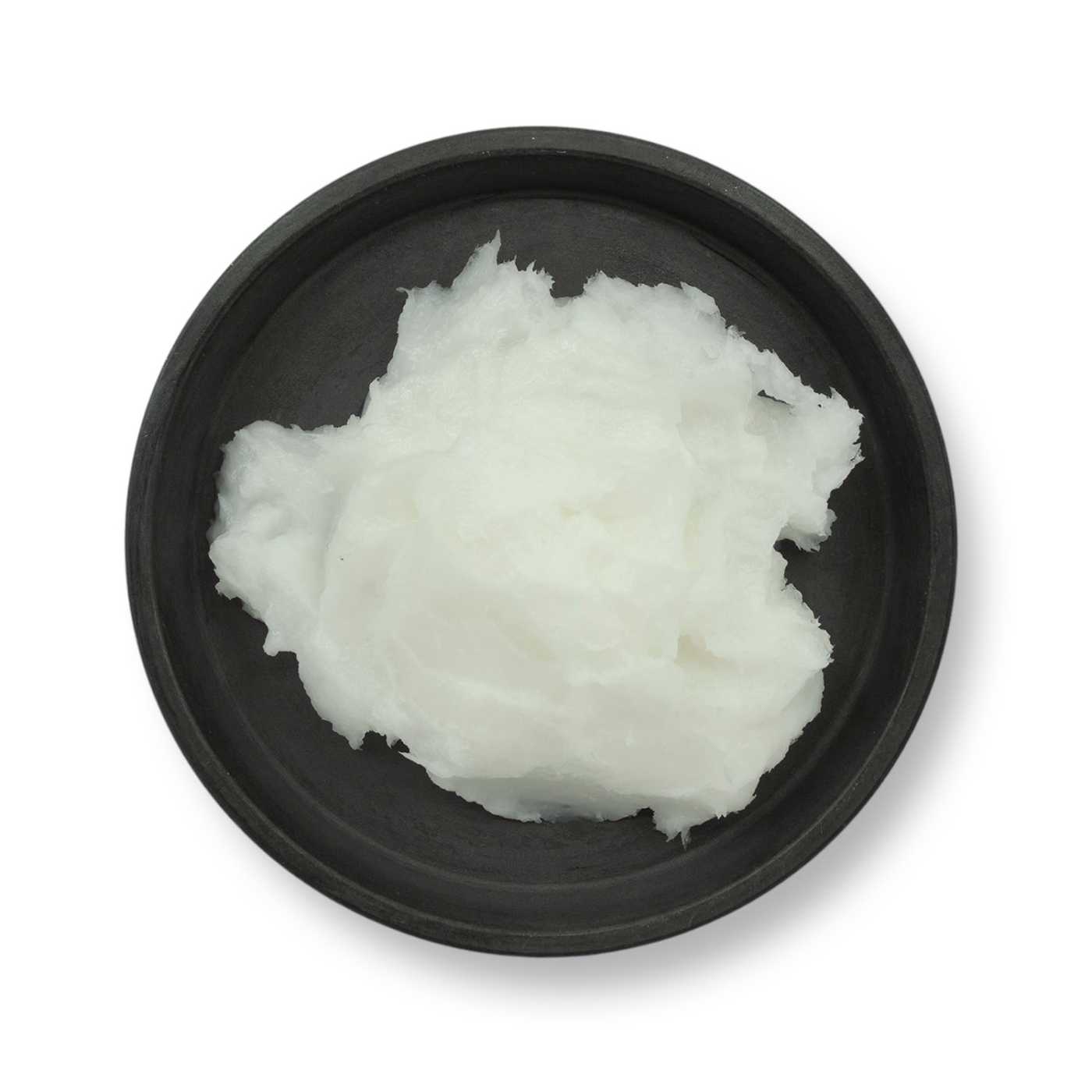
Anhydrous Lanolin USP is a fat derived from sheep’s wool that serves as an emollient in cosmetics while also helping to bind water into the oil phase. On the skin it forms a flexible protective film that slows moisture evaporation and softens dry, cracked areas. The USP designation means the ingredient meets the purity requirements of the United States Pharmacopeia. Lanolin of European origin is suitable for balms, ointments, hand and foot creams, protective creams, and products for dry skin.
Key benefits
- Protective film – lanolin remains on the surface of the skin, limits water loss and protects against drying caused by wind, cold, or frequent washing.
- Softening and flexibility – calloused and cracked areas (heels, elbows, finger corners) become more supple with regular use.
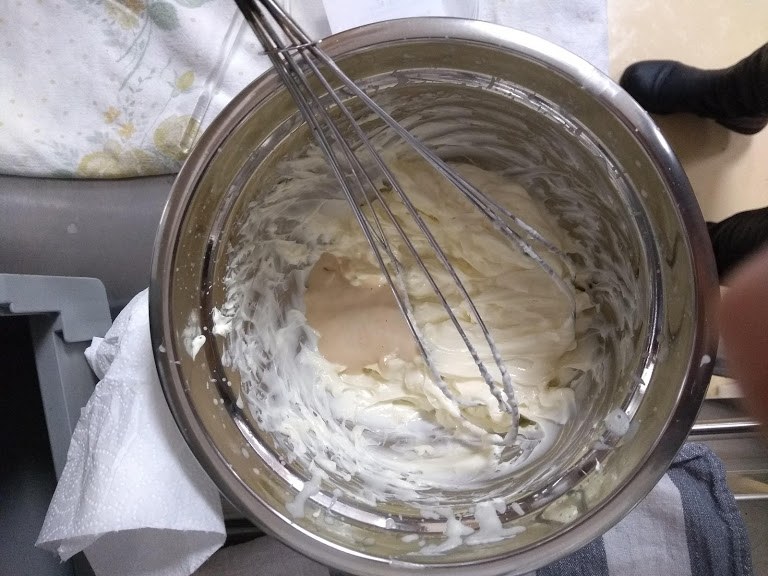
- Water binding – anhydrous lanolin absorbs water or an aqueous solution and forms a thick W/O emulsion even without an additional emulsifier.
- Adhesion – in lip balms, sticks, and ointments, it helps the product stay on the skin longer and prevents it from running off.
- Consistency of anhydrous blends – together with oils and waxes, it gives the product a smooth, unctuous consistency that spreads well.
Use in formulation
Lanolin is soluble in oils and does not mix with water, so it belongs in the oil phase. When making an emulsion, it is melted together with the other oils, butters, and waxes and only then combined with the water phase. In anhydrous products (ointments, balms, sticks), it is added to the melted mixture and stirred until the mass is homogeneous.
At room temperature it is solid and sticky, making it difficult to weigh out with a spoon. It is more convenient to first gently warm the container in a water bath and take the softened ingredient out.
If you want to prepare a simple ointment with water and no additional emulsifier, add water to the melted lanolin in small portions while stirring continuously. Add the next portion only once the previous one has been fully incorporated.
Dosage depends on the product type. In emulsions, lanolin typically makes up a smaller portion of the oil phase so the cream does not feel heavy or sticky. In balms, ointments, and protective hand creams the proportion can be higher, since that is where its film and adhesion are most useful. Test the appropriate proportion for a specific formula on a small sample.
Suitable for products such as
- Lip balms and sticks – improve adhesion, protect against chapping.
- Ointments and protective creams – for hands, heels, elbows, and areas exposed to cold or frequent washing.
- Dry skin creams – as part of the oil phase that slows water loss.
- Nail and cuticle care – lanolin softens the hardened skin around the nails.
- Beard balms and hair pomades – provide hold and shine without a dry feel.
Lanolin is not suitable for light gels, tonics, or water-based serums. It is not soluble in water and the product would separate.
What is good to know when formulating
- Lanolin has its own, mildly fatty scent, which is noticeable in anhydrous products at higher proportions. Take it into account when selecting a fragrance composition or essential oils.
- At higher proportions it gives the product a tacky, heavier feel. Combining it with lighter oils or esters will lighten the skin feel.
- Creams and ointments containing water require preservation even when the water has been bound by lanolin without an additional emulsifier. Anhydrous products do not require a preservative, but they do contain fats, so it is worth adding an antioxidant.
- The ingredient is of animal origin and therefore does not belong in products labelled as vegan.
Do not add lanolin to the water phase or to a finished cold emulsion. It will not dissolve and will form lumps. Always melt it together with the oil phase.
Frequently asked questions
Is lanolin soluble in water?
No, lanolin is not soluble in water. It belongs to the oil phase and mixes with vegetable oils, butters, and waxes. However, it can absorb water and form a thick water-in-oil emulsion (W/O), which is why it is also used in simple ointments with water and no additional emulsifier.
How is lanolin added to a cream?
Lanolin is added to the oil phase and melted together with the other oils and waxes. Only then is the oil phase combined with the water phase and emulsifier. Adding it to a cold, finished emulsion does not work — the ingredient will not dissolve and will form lumps.
Is lanolin suitable for an anhydrous lip balm?
Yes, lanolin is suitable for lip balms. It is added to the melted mixture of oils and waxes, improves the adhesion of the balm on the lips, and its film protects against drying and chapping. At a higher proportion the balm may be stickier, in which case adding a lighter oil will help.
What does the USP designation on lanolin mean?
USP means that the lanolin meets the purity requirements of the United States Pharmacopeia for the raw material. Anhydrous Lanolin USP is therefore intended for products that require defined purity and consistent properties, such as ointments and protective creams.
Is lanolin vegan?
No, lanolin is not vegan. It is obtained from sheep’s wool and is therefore an ingredient of animal origin. In vegan products, plant-based butters and waxes are used instead, though they do not bind water into the oil phase in the same way, so the formula usually needs to be adjusted.
Does an ointment with lanolin need a preservative?
A preservative is needed when the ointment contains water or an aqueous solution. Purely anhydrous products made from lanolin, oils, and waxes do not require a preservative. However, they do contain fats, so it is recommended to add an antioxidant that will slow yellowing and changes in scent.