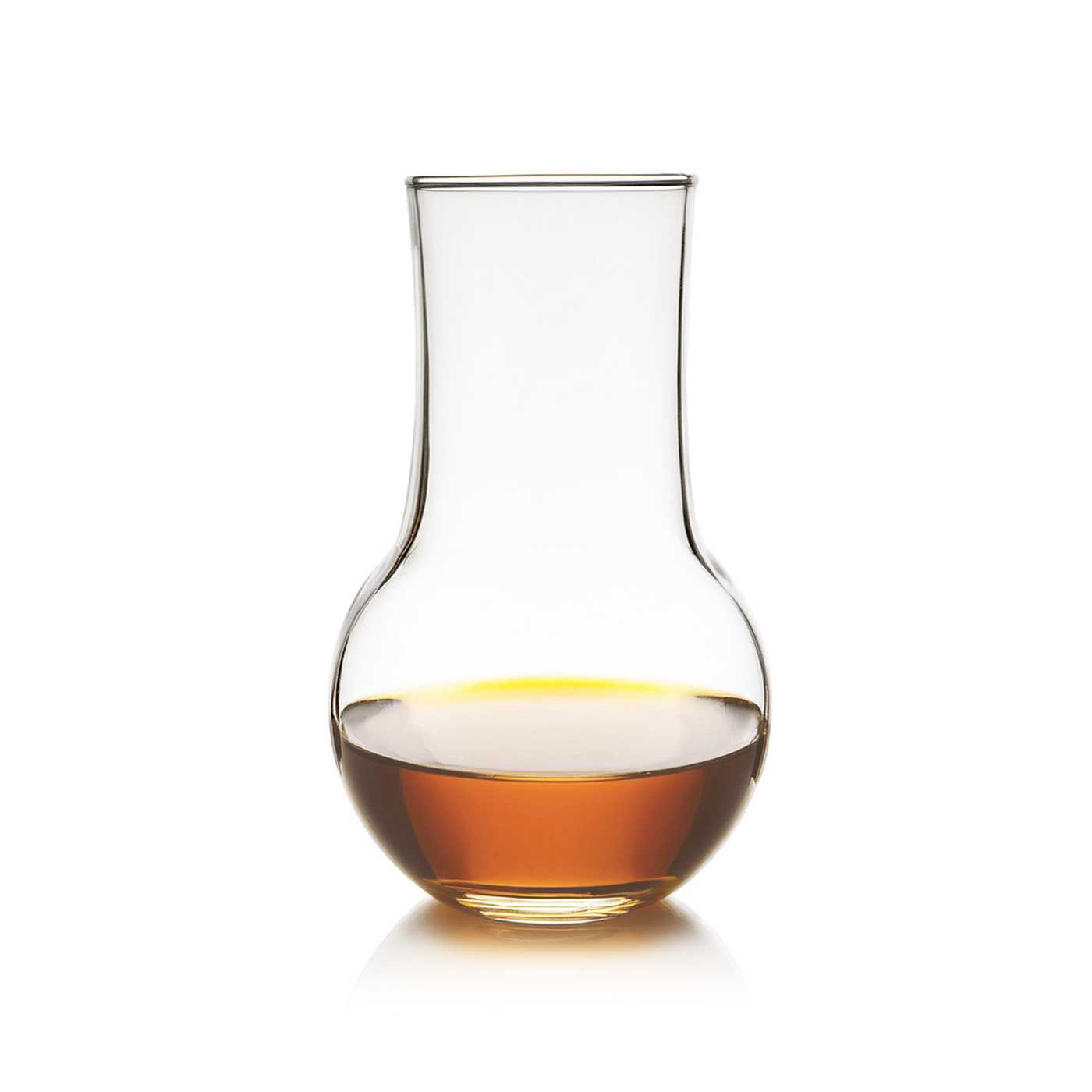
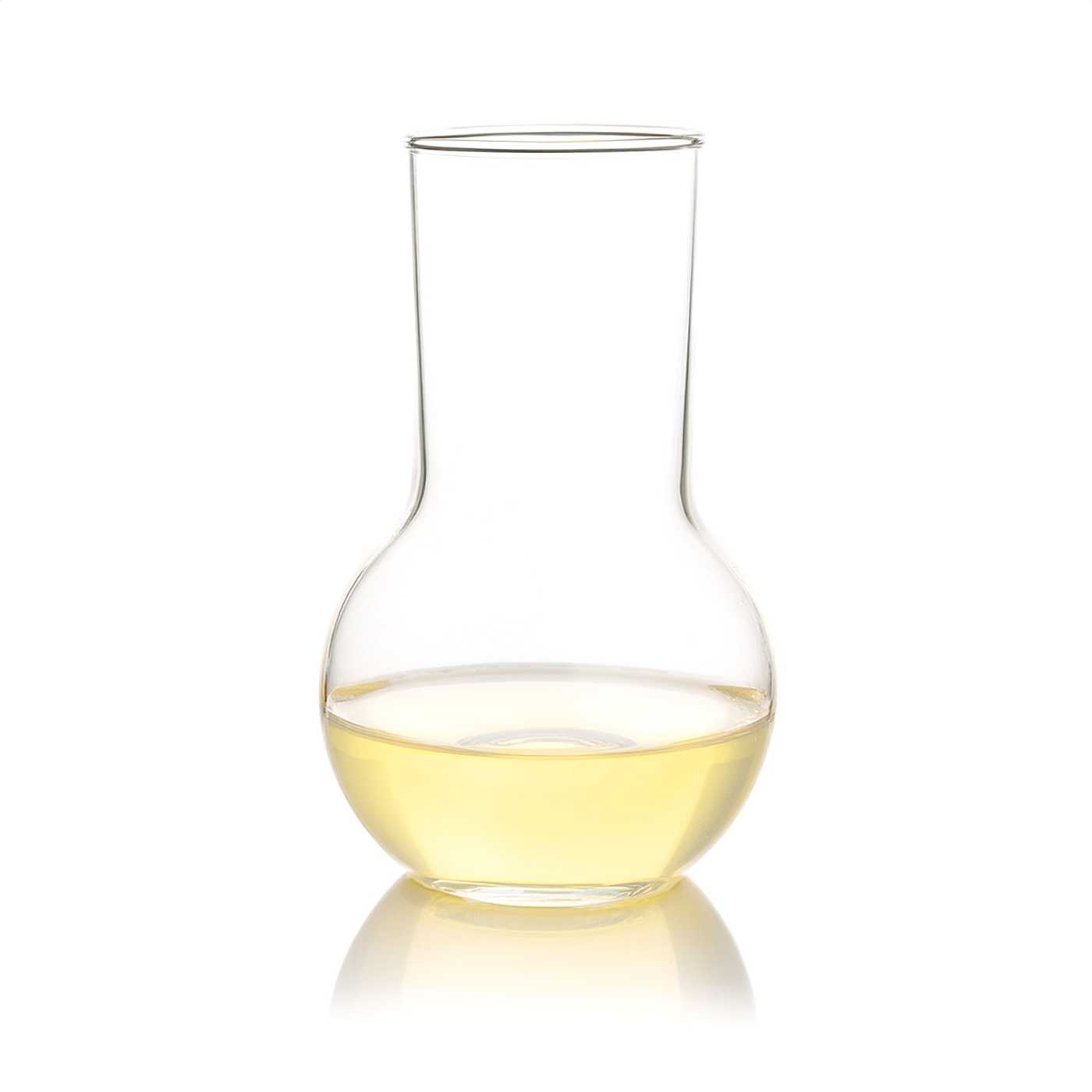
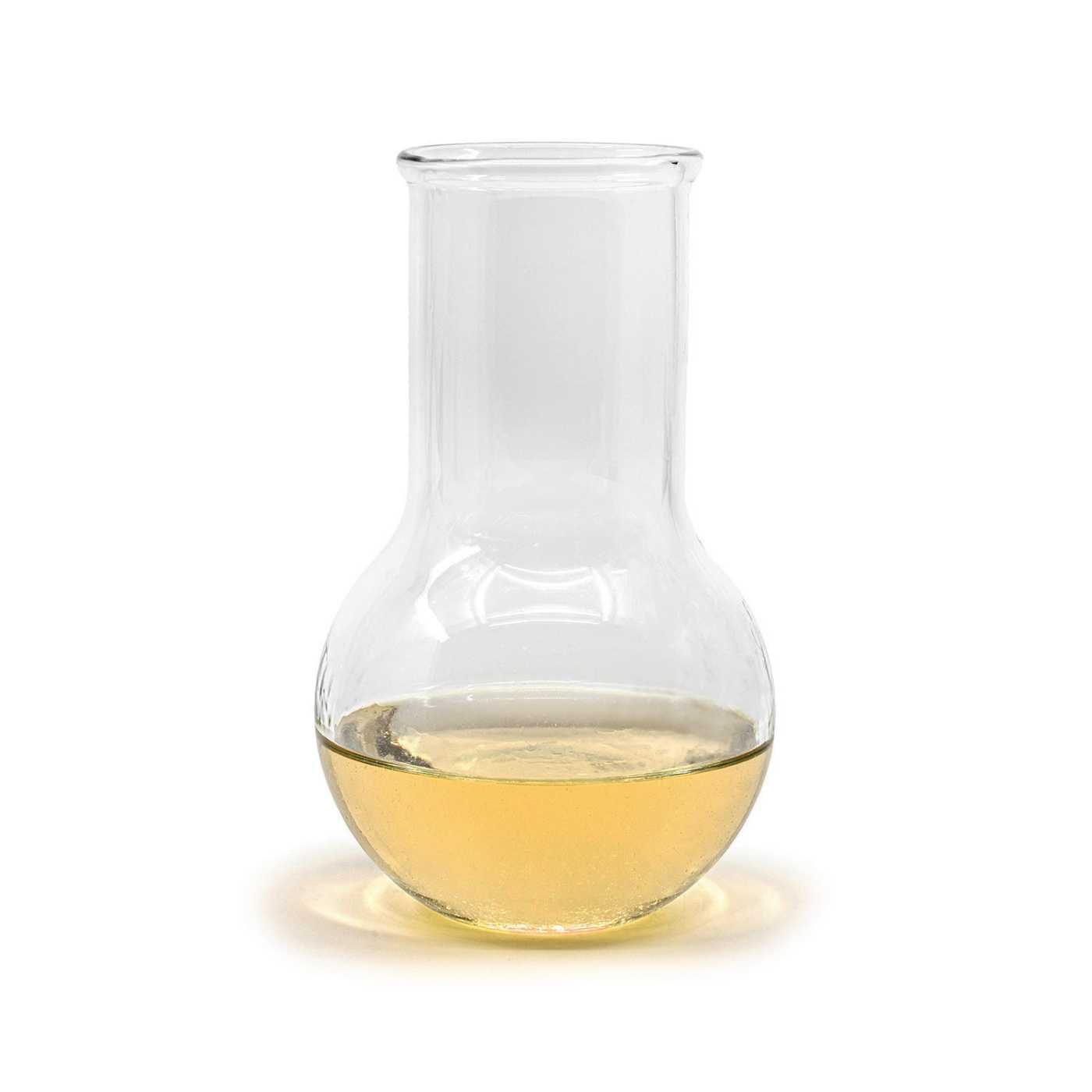
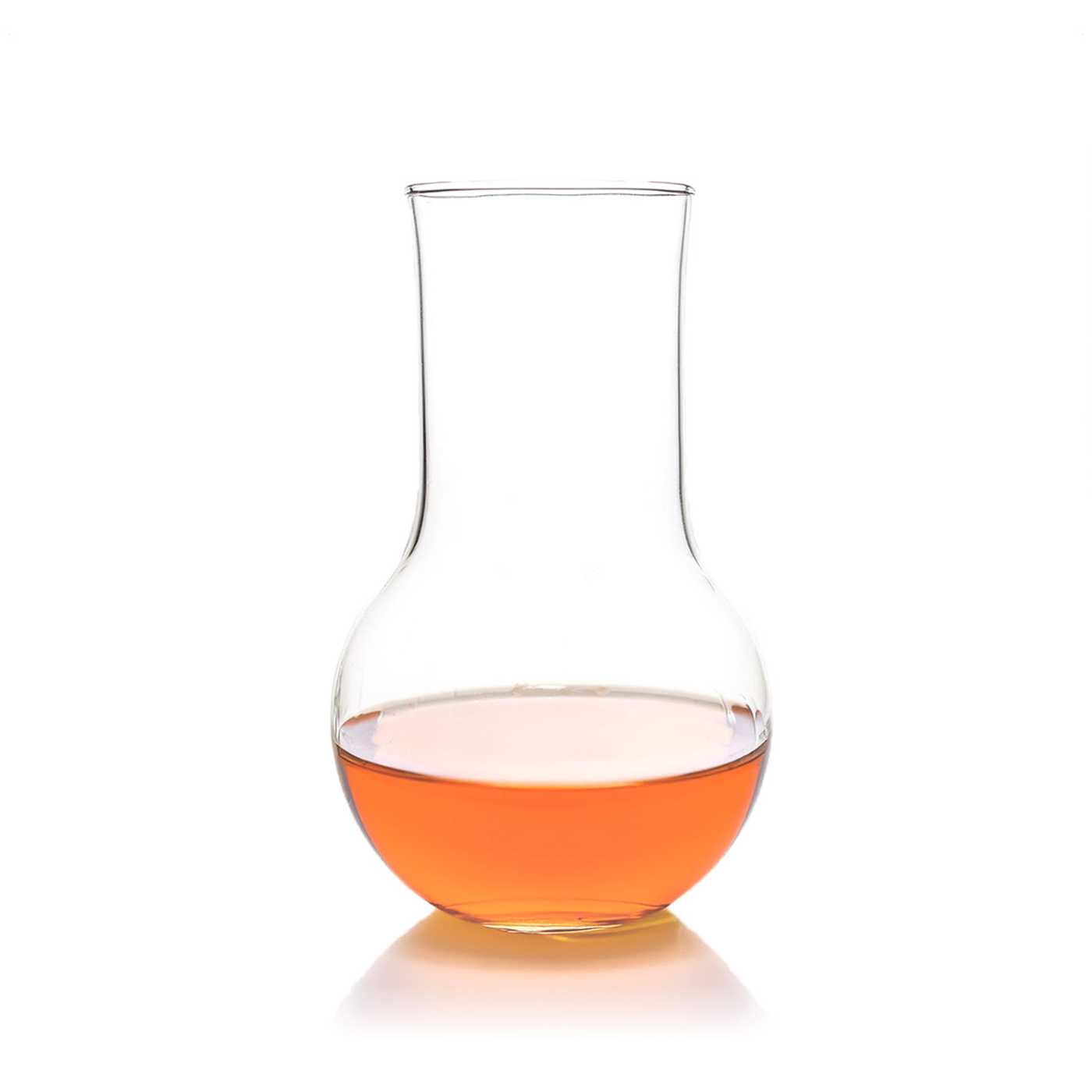
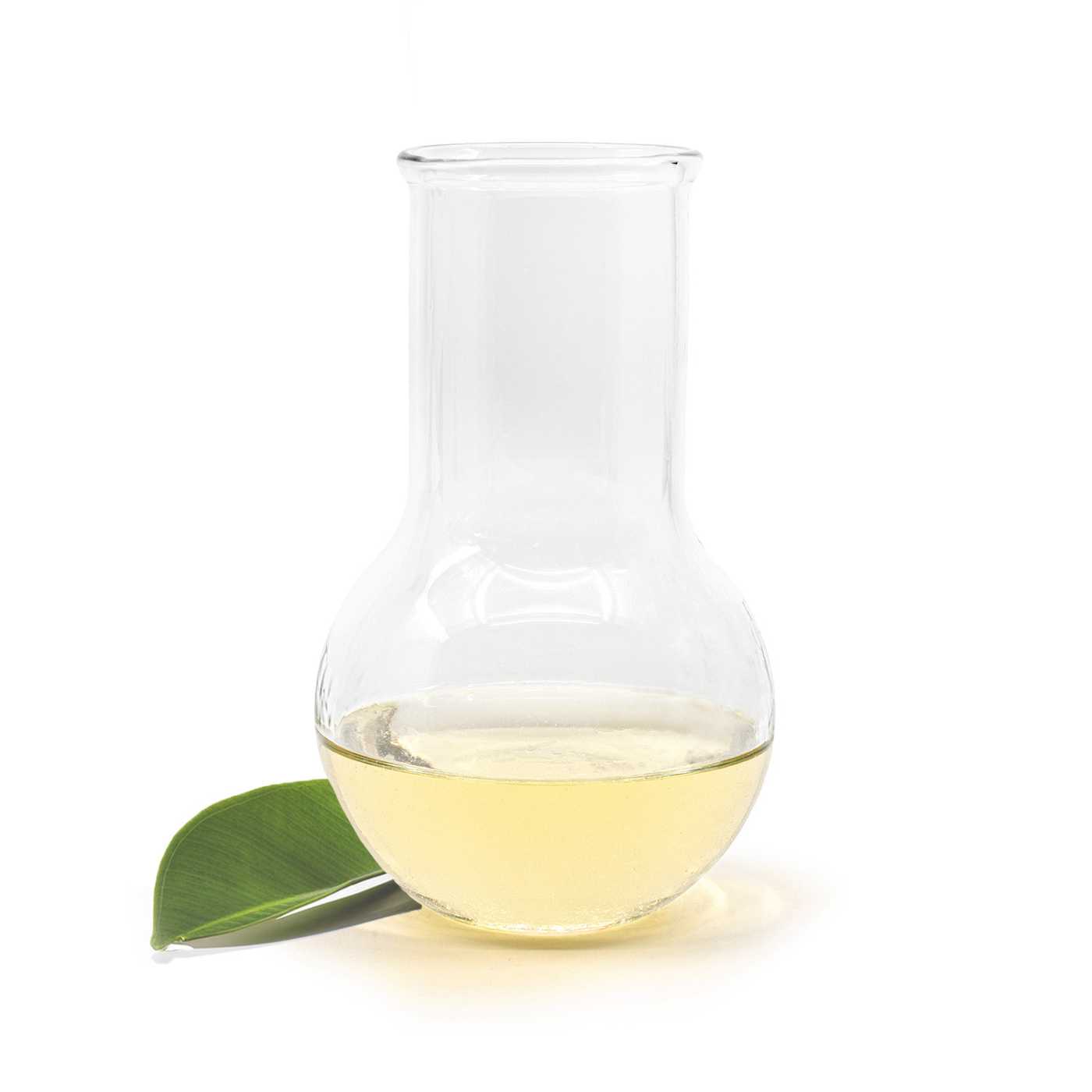
Vitamin C (THDA) is an oil-soluble form of vitamin C that overcomes two main weaknesses of pure ascorbic acid – its instability and poor penetration into the skin. The ascorbic acid molecule is protected by fatty acid residues, so the ingredient passes through the skin barrier more effectively and remains stable in a formulation for longer without oxidation.
In the skin, THDA is gradually converted to active vitamin C by skin enzymes. According to a study cited by the manufacturer, this conversion reached approximately 84 % in a reconstructed skin model. The ingredient therefore acts as a reservoir form of vitamin C that is activated directly where it needs to work.
Key benefits
- Antioxidant protection – once converted to vitamin C, it helps neutralise free radicals generated in the skin by UV radiation and environmental factors.
- Even skin tone – according to the manufacturer's studies, its antioxidant action helps prevent UV-induced pigmentation. It is therefore suitable for brightening products and products targeting uneven skin tone.
- Formulation stability – compared to pure ascorbic acid, it oxidises significantly more slowly, so the product does not brown quickly and retains its efficacy.
- Skin compatibility – it does not have the acidic character of pure vitamin C, so the formulation does not need to be strongly acidic.
Use in formulation
The ingredient is oil-soluble – it is added to the oil phase or directly to an anhydrous base. Processing temperature is critical: below 40 °C is recommended. In emulsions, therefore, add the ingredient during the cool-down phase, not to the heated oil phase. In anhydrous products it can simply be blended in cold.
The recommended usage level is 0.01 – 20 % depending on the product type and desired intensity. For emulsions and aqueous systems, aim for a final product pH of 5 – 8. As it is an oil-based ingredient, it is not suitable for purely aqueous formulations (toner, gel) without an emulsifying or solubilising system.
Suitable for products such as
- Oil serums and facial oils – an anhydrous environment is the most favourable for ingredient stability and the usage level can easily be adjusted.
- Creams and emulsions (O/W and W/O) – the ingredient is added to the cooling emulsion as an active component in brightening or anti-ageing care.
- Balms and solid formulations – if the base is melted, add the ingredient only after partial cooling below 40 °C.
- Products for uneven skin tone – in combination with daytime sun protection.
How it differs from other forms of vitamin C
Pure ascorbic acid is water-soluble, strongly acidic and oxidises rapidly – formulations with it require a low pH. Water-soluble derivatives (such as Sodium Ascorbyl Phosphate) are more stable but remain confined to the aqueous phase. THDA is an oil-soluble derivative: it belongs in the oil phase, tolerates a wider pH range and, due to its affinity for the lipids of the skin barrier, penetrates the skin better than water-soluble forms. Its efficacy is owed to its conversion to vitamin C directly in the skin.
What is worth knowing when formulating
- Add the ingredient cold or at a temperature below 40 °C – prolonged exposure to higher temperatures unnecessarily stresses the active component.
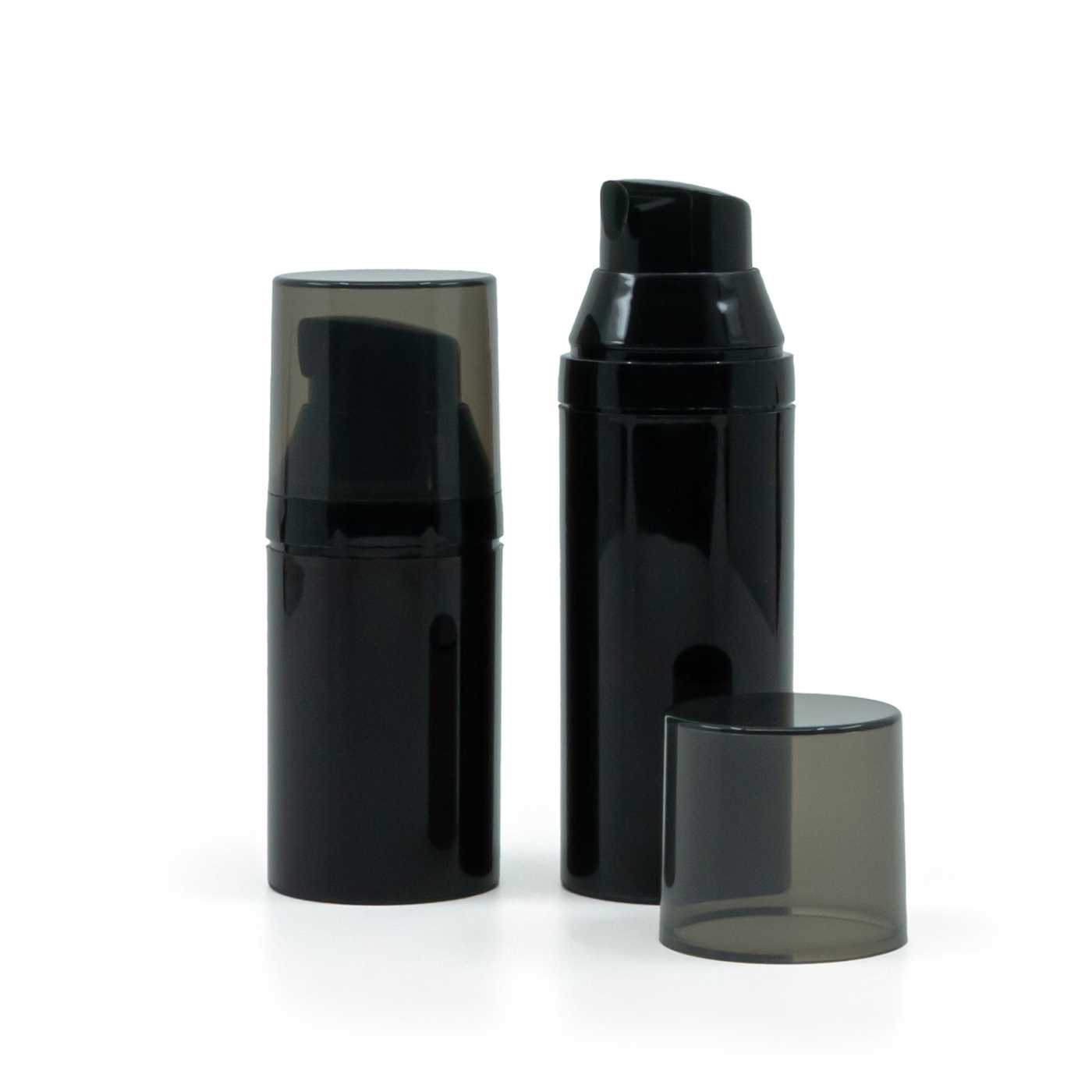
- Although THDA is more stable than pure vitamin C, fill the finished product into opaque packaging that limits air and light exposure.
- It combines well with other oil-soluble antioxidants, such as vitamin E.
- In an emulsion, verify that the final pH remains within the range of 5 – 8. At higher values, confirm stability by testing.
- At higher usage levels, evaluate the sensory profile – as a fatty acid ester, the ingredient affects the oily feel and slip of the formulation.
Frequently asked questions
Is Vitamin C (THDA) water-soluble?
No, Vitamin C (THDA) is oil-soluble, not water-soluble. It is added to the oil phase of emulsions or to anhydrous products such as oil serums, facial oils and balms. It can be incorporated into a purely aqueous formulation only with the aid of an emulsifier or solubiliser.
How is Vitamin C (THDA) added to a cream?
Vitamin C (THDA) is added to a cream during the cool-down phase, once the emulsion temperature drops below 40 °C. The ingredient is liquid, so it can be blended in without prior melting. The final pH of the product should be within the range of 5 – 8.
What is the difference between THDA and pure vitamin C?
Pure vitamin C (ascorbic acid) is water-soluble, acidic and oxidises rapidly, whereas THDA is a stable oil-soluble form that penetrates the skin more effectively. In the skin it is enzymatically converted to active vitamin C – according to a study cited by the manufacturer with a conversion of approximately 84 % in a skin model.
At what level is Vitamin C (THDA) used?
The recommended usage range for Vitamin C (THDA) is 0.01 – 20 %. The specific concentration depends on the product type and desired intensity of effect. At higher concentrations, verify both formulation stability and the sensory profile, as the ingredient affects the oily character of the product.
Is Vitamin C (THDA) suitable for sensitive skin?
Vitamin C (THDA) is one of the gentler forms of vitamin C, as it does not have the acidic character of pure ascorbic acid and does not require a low formulation pH. For sensitive skin, however, we recommend starting with a lower usage level and patch-testing the finished product on a small area of skin beforehand.