Mineral powder make-up made from natural raw materials will brighten your skin and protect it against outside influences. Make your own by following our guide.
Are you also searching the world of decorative cosmetics for a more natural alternative that will not contain dozens of unknown raw materials? Have you already tried mineral make-up?
Mineral powder make-up offers a way to quickly cover imperfections or to brighten and even out the complexion. You can use it instead of powder, or increase its coverage by changing the ratio of the raw materials.
- Natural composition
The base is made up of just zinc oxide, titanium dioxide and serecite mica — no dozens of unknown raw materials.
- Covers imperfections
It quickly covers imperfections and brightens and evens out the complexion.
- Adjustable coverage
Use it instead of powder, or increase its coverage by changing the ratio of the raw materials.
- A shade made to measure
Choose one of the ready-made shades or mix your own, precisely to match your skin.
Raw materials for the base
Mineral powder make-up starts from a colourless base which is then fine-tuned with the appropriate pigments. We have prepared a recipe for several basic shades for you. However, if you want a perfect match between the make-up and your skin, you can easily mix a shade tailored precisely to you.
| Ingredient | Content in % |
|---|---|
| Colourless base | |
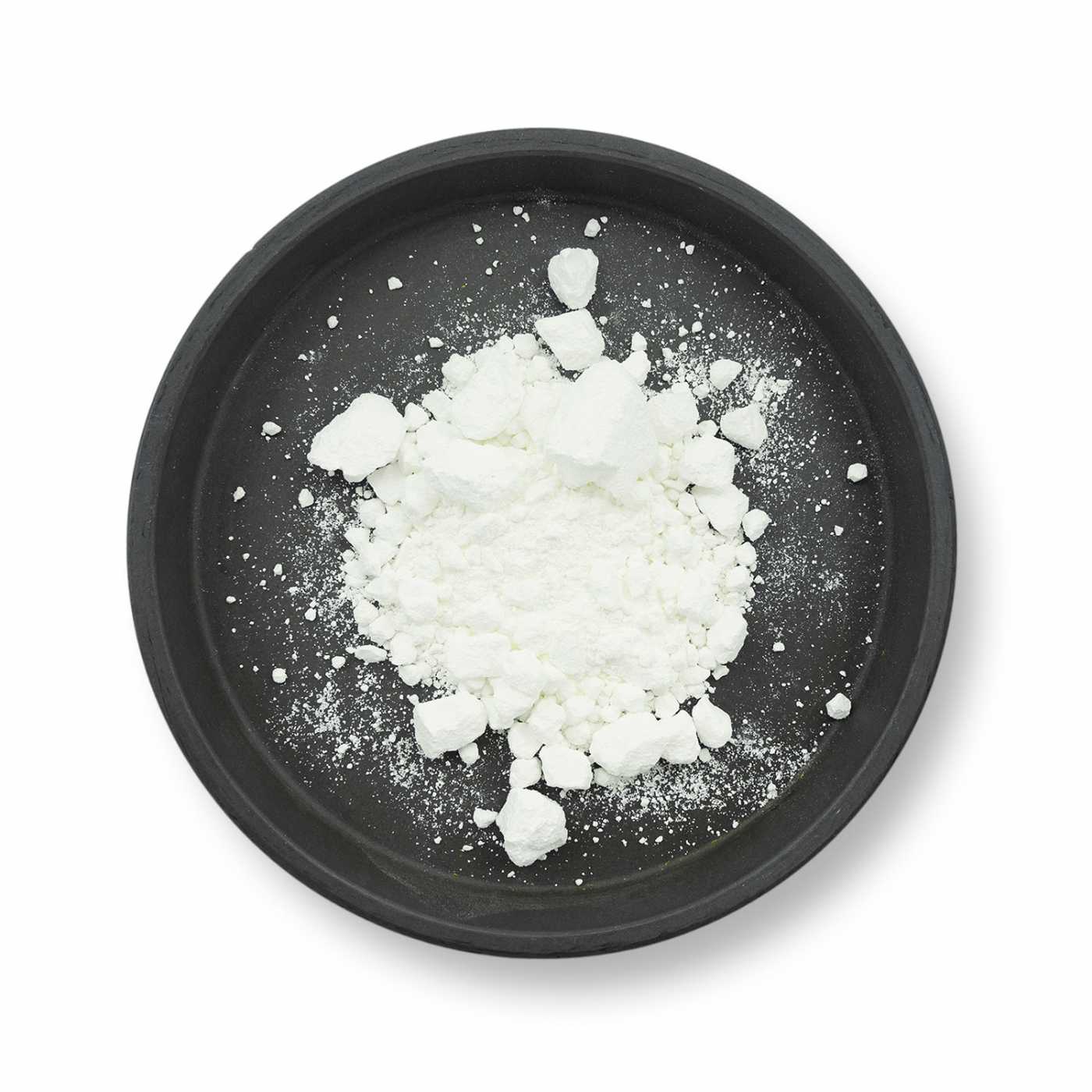
| Zinc oxide | 57.00 |
| Titanium dioxide, oil | 21.50 |
| Serecite mica | 21.50 |
| Equipment | |
| Powder jar | — |
Method
- Disinfection and protection
Disinfect all tools and containers, for example with ethanol, and put on a respirator, as you will be working with powdered raw materials which can get into the air and irritate the respiratory tract.
- Weighing the base
In a mortar or a similar bowl, weigh out all the raw materials needed for the base of the powder make-up. Grind them together thoroughly.
- Adding the pigments
Add the pigments — choose from the ready-made shades below or mix your own.
- Blending
Grind the mixture well in the mortar so that the pigments are evenly distributed throughout the base.
- Filling
Fill into a powder jar or a similar container.
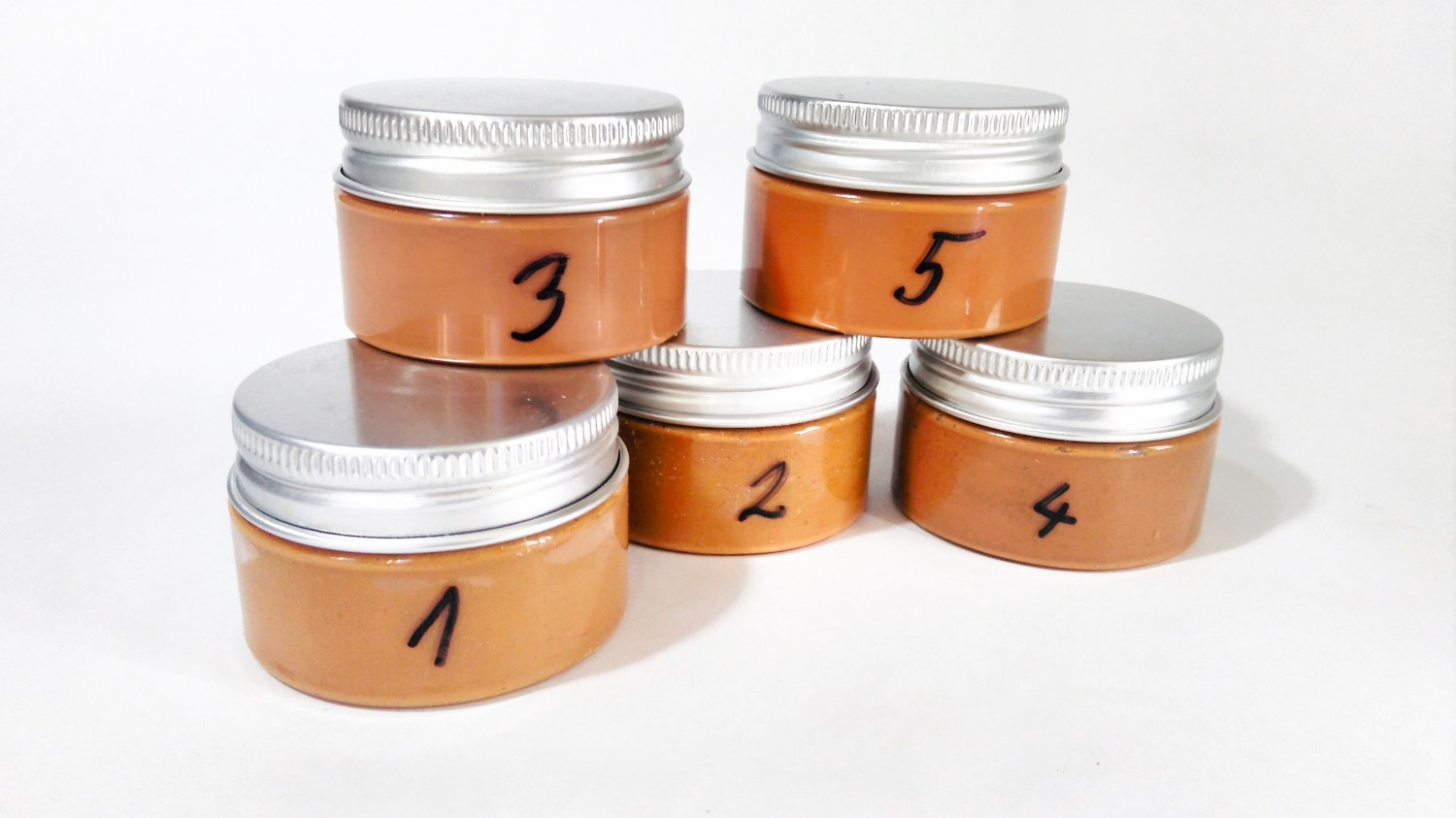
Five ready-made shades
Below you will find a list of five shades to choose from if you do not want to spend time preparing your own. Alternatively, you can prepare one of the shades and then adjust it slightly by adding more pigment or base so that it matches the exact shade of your skin. The amount of pigment is always calculated for 12 grams of base.
| Pigment | Amount |
|---|---|
| Fair skin with red tones | |
| Iron oxide — yellow | 0.41 g |
| Iron oxide — brown | 0.08 g |
| Iron oxide — red | 0.06 g |
| Chromium oxide — green | 0.02 g |
| Fair skin with warm tones | |
| Iron oxide — yellow | 0.8 g |
| Iron oxide — brown | 0.13 g |
| Iron oxide — red | 0.07 g |
| Third shade — name to be added by the editors | |
| Iron oxide — yellow | 0.56 g |
| Iron oxide — brown | 0.51 g |
| Iron oxide — red | 0.08 g |
| Dark skin with warm tones | |
| Iron oxide — yellow | 1.31 g |
| Iron oxide — brown | 0.22 g |
| Iron oxide — red | 0.16 g |
| Chromium oxide — green | 0.1 g |
| Dark skin with cool tones | |
| Iron oxide — yellow | 1.68 g |
| Iron oxide — brown | 0.08 g |
| Iron oxide — red | 0.26 g |
| Ultramarine blue | 0.02 g |
Editor’s note: brown iron oxide is not in the e-shop range at the moment — the iron oxides we stock are yellow, red and black.

A custom shade
Do you want to prepare a custom shade of mineral make-up? It is possible — it just takes a little patience, but after a while you will certainly conjure up a mineral make-up that matches your skin tone exactly.
When preparing your own shade it is good to work in daylight and to have a mirror and a larger make-up brush, a kabuki for example, at hand. Between individual additions of pigment you then apply the make-up to your skin, so that you can see directly when you have reached your shade. It is a good idea to weigh and write down the amounts of pigment you add, so that you can repeat your make-up in the future.
Tip: weigh the individual pigment sachets at the start, for example, note the weight down and then weigh them again at the end, once the make-up is finished. The difference is the amount of pigment you have used.
Method for a custom shade
- Disinfection and protection
Again, disinfect all the tools and containers you will be working with, for example with ethanol, and put on a respirator.
- Preparing the base
Prepare 12 g of base for the powder make-up in a mortar.
- The first pigments
Add a small amount of yellow, brown and red pigment (on the tip of a spatula) and grind it well in the mortar.
- Fine-tuning the shade
Test the make-up against your skin and then adjust it:
- If your skin tends towards redness, add a small amount of chromium oxide (green pigment) to neutralise the red.
- If you have a distinctly cool undertone (you can tell, for example, by the veins on your wrists being blue), add a small amount of blue pigment (ultramarine).
- If the make-up is too yellow, or even orange, add a small amount of red pigment.
- If you want make-up with stronger covering power, add a few grams (a teaspoon) of titanium dioxide.
- If the make-up is too dark, add a teaspoon of zinc oxide.
- If the make-up is too light, add a small amount of brown oxide; if you only need to darken the make-up slightly, add yellow oxide.
- If the make-up is too pink, add yellow pigment.
- Testing as you go
Remember to mix the blend well after each addition of pigment or any other substance in the mortar and to test the shade on your skin.
The raw materials and their function
Every raw material in mineral powder make-up has a part to play in how well the make-up applies and how it performs. Let us look at their properties more closely.
Titanium dioxide
You will find titanium dioxide in many make-up products precisely because of its covering power and its intense white colour, which lets the pigments stand out, and because this oxide improves the way make-up applies to the skin. That is also why you can slightly increase the proportion of titanium dioxide in the mixture to increase coverage.
On the other hand, too much titanium dioxide can make the make-up form a layer on the skin that is visible at first glance and look unnatural overall. So if you do want to increase the proportion of titanium dioxide, do it in small doses.
Zinc oxide
Zinc oxide is a fine white powder which in products likewise contributes to good coverage, brings out the pigments and brightens the skin, although not to the same extent as titanium dioxide. Like titanium dioxide, it is also a component of mineral sun preparations, because it has a certain SPF factor, although the exact value can only be determined by laboratory analysis.
Serecite mica
Serecite mica does not have quite the same properties as the mica powders used as colourants in cosmetics. The main difference is that serecite mica is not as intensely shiny and glittery as ordinary mica powders, and it also has a white to slightly grey colour.
Its main role in cosmetics is to give a very subtle sheen that helps to brighten the skin, as it makes light reflect better off the skin. In this way it partly masks imperfections as well, and at the same time it helps improve the adhesion of the make-up to the skin, so that it lasts longer on the face without touch-ups.
Iron oxide
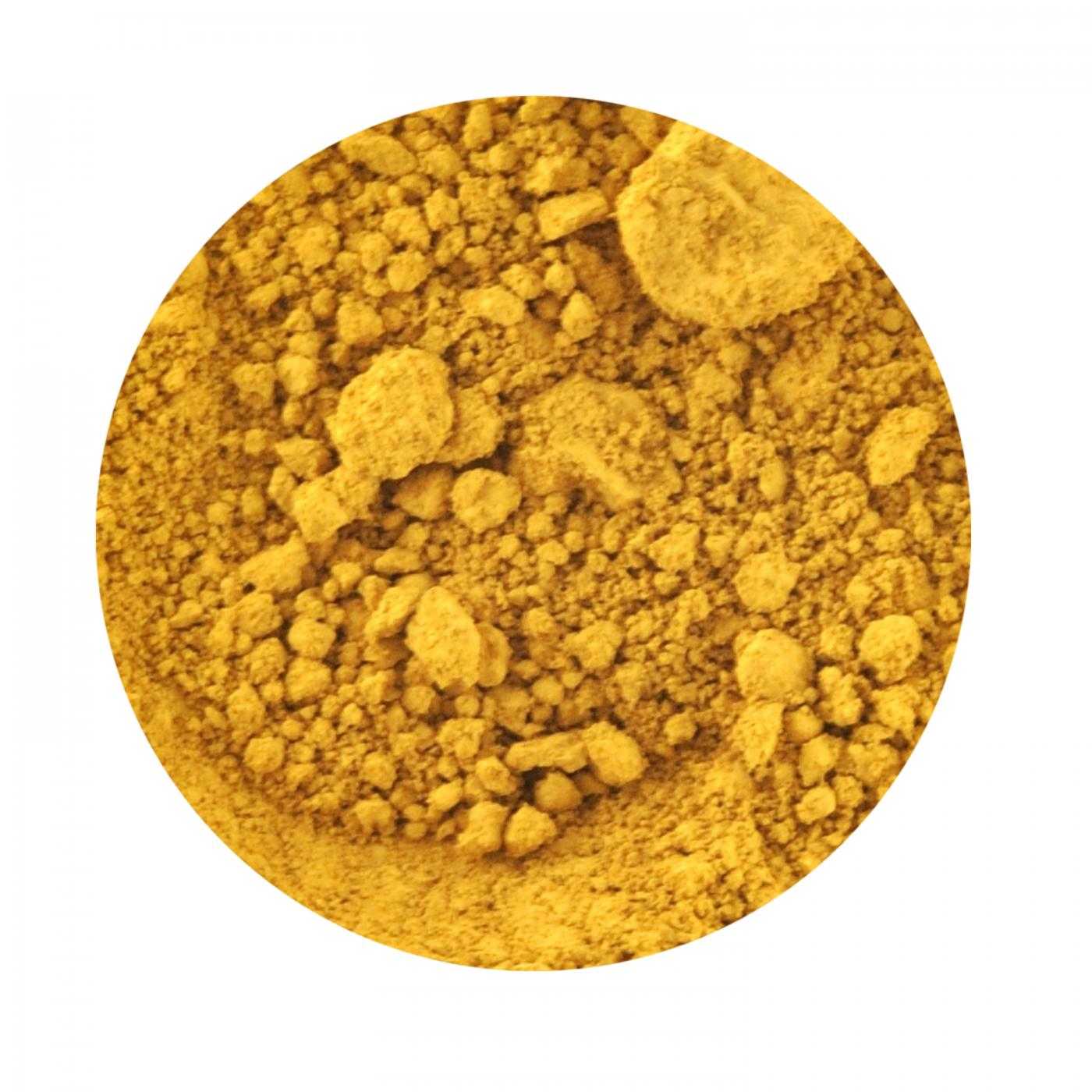
Iron oxides come in several colour variants, above all yellow, brown, red and black. Because they do not contain shimmering particles like mica powders, they are particularly suitable for make-up, as they give the product colour without excessive shine.
Iron oxide has the same composition as rust — but cosmetic pigments are not obtained from real rust, they are prepared in a laboratory so that they are pure and uncontaminated. To work these powders properly into make-up it is necessary to use a mortar, or possibly a small electric coffee grinder.
Chromium oxide
Chromium oxide, with its rich green colour, is the ideal addition for suppressing unwanted red tones. Thanks to the ability of green to neutralise red, adding chromium oxide is useful if your skin tends towards redness. You will also use it when making concealers for problem skin, for example skin with spots, which are often reddened.
Chromium oxide helps to cover redness even in a small amount; too much green pigment in make-up can spoil the overall shade of the product.
Ultramarine
The beautiful rich blue colour of ultramarine is a great addition for skin with cool undertones. You can tell whether you have a cool rather than a warm skin undertone, for example, by silver jewellery suiting you better than gold, or by the veins on your wrists looking more blue than green.
If you have a warmer skin undertone, do not add ultramarine; rely on yellow and red pigment instead. Ultramarines can also be found in violet and pink shades.
Frequently asked questions
How do I tell whether I have a warm or a cool skin undertone?
With a cool undertone, silver jewellery suits you better than gold and the veins on your wrists look more blue than green. A small amount of blue pigment helps with a cool undertone; a warmer undertone is better fine-tuned with yellow and red pigment.
How do I increase the covering power of the make-up?
Slightly increase the proportion of titanium dioxide and add it in small doses. Too much titanium dioxide forms a visible layer on the skin and the make-up will look unnatural.
Why do I need a respirator when making it?
You are working with powdered raw materials which can get into the air and irritate the respiratory tract. Put on a respirator before you start and disinfect your tools and containers, for example with ethanol.
Can mineral powder make-up be used instead of powder?
Yes. You can use it instead of powder, or increase its coverage by changing the ratio of the raw materials.
Important notice
As mentioned, you can experiment with home recipes to achieve the properties you want. However, the final result can be influenced by many factors, such as humidity, temperature, the quality of the raw materials or the way they are stored.
Important: before you use any raw material to make a cosmetic product, familiarise yourself with its properties, its recommended dosage, its storage conditions and how to handle it safely. Every raw material can have the potential to trigger an allergic reaction in sensitive individuals, so before using the product we recommend finding out whether you are allergic to any of the raw materials or to the product as a whole, for example with a skin test.
If you have very sensitive or very acne-prone skin, or other skin and health problems, we recommend that you consult a medical professional before applying a new product to the skin, whether it is a home-made cosmetic product, a pure raw material or a commercially available product.
Conclusion
So, dear alchemists? Have you already made this mineral powder make-up? Or are you only just getting ready to? Let us know how your creating turned out.
If you have any questions, or you need advice about the method, do not hesitate to write to us at [email protected]. We will be glad to answer you and to help.
We wish you to stay creative and to keep having plenty of new ideas for making natural cosmetics. Until soaping again, friends.
You will find yellow, red and black iron oxides and green chromium oxide for fine-tuning your shade in the Oxides category.