
Spend over €100 for discounted shipping!

+421 950 333 113info@handymade.store

MINERAL MAKE-UP

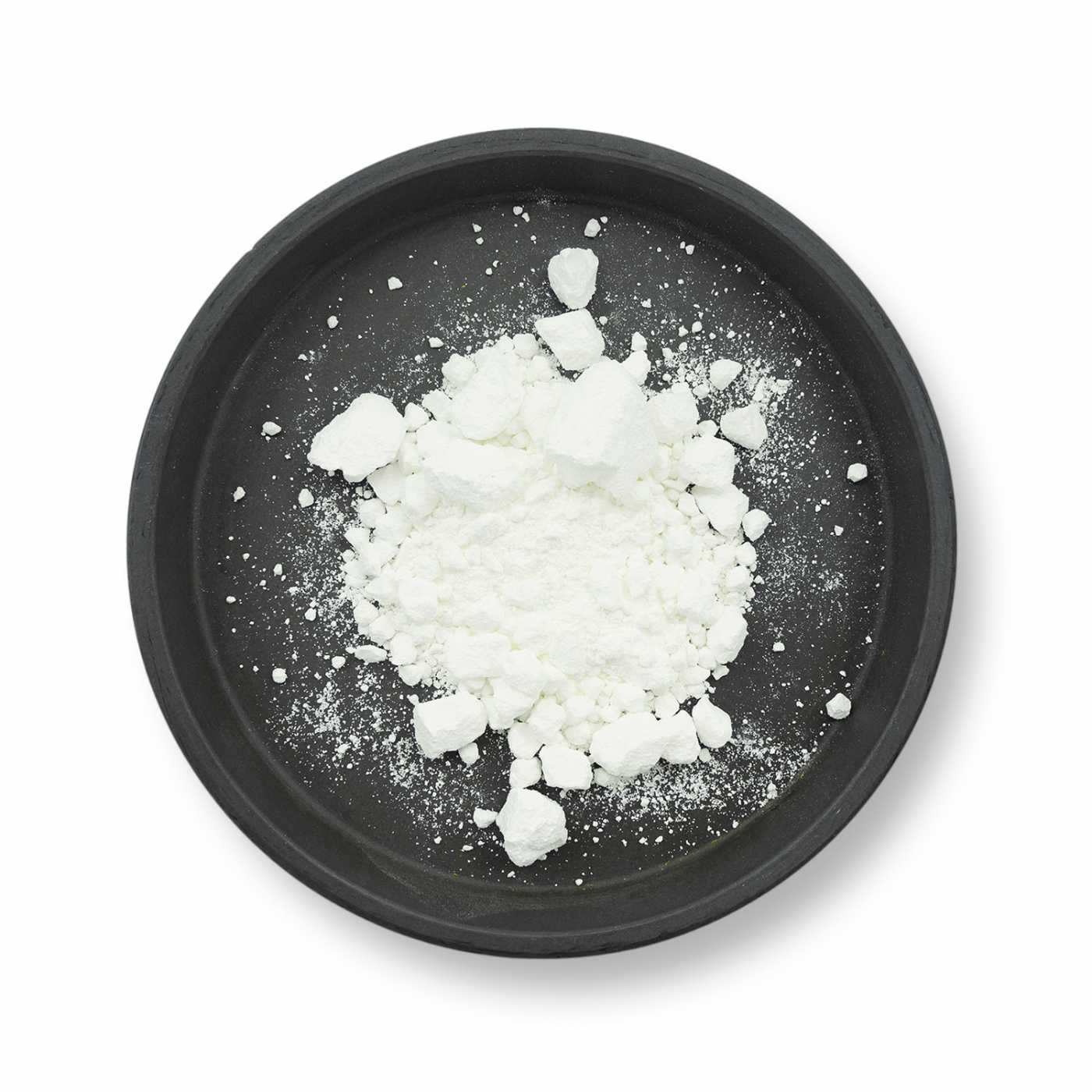
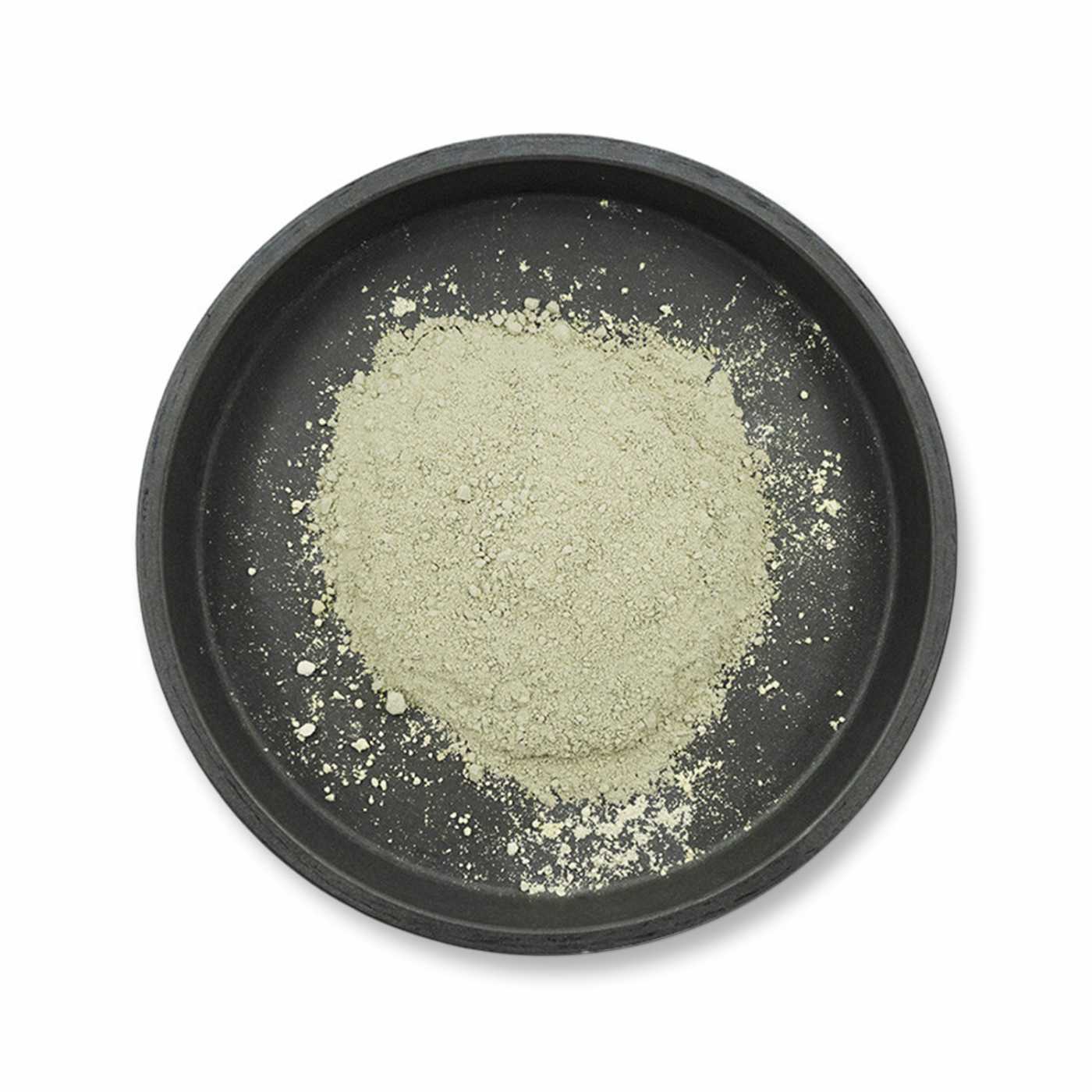
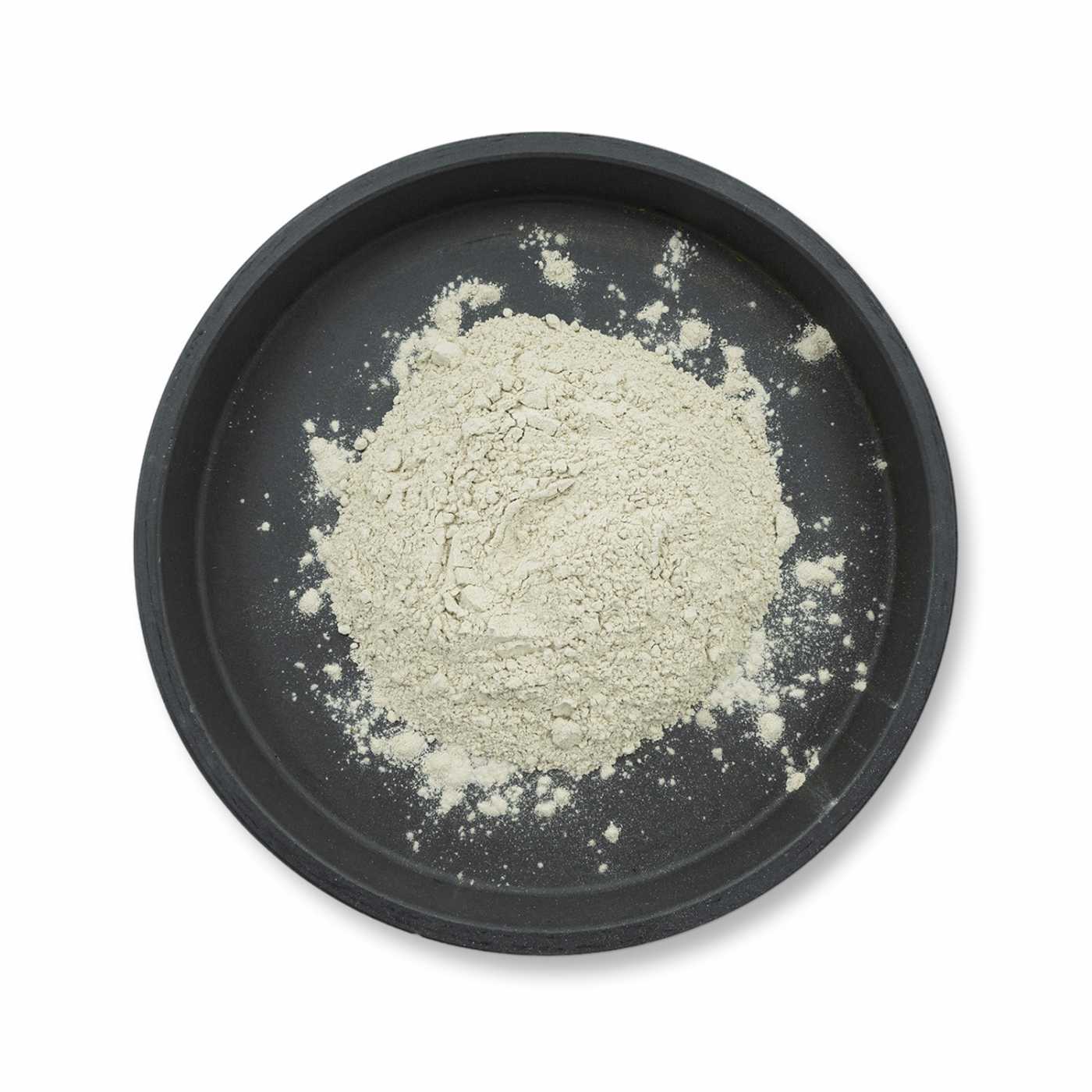
Zinc Oxide, 100 g

Pack size50 g100 g500 g1 kg10 kg25 kg

Zinc oxide (Zinc Oxide) fulfils three roles in a formulation at once: it acts as a physical UV filter , a white pigment and an active ingredient for irritated and problem skin. full description

AvailabilityIn stock · 92 packs
Product codePOW210_100
Batch260437
Best before08/2027
€2.99incl. VAT€29.90/kg

Lowest price in the last 30 days: €2.99

Product description

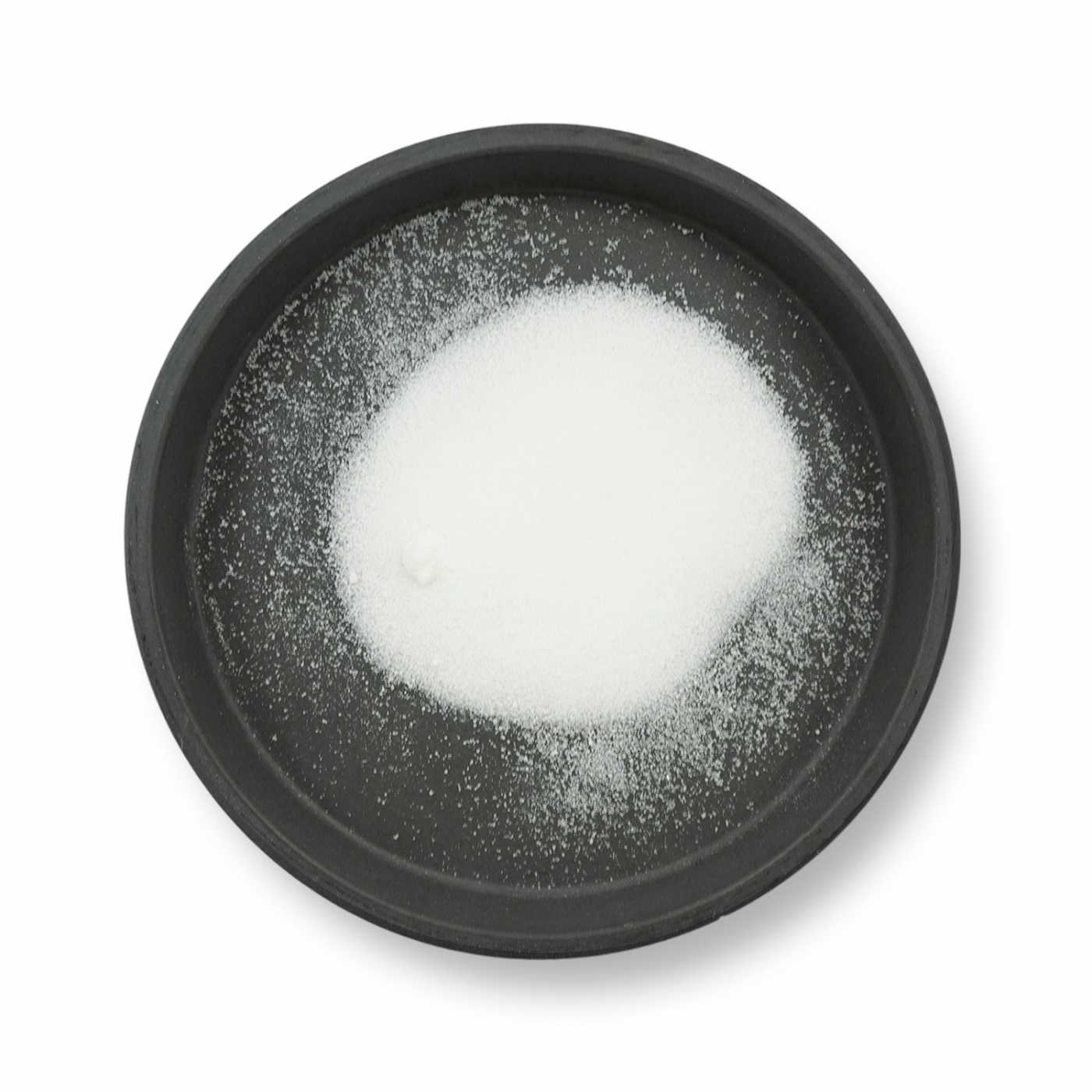
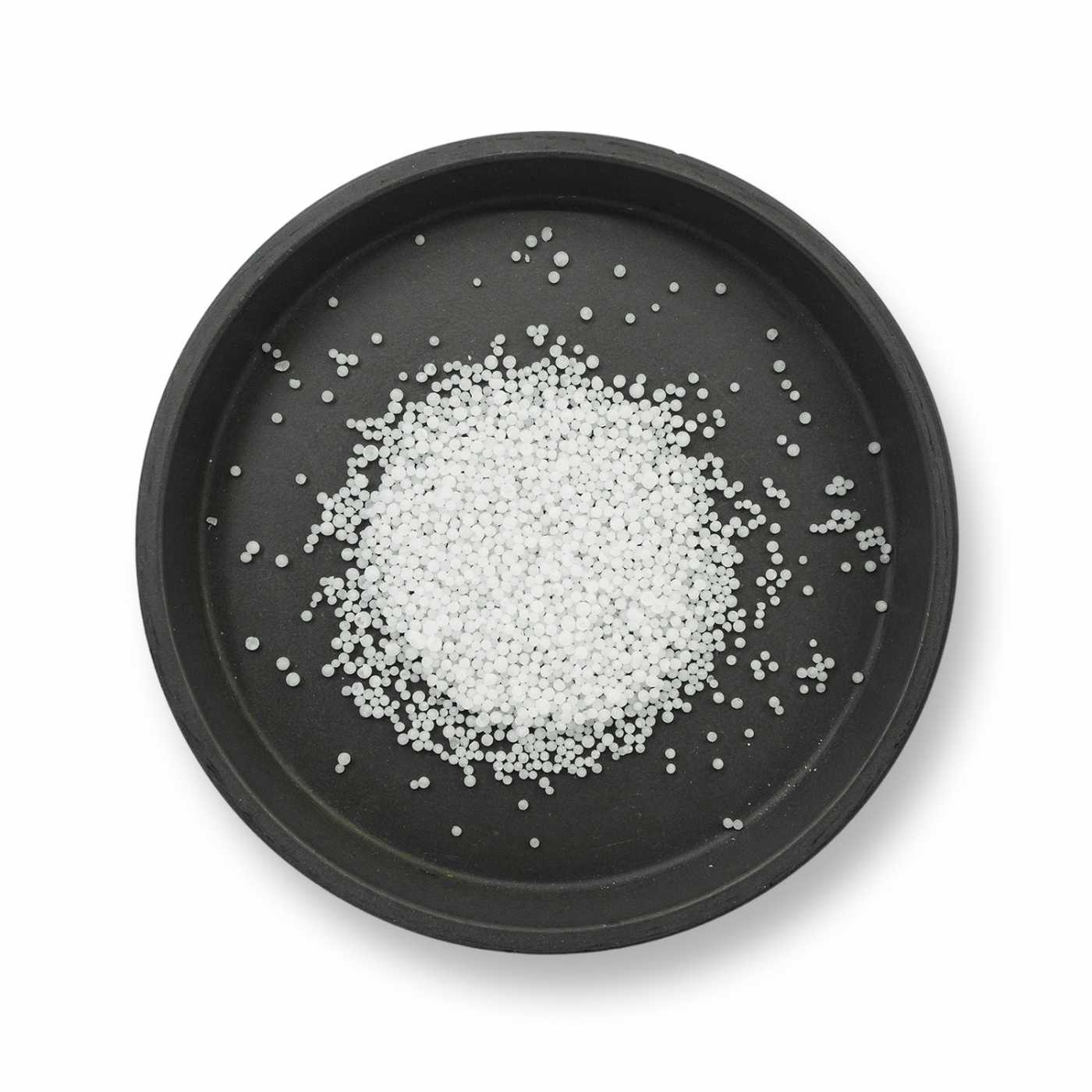
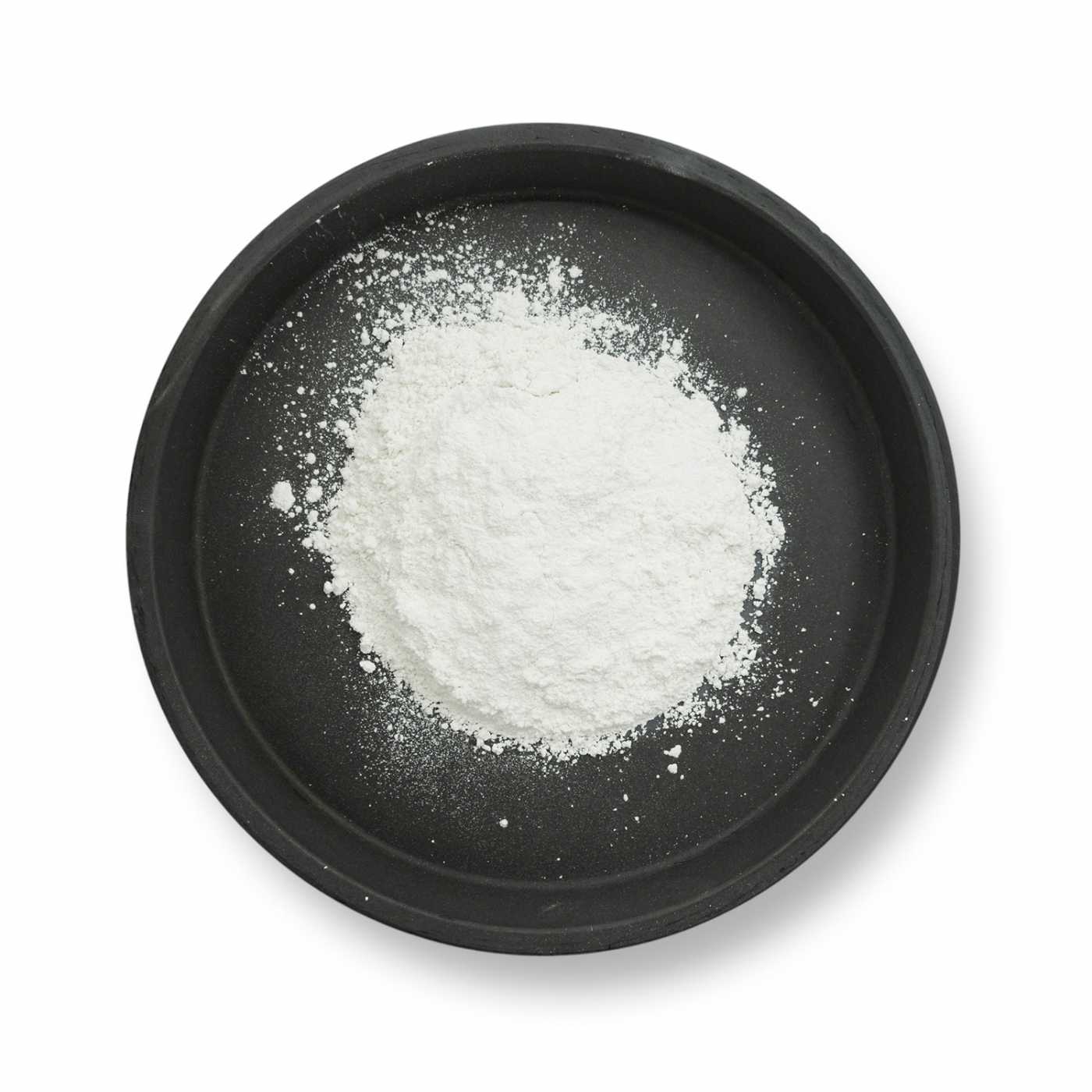
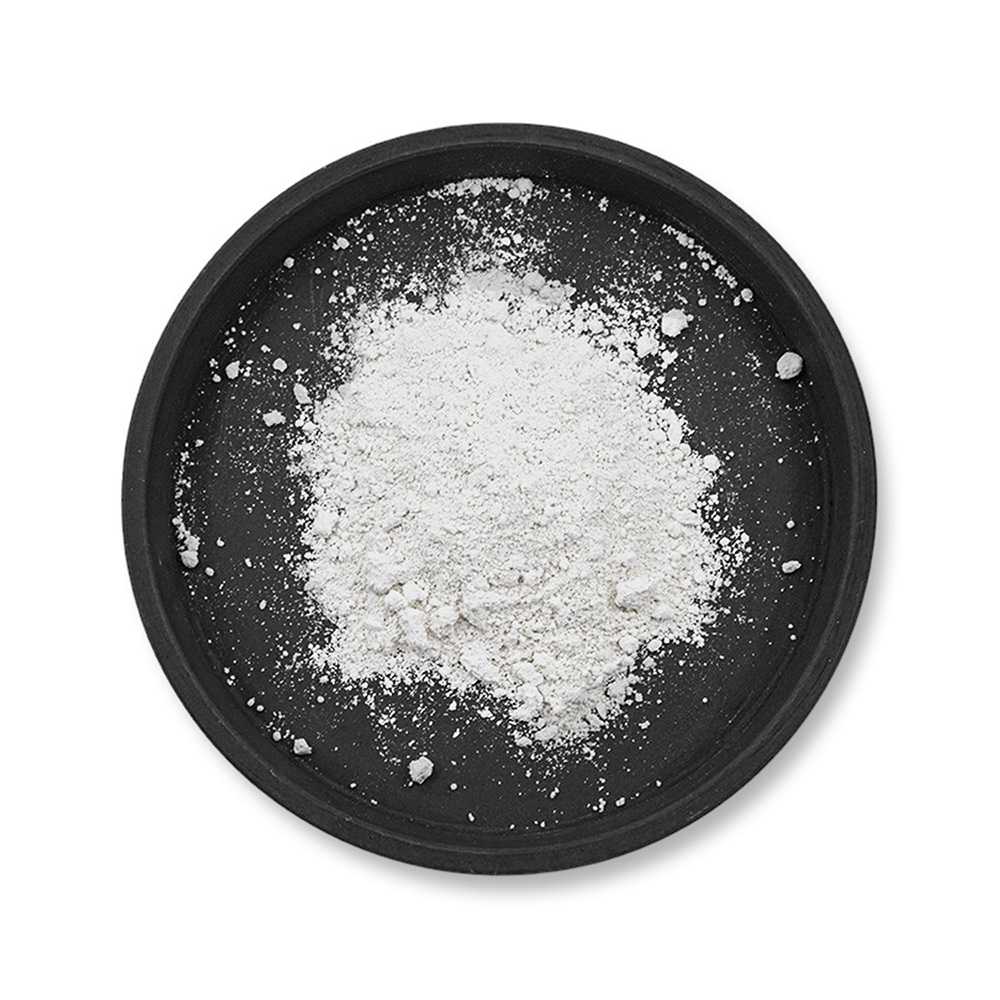
Zinc oxide (Zinc Oxide) fulfils three roles in a formulation at once: it acts as a physical UV filter, a white pigment and an active ingredient for irritated and problem skin. It is one of the basic raw materials for zinc creams and ointments, baby care products, mineral make-up, lip balms and soaps. It dissolves in neither water nor oil and is incorporated into the recipe as a dispersed powder, which requires different handling from water-soluble active ingredients.

The raw material is of cosmetic and pharmaceutical grade with a purity of at least 99.9%. The particles have an average size of up to 0.8 µm and the product is not a nanomaterial. Nanomaterials are not used, added or formed during production, which matters to manufacturers who want to avoid nanoparticles in cosmetics. Zinc oxide is of mineral, European origin, contains no ingredients of animal origin and has not been tested on animals for cosmetic purposes.


Key benefits

  • Physical UV filter – reflects and scatters UV radiation on the surface of the skin. The resulting protection of the finished product depends on the usage rate, the evenness of dispersion and the overall composition.
  • Opaque white pigment – in mineral powders and make-up it forms part of the pigment base and provides coverage. In soaps it whitens the base.
  • Active ingredient for irritated skin – a traditional component of zinc ointments and creams for reddened and acne-prone skin and of protective nappy area creams.
  • Neutral pH – the raw material has a pH of 6.8–7.4, so it does not push the pH of the formulation to extremes and is suitable for products for sensitive and baby skin.

Use in formulations

The powder does not dissolve in any phase, it only disperses. The best results come from premixing it into part of the oil phase or into a single oil to form a smooth paste without lumps, which is then incorporated into the emulsion. In emulsions it is usually added after emulsification, into the partially cooled mixture at a temperature below 80 °C. The recommended usage rate is 1–25%, depending on whether the raw material is to act as an active ingredient, a pigment or a UV filter.

First rub the powder with a small amount of oil or butter into a paste and only then stir it into the rest of the recipe. Sprinkling it directly into the cream leads to lumps, which are then difficult to break up.

In anhydrous products such as ointments, balms and solid sticks, the powder is stirred into the melted oil phase. The mixture is stirred continuously as it cools so that the pigment does not settle at the bottom. In thin water-based systems it settles over time, so it belongs in creams, ointments and pastes, not in toners or sprays.

Zinc oxide reacts with acids and alkalis. Recipes outside the pH range of 6.8–7.4 and combinations with strongly acidic ingredients, for example AHAs, are therefore not suitable. If you plan such a combination, check the stability in the finished formulation.


Suitable for products such as

  • Zinc creams and ointments – for irritated and reddened skin on the body and face, where a covering effect is desired.
  • Baby care products – protective creams and pastes for the nappy area.
  • Products for acne-prone skin – topical creams and pastes for oily and problem skin.
  • Decorative cosmetics – mineral powders, make-up and concealers, where it serves as an opaque white pigment.
  • Lip balms – the raw material is also intended for the lip area, and in balms it provides coverage and a lighter shade.
  • Soaps – a white pigment for whitening the soap base.

Good to know

Zinc oxide is a leave-on raw material intended for products that remain on the skin. Every emulsion or balm turns white and acquires an opaque appearance once zinc oxide is added. At higher usage rates it leaves a white film on the skin, which must be taken into account when designing the recipe, especially for darker skin tones. The protective effect depends on the even dispersion of the particles, so lumps and sediment in the product are a functional problem, not just an aesthetic one.

The powder is very fine and creates dust when weighed. Add it slowly and without stirring up dust. The product is subject to classification under the CLP Regulation and bears the GHS09 pictogram (hazardous to the environment), so residues and rinsing water must not be poured into wastewater. You will find details on classification and safe handling in the safety data sheet.

A preparation with zinc oxide is not automatically a sun cream with a specific SPF value. The protection factor is determined by a laboratory test on the finished product and cannot be declared without such a test. A homemade product provides a certain degree of physical shielding, not verified protection.


Frequently asked questions

Is zinc oxide soluble in water or oil?
No, zinc oxide dissolves in neither water nor oil, it only disperses in both. In the finished product it remains in the form of fine particles, which must be evenly distributed and kept suspended in the mixture. In thin water-based systems it settles, so it is used in creams, ointments, pastes and anhydrous balms, where sufficient viscosity holds it in place.
How do you add zinc oxide to a cream?
First rub the powder with a small amount of oil into a smooth paste, then stir the paste into the emulsion after emulsification, at a temperature below 80 °C. Sprinkling the dry powder directly into the cream leads to lumps. After adding it, keep stirring until the mixture has cooled completely so that the pigment stays evenly dispersed and does not settle at the bottom.
Is this zinc oxide nano?
No, it is not a nanomaterial. The average particle size is at most 0.8 µm and nanomaterials are not used, added or formed during production. For manufacturers who want only non-nano raw materials in their product, this is an important piece of information, because the nano form of zinc oxide is subject to special labelling in cosmetics.
Can I make a sun cream with SPF from zinc oxide?
The SPF value of a finished product cannot be estimated or declared without a laboratory test. Zinc oxide is a physical UV filter and is used in cosmetics at up to 25%, but the resulting protection depends on the usage rate, the evenness of particle dispersion and the whole recipe. A homemade cream with zinc oxide therefore provides only an unverified degree of shielding.
Is zinc oxide suitable for sensitive and baby skin?
Yes, the raw material is intended for sensitive, acne-prone and baby skin and is used in protective creams for the nappy area. It has a neutral pH of 6.8–7.4 and contains no fragrance allergens or known skin allergens. The tolerability of the finished product also depends on the other ingredients in the recipe, so test it on a small area of skin first.
Does zinc oxide change the colour of the product?
Yes, every emulsion, balm or soap turns white and becomes opaque after zinc oxide is added. This effect is used in decorative cosmetics and for whitening the soap base. On the skin it can leave a white film, which is barely visible at a low usage rate but pronounced at a high one, especially on darker skin.

Parameters

INCI
Zinc Oxide
CAS No.
1314-13-2
EC number
215-222-5
Product colour
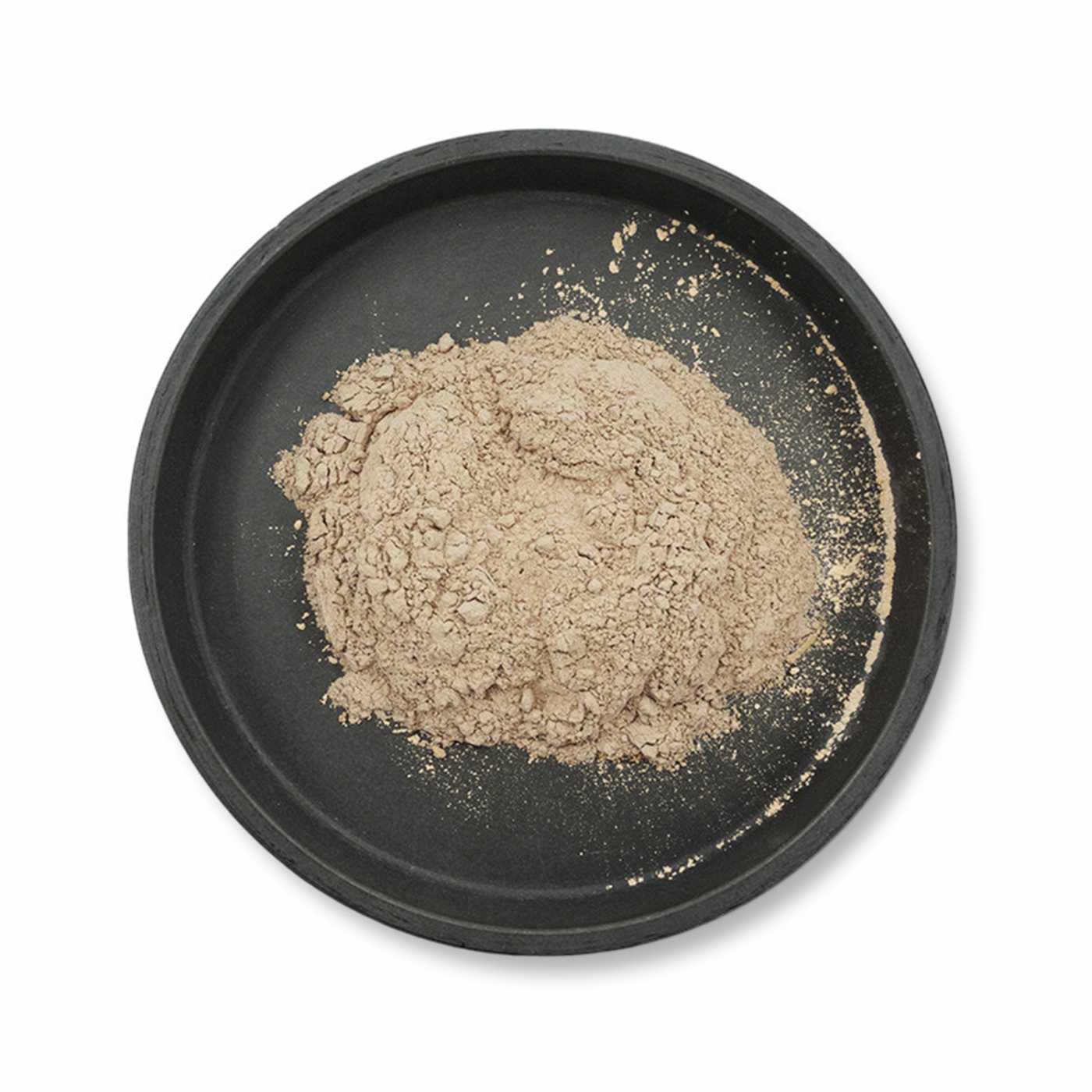
White
Country of origin
European Union
Appearance
Powder
Formulation phase
Oil phasePost-addition
Function in formulation
Active ingredientColorantUV filter
Application area
FaceBodyLips
Recommended processing temperature
< 80 °C
Recommended usage rate
1 – 25 % %
Recommended formulation pH range
6,8 – 7,4
Application type
Leave-on
Biodegradability
Not applicable
Natural Index (NI ISO 16128)
1,00
Natural Origin Index (NOI ISO 16128)
1,00
Organic content
0 %

Product documentation

CoACertificate of Analysis
batch 260437PDF ↓
batch 260043PDF ↓
TDSTechnical Data Sheet
Physical parameters and processingPDF ↓
SDSSafety Data Sheet
Available for purchased products —
Download all (ZIP)

3 PDF files in one archive

Learn how to work with it

From our blog
María15 Oct 2026ES

Verified purchase

Variant: Zinc oxid, Oxid zinočnatý, 500 g