Oil body gel will charm you above all if you have dry, rough skin or are looking for an easy-to-spread, caring product that gives the skin the hydration and nutrients it needs. Have you ever tried an oil-based gel? Now is the right time to make one for yourself too — and making it is not complicated at all.
About this recipe
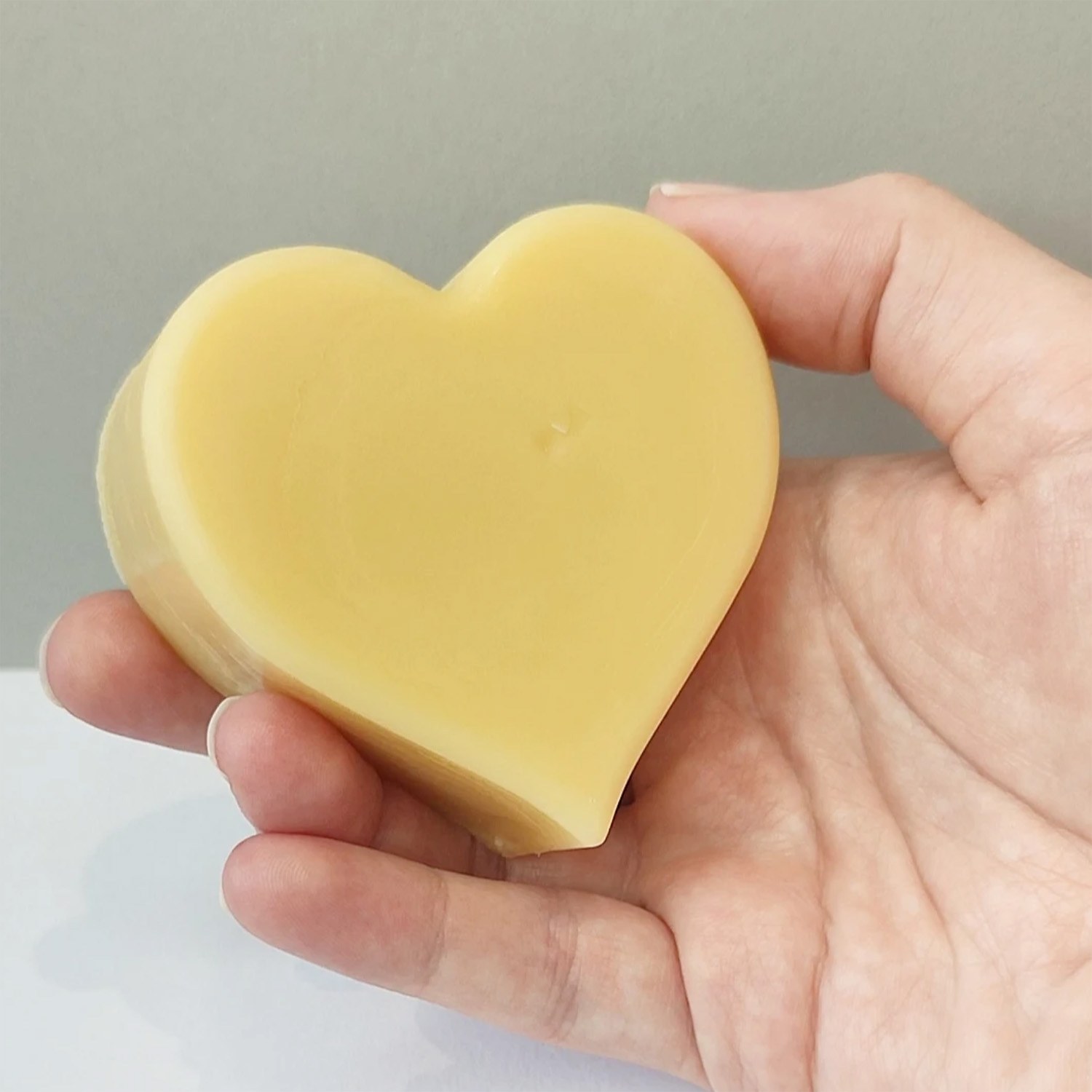
This great tutorial was created for you by Ivana Jačalová. A combination of wax and oil is considered the basis for making an oil gel — it is these two ingredients that, once whipped and cooled, create the classic gel-like consistency that can normally only be achieved in water-based gels.
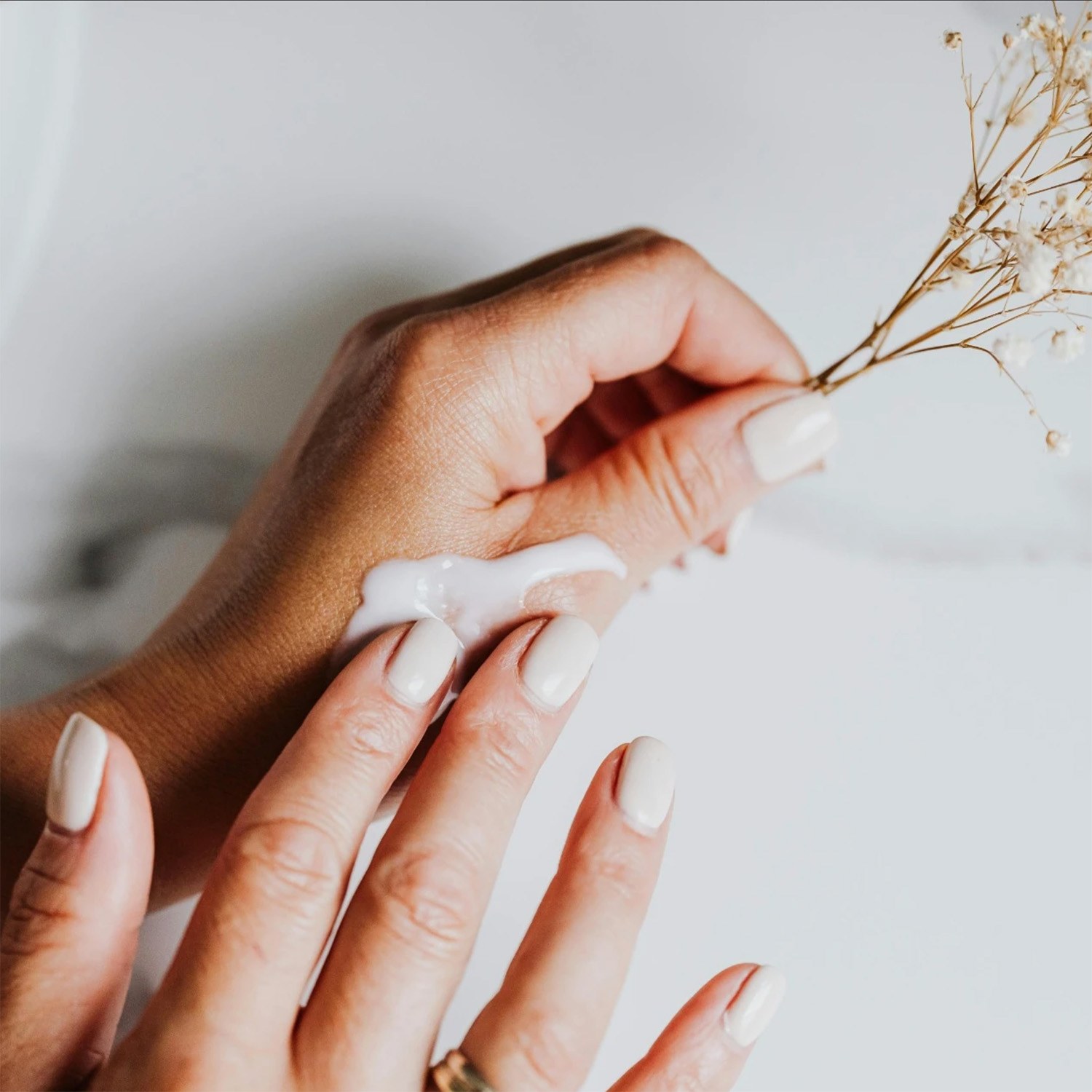
Since oil gel contains no water, nor any water-based or water-soluble ingredients, this product is much more resistant to spoilage (provided that water does not get into it, for example when scooping it out with wet hands). It is a great alternative to a moisturising body butter if you prefer products that take just a few minutes and a few strokes to spread.
Key benefits
- Hydration and nutrients
Oil gel gives the skin the hydration and nutrients it needs — dry, rough skin will appreciate it most.
- Easy to spread
Spreading takes just a few minutes and a few strokes, and the gel absorbs well.
- More resistant to spoilage
The product contains no water and no water-soluble ingredients, which makes it far more resistant to spoilage.
- Antioxidant protection
Thanks to its antioxidant properties, tocopherol (vitamin E) prolongs the freshness of the oils in the product.
- An ingredient against the signs of ageing
Coenzyme Q10 reduces the signs of skin ageing, promotes its elasticity and gives it a youthful appearance.
Product characteristics
Key ingredients in the recipe
If you want to know why exactly these ingredients were chosen for making the oil body gel, what they do in the recipe or how they can be substituted, you will find out in the lines below.
MCT Caprylis neutral oil
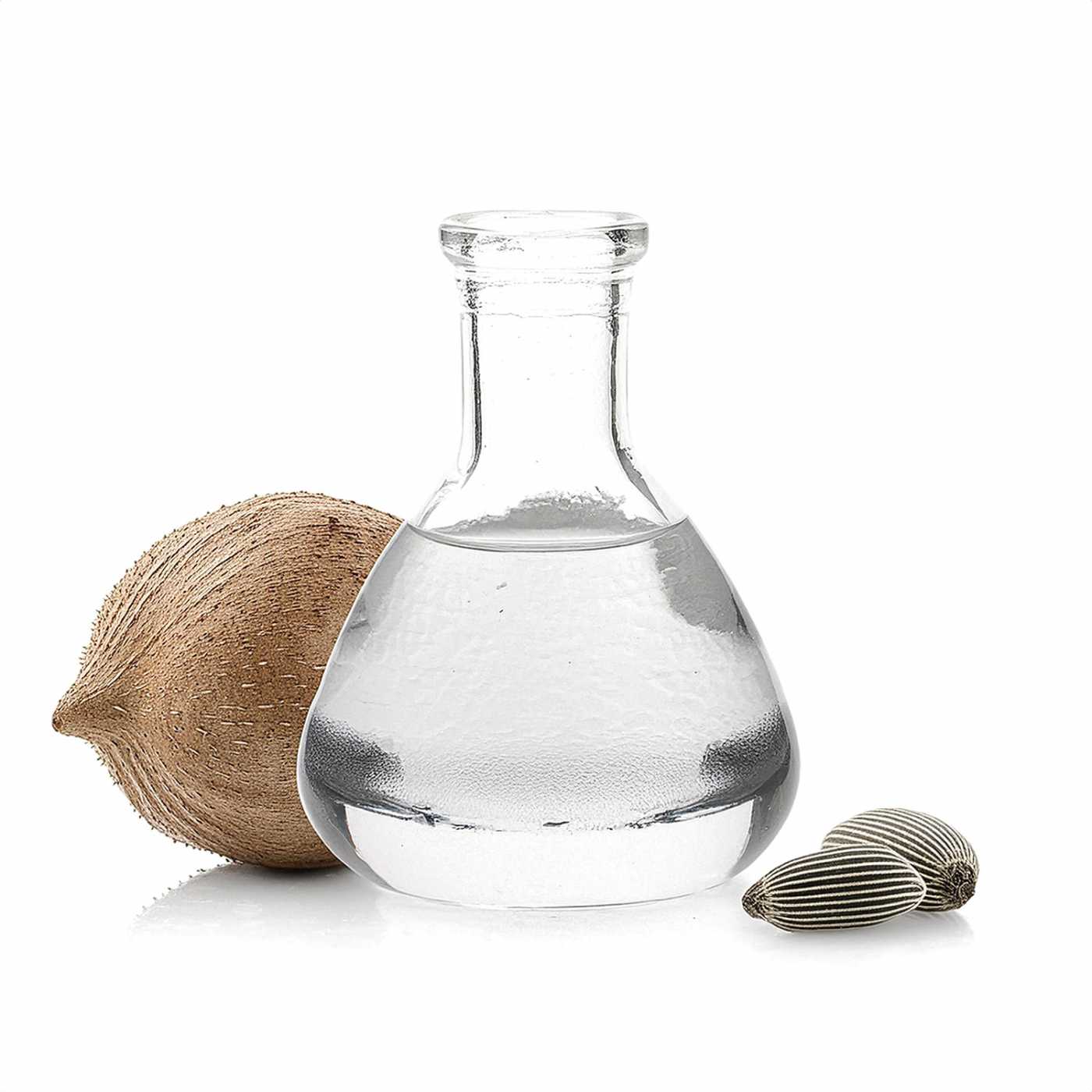
A great carrier oil that you will appreciate in a wide range of cosmetic products is MCT Caprylis. Its INCI name is caprylic/capric triglyceride and it is a blend of fatty acids in the form of triglycerides isolated from various vegetable oils. Thanks to the selection of medium chain length fatty acids, this oil is low in grease and is well absorbed by the skin.
In addition, it has no colour and no fragrance, so it lets the essential or fragrance oils in the product stand out beautifully. Another advantage is its high stability — products containing this oil can last for a longer time, as MCT Caprylis oxidises minimally. You can substitute it with any other vegetable oil, but allow for a change in the colour of the product if the chosen vegetable oil has an intense colouration, and possibly for a change in scent as well. Vegetable oils oxidise faster than MCT Caprylis, so in that case do not omit the addition of vitamin E (tocopherol).
Beeswax, white
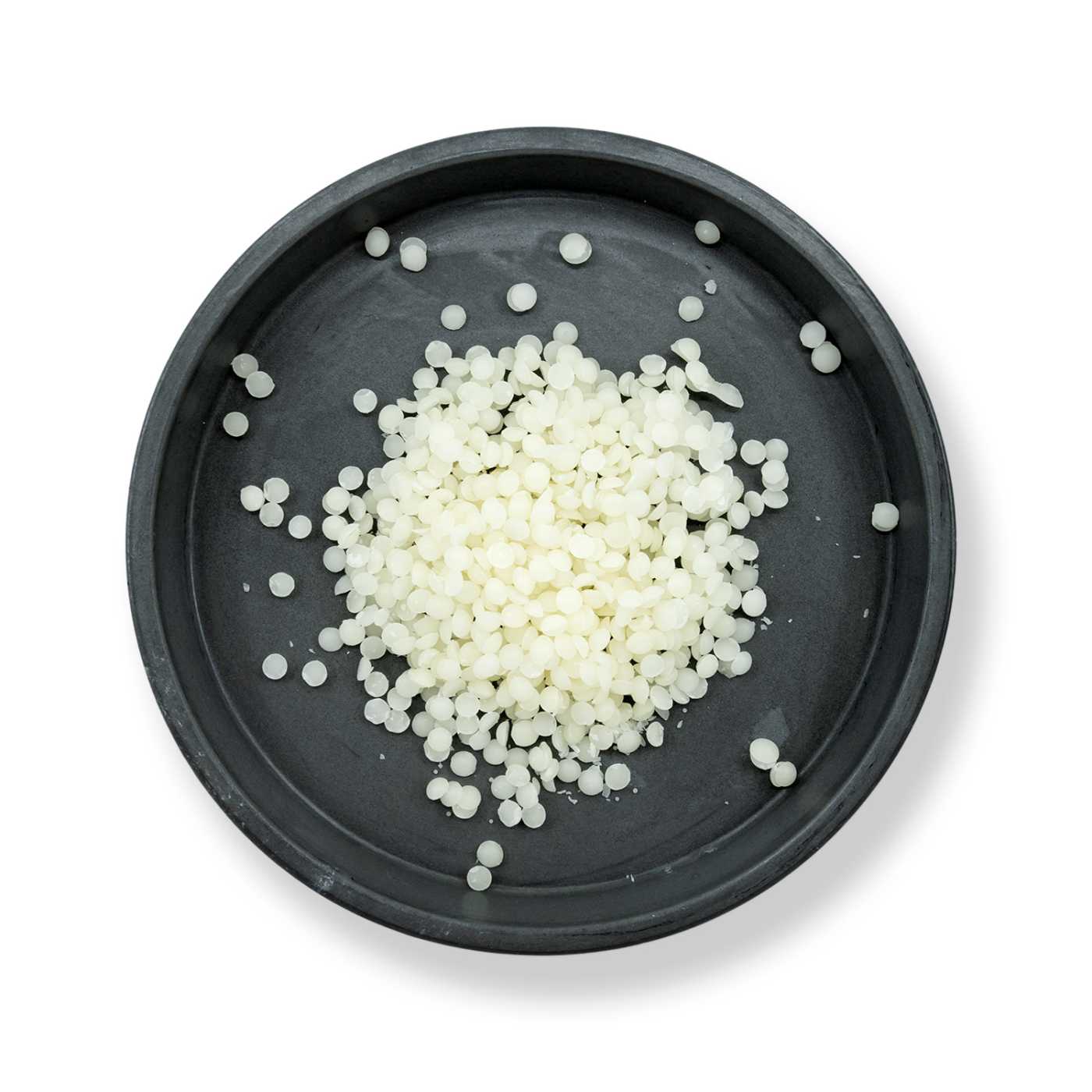
The basis for making oil body gel is wax. In this case beeswax was chosen, because it is readily available, widely used in the cosmetic industry and also contains valuable vitamins and other components. Besides the bleached form used in this recipe, you can also reach for classic natural beeswax, which then gives the product a slightly golden colour.
Apart from beeswax, you can also choose from a wide range of plant-based vegan waxes, such as almond wax. Before choosing a wax, make sure it is suitable for cosmetic use (some waxes are only suitable for candle making). At the same time, bear in mind that changing the wax may also affect the viscosity of the final product — so you may need to adjust the proportion of wax in the recipe. Start by making the product in smaller batches and vary the proportion of wax until you are happy with the result.
Tocopherol (vitamin E)
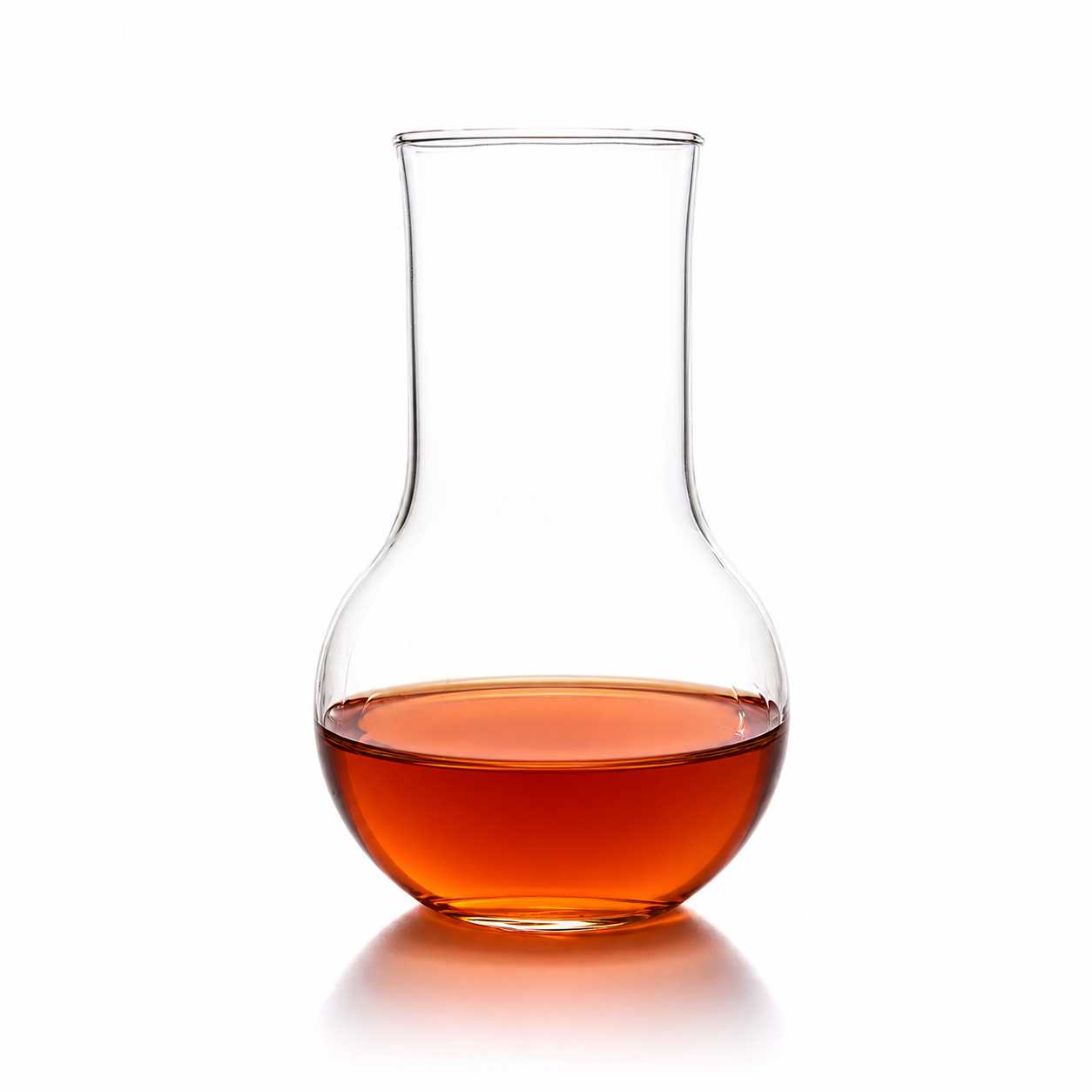
Tocopherol, otherwise known as vitamin E, is an oily substance of a rich brownish red colour which is not soluble in water, but rather in oils. Thanks to its antioxidant properties, it prolongs the freshness of oils. Because tocopherol is unstable at higher temperatures, it must only be added at the cooling stage. If you use vegetable oils in your product, especially cold-pressed ones, do not omit the addition of vitamin E. You can replace it with tocopheryl acetate, which has similar properties.
Coenzyme Q10, liquid
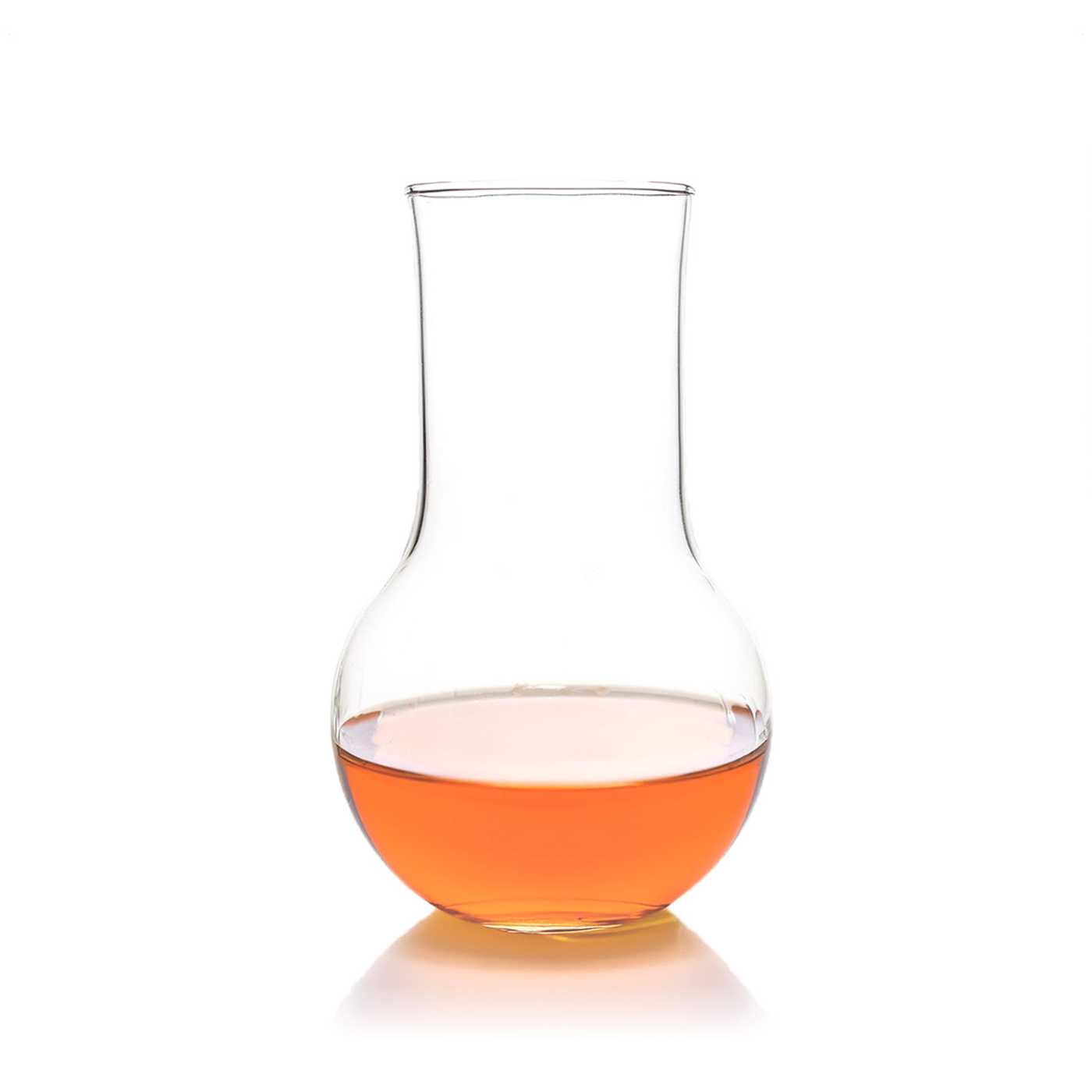
The active ingredient that reduces the signs of skin ageing in this product is coenzyme Q10. The liquid form of this coenzyme is particularly suitable for beginners, as it is easily incorporated into oil products — it is a raw material that is soluble in them. Coenzyme Q10 is best added at the cooling stage so that its effects are not reduced.
There is also a powder form of coenzyme Q10 with a distinctive orange colour, which may, however, affect the colour of the final product. If you are a beginner, it is easier to work with the liquid form; but if you have powdered coenzyme Q10 to hand, you can use that as well. Coenzyme Q10 is a powerful antioxidant that occurs naturally in our bodies, but its production decreases as we age. It promotes skin elasticity and gives it a youthful appearance. It can be omitted from the oil body gel and replaced with oil.
Alkyl benzoate C12-15
Another oil-based active ingredient is alkyl benzoate. This is a colourless, odourless oily liquid that is often included in many cosmetic products, including those for sensitive skin. In products, alkyl benzoate serves as an emollient — it softens the skin and gives products the characteristic consistency and texture that makes them easy and pleasant to spread.
Alkyl benzoate also exhibits antimicrobial properties. This substance can be omitted from the product, but the texture and consistency of the product may change.
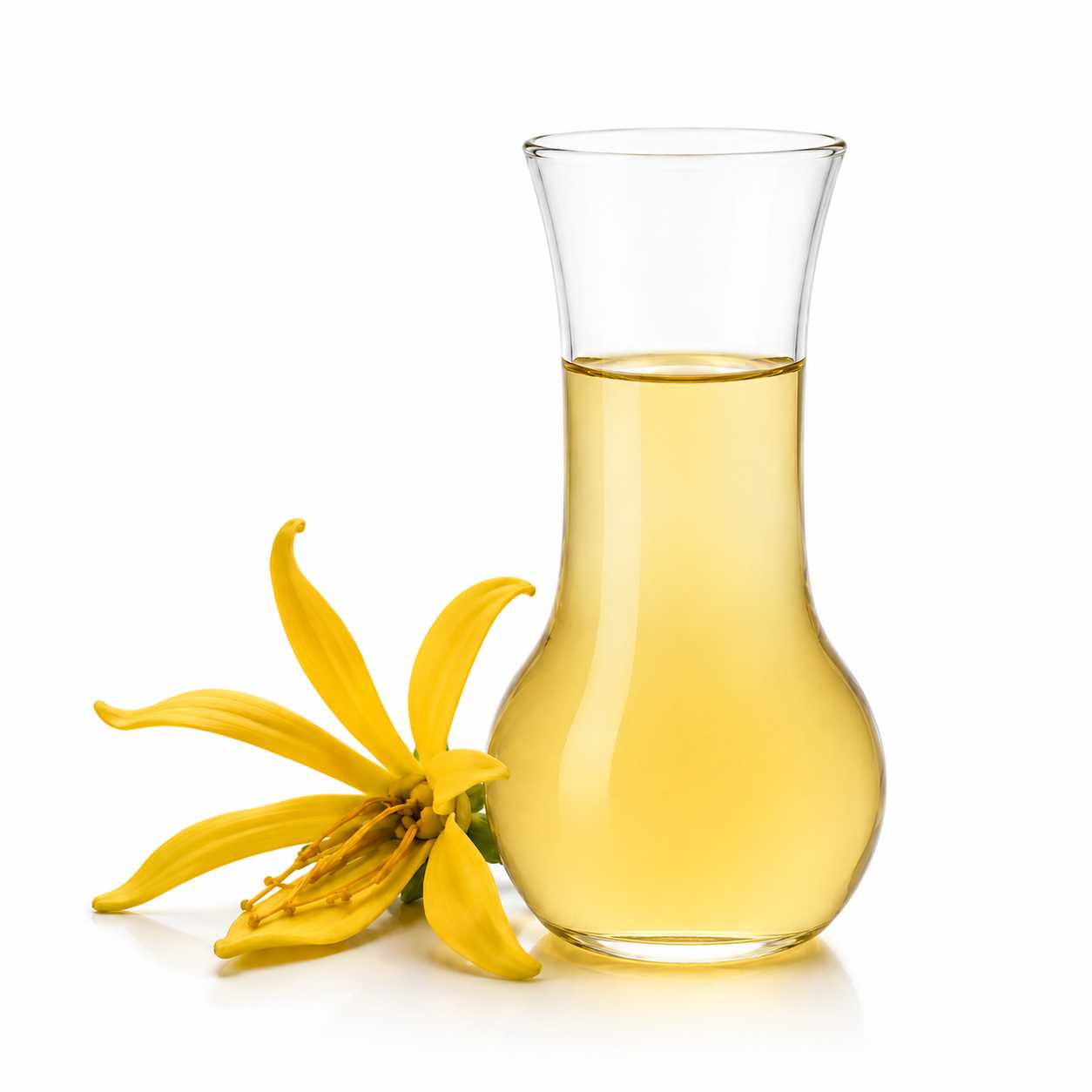
Ylang ylang essential oil
Ylang ylang essential oil was chosen to give the oil body gel a pleasant and sweet floral scent. You will surely fall in love with the scent of this exotic plant. However, if you have a favourite essential oil of your own, you can use that instead of Ylang ylang — before adding it, check the dosage for that essential oil (published with the products, for example according to IFRA standards).
The palette of essential oils is not enough for you? Reach for fragrance oils. Because they are not extracted from plants but obtained by synthesis, these fragrances offer an even wider choice of scents than essential oils.
Recipe (100 g)
The ingredient content is given in percentages, so it corresponds to a batch of 100 g of finished oil body gel. The ingredients are divided into two phases: phase A is melted in a water bath and whipped, phase B is added only once the mixture has cooled to room temperature.
Shop the ingredients for this recipe
Untick what you already have- Neutral Oil MTC Caprylis, 100 mlrecipe uses 90,85 gin stock€3.99
- White Beeswax, pellets, 100 guses 5 gsold outWatch availability€4.19
- Vitamin E, DL-Alpha Tocopherol, Liquid 96%, 10 mlrecipe uses 0,50 gin stock€3.14
- Coenzyme Q 10, Liquid, 10 mlrecipe uses 0,50 gsold outWatch availability€3.14
- Ylang-Ylang III Essential Oil, 10 mlrecipe uses 0,15 gin stock€4.08
 Ethanol 96%, Denatured, Vegetable, 1 lin stock€6.99
 Amber Glass Jar, Plastic Black Lid & Gasket, 50 mlsold outWatch availability€1.31
| Phase / ingredient | Content in % |
|---|---|
| Phase A | |
| MCT Caprylis neutral oil | 90,85 % |
| Beeswax, white | 5,00 % |
| Phase B | |
| Tocopherol, 96 %, liquid | 0,50 % |
| Coenzyme Q10, liquid | 0,50 % |
| Alkyl benzoate C12-15 | 3,00 % |
| Ylang ylang essential oil | 0,15 % |
| Packaging | |
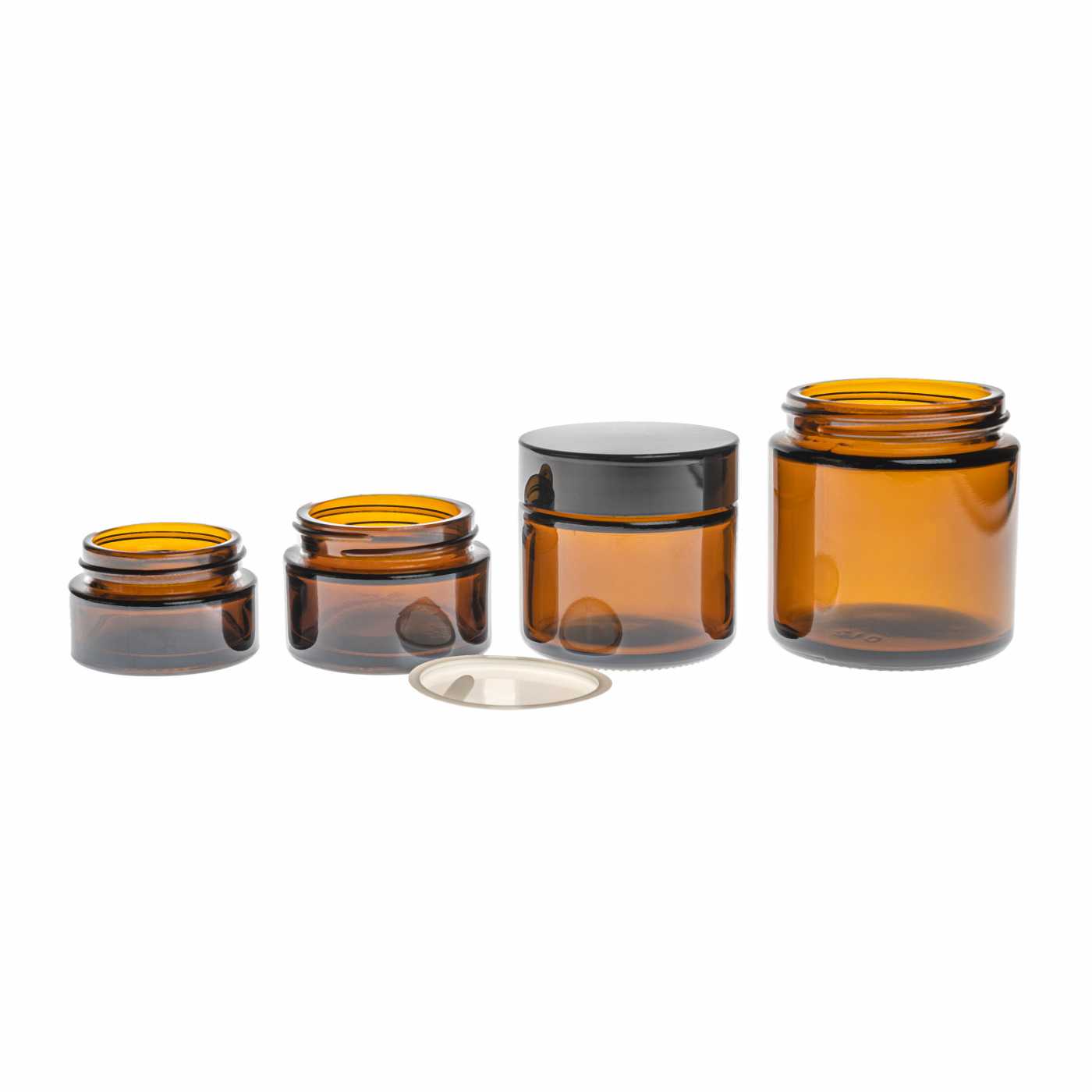
| Glass jar, dark brown | — |
Procedure
- Disinfection
Disinfect all utensils, containers and packaging that come into contact with the product or the ingredients, for example with ethanol.
- Weighing out phase A Phase A
Into a heat-resistant container, weigh out the phase A ingredients (the wax and MCT Caprylis) and place it in a water bath.
- Melting and whipping Phase A
Slowly heat the phase A ingredients until the wax melts, then, using a milk frother or a stick blender, start whisking while still in the water bath.
- Whisking to the right consistency Phase A
Stirring continuously with the blender or frother, take the container out of the water bath and carry on stirring until the mixture reaches the desired consistency. The mixture will begin to thicken as it cools, so do not stop stirring.
- Adding phase B Phase Broom temperature
Once mixed and cooled to room temperature, add the phase B ingredients and stir them thoroughly into the mixture so that they are evenly dispersed.
- Filling the container
Fill into the selected container.
Tips and tricks
It is important to start whisking the mixture of phase A ingredients while it is still in the water bath, so that the wax does not have time to cool and harden before it combines with the oil. Otherwise, lumps of hardened wax will form in the product. If that happens, reheat the mixture and start whisking again while still in the water bath.
The phase A mixture will not start to thicken without cooling, so you need to take the container out of the water bath while mixing and carry on mixing as it cools. When the temperature begins to drop below the melting point of the wax, the mixture will thicken and take on a gel-like consistency. So do not stop stirring until the mixture has cooled and no longer thickens.
Whisk the phase B ingredients thoroughly into the mixture, otherwise they would be unevenly distributed and would undermine the stability of the product.

Notice
As mentioned, you can experiment with homemade recipes to achieve the properties you want. However, a great many factors can affect the final result — humidity, temperature, the quality of the ingredients or the way they are stored.
Before you use any raw material to make a cosmetic product, familiarise yourself with its properties, its recommended dosage, its storage conditions and its safe handling. Every raw material may have the potential to cause an allergic reaction in sensitive individuals, so before using the product we recommend finding out whether you are allergic to any of the ingredients or to the product as a whole, for example by a skin test.
If you have very sensitive or very acne-prone skin, or other skin and health problems, we recommend that you consult a medical professional before applying a new product to your skin — whether it is a homemade cosmetic product, a pure raw material or a commercially available product.
Frequently asked questions about the recipe
Practical questions about the oil body gel — shelf life, whisking the wax, ingredient substitutions and adding active ingredients.
Why is oil gel more resistant to spoilage?
Oil gel contains no water, nor any water-based or water-soluble ingredients, so it is far more resistant to spoilage — provided that water does not get into it, for example when scooping it out with wet hands.
Why does the mixture have to be whisked while still in the water bath?
So that the wax does not have time to cool and harden before it combines with the oil. Otherwise lumps of hardened wax will form in the product. If that happens, reheat the mixture and start whisking again while still in the water bath.
When does the mixture take on a gel-like consistency?
The phase A mixture will not start to thicken without cooling — so take the container out of the water bath while mixing. When the temperature begins to drop below the melting point of the wax, the mixture thickens and takes on a gel-like consistency. Do not stop stirring until the mixture has cooled and no longer thickens.
Can I replace MCT Caprylis with another oil?
Yes, you can replace it with any other vegetable oil. But allow for a change in the colour of the product if the chosen oil has an intense colouration, and possibly for a change in scent as well. Vegetable oils oxidise faster than MCT Caprylis, so in that case do not omit the addition of vitamin E (tocopherol).
Can I use a wax other than white beeswax?
Yes — you can reach for natural beeswax (which gives the product a slightly golden colour) or for plant-based vegan waxes, such as almond wax. Make sure the wax is suitable for cosmetic use, and bear in mind that changing the wax can affect the viscosity — you may need to adjust the proportion of wax.
Why are tocopherol and coenzyme Q10 added only at the cooling stage?
Tocopherol is unstable at higher temperatures, so it must only be added at the cooling stage. Coenzyme Q10 is likewise best added at the cooling stage so that its effects are not reduced.
Conclusion
Oil body gel is a great alternative to a moisturising body butter if you prefer products that take just a few minutes and a few strokes to spread. This great tutorial was created for you by Ivana Jačalová. Thank you :)
If you have tried making oil body gel or other products and have questions, or if you would like to share your experience with us, do write to us at [email protected]. See you in the next blog post.
Happy soaping, friends.
You will find the oils, waxes, vitamin E and essential oils from this recipe in the Handymade range of ingredients.