Spend over €100 for discounted shipping!

+421 950 333 113info@handymade.store

Candle fragrance oils

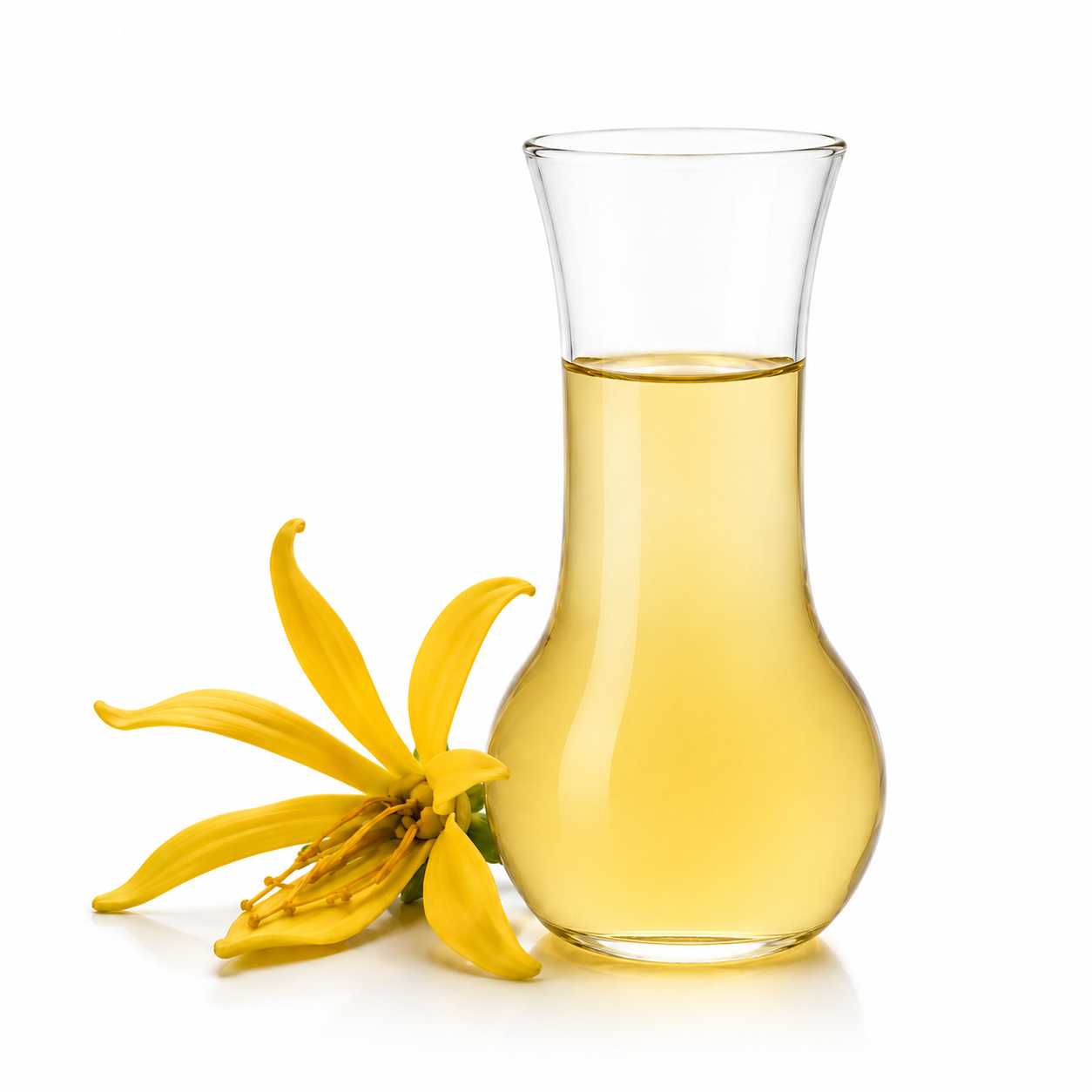
Ylang-Ylang III Essential Oil, 10 ml

Pack size10 ml100 ml500 ml1 l

Ylang-Ylang III essential oil gives cosmetics a distinctive floral, sweet and oriental fragrance that defines the character of the whole product. full description

AvailabilityIn stock · 345 packs
Product codeEON100_10
Batch21482
Best before09/2028
€4.08incl. VAT€408.00/l

Lowest price in the last 30 days: €4.08

Product description

Ylang-Ylang III essential oil gives cosmetics a distinctive floral, sweet and oriental fragrance that defines the character of the whole product. It is obtained by steam distillation of the flowers of the Cananga odorata tree and acts as a fragrance ingredient in the formulation. It works best in soaps, body and massage oils, shower gels, shampoos and aromatherapy blends, where the fragrance should come across as full and long-lasting.

Besides its fragrance, the manufacturer associates the oil with a soothing and cooling effect on the skin, so it also suits products for dry and mature skin. Add the oil to formulations only at a temperature below 40 °C, so that the volatile components of the fragrance are not lost.


Fragrance and effects according to the manufacturer

The fragrance is full, sweetly floral with an oriental undertone, and can scent a whole product on its own. In aromatherapy it is associated with relaxation and a feeling of balance.

The manufacturer states the following properties:

  • Soothing effect on the skin – according to the manufacturer, it helps to reduce irritation and redness and supports a more even-looking complexion. It suits body oils and creams for dry and mature skin.
  • Cooling sensation – the manufacturer describes a refreshing, cooling feel on the skin and recommends the oil for after-sun products and products for irritated skin.
  • Anti-inflammatory and antimicrobial properties – the manufacturer lists them as properties of the raw material. The final effect in the finished product depends on the usage rate and the whole formulation.
  • Relaxation and aromatherapy – the fragrance is traditionally associated with calming and releasing tension, so it is a frequent ingredient in massage oils, bath products and diffuser blends.
  • Hair and scalp – in shampoos, hair oils and mists it is used mainly for its fragrance; the manufacturer also mentions a soothing effect on the scalp.

Use in formulations

The oil is soluble in oils and in alcohol and does not dissolve in water. In emulsions, therefore, add it only in the cooling phase, or work it into the finished base afterwards.

In anhydrous products such as body and massage oils, balms or solid perfumes, mix it directly into the oil phase without heating. Toners, body mists and hydrosol sprays need a solubiliser, otherwise the oil stays on the surface in droplets. In shower gels and shampoos, the surfactant base disperses it. The documentation lists compatibility with non-ionic surfactants and with alcohol, but we recommend checking on a small sample whether the base stays clear and its viscosity remains unchanged.

The usage rate of the fragrance ingredient depends on the category of the finished product according to IFRA. Limits differ for leave-on products (creams, body oils, deodorants) and rinse-off products (soaps, shampoos, shower gels). The specific maximum values for individual categories are given in the IFRA certificate for the product, so we do not state a universal percentage.

Add the oil to an emulsion only at a temperature below 40 °C, stirring continuously, so that the fragrance disperses evenly and is not lost to the heat. For anhydrous and alcohol-based formulations, it is enough to mix it in cold.

Soaps, both solid and liquid, are among the listed uses. We have not verified how the fragrance of this oil behaves in cold process soap, so we recommend a test batch first.


Suitable for products such as

  • Body and massage oils – an anhydrous base in which the oil dissolves without additional ingredients and the fragrance comes through fully.
  • Face and body creams, lotions – especially for dry and mature skin, added in the cooling phase.
  • Shower gels, shampoos, solid and liquid soaps – rinse-off products in which the fragrance creates the main impression during use.
  • Hair oils, serums and mists – water-based mists need a solubiliser.
  • Bath oils and salts – in salts, first mix the oil in a small amount of carrier oil or solubiliser so that it spreads evenly.
  • Diffusers and aromatherapy blends – on its own or in combination with other essential oils.

Good to know

The oil contains known skin allergens and one or more fragrance allergens listed in Annex III of Regulation (EC) No 1223/2009. You need to take this into account when labelling the ingredients of a finished cosmetic product.

The substance is subject to classification under the CLP Regulation and carries the GHS07 (irritant, sensitisation, moderate toxicity), GHS08 (serious health hazards) and GHS09 (hazardous to the environment) pictograms. The product as a whole is not classified as carcinogenic, mutagenic or toxic for reproduction, but it contains one or more components classified as CMR. Details on composition and safe handling are given in the safety data sheet (SDS).

The oil is used only diluted in the finished product and within the IFRA limits for the given product type. For sensitive skin, we recommend patch-testing the finished product on a small area.

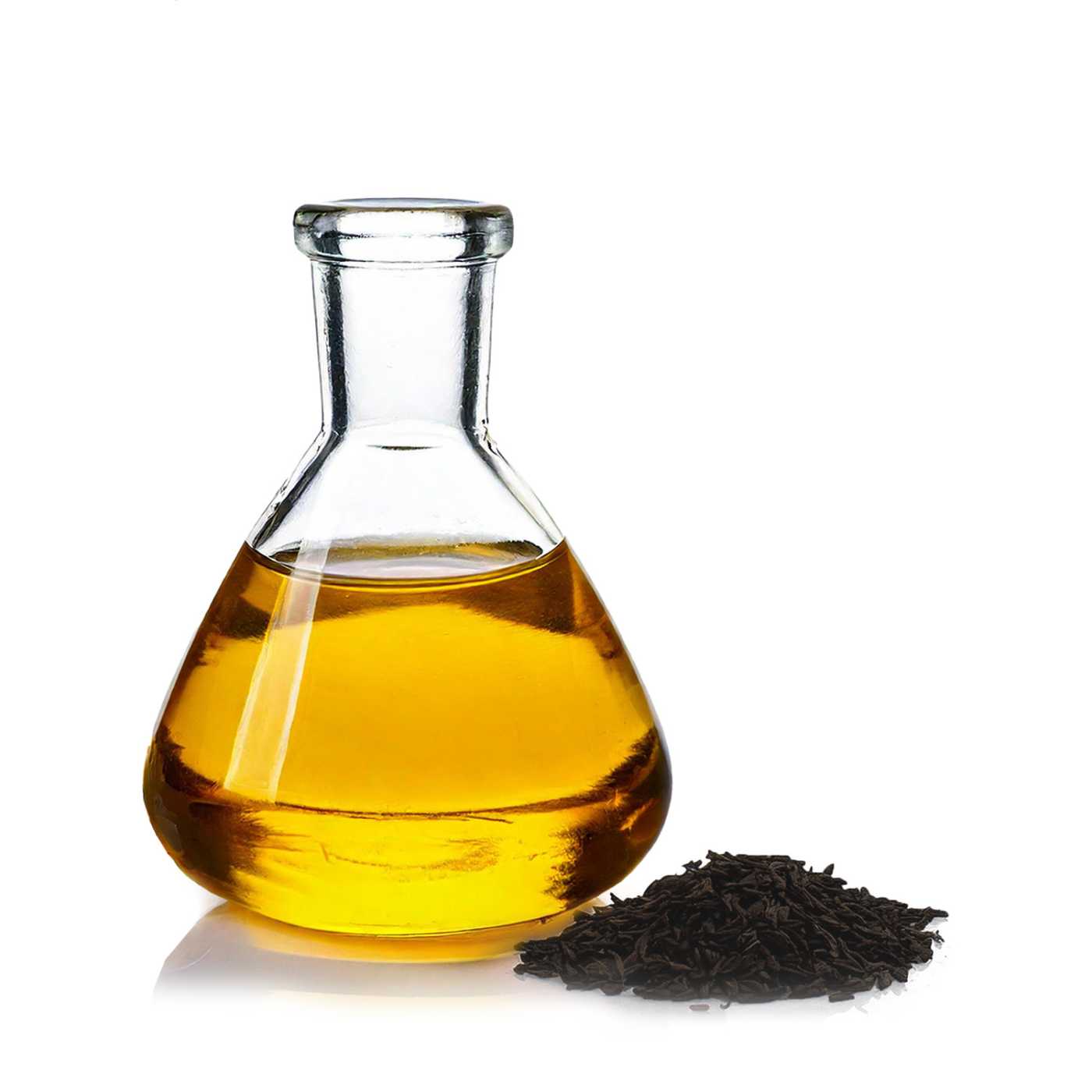
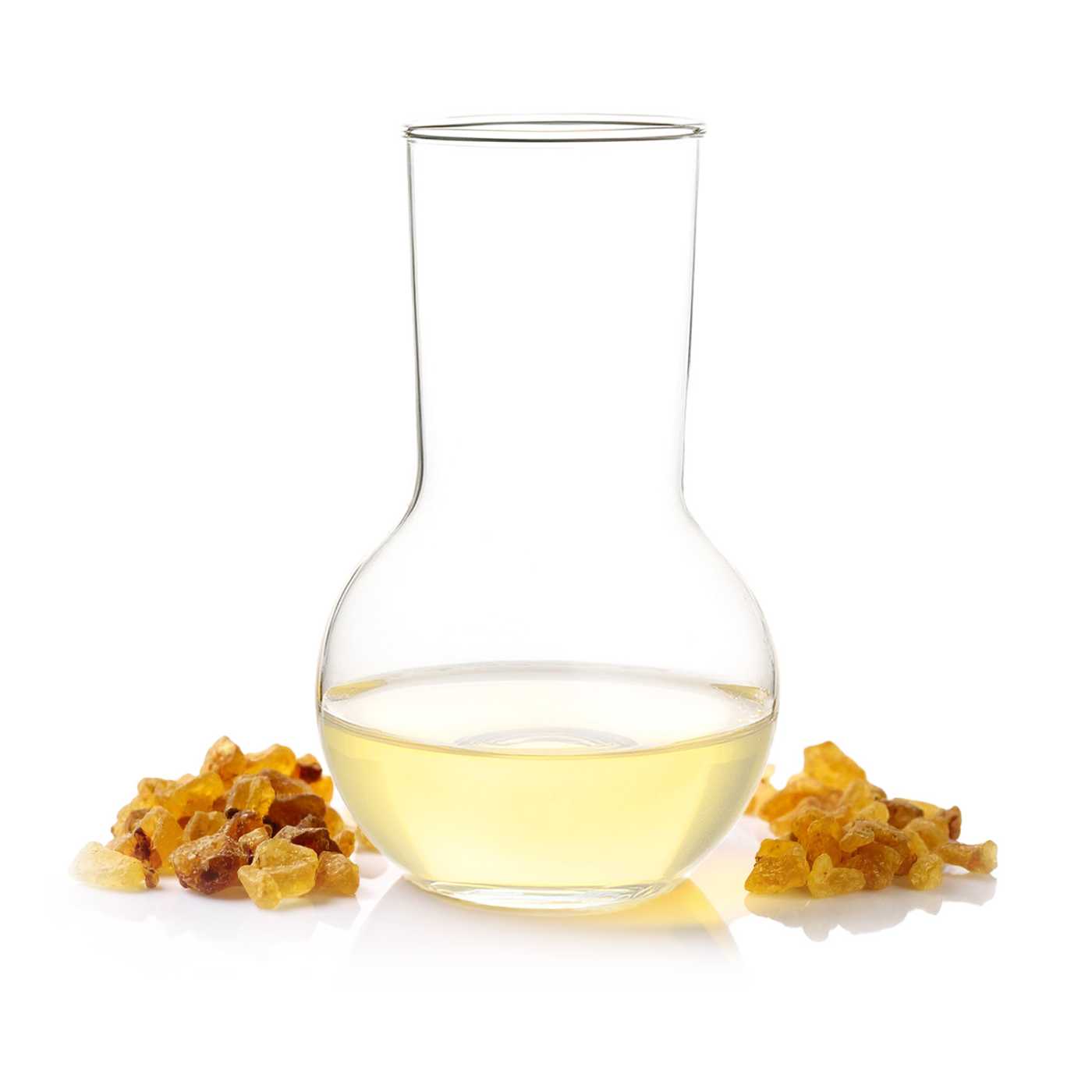
The colour of the oil ranges from light yellow to dark yellow. In white creams or clear gels, a yellow tint may appear at a higher usage rate, which we recommend checking on a sample. The raw material is vegan, alcohol-free and preservative-free.


Frequently asked questions

Is Ylang-Ylang III essential oil soluble in water?
No, Ylang-Ylang III does not dissolve in water. It dissolves in vegetable oils and in alcohol, so in toners, body mists and other water-based products it is added together with a solubiliser. In anhydrous oils, balms and alcohol-based perfumes, it is mixed in directly without any additional ingredients.
At what temperature is Ylang-Ylang III added to a cream?
Ylang-Ylang III is added to a cream at a temperature below 40 °C, in the cooling phase of the emulsion. First let the cream cool down while stirring continuously, and mix in the oil only then, or work it into the finished base afterwards. Adding it to the hot oil phase is not suitable, because the volatile components of the fragrance would be lost.
Is Ylang-Ylang III suitable for soap?
Yes, soaps, both solid and liquid, are among the listed uses of Ylang-Ylang III. The usage rate follows the IFRA limit for rinse-off products according to the certificate for the product. We have not verified the behaviour of the fragrance in cold process soap, so we recommend a test batch first, watching the setting speed and the colour of the soap batter.
Does Ylang-Ylang III contain allergens?
Yes, Ylang-Ylang III contains known skin allergens, including fragrance allergens listed in Annex III of Regulation (EC) No 1223/2009. In a finished cosmetic product, this affects the labelling of the ingredients and the usage rate according to IFRA. Detailed information on the components is given in the SDS.
Can the antimicrobial effect of Ylang-Ylang III replace a preservative?
No, Ylang-Ylang III essential oil does not replace a preservative. The manufacturer lists antimicrobial activity as a property of the raw material, but at the usual usage rate of a fragrance ingredient it does not protect the product against microorganisms. Products containing water therefore need a separate preservative system.

Parameters

INCI
Cananga Odorata Flower Oil
CAS No.
83863-30-3 / 8006-81-3 / 68606-83-7
EC number
281-092-1
Product colour
Yellow
Country of origin
Madagascar
Processing method
Steam distillation
Odour
Floral
Appearance
Oily liquid
Function in formulation
Fragrance component
Application area
FaceHairScalpBody
Recommended processing temperature
< 40 °C
Application type
Leave-onRinse-off
Certifications
Vegan
Natural Index (NI ISO 16128)
1,00
Natural Origin Index (NOI ISO 16128)
1,00
Renewable Carbon Content (RCC)
100 %
Volume
10 ml

Product documentation

CoACertificate of Analysis
batch 21482PDF ↓
TDSTechnical Data Sheet
Physical parameters and processingPDF ↓
IFRAIFRA Certificate
batch 21482PDF ↓
AllergensAllergen Declaration
batch 21482PDF ↓
SDSSafety Data Sheet
Available for purchased products —
Download all (ZIP)

4 PDF files in one archive

Learn how to work with it

From our blog
Jiří20 Oct 2026CS

Verified purchase

Ľubica9 Aug 2026SK

Verified purchase