Pre-orderSold out
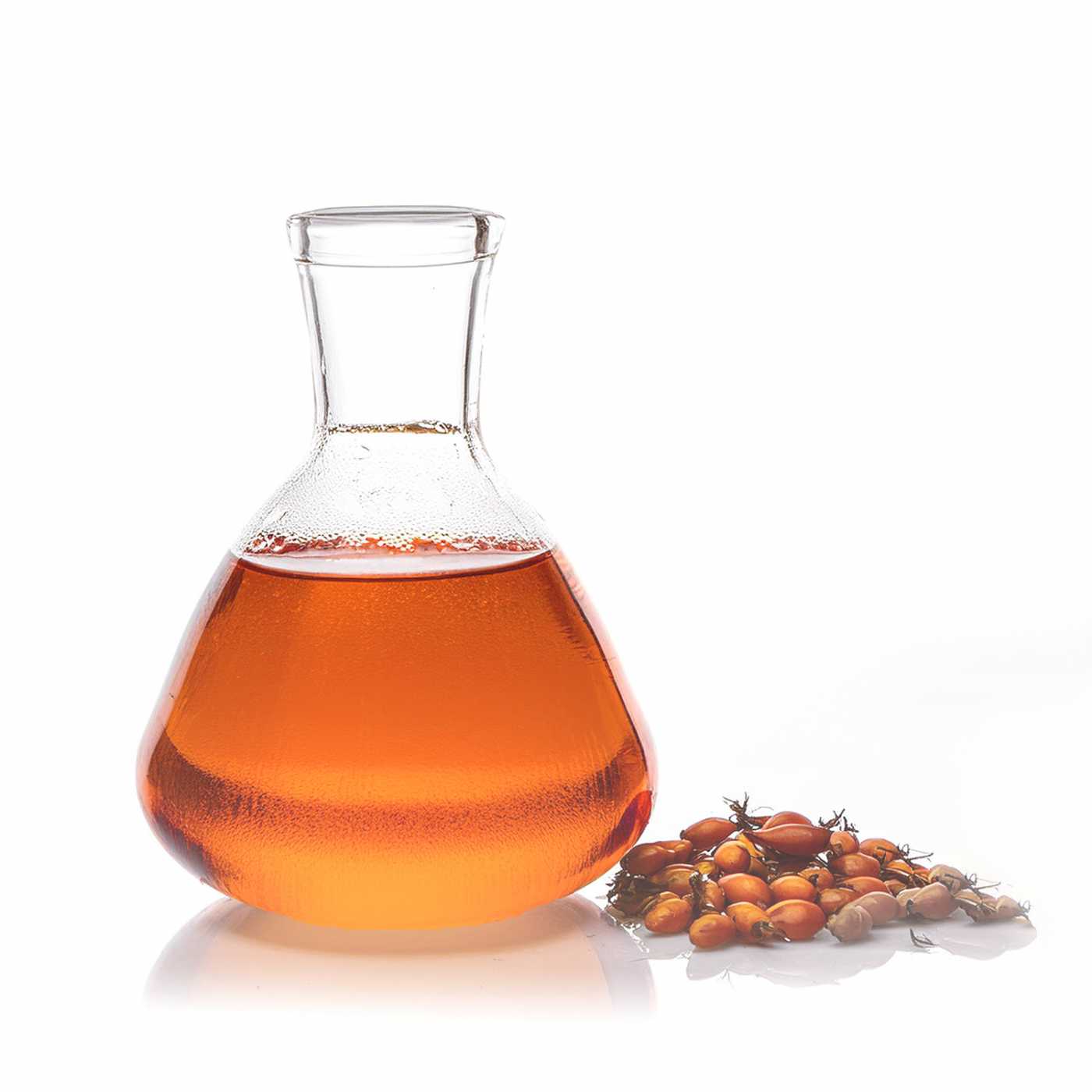
Rosehip Seed Oil, Cold Pressed, Organic, 100 ml
€19.99(€199.90/l)

COSMETICS WAXES
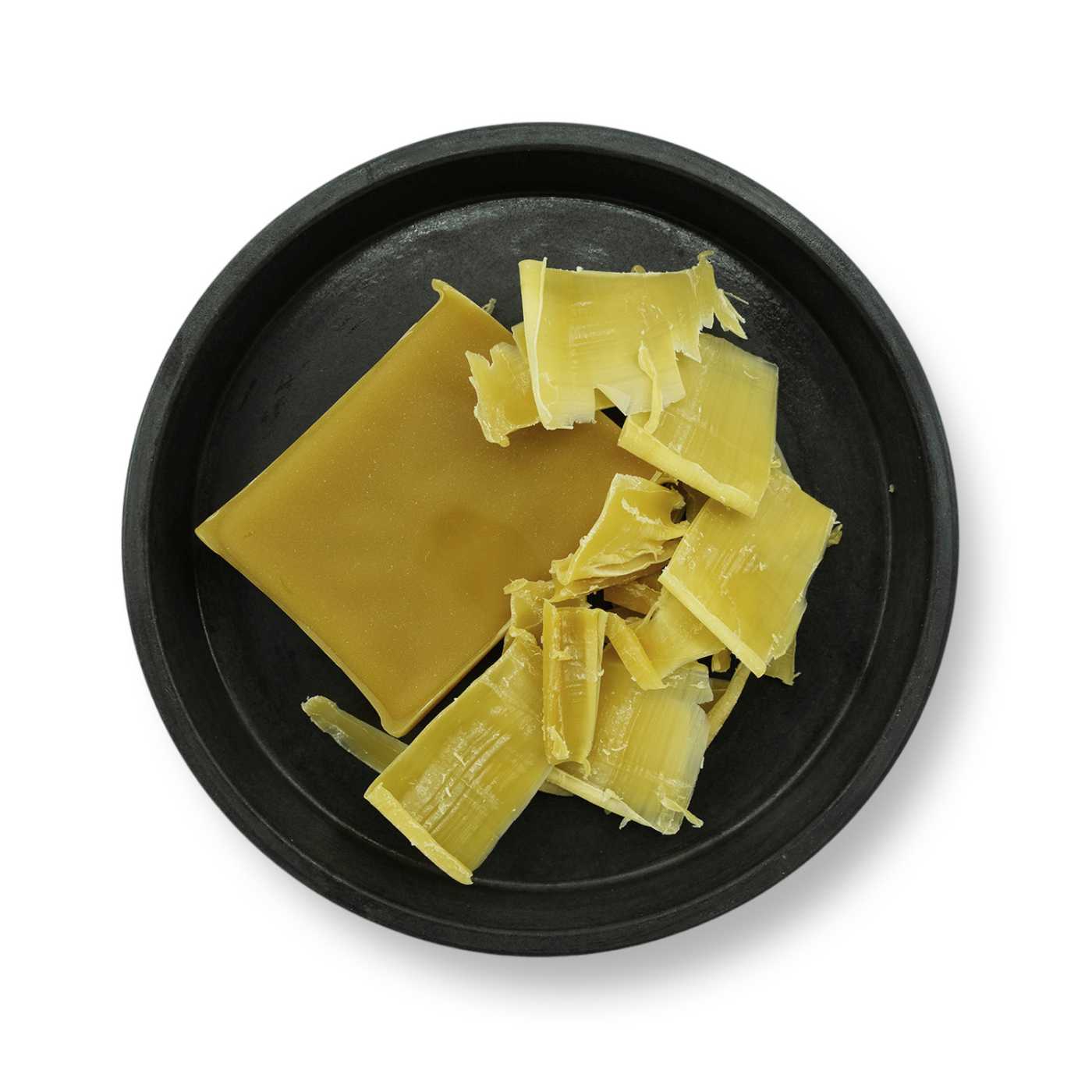
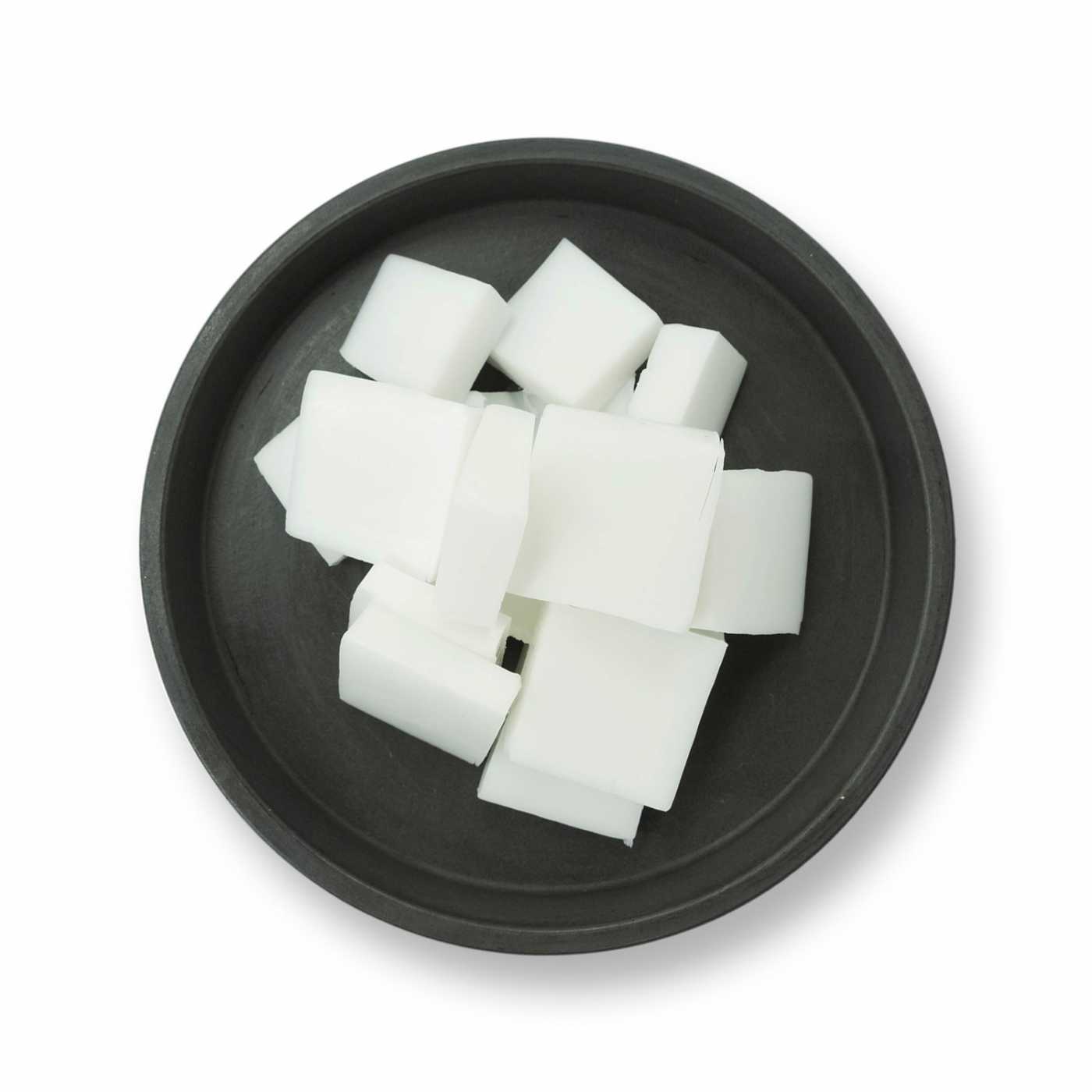
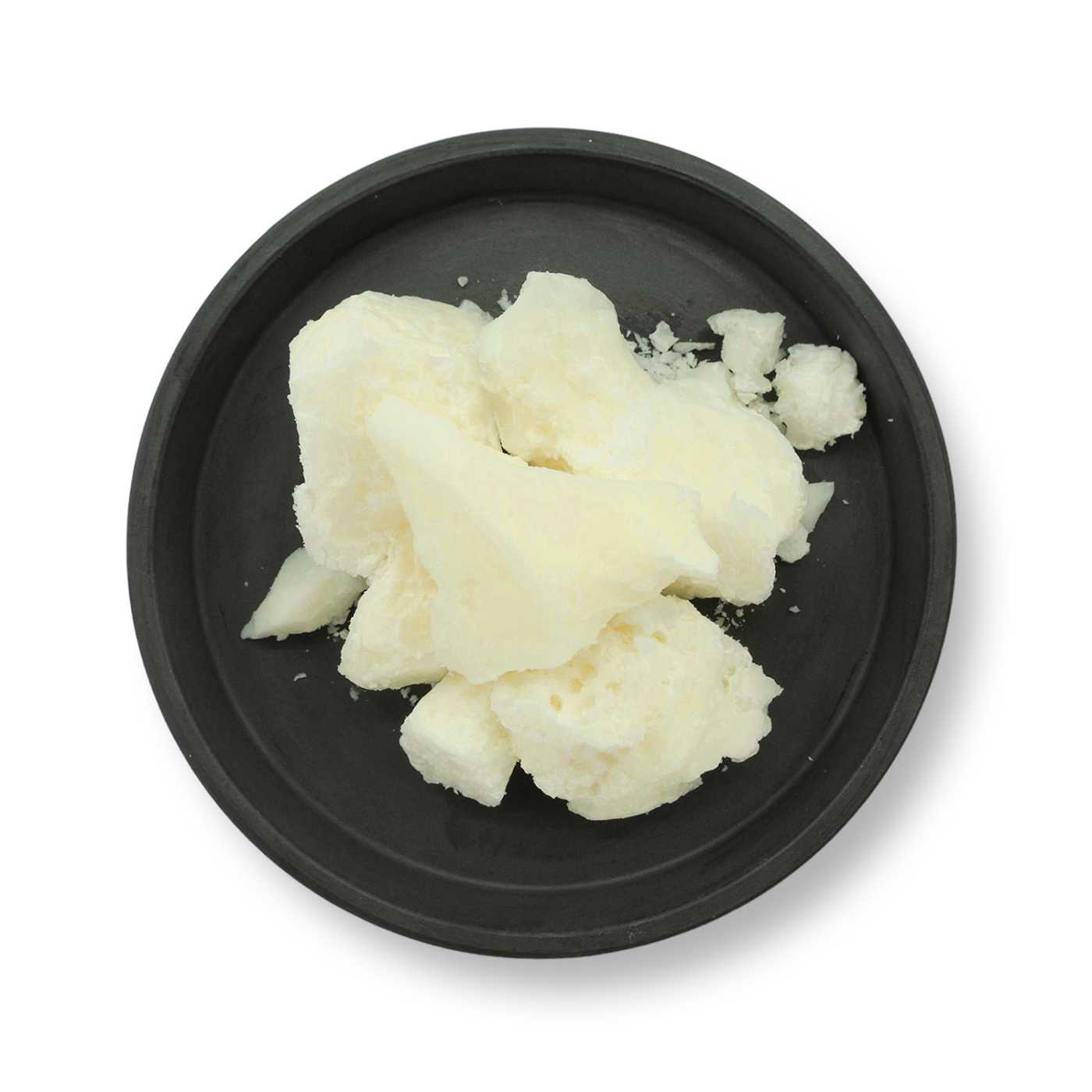
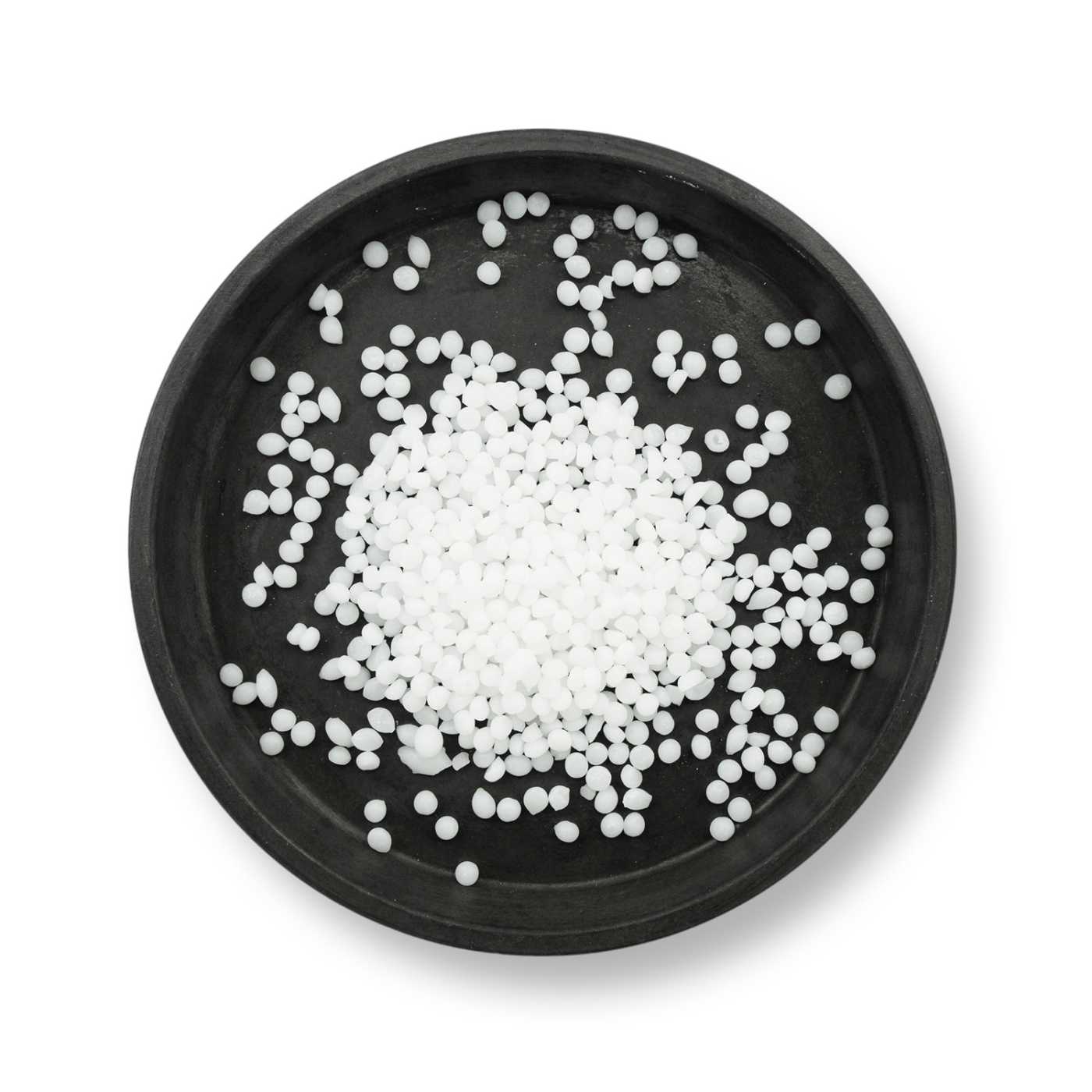
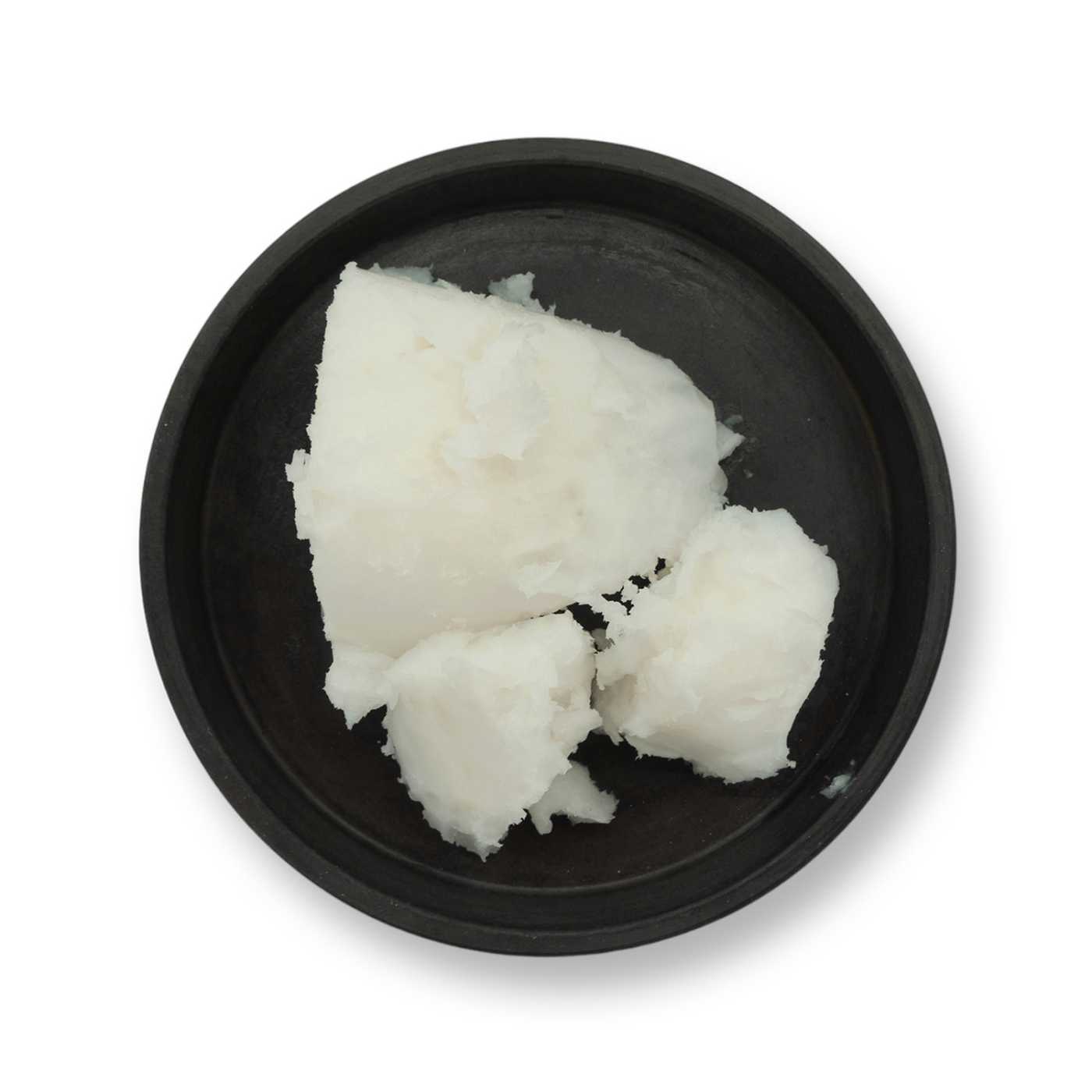
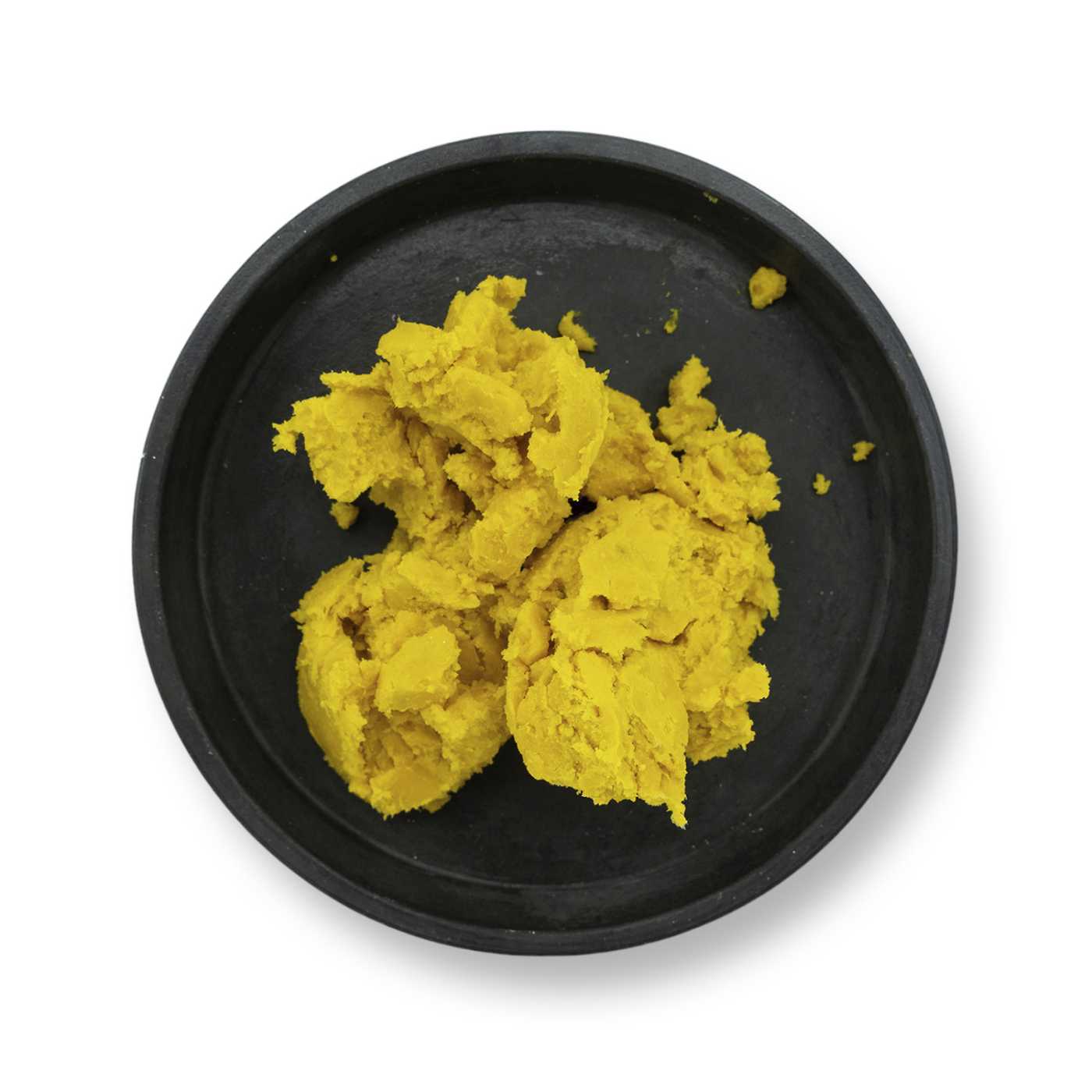
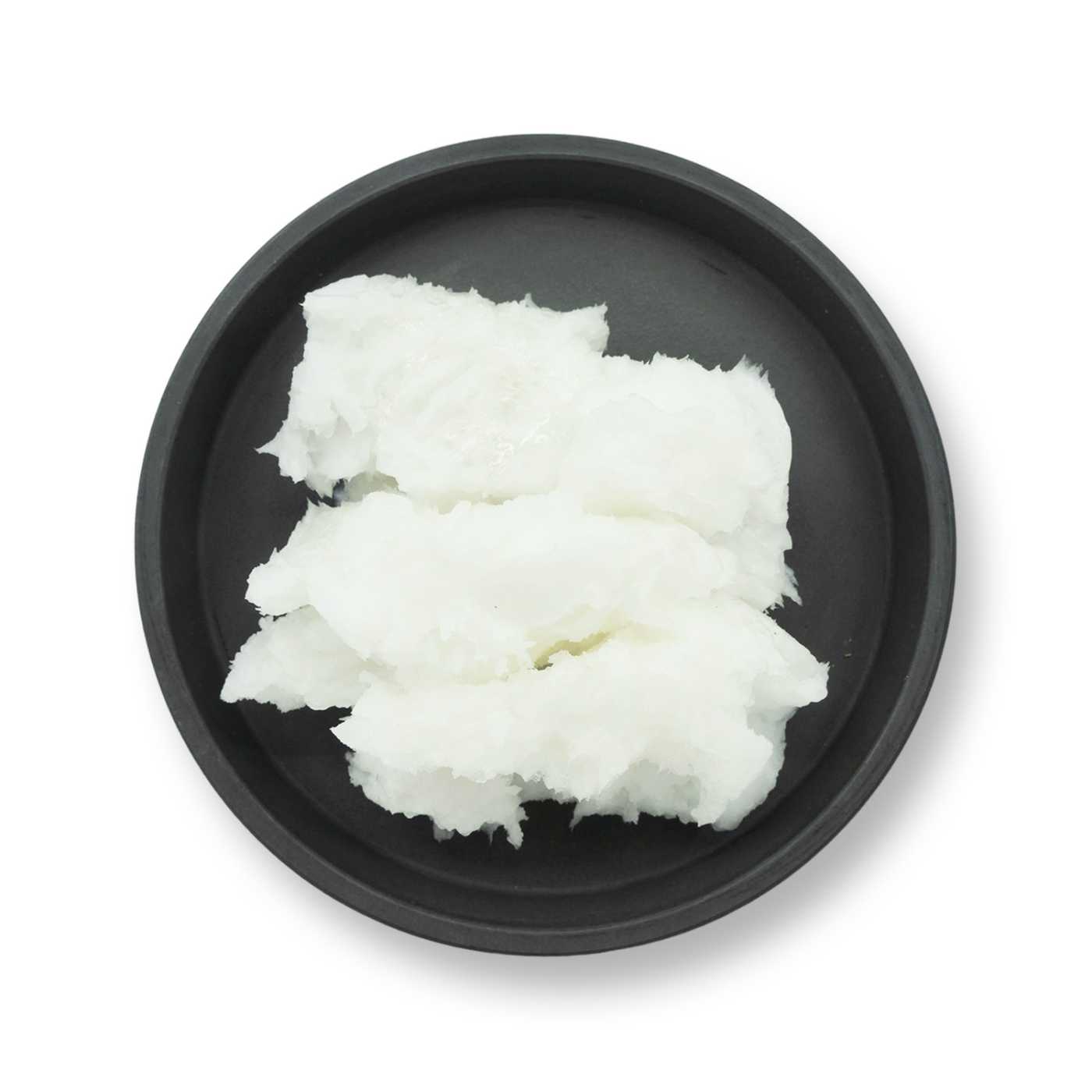
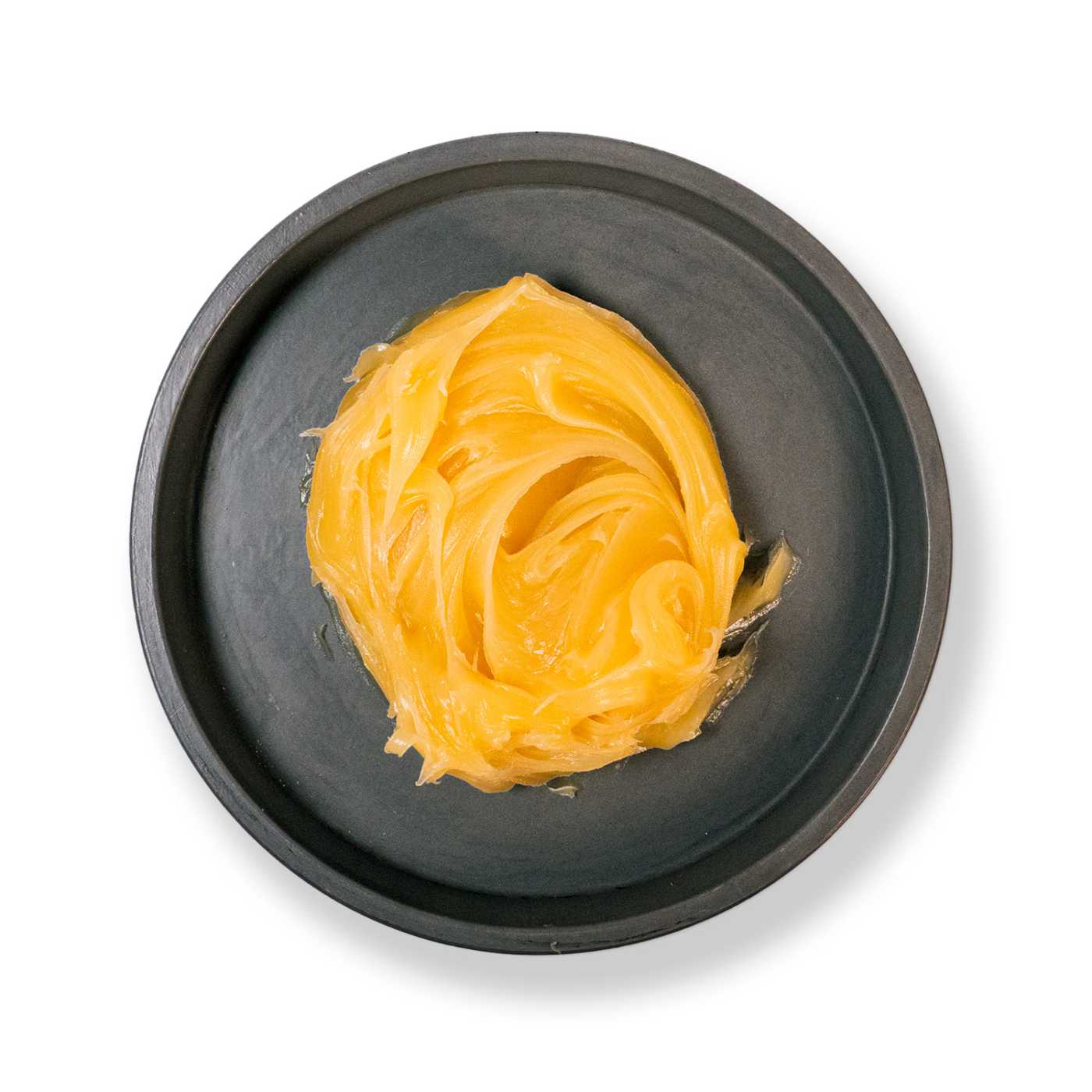
Natural beeswax firms up and thickens the oil phase and gives ointments, balms and sticks a creamy, pliable consistency . It is of European origin and keeps its own colour and honey scent . full description
Lowest price in the last 30 days: €22.48
Natural beeswax firms up and thickens the oil phase and gives ointments, balms and sticks a creamy, pliable consistency. It is of European origin and keeps its own colour and honey scent. It leaves a protective film on the skin. Besides cosmetics, it is also used to make candles.
In anhydrous products, the wax determines hardness. A liquid oil thickens with it into an ointment, and at a higher proportion it sets into a balm or stick that holds its shape. The result is firm and still spreads well.
On the skin, it acts as an emollient and film-forming agent. The layer of wax stays on the surface, softens it and slows the evaporation of water.
In creams and lotions, it serves as a thickener and consistency stabiliser. The emulsion is thicker with it.
Beeswax is not soluble in water; it dissolves in vegetable oils and fats. It is always melted together with the oil phase. Its melting point is generally given as around 62–65 °C. The mixture is heated above this temperature and stirred until completely clear.
It is not an emulsifier on its own. It cannot permanently bind water and oil together. Only the soap formed when it was saponified with borax had an emulsifying effect, and borax is no longer used in cosmetics. In creams and lotions, the wax belongs in the oil phase and the emulsion relies on a true emulsifier.
In formulations, it is most often combined with vegetable oils such as sunflower oil, as well as with Caprylic/Capric Triglyceride, Hydrogenated Castor Oil and Cetyl Ricinoleate. Tocopherol is added to them as an antioxidant.
The amount depends on the type of product. In formulations, the wax is used in the range of 0.1–35%, most often around 2%. Indicative ranges:
In simple mixtures of wax and liquid oil, approximately 16–25% wax works well for ointments and balms. Below roughly 14%, the wax only thickens the oil to varying degrees.
Above approximately 30–35% wax, the product is too hard and sticky and spreads poorly. It is therefore not worth fixing a soft balm by adding a large amount of wax.
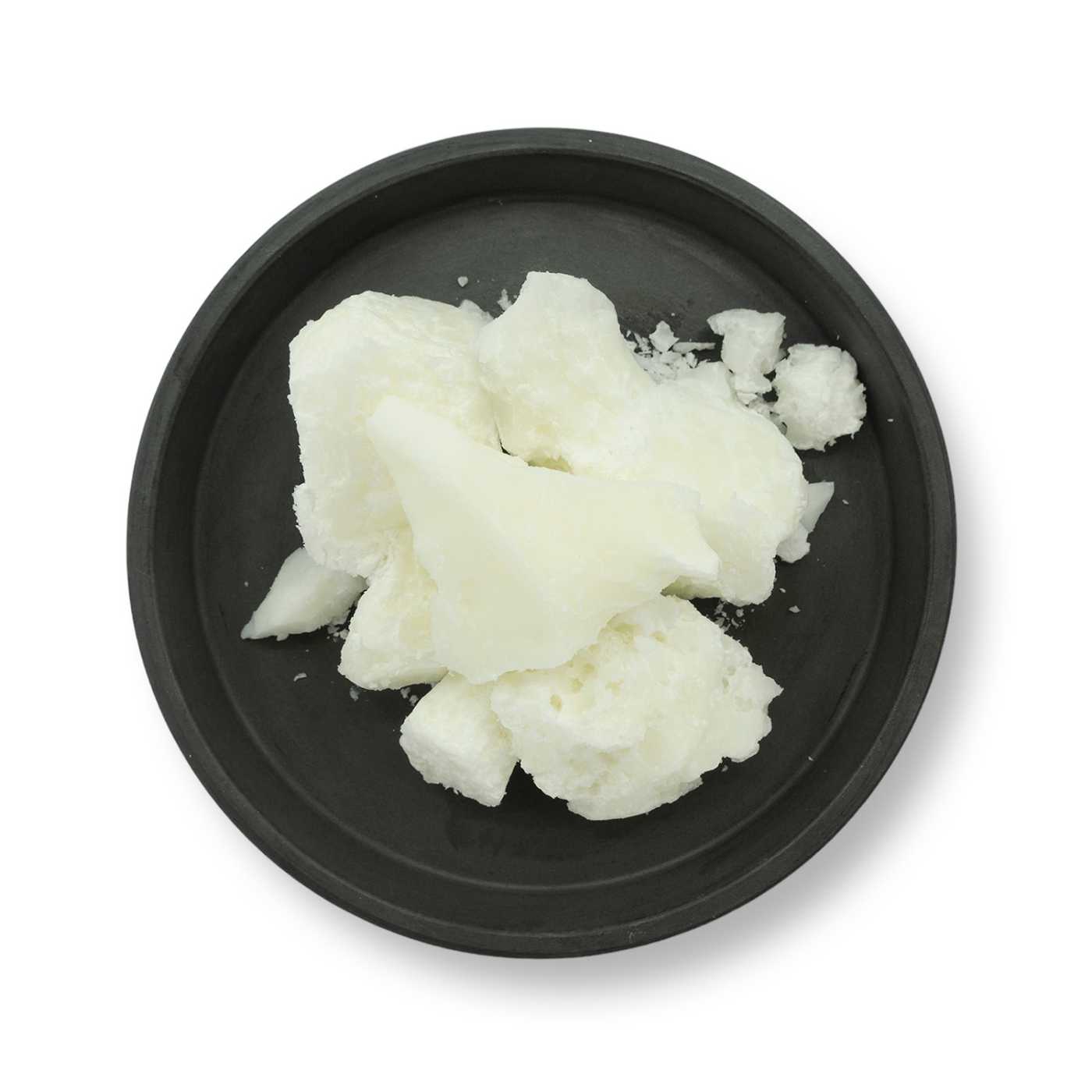
Natural wax is a mixture of hundreds of substances. This one comes from Slovakia. Its composition, colour and scent intensity vary between batches depending on the origin and diet of the bees. It carries both colour and scent into the product, which you need to take into account with light creams and fragranced balms. Where they are a problem, bleached wax is more suitable, as it has no colour and no typical scent.
Vegetable waxes behave differently. Candelilla wax and carnauba wax are harder and glossier and do not have the creaminess of beeswax. A 1:1 swap therefore does not work. As a starting point, use about 80% of the original amount of wax and fine-tune the texture.
Beeswax may have allergenic potential. Reactions to the wax are described in people with inflamed lips or facial eczema, often together with hypersensitivity to propolis. If you make lip balms for sensitive customers, warn them about this.
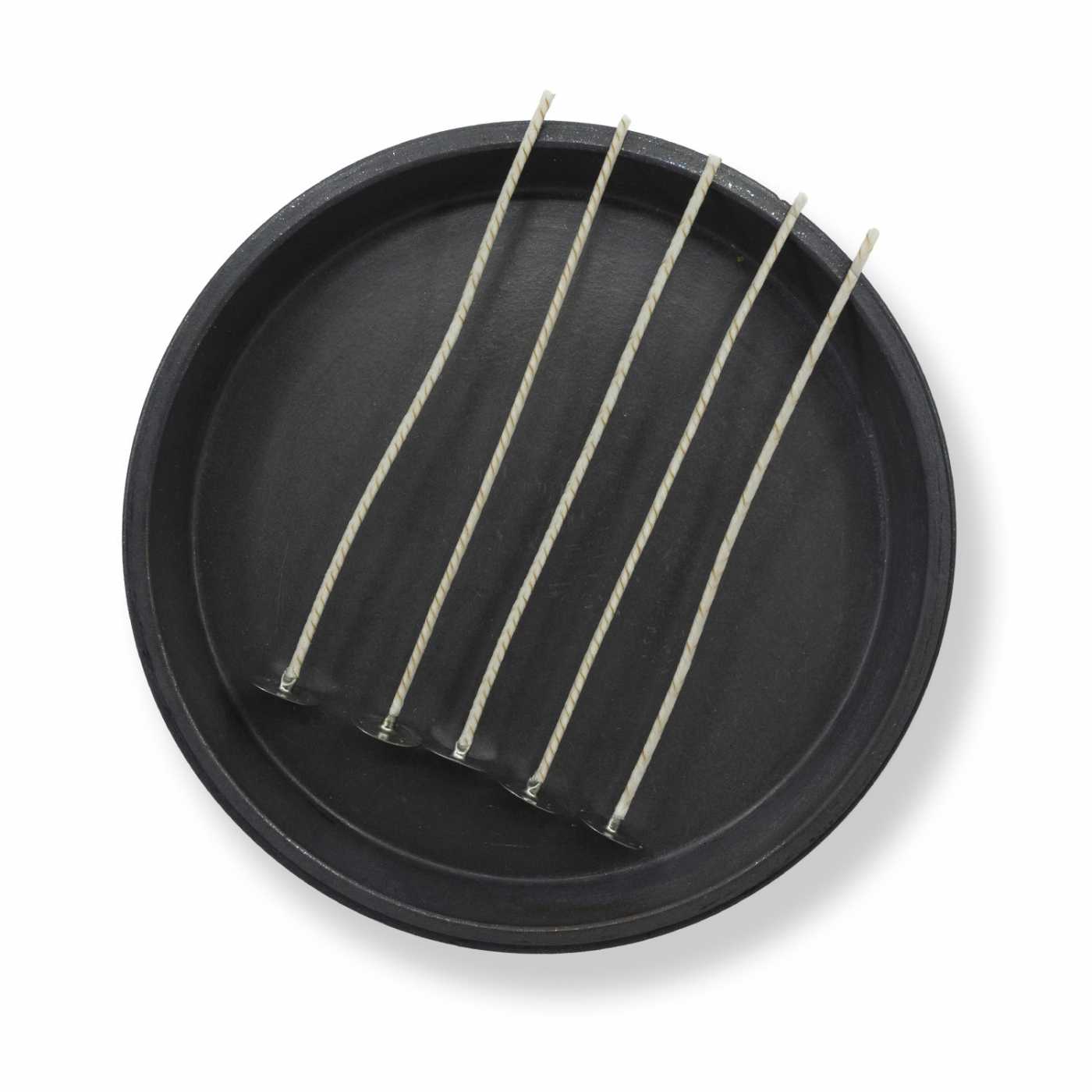
For candles, soot formation depends mainly on the wick. Choose a suitable thickness and trim the wick short.

A kilo isn't enough, I'm out again already. Beautifully clean.
Translated automatically