The blemish roll-on is an effective weapon against breakouts in roll-on form, made following our guide. Salicylic acid is one of the substances used in the fight against acne — thanks to its anti-inflammatory effects, it helps reduce redness and improve the condition of acne. If your skin tolerates salicylic acid well, you can make a blemish roll-on in the comfort of your own home.
About this recipe
This is a water-based solution with salicylic acid filled into a small bottle with a roller ball, a so-called roll-on. The recipe is given in percentages so that you can prepare any batch size, and besides salicylic acid it also contains other active substances — Zinc PCA and niacinamide. The roll-on is applied only directly onto breakouts, once or twice a day, and it will be of most use to young people whose skin is still changing.

Main benefits
- Anti-inflammatory action
Thanks to its anti-inflammatory effects, salicylic acid helps reduce redness and improve the condition of acne.
- Targeted application
The roll-on makes it easy to apply the product directly onto breakouts — it is applied once or twice a day to the affected spots only.
- Several active substances
Besides salicylic acid, it also contains Zinc PCA and niacinamide, which are well suited to the care of acne-prone skin.
- Extra hydration
Glycerin and sodium lactate are both humectants — they keep the skin hydrated and at the same time make it easier to dissolve the salicylic acid.
- Any batch size
The formula is given in percentages by weight, so you can prepare exactly as much as you will use — ideally in small batches.
Product properties
Key ingredients in the recipe
Besides salicylic acid, the blemish roll-on also contains other active substances, whose properties we describe below.
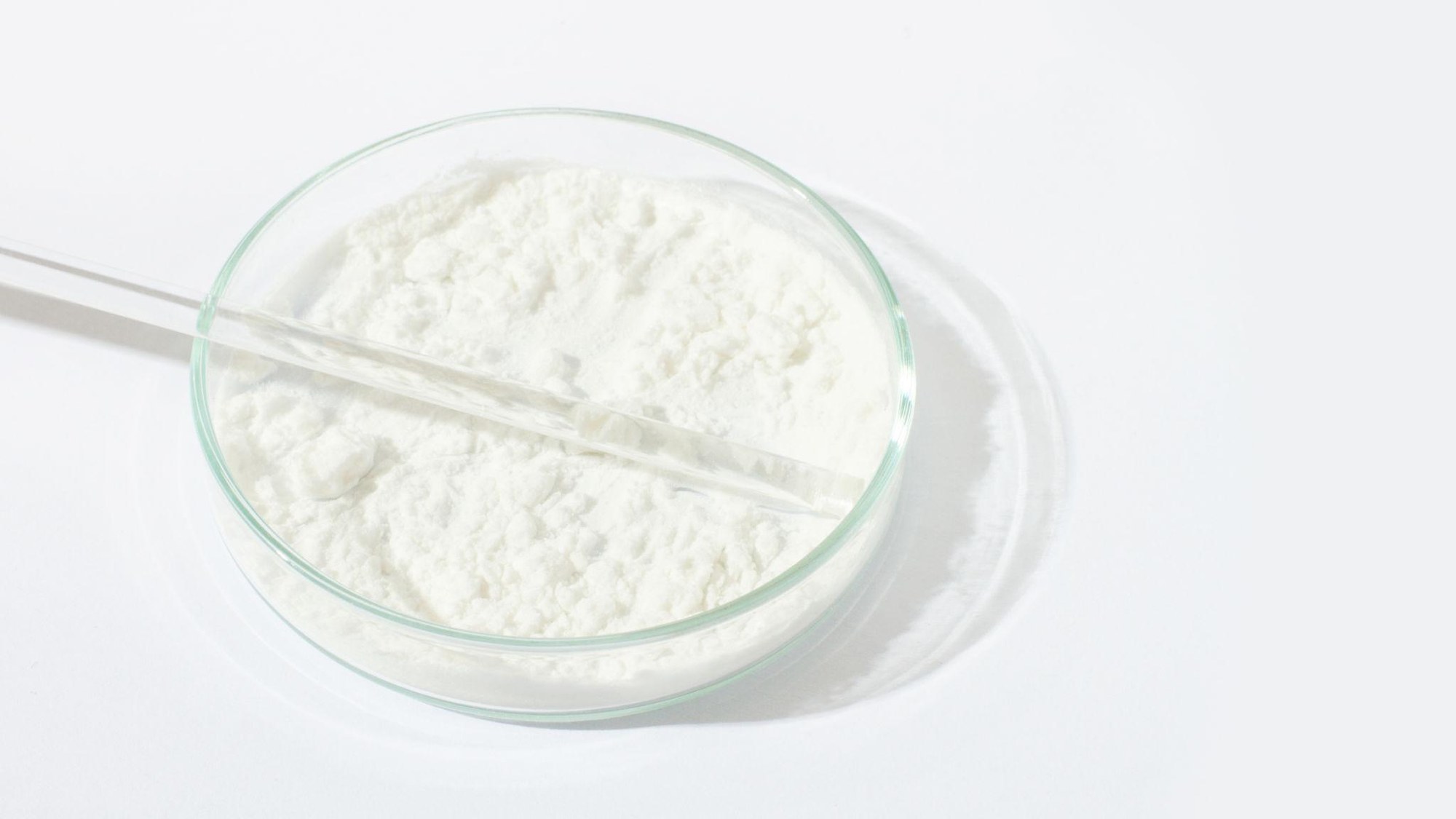
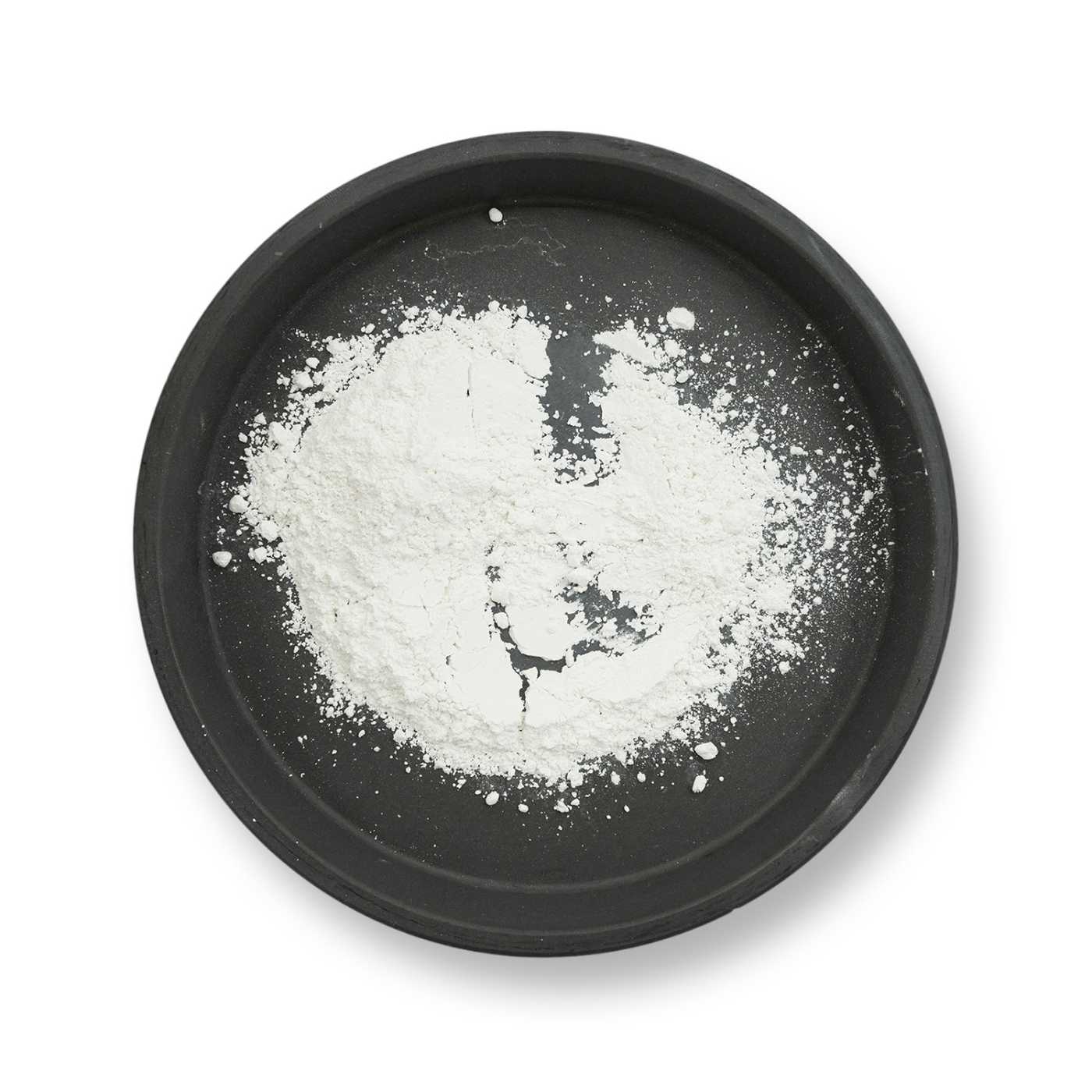
Salicylic acid
The main active ingredient in the blemish roll-on is salicylic acid — this is a BHA acid (beta hydroxy acid), which is somewhat gentler on the skin than the AHA acids (alpha hydroxy acids) used for chemical peels. Salicylic acid is a frequently used raw material in the care of acne-prone skin because it has anti-inflammatory, exfoliating and antibacterial effects. It thus helps to reduce inflammation and redness.
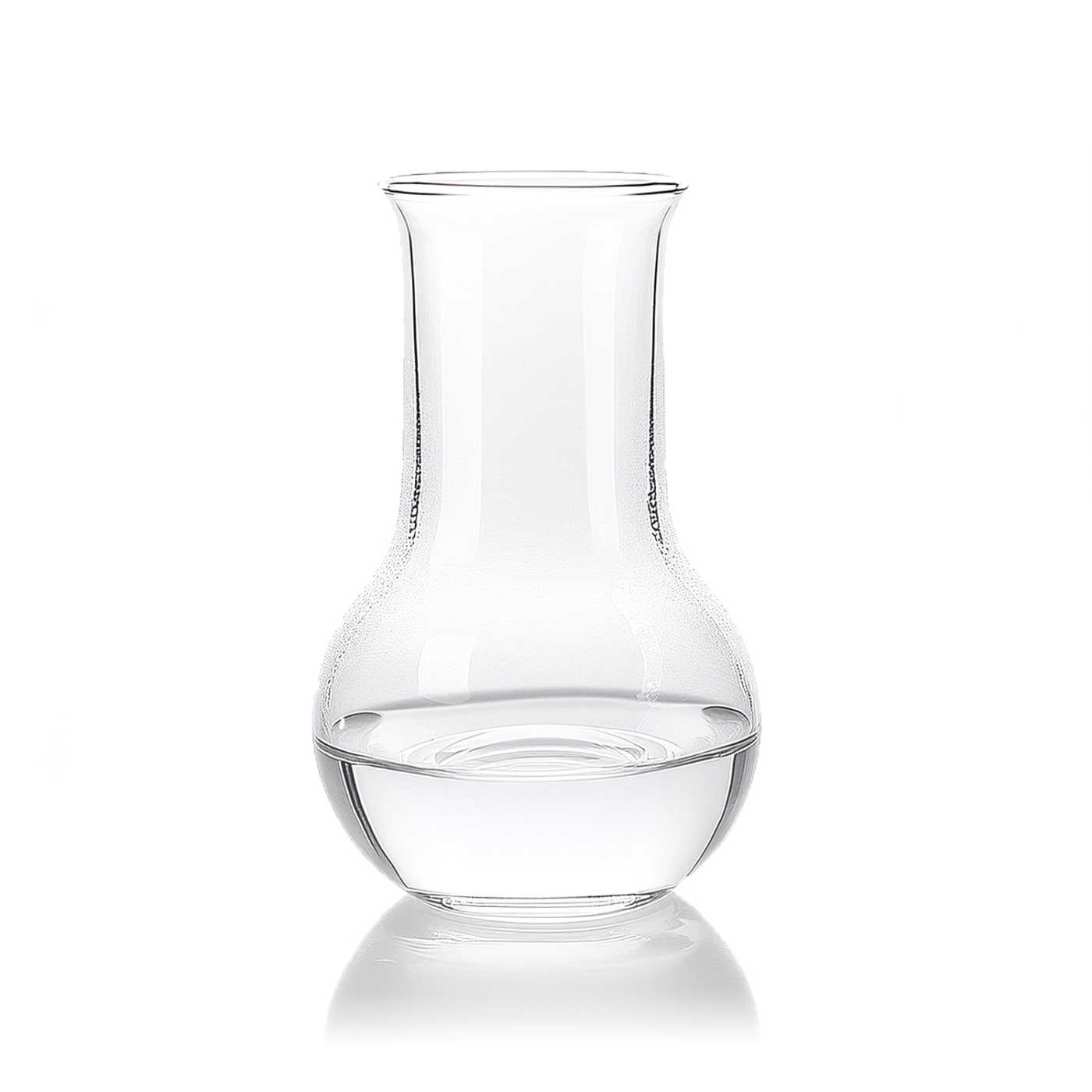
Glycerin
Glycerin is a basic component of many serums and water-based products, and it is also part of the blemish roll-on recipe. It is added primarily for its humectant effects on the skin. In the blemish roll-on formula it makes the salicylic acid easier to dissolve, as salicylic acid dissolves well in alcohols, and glycerin belongs to this broad group of substances.
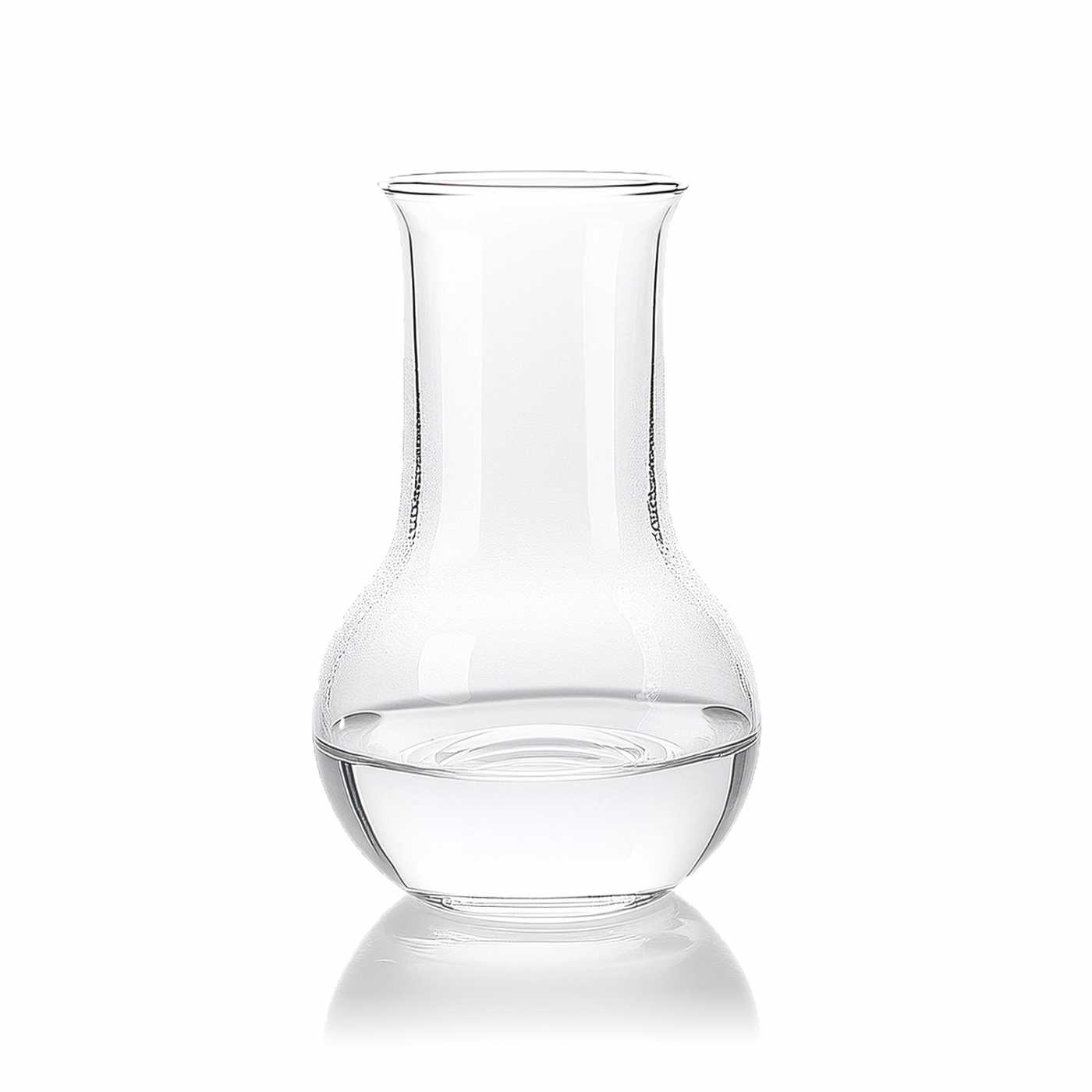
Sodium lactate
The sodium salt of lactic acid is another substance that is important in making salicylic acid easier to dissolve in an aqueous solution. It is precisely the increased concentration of sodium lactate in the mixture that helps the salicylic acid dissolve for the blemish roll-on. At the same time it is also a humectant for the skin, keeping it hydrated by increasing the amount of naturally occurring sodium lactate in the skin.
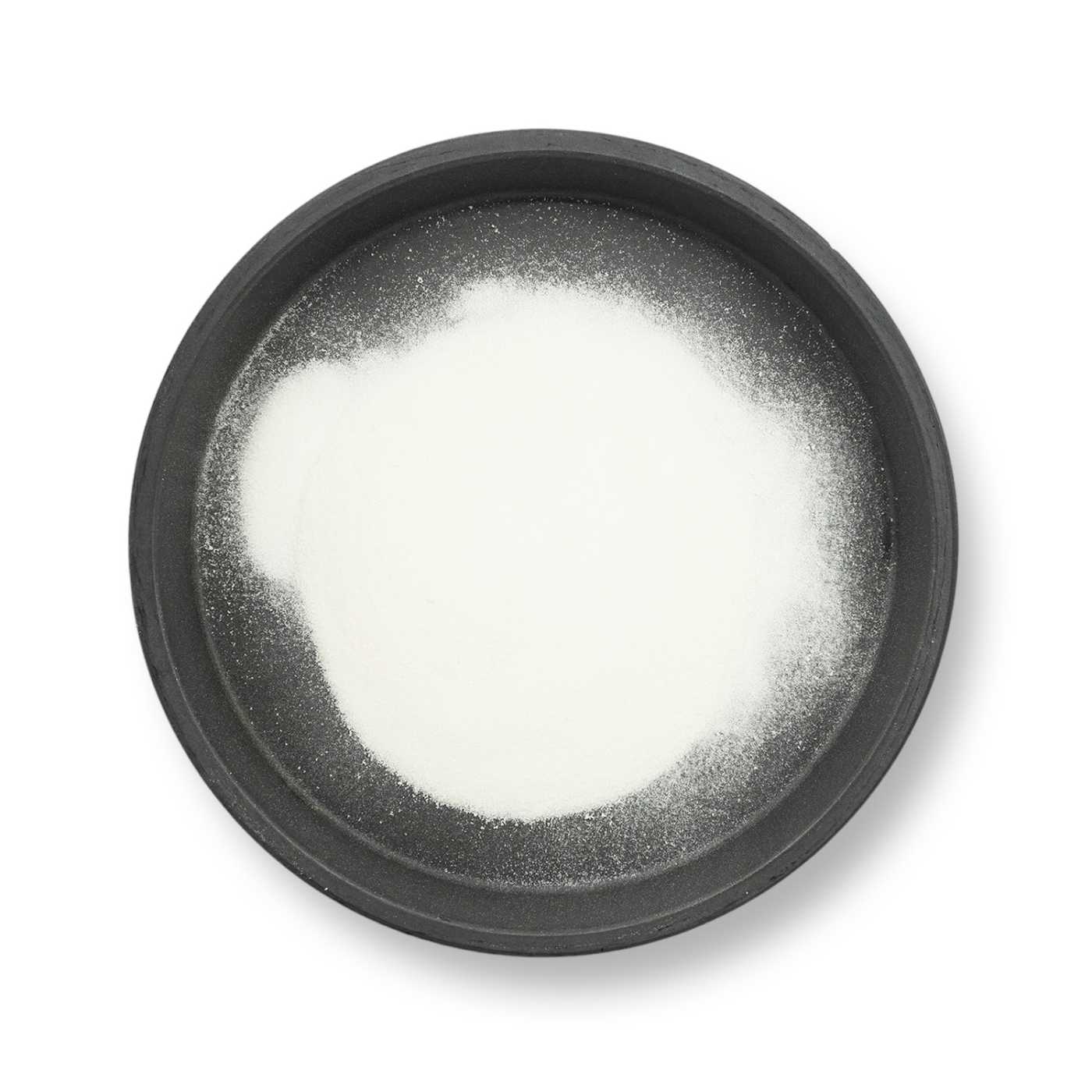
Niacinamide
Niacinamide, or vitamin B3, is another substance that is important in the care of acne-prone skin. Niacinamide is sought after because it helps even out skin tone and reduce the appearance of pigmentation spots and post-acne marks, and this is also why it was chosen for the blemish roll-on. In addition, it has anti-inflammatory effects and helps improve the condition of enlarged pores, which can also occur with acne.
Zinc PCA
Zinc together with pyrrolidone carboxylic acid is also one of the active substances in the blemish roll-on. The combination with this organic acid facilitates the penetration of zinc into the skin. Zinc PCA is suitable for acne-prone skin because it helps regulate sebum production, has antimicrobial effects and at the same time hydrates the skin.
Other ingredients
Baking soda is added to the blemish roll-on recipe to increase the pH. As mentioned, some of the ingredients in the blemish roll-on are sensitive to pH changes and require a certain pH value in order to work properly. When adding baking soda, always mix the blend thoroughly, because carbon dioxide is released during the reaction and has to be removed by mixing.
Demineralised water forms the base of the whole mixture — at 80.5 % it is the largest component of the recipe.
Euxyl PE 9010 is a preservative, which the recipe uses at 1 % — it is added at the end of the process.
Formulation (100 g)
The recipe for the blemish roll-on is given in percentages so that you can prepare any batch size — the amounts of the ingredients therefore correspond to a batch of 100 g of finished solution. You convert the percentages of the individual components into grams as follows: choose what the total weight of the product will be, for example 10 grams. Multiply the total weight by the percentage of the component and divide the result by 100. For example, for demineralised water: 10 g x 80.5 % = 805 → 805/100 = 8.5 g of demineralised water for a total product weight of 10 g.
Shop the ingredients for this recipe
Untick what you already have Demineralised Water, 1 lrecipe uses 80,50 gin stock€2.79
- Vegetable Glycerol 99,5% USP/BP, 100 mlrecipe uses 10,00 gin stock€2.69
- Sodium Lactate, 60% Solution, 100mlrecipe uses 4,00 gin stock€2.82
- Salicylic Acid, Powder, 99,5% 100 guses 1 gin stock€5.45
- Zinc PCA, 10 guses 1 gin stock€4.69
- Vitamin B3/PP, Nicotinamid/Niacinamide, 10 guses 2 gin stock€1.99
 Baking soda, Sodium Bicarbonate, 1 kgrecipe uses 0,50 gin stock€2.99
 Euxyl PE 9010, Preservative, 10 mlrecipe uses 1,00 gin stock€2.49
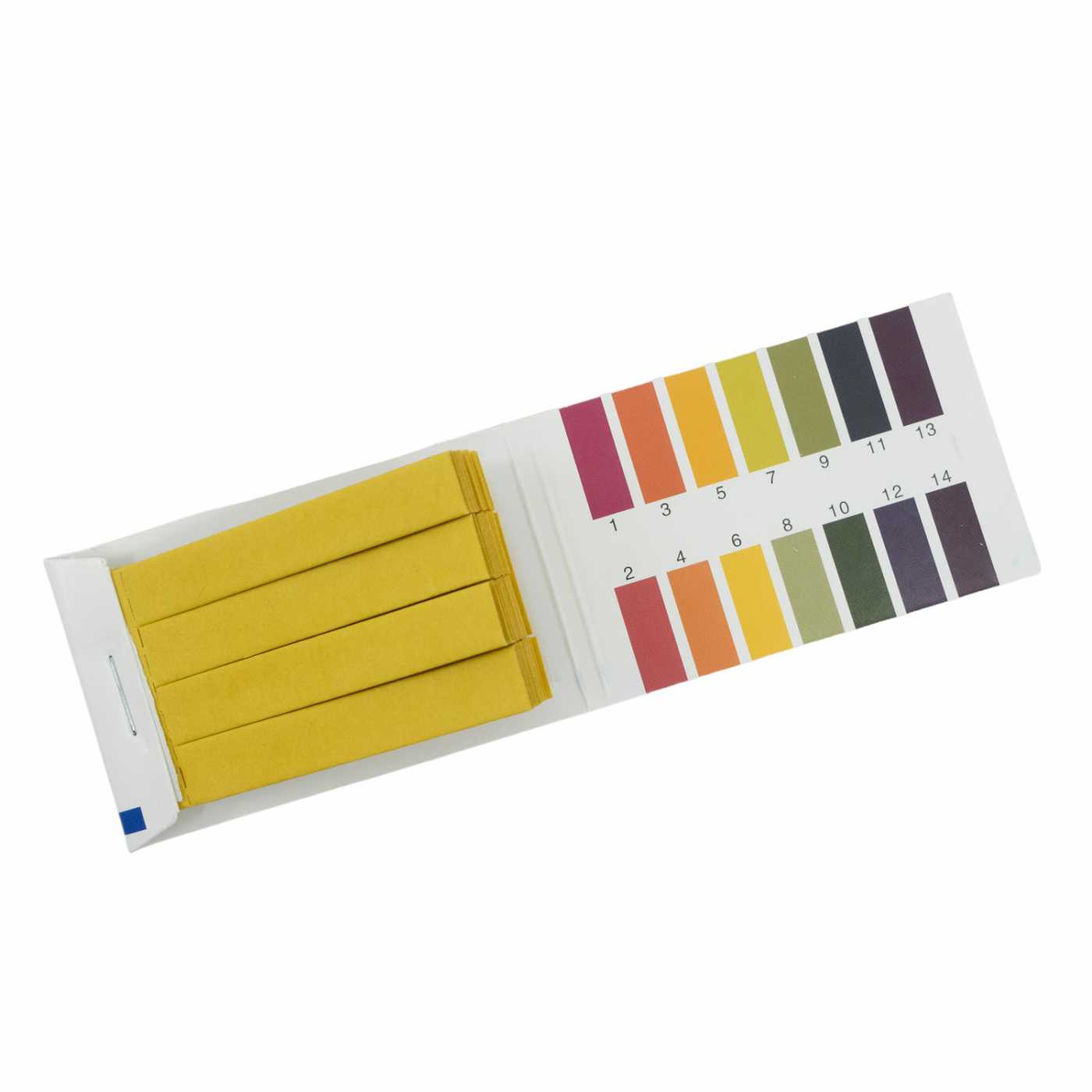 pH Indicator Strips, pH 1–14, 80 pcsin stock€2.30
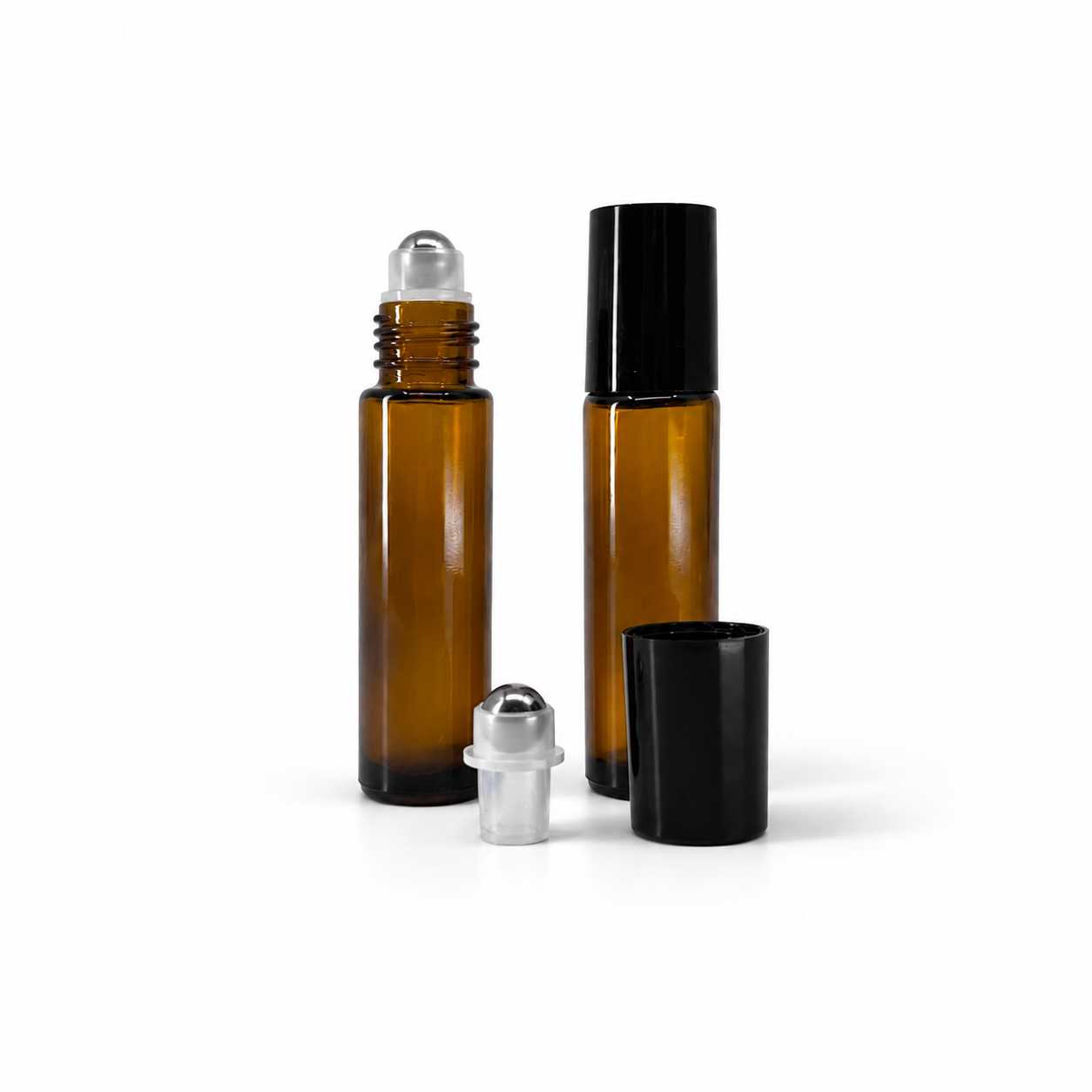 Glass roll-on, 10 ml, amber, black capin stock€0.99
| Name of ingredient | Content in % |
|---|---|
| Demineralised water | 80.5 % |
| Glycerin | 10 % |
| Sodium lactate | 4 % |
| Salicylic acid | 1 % |
| Zinc PCA | 1 % |
| Niacinamide | 2 % |
| Baking soda | 0.5 % |
| Euxyl PE 9010 | 1 % |
Method
- Disinfection
Disinfect all containers and tools used in the preparation, for example with ethanol.
- Water mixture
Mix the demineralised water, glycerin and sodium lactate. Stir well and add the salicylic acid.
- Water bath max. 65 °C
Place the water mixture in a water bath (make sure the temperature does not exceed 65 °C) and stir until the salicylic acid has dissolved. This may take several minutes.
- Cooling and pH adjustment pH 5 – 6
Once the salicylic acid has dissolved, take the mixture out of the water bath and let it cool to room temperature. Then check the pH, for example with pH strips, and using baking soda adjust the pH to 5-6. The amount of baking soda is only approximate; the actual amount used will depend on the accuracy of your weighing and on whether you make any changes to the recipe. Add the baking soda gradually, therefore, and keep checking the pH once it has been mixed in thoroughly.
- Active substances
Add Zinc PCA and, once it has mixed in, also the niacinamide.
- Preservative
Finally, add the preservative.
Tips and tricks
Salicylic acid can sometimes be more difficult to dissolve, which is why the recipe also contains sodium lactate to make dissolving it easier. If complete dissolution does not occur even after heating and longer stirring, add a small amount of sodium lactate to the blemish roll-on.
When making the blemish roll-on, you cannot skip checking and adjusting the pH. Salicylic acid can lower the pH too much, which can be irritating to the skin. On the other hand, Zinc PCA and niacinamide both require higher pH values in order to be effective.
The blemish roll-on and its variations
Although the active substance in the blemish roll-on is salicylic acid, you can still swap some of the ingredients and adjust the recipe to suit yourself.
Floral waters
Ordinary demineralised water can also be replaced with floral waters. However, each floral water has its own pH value, which will affect the amount of baking soda used, so it is all the more important here to add the baking soda gradually and to keep checking the pH of the blemish roll-on mixture.
Active ingredients
If you wish to use salicylic acid for the blemish roll-on, glycerin and sodium lactate are essential to dissolve it in the aqueous solution. However, Zinc PCA and niacinamide are not mandatory ingredients and you can leave them out of the recipe. Alternatively, they can be replaced with other active ingredients. In that case, though, make sure you know at what pH those substances are active and whether they are compatible with salicylic acid.
Salicylic acid is also soluble in ethanol (alcohol), so you can replace the water, glycerin and sodium lactate with ethanol in the blemish roll-on recipe. However, a high concentration of ethanol may be irritating for some skin types. It is also preferable to use food-grade, non-denatured alcohol, because some denaturing agents can be harmful and irritating to the skin and the body.
Baking soda
The baking soda used for the blemish roll-on can also be replaced by other substances that increase the pH. The most common alternative is a 30 % sodium hydroxide solution. When using sodium hydroxide, no carbon dioxide will form in the blemish roll-on mixture. At the same time, the amount of baking soda needed is not equal to the amount of sodium hydroxide solution used, so add this solution drop by drop and keep checking the pH.
Preservative
Euxyl PE 9010 is not the only preservative you can use for the blemish roll-on. When choosing a preservative, the pH of the product is the most important factor, so choose preservatives that are active at the final pH of the product and are broad-spectrum (effective against yeasts, bacteria and moulds).
Packaging and storage
As the name already suggests, the finished mixture is filled into a small bottle with a roller ball, the so-called roll-on. The advantage of a roll-on is that it makes application easier directly onto breakouts. The disadvantage is that the ball comes into direct contact with the skin and thus contaminates the remaining solution. For this reason it is best to use up the blemish roll-on within a few weeks (which is why it is ideal to make it in small batches).
Another option is to use airless bottles. These have a pump that dispenses the amount of the mixture you need, which you then apply to the skin. The advantage is that you do not come into contact with the rest of the mixture and it is also protected from the air. On the other hand, application is more demanding, as it is no longer a roll-on, and it is advisable to thicken the mixture with salicylic acid to reduce its fluidity. For thickening, konjac powder in an amount of 0.5 % or less is ideal.
Warning
As mentioned, you can experiment with homemade recipes to achieve the properties you want. However, the final result can be influenced by many factors, such as humidity, temperature, the quality of the ingredients and the way they are stored.
Before you use any ingredient to make a cosmetic product, get familiar with its properties, recommended dosage, storage conditions and safe handling. Any ingredient can have the potential to trigger an allergic reaction in sensitive individuals, so before using the product we recommend checking whether you are allergic to any of the ingredients or to the finished product, for example by a patch test.
If you have very sensitive or very acne-prone skin, or if you have other skin or health problems, we recommend that you consult a medical professional before applying a new product to your skin, whether it is a homemade cosmetic product, a pure raw material or a commercially available product.
Frequently asked questions about the recipe
Practical questions about the blemish roll-on — dissolving the salicylic acid, adjusting the pH, swapping ingredients and storage.
Why are glycerin and sodium lactate in the recipe?
Both substances make it easier to dissolve the salicylic acid in the aqueous solution — salicylic acid dissolves well in alcohols, and glycerin belongs to this group, while an increased concentration of sodium lactate speeds the dissolving up. If the acid does not dissolve even after heating and longer stirring, add a small amount of sodium lactate. Both are also humectants for the skin.
Why does the pH have to be adjusted, and to what value?
Salicylic acid can lower the pH too much, which can be irritating to the skin; on the other hand, Zinc PCA and niacinamide both require higher pH values in order to be effective. Once the mixture has cooled, therefore, check the pH, for example with pH strips, and adjust it with baking soda to pH 5-6. Add the baking soda gradually and check the pH once it has been mixed in thoroughly.
Can I replace the demineralised water with a floral water?
Yes, ordinary demineralised water can be replaced with floral waters. Each floral water has its own pH value, however, which will affect the amount of baking soda used — which makes it all the more important to add the baking soda gradually and to keep checking the pH of the mixture.
Do Zinc PCA and niacinamide have to be in the recipe?
No — Zinc PCA and niacinamide are not mandatory ingredients and you can leave them out of the recipe, or replace them with other active ingredients. In that case, though, make sure you know at what pH those substances are active and whether they are compatible with salicylic acid. Glycerin and sodium lactate, on the other hand, are essential for dissolving the salicylic acid.
How do I convert the percentages into grams?
Choose what the total weight of the product will be, for example 10 grams. Multiply the total weight by the percentage of the component and divide the result by 100. For example, for demineralised water: 10 g x 80.5 % = 805 → 805/100 = 8.5 g of demineralised water for a total product weight of 10 g.
How long does the roll-on keep and what should I store it in?
The ball of the roll-on comes into direct contact with the skin and thus contaminates the remaining solution — which is why it is best to use the roll-on up within a few weeks and to make it in small batches. An alternative is airless bottles with a pump, where you do not come into contact with the rest of the mixture; in that case it is advisable to thicken the mixture with konjac powder in an amount of 0.5 % or less.
Conclusion
The blemish roll-on will be an excellent helper in skin care for young people whose skin is still changing.
If you have tried this guide, be sure to let us know how it works on acne. Tips and tricks will also come in handy for other alchemists.
Until we saponify again, friends.
Salicylic acid, Zinc PCA, niacinamide and the other active ingredients from this recipe are all in the Handymade ingredient range.